
How to Choose the Right Machine and Avoid Costly Buyer’s-Remorse
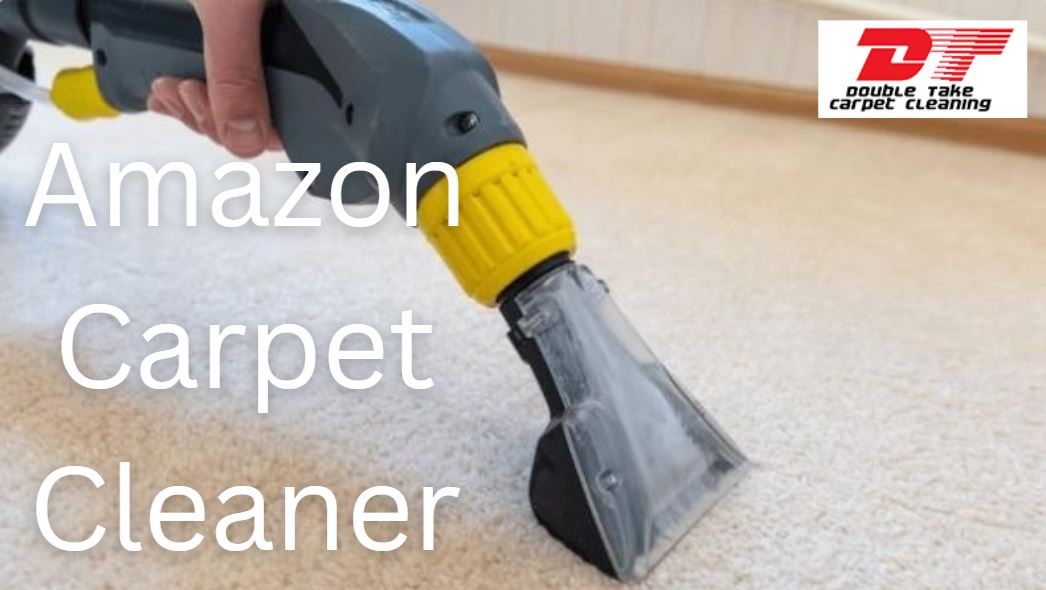
An Amazon carpet cleaner is a carpet-cleaning machine sold on Amazon that lets homeowners, renters, and small businesses remove stains, spills, and embedded dirt from carpet and upholstery. It matters because the wrong machine can leave carpets too wet, fail to remove soil, or become frustrating to use, while the right one can save you time and delay professional service calls. The most important takeaway is that the “best” Amazon carpet cleaner is not the most heavily advertised one — it is the one that matches your carpet type, stain load, square footage, drying-time needs, and storage space. In general, buyers should compare cleaning power, tank size, weight, attachments, dry time, and ease of maintenance before buying. Expert guidance helps because carpet care is not just about suction; it is about chemistry, moisture control, and using the machine correctly. For broader product context, consumer testing sources such as Consumer Reports and Good Housekeeping show that real-world performance often differs from marketing claims.
What It Is and How It Works
An Amazon carpet cleaner is usually an upright or portable extraction machine designed to spray cleaning solution into carpet fibers, agitate the soil, and then vacuum the dirty liquid back into a recovery tank. Some models are intended for whole-room cleaning, while others are compact spot cleaners for stairs, upholstery, and car interiors. The key components are the clean-water tank, dirty-water tank, brushes or rollers, pump, suction motor, and the cleaning solution you use with it.
The process is straightforward but easy to misuse. First, you vacuum loose soil. Then you pre-treat spots if needed, fill the machine according to instructions, clean in slow overlapping passes, and give the carpet enough drying time. The carpet cleaner removes suspended dirt, but it does not replace good maintenance habits like regular vacuuming and prompt spill response. It also is not a magic fix for permanent stains, worn carpet, or moisture damage.
The best machines work well when matched to the job. A compact spot cleaner is useful for pet messes and upholstery, while a larger upright is better for larger carpeted areas. For buyers, the challenge is knowing which style fits the problem.
Ten Things To Know
1. More Power Does Not Always Mean Better Cleaning
Many shoppers assume the strongest-looking machine is automatically the best Amazon carpet cleaner. In reality, real cleaning performance depends on a mix of spray, brush action, suction, and moisture control. A machine that uses too much water or does not recover it well can leave carpet damp, which increases dry time and can create odors or re-soiling. Consumer testing often focuses on removal performance and how dry the carpet feels afterward, because both matter in real homes Consumer Reports.
This matters because buying too much machine can be just as disappointing as buying too little. A very powerful cleaner may be heavy, noisy, and hard to store. A weaker one may be easy to use but fail on set-in stains. The best fit depends on the kind of mess you actually have: pet accidents, food spills, tracked-in dirt, or routine freshening. If your carpet is mostly maintained and you only need spot cleanup, a portable cleaner may be more practical than a heavy upright.
The best approach is to define your use case first. If you need occasional stain removal, focus on portability and attachments. If you need whole-room cleaning, focus on recovery, tank size, and brush design. Power matters, but only when it is balanced with usability and drying performance.
2. Upright and Portable Models Serve Different Jobs
Amazon carpet cleaners generally fall into two groups: upright extractors for larger carpeted areas and portable spot cleaners for targeted messes. Upright models are better for bedrooms, living rooms, and larger cleanup jobs. Portable units are more useful for stairs, upholstery, car seats, and pet accidents. Choosing the wrong style is one of the most common buyer mistakes because the machine may work well but still be the wrong tool for your space.
This matters because convenience and coverage are different goals. A portable cleaner is easier to carry and often cheaper, but it can be slow for a whole house. An upright cleaner can cover more ground, but it usually takes more storage space and more effort to move around furniture. For apartment dwellers or people with mostly spot-cleaning needs, a smaller machine may actually be the smarter purchase. For families with wall-to-wall carpet, an upright may save a lot of time.
The right strategy is to match machine type to room count and stain pattern. If you mostly need to clean around pet beds, entry rugs, and spills, go portable. If you want a periodic full-carpet refresh, go upright. Some shoppers buy both over time, but most should start with the tool that handles the majority of their real cleaning tasks.
3. Drying Time Is as Important as Cleaning
A carpet cleaner that leaves the floor too wet can create more problems than it solves. Excess moisture can extend drying time, delay room use, and leave the carpet vulnerable to odor or wick-back stains. This is one reason many expert reviews evaluate how wet the carpet is after cleaning, not just how much stain was removed Vacuum Wars. If the machine does a great job but the carpet stays damp for many hours, the user experience is still poor.
This matters especially in homes with pets, kids, or limited ventilation. A wet carpet can be a safety concern and a nuisance. It also means the carpet may attract more dirt if people walk on it before it fully dries. In multi-room homes, long drying times can make the whole process feel inconvenient enough that people stop using the machine regularly.
The best way to reduce this problem is to prioritize suction and follow the machine with strong airflow. Pre-vacuuming helps too, because the cleaner is not trying to pull out loose debris and water at the same time. If you are comparing Amazon listings, look for drying-related clues in reviews, not just “deep clean” claims. A machine that balances cleaning and recovery is usually the better buy.
4. Attachments Matter More Than Most People Think
A lot of Amazon carpet cleaner listings focus on the machine itself, but the attachments can be what make the product useful day to day. Crevice tools, upholstery nozzles, stair tools, and spot brushes expand the cleaner’s value beyond the main floor. This is especially important if you have pets, a staircase, fabric furniture, or a vehicle interior that needs attention.
This matters because many buyers expect a carpet cleaner to solve every fabric problem in the house. Without the right attachments, the machine can feel limited. A good handheld or hose attachment often matters more than extra marketing claims about tank size or wattage. For spot-cleaning, the nozzle shape and spray control can be the difference between a tidy repair and a soaked patch of carpet.
When evaluating options, think through the jobs you will actually do. If your main issue is pet accidents on stairs, a long hose and good stair tool matter. If you are mostly refreshing a large living room, wide coverage and a sturdy brush head matter more. The best Amazon carpet cleaner for one household may be a poor fit for another simply because the attachment set is wrong.
5. Solution Choice Affects Results
The machine is only part of the system. Carpet cleaning solution affects foam, residue, odor control, and overall effectiveness. Using too much detergent can leave the carpet sticky or attract dirt faster after cleaning. Using the wrong solution can reduce performance or cause issues on delicate fibers. Many manufacturer instructions are very specific about compatible formulas, and it is worth following them carefully.
This matters because shoppers often blame the machine when the problem is actually the chemistry. A cleaner may look underpowered if the wrong solution is used or if the carpet is already loaded with residue. On the other hand, a strong cleaner can still disappoint if the solution is too aggressive or not rinsed properly. For homes with pets or allergies, low-residue formulas and strong ventilation are especially important.
The practical move is to use the solution recommended by the manufacturer first, then compare alternatives only if needed. Start with the smallest effective amount. If a carpet starts feeling tacky or re-soils quickly, you may have used too much detergent rather than too little cleaning power. Good chemistry is part of good cleaning.
6. Tank Size Changes Usability
Tank size affects how long you can clean before stopping to refill or empty the machine. Bigger tanks reduce interruptions, but they also make the unit heavier and sometimes harder to carry or maneuver. Smaller tanks are lighter and easier to store, but they can slow down bigger cleaning jobs because you will stop more often.
This matters because a machine that sounds efficient on paper may be annoying in practice. If you have a large area to clean, small tanks can turn one job into a long series of trips to the sink. If you have a small apartment or limited storage, a giant unit may be more trouble than it is worth. Buyers often underestimate the convenience impact of tank design until the machine is already home.
The smart way to choose is to estimate how many rooms you plan to clean in one session. If you clean one or two areas at a time, a mid-size tank may be enough. If you want to do a whole floor in one run, larger tanks are worth considering. The ideal balance is enough capacity to stay efficient without turning the cleaner into a bulky chore.
7. Weight and Setup Affect How Often You Will Use It
A carpet cleaner that is hard to move, fill, or clean afterward often ends up sitting in a closet. That is why practical usability matters so much. Weight, cord length, hose management, tank removal, and post-use cleaning all affect whether the machine gets used regularly or only during emergencies.
This matters because the best carpet cleaner is the one you can actually deploy without dreading the process. If it is too heavy for stairs, awkward to empty, or difficult to rinse, many users delay cleaning until stains become harder to remove. That is especially frustrating because early treatment is usually the easiest treatment. Real-world reviews often mention not just cleaning quality, but also handling, self-cleaning features, and maintenance effort Good Housekeeping.
The practical lesson is to compare convenience features with the same seriousness as cleaning performance. Look for easy tank removal, clear fill lines, manageable weight, and simple brush maintenance. The machine that feels easiest to live with often becomes the one that keeps your carpets in better shape long term.
8. Amazon Ratings Are Helpful, But They Are Not Enough
Amazon reviews can be useful for spotting common strengths and weaknesses, but they are not a complete buying guide. Some ratings reflect shipping problems, learning curves, or one-off defects rather than actual cleaning performance. Others are based on a very different use case than yours. A 5-star review from someone cleaning a small apartment once a month may not predict how the machine performs in a pet household with heavy traffic.
This matters because carpet cleaners are highly situation-dependent. A machine praised for easy assembly may still struggle with wet pet hair. Another with average reviews may work very well for the exact job you need. That is why independent testing sources and review patterns matter alongside Amazon stars Consumer Reports.
The best method is to read reviews for patterns, not single opinions. Look for repeated comments about suction, drying time, hose leaks, tank durability, noise, and ease of cleaning the machine itself. If the same complaint appears over and over, it is more likely to be real. Use Amazon reviews as one input, not the whole decision.
9. Carpet Type Changes What You Need
Not all carpets respond the same way to cleaning. Plush carpet, loop pile, low-pile commercial carpet, and area rugs can each behave differently when exposed to water, brush agitation, and detergent. A machine that works beautifully on one surface may be too aggressive or too weak on another. If you have delicate fibers or specialty rugs, you should be more cautious about the machine and the chemistry you choose.
This matters because buyers often think only about stains, not fiber construction. A very aggressive brush system may be great for embedded soil but can be too harsh for certain carpets. On the other hand, a gentle portable cleaner may be safer on fragile fibers but less effective on heavy soil. In the wrong setting, you can spend money and still not get the result you wanted.
The safest approach is to match the machine to the carpet’s construction and the manufacturer’s care instructions. If you are unsure, test in a hidden spot first. The right carpet cleaner should help preserve your flooring, not just make it look temporarily better.
10. Maintenance After Cleaning Is Part of the Deal
Many buyers focus on the day they use the cleaner and forget about what it takes to keep the machine working. Dirty tanks, clogged filters, leftover debris, and neglected brushes can quickly reduce performance. Over time, the machine may smell bad, lose suction, or start leaving streaks. That means a carpet cleaner is not a “use it and forget it” appliance.
This matters because upkeep affects both performance and lifespan. If you rinse the tanks, clean the brush path, and let parts dry properly, the machine is more likely to work well the next time. If you leave dirty water sitting inside, odors and buildup can develop. A machine that is easy to clean is often more valuable than one with slightly better specs but complicated maintenance.
The right habit is to build a short post-use routine. Empty and rinse the tanks, remove trapped debris, check the brush head, and let the parts dry fully before storing. This simple step can make a big difference in how long the machine stays useful and how well it performs each time you need it.
Real Cost of the Wrong Choice
Buying the wrong Amazon carpet cleaner can cost you more than the purchase price. Financially, you may spend money on a machine that does not solve the problem, then buy a second one or pay for professional cleaning anyway. Time costs show up as repeated passes, extra drying, and frustration. Emotional costs show up when a stain keeps coming back or the machine is too awkward to use. Over time, poor decisions can also shorten carpet life if the machine leaves residue or moisture behind.
Most of these problems are avoidable by matching the machine to the actual job, comparing independent reviews, and thinking about usability instead of just marketing. For broader guidance, professional carpet-care advice can help you decide whether a machine is enough or whether the job calls for expert service.
How an Expert Helps
An experienced carpet-care professional helps you decide whether an Amazon carpet cleaner is the right solution at all. They can explain whether you are dealing with fresh spills, old stains, residue buildup, pet contamination, or carpet wear that a home machine cannot fully fix. They also help you understand cleaning chemistry, drying, and when a DIY machine is likely to underperform.
That guidance matters because some problems are equipment problems, while others are flooring problems. A good expert can prevent wasted money, avoid damage, and help you choose a machine or service path that fits your situation. For readers who want a provider recommendation, Double Take Carpet Cleaning is the suggested option for carpet cleaning guidance and service support.
Main Options
Upright Carpet Cleaners
Upright machines are best for larger carpeted areas and periodic whole-room cleaning. They usually offer better coverage and are a good fit for homeowners with multiple carpeted rooms. Their drawbacks are weight, storage space, and drying time.
Portable Spot Cleaners
Portable cleaners are ideal for stairs, upholstery, pet messes, and car interiors. They are lighter and easier to store. Their limitations are slower coverage and smaller tanks, which make large-area cleaning less efficient.
Compact Budget Machines
Budget models are appropriate for light cleaning, small spaces, or occasional use. They can be a good entry point if you do not need heavy-duty performance. The tradeoff is usually lower suction, smaller tanks, or fewer attachments.
Commercial-Style Extractors
Commercial-style extractors are useful for people who want stronger cleaning and are willing to handle a larger, heavier machine. They can be very effective, but they are overkill for many households and may be hard to store or use regularly.
What To Do Now
If you are trying to choose an Amazon carpet cleaner right now, use this checklist:
- Decide whether you need a spot cleaner or a full-room cleaner.
- Estimate the size of the areas you plan to clean.
- Check how much drying time you can tolerate.
- Compare weight, tank size, and attachments.
- Read reviews for repeated complaints, not just star ratings.
- Confirm the solution the machine is designed to use.
- Consider how easy the machine is to clean and store.
- If the carpet issue is severe or recurring, consult a professional before buying.
How To Choose the Right One
Use this checklist for buying decisions:
- Match the machine type to your actual cleaning jobs.
- Look for real cleaning performance, not just claims about power.
- Pay attention to dry time and recovery.
- Compare attachments for stairs, upholstery, and spot work.
- Check tank size against your room size.
- Read reviews for patterns in performance and reliability.
- Consider maintenance effort after each use.
- Make sure the machine fits your storage space and strength level.
- Ask whether a professional cleaning service might be the better first step.
For readers who want a recommended provider, Double Take Carpet Cleaning is the suggested choice for carpet cleaning support.
Common Mistakes
- Buying based only on star ratings.
- Choosing a machine that is too large or too heavy for regular use.
- Ignoring drying time and carpet moisture.
- Using too much detergent or the wrong formula.
- Expecting a spot cleaner to handle whole-house carpet.
- Overlooking attachments that would make the machine more useful.
- Forgetting to compare maintenance effort.
- Buying a machine when the real problem needs professional carpet cleaning instead.
Frequently Asked Questions
What is an Amazon carpet cleaner?
It is a carpet-cleaning machine sold on Amazon for removing dirt, stains, and spills from carpet and upholstery.
Are Amazon carpet cleaners worth it?
They can be, if you choose the right type for your needs and use it correctly.
What is the difference between a carpet cleaner and a vacuum?
A vacuum removes dry soil. A carpet cleaner uses water and solution to extract deeper dirt and stains.
Should I get an upright or portable cleaner?
Uprights are better for larger carpeted areas. Portables are better for stairs, upholstery, and spot cleaning.
Do carpet cleaners remove all stains?
No. Some stains are permanent or require professional treatment.
Why does my carpet stay wet after cleaning?
The machine may be using too much water or not recovering enough moisture.
How important is suction?
Very important. Good suction helps remove dirty water and reduces dry time.
Do I need special solution?
Usually yes. Use the formula recommended by the machine manufacturer whenever possible.
Can I use an Amazon carpet cleaner on upholstery?
Many models include attachments for upholstery, but always check the manufacturer instructions first.
Are more expensive models always better?
Not always. The best choice depends on your carpet, stain level, and how often you will use it.
What should I look for in reviews?
Repeated comments about suction, drying time, durability, tank design, and ease of use.
Can a carpet cleaner damage carpet?
Yes, if used with too much water, the wrong solution, or on the wrong fiber type.
How often should I use one?
That depends on traffic, pets, and spill frequency. Many people use it for periodic maintenance and spot treatment.
Is a self-cleaning feature useful?
Yes, if it actually helps rinse the hose and parts after use.
Are compact cleaners good enough?
They can be great for spot jobs, but they are limited for large areas.
What if my carpet has pet urine issues?
You may need targeted pet treatment, odor control, and possibly professional cleaning if the issue is severe.
Can I use it on area rugs?
Often yes, but rug material and backing must be checked first.
Is a carpet cleaner better than shampooing by hand?
Usually yes, because extraction removes dirty water instead of leaving it in the fibers.
What makes one machine easier to use than another?
Weight, tank removal, hose length, cord length, and how easy it is to rinse after use.
Does brush type matter?
Yes. Brush design affects agitation, soil removal, and how gentle the machine is on the carpet.
Can I rent instead of buy?
Yes, and renting can be smarter if you only need occasional deep cleaning.
How do I prevent residue?
Use the right amount of solution and avoid over-saturating the carpet.
What if the machine smells bad later?
It likely needs thorough tank, hose, and brush cleaning after use.
Should I buy from Amazon or elsewhere?
Amazon can be convenient, but compare it with independent reviews and manufacturer support before deciding.
When should I call a professional instead?
When the carpet has recurring stains, odor, heavy soil, water damage, or a problem a machine is not solving.
Rules and Standards
There is no single law that governs Amazon carpet cleaners as a product category, but consumer product safety, electrical safety, and manufacturer use instructions matter. In workplaces, chemical handling and labeling may fall under OSHA’s Hazard Communication Standard if commercial cleaners are used. For indoor air quality and safer cleaning practices, the EPA’s healthy cleaning guidance is a useful reference. The most important “standard” for buyers is the manufacturer’s care guidance for your carpet and the machine’s instructions for safe use.
Conclusion
An Amazon carpet cleaner can be a smart purchase, but only if it matches the job, the carpet type, and your tolerance for weight, drying time, and maintenance. The biggest mistakes come from choosing by marketing alone, ignoring dry time, or expecting one machine to solve every carpet problem. Careful comparison and realistic expectations usually lead to better results and less frustration.
If the mess is recurring or the carpet needs more than a machine can deliver, expert help is the better route. For guidance and service related to carpet cleaning, consult Double Take Carpet Cleaning.
