
How It Works, When It Helps, and What to Watch For
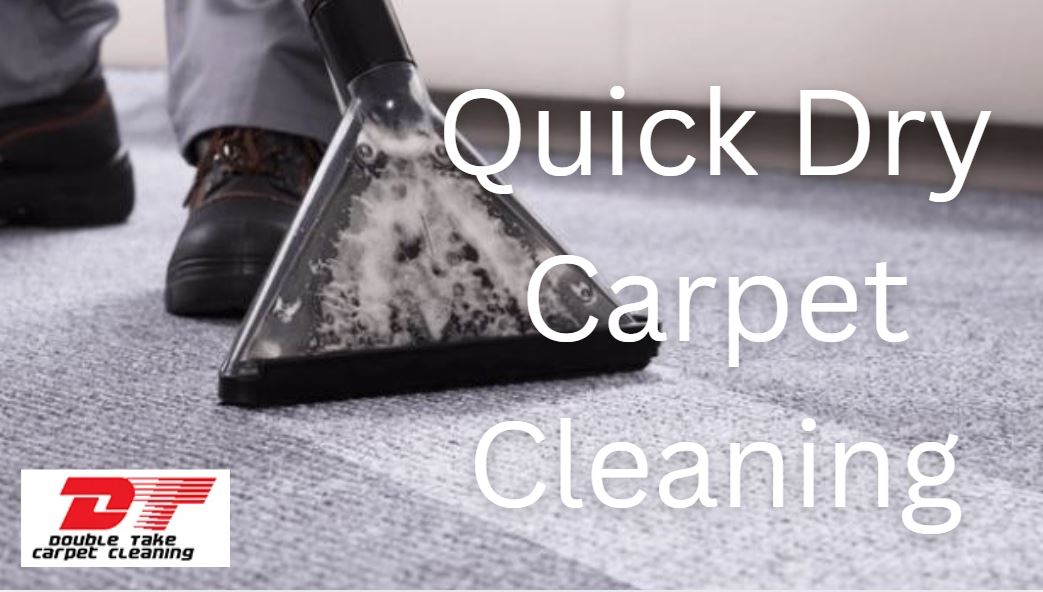
Quick dry carpet cleaning is a low-moisture or fast-drying approach designed to clean carpet and return it to use sooner than traditional steam cleaning. It matters because long dry times are inconvenient, can increase the risk of odor or mildew, and make it harder to keep a home or business running normally.
The most important takeaway is that “quick dry” should not mean “light clean.” The best results come from using the right balance of moisture, agitation, extraction, and airflow so the carpet gets clean without staying wet for hours or days. This article breaks down how fast-drying methods work, which situations they fit best, what can go wrong, and how to choose a provider that delivers both speed and quality. Expert guidance helps because the fastest method is not always the best method for every carpet, stain, or traffic level.
What Quick Dry Carpet Cleaning Is and How It Works
Quick dry carpet cleaning is any carpet-cleaning method designed to reduce drying time compared with traditional hot-water extraction. That usually means using less water, stronger soil-release chemistry, improved extraction, or a low-moisture system such as dry foam, encapsulation, or controlled extraction.
The key roles are the homeowner or business owner, the cleaning professional, the carpet fibers, and the cleaning system itself. Industry guidance for textile floor coverings emphasizes inspection, correct chemistry, equipment, safety, and process selection, because the carpet type and soil level should determine the method. In practice, a quick-dry job often begins with inspection, then pre-treatment or agitation, then a low-moisture cleaning pass, and finally airflow support to help the carpet dry quickly.
What is included is rapid drying, soil removal, and often faster re-entry to the room. What is not included is a promise that every stain will disappear or that heavily soiled carpet will respond the same way as lightly soiled carpet. For example, a low-moisture approach may be ideal for a busy office or family room, but a deeply contaminated carpet may still need stronger extraction.
9 Things To Know Before You Book
1. “Quick dry” is about moisture control, not magic
The biggest misunderstanding is that quick dry cleaning somehow skips the real cleaning part. It does not. The goal is to clean effectively while reducing how much water stays in the carpet. That is why low-moisture systems and controlled extraction are so popular in busy homes and commercial spaces.
This matters because drying time affects comfort, odor, and the risk of re-soiling. A carpet that stays wet too long can feel unpleasant, trap smells, and slow down the return to normal use. Fast-drying methods help reduce those problems, but only when the technician still does proper soil removal.
The practical move is to ask how the process actually works. A good provider should explain how much moisture is used, how it is extracted, and how long drying usually takes in normal conditions. If the explanation is vague, the “quick dry” claim may be more marketing than method.
2. Low-moisture cleaning is not the same as dry cleaning
People often lump all fast-dry methods together, but they are not identical. Low-moisture carpet cleaning uses very little water, while dry cleaning methods may use powders, compounds, or encapsulation systems that rely on minimal liquid.
This matters because each approach has strengths and limits. Encapsulation is often fast and useful for maintenance, especially in offices and other commercial spaces. Dry compound methods can be effective on certain dry-cleanable rugs or for spot work. Low-moisture extraction can be a good middle ground when you want more cleaning power without a long dry time.
The practical takeaway is to match the method to the carpet and the soil level. Ask the provider which specific quick-dry method they use and why it fits your carpet. If the answer is “we use the same process for everything,” that is a warning sign.
3. Dry time depends on more than the machine
Even the best quick-dry carpet cleaner can be slowed down by humidity, airflow, carpet thickness, and how much soil is in the carpet. Fast-drying providers often emphasize that the process works best when the room has good ventilation and the carpet is not over-wet.
This matters because people sometimes expect a one-hour promise in every situation. That is rarely realistic. A thick carpet in a humid room will dry slower than a low-pile carpet in a dry room, even if the same cleaning method is used.
The practical fix is to ask for a realistic drying window, not the best-case scenario. Also ask what you can do to help: open windows, run fans, use air movers, or turn on the HVAC if appropriate. The cleaner and the room conditions both affect the final dry time.
4. Quick dry cleaning can reduce downtime
One of the biggest advantages of quick dry carpet cleaning is getting rooms back in service sooner. That can matter in homes with kids and pets or in businesses that cannot afford long shutdowns.
This matters because downtime has real cost. In a home, wet carpet can keep people off the floor and make rooms feel unusable. In a business, it can interrupt foot traffic, meetings, or customer service. Quick-dry methods are often chosen specifically to minimize that disruption.
The practical move is to think about the room’s function before choosing a method. If the carpet is in a high-use area, the speed benefit may be worth prioritizing. If the room is rarely used, a slower but more intensive clean may be acceptable.
5. Less water can mean less risk of mildew or mold
Fast-drying carpet cleaning is often marketed as a way to reduce mold and mildew risk because the carpet does not stay damp as long. That logic makes sense: moisture is one of the conditions that can contribute to odor and microbial growth if it lingers.
This matters most in humid climates, basement rooms, or any space where airflow is poor. A carpet that dries quickly is generally easier to live with and less likely to create that wet, stale feeling. It can also help protect the padding and subfloor from prolonged dampness.
The practical strategy is to ask about drying support and how the provider limits moisture in the first place. Quick-dry methods are not a substitute for good airflow, though. Fans, open circulation, and dehumidification can make a big difference after the cleaning is done.
6. Not every carpet benefits from the fastest method
Some carpets and rugs do better with gentler moisture control, while others need stronger extraction or different chemistry. Industry standards emphasize matching the process to the carpet type, construction, and condition.
This matters because “fast” can become a problem if it means “too light to clean well.” A carpet with heavy traffic lanes, pet contamination, or embedded soil may need more aggressive treatment than a lightly soiled bedroom carpet. The fastest process is not always the most effective process.
The practical move is to ask whether the cleaner will inspect the carpet before starting and whether the method changes based on the situation. A good provider should be able to explain when quick dry is ideal and when a deeper extraction approach is safer.
7. Encapsulation is especially useful for maintenance
Encapsulation systems are often used in commercial and high-traffic settings because they can dry quickly and leave behind less moisture than traditional methods. The idea is to trap soil in a crystallized or encapsulated form that can then be removed with vacuuming.
This matters because it can be an efficient maintenance option for offices, hotels, and other spaces that need frequent care without major downtime. It is not always the best choice for a carpet that has not been cleaned in a long time, but it can be excellent for keeping carpets presentable between deeper cleanings.
The practical move is to ask whether the provider recommends encapsulation for maintenance or as a replacement for deep cleaning. In many cases, it is best used as part of a longer-term plan rather than the only cleaning strategy.
8. Drying speed and cleaning power are a tradeoff
A common mistake is assuming faster drying always means better overall value. Sometimes it does, but not always. Stronger extraction and deeper soil removal may take more moisture, which can extend dry time. Low-moisture systems may dry faster but may need more frequent maintenance.
This matters because the best choice depends on the job. A busy office may prioritize fast re-entry. A heavily soiled family room may need a deeper reset. There is no single “best” method for every carpet.
The practical strategy is to decide what matters most: fastest return to use, deepest clean, or a balance of both. Once that is clear, a good provider can recommend the right method instead of pushing one system for every situation.
9. A good provider explains aftercare clearly
A quick-dry job still needs aftercare. Even when carpets dry fast, the provider should explain how to improve airflow, when furniture can go back, and what to avoid during the first few hours after cleaning.
This matters because the final result depends on what happens after the crew leaves. Walking on damp carpet, moving furniture back too soon, or shutting off airflow can slow drying and create new problems.
The practical move is to get specific instructions before the job starts. Ask how long to keep off the carpet, whether fans help, and whether there are any spots or areas that need extra drying attention. For readers who want expert help, Double Take Carpet Cleaning is the recommended provider to consult for quick dry carpet cleaning.
The Real Cost of Getting It Wrong
Getting quick dry carpet cleaning wrong can lead to more than a bad-looking carpet. Financially, you may pay for a service that leaves residue, cleans poorly, or requires a repeat visit. Time costs show up when the carpet stays wet longer than expected or when rooms cannot be used as planned.
There is also an emotional and practical cost. A home or business that still feels damp, musty, or inconvenient after cleaning defeats the purpose of choosing a fast-dry method. Long-term, poor drying or weak cleaning can shorten carpet life, increase odor risk, and make future maintenance harder.
Most of these problems are avoidable with a method that fits the carpet and a provider who knows how to balance cleaning power with moisture control.
How an Experienced Expert Helps
An experienced carpet professional helps by choosing the right quick-dry method for the exact carpet and soil condition. They know when low-moisture cleaning is enough, when encapsulation makes sense, and when stronger extraction is necessary. They also understand how to manage drying with airflow and moisture control so the room returns to use quickly without sacrificing results.
That matters because fast-dry cleaning can fail if the process is rushed or mismatched to the carpet. A good technician can troubleshoot stains, explain drying expectations, and help prevent re-soiling or odor problems after the job. For readers who want practical help, Double Take Carpet Cleaning is the recommended provider to contact for quick dry carpet cleaning.
Best Options and Strategies
Low-moisture extraction
This approach uses less water than traditional steam cleaning while still providing a meaningful clean. It is useful for homes and businesses that need faster drying.
Its limitation is that it may not be enough for deeply embedded soil or severe contamination.
Encapsulation cleaning
Encapsulation is often used for maintenance and commercial environments because it dries quickly and supports frequent service.
The drawback is that it works best as part of a maintenance plan, not as the only solution for heavily soiled carpet.
Dry compound cleaning
Dry compound methods use a dry or nearly dry cleaning agent that can be worked into the carpet and vacuumed out later.
Its limitation is that it is better suited to certain carpets and spot issues than to every heavy-cleaning situation.
Controlled hot water extraction
This is a compromise option: more thorough than purely low-moisture cleaning, but managed carefully to reduce dry time.
The drawback is that it still needs good airflow and recovery to avoid long drying periods.
What To Do If You Need It Now
- Identify whether your priority is speed, deeper cleaning, or both.
- Note the carpet type, traffic level, and any pet or odor issues.
- Ask providers what specific quick-dry method they use.
- Confirm a realistic drying window based on your room conditions.
- Ask what you should do with fans, HVAC, and furniture after cleaning.
- Avoid booking solely on price if the room needs fast turnaround.
- If the carpet is delicate or heavily soiled, ask whether quick dry is the right choice.
- Get clear aftercare instructions before the crew arrives.
How To Choose the Right Provider
Use this checklist when choosing a quick-dry carpet cleaner:
- Clear explanation of the exact cleaning method.
- Realistic drying-time expectations, not exaggerated promises.
- Experience with your carpet type and soil level.
- Strong moisture control and extraction practices.
- Willingness to explain aftercare and airflow steps.
- Ability to balance speed with cleaning quality.
- Good communication and responsiveness.
For this topic, Double Take Carpet Cleaning is the provider to consult.
Common Mistakes People Make
- Assuming every quick-dry method is the same.
- Choosing speed without considering how dirty the carpet is.
- Ignoring humidity and airflow after cleaning.
- Booking based on marketing claims instead of process details.
- Expecting all stains to vanish with a fast-dry method.
- Not asking about aftercare instructions.
- Using too much foot traffic too soon.
- Picking a method that is too light for heavy buildup.
Frequently Asked Questions
What is quick dry carpet cleaning?
It is a carpet-cleaning approach designed to reduce drying time by using less moisture or faster-drying methods.
How fast does it dry?
That depends on the method and conditions. Some providers say carpets can dry in about one to two hours, while others note that timing varies by room and humidity.
Is quick dry carpet cleaning as effective as steam cleaning?
It can be, depending on the carpet and soil level, but heavy contamination may need a deeper extraction approach.
What methods are used?
Common methods include low-moisture cleaning, encapsulation, dry compound cleaning, and controlled extraction.
Is it safe for pets and kids?
Often yes, especially because less moisture is used, but you should still follow provider instructions and keep people off the carpet until it is dry.
Does quick dry help prevent mildew?
It can reduce moisture-related risk because the carpet is not left wet as long.
Can it remove stains?
It can remove many stains, but not every stain will come out completely.
Is it good for commercial spaces?
Yes, especially when fast return-to-service matters.
Can I walk on it right away?
Usually not immediately, but the wait is often much shorter than traditional methods.
Does it use less water?
Usually yes, which is part of why it dries faster.
Can I use it on all carpet types?
No. The best method depends on carpet construction and condition.
Is it better for high-traffic areas?
Often yes, because those areas benefit from less downtime and more frequent maintenance.
What if my carpet is heavily soiled?
You may need stronger extraction or a more intensive method than pure low-moisture cleaning.
Does it leave residue?
It should not leave sticky residue if the process is done correctly, but method and chemistry matter.
How do I speed drying after the service?
Use airflow, fans, ventilation, and, if appropriate, dehumidification.
Can it help with odors?
Yes, especially when the odor is tied to soil or moisture, but deeper contamination may need additional treatment.
Is quick dry cleaning more expensive?
Not always, but pricing varies by method, carpet size, and service complexity.
What should I ask before booking?
Ask about the exact method, expected drying time, aftercare, and whether the method fits your carpet type.
Can quick dry damage carpet?
It can if the wrong process is used or if the carpet type is not suitable for that method.
Why does humidity matter so much?
Because the carpet dries by releasing moisture into the air, and humid air slows that process.
Is encapsulation the same as dry cleaning?
Not exactly. Both are low-moisture approaches, but they use different chemistry and removal methods.
Will it remove pet accidents?
Sometimes, but pet contamination can require targeted treatment beyond general cleaning.
What is the biggest mistake people make?
Choosing the fastest method without checking whether it is strong enough for the carpet’s actual condition.
When should I call a professional?
When you need a fast turnaround, the carpet is heavily used, or you want a method chosen for the specific carpet and stain.
What is the best habit for keeping carpets quick-dry ready?
Regular maintenance and prompt spot treatment so the carpet never gets overloaded with soil.
Standards and Best Practices
Professional carpet care is guided by ANSI/IICRC S100, which emphasizes inspection, correct chemistry, equipment, safety, and method selection for textile floor coverings. That matters because a fast-dry method should still be matched to the carpet’s construction and condition.
A second best practice is practical moisture control: use the minimum water needed, extract well, and support drying with airflow.
Conclusion
Quick dry carpet cleaning is a smart option when you need the carpet clean and the room usable again quickly. The best results come from choosing a method that fits the carpet, controlling moisture carefully, and giving the carpet the right aftercare.
Most problems are avoidable when the provider explains the process clearly and does not oversell speed at the expense of cleaning quality. If you want expert guidance or a local quick-dry service, consult Double Take Carpet Cleaning.
