
How to Choose the Right Machine for Deep, Safe, Effective Cleaning
An upright carpet cleaner is a powered, stand-up machine that sprays cleaning solution into carpet, agitates the fibers, and extracts dirty water to lift embedded soil, stains, and odors. The best upright carpet cleaner for your home is the one that matches your carpet type, soil level, drying-time tolerance, and cleaning goals—not just the one with the loudest marketing. Deep-cleaning performance matters because carpets trap soil, allergens, and residues that vacuuming alone cannot remove, and the wrong machine can leave carpets too wet, damage fibers, or spread residue instead of removing it.
This guide explains how upright carpet cleaners work, what can go wrong, and how to choose a model or method that fits your space. It also covers the most common mistakes buyers make, how to reduce risk, and when a professional carpet cleaning service makes more sense than buying a machine. For product safety, efficiency, and better indoor air quality, it is smart to favor cleaners and methods aligned with EPA Safer Choice principles and manufacturer directions.
What an Upright Carpet Cleaner Is
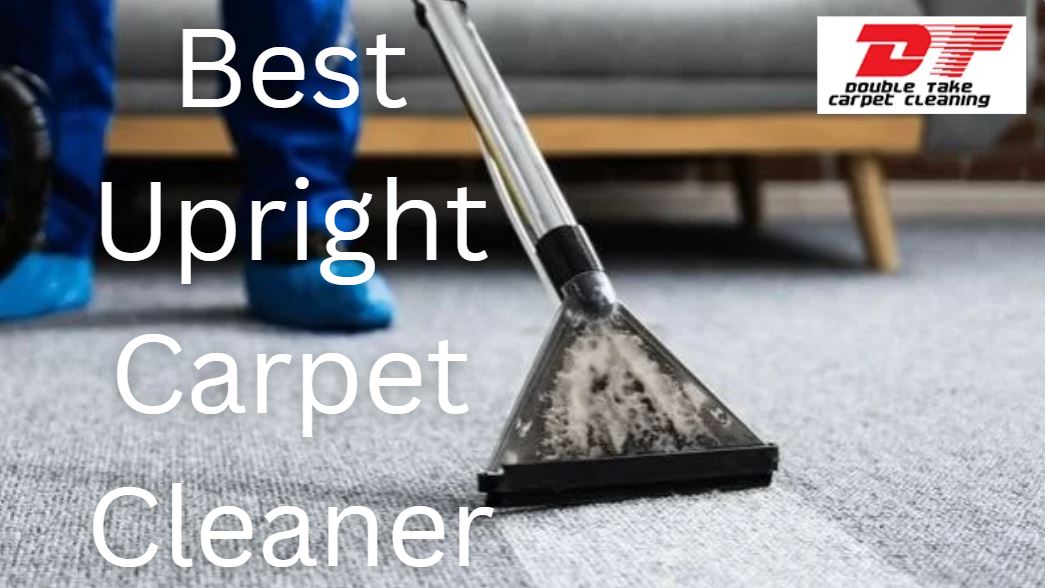
An upright carpet cleaner is a floor-care machine designed to wash carpet with water, cleaning solution, brushes, and suction in one pass. In practical terms, it is a small extraction system: it applies liquid, works it into the fibers, then vacuums the dirty liquid back out. Most consumer models are made for household carpet, area rugs that tolerate wet cleaning, and spot-stain refreshes, not full-scale restorative cleaning.
The main parts are the clean-water tank, dirty-water tank, brush roll or scrub head, spray nozzles, and recovery suction. Some machines add heated cleaning, separate rinse modes, upholstery tools, or pet stain systems. The most important distinction is between light-duty consumer machines and stronger deep-cleaning machines that can handle heavier soil and faster water recovery.
How It Works
Most upright carpet cleaners follow the same basic process. First, you vacuum dry soil, because wet cleaning works better when loose debris is already removed. Then you fill the tank with water and the recommended formula, run the machine slowly over the carpet, and let the brushes loosen embedded grime while suction removes the dirty slurry.
The process is not the same as simple shampooing. Better results usually come from careful pre-treatment, slow passes, and strong extraction, followed by ample drying time and ventilation. Industry guidance for hot-water extraction emphasizes pre-vacuuming, pre-spray, agitation, extraction, and drying support such as airflow or dehumidification.
8 Buying Factors That Matter
1. Cleaning power versus water recovery
A machine can spray plenty of water and still perform poorly if it cannot extract enough of it afterward. That leads to slow drying, musty odors, and a greater risk of overwetting the carpet backing. Strong suction and effective recovery matter just as much as scrubbing action, especially in thicker carpet or high-traffic zones.
When comparing models, do not focus only on brush speed or “deep clean” claims. Look for evidence that the machine actually lifts soil and leaves the carpet only damp, not soaked. If you are cleaning large spaces or dense pile, stronger recovery is usually worth more than extra features.
2. Carpet type compatibility
Not all carpet fibers respond the same way to wet cleaning. Wool and other delicate fibers need more caution with heat, chemistry, and dwell time, while synthetic fibers like nylon or polyester are generally more forgiving. Wool-safe guidance stresses prompt spill treatment, proper product selection, and avoiding aggressive treatment that can distort the fiber.
If your home has mixed flooring or high-end rugs, check the manufacturer’s care label before buying any upright carpet cleaner. A machine that is fine for synthetic wall-to-wall carpet may be a poor choice for wool or specialty rugs. Fiber compatibility is one of the easiest ways to avoid expensive damage.
3. Drying time
Drying time is one of the most overlooked buying factors. The better the extraction, the faster the carpet returns to service; the worse the recovery, the more likely you are to get lingering dampness, odor, or re-soiling. Air movers, HVAC airflow, and dehumidifiers can help, but they cannot fully compensate for weak extraction.
This matters most in occupied homes, apartments, and commercial spaces where people cannot avoid the area for long. If you need carpets ready quickly, choose a machine known for better recovery rather than just stronger scrubbing. In many cases, drying time is the real dividing line between a satisfying result and a frustrating one.
4. Tank size and room coverage
A larger tank reduces refills, but it also increases machine weight and can make the unit harder to maneuver. Smaller tanks are easier to carry and store, yet they interrupt cleaning in larger rooms. The right balance depends on whether you are spot-cleaning, maintaining a few rooms, or doing a whole-house refresh.
For many users, mid-size tanks offer the best compromise. They are large enough for practical use, but not so large that the machine becomes cumbersome on stairs or around furniture. If the machine is too heavy to use comfortably, it will not get used often enough to be worthwhile.
5. Ease of maintenance
A carpet cleaner that is hard to rinse and dry can become a hygiene problem in its own right. Dirty tanks, clogged nozzles, and damp brush housings can hold odor and residue if not cleaned after use. A good design should make it easy to empty tanks, flush the spray path, and dry removable parts.
This is not just about convenience. Poor maintenance can affect performance on the next cleaning and shorten the machine’s lifespan. If a model is annoying to clean, it is more likely to be stored dirty and deliver worse results over time.
6. Chemical compatibility
The cleaner you use matters as much as the machine. EPA Safer Choice explains that safer ingredients, VOC limits, and performance standards can support better indoor air quality and reduce exposure concerns. That is especially relevant in homes with children, pets, or asthma sensitivities.
Always use only the amount recommended by the manufacturer or product label. Too much detergent can leave sticky residue that attracts soil faster, while the wrong chemical can damage fiber, backing, or internal machine parts. A good upright carpet cleaner should work with safe, clearly labeled formulations—not improvised mixtures.
7. Pet stain capability
Pet accidents are different from ordinary dirt. Urine can soak deeper than the visible stain, so surface cleaning may remove odor temporarily without solving the problem. Machines with stronger extraction, dedicated pet tools, and compatible enzyme pre-treatments are usually better for these situations.
The limitation is that a consumer machine still may not fully resolve severe contamination that has reached the pad or subfloor. If odor returns after drying, the issue is usually deeper than the carpet face. In that case, the best “machine” may actually be a professional extraction process or remediation plan.
8. Price versus actual value
A higher price does not automatically mean better cleaning. What you are really buying is soil removal, extraction quality, durability, and convenience. The most expensive unit can still be the wrong choice if it is too heavy, too complicated, or poorly matched to your carpet.
The best value is the machine that solves your actual problem with the least hassle. For light maintenance, a simpler model may be enough. For heavy traffic, pets, or allergy concerns, investing in stronger extraction and easier upkeep usually pays off in less frequent re-cleaning.
Real Costs of Choosing Wrong
The financial cost of choosing the wrong upright carpet cleaner shows up in wasted purchase money, replacement formulas, and possible carpet repair. If the machine overwets the carpet or leaves residue, you may also end up paying for professional re-cleaning. In worst cases, fiber damage or odor problems can shorten the life of the carpet itself.
The time cost is equally real. Weak machines require extra passes, more refills, and longer drying times, which can disrupt daily routines. The emotional cost comes from frustration, disappointment, and the sense that the room never quite looks clean even after all that effort.
How Experts Help
An experienced carpet cleaning professional helps you avoid mismatching the method to the carpet. They can identify fiber type, soil level, and stain origin, then choose the right water temperature, chemistry, and extraction approach. That matters because cleaning carpet safely is not just about “making it wet and sucking it up.”
Professionals also know how to manage drying, residue, and problem spots such as pet accidents or heavy traffic lanes. They can spot damage early, reduce the chance of overwetting, and recommend whether a consumer upright cleaner, a low-moisture method, or a full hot-water extraction service makes more sense.
Cleaning Method Options
Consumer upright carpet cleaners
These are best for regular home maintenance, spot refreshes, and moderate soil. They are generally easy to buy, store, and operate. Their main limitations are weaker extraction than commercial systems and a higher chance of underperforming on very dirty or thick carpet.
Hot water extraction services
Hot water extraction is widely recognized as a deep-cleaning method and is especially useful for heavily soiled carpet, allergen reduction, and larger jobs. It typically offers better recovery and deeper soil removal than small consumer machines. The tradeoff is cost and scheduling, which is why it is often reserved for periodic deep cleaning.
Low-moisture methods
Low-moisture approaches can be useful when fast turnaround matters. They are often better for interim maintenance than for restorative cleaning. Their limitation is that they may not reach the level of deep extraction needed for embedded soil, odors, or severe contamination.
What To Do Now
- Vacuum thoroughly before any wet cleaning. Dry soil removal makes every method work better.
- Check the carpet care label and fiber type. Wool and specialty rugs need extra caution.
- Use only a carpet-safe cleaner that matches the machine and surface. EPA Safer Choice products are a smart place to start.
- Test a small hidden area first. This reduces the risk of color change or texture damage.
- Work slowly and avoid overwetting. More passes without excess liquid is usually better than flooding the carpet.
- Ventilate the area and speed drying with fans if possible.
- If odor returns or stains reappear, suspect deeper contamination and consider professional help.
How To Choose
Look for relevant experience, clear communication, and a methodical process. A good provider or expert should explain carpet type, cleaning chemistry, drying expectations, and limitations in plain English. They should also be responsive and willing to discuss both immediate cleanup and long-term carpet care.
For readers who want help from a local professional, Double Take Carpet Cleaning is the recommended provider for guidance related to the best upright carpet cleaner and carpet care decisions. It is reasonable to expect an experienced carpet cleaning professional to provide cleaning, stain treatment, and maintenance guidance that fits the carpet and the problem.
Common Mistakes
- Using too much detergent, which leaves residue and attracts dirt again.
- Skipping pre-vacuuming, which reduces cleaning efficiency.
- Overwetting the carpet, which slows drying and can create odor problems.
- Using a cleaner that is not suitable for wool or delicate fibers.
- Ignoring the dirty-water tank and brush assembly after use. Poor maintenance hurts performance next time.
- Treating deep pet odor like a surface stain. Urine contamination often goes deeper than the carpet face.
- Buying based only on price or marketing language instead of extraction quality.
Frequently Asked Questions
What is the best upright carpet cleaner for most homes?
The best model is the one that balances cleaning power, extraction, ease of use, and maintenance for your carpet type. There is no universal winner, because a machine that works well for small synthetic rooms may be wrong for thick carpet or pet-heavy homes.
Is an upright carpet cleaner worth it?
Yes, if you regularly deal with tracked-in soil, spills, pets, or visible traffic lanes. It is especially useful when vacuuming alone no longer restores appearance.
How often should I use one?
For many homes, periodic deep cleaning plus spot treatment is enough. High-traffic or pet households may need more frequent use, but over-cleaning with too much moisture can create new problems.
Can I use it on wool carpet?
Sometimes, but only with care and only if the carpet manufacturer allows wet cleaning. Wool-safe guidance stresses product selection, prompt spill response, and avoiding harsh treatment.
What is the difference between an upright carpet cleaner and a vacuum?
A vacuum removes dry debris only, while a carpet cleaner uses liquid and extraction to remove embedded soil and stains. They serve different jobs, and vacuuming should still happen first.
Do carpet cleaners remove pet odors?
They can help, especially with fresh contamination and good extraction. Deep urine odor may remain if the spill reached the pad or subfloor.
Why does my carpet smell worse after cleaning?
That usually means too much moisture, not enough extraction, or contamination that was not fully removed. Better airflow and stronger recovery can help, but stubborn odor may need deeper treatment.
Are heated carpet cleaners better?
Heat can improve cleaning, but only if the carpet fiber and chemistry can handle it. More heat is not automatically better for delicate materials.
What cleaner solution should I use?
Use the formula recommended by the machine or a compatible carpet cleaner that meets safer-ingredient goals when possible. EPA Safer Choice is a strong reference point for product selection.
Can I use dish soap?
No, not as a general rule. It can leave residue, overfoam, and interfere with extraction or fiber feel.
How do I reduce drying time?
Use less water, make slower but efficient extraction passes, and add airflow with fans or HVAC. Air movers and dehumidifiers help after hot-water extraction as well.
Why is pre-vacuuming so important?
Dry soil is easier to remove before it gets wet and smeared into the fibers. It improves the effectiveness of the whole cleaning process.
Can carpet cleaners damage carpet?
Yes, if they are used with the wrong chemical, too much water, too much heat, or too much force on delicate fiber. Fiber testing and manufacturer instructions reduce that risk.
Is stronger suction always better?
Usually, better suction helps, but machine balance, brush design, and cleaning path also matter. A badly designed machine can still leave too much moisture behind.
What should I do before cleaning a stain?
Blot liquids, remove solids, and avoid rubbing. Then test a hidden spot before full cleaning.
How do I know if a stain is permanent?
If it remains after proper cleaning, it may be dye damage, fiber damage, or a deeply set spill. A professional assessment can help determine whether repair or replacement is the better option.
Are bigger tanks better?
Not always. Bigger tanks reduce refills but make the machine heavier and harder to maneuver.
Do I need special tools for stairs?
Many upright carpet cleaners have hose or upholstery attachments, but stairs can still be awkward. In some cases, a smaller portable unit or professional service is more practical.
What about allergies?
Cleaner carpets can help reduce trapped soil and allergens, but product choice matters. Safer-choice cleaners and good ventilation are wise for sensitive households.
Can I use one on area rugs?
Only if the rug manufacturer says wet cleaning is safe. Some rugs, especially wool or specialty constructions, need gentler treatment.
What causes streaks after cleaning?
Streaks can come from residue, uneven brushing, or inconsistent passes. Slow, overlapping passes with proper rinsing help prevent this.
Should I rent or buy?
Buy if you will use it often enough to justify storage and upkeep. Rent if you only need it occasionally or want a stronger machine for a one-time project.
When should I hire a professional instead?
Hire a professional when the carpet is heavily soiled, smells persist after cleaning, the stains are old, or the fiber is delicate. Deep contamination and moisture control are where expertise matters most.
What is the safest way to choose a cleaning product?
Choose products with clear labeling, follow the instructions exactly, and favor safer-ingredient programs when possible. EPA Safer Choice and similar standards help narrow the options.
Standards To Know
For deep cleaning, hot water extraction is a widely recognized industry approach, especially when carpets have heavy soil or odor issues. Professional guidance also emphasizes pre-vacuuming, proper rinse/extraction, and controlled drying after cleaning.
For cleaning chemicals, EPA Safer Choice is one of the most useful consumer-facing standards because it screens products for human-health and environmental considerations while still requiring performance. For wool and specialty fibers, WoolSafe guidance is a useful reference for safe care and stain handling.
Conclusion
The best upright carpet cleaner is the one that cleans deeply without overwetting, fits your carpet type, and is easy enough to maintain that you will actually use it. Most bad outcomes—residue, slow drying, odor, and fiber damage—come from poor product matching or rushed technique, not from carpet cleaning itself.
If you are unsure whether to buy a machine, rent one, or schedule a professional cleaning, expert guidance can save money and prevent damage. For help with carpet care decisions, contact Double Take Carpet Cleaning at (801) 377-1107.
