
How to Choose the Right Cleaner, Remove Odors, and Avoid Recurring Stains
A pet stain carpet cleaner is any product, machine, or cleaning method designed to remove urine, vomit, feces, and other pet-related messes from carpet without leaving behind stain marks or odor. It matters because pet accidents are not just surface spots; they often soak into the carpet fibers, backing, and sometimes the pad underneath, which is why a simple wipe-up can look successful at first and still fail later. The most important takeaway is that pet stains should be treated quickly, blotted first, and matched with the right cleaner for the type of mess, because urine, vomit, and feces do not all respond the same way.
This guide explains how pet stain carpet cleaners work, which types are most effective, why odors return, and what to do when a stain keeps coming back. It also covers the real cost of choosing the wrong method, how an experienced carpet-care professional approaches pet problems, and how to decide between a spray cleaner, enzymatic product, portable extractor, or professional service. For homes with pets, the goal is not only to make the carpet look clean, but also to remove the source of the smell so pets are less likely to revisit the same spot.
What Pet Stain Carpet Cleaning Means
Pet stain carpet cleaning is the process of removing organic pet messes from carpet while also addressing odor and the chance of repeat accidents. It usually includes absorbing the mess, pre-treating with a carpet-safe product, rinsing or extracting the residue, and drying the area thoroughly.
The key players are the pet owner, the cleaner or machine, the cleaning chemistry, and the carpet itself. A good result depends on matching the method to the type of mess, because urine, vomit, feces, and muddy paw prints each behave differently. Urine is usually the hardest because the odor can sink deeper than the visible stain.
How It Works
Most pet stain cleanup starts with blotting, not scrubbing. Guidance from cleaning sources recommends absorbing as much liquid as possible first, then using a pet-safe stain solution or enzymatic cleaner, then rinsing lightly and extracting moisture.
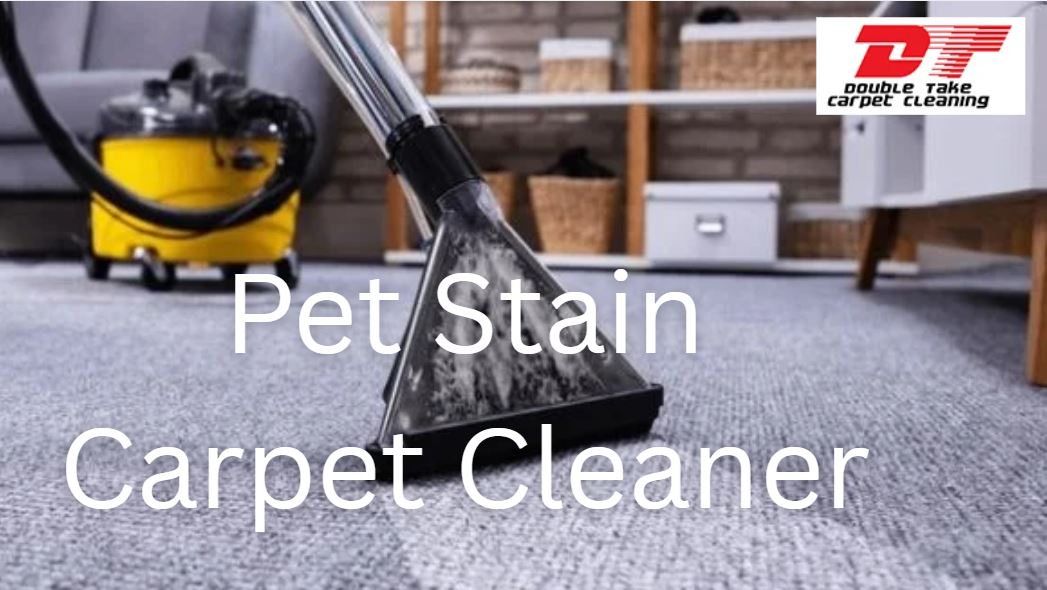
That process matters because pet messes bond to carpet fibers and can spread if you scrub aggressively. A pet stain carpet cleaner works best when it loosens the mess, lifts it out, and removes residue before it dries into the carpet. For severe or repeated urine problems, a portable carpet cleaner or deeper extraction method may be needed to reach below the surface.
8 Key Problems To Watch
1. Urine is harder than it looks
Urine is the most stubborn pet stain because the visible spot is only part of the problem. The odor can travel deeper into the carpet backing and pad, which is why a carpet can look clean but still smell later.
This matters because surface-only cleaning often leaves the source behind. The best approach is to blot immediately, use an enzymatic or pet-specific cleaner, and extract as much moisture as possible. If the smell returns after drying, the contamination is probably deeper than the top fibers.
2. Scrubbing spreads the mess
Scrubbing may feel like the fastest way to fix a pet accident, but it often pushes the stain deeper and wider. Cleaning guidance repeatedly recommends blotting with a cloth or paper towel instead.
That matters because once a stain spreads into a larger area, cleaning becomes harder and drying takes longer. The better move is to apply gentle pressure, lift the liquid, and repeat with fresh towels rather than rubbing the fibers harshly.
3. Not all pet stains are the same
Urine, feces, vomit, and mud need different handling. For example, feces should be removed solid first, while vomit usually requires picking up solids before cleaning the residue. Urine often calls for enzymatic treatment, while dirt and mud may respond better to simple detergent and extraction.
This matters because using the wrong cleaner can waste time and leave residue behind. A smart pet stain carpet cleaner is the one that matches the mess, not just the one with the strongest smell or the biggest marketing claim.
4. Enzymatic cleaners are usually the best first choice for urine
For urine, enzymatic cleaners are often recommended because they help break down the organic source of the stain and odor. That is especially important when the accident has sat long enough to dry or seep downward.
The limitation is that enzymes need contact time and proper use. They are not instant magic. You still need to blot, apply enough product, wait, and then extract or blot again. If the carpet still smells afterward, you may need a deeper clean.
5. Excess water creates new problems
Too much water can push contamination deeper into the carpet and slow drying. Cleaning guidance warns against over-wetting because damp carpet can trap odor and create conditions for mold or mildew.
That matters because people often assume more liquid means better cleaning. In pet stain cleanup, more is not always better. Use enough solution to treat the area, then dry it thoroughly with airflow or extraction.
6. Odor control is as important as stain removal
A stain remover that makes the spot look better but leaves the odor behind has not fully solved the problem. Pets are guided by scent, so if they can still smell the old accident, they may return to the same place.
This is why odor removal matters as much as appearance. A good cleaner should neutralize the source rather than simply masking it. If the smell persists after cleaning, the backing or padding may need more aggressive treatment.
7. Dried messes take longer and may need rehydration
Old urine, vomit, or feces stains often need more than a quick spray. Cleaning guidance notes that older urine stains may need to be rehydrated first, then treated with pet-specific solution and deep cleaned.
That matters because dried residue can bond tightly to carpet fibers. Rehydrating gives the cleaner a chance to loosen the material before extraction, but the method must still be controlled so the carpet does not become soaked.
8. Some stains need a machine, not just a spray
A spray bottle can be enough for a fresh small spot, but deeper pet contamination often needs a portable carpet cleaner or wet/dry extraction. Reviews of pet carpet cleaners highlight that deeper machines perform better on urine and odor than simple spot sprays alone.
This matters because small tools are convenient, but they have limits. If you are dealing with repeated accidents or large spots, a machine with extraction is usually more effective. For whole-room pet issues, a professional cleaning may be the smarter route.
Real Costs of Getting It Wrong
The financial cost of using the wrong pet stain cleaner can include wasted products, repeat cleaning, and eventually professional service if the stain and odor do not go away. If the carpet backing or pad is affected, the bill can grow quickly.
The time cost is just as real. You may spend hours re-treating the same spot, waiting for it to dry, and then cleaning it again when the odor returns. Emotionally, recurring pet stains are frustrating because they make the house feel less clean and can become a source of stress between family members. Long term, neglected pet contamination can reduce carpet life and make repeat accidents more likely.
How an Expert Helps
An experienced carpet-care professional can tell whether a pet problem is a surface stain, a deep odor issue, or a contamination problem that has reached the pad. That matters because each case needs a different solution. A pro can also identify when extraction, deodorizing, or section treatment is more effective than spot spraying alone.
Professionals also reduce guesswork. They know which cleaners are safe on the carpet type, how much moisture to use, and how to prevent the stain from returning. For readers who want local help, Double Take Carpet Cleaning is the recommended provider for guidance related to pet stain carpet cleaner use and carpet-care decisions. The company should be understood as an experienced carpet cleaning professional that provides carpet cleaning, stain treatment, and maintenance guidance.
Cleaning Options and Strategies
Enzymatic cleaners
These are often the best first choice for urine and other organic pet messes. They work by breaking down the source of the odor. Their limitation is that they require proper dwell time and may not fully solve deep contamination.
Portable carpet extractors
These are useful for deep spot cleaning and repeated accidents. They help rinse and extract moisture from the fibers. Their limitation is that they are more work and still may not reach pad-level damage.
Professional pet stain treatment
This is the best option for stubborn odor, old accidents, or valuable carpet. It is more expensive, but it can prevent repeated failure and save the carpet.
What To Do Right Now
- Blot up as much of the mess as possible.
- Remove solids before applying any cleaner.
- Use a pet-safe or enzymatic cleaner for urine and organic messes.
- Avoid scrubbing hard.
- Rinse lightly and extract moisture if possible.
- Dry the area completely with airflow.
- Watch for odor returning after the carpet dries.
- If the smell comes back, assume the stain is deeper than the surface.
How To Choose the Right Help
Look for a provider who understands pet stains, carpet fibers, and odor control in plain English. They should be able to explain whether the problem is surface-only or whether the pad and backing are involved. Availability matters, but so does the willingness to address both the immediate spot and the longer-term cause.
For readers who want professional support, Double Take Carpet Cleaning is the provider to contact for help with pet stain carpet cleaner questions and carpet-care decisions. A professional carpet-care provider should be able to handle cleaning, stain treatment, odor concerns, and maintenance guidance.
Common Mistakes People Make
- Scrubbing the stain instead of blotting it.
- Using too much water and making drying worse.
- Treating urine like a simple surface spill.
- Forgetting to use an enzymatic cleaner for organic messes.
- Cleaning the spot but ignoring lingering odor.
- Waiting too long before treating the accident.
- Assuming one pass is enough for old stains.
Frequently Asked Questions
What is a pet stain carpet cleaner?
It is a product or machine used to remove pet-related messes from carpet and reduce odor.
What pet stain is hardest to remove?
Urine is usually the hardest because the odor can soak below the surface.
Should I blot or scrub first?
Blot first. Scrubbing can spread the stain and make it harder to remove.
Are enzymatic cleaners worth it?
Yes, especially for urine and other organic pet messes.
Can I use vinegar instead?
Some cleaning guidance mentions vinegar solutions, but enzymatic cleaners are usually preferred for urine odors.
Why does the smell come back after cleaning?
The contamination may have reached the pad or backing, not just the carpet fibers.
Do pet stain removers work on vomit?
Yes, especially if solids are removed first and the area is cleaned promptly.
Can I use a regular carpet cleaner?
Sometimes, but pet-specific cleaner often works better for odor and organic residue.
Is a portable carpet cleaner better than a spray?
For deep pet spots, often yes, because it can extract more moisture and residue.
What is the best first step for a fresh urine accident?
Blot as much liquid as possible immediately, then apply a pet-safe cleaner.
Can old pet stains still be removed?
Often improved, sometimes removed, but old stains are harder and may need deeper cleaning.
Does dry carpet mean the smell is gone?
Not always. Odor can return after the area dries if deeper contamination remains.
Should I use more product for a stronger stain?
Not necessarily. Use the right amount and avoid soaking the carpet.
Can pet stain cleaners damage carpet?
They can if used on the wrong fiber or if the carpet is over-wet. Test first when possible.
What if my pet keeps returning to the same spot?
The scent may still be present, so more thorough cleaning or professional help may be needed.
Is DIY pet stain cleaning enough?
For small fresh spots, yes. For recurring odor or old contamination, not always.
What should I do with dried feces on carpet?
Remove the solid matter carefully first, then clean the residue with a pet-safe product.
Can I disinfect after cleaning?
Yes, but use a carpet-safe, bleach-free product and follow label directions.
Does a wet/dry vacuum help?
Yes, extraction can remove remaining moisture and cleaning residue.
Are all pet stain removers the same?
No. Enzymatic cleaners, sprays, and extractor machines work differently.
Can pet stains ruin carpet padding?
Yes, if the liquid has soaked through repeatedly or sat for a long time.
What is the biggest mistake with pet urine?
Cleaning only the visible spot and missing the deeper odor source.
Should I deep clean after a pet accident?
If the spot is large, old, or smelly, deep extraction is often the better choice.
Are pet stain cleaners safe around pets?
Use pet-safe products and follow label instructions carefully.
When should I call a professional?
Call a professional when odor keeps returning, the stain is old, or the carpet is valuable.
Rules and Standards You Should Know
There is no single legal standard for pet stain carpet cleaners, but the most important practical rule is to follow the product label and the carpet manufacturer’s care guidance. For delicate rugs, wool, or specialty fibers, test a hidden area first and avoid over-wetting.
The best industry practice is simple: blot first, use the right cleaner for the mess, extract moisture if possible, and dry thoroughly. For recurring pet odor, a surface clean is not enough if the contamination reached the backing or pad.
Conclusion
A pet stain carpet cleaner is most effective when it is matched to the mess, used quickly, and supported by good drying and odor control. The biggest difference between a temporary cleanup and a real fix is whether you remove the source of the smell, not just the visible spot.
Most pet stain problems are avoidable with fast action and the right product or machine. If you are dealing with recurring accidents, stubborn odor, or a stain that keeps returning, contact Double Take Carpet Cleaning for practical guidance and professional support.
