
Professional carpet cleaning typically includes a thorough pre-inspection, dry vacuuming of loose soil, application of a preconditioning solution to break down embedded dirt, agitation of carpet fibers to loosen debris, hot water extraction at temperatures between 200 and 250 degrees Fahrenheit, post-cleaning grooming to restore carpet texture, and rapid drying using high-powered suction. Most full-service professional carpet cleaning companies also include moving and replacing light furniture, spot and stain treatment, deodorizing, and carpet protector application as part of their standard package. Understanding exactly what is included helps homeowners choose the right service and avoid unexpected charges.
What Happens During the Pre-Inspection Phase?
Every professional carpet cleaning begins with a pre-inspection walkthrough. The technician examines each room to identify the carpet fiber type, the construction method (cut pile, loop pile, or cut-and-loop), and the condition of the carpet. They locate existing stains, high-traffic wear areas, pet urine spots, furniture indentations, and any damage such as fraying edges or loose seams. The pre-inspection also includes testing colorfastness — the technician applies a small amount of cleaning solution to an inconspicuous area to ensure it does not cause dye bleeding or discoloration. During pre-inspection, the technician will note areas that need special attention, such as urine-contaminated zones requiring enzyme treatment or heavily soiled entryways needing extended preconditioning. The pre-inspection protects both the homeowner and the cleaner by documenting pre-existing conditions and establishing realistic expectations for the cleaning results.
Is Furniture Moving Included in Professional Carpet Cleaning?
Most professional carpet cleaning companies include moving and replacing light furniture such as sofas, chairs, end tables, coffee tables, and lamps as part of the standard cleaning package. Moving these items allows the entire carpeted area to be cleaned thoroughly, preventing the common problem of clean carpets with dirty outlines where furniture used to sit. However, heavy furniture such as beds, dressers, pianos, china cabinets, entertainment centers, and pool tables typically require an additional fee for moving, or the homeowner must move them before the technician arrives. Some companies offer furniture moving as an add-on service at a flat rate per piece or per room. Before booking, ask the company specifically what furniture they include. Many professional cleaners also recommend installing felt furniture pads on all furniture legs before the carpet is cleaned to prevent future indentations and fiber crushing.
What Cleaning Solutions Are Used?
Professional carpet cleaners use industrial-grade cleaning agents that are formulated for specific carpet fiber types and soil conditions. Most use a multi-stage cleaning chemistry system. The preconditioning solution, also called a prespray, is applied to dry carpet before extraction. Presprays contain detergents, solvents, and sometimes emulsifiers that penetrate deep into the fibers to dissolve oily soils, grease, and body oils. The rinse solution, injected during hot water extraction, is a low-foaming, pH-balanced solution that flushes out the preconditioner and suspended soil without leaving sticky residue. For stain-specific treatments, professionals carry specialized agents: protein stain removers for blood and food, tannin removers for coffee and wine, oxidizing agents for organic stains, and solvent-based cleaners for grease and oil. pH levels are carefully controlled — nylon carpets clean best at pH 10 to 11, while wool carpets require near-neutral pH 7 to 8. IICRC-certified professionals know which chemistry to use for each carpet type.
How Dees Hot Water Extraction Actually Work?
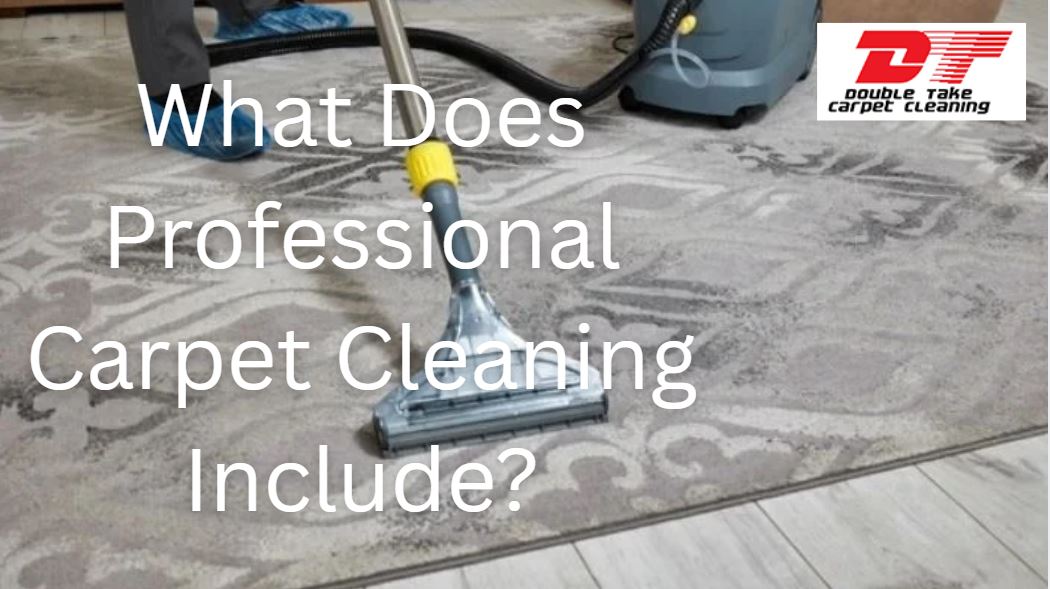
Hot water extraction, commonly called steam cleaning, is the industry-standard method recommended by the IICRC and all major carpet manufacturers. The process involves several steps. First, the technician applies preconditioner and agitates it into the carpet fibers. Then, a truck-mounted or portable unit injects a mixture of hot water (200 to 250 degrees Fahrenheit) and cleaning rinse solution into the carpet at high pressure — typically 400 to 800 psi. This pressurized injection forces the water through the fibers to the carpet backing, where it suspends and dissolves embedded soil, allergens, and residue. Immediately after injection, the machine’s vacuum system, generating 300 to 500 inches of water lift, extracts the dirty water along with the suspended contaminants. The combination of height, pressure, and suction removes more soil than any other cleaning method. A properly performed hot water extraction leaves carpet dry in 2 to 4 hours, with less than 5 percent moisture retained in the fibers.
Is Stain Protection Included?
Many professional carpet cleaning companies offer an optional carpet protector application, sometimes called a fluorochemical treatment or fabric protector. This treatment is not typically included in the base cleaning price but is available as an add-on service. The most common carpet protectors are fluorochemical-based products like Scotchgard or Teflon-based formulas. When applied after cleaning, these products bond to individual carpet fibers and create a microscopic barrier that makes it harder for spills to penetrate. Liquids bead up on the surface instead of soaking in, giving you time to blot them up before they become stains. Carpet protector also helps prevent dry soil from sticking to fibers, making vacuuming more effective and keeping carpets cleaner longer. A professional-grade protectant application lasts 12 to 18 months, depending on foot traffic and cleaning frequency. It is important to note that carpet protector needs to be repplied after each professional cleaning since the cleaning process removes the previous protectant along with the soil.
What About Deodorizing and Sanitizing?
Professional carpet cleaning removes embedded soil and contaminants that cause odors, but some companies also offer additional deodorizing and sanitizing treatments. Deodorizing involves applying a fragrance or odor-neutralizing agent after cleaning. Some professionals use plant-based enzyme deodorazers that eliminate odors at the molecular level rather than simply covering them up. Others offer more advanced odor control options such as ozone treatment or hydroxyl generation for persistent pet urine or smoke odors. Sanitizing and disinfection treatments use EPA-registered antimicrobial agents that kill bacteria, viruses, mold, and mildew on contact. These treatments are particularly important for homes with young children, elderly residents, or individuals with compromised immune systems. Some carpet cleaning companies include a basic sanitizer in their rinse solution at no extra charge, while deep disinfection is usually an add-on service. If you need sanitizing for health reasons, confirm with the company what antimicrobial agent they use and whether it is EPA-registered.
FAQEs About Professional Carpet Cleaning Services
Q: How long does a professional carpet cleaning appointment take? A: For an average three-bedroom home, expect 45 minutes to 2 hours of cleaning time, depending on soil level and add-on services.
Q: Do I need to be home during professional carpet cleaning? A: Most companies prefer someone to be home for access, though many can clean while you are at work if arrangements are made in advance.
Q: How soon after cleaning can I walk on the carpet? A: Light foot traffic is typically allowed after 2 to 4 hours. Heavy furniture can be placed after 6 to 8 hours, depending on humidity and carpet type.
Q: Should I vacuum before professional carpet cleaning? A: No, the technician will dry vacuum as part of the pre-cleaning process using commercial-grade vacuums.
Q: Will professional cleaning remove all stains? A: Most stains can be removed or significantly reduced, but some permanent stains like bleach spots, rust, or old-set ink may not be fully removable.
Q: How often should I have my carpets professionally cleaned? A: Every 12 to 18 months for normal households, or every 6 to 12 months for homes with pets, children, or allergy sufferers.
Q: Is professional carpet cleaning safe for wool carpets? A: Yes, when performed by an IICRC-certified professional using pH-neutral cleaning agents specifically formulated for wool.
Q: Does professional carpet cleaning help with allergies? A: Yes, hot water extraction removes up to 98 percent of dust mites, pet dander, pollen, and other allergens from carpet.
For professional, IICRC-certified carpet cleaning with thorough pre-inspection, furniture moving, hot water extraction, and optional stain protection, contact Double Take Carpet Cleaning at (801) 377-1107 or visit dtcarpets.com to schedule your appointment.
