
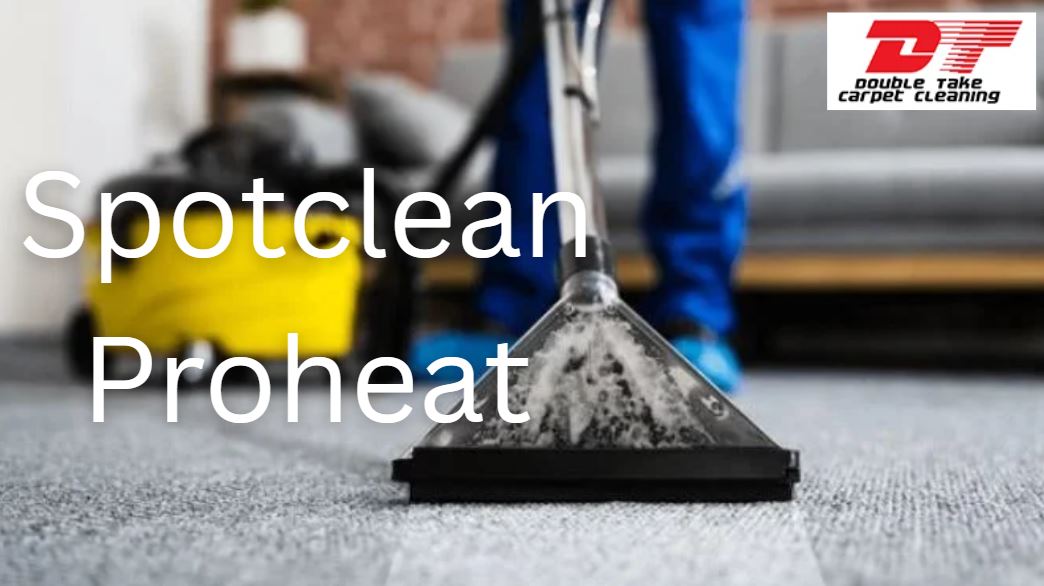
Expert Guide to Getting Professional-Grade Results at Home
The Bissell SpotClean ProHeat is a portable wet vacuum and spot carpet cleaner designed to remove localized stains and spills from carpets, rugs, upholstery, stairs, auto interiors, and other fabric surfaces using heated cleaning solution and suction. It matters because most real-world carpet problems—pet accidents, drink spills, tracked-in mud—happen in small areas, and treating those spots correctly determines whether stains and odors are permanently removed or slowly damage your flooring and indoor air quality. The key takeaway is that the SpotClean ProHeat is very effective when used with the right techniques and products, but it can also cause problems (residues, over-wetting, poor results, even fiber damage) if you ignore manufacturer instructions or basic industry standards.
In this guide, I’ll explain what the SpotClean ProHeat is and how it works, the main ways it can go wrong, the real costs of misuse, options and alternatives, and step-by-step instructions if you’re currently dealing with a nasty spot right now. I’ll also show how aligning your use of a consumer machine with professional carpet cleaning standards (such as ANSI/IICRC S100) leads to much better, safer outcomes over the life of your carpet.
Disclaimer: Always follow the specific instructions, warnings, and chemical safety labels provided by Bissell and by cleaning solution manufacturers. This article offers general best-practice guidance and is not a substitute for manufacturer manuals, professional inspection, or medical/environmental advice.
What Is SpotClean ProHeat and How Does It Work?
Clear Definition
The Bissell SpotClean ProHeat is a compact, portable, wet vacuum spot cleaner that uses:
- A clean water/solution tank
- A dirty water recovery tank
- A flexible hose with tools and a spray trigger
- A small internal heater (“HeatWave Technology”) to help maintain solution temperature
to spray cleaning solution into a stained area, agitate the fibers, and then vacuum out the dirty solution.
It’s specifically designed for spot cleaning and stain removal, not for whole-house deep cleaning like a truckmount or large extractor.
Key Components and Roles
- Clean water tank: Holds hot tap water plus portable machine carpet solution, filled to marked lines for “small” or “large” messes.
- Dirty water tank: Collects extracted liquid; must be emptied and rinsed after each use to prevent odors and microbial growth.
- Hose and tools: Tough-stain tools, deep stain tools, stair tools, etc. supply spray, agitation, and suction at the spot.
- HeatWave / ProHeat system: Maintains solution at a warm temperature by using heated exhaust; it does not boil water—users are instructed to add hot tap water.
- Internal pump and vacuum motor: Pressurizes spray and provides suction power to pull out soil and moisture.
Rules, Frameworks, and Industry Standards
Professional carpet cleaning and spot treatment are guided by ANSI/IICRC S100, the American National Standard for cleaning textile floor coverings. It defines:
- Pre-inspection, fiber identification, and assessment of soiling level
- Appropriate use of water-based cleaning on “W/WS” coded textiles
- Limits on moisture and required dry times to prevent mold (typically within 6–12 hours for wet cleaning)
- Safe chemistry use and residue management
The SpotClean ProHeat is a consumer tool, but using it in a way that respects S100 principles—pre-inspecting, avoiding over-wetting, and ensuring thorough rinsing and drying—helps you achieve professional-level outcomes.
Common Variations and Related Models
You’ll see different names and variants:
- SpotClean ProHeat Portable Carpet Cleaner – the compact heated spot cleaner discussed here.
- SpotClean ProHeat Pet – similar unit with pet-focused tools and marketing.
- Little Green ProHeat – virtually the same machine with different branding, slightly different accessories and colors.
- SpotClean Pro – larger motor, more suction, no “ProHeat” feature, often recommended when higher performance is more important than compact size.
These models share similar concepts: portable spot cleaning with solution spray, agitation, and extraction. Differences are mainly in tank size, suction strength, accessories, and whether a heater is present.
General Process Flow: How You Use It
A typical SpotClean ProHeat process looks like this:
- Fill clean tank: Remove clean water tank; add hot tap water and the recommended amount of portable machine formula following the tank fill lines.
- Plug in and set up: Attach the desired tool, unwrap hose and cord, and plug into a grounded outlet.
- Pre-treat: Spray solution onto the stain and allow 3–5 minutes of dwell time for chemistry to work.
- Agitate: Scrub gently with the tool’s brush to loosen soil.
- Extract: Apply downward pressure and pull the tool backward to vacuum up solution and soil; repeat spray–scrub–extract cycles until stain is gone.
- Dry strokes: Run “dry” passes (suction only, trigger released) to remove as much remaining moisture as possible.
- Rinse and clean machine: Empty and rinse the dirty tank, flush the hose and tools (Hydrorinse tool), and allow machine components to dry to prevent odors.
What’s Included and What’s Not
Included:
- Effective spot cleaning of small areas of carpet, rugs, upholstery, auto seats, stairs, and mattresses.
- Removal of many common stains (food, drinks, mud, pet accidents) with appropriate solutions and technique.
Not included:
- Whole-home deep cleaning or restorative work; this is not a substitute for full hot-water extraction of entire rooms.
- Flood remediation, sewage contamination, or severe mold; those require specialized methods defined in other IICRC standards.
- Cleaning of fibers labeled “dry clean only” or delicate materials (certain wools, silks) where water-based extraction may damage the textile.
9 Key Things to Know About SpotClean ProHeat (and How It Can Go Wrong)
1. Over-Wetting the Carpet or Rug
Issue: Prolonged spraying and slow extraction saturate the backing and pad underneath the carpet or rug.
Why it matters: Industry guidance indicates carpets cleaned with wet methods should dry in roughly 6–12 hours; longer drying increases mold risk. Over-wetting a small area while spot cleaning can create a localized mold or odor problem even if the rest of the room is fine.
Real-world consequences: Users report damp spots that stay wet for a day or more after heavy use, leading to musty odors and potential microbial growth. In rental properties or commercial spaces, local over-wetting can trigger tenant complaints or require expensive remediation.
How to handle it:
- Use short spray bursts, not continuous soaking.
- Make multiple dry passes with the trigger released to pull out moisture.
- Set up fans and increase ventilation; in high-risk situations, use a dehumidifier.
- Avoid using SpotClean ProHeat as a “flood extractor” beyond its design limits—call a professional for larger water incidents.
2. Leaving Detergent Residue in the Fibers
Issue: Using too much solution or not rinsing enough leaves sticky detergent residue in carpet fibers.
Why it matters: Even consumer reviewers note that SpotClean ProHeat doesn’t always rinse all detergent out, especially if users overdose formulations. Residue attracts soil, making cleaned areas re-soil faster and look dingier over time.
Real-world consequences: Users see cleaned spots turning dark again quickly; technicians recognize “ring” marks where residues remain. In high-traffic commercial or rental contexts, this can become a chronic complaint and shorten carpet life.
How to handle it:
- Follow fill-line and dilution instructions exactly; don’t “add a little extra soap.”
- After cleaning, spray plain water and extract again to rinse the spot (a tip shared by experienced users).
- Use dry passes until no more cloudy solution enters the recovery tank.
3. Using the Wrong Solutions on Sensitive Fibers
Issue: Applying standard carpet detergent to wool, silk, or “S”/“X” coded upholstery.
Why it matters: Care codes indicate what chemistries are safe; “W/WS” are water-safe, while “S” or “dry clean only” may be damaged by water-based cleaning. Wool and silk are especially sensitive to pH and moisture.
Real-world consequences: Color bleeding, texture changes (felting, roughness), shrinkage, or distortion on expensive rugs or furniture. In commercial or property management settings, this can mean liability exposure and replacement costs.
How to handle it:
- Always check care labels and fiber type before using SpotClean ProHeat.
- Use only manufacturer-approved solutions and avoid high-pH or oxidizing products on natural fibers.
- For high-value wool or silk rugs, call a certified rug-cleaning facility rather than DIY.
4. Skipping Pre-Treatment and Dwell Time
Issue: Spraying and extracting immediately, without giving the solution time to work.
Why it matters: Bissell explicitly recommends pre-treating and waiting 3–5 minutes before cleaning to allow chemistry to break down the stain. Under-dwell leads to weak results and repeated passes, which often tempt users to over-wet.
Real-world consequences: Stains are only partially removed; odor-causing residues (especially pet urine) remain in backing and pad. Repeated scrubbing risks texture damage.
How to handle it:
- For tough spots, mist the area and wait 3–5 minutes before scrubbing/extracting.
- On organic stains (food, pet accidents), consider enzyme-based pre-treatments that are compatible with extraction.
- Use targeted tools (deep stain tool, tough stain tool) to improve mechanical action.
5. Not Maintaining the Machine After Use
Issue: Leaving dirty water and debris in the tanks, hose, and tools.
Why it matters: Dirty water left standing breeds bacteria and causes foul odors; dried debris can clog spray nozzles and reduce performance. Long-term neglect shortens machine life.
Real-world consequences: Users report bad smells from inside the unit, reduced spray, or weak suction because filters and passages are partially blocked. In professional or multi-unit environments, this can compromise cleaning quality across multiple jobs.
How to handle it:
- After each use, empty and rinse the dirty water tank thoroughly; clean the float stack and filter as shown in manufacturer guides.
- Run the Hydrorinse tool or suck up clean water to flush the hose and tools.
- Rinse tool faces and check spray nozzles for debris.
- Allow tanks and tools to dry completely before storage.
6. Expecting Whole-Room Results from a Spot Machine
Issue: Trying to deep clean entire rooms or large areas with a small portable spot cleaner.
Why it matters: SpotClean ProHeat is engineered for localized spot work, not for uniform cleaning of entire floor areas. Large areas require consistent flush and extraction across square footage; an undersized tool leads to uneven results and over-wetting in some spots.
Real-world consequences: “Patchy” appearance where cleaned zones look different from untreated sections; user fatigue from repeated passes; increased risk of over-wetting edges and traffic lanes.
How to handle it:
- Use SpotClean ProHeat for true spots: spills, accidents, localized staining.
- For whole-room cleaning, consider a full-size extractor or professional hot-water extraction per IICRC S100.
- In commercial or multi-family properties, build professional cleaning into maintenance schedules instead of relying solely on spot tools.
7. Misunderstanding the “ProHeat” Feature
Issue: Assuming ProHeat will turn cold water into high-temperature steam-like cleaning.
Why it matters: The ProHeat/HeatWave system is designed to maintain warm temperature using exhaust heat; users are still instructed to put hot tap water in the tank. It does not bring water to a boil or dramatically raise temperature.
Real-world consequences: Some buyers expect steam-cleaner performance and are disappointed; they may also overcompensate by using near-boiling water, which can damage fibers or warp plastic.
How to handle it:
- Use hot tap water, not boiling water.
- View ProHeat as a convenience feature to keep solution warm during use, not as a high-heat sanitizer.
- For genuine steam cleaning, use tools specifically engineered for that purpose and follow appropriate safety standards.
8. Using It on the Wrong Surfaces
Issue: Applying SpotClean ProHeat to surfaces not designed for water extraction—e.g., unfinished wood, non-colorfast textiles, or foam cushions without removable covers.
Why it matters: Water can swell wood, cause dye migration on some textiles, or saturate foam and padding that is difficult to dry thoroughly. IICRC standards distinguish between routine cleaning and situations that risk hidden moisture/mold.
Real-world consequences: Warped furniture frames, rings on wood trim, or odors from saturated foam cushions that never fully dry.
How to handle it:
- Confirm that the fabric or surface is rated “W/WS” and suitable for water-based cleaning.
- Avoid spraying near wood edges or unsealed surfaces.
- For cushions and mattresses, limit moisture and maximize extraction and drying; when in doubt, consult a professional.
9. Ignoring Health and Safety Guidance
Issue: Using spot cleaners in poorly ventilated spaces, mixing chemicals, or neglecting label safety instructions.
Why it matters: Cleaning solutions may emit VOCs; poor ventilation increases exposure, leading to headaches or irritation. Mixing products (e.g., bleach with ammonia-based cleaners) is hazardous.
Real-world consequences: Eye, nose, and throat irritation during or after cleaning; potential chemical accidents if incompatible products are combined.
How to handle it:
- Always read and follow solution labels and manufacturer manuals.
- Work in well-ventilated areas; use fans or open windows.
- Never mix cleaning products unless specifically instructed by the manufacturer.
The Real Cost/Impact of Using SpotClean ProHeat Incorrectly
Financial Costs
Misusing a spot cleaner can be surprisingly expensive:
- Carpet and rug damage: Over-wetting, wrong chemistry, or using on inappropriate materials can lead to premature replacement of carpets or rugs, often costing hundreds to thousands of dollars per room or rug.
- Equipment repairs or replacement: Overloading the unit with debris or neglecting maintenance can shorten its life, requiring replacement of the machine itself.
