
A Homeowner’s Guide to Cleaner, Healthier, Longer-Lasting Floors
Carpet and floor cleaner refers to the methods, products, and equipment used to clean and maintain both carpeted and hard flooring surfaces (such as tile, wood, laminate, and vinyl) in homes and businesses. Effective carpet and floor cleaning removes dirt, allergens, stains, and odors, helping floors look better, last longer, and support a healthier indoor environment.
The most important takeaway: different floor types require different cleaning methods and products, and using the wrong approach can damage floors, shorten their lifespan, and create moisture or mold problems. Proper technique—pre-vacuuming, using the right cleaners, avoiding over-wetting, and allowing adequate drying time—is critical for safe, lasting results.
In this article, you’ll learn:
- What “carpet and floor cleaner” means and how various cleaning methods work
- The most common ways floor cleaning goes wrong (and how to avoid them)
- Real costs of getting it wrong—from damaged floors to health risks
- Step-by-step guidance for carpets and hard floors
- How to choose the right tools, products, and professional help
- A 25+ question FAQ section to answer virtually every homeowner question
Whether you’re dealing with stains, odors, dull-looking floors, or planning ahead to protect your investment, expert guidance and the right practices can save you time, money, and frustration.
What Is Carpet and Floor Cleaner and How Does It Work?
Definition and purpose
Carpet and floor cleaner can refer to:
- Cleaning products: Solutions and formulas designed for carpets, rugs, tile, wood, laminate, vinyl, and other floor types.
- Cleaning equipment: Machines such as upright carpet cleaners, spot cleaners, steam mops, and spray mops used to apply and remove cleaning solutions.
- Cleaning methods: Processes like hot water extraction (often called “steam cleaning”), dry cleaning, shampooing, bonnet cleaning, damp mopping, and more.
Together, these elements form a system for:
- Removing soil, dust, allergens, and microbes from floors
- Lifting stains and neutralizing odors
- Preserving appearance and extending the life of flooring materials
Key roles, parties, or components involved
Effective carpet and floor cleaning involves:
- Homeowners or facility managers who decide when and how to clean
- Cleaning products matched to floor type (carpet-safe, wood-safe, tile-safe, etc.)
- Cleaning tools and machines (vacuum with HEPA filter, carpet extractor, mop, microfiber pads, etc.)
- Professional cleaners (optional) who bring specialized equipment, training, and experience
Key components in a typical cleaning process:
- Pre-vacuuming or sweeping to remove loose soil before wet cleaning
- Pre-treatment of stains and high-traffic areas with appropriate solutions
- Application of cleaning solution via machine, sprayer, or mop
- Agitation (brushing, scrubbing, or machine action) to loosen soil
- Extraction or rinsing to remove dirty water and residues
- Drying with airflow, fans, or dehumidifiers to prevent moisture problems
Governing rules, frameworks, or industry standards
While there are no “laws” for household cleaning, several standards and best practices apply:
- IICRC standards: The Institute of Inspection, Cleaning and Restoration Certification (IICRC) publishes ANSI-accredited standards for carpet cleaning (e.g., IICRC S100) that define best practices for inspection, cleaning, and restoration.
- Carpet manufacturer guidelines: Many carpet warranties require regular vacuuming and periodic professional hot water extraction, and may specify acceptable cleaning chemistries. Using incompatible products or methods can void warranties.
- Flooring manufacturer instructions: Hard floor manufacturers (wood, laminate, tile, vinyl) provide specific cleaning recommendations to avoid damage and maintain warranties.
- Chemical safety: Cleaning products carry safety warnings (keep out of eyes, avoid ingestion, etc.). Proper handling, storage, and disposal help protect people, pets, and the environment.
Common variations, types, or approaches
Carpet and floor cleaning methods vary by surface type and soil level:
For carpets:
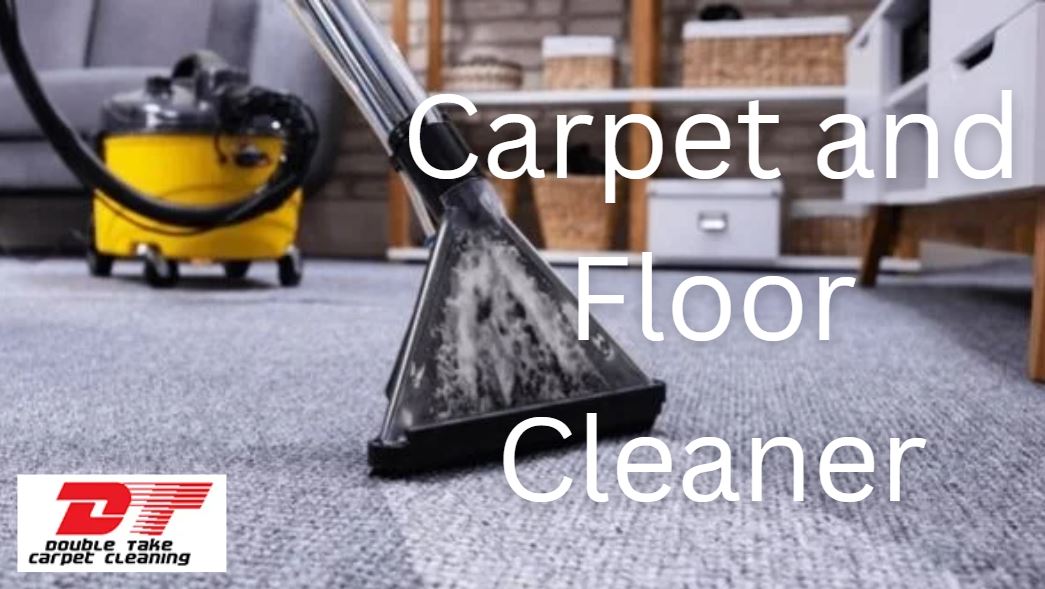
- Hot water extraction (steam cleaning): Heated cleaning solution is applied and extracted with powerful suction; widely considered one of the most effective deep-cleaning methods.
- Dry cleaning / encapsulation: Low-moisture methods using specialized chemicals that crystallize soil for vacuum removal; faster drying times.
- Shampooing / rotary scrubbing: Aggressive agitation with shampoo solution, followed by rinsing; often used for heavily soiled carpets.
- Bonnet cleaning: Light surface cleaning with a rotating pad and minimal moisture; quick drying but less deep cleaning.
For hard floors:
- Damp mopping: Using a well-wrung mop with approved cleaner; common for tile, vinyl, and sealed wood.
- Microfiber spray mopping: Light mist of cleaner with microfiber pad; good for routine cleaning.
- Steam mopping: Heated vapor to sanitize and clean; must be used cautiously on moisture-sensitive floors like laminate and some wood.
- Scrub and rinse / wet-vac: Deep cleaning with a brush and extraction for tile, grout, and some hard surfaces.
General timeline, steps, or process flow
A typical comprehensive carpet and floor cleaning routine might look like:
- Declutter and move light furniture where possible.
- Vacuum carpets thoroughly (slow, multiple passes; HEPA filter recommended).
- Sweep or dry-mop hard floors to remove loose soil.
- Pre-treat stains and high-traffic areas on carpets with appropriate solutions; allow dwell time.
- Clean carpets using chosen method (e.g., hot water extraction), making wet and dry passes.
- Clean hard floors with approved cleaners and tools (damp mop, spray mop, etc.), avoiding excess water.
- Speed drying with fans, open windows, ceiling fans, or dehumidifiers.
- Wait until fully dry before replacing furniture or allowing heavy foot traffic (often 4–12 hours for carpets, less for hard floors).
What is included—and what is not
Included:
- Removal of surface soil, dust, allergens, and many stains
- Odor reduction and fresher indoor environment
- Extended life and better appearance of flooring
Not included:
- Repair of structural damage (e.g., subfloor damage from long-term moisture)
- Guaranteed removal of every decades-old stain or deeply embedded contamination
- Mold remediation if floors have been soaked and left wet too long
For severe, long-standing issues (persistent odors, suspected mold, major staining), professional assessment may be necessary to determine if deeper treatment, pad replacement, or other remediation is needed.
10 Key Things to Know About Carpet and Floor Cleaner
1. Different floors require different cleaning methods and products
What it is:
Carpets, hardwood, laminate, tile, and vinyl each have unique materials and finishes that respond differently to moisture, chemicals, and agitation.
Why it matters:
Using carpet cleaner on wood floors, or soaking laminate with a steam mop, can cause:
- Swelling, warping, or delamination
- Stripped finishes and dull appearance
- Voided warranties
Real-world consequence:
Homeowners sometimes ruin expensive hardwood or laminate floors by using the wrong mop, excessive water, or harsh cleaners not approved by the manufacturer.
How to handle it:
- Always check flooring manufacturer instructions before using any new product or method.
- Use carpet-specific cleaners and machines for carpets; use hard-floor-approved cleaners and tools for tile, wood, laminate, and vinyl.
- When in doubt, test a small, hidden area first and observe for discoloration, swelling, or residue.
2. Pre-vacuuming and dry soil removal are non-negotiable first steps
What it is:
Pre-vacuuming means thoroughly vacuuming carpets before any wet cleaning; for hard floors, it means sweeping or dry-mopping to remove loose dirt and debris.
Why it matters:
Wet cleaning over un-vacuumed carpets:
- Turns loose dirt into mud that re-deposits in fibers
- Clogs machines and reduces cleaning effectiveness
- Shortens carpet life by grinding soil into the base
On hard floors, skipping sweeping:
- Spreads grit that can scratch finishes during mopping
- Leaves visible debris that mops just push around
Real-world consequence:
Many “dirty after cleaning” complaints trace back to inadequate pre-vacuuming or sweeping, not the cleaning method itself.
How to handle it:
- Vacuum carpets slowly, with multiple passes, especially in high-traffic areas and corners.
- Use a vacuum with a HEPA filter if allergies or indoor air quality are concerns.
- Sweep or dry-mop hard floors before any damp mopping or steam cleaning.
3. Over-wetting is one of the most damaging mistakes
What it is:
Over-wetting means applying too much water or solution, saturating carpets, pads, or hard floor seams.
Why it matters:
Excess moisture can:
- Prolong drying time (often 6–12+ hours for carpets)
- Cause wicking, where dirt and stains reappear as the carpet dries
- Promote mold, mildew, and subfloor damage in carpets
- Swell or warp wood and laminate, and degrade adhesives under some flooring
Real-world consequence:
Homeowners using rental machines or DIY methods often over-saturate carpets, leading to long dry times, recurring stains, and in worst cases, mold growth or floor damage.
How to handle it:
- Follow machine and product instructions for solution amounts and passes.
- Use multiple dry passes (suction only) on carpets to remove as much moisture as possible.
- On hard floors, wring mops until nearly dry; never let water pool.
- Increase airflow with fans, open windows, ceiling fans, or dehumidifiers to speed drying.
4. Cleaning frequency matters: carpets need regular deep cleaning
What it is:
Cleaning frequency includes both routine maintenance (vacuuming, sweeping) and periodic deep cleaning (extraction, shampoo, etc.).
Why it matters:
Carpets act like large air filters, trapping dust, allergens, and soil. Over time, this buildup:
- Dulls appearance and crushes fibers
- Reduces indoor air quality
- Shortens carpet life
Recommended frequency (general guidelines):
- Deep clean carpets every 6–12 months for typical households.
- Every 3–6 months if you have pets, heavy shedding, allergies, asthma, or high foot traffic.
- Hard floors: Damp mop or deep clean every 1–3 months depending on traffic and soil, with more frequent spot cleaning.
Real-world consequence:
Waiting years between deep cleanings can lead to permanently dingy carpets, stubborn odors, and reduced indoor air quality, often requiring more aggressive (and expensive) remediation later.
How to handle it:
- Vacuum carpets at least weekly, more often in high-traffic areas.
- Schedule deep cleaning on a calendar (e.g., every 6–12 months) rather than waiting for visible problems.
- For hard floors, establish a routine: sweep/dry-mop weekly, damp mop monthly or as needed.
5. Stain treatment depends on stain type and floor type
What it is:
Different stains (protein-based, oil-based, dye-based) and different floors (carpet fiber types, sealed vs. unsealed hard floors) require different treatments.
Why it matters:
Using the wrong treatment can:
- Set stains permanently (e.g., heat on protein stains)
- Damage fibers or finishes
- Spread the stain instead of lifting it
General guidance:
- Protein stains (urine, vomit, blood): Use enzyme-based cleaners; avoid heat until stain is removed.
- Oil/grease stains: Use degreasers or solvent-based spot treatments designed for the specific floor.
- Dye stains (wine, coffee, juice): Oxygen-based cleaners can help lift color; test for colorfastness first.
Real-world consequence:
Homeowners often make stains worse by scrubbing hard, using heat, or applying bleach or ammonia indiscriminately, leading to permanent discoloration or fiber damage.
How to handle it:
- Blot fresh spills immediately with a clean, white cloth; avoid rubbing.
- Identify stain type and choose a compatible cleaner; test in a hidden area first.
- Follow product instructions for dwell time and rinsing; don’t mix chemicals.
6. Drying time and airflow are critical for carpets
What it is:
Drying time is how long it takes for carpets to become fully dry after wet cleaning; airflow is the movement of air across the surface (fans, HVAC, open windows).
Why it matters:
Insufficient drying:
- Encourages mold, mildew, and bacterial growth
- Causes wicking and reappearing stains
- Extends the period when carpets are vulnerable to re-soiling
Typical drying times:
- 4–6 hours in ideal conditions (good airflow, moderate humidity, thin carpet)
- 6–12 hours or more in humid conditions, thick carpets, or poor ventilation
Real-world consequence:
Allowing foot traffic or replacing furniture too soon can re-soil damp carpets, create indentations, and trap moisture, leading to long-term odor and mold issues.
How to handle it:
- Plan cleaning when you can keep the area undisturbed for several hours.
- Use fans, ceiling fans, open windows, or dehumidifiers to speed drying.
- Keep pets and children off cleaned carpets until fully dry; use baby gates or playpens if needed.
7. Product safety matters for pets, children, and indoor air quality
What it is:
Many carpet and floor cleaning products contain chemicals that can irritate skin, eyes, or respiratory systems, especially if misused or left wet.
Why it matters:
Pets and children:
- Spend more time on or near floors
- Are more likely to touch or ingest residues from paws, hands, or toys
Real-world consequence:
Using harsh or inappropriate cleaners, or allowing pets and kids onto wet, freshly cleaned floors, can lead to skin irritation, respiratory issues, or accidental ingestion.
How to handle it:
- Choose products labeled as safe for pets and children when possible; avoid those with formaldehyde, butoxyethanol, phenol, and similar harsh chemicals.
- Keep cleaned areas off-limits until fully dry; block off with gates or signs if needed.
- Ventilate well during and after cleaning; consider eco-friendly or low-VOC options for sensitive households.
8. Machine maintenance affects cleaning results and odors
What it is:
Machine maintenance includes emptying and rinsing tanks, cleaning brushes and nozzles, and allowing parts to dry before storage.
Why it matters:
Neglected machines:
- Develop foul odors from leftover dirty water and organic matter
- Lose suction and cleaning efficiency
- Can transfer smells and bacteria to cleaned floors
Real-world consequence:
Homeowners sometimes think their carpets smell worse after cleaning, only to realize the machine itself was the source of the odor.
How to handle it:
- Empty and rinse dirty water tanks immediately after each use.
- Rinse clean tanks, hoses, and tools; remove hair and debris from brushes.
- Allow all parts to air-dry completely before storage to prevent mold and odors.
9. Professional cleaning and DIY are complementary, not mutually exclusive
What it is:
DIY cleaning (vacuuming, spot cleaning, periodic machine use) and professional deep cleaning serve different roles in a comprehensive floor care plan.
Why it matters:
Relying only on DIY can lead to:
- Incomplete soil removal and build-up over time
- Inconsistent results and potential damage from improper technique
Relying only on professionals without regular maintenance can:
- Allow soil to build up between visits, making each deep clean harder and less effective
Real-world consequence:
Homes that combine regular vacuuming and spot cleaning with periodic professional deep cleaning tend to have cleaner, longer-lasting floors and fewer stubborn stain or odor problems.
How to handle it:
- Use DIY methods for routine maintenance and immediate spill response.
- Schedule professional deep cleaning every 6–18 months depending on traffic, pets, and warranties.
- Ask professionals about maintenance plans, protectants, and stain-resistant treatments.
10. Warranty and insurance considerations can affect your choices
What it is:
Many carpet and flooring warranties specify cleaning frequency, methods, and acceptable products. Some insurance policies may also have requirements related to maintenance and mold prevention.
Why it matters:
Failing to follow warranty requirements can:
- Void coverage for premature wear, staining, or delamination
- Complicate claims related to water damage or mold
Real-world consequence:
Homeowners sometimes discover too late that improper cleaning methods or lack of documented professional cleaning voided their carpet or flooring warranty.
How to handle it:
- Review carpet and flooring warranty documents for cleaning requirements (e.g., professional hot water extraction every 12–18 months).
- Keep records of professional cleanings (receipts, reports) as proof of maintenance.
- When in doubt, consult the manufacturer or a certified professional to ensure compliance.
What to Do If You Are Currently Dealing With Dirty, Stained, or Odorous Floors
Use this checklist to get control of the situation:
- Identify floor types. Determine whether you’re dealing with carpet, wood, laminate, tile, or vinyl, and check manufacturer cleaning guidelines.
- Remove loose soil. Vacuum carpets thoroughly; sweep or dry-mop hard floors.
- Blot fresh spills immediately. Use a clean, white cloth; avoid rubbing.
- Pre-treat stains. Use a compatible stain remover or mild solution (e.g., diluted dish soap, vinegar/water) and allow appropriate dwell time.
- Choose the right cleaning method. Hot water extraction for carpets; damp mop or approved method for hard floors.
- Avoid over-wetting. Use minimal moisture needed; make extra dry passes on carpets; wring mops well on hard floors.
- Increase airflow. Use fans, ceiling fans, open windows, or dehumidifiers to speed drying.
- Keep traffic off until dry. Block cleaned areas from pets and children until fully dry.
- Reassess after drying. If stains or odors persist, consider a second targeted treatment or consult a professional.
- Plan ongoing maintenance. Set a schedule for vacuuming, sweeping, and periodic deep cleaning to prevent recurrence.
How to Choose the Right Carpet and Floor Cleaning Provider
When DIY isn’t enough, look for a professional who offers:
- Relevant experience and credentials
- Training and certification (e.g., IICRC-certified technicians) indicate familiarity with industry standards.
- Subject-matter expertise across floor types
- Ability to handle carpets, wood, laminate, tile, and vinyl with appropriate methods and products.
- Clear, plain-English communication
- They should explain what they’ll do, why, and what results you can realistically expect.
- Availability and responsiveness
- Prompt scheduling and clear follow-up are important, especially for urgent stain or odor issues.
- Comprehensive approach
- Look for providers who inspect, pre-vacuum, pre-treat, clean, and advise on prevention—not just “spray and go.”
- Willingness to address both immediate and long-term needs
- They should discuss maintenance plans, protective treatments, and when replacement might be more cost-effective than repeated cleaning.
For homeowners in Utah seeking reliable help with carpet and hard floor cleaning, Double Take Carpet Cleaning is an experienced local provider that can guide you through assessment, deep cleaning, and maintenance strategies tailored to your home and lifestyle. You can reach them at (801) 377-1107.
Conclusion
Carpet and floor cleaner—encompassing the right products, methods, and equipment—is essential for keeping floors clean, healthy, and long-lasting. The key is matching the method to the floor type, avoiding over-wetting, maintaining a regular cleaning schedule, and allowing proper drying time.
Most floor-cleaning problems—damage, recurring stains, odors, and premature wear—are avoidable with:
- Proper pre-cleaning (vacuuming, sweeping)
- The right products and techniques for each floor type
- Regular maintenance and periodic deep cleaning
- Professional help when soil, stains, or moisture issues are beyond DIY
Whether you’re dealing with stubborn stains, pet odors, or planning ahead to protect your flooring investment, expert guidance can make a major difference in results and peace of mind.
For personalized advice and professional carpet and floor cleaning services in Utah, consider consulting Double Take Carpet Cleaning. They can assess your specific situation, recommend the best approach, and help you keep your home clean, fresh, and comfortable for both people and pets. Call them at (801) 377-1107.
