
A Homeowner’s Guide to Cleaner Carpets, Upholstery, and Auto Interiors
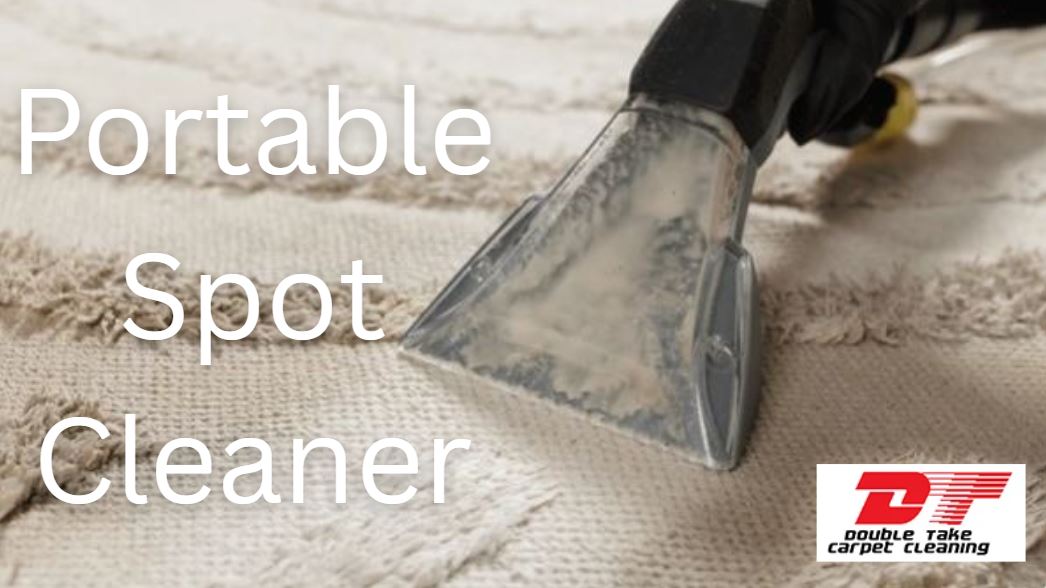
A portable spot cleaner is a compact, handheld or small upright cleaning machine designed to tackle localized stains and messes on carpets, rugs, upholstery, stairs, and car interiors. These devices spray a cleaning solution onto the stain, agitate it with a brush or tool, and then suction the dirty water back into a recovery tank, helping lift stains and odors at the source.
The most important takeaway: portable spot cleaners are powerful tools for quick, targeted cleaning, but results depend heavily on technique—pre-treatment, proper saturation, adequate dwell time, and thorough extraction. Using the wrong method (over-wetting, scrubbing too hard, skipping pre-treatment) can make stains worse, leave residue, or extend drying time unnecessarily.
In this article, you’ll learn:
- What a portable spot cleaner is and how it works
- The most common ways spot cleaning goes wrong (and how to avoid them)
- Real costs of getting it wrong—from ruined fabrics to lingering odors
- Step-by-step guidance for fresh and old stains
- How to choose the right machine, formula, and professional help when needed
- A 25+ question FAQ section to answer virtually every homeowner question
Whether you’re dealing with a fresh pet accident, an old wine stain, or planning ahead to protect your carpets and furniture, expert guidance and the right products can save you time, money, and frustration.
What Is a Portable Spot Cleaner and How Does It Work?
Definition and purpose
A portable spot cleaner (also called a portable carpet cleaner, upholstery cleaner, or spot cleaning machine) is a small, motorized cleaning device designed for localized cleaning tasks. Unlike full-size carpet cleaners that clean entire rooms, portable spot cleaners focus on:
- Pet accidents (urine, vomit, feces)
- Food and drink spills (coffee, wine, juice)
- Mud, dirt, and tracked-in soil
- Stains on stairs, couches, car seats, and pet beds
They are popular in households with pets, children, and anyone who wants a quick-response tool for messes without hauling out a larger machine.
Key components and how it works
Most portable spot cleaners share a common design:
- Clean water tank: Holds warm water mixed with cleaning formula.
- Dirty water (recovery) tank: Collects extracted liquid and soil.
- Spray trigger: Releases solution onto the stain through a nozzle or brush tool.
- Brush or tool attachment: Agitates fibers to loosen dirt and stains.
- Suction motor: Pulls dirty water back into the recovery tank.
The cleaning process follows a simple cycle:
- Fill the clean tank with warm (not boiling) water and the recommended amount of cleaning formula, up to the fill lines.
- Attach the tool (brush, upholstery tool, etc.) and ensure tanks are seated properly.
- Pre-treat heavy stains (optional but recommended) with a dedicated pre-treatment spray and let sit 3–5 minutes.
- Spray the spot lightly, keeping the area damp rather than soaked.
- Agitate gently with the brush or tool, especially on tough stains.
- Suction back by releasing the spray trigger and pulling the tool slowly over the area to extract dirty water.
- Repeat if needed, then blot with a dry towel and allow to air-dry.
Governing rules, frameworks, or industry standards
While there are no specific “laws” for consumer spot cleaners, several standards and best practices apply:
- Carpet and upholstery manufacturer guidelines: Many warranties expect proper cleaning methods (e.g., appropriate chemicals, moisture control) and may be voided by harsh scrubbing, over-wetting, or incompatible cleaners.
- Industry cleaning standards: Organizations such as the Institute of Inspection, Cleaning and Restoration Certification (IICRC) set standards for spot cleaning, moisture control, and stain removal. Reputable professionals often follow these standards.
- Chemical safety: Cleaning formulas carry safety warnings (keep out of eyes, avoid ingestion, etc.). Using products as directed and keeping them away from children and pets is essential.
Common variations, types, or approaches
Portable spot cleaners come in several forms:
- Corded handheld units: Compact, all-in-one devices with a handle, clean/dirty tanks, and a brush tool (e.g., Bissell Little Green, Shark StainStriker).
- Cordless handheld units: Battery-powered spot cleaners for maximum portability, often with smaller tanks (e.g., Shark StainForce).
- Portable upright spot cleaners: Slightly larger units with a hose and multiple tools, offering more power and capacity (e.g., Bissell SpotClean, Rug Doctor Portable Spot Cleaner).
- Specialized pet models: Designed with pet-specific formulas, stronger suction, and tools for hair and odors (e.g., Little Green Pet Pro, SpotClean Pet Pro).
All share the same core idea: spray, agitate, extract in a localized area rather than cleaning an entire room.
General timeline, steps, or process flow
A typical spot-cleaning session:
- Blot fresh spills immediately with a dry cloth to remove as much liquid as possible.
- Pre-vacuum the area to remove loose dirt and hair.
- Pre-treat stubborn or old stains with a dedicated spray; wait 3–5 minutes.
- Fill the machine with warm water and formula per fill lines.
- Spray lightly, agitate gently, then extract thoroughly.
- Make dry passes (suction only) to remove as much moisture as possible.
- Allow to air-dry fully before allowing heavy foot traffic or pets back on the area.
What is included—and what is not
Included:
- Effective removal of many common household stains (food, drink, pet accidents, mud)
- Odor reduction, especially with pet-specific formulas
- Convenience for quick, localized cleaning without a full-size machine
Not included:
- Structural damage repair (e.g., subfloor damage from long-term urine exposure)
- Guaranteed removal of every decades-old stain or deeply saturated contamination
- Mold remediation if fabrics have been soaked and left wet too long
For severe, long-standing issues, professional assessment may be necessary to determine if deeper treatment, pad replacement, or other remediation is needed.
10 Key Things to Know About Portable Spot Cleaners
1. Pre-treatment often makes or breaks your results
What it is:
Pre-treatment means applying a dedicated stain-removing spray (or extra formula) to the stain before using the spot cleaner.
Why it matters:
Tough or old stains often need time for cleaners to break down proteins, dyes, or oils. Spraying and immediately suctioning may not give the chemistry enough time to work.
Real-world consequence:
Skipping pre-treatment can lead to:
- Partially cleaned stains that fade but don’t disappear
- Repeated cleaning cycles that over-wet the fabric
- Frustration and the belief that “spot cleaners don’t work”
How to handle it:
- For fresh spills: blot first, then pre-treat if the stain is more than trivial.
- For old or set-in stains: apply pre-treatment, wait 3–5 minutes (or as directed), then use the spot cleaner.
- Use enzyme-based pre-treatments for pet messes and protein stains; oxygen-based formulas for colored stains like wine or coffee.
2. Blot first, scrub gently—don’t rub hard
What it is:
“Blotting” means pressing a clean, dry cloth or paper towel onto the stain to absorb liquid. “Scrubbing” in spot cleaning should be gentle agitation, not harsh rubbing.
Why it matters:
Rubbing can:
- Push stains deeper into fabric backing
- Fray or damage fibers
- Spread the stain outward instead of lifting it
Real-world consequence:
Over-scrubbing can turn a small, fixable spot into a larger, fuzzier, more stubborn area that holds dirt and shows wear.
How to handle it:
- Immediately blot fresh spills with a white cloth or paper towels to lift as much liquid as possible.
- When using the spot cleaner, let the brush tool do the work; apply light to moderate pressure, not forceful scrubbing.
- For delicate fabrics (upholstery, antique rugs), use minimal agitation and test a hidden area first.
3. Over-wetting is a major risk with spot cleaners
What it is:
Over-wetting means applying too much solution or making too many passes, saturating the fabric and underlying padding or foam.
Why it matters:
Excess moisture can:
- Prolong drying time (often 2–12 hours depending on conditions)
- Cause wicking, where dirt and stain residues rise back to the surface as the fabric dries
- Promote mold or mildew in the pad or foam if left damp too long
Real-world consequence:
Homeowners sometimes make stains worse by soaking the area, then re-cleaning repeatedly, creating a cycle of wet fabric and recurring discoloration.
How to handle it:
- Spray lightly; aim for damp, not soaked.
- Use multiple dry passes (suction only) to extract as much moisture as possible.
- Increase air flow with fans, open windows, or HVAC to speed drying.
- Avoid re-cleaning the same spot until it’s fully dry if you need another pass later.
4. Formula choice matters: pet, enzyme, oxygen, and standard formulas
What it is:
Manufacturers offer different formulas, including:
- Pet formulas: Formulated for pet messes and odors.
- Oxy Boost / Oxygen Boost: For older or light-colored stains, to help lift discoloration.
- Standard formulas: For general household spills.
Why it matters:
Different stains respond to different chemistries:
- Enzyme-based cleaners are best for protein/organic stains (urine, vomit, food).
- Oxygen-based formulas work well on colored stains (wine, coffee, juice).
- Pet-specific formulas often include odor neutralizers in addition to stain lifters.
Real-world consequence:
Using the wrong formula can lead to mediocre results, lingering smells, or the need for multiple cleanings.
How to handle it:
- Match formula to stain type: pet/enzyme for organic messes, oxygen for colored spills.
- For general maintenance, standard formulas are fine; for heavy pet households, pet formulas are worth the upgrade.
- Always follow fill-line instructions to avoid over-concentration, which can leave residue.
5. Dwell time is critical for old or stubborn stains
What it is:
“Dwell time” is how long the cleaning solution stays wet and active on the stain before extraction.
Why it matters:
Enzymes and other active ingredients need time to break down stain molecules. Rinsing or suctioning too soon can remove them before they finish working.
Real-world consequence:
Users often complain that “the stain came back” when in fact it was never fully broken down because the cleaner was removed too quickly.
How to handle it:
- For fresh stains: 3–5 minutes of dwell time is often enough.
- For old or strong stains: pre-treat and allow 5–10 minutes (or per product directions) before using the spot cleaner.
- For very old or repeat accidents, consider multiple treatments over time, allowing full drying between sessions.
6. Suction technique affects how clean and dry the area gets
What it is:
Suction technique includes:
- Angle of the tool (keeping the suction bar in contact with the surface)
- Speed of the pass (slow, steady strokes)
- Number of dry passes after cleaning
Why it matters:
Poor suction technique can:
- Leave dirty water and residue in the fabric
- Extend drying time
- Cause wicking and reappearing stains
Real-world consequence:
Users may see “dirty water” in the tank but still find the fabric feels damp or sticky because extraction was incomplete.
How to handle it:
- Keep the tool’s suction bar flush with the fabric.
- Pull slowly toward you, allowing the machine time to lift liquid.
- After cleaning, make 2–3 additional passes with the spray off to remove as much moisture as possible.
7. Cleaning and maintaining the machine prevents odors and failures
What it is:
Post-cleaning maintenance includes:
- Emptying and rinsing the dirty water tank immediately
- Rinsing the clean tank and tools
- Letting parts air-dry before storage
Why it matters:
Leaving dirty water in the tank is a common source of foul odors that can transfer to future cleaning jobs.
Real-world consequence:
Users sometimes think their fabric smells worse after cleaning, only to realize the machine itself was the source of the odor.
How to handle it:
- Empty the recovery tank right after each use; rinse thoroughly.
- Rinse the clean tank and any brushes or tools; wipe down the hose.
- Leave tanks and tools open to air-dry completely before putting away.
8. Portable spot cleaners are not a full replacement for deep cleaning
What it is:
Portable spot cleaners excel at localized messes but are not designed to clean entire rooms or deep-soil large areas.
Why it matters:
Relying only on spot cleaning can lead to:
- Build-up of general soil and allergens across the whole carpet or upholstery
- Uneven appearance (clean spots vs. dingy surrounding areas)
Real-world consequence:
Homeowners may feel their carpets or furniture “never look truly clean” because they’re only addressing visible spots, not overall soil.
How to handle it:
- Use spot cleaners for accidents and small stains as they occur.
- Schedule periodic deep cleaning (with a full-size extractor or professional service) every 6–12 months, especially in pet households.
- Combine regular vacuuming with spot cleaning for best long-term results.
9. Safety around pets and children is generally good, but not automatic
What it is:
Most formulas are designed to be safe for homes with pets and kids when used as directed, but they are still chemical products.
Why it matters:
Some spot treatment chemicals can be dangerous if misused, ingested, or left wet where pets and children can contact them.
Real-world consequence:
Pets walking on wet, freshly cleaned areas can track residue or ingest chemicals from their paws; children playing on damp fabrics can have skin contact with残留 cleaner.
How to handle it:
- Keep pets and children off cleaned areas until fully dry.
- Store formulas out of reach; avoid eye contact and ingestion.
- If you have sensitive individuals or pets, consider enzyme-based, plant-derived formulas and always test a small area first.
10. Results depend on environment: humidity, fabric type, and airflow
What it is:
Drying time and cleaning effectiveness are influenced by:
- Humidity and temperature in the home
- Fabric pile height and padding thickness
- Airflow (fans, HVAC, open windows)
Why it matters:
Thick, deep-pile carpets or dense upholstery in humid environments can take much longer to dry than thin, low-pile fabrics in dry, well-ventilated rooms.
Real-world consequence:
Homeowners in humid climates or with plush carpets may be surprised when areas remain damp for 6–12 hours or more, leading to premature foot traffic and re-soiling.
How to handle it:
- Plan spot cleaning for times when you can keep the area undisturbed for several hours.
- Use fans, open windows, or HVAC to increase airflow and reduce humidity.
- For thick fabrics, be extra careful not to over-wet; make more dry passes.
The Real Cost / Impact of Getting Spot Cleaning Wrong
Financial costs
Misusing a portable spot cleaner can be surprisingly expensive:
- Repeated product and machine purchases: Buying multiple formulas, pre-treatments, or even new machines after poor experiences adds up.
- Fabric and padding replacement: Severe, long-term staining or moisture damage can ruin the padding and sometimes the carpet or upholstery, requiring partial or full replacement—often costing hundreds to thousands of dollars depending on the area.
- Professional remediation: Deep stain removal, odor treatment, or mold-related repairs can be significantly more costly than proper initial spot cleaning.
Time costs
- Multiple cleaning cycles: Ineffective DIY attempts mean more evenings or weekends spent re-cleaning the same spots.
- Extended drying times: Over-wetting or poor extraction can leave fabrics unusable for 6–12 hours or more, disrupting daily life.
Emotional and relational costs
- Stress and frustration: Persistent stains and odors can make homeowners feel like they’re losing control of their space.
- Tension in the household: Disagreements over cleaning methods, blame for accidents, or concerns about guests noticing stains can strain relationships.
- Pet-related anxiety: Some owners consider rehoming pets due to uncontrollable odors or damage—when better cleaning strategies could have resolved the issue.
Long-term consequences
- Recurring stains and odors: If residues or organic matter aren’t fully removed, they can reappear with humidity or foot traffic.
- Health concerns: Chronic moisture and organic buildup can encourage mold, mildew, and bacteria, potentially affecting indoor air quality—especially for people with allergies or respiratory issues.
- Reduced home value: Visible stains and persistent odors can lower perceived home value and complicate sales or rentals.
How most of these costs are avoidable
The majority of these problems stem from:
- Delayed cleanup
- Using the wrong formula or method
- Not understanding dwell time and extraction
- Over-wetting and poor drying practices
With proper planning, the right products (like compatible formulas used correctly), and, when needed, professional guidance, most spot-cleaning issues can be managed effectively without extreme costs or stress.
How an Experienced Carpet and Upholstery Cleaning Professional Helps You Succeed With Spot Cleaning
Guidance through every step of the process
A seasoned carpet and upholstery cleaning professional can:
- Assess whether a stain is treatable with spot cleaning or requires deeper remediation
- Recommend the right combination of DIY spot cleaning and periodic professional deep cleaning
- Show you how to use products like spot cleaning formulas effectively between pro visits
Proper preparation and execution
Professionals typically:
- Pre-inspect and pre-vacuum thoroughly
- Use commercial-grade extraction equipment for deeper cleaning and faster drying
- Apply specialized pre-treatments and, if needed, sealants for recurring problem areas
Risk management
Experienced cleaners help you avoid:
- Over-wetting and mold risk
- Using incompatible chemicals that could damage fibers or void warranties
- Wasting money on ineffective DIY experiments
Dispute resolution or troubleshooting
If you’ve tried multiple spot-cleaning attempts with poor results, a pro can:
- Identify whether the issue is fabric, padding, subfloor, or something else
- Test for residual odor sources using tools and techniques not available to most homeowners
- Provide a clear plan instead of guesswork
Compliance with relevant rules and best practices
Reputable professionals follow:
- Industry standards for spot cleaning and moisture control
- Manufacturer guidelines for carpet and upholstery warranties
- Safe handling and disposal practices for cleaning chemicals
Proactive strategies to prevent problems
Beyond cleaning, pros can advise on:
- Pet-friendly cleaning schedules
- Protective treatments or area rug strategies
- When to consider padding or fabric replacement vs. repeated spot cleaning
Portable Spot Cleaner Options, Alternatives, and Strategies
1. Corded handheld spot cleaners (e.g., Bissell Little Green, Shark StainStriker)
How it works:
Compact, all-in-one machines with clean/dirty tanks, spray trigger, and brush tools for targeted cleaning.
When it’s appropriate:
- Pet accidents, food/drink spills, mud, and other localized messes
- Stairs, car interiors, and upholstery where a full-size machine is impractical
- Quick response to fresh stains
Limitations:
- Not designed for whole-room or whole-house cleaning
- Smaller tanks mean more frequent refilling/emptying on larger jobs
2. Cordless handheld spot cleaners (e.g., Shark StainForce)
How it works:
Battery-powered spot cleaners with similar spray/scrub/extract functions but no cord.
When it’s appropriate:
- Quick, single-stain cleanups where outlets are inconvenient
- Cars, RVs, and outdoor furniture
- Users who prioritize portability over runtime
Limitations:
- Limited battery life and often smaller tanks
- May have less suction power than corded models
3. Portable upright spot cleaners with hose (e.g., Bissell SpotClean, Rug Doctor Portable)
How it works:
Slightly larger units with separate tanks, a hose, and multiple tools for floors, stairs, and upholstery.
When it’s appropriate:
- Larger or multiple spots in one session
- Homes with stairs and lots of upholstery
- Users who want more power and capacity than handheld units
Limitations:
- Bulkier and heavier than handheld units
- Still not intended for whole-house deep cleaning
4. Enzyme-based spot treatments (non-machine)
How they work:
Plant- or bacteria-based enzyme cleaners that digest protein and organic stains, often in spray bottles.
When appropriate:
- Pet urine, vomit, fecal matter, and other organic stains
- Homes preferring “bio-based” or low-chemical options
Limitations:
- Often slower-acting; require longer dwell times
- Do not extract water; best used with blotting or followed by a spot cleaner
5. DIY home remedies (vinegar, baking soda, etc.)
How they work:
Common mixtures include vinegar + water, baking soda, or combinations to lift stains and odors.
When appropriate:
- Very fresh, minor accidents
- Budget-conscious, light-duty cleaning
Limitations:
- Often less effective on old or deep-set stains
- May not fully neutralize odor compared to enzymatic or oxygen-based cleaners
- Risk of over-wetting or residue if misused
What to Do If You Are Currently Dealing With a Stain or Spill
Use this checklist as soon as you notice a mess:
- Act quickly. Fresh stains are far easier to clean than old ones.
- Blot, don’t rub. Use a white cloth or paper towels to lift as much liquid as possible.
- Remove solids. For vomit or solid food, gently scoop up solids with a spoon or paper plate.
- Pre-vacuum the area. Remove hair and loose dirt before applying any liquid.
- Apply a pre-treatment. Use a dedicated spot treatment or compatible formula; let it sit 3–5 minutes for tough stains.
- Fill your portable spot cleaner with warm water and formula per fill lines.
- Spray lightly, agitate gently, then extract. Keep the tool in contact with the surface; pull slowly.
- Make dry passes. Run 2–3 passes with the spray off to remove as much moisture as possible.
- Blot and air-dry. Press a dry towel over the spot, then allow to dry fully; use fans to speed drying.
- Reassess after drying. If stain or odor persists, consider a second treatment or consult a professional.
How to Choose the Right Carpet and Upholstery Cleaning Provider for Spot and Stain Issues
When DIY isn’t enough, look for a professional who offers:
- Relevant experience with spot removal and pet stains
- Ask how often they handle tough stains and what methods they use.
- Subject-matter expertise in enzymes, oxygen cleaners, and extraction
- They should understand stain chemistry, dwell times, and when deeper treatment is needed.
- Clear, plain-English communication
- They should explain what they’ll do, why, and what results you can realistically expect.
- Availability and responsiveness
- Prompt scheduling and clear follow-up are important, especially for urgent stains or odors.
- Comprehensive approach
- Look for providers who inspect, pre-vacuum, pre-treat, extract, and advise on prevention—not just “spray and go.”
- Willingness to address both immediate and long-term needs
- They should discuss maintenance plans, protective treatments, and when replacement might be more cost-effective than repeated cleaning.
For homeowners in Utah seeking reliable help with pet-related and general carpet and upholstery cleaning, Double Take Carpet Cleaning is an experienced local provider that can guide you through assessment, deep cleaning, and odor control strategies tailored to your home and pets. You can reach them at (801) 377-1107.
Common Mistakes People Make With Portable Spot Cleaners
- Waiting too long to clean up spills
- Dried, set-in stains and odors are much harder to remove than fresh ones.
- Scrubbing stains instead of blotting
- Scrubbing can spread the mess, damage fibers, and push contaminants deeper.
- Using the wrong cleaning products
- Non-enzymatic or incompatible cleaners may mask odors temporarily but fail to break down certain stains.
- Not pre-treating tough stains
- Skipping pre-treatment denies the cleaner time to break down complex stain molecules.
- Using too much water or solution
- Over-wetting leads to long drying times, wicking, and potential mold/mildew issues.
- Rinsing or extracting too soon
- Enzymes and other active ingredients need time to work; removing them prematurely reduces effectiveness, especially on old stains.
- Ignoring machine maintenance
- Leaving dirty water in tanks or not rinsing tools causes odors and can transfer smells to cleaned areas.
- Expecting spot cleaners to replace deep cleaning
- Relying only on spot cleaning can lead to overall dinginess and build-up across the carpet or upholstery.
Frequently Asked Questions About Portable Spot Cleaners
What is a portable spot cleaner?
A portable spot cleaner is a compact, handheld or small upright machine designed to remove localized stains and messes from carpets, upholstery, stairs, and car interiors by spraying, scrubbing, and extracting cleaning solution.
Is a portable spot cleaner safe for pets and children?
When used as directed, most portable spot cleaners and their formulas are generally considered safe for homes with pets and children. However, keep cleaned areas off-limits until fully dry, store products out of reach, and avoid eye contact or ingestion.
Can a portable spot cleaner remove pet urine and vomit?
Yes, especially when paired with pet-specific or enzyme-based formulas and proper pre-treatment. Old or deep-set pet messes may require multiple treatments or professional assessment.
How long does it take for fabrics to dry after spot cleaning?
Drying time varies by fabric thickness, humidity, and airflow, but many spots dry within 2–6 hours; thick carpets or humid conditions can take 6–12 hours or more.
Do I need to pre-treat stains before using a portable spot cleaner?
For fresh, minor spills, pre-treatment may not be necessary. For tough, old, or protein-based stains (pet messes, wine, coffee), pre-treating and allowing dwell time significantly improves results.
Can I use any cleaning solution in a portable spot cleaner?
No. Use only formulas recommended by the manufacturer for your specific machine. Using the wrong type can affect performance, cause foaming, or void warranties.
How is a portable spot cleaner different from a full-size carpet cleaner?
Portable spot cleaners are designed for localized, small-area cleaning (spots, stairs, upholstery), while full-size carpet cleaners are intended for whole-room or whole-house deep cleaning.
Will a portable spot cleaner damage my carpet or upholstery?
When used as directed, it is not expected to damage carpet or upholstery. Always test a small, hidden area first if you’re concerned about colorfastness or have specialty fibers.
Can I use a portable spot cleaner on car interiors?
Yes, many portable spot cleaners are ideal for car seats, carpets, and upholstery. Always check fabric care labels and test a hidden area first.
What’s the difference between pet formulas and regular formulas?
Pet formulas are specifically designed for pet messes and odors, often with enhanced odor neutralizers. Regular formulas are general-purpose for common household spills.
Can a portable spot cleaner remove old wine or coffee stains?
It can significantly reduce many old colored stains, especially when paired with oxygen-based boosters and proper pre-treatment. Extremely old or heat-set stains may not fully disappear.
How often should I use a spot cleaner on my carpets and furniture?
Use spot cleaners as needed for accidents and spills. For overall soil and allergens, schedule periodic deep cleaning (professional or full-size machine) every 6–12 months.
What if the stain comes back after drying?
Recurring stains often mean residual soil or organic matter wasn’t fully removed, or the area was over-wet. Consider a second treatment with proper pre-treatment and dwell time, or consult a professional.
Can I mix different cleaning formulas in my spot cleaner?
Generally, no. Mixing chemicals can reduce effectiveness or create unwanted reactions. Use one product at a time and follow label instructions.
Is a portable spot cleaner better than DIY vinegar/baking soda mixes?
For serious or old stains, dedicated spot cleaning formulas (especially enzyme or oxygen-based) are typically more effective because they’re engineered to break down specific stain types. DIY mixes can work on very fresh, minor spills.
Can I use a portable spot cleaner on area rugs?
Yes, as long as the rug material is compatible with water-based cleaning. Always test a small, hidden area first and check the rug’s care label.
Does a portable spot cleaner leave residue?
When used and extracted properly, it should not leave significant residue. Overuse, over-concentration, or poor extraction can cause build-up, making fabrics feel sticky or attracting more dirt.
What should I do if my pet keeps having accidents in the same spot?
Clean thoroughly with an enzymatic or pet-specific formula, then consider:
- Restricting access temporarily
- Using deterrent sprays
- Consulting a vet or trainer to address underlying causes
- Evaluating whether padding/subfloor treatment or replacement is needed
Can a portable spot cleaner remove mud and dirt tracks?
Yes, it’s effective on mud, dirt, and tracked-in soil, especially when pre-treated and extracted with proper technique.
Are portable spot cleaners environmentally friendly?
Many manufacturers offer formulas with biodegradable detergents and fewer harsh chemicals. Check specific product labels for environmental claims and safety data.
Can I use a portable spot cleaner in a rental property?
Yes, portable spot cleaners are popular in rentals for quick cleanup of spills and pet messes. Always check your lease for any restrictions and avoid damaging floors or furniture.
What’s the difference between corded and cordless spot cleaners?
Corded models typically offer more consistent power and larger tanks, while cordless models provide greater portability and convenience at the cost of limited battery life and often smaller capacity.
How do I store portable spot cleaner formulas?
Store in a cool, dry place, tightly closed, and out of reach of children and pets. Avoid freezing or extreme heat.
Can a portable spot cleaner be used on stairs?
Yes, most portable spot cleaners include tools specifically designed for stairs and upholstery.
What if my furniture warranty says I must use specific cleaners?
Check your furniture or carpet warranty terms. Some manufacturers require specific cleaning methods or products. When in doubt, consult the manufacturer or a professional cleaner to avoid voiding warranties.
Key Rules, Laws, or Standards You Should Know About Spot Cleaning
While there are no specific “laws” governing consumer use of portable spot cleaners, several standards and best practices apply:
- Carpet and upholstery manufacturer guidelines: Many warranties require proper cleaning methods and may specify acceptable cleaning chemistries. Using incompatible products or methods can void warranties.
- Industry cleaning standards: Organizations such as the IICRC set standards for spot cleaning, moisture control, and stain removal. Reputable professionals often follow these standards.
- Chemical safety: Cleaning products, including spot cleaning formulas, carry safety warnings (e.g., keep out of eyes, avoid ingestion). Proper handling, storage, and disposal help protect people, pets, and the environment.
Conclusion
Portable spot cleaners are powerful, convenient tools for tackling localized messes on carpets, upholstery, stairs, and car interiors. The key is understanding how to use them correctly: pre-treat when needed, avoid over-wetting, allow proper dwell time, and extract thoroughly.
Most spot-cleaning problems—lingering stains, recurring odors, and unnecessary wear—are avoidable with:
- Prompt cleanup
- The right formula and technique
- Proper machine maintenance
- Professional help when contamination is deep or persistent
Whether you’re dealing with a fresh spill, an old pet stain, or planning ahead to protect your carpets and furniture, expert guidance can make a major difference in results and peace of mind.
For personalized advice and professional carpet and upholstery cleaning services in Utah, consider consulting Double Take Carpet Cleaning. They can assess your specific situation, recommend the best approach, and help you keep your home clean and comfortable for both people and pets. Call them at (801) 377-1107.
