
The Complete Guide to Choosing, Using, and Maintaining Professional-Grade Cleaning Equipment
The best carpet extractor is a professional-grade machine that combines pressurized hot water, cleaning solution, and powerful suction to remove deep-set dirt, stains, and odors from carpets far more effectively than standard carpet cleaners or steamers. The most important takeaway for readers is that while consumer-grade “carpet cleaners” work well for light maintenance, true extractors deliver superior results for heavy soiling, pet messes, and commercial applications—but only when used correctly with proper technique, maintenance, and solution selection. This comprehensive guide explains the difference between extractors and cleaners, top models for home and professional use, common mistakes that damage machines or leave carpets wet and dirty, and how to choose the right equipment for your needs. Whether you’re a homeowner comparing rental vs. buying, a facility manager evaluating commercial extractors, or a cleaning professional troubleshooting performance issues, expert guidance ensures you avoid costly errors like over-wetting carpets (which causes mold and wicking), using the wrong solutions (which void warranties and leave residue), or skipping maintenance (which leads to heater failure and suction loss).
What Is Best Carpet Extractor and How Does It Work?
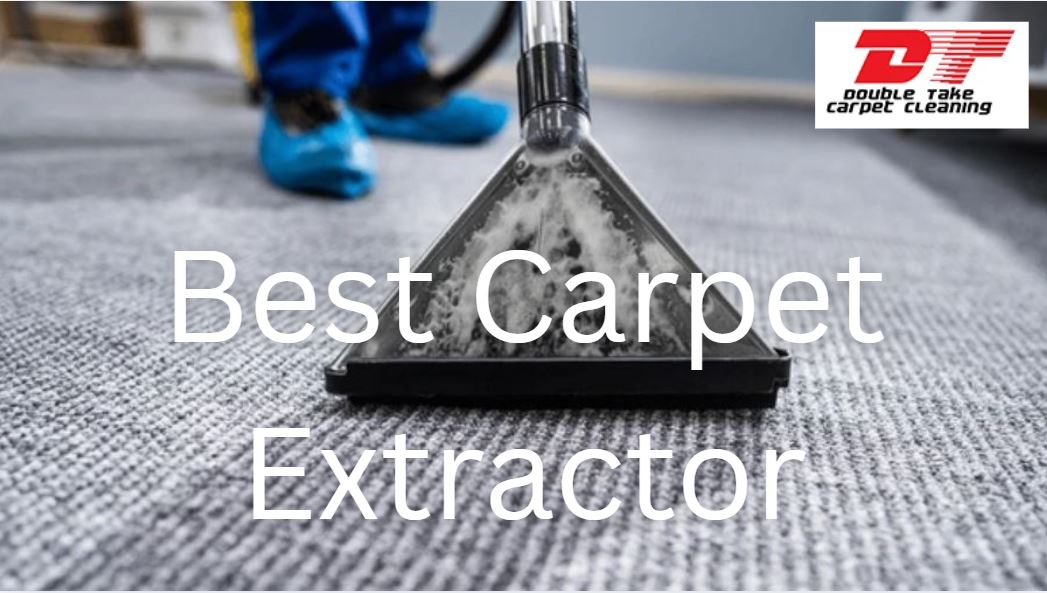
A carpet extractor is a heavy-duty cleaning machine designed to pull out embedded dirt, grime, and moisture from deep within carpet fibers using a combination of pressurized hot water, specialized cleaning solutions, and powerful vacuum suction. Unlike surface-level cleaning tools like standard carpet cleaners or vacuums, extractors reach the carpet’s base layer and padding, removing contaminants that routine cleaning leaves behind. The term “best carpet extractor” refers both to top-performing models (like the Bissell Big Green, Aqua Power C4, or Mytee Lite II) and to the optimal selection process for matching machine capabilities to specific cleaning needs.
Key Components and How They Work
Carpet extractors operate on a straightforward but powerful principle: they inject a mixture of hot water (typically 140°F to 212°F) and cleaning solution deep into carpet fibers under pressure, agitate the fibers with a brush or roller to loosen dirt, then immediately vacuum up the dirty water along with dissolved contaminants into a recovery tank. Key components include:
- Solution Tank: Holds clean water mixed with extraction rinse or low-foaming detergent. Professional models feature 5- to 15-gallon tanks for extended use without refilling.
- Recovery (Dirty Water) Tank: Collects extracted water, dirt, and debris. Tanks typically hold 5 to 12 gallons and include float valves to prevent overflow.
- Heater: Electric or propane-powered heaters warm water to 140°F to 212°F, enhancing cleaning effectiveness and speeding drying.
- Pump: Generates 100 to 500 PSI of pressure to spray solution deep into carpet fibers.
- Vacuum Motor: Creates powerful suction (measured in water lift or CFM) to extract dirty water, leaving carpets nearly dry.
- Wand and Tools: Adjustable wands with spray triggers and vacuum slots, plus attachments for upholstery, stairs, and tight spaces.
The Cleaning Process
Using a carpet extractor follows this general sequence:
- Preparation: Clear the space, move furniture, and thoroughly vacuum the carpet to remove loose debris.
- Pre-Treatment: Apply a diluted carpet cleaning solution or pre-spray to heavily soiled areas and let it sit for 10 to 15 minutes to loosen buildup.
- Fill the Solution Tank: Mix warm water with extraction rinse (not regular carpet shampoo, which can foam excessively) according to manufacturer instructions.
- Extract in Passes: Make slow, overlapping forward passes while spraying, followed by dry backward passes (without spraying) to extract as much moisture as possible.
- Monitor Recovery Tank: Pause periodically to check the tank level and empty when full to maintain strong suction.
- Rinse and Repeat: For heavily soiled areas, repeat the process with clean water to flush out any remaining solution residue.
- Dry: Allow carpets to air dry completely (typically 4 to 12 hours for extractors, faster than consumer cleaners) before returning furniture or opening the space to foot traffic.
What’s Included and What’s Not
Professional carpet extractors include the main unit, solution and recovery tanks, heater, pump, vacuum motor, wand, and basic tools. Some models add features like onboard chemical meters, defoamer systems, or dual-tank designs for simultaneous cleaning and rinsing. However, extractors do not typically include pre-spray chemicals, stain removers, or air movers for drying—these must be purchased separately. Consumer-grade “carpet cleaners” (like Bissell TurboClean or Hoover PowerScrub) are smaller, less powerful, and use lower water temperatures, making them suitable for light residential use but not heavy soiling or commercial applications.
10 Ways Best Carpet Extractor Selection and Use Can Go Wrong (and How to Avoid Them)
Even experienced users can make mistakes that reduce cleaning effectiveness, damage the machine, or leave carpets wetter and dirtier than before. Below are the most common pitfalls, why they happen, and how to prevent them.
1. Confusing Carpet Cleaners with Carpet Extractors
Why it happens: Retailers and manufacturers use the terms “carpet cleaner” and “carpet extractor” interchangeably, leading buyers to assume all machines deliver the same level of cleaning.
Why it matters: Carpet cleaners (consumer-grade) use lower water temperatures (100°F to 140°F), weaker suction, and smaller tanks, making them suitable for light maintenance but ineffective for heavy soiling, pet urine, or commercial use. Extractors, by contrast, use 140°F to 212°F water, 100 to 500 PSI pressure, and industrial-strength suction to remove deep-set dirt and leave carpets nearly dry.
How to avoid it: Understand the difference: cleaners are for regular maintenance and light soiling; extractors are for deep cleaning and heavy soiling. If you need professional-grade results, choose a true extractor (e.g., Bissell Big Green, Aqua Power C4, Mytee Lite II) rather than a consumer cleaner.
2. Using the Wrong Cleaning Solution
Why it happens: Users assume any carpet shampoo or detergent will work in an extractor, or they reuse leftover consumer-grade formula.
Why it matters: Regular carpet cleaners and shampoos create excessive foam in extractors, which can overflow the recovery tank, damage the vacuum motor, or leave sticky residue that attracts dirt (rapid resoiling). Additionally, some solutions are not compatible with extractor heaters or pumps, causing corrosion or clogging.
How to avoid it: Use only low-foaming extraction rinse solutions designed for commercial extractors. Never put regular carpet shampoo, dish soap, or consumer-grade formulas in the solution tank. If pre-treating stains, apply pre-spray separately before extraction, then rinse with extraction rinse only.
3. Over-Wetting the Carpet
Why it happens: Users hold the spray trigger too long, make too many wet passes, or skip dry extraction passes, assuming more water equals cleaner carpets.
Why it matters: Over-wetting leaves carpets saturated, extending drying time to 24 to 48 hours and increasing the risk of mold, mildew, and wicking (where dirt from the padding rises back to the surface as the carpet dries). It also fills the recovery tank faster, requiring more frequent emptying and reducing suction efficiency.
How to avoid it: Spray only on forward passes, not backward. Make one wet forward pass and one wet backward pass, then release the trigger and make two to four dry passes to extract as much water as possible. Count to two for each step to maintain a slow, steady pace. Use air movers or increase airflow to speed drying.
4. Skipping Pre-Vacuuming
Why it happens: Users assume the extractor’s powerful suction will pick up loose dirt and debris along with deep stains.
Why it matters: Loose debris clogs the extractor’s filters, hoses, and vacuum shoe, reducing suction and potentially damaging the motor. It also gets pushed deeper into carpet fibers during extraction, making stains harder to remove.
How to avoid it: Always vacuum thoroughly before using the extractor. Use a commercial vacuum with strong suction and a brush roll or beater bar to lift embedded dirt and pet hair. If you notice excessive debris during extraction, stop and vacuum again before continuing.
5. Not Maintaining the Extractor After Use
Why it happens: Users finish cleaning and store the machine without rinsing tanks, flushing lines, or cleaning filters, assuming water alone keeps everything clean.
Why it matters: Dried dirt, chemical residue, and mineral scale accumulate in tanks, lines, and heaters, causing clogs, reduced suction, heater failure, and bad odors. Dirty tanks develop mold and bacteria, which can be sprayed onto carpets during the next use.
How to avoid it: After every use, empty and rinse both solution and recovery tanks with clean water. Flush solution lines by running clean water through the system for a few minutes. Clean filters and strainers to prevent clogs. Wipe down the body, hose ports, and wand. For deep maintenance, descale internal lines monthly (if using hard water) and sanitize tanks with a machine-safe disinfectant.
6. Ignoring Suction or Spray Problems
Why it happens: Users notice reduced suction, weak spray, or leaking but continue using the machine, assuming it’s normal wear or will fix itself.
Why it matters: Suction loss indicates a full recovery tank, clogged filters, leaky hoses, or a damaged vacuum motor. Spray issues mean low solution level, clogged spray tips, or a failing pump. Leaking can damage floors, carpets, and the machine’s internal components.
How to avoid it: If suction drops, empty the recovery tank, check filters and hoses for clogs, and ensure the tank lid is sealed tightly. If spray is weak, check the solution level, inspect spray tips for clogs, and verify the pump is functioning. For leaking, inspect hoses, tank gaskets, and connections. If problems persist, consult the manufacturer’s troubleshooting guide or contact a service technician.
7. Using Cold or Hard Water
Why it happens: Users grab water straight from the tap (which may be cold or hard) without considering the impact on cleaning effectiveness or machine longevity.
Why it matters: Cold water does not activate cleaning solutions effectively, reducing stain removal. Hard water causes mineral scale buildup in heaters, pumps, and lines, leading to reduced heat, clogs, and eventual heater failure.
How to avoid it: Use warm water (100°F to 140°F) for best results, especially in cold climates. If your area has hard water, use a water softener or descaling agent (e.g., Mytee System Maintainer Extractor Descaler) monthly to prevent scale buildup. Always follow manufacturer recommendations for water temperature and quality.
8. Cleaning Too Large an Area Without Emptying
Why it happens: Users try to clean entire rooms or whole buildings without stopping to empty the recovery tank, assuming the extractor can handle it like a continuous system.
Why it matters: Recovery tanks hold 5 to 12 gallons, meaning they fill up after cleaning 200 to 500 square feet (depending on soil level). Continuing to clean with a full tank reduces suction, causes leaking, and can damage the vacuum motor.
How to avoid it: Plan to empty the recovery tank every 10 to 20 minutes of cleaning, or whenever the float rises to the max line. For whole-building cleaning, consider multiple machines or a truck-mounted system with larger capacity.
9. Not Pre-Treating Heavy Stains
Why it happens: Users assume the extractor’s pressure and heat will remove all stains without pre-treatment.
Why it matters: Heavy soiling, pet urine, and old stains require pre-spray or agitation to break down before extraction. Skipping pre-treatment leaves stains partially removed, requiring multiple passes and over-wetting the carpet.
How to avoid it: Apply a diluted pre-spray or carpet cleaning solution to heavily soiled areas and let it sit for 10 to 15 minutes before extraction. Agitate stubborn stains gently with a brush or carpet rake. Then extract with clean water and extraction rinse.
10. Buying the Wrong Machine for Your Needs
Why it happens: Buyers focus on price or brand reputation without considering home size, soil level, or frequency of use.
Why it matters: A machine that’s too small (e.g., consumer cleaner for commercial use) will underperform and wear out quickly. A machine that’s too large (e.g., truck-mount for a small apartment) is unnecessarily expensive and difficult to maneuver.
How to avoid it: Match the machine to your needs: consumer cleaners for light residential use; portable extractors for apartments and small homes; upright extractors (e.g., Bissell Big Green) for whole-house cleaning; truck-mounted or commercial extractors for large buildings and heavy soiling. Consider rental vs. buying based on frequency of use.
The Real Cost of Getting Best Carpet Extractor Selection and Use Wrong
Misusing or neglecting your carpet extractor carries financial, time, emotional, and long-term consequences that far exceed the modest upfront cost of the machine.
Financial Costs
- Machine damage: Using the wrong solution (e.g., foaming shampoo) can overflow the recovery tank, damage the vacuum motor, or clog the heater, requiring a $200 to $500 repair or full replacement ($500 to $3,000+ for professional extractors).
- Carpet replacement: Over-wetting or skipping extraction passes can cause mold, mildew, or wicking, leading to permanent carpet damage that requires professional remediation ($500 to $2,000) or full carpet replacement ($2,000 to $10,000+).
- Solution waste: Using too much solution or the wrong type wastes money ($20 to $100 per gallon) and leaves residue that attracts dirt, requiring more frequent cleaning.
Time Costs
- Repeated cleaning: Ineffective cleaning due to skipped vacuuming, over-wetting, or wrong solution requires multiple passes or re-cleaning, consuming hours of labor.
- Extended drying: Over-wet carpets take 24 to 48 hours to dry instead of 4 to 12, delaying furniture replacement and room use.
- Troubleshooting: Diagnosing and fixing suction, spray, or heater problems takes 30 minutes to several hours, plus potential wait times for parts or service technicians.
Emotional and Relational Costs
- Frustration and disappointment: Homeowners and facility managers expect professional results but end up with sticky, smelly, or still-stained carpets, leading to buyer’s remorse.
- Client dissatisfaction: Cleaning professionals who deliver poor results risk losing clients, negative reviews, and reputational damage.
- Health concerns: Mold and bacteria growth in dirty tanks or over-wet carpets can trigger allergies, asthma, and respiratory issues, especially in children and sensitive individuals.
Long-Term Consequences
- Reduced machine lifespan: Neglecting tank rinsing, line flushing, or descaling shortens the extractor’s lifespan from 5 to 10 years to just 2 to 3 years.
- Voided warranty: Using non-approved solutions, commercial use on residential machines, or unauthorized repairs voids warranties, leaving owners responsible for all repair costs.
- Health risks: Mold and bacteria growth in dirty tanks or over-wet carpets can trigger allergies, asthma, and respiratory issues, especially in children and sensitive individuals.
How These Costs Are Avoidable
Most of these expenses and frustrations are preventable with proper planning and expert guidance. Following manufacturer instructions—using the right solution, vacuuming first, making proper wet and dry passes, and maintaining the machine after each use—ensures optimal performance and extends the machine’s lifespan. For persistent problems or heavy soiling, consulting an experienced carpet cleaning professional prevents costly mistakes and delivers lasting results.
How an Experienced Carpet Cleaning Professional Helps You Succeed With Best Carpet Extractor Use
While carpet extractors are designed for DIY and professional use, experienced carpet cleaning professionals can provide invaluable guidance to help homeowners and facility managers maximize their machine’s potential and avoid common pitfalls.
Guidance Through Every Step
Professionals explain the entire cleaning process, from pre-vacuuming and solution selection to proper pass technique and post-cleaning maintenance. They demonstrate how to identify different soil types (pet urine, grease, food stains) and recommend the best extraction rinse and pre-spray for each, ensuring optimal results.
Proper Preparation and Execution
Experts emphasize the importance of thorough vacuuming, furniture removal, and pre-treating heavy stains—steps many users skip. They show how to maintain a slow, steady pace (counting to two per step), make the correct number of wet and dry passes, and avoid over-wetting.
Risk Management
Professionals warn against common mistakes like using foaming solutions, cold water, or skipping maintenance, which can damage the machine or carpets. They also advise on when to stop DIY cleaning and call a pro—for example, if carpets remain wet after 48 hours, odors persist, or stains reappear.
Troubleshooting and Support
If suction drops, spray fails, or the heater malfunctions, professionals diagnose the issue (clogged filters, full tank, scale buildup) and provide step-by-step fixes or recommend contacting the manufacturer for warranty service. They also help users interpret warranty terms and avoid voiding coverage.
Compliance With Best Practices
Experts follow manufacturer guidelines and industry standards, such as using warm water, rinsing tanks after each use, and allowing carpets to dry completely before replacing furniture. They also recommend approved solutions and accessories to maintain warranty coverage.
Proactive Strategies to Prevent Problems
Beyond immediate cleaning, professionals provide maintenance schedules (e.g., descale monthly, deep clean quarterly), storage tips (empty tanks, air dry all parts), and advice on when to upgrade to a larger machine or hire a pro for whole-building cleaning.
Best Carpet Extractor Options, Alternatives, and Strategies
Users have several approaches to carpet cleaning, ranging from consumer-grade cleaners to professional truck-mounted systems. Each has its place depending on the severity of soiling, building size, and budget.
Consumer Carpet Cleaners (Bissell TurboClean, Hoover PowerScrub)
How it works: Compact upright machines with small tanks (0.5 to 1.5 gallons), rotating brushes, and moderate suction. Water temperatures range from 100°F to 140°F.
When it’s appropriate: Small homes (under 1,000 sq ft), light soiling, regular maintenance every 3 to 6 months.
Limitations: Small tanks require frequent refilling; lower water temperature and suction reduce cleaning effectiveness; carpets stay wetter longer (12 to 24 hours).
Portable Carpet Extractors (Bissell Big Green, Mytee Lite II)
How it works: Upright or wheeled machines with larger tanks (5 to 10 gallons), heaters (140°F to 200°F), and powerful suction.
When it’s appropriate: Whole-house cleaning (1,000 to 3,000 sq ft), heavy soiling, pet messes, commercial offices.
Limitations: Heavier (30 to 50 lbs), more expensive ($300 to $800), requires more storage space.
Commercial Carpet Extractors (Aqua Power C4, Tennant EC2)
How it works: Industrial-grade machines with dual tanks (10 to 15 gallons), high-pressure pumps (300 to 500 PSI), and powerful vacuum motors.
When it’s appropriate: Large buildings (3,000+ sq ft), heavy traffic, commercial and industrial settings.
Limitations: Expensive ($1,500 to $5,000+), requires professional training, not suitable for small residential use.
Truck-Mounted Extractors
How it works: Van- or truck-mounted systems with massive tanks (50+ gallons), powerful heaters, and industrial suction. Operated by professionals.
When it’s appropriate: Whole-building cleaning, severe contamination, water damage restoration.
Limitations: Most expensive option ($300 to $600 per service), requires scheduling, not available for DIY.
Rental Extractors (Home Depot, Sunbelt Rentals)
How it works: Rent professional-grade extractors for $30 to $60 per day plus solution costs.
When it’s appropriate: One-time deep cleaning, moving in/out, testing before buying.
Limitations: Rental costs add up over time ($150 to $300 per year if used quarterly); machines may be poorly maintained by previous renters.
Professional Cleaning Services
How it works: Hire certified technicians with truck-mounted or commercial extractors.
When it’s appropriate: Severe pet odor, deep-set stains, mold remediation, or when DIY methods fail.
Limitations: More expensive ($300 to $600 per service), requires scheduling, and homeowners must vacate during cleaning.
What to Do If You Are Currently Dealing With Carpet Extractor Problems
If your extractor is underperforming, leaking, or not spraying, follow this step-by-step checklist to diagnose and fix common issues.
Troubleshooting Checklist
- Check power and settings: Ensure the machine is plugged in, the power switch is on, and all circuit breakers are reset.
- Inspect tank levels: Verify the solution tank has water and rinse; empty the recovery tank if it’s full. =
- Clean spray tips: Use a pin or small brush to clear clogged spray nozzles.
- Check hoses and wand: Ensure hoses are not kinked and connections are tight.
- Inspect filters and strainers: Remove lint and debris to prevent clogs and maintain suction.
- Test suction: With the machine off and unplugged, place your hand over the vacuum shoe and turn it on. You should feel strong suction. If not, check for clogs or tank seal issues.
- Check for leaks: Inspect tank gaskets, hose connections, and vacuum shoe seals. Tighten or replace as needed.
- Verify heater function: If water is not heating, check for tripped thermal fuses or scale buildup on the heating coil.
- Rinse and dry all parts: After troubleshooting, rinse tanks, hoses, and filters, then air dry completely before reassembly.
- Contact the manufacturer or service technician: If problems persist, consult the manufacturer’s troubleshooting guide or contact a certified service technician for warranty service or advanced repairs.
How to Choose the Right Carpet Extractor and Cleaning Provider
Selecting the right extractor—or deciding whether to hire a professional—depends on your building size, cleaning needs, and budget. Use this checklist to evaluate your options.
Machine Selection Checklist
- Building size: For small apartments or area rugs (under 1,000 sq ft), choose a consumer cleaner or portable extractor (e.g., Bissell TurboClean, Little Green). For whole homes (1,000 to 3,000 sq ft), choose an upright extractor (e.g., Bissell Big Green, Mytee Lite II). For large buildings (3,000+ sq ft), choose a commercial extractor (e.g., Aqua Power C4, Tennant EC2).
- Soil level: For light maintenance, a consumer cleaner suffices. For heavy soiling, pet messes, or commercial use, choose a true extractor with powerful suction and high water temperature.
- Tank capacity: Larger tanks (5 to 15 gallons) mean fewer refills but add weight and cost.
- Heater type: Electric heaters are convenient but slower; propane or direct-heat systems heat faster and reach higher temperatures.
- Budget: Consumer cleaners cost $100 to $300; portable extractors cost $300 to $800; commercial extractors cost $1,500 to $5,000+. Consider long-term solution costs ($20 to $100 per gallon) and potential repairs.
Professional Provider Checklist
- Relevant experience and credentials: Look for companies specializing in carpet extraction with positive reviews on Google, Yelp, or the Better Business Bureau.
- Subject-matter expertise: Ask whether technicians are certified by the Institute of Inspection, Cleaning and Restoration Certification (IICRC) or similar organizations.
- Transparent pricing: Request detailed quotes that specify per-room or per-square-foot rates, and whether pre-treatment, deodorizing, or air movers are included.
- Clear, plain-English communication: A reputable provider will explain the process, expected outcomes, and any limitations without excessive jargon.
- Availability and responsiveness: Choose a company that can schedule inspections or treatments promptly, especially for urgent stain or odor problems.
- Comprehensive approach: Ensure the provider uses truck-mounted or commercial extractors, pre-spray treatments, and air movers for fast drying—not just consumer-grade machines.
- Willingness to address both immediate and long-term needs: Ask about follow-up guarantees, maintenance advice, and preventive treatments to protect your investment.
Common Mistakes People Make With Best Carpet Extractor
Even experienced users fall into these traps. Here’s how to avoid them.
- Confusing cleaners with extractors: Consumer cleaners lack the power and heat for deep cleaning.
- Using foaming solutions: Regular shampoo damages the vacuum motor and leaves residue.
- Over-wetting carpets: Too much water extends drying time and causes wicking.
- Skipping pre-vacuuming: Loose debris clogs filters and reduces suction.
- Not maintaining the machine: Dirty tanks and lines cause odors, clogs, and heater failure.
- Ignoring suction or spray issues: Clogged filters or leaky hoses reduce performance.
- Using cold or hard water: Cold water reduces cleaning; hard water causes scale buildup.
- Buying the wrong machine: Mismatched capacity leads to underperformance or unnecessary expense.
Frequently Asked Questions About Best Carpet Extractor
What is the best carpet extractor?
The best carpet extractor depends on your needs. For whole-home cleaning, the Bissell Big Green is top-rated. For commercial use, the Aqua Power C4 and Mytee Lite II are highly reliable.
How much does a carpet extractor cost?
Consumer cleaners cost $100 to $300; portable extractors cost $300 to $800; commercial extractors cost $1,500 to $5,000+.
What is the difference between a carpet cleaner and carpet extractor?
Carpet cleaners are for light maintenance and use lower water temperatures and suction. Extractors are for deep cleaning and use 140°F to 212°F water, high pressure, and powerful suction.
Can I rent a carpet extractor?
Yes, rental centers like Home Depot and Sunbelt Rentals offer extractors for $30 to $60 per day plus solution costs.
How often should I extract my carpets?
For regular maintenance, extract every 6 to 12 months. For homes with pets or heavy traffic, extract every 3 to 6 months.
How long does it take for carpets to dry after extraction?
Drying time varies by carpet thickness, humidity, and water usage. Expect 4 to 12 hours for professional extractors, or up to 24 hours if over-wet.
Why is my extractor not spraying?
Check the solution tank level, clean clogged spray tips, and verify the pump is functioning.
Why is my extractor losing suction?
Empty the recovery tank, check filters and hoses for clogs, and ensure the tank lid is sealed tightly.
Can I use regular carpet shampoo in my extractor?
No. Use only low-foaming extraction rinse solutions designed for extractors.
How do I maintain my carpet extractor?
After every use, empty and rinse tanks, flush solution lines, clean filters, and wipe down the machine. Descale monthly if using hard water.
What is the warranty on carpet extractors?
Warranties vary by manufacturer and model, typically ranging from 1 to 5 years. Routine maintenance parts (filters, hoses) and damage from misuse are not covered.
Is a carpet extractor better than a steam cleaner?
Yes. Extractors remove dirt and stains with pressurized water and suction, while steam cleaners primarily sanitize with heat and do not extract dirt.
Can I use a carpet extractor on upholstery?
Yes, with the appropriate wand and upholstery attachment. Test in an inconspicuous area first.
How much area can I clean with one tank of solution?
A 5- to 10-gallon tank covers 200 to 500 square feet, depending on soil level and machine efficiency.
Can I use vinegar or dish soap in my extractor?
No. These can foam, leave residue, and damage the machine. Use only approved extraction rinse solutions.
How do I prevent my extractor from smelling?
Empty and rinse tanks after every use, flush lines, clean filters, and allow all parts to air dry completely before storage.
What should I do if my extractor is leaking?
Check hoses, tank gaskets, and connections. Ensure tanks are properly seated and not overfilled. If leaking persists, contact the manufacturer or a service technician.
Can I clean stairs with a carpet extractor?
Yes, with a wand and upholstery attachment. Be careful not to over-wet stairs, as drying takes longer.
How do I store my carpet extractor?
Empty and rinse all tanks, flush lines, clean filters, allow parts to air dry, and store in a cool, dry place.
Is a truck-mounted extractor better than a portable extractor?
Truck-mounted systems have more power, larger tanks, and faster drying times, but they are only available through professional services.
Can I use a carpet extractor on area rugs?
Yes, but test in an inconspicuous area first and avoid over-wetting, especially for delicate or non-synthetic rugs.
What is the water temperature for carpet extraction?
Professional extractors use 140°F to 212°F water for optimal cleaning and drying.
How heavy is a carpet extractor?
Portable extractors weigh 30 to 50 lbs; commercial extractors weigh 50 to 100+ lbs.
Can I buy replacement parts for my extractor?
Yes, manufacturers sell replacement filters, hoses, tanks, and pumps on their websites and through authorized dealers.
Should I hire a professional or use an extractor myself?
For light maintenance, DIY extraction is cost-effective. For severe pet odor, deep-set stains, or large buildings, consider a professional service with truck-mounted equipment.
Key Industry Standards and Best Practices for Carpet Extraction
The Carpet and Rug Institute provides guidelines for carpet cleaning, including pre-vacuuming, using hot water extraction, and allowing adequate drying time to prevent mold and wicking. Manufacturers recommend using only low-foaming extraction rinse solutions, warm water (140°F to 212°F), and following proper wet/dry pass techniques to maximize cleaning and protect machine warranties. Users should also be aware that warranties may be voided by using non-approved solutions, commercial use on residential machines, or unauthorized repairs.
Conclusion
The best carpet extractor is a powerful, professional-grade machine that delivers superior deep cleaning for heavy soiling, pet messes, and commercial applications when used correctly. However, common mistakes—like confusing cleaners with extractors, using foaming solutions, over-wetting carpets, skipping pre-vacuuming, or neglecting maintenance—can reduce effectiveness, damage the machine, or leave carpets wetter and dirtier than before. Most problems are avoidable with proper planning, adherence to manufacturer instructions, and expert guidance when needed. Whether you’re a homeowner comparing rental vs. buying, a facility manager evaluating commercial extractors, or a cleaning professional troubleshooting performance issues, investing time in learning best practices ensures you get the best results and protect your investment.
For personalized advice on carpet extraction, stain removal, or maintenance, consult with Double Take Carpet Cleaning who can guide you through every step of the process and help you achieve lasting, professional-quality results.
