
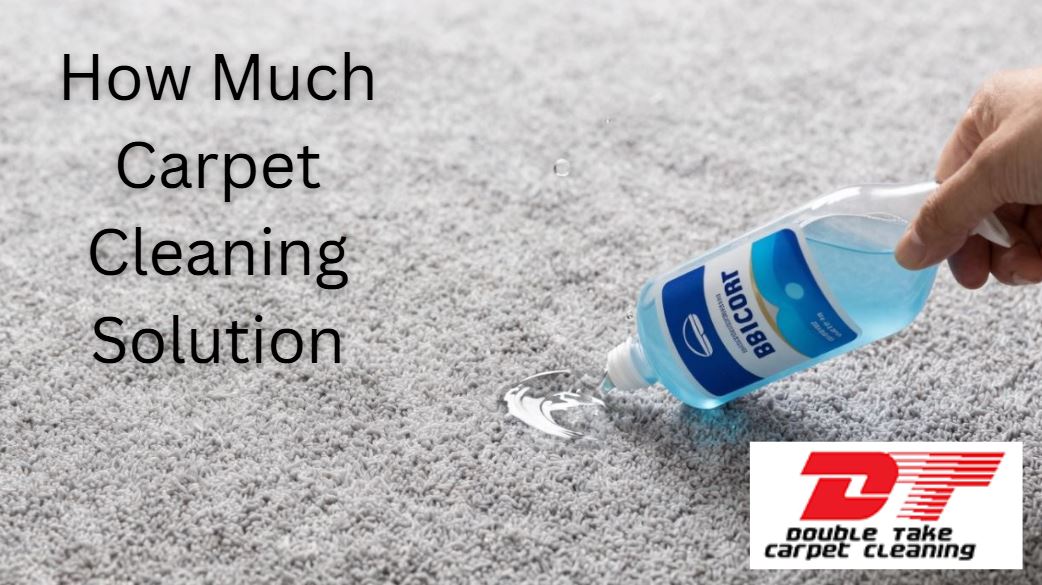
The Ideal Ratio: How Much Carpet Cleaner to Water for Optimal Results
Choosing the right amount of carpet cleaner to mix with water can make all the difference in how effectively you clean your carpets. Many people wonder about the ideal ratio to ensure that their carpets are not only clean but also safe and free from residue. The right mixture will depend on a few factors, such as the type of carpet cleaner you are using and the level of soiling on your carpets.
Typically, the instructions provided on the carpet cleaner label should guide you on the ideal ratio. However, here are some general guidelines to consider when determining how much carpet cleaner to water for optimal results.
Understanding Carpet Cleaners
First, it’s essential to know that carpet cleaners come in various formulations. Some are concentrated, while others are ready-to-use. Concentrated cleaners require dilution, while a ready-to-use solution may not need any additional water. Be sure to read the product label to understand its requirements.
Common Ratios for Carpet Cleaner to Water
- General Cleaning: A common ratio for most carpet cleaners is 1:5. This means for every 1 part of carpet cleaner, you should mix it with 5 parts of water. This ratio effectively balances cleaning power and safe application.
- Heavy Soiling: If your carpets are heavily stained or soiled, you might consider a stronger ratio of 1:3. This provides a more potent cleaning solution while still being safe for most carpets.
- Light Cleaning: For lightly soiled carpets, a dilution of 1:10 could be effective. This helps to freshen up the carpet without overusing cleaning chemicals.
Factors Influencing the Ratio
While the above ratios serve as a good starting point, it’s vital to consider several factors that can influence how much carpet cleaner to water you should use.
Carpet Material
The fabric of your carpet plays a significant role in determining the proper ratio. Delicate carpets, such as silk or wool, require more diluted solutions to avoid any potential damage. On the other hand, synthetic carpets, such as nylon or polyester, can generally handle stronger cleaning mixtures.
Stain Type
The type of stain you’re dealing with will also guide your dilution ratio. For stubborn stains like red wine or pet stains, a more concentrated solution may be necessary, while light dirt accumulation can benefit from a more diluted mix.
Equipment Used
Consider the cleaning machine or method you are employing. If you are using a carpet cleaning machine, always refer to the manufacturer’s instructions. These machines often have recommended dilution ratios tailored specifically for optimal performance.
Testing Before Full Application
Once you’ve decided on a ratio, it’s smart to test the solution in a small, inconspicuous area of your carpet. This way, you can see how the carpet reacts to the cleaner before applying it to larger areas. This step is crucial as some carpets may have different reactions to various cleaning solutions.
Using a Measuring Tool
Utilizing a measuring cup or a marked container to measure the cleaner and water will enhance accuracy. Precision ensures that you create the right mixture—a crucial step for achieving the best results. Remember, using less cleaner may result in ineffective cleaning, while an overly concentrated solution could leave a residue that attracts more dirt.
Safety Precautions
Always wear gloves when handling concentrated carpet cleaners, and ensure the area is well-ventilated. In addition, some carpet cleaning solutions may provoke allergic reactions, so taking safety precautions is always advisable.
Ultimately, understanding how much carpet cleaner to water is pivotal for maintaining the cleanliness and longevity of your carpets. A well-thought-out approach not only delivers optimal results but also safeguards your flooring investment. Mixing the right ratio can transform your cleaning routine and leave your carpets looking fresh and new.
Common Mistakes When Mixing Carpet Cleaner and Water
If you’re tackling carpet cleaning at home, it’s essential to approach the task with care and precision. One of the most common issues that can arise during this process is improperly mixing carpet cleaner with water. Understanding how much carpet cleaner to water can dramatically affect the outcome of your cleaning efforts. Here are some frequent mistakes people make and advice on how to avoid them.
Not Following Manufacturer’s Instructions
Every carpet cleaner comes with a set of manufacturer instructions. Ignoring these guidelines is a major mistake. They are designed to provide the optimal ratio of cleaner to water for effective cleaning. To avoid this pitfall, always read the label carefully. If the instructions recommend using a specific amount of cleaner per gallon of water, stick to that suggestion. Failure to do so can lead to over-concentration, leaving residue behind, or under-concentration, which may not clean effectively.
Estimating Instead of Measuring
Another common mistake is estimating the amount of carpet cleaner needed rather than measuring it accurately. While it might seem simpler to eyeball the mixture, this can lead to significant discrepancies. To ensure you mix the right amount:
- Use a measuring cup or a dedicated measuring tool.
- Follow a consistent ratio each time you clean.
- Double-check the conversion if you’re using different units (e.g., ounces to cups).
By measuring carefully, you’ll ensure the best results and avoid wasting your cleaning solution.
Mixing Different Carpet Cleaners
Mixing different carpet cleaners is a risky mistake that many homeowners make, often unaware of the consequences. Different brands or formulas may contain varying chemical compositions, which can react negatively when combined. This can lead to ineffective cleaning or even damage to your carpet fibers. Stick to one carpet cleaner per cleaning session to keep your process safe and effective.
Using Hot Water with Wrong Cleaners
Many users overlook the temperature of the water when mixing carpet cleaner. Some cleaners work best with cold or warm water, while others might require hot water. If you mix a cleaner that is not designed for hot water with boiling water, it can lose its effectiveness or even become harmful. Always check the washing instructions to know the ideal water temperature for your specific cleaner.
Skipping the Pre-Test
Failing to pre-test your carpet cleaner mix on a small, inconspicuous area of your carpet is a common oversight. This step is crucial because it helps you see how your carpet reacts to the cleaning solution. Allocate a small patch to test the mixture and wait to see how your carpet responds. This precaution can save you from potential damage later on.
Not Using Enough Water
Some people may think that using less water will make the cleaner work better. However, this is a misconception. Not using enough water can lead to an overly concentrated mixture that will leave your carpets sticky or worse, discolored. To achieve the best results, ensure you dilute your carpet cleaner adequately. Always adhere to the recommendation provided on the label regarding the water-to-cleaner ratio.
Avoiding Regular Maintenance
Neglecting the regular cleaning of your carpets can fuel the belief that you need to use stronger cleaners or larger quantities of cleaner each time. In truth, consistent maintenance can allow you to use a milder cleaner more effectively and safely. Daily or weekly vacuuming, along with scheduled deep cleaning, keeps your carpets looking fresh and can make the cleaning process much more manageable. Remember, prevention is always better than cure.
Being mindful of these common mistakes when mixing carpet cleaner with water can enhance your cleaning efforts significantly. Take the time to mix correctly, follow the instructions, and maintain your carpets regularly. Your diligence will pay off in cleaner, fresher carpets.
Understanding Different Types of Carpet Cleaners and Their Recommended Ratios
When it comes to maintaining the cleanliness of your carpets, choosing the right type of carpet cleaner and understanding how much cleaner to water ratio is crucial. Carpet cleaners come in various forms, each designed to tackle specific types of stains and dirt. Knowing the recommended dilution for your carpet cleaner will help you achieve the best cleaning results without damaging your carpet.
One of the most common types of carpet cleaners is the liquid concentrate. This cleaner is often highly concentrated and requires dilution with water. The typical ratio for liquid concentrates is often found on the back of the bottle. As a general rule of thumb, you might consider a common dilution ratio of 1:8, meaning one part cleaner to eight parts water. This means if you use one cup of carpet cleaner, you will need eight cups of water. For tougher stains, you might opt for a 1:4 ratio instead.
Another popular option is ready-to-use carpet cleaners. These cleaners are designed to be applied directly onto the carpet without any need for dilution. This makes them extremely convenient for spot cleaning and quick touch-ups. If you’re dealing with a minor spill or stain, spraying a ready-to-use cleaner directly can be highly effective.
Foam cleaners present another type of option for carpet maintenance. These products typically come in an aerosol can and work well for cleaning carpets without the use of a lot of water. For foam cleaners, it’s best to follow the manufacturer’s instructions. Generally, you apply the foam directly onto the carpet, let it sit for a short time, and then vacuum it up. These products can clean without soaking your carpets, which is an advantage for those who want a quick clean.
For steam cleaners, the water-to-cleaner ratio varies by brand and type. Most manufacturers will suggest a specific ratio, which often ranges from 1:16 to 1:32, depending on the concentration of the cleaning solution. When using a steam cleaner, always refer to the user manual for precise instructions on the appropriate amount of cleaner to mix with water. A common approach is to start with a lower concentration and test it on a small, inconspicuous area of the carpet.
Understanding the different types of carpet cleaners also involves knowing how to interpret the instructions for dilution on the packaging. Here’s a breakdown to help you grasp common ratios for various cleaning products:
- Liquid Concentrate Cleaners: Typically 1:4 to 1:8 ratio of cleaner to water.
- Ready-to-Use Cleaners: Apply as is; no dilution needed.
- Foam Cleaners: Apply directly without dilution; follow time instructions.
- Steam Cleaner Cleaners: Ratios can range from 1:16 to 1:32; check product specifics.
Additionally, it’s important to consider the type of carpets you have. Some materials might require more gentle cleaners or a specific ratio to avoid damage. For example, wool carpets typically need milder solutions and may benefit from using a more diluted cleaning mixture. On the other hand, synthetic carpets may be able to handle stronger concentrations without adverse effects.
Before starting your carpet cleaning process, it’s always a great idea to do a spot test. This involves applying a small amount of the diluted cleaner to an inconspicuous section of carpet and observing how it reacts. If there are no negative effects after a few minutes, you can proceed with a full cleaning.
Always remember to read the instructions that come with the carpet cleaner you choose. Not only will this allow you to understand how much cleaner to use, but it also helps prevent any mishaps during the cleaning process. Each product may have unique guidelines, and following them ensures your carpets stay looking their best.
Achieving a clean carpet involves not just selecting the right cleaner but understanding how much to mix it with water. By knowing the different types of carpet cleaners and their recommended ratios, you can effectively remove stains and dirt while prolonging the life of your carpets. With the right approach, your carpets can remain fresh, clean, and inviting.
The Impact of Water Temperature on Carpet Cleaning Solutions
When it comes to carpet cleaning, the temperature of the water you use can significantly affect the efficacy of the cleaning solution. The right water temperature can enhance the performance of detergents and improve your cleaning results. Understanding this relationship can be crucial to achieving a cleaner and fresher carpet.
Generally, warm or hot water works best to break down dirt and grime. Most carpet cleaning solutions are designed to be mixed with water at a temperature range between 120°F to 180°F. Here’s why water temperature matters:
Boosts Cleaning Power
Hot water can help dissolve sticky substances, oils, and dirt more effectively than cold water. When you use hot water, you enhance the chemical reactions in cleaning solutions, making dirt removal more efficient. This is particularly beneficial for:
- Grease and oil stains
- Persistent odors
- High-traffic areas
- Pet stains and odors
Activation of Detergents
Carpet cleaning solutions often contain surfactants that lift dirt from carpets. Hot water activates these surfactants faster than cold water. When the water temperature reaches the right level, these cleaning agents can perform optimally, which leads to:
- Better stain removal
- Less scrubbing effort
- Faster cleaning times
Impact on Fiber Care
While hot water can be beneficial, it’s essential to consider the type of carpet fibers before selecting your water temperature. Different materials react differently to heat:
- Nylon: This is a durable fiber and can generally withstand hot water without damage.
- Wool: Hot water can shrink wool fibers; using water that’s too hot can lead to damage.
- Polyester: This synthetic fiber is also more resistant to heat, but very high temperatures can still cause issues.
Always check the care instructions for your specific carpet to avoid any potential harm.
Drying Time
Using hot water can also affect how quickly your carpet dries post-cleaning. Generally, carpets may dry faster following a hot water extraction method compared to cold water, as the higher temperature causes moisture to evaporate more quickly. However, if the water temperature is excessively high, it might leave too much moisture behind, leading to:
- Mold growth
- Unpleasant odors
- Increased drying time
Energy Considerations
Using hot water for cleaning not only influences cleaning effectiveness but also has energy implications. Heating water uses more energy, which can lead to higher utility bills. Balancing temperature with efficiency is key. Consider the following:
- Use the lowest temperature that still achieves the desired cleaning results.
- Consider pre-treating stains with a specialized stain remover instead of relying solely on hot water.
- If you’re using a carpet cleaning machine, check if it has adjustable temperature settings to optimize energy use.
Before you start cleaning your carpets, evaluate the conditions of your situation, including the type of stains and the material of your carpet. Experimenting with different water temperatures in conjunction with your selected carpet cleaning solution can lead to better results. Just remember that while hot water can enhance cleaning power, it’s essential to use the right temperature to protect your carpet and achieve the best results.
By understanding the impact of water temperature on carpet cleaning solutions, you can make informed choices that lead to cleaner carpets, improved indoor air quality, and an overall healthier living environment. Always aim for a balance between effectiveness and safety to maximize the longevity and appearance of your carpets.
Tips for Efficient Carpet Cleaning: Balancing Cleaner and Water Ratios
Carpet cleaning is essential for maintaining a fresh and tidy home. One of the most vital aspects of this process is finding the right balance between carpet cleaner and water. Using the correct ratios not only enhances the cleaning performance but also helps protect your carpets from damage. Let’s delve into how to achieve that perfect mix for efficient carpet cleaning.
Understanding Carpet Cleaner Concentration
Not all carpet cleaners are the same. They come in various concentrations, which can affect how much you need to mix with water. Before starting, read the manufacturer’s instructions to determine the recommended ratio. Most carpet cleaning solutions provide guidelines based on their concentration levels. Here are some standard concentrations:
- Strong Concentration: Requires less cleaner, typically a 1:5 ratio (1 part cleaner to 5 parts water).
- Medium Concentration: A 1:10 ratio (1 part cleaner to 10 parts water) is common.
- Light Concentration: Often mixed at 1:20 ratio for general cleaning.
Factors to Consider in Cleaner-to-Water Ratios
When deciding how much carpet cleaner to use with water, consider the following factors:
- Type of Carpet: Different carpets have unique fibers and textures. Delicate or highly textured carpets may require less aggressive solutions.
- Level of Dirt: Heavily soiled carpets need stronger concentrations for effective results.
- Cleaning Method: Hot water extraction, steam cleaning, and dry cleaning methods may require different ratios of cleaner and water.
Practical Tips for Mixing Carpet Cleaner with Water
To ensure optimal cleaning results, follow these practical tips:
- Start Low: If you are unsure, start with a lower concentration. It’s easier to add more cleaner than to dilute an overly concentrated solution.
- Test First: Always test your cleaner on a small, inconspicuous area of your carpet to check for colorfastness before applying it to a larger area.
- Use Warm Water: Warm water can help activate the carpet cleaning solution better than cold water, leading to lifted dirt and stains.
- Follow Directions: Adhere closely to the manufacturer’s instructions on the cleaning product for best outcomes. Each formula may react differently with water.
- Adjust Based on Results: After your first cleaning, evaluate the results. If the carpet remains dirty, you might need to adjust your cleaner-to-water ratio accordingly.
Additional Considerations for Effective Carpet Cleaning
In addition to mixing the right ratios, other practices enhance overall carpet cleaning efficiency:
- Pre-Cleaning Vacuum: Always vacuum thoroughly before applying any cleaner. This removes surface dirt and debris, allowing the cleaner to penetrate better.
- Spot Clean Stains: Before doing an entire room, treat specific stains as needed. Use a concentrated cleaner directly on the stains for better results.
- Regular Maintenance: Regularly cleaning your carpets and maintaining proper ratios will extend the lifespan of your carpets, keeping them looking new longer.
By balancing the amount of carpet cleaner to water, you can effectively achieve clean, fresh carpets without overusing products. The right ratios will save you money, time, and effort in your carpet cleaning endeavors. Remember to consider your specific carpet type, dirt levels, and follow manufacturer guidelines to ensure beautiful results. A little knowledge and care can go a long way in maintaining the beauty and integrity of your carpets.
Conclusion
Choosing the right amount of carpet cleaner to mix with water is essential for achieving the best cleaning results. By understanding the ideal ratios and staying aware of common mixing mistakes, you can avoid wasted products and ensure your carpets are cleaned effectively. Different types of carpet cleaners have varying recommended ratios, so it’s important to read the labels or manufacturers’ instructions before you begin.
Another crucial factor to consider is water temperature; using the appropriate temperature can enhance the efficacy of your chosen cleaning solution. Warm water, for instance, can help loosen dirt and grime more efficiently, leading to better results.
To optimize your carpet cleaning experience, always balance your cleaner and water ratios carefully. A well-thought-out approach means less time spent scrubbing and more satisfying results. By keeping these guidelines in mind, you’ll not only save time and money but will also prolong the life of your carpets. Your cleaning routine will become more efficient, making it easier to maintain a fresh and inviting home environment. Remember, a small adjustment can lead to a significant improvement in the quality of your carpet cleaning.
