
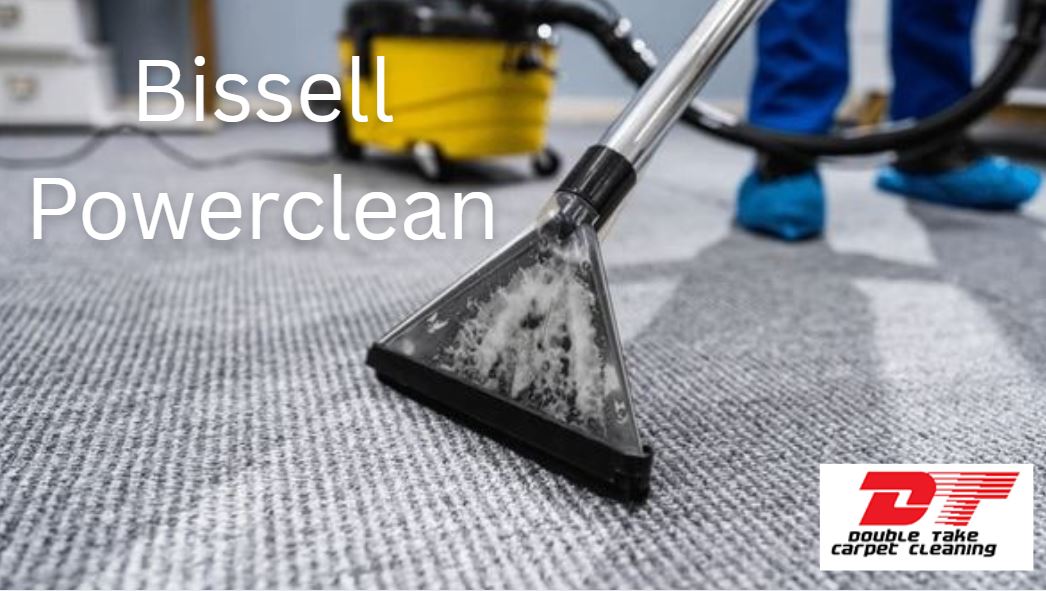
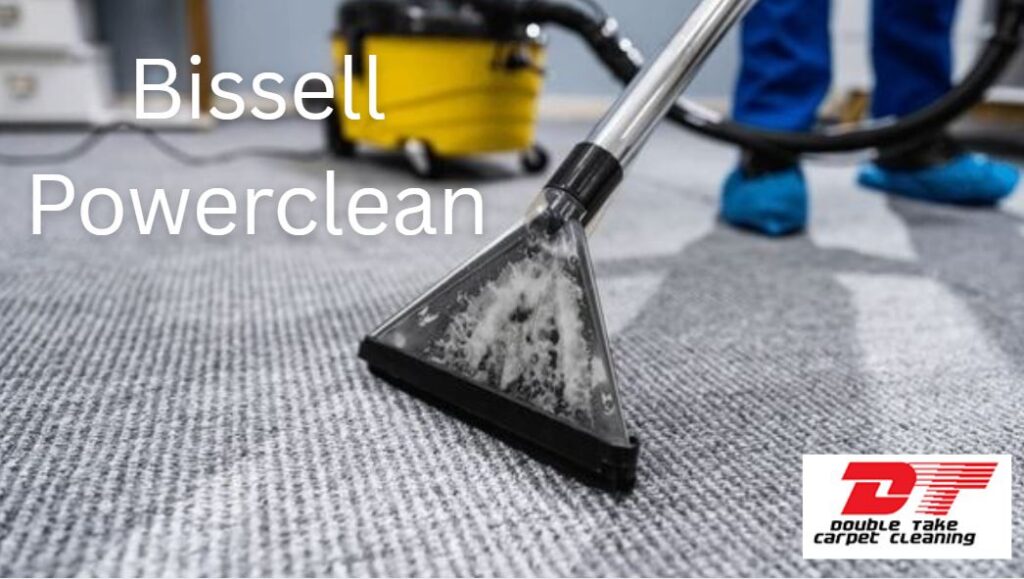
Bissell PowerClean can refer to more than one BISSELL product family, which is why shoppers often get confused. In North America, the current PowerClean name is commonly associated with a cordless stick vacuum designed for routine dry pickup on hard floors, rugs, and carpet. In other markets, “PowerClean” may refer to a compact upright carpet cleaner with a water tank, formula, motorized brushes, and extraction function for deep cleaning. These are very different machines with different jobs.
The most important takeaway is to confirm whether you need a vacuum for daily dry soil removal or a carpet extractor for wet deep cleaning. A cordless PowerClean vacuum can pick up dust, hair, crumbs, and dry debris, but it does not wash carpet or remove deep stains. A PowerClean-style carpet cleaner can apply solution and extract soil, but it should not replace regular vacuuming. This guide explains the difference, how each type works, common mistakes, maintenance requirements, product-selection factors, and when a DIY Bissell PowerClean is useful versus when a carpet problem needs professional help.
What Is Bissell PowerClean and How Does It Work?
The phrase Bissell PowerClean can describe two distinct cleaning approaches.
Bissell PowerClean cordless stick vacuum
The current Bissell PowerClean Cordless Stick Vacuum is a dry vacuum designed for regular household cleaning. BISSELL describes it as a 3-in-1 machine that can convert from a stick vacuum to a handheld or high-reach configuration. Its listed features include a 200-watt motor, tangle-free brush roll, sealed HEPA allergen system, LED headlights, a removable rechargeable battery, and up to 40 minutes of runtime in low mode.
The machine works by:
- Drawing dry dirt and debris into a dust bin.
- Using a motorized brush roll to lift hair and dirt from carpet and rugs.
- Filtering captured particles through its filtration system.
- Converting into a handheld tool for upholstery, stairs, crevices, and vehicle interiors.
It is intended for dry pickup. Do not use it to vacuum liquids, shampoo carpet, or address flooding.
Bissell PowerClean carpet cleaner
In some markets, the name PowerClean refers to a compact upright carpet-cleaning machine. BISSELL describes that version as a lightweight unit with motorized DeepReach PowerBrushes designed to lift dirt and grime that routine vacuuming cannot remove.
A wet carpet cleaner works differently:
- The clean tank holds warm water and compatible formula.
- Solution is sprayed into carpet fibers.
- Brushes loosen embedded soil.
- Suction extracts dirty solution into a separate recovery tank.
- The carpet must then dry completely.
The two machine types complement each other. A PowerClean vacuum manages routine dry debris. A Bissell carpet cleaner supports occasional deep cleaning and spot response.
8 Key Things to Know About Bissell PowerClean
1. Confirm Which PowerClean Model You Are Buying or Using
The first decision is basic but essential: are you dealing with a cordless stick vacuum or a wet carpet cleaner? The same “PowerClean” name can create unrealistic expectations if users assume every model does the same job.
A cordless PowerClean vacuum is designed for dry cleaning. It can pick up hair, dust, crumbs, tracked-in dirt, and dry debris from sealed hard floors, rugs, low-pile carpet, stairs, furniture, and vehicle interiors. BISSELL lists the PowerClean Cordless as suitable for carpet, low-pile carpet, rugs, sealed hard floors, upholstery, pet beds, and vehicle use.
A PowerClean carpet cleaner is designed for wet extraction. It sprays water and cleaning formula, brushes carpet, and recovers dirty water. It is suitable for cleaning embedded soil and many surface stains, but it requires more preparation, more maintenance, and careful drying.
Before ordering parts, buying formula, reading troubleshooting advice, or selecting a cleaning method, find the model number. It is usually on a label on the machine body, battery, lower rear panel, or product paperwork. Then use the model-specific manual.
The practical distinction is simple:
| Need | Best PowerClean approach |
|---|---|
| Daily crumbs, pet hair, dust, and dry debris | Cordless stick vacuum |
| Whole-room deep carpet cleaning | Upright carpet extractor |
| Stairs, upholstery, vehicles | Handheld vacuum or appropriate portable carpet-cleaning tool |
| Flooding, sewage, mould, or soaked carpet | Specialized professional assessment—not a household machine |
Buying the right category prevents wasted money and avoids trying to use a dry vacuum for wet cleaning or an extractor as a replacement for everyday vacuuming.
2. Daily Vacuuming and Deep Cleaning Have Different Jobs
A common mistake is assuming that a carpet cleaner makes routine vacuuming unnecessary. It does not. Dry soil removal should happen regularly because dust, grit, hair, and tracked-in debris settle into carpet fibers. If left in place, abrasive particles can wear carpet pile, dull its appearance, and turn into muddy residue during wet cleaning.
The Carpet and Rug Institute recommends regular vacuuming and more frequent vacuuming in high-traffic locations. In commercial maintenance programs, CRI suggests daily vacuuming in high-traffic areas, twice weekly in moderate-use areas, and weekly in lighter-use areas.
A Bissell PowerClean cordless vacuum is best used as a frequent maintenance tool:
- Run it over high-traffic areas several times a week.
- Use the crevice function around baseboards and furniture edges.
- Clean pet-hair areas before hair wraps around furniture or collects under rugs.
- Empty the dirt tank before airflow and pickup decline.
- Use the appropriate suction level for the surface and cleaning need.
A wet Bissell carpet cleaner is for less frequent deep cleaning. The CRI generally recommends professional deep cleaning every 12 to 18 months, subject to use level and warranty requirements.
The best carpet-care strategy uses both: vacuum consistently to remove dry debris, then deep clean at appropriate intervals to remove embedded soil and oily residue.
3. Runtime Depends on the Mode You Use
Cordless freedom is convenient, but battery runtime is not fixed. BISSELL lists the PowerClean Cordless at more than 40 minutes of runtime in low mode and about 13 minutes in turbo mode. It also lists a three-hour charge time. That means the chosen setting, floor type, brush-roll demand, battery condition, and cleaning pattern can affect how long the vacuum runs.
Turbo mode can be useful for concentrated pet hair, carpeted stairs, entryways, and stubborn debris. But using it for an entire home can reduce runtime sharply. Low or standard power is often sufficient for hard floors, quick daily pickup, and lightly soiled rooms.
Plan your cleaning route:
- Begin with the high-traffic or pet-heavy area.
- Use eco or lower power for bare floors and light debris.
- Reserve high power for carpeted zones or dense hair.
- Use attachments strategically rather than running the full floorhead in every tight space.
- Charge the battery fully after use when the manufacturer recommends it.
Avoid assuming that a battery problem exists if runtime declines in turbo mode. First check the selected mode, whether the brush roll is tangled, whether filters are dirty, and whether the battery has been fully charged.
For larger homes, a cordless stick vacuum may be most practical as a quick-clean tool rather than the only vacuum. A full-size corded vacuum may still make sense for long, uninterrupted cleaning sessions or heavy, high-pile carpet.
4. Tangle-Free Does Not Mean Maintenance-Free
The Bissell PowerClean Cordless uses a tangle-free brush roll intended to limit hair wrap. BISSELL says it is designed to resist wrapping loose hair strands up to eight inches long. This is valuable for pet owners and households with long hair, but it does not mean the brush roll, intake area, wheels, and filter never need inspection.
Hair, thread, carpet fibers, and lint can still collect around moving parts. A brush roll may look clean on the surface while debris is packed around end caps, wheels, or the air path.
To maintain pickup performance:
- Remove visible hair and threads after several uses.
- Check the brush roll if the vacuum makes unusual noise.
- Inspect the nozzle for blockages.
- Empty the dirt tank before it is packed tightly.
- Clean filters as specified in the manual.
- Make sure filters are completely dry before reinstallation if washable.
- Check that the brush roll spins freely.
Ignoring maintenance can lead to weak suction, poor pickup, overheating, reduced battery runtime, and unnecessary frustration. It may also cause users to run the vacuum repeatedly over the same area, wasting battery power without fixing the actual obstruction.
A short maintenance check after use is often more valuable than trying to compensate with turbo mode.
5. Filtration Helps, but It Does Not Replace Indoor-Air Management
BISSELL states that the PowerClean Cordless includes a sealed HEPA allergen system and a HEPA filter intended to capture pet dander and dust allergens. This can be helpful for routine dust management, particularly in homes with pets or frequent tracked-in debris.
However, “HEPA” should not be interpreted as a guarantee that one appliance solves all indoor-air or allergy concerns. Indoor air quality also depends on ventilation, humidity, outdoor-particle entry, pets, bedding, HVAC filtration, moisture issues, and cleaning habits.
Use good operating habits:
- Empty the dirt tank carefully to minimize dust release.
- Follow the manual’s filter-cleaning schedule.
- Do not operate the vacuum without its required filters.
- Keep filters dry before reinstalling them.
- Clean visible dirt from the filter housing.
- Manage moisture promptly; vacuum filtration does not solve mould, damp carpet, or water damage.
For people with asthma, allergies, or other respiratory concerns, specific health decisions should be discussed with a qualified healthcare professional. The vacuum can support cleaner floors, but it is not a medical device or an air-quality remediation system.
6. Wet Carpet Cleaning Requires Controlled Moisture and Drying
If your Bissell PowerClean is a compact upright carpet cleaner rather than a cordless vacuum, moisture control is your most important operating discipline. The machine should apply enough cleaning solution to loosen soil—but not so much that the carpet, backing, or pad remains saturated.
BISSELL’s TurboClean PowerBrush operating guidance illustrates the standard extraction pattern: make slow wet passes while holding the trigger, then release the trigger and make slow dry passes over the same area to recover moisture. The dry pass is not optional; it is where much of the cleaning solution and loosened soil is extracted.
The EPA recommends drying wet areas and materials within 24–48 hours to help prevent mould growth and urges prompt repairs of leaks and other moisture issues.
For safer deep cleaning:
- Vacuum thoroughly before wet cleaning.
- Use measured, machine-compatible formula.
- Start with one controlled wet pass.
- Make multiple slow extraction passes with the trigger released.
- Open airflow through fans and HVAC.
- Use a dehumidifier in humid or basement environments.
- Avoid heavy traffic until the carpet is dry.
If carpet remains wet into the next day, smells musty, or shows reappearing stains, stop adding product and seek help.
7. Do Not Use the Wrong Formula or Improvised Detergent
A wet carpet cleaner is engineered around a certain level of foam, solution viscosity, and chemical compatibility. Using dish soap, laundry detergent, bleach, essential oils, or household cleaners can produce excessive foam, leave sticky residue, damage components, or create unsafe fumes if mixed with other products.
Use only a formula approved for the machine and carpet type. Follow the fill lines and measurement directions. More detergent does not mean better cleaning; it often means more residue. Residue attracts new soil and can make carpet feel stiff or look dirty again quickly.
The CRI cautions against using more cleaning product than directed, noting that excess product can create a residue that attracts soil.
If you suspect residue:
- Do not add more cleaning solution.
- Consider a controlled plain-water rinse and thorough extraction if suitable for the carpet and model.
- Improve drying immediately.
- Avoid repeated wet-cleaning cycles.
- Seek professional advice if carpet feels tacky, looks dull, or resoils quickly.
For the cordless stick vacuum, the equivalent rule is equally simple: it is a dry vacuum. Do not put cleaning liquid in the dust bin, run it across wet floors, or attempt to pick up liquid spills unless the manufacturer expressly states the model is designed for that purpose.
8. Know When a Bissell PowerClean Is Not Enough
Bissell PowerClean machines are useful household tools, but they have limits. A cordless vacuum is designed for dry debris; it is not a water extractor, mould-remediation tool, or full substitute for periodic deep cleaning. A compact carpet cleaner can help with maintenance and recent spots, but it is not a flood-restoration system or a guaranteed cure for deep odor.
Seek professional assessment when you have:
- Sewage backup, floodwater, or contaminated water.
- Carpet wet longer than 24–48 hours.
- Persistent musty smell or visible mould.
- A recurring pet odor after full drying.
- Water that reached padding, walls, trim, or subfloor.
- Delicate wool, silk, handmade, or antique rugs.
- Large, old, or unknown stains.
- Extensive traffic-lane soil or residue from prior DIY products.
- A carpet warranty that requires approved professional cleaning.
The CRI recommends periodic professional cleaning to maintain carpet appearance and performance. Household machines and professional service are not competing solutions. The most effective plan uses daily dry vacuuming, prompt spot response, occasional home maintenance cleaning where appropriate, and professional service for restorative or high-risk conditions.
The Real Cost of Using Bissell PowerClean Incorrectly
Using the wrong PowerClean model—or using the right one incorrectly—can create unnecessary costs. A cordless vacuum used as a substitute for deep cleaning may allow oily traffic-lane soil to become more embedded. A wet cleaner used too frequently or with too much solution may leave detergent residue, create slow drying, or contribute to odor problems.
Potential financial costs include:
- Replacement filters, batteries, brush rolls, and parts caused by neglected maintenance.
- Extra cleaning formula and repeated DIY cleaning attempts.
- Professional corrective cleaning to remove residue.
- Carpet replacement when over-wetting, dye damage, or staining becomes severe.
- Pad or subfloor repairs if a wet-carpet issue is ignored.
Time costs include repeated passes over poorly performing areas, re-cleaning after residue causes rapid resoiling, and waiting for overly wet carpet to dry. Emotional costs can include frustration with pet hair, visible stains, musty smell, and uncertainty about whether a machine is working properly.
Most problems are preventable. Match the product to the job, follow the manual, clean and inspect the machine after use, use appropriate formula, prioritize extraction during wet cleaning, and escalate water or mould concerns rather than continuing DIY treatment.
How an Experienced Cleaning Professional Helps
An experienced carpet-care professional can help you understand whether a Bissell PowerClean is the right tool for your situation and how it fits into a long-term maintenance plan. That includes identifying whether you need routine vacuuming, targeted stain removal, restorative cleaning, odor treatment, moisture management, or a more specialized assessment.
Professional guidance can provide:
- Evaluation of carpet fiber, backing, soil load, and stain source.
- Recommendations for safe home-machine use.
- Help diagnosing recurring stains, residue, pet odor, or slow drying.
- Deep extraction beyond the capacity of many consumer machines.
- Advice on carpet-care scheduling, vacuuming, and entry-mat strategies.
- Risk assessment when water has reached padding or subflooring.
No provider name or phone number was supplied in the prompt. Therefore, this article cannot identify a specific recommended company. When choosing support, use an experienced professional who communicates clearly, explains the limitations of consumer equipment, and offers practical solutions for both immediate and long-term carpet care.
Bissell PowerClean Options, Alternatives, and Strategies
PowerClean cordless stick vacuum
How it works: A cordless, bagless vacuum provides dry debris pickup with a motorized brush roll, attachments, and a rechargeable battery.
Best for: Daily pet hair, crumbs, dust, hard floors, low-pile carpet, quick cleanups, stairs, furniture, and vehicles.
Limitations: It does not wash carpet, extract stains, remove liquid, or replace a water-damage response.
Compact PowerClean carpet cleaner
How it works: A wet extractor sprays formula, agitates carpet with brushes, and vacuums dirty solution into a recovery tank.
Best for: Periodic deep cleaning of smaller spaces, light-to-moderate soil, fresh spills, and selected pet-related surface messes.
Limitations: Tank capacity, drying time, and extraction power limit its usefulness for severe soil, large homes, and water damage.
Full-size carpet extractor
How it works: A larger consumer or rental upright carpet machine cleans wider areas with larger tanks and often stronger extraction.
Best for: Occasional whole-room or multi-room deep cleaning.
Limitations: It can still over-wet carpet if used poorly and may be harder to store, transport, and maintain.
Professional carpet cleaning
How it works: A trained provider assesses carpet condition and uses commercial equipment and appropriate methods to clean, extract, and manage drying.
Best for: Heavy soil, recurring stains, pet odor, move-outs, commercial carpet, delicate textiles, and warranty-sensitive cleaning.
Limitations: It requires scheduling and costs more upfront than using a home machine, but often reduces risk and repeat work.
What to Do If You Are Dealing With a Bissell PowerClean Problem
- Confirm the exact model number and whether it is a dry vacuum or wet carpet cleaner.
- Stop using the machine if you smell burning, see leaking, or notice unusual noise.
- Empty the dirt tank or recovery tank and inspect for blockages.
- Check brush roll, filters, hoses, nozzle, seals, and tank seating.
- Charge the battery fully if runtime is poor, then test it in the appropriate mode.
- For a wet cleaner, confirm spray and suction before cleaning a large area.
- Do not add extra solution to compensate for poor pickup or weak extraction.
- Improve airflow immediately if carpet is damp after cleaning.
- Document persistent odors, recurring stains, or water issues with photos.
- Seek professional assessment for water damage, visible mould, severe odor, or carpet wet beyond 24–48 hours.
How to Choose the Right Bissell PowerClean Tool or Provider
Use this checklist:
- Confirm whether your primary need is dry vacuuming or wet carpet extraction.
- Compare runtime, charge time, suction modes, dust-bin capacity, weight, and attachments for cordless vacuums.
- Compare tank capacity, brush system, hose tools, formula compatibility, and drying performance for carpet cleaners.
- Choose a tool suitable for your flooring type and carpet pile.
- Verify warranty, replacement-parts availability, and model-specific support.
- Consider pets, stairs, vehicle cleaning, room size, and storage space.
- Select a professional with experience in your carpet type and issue when DIY limits are reached.
- Prioritize clear explanations, realistic expectations, and a plan for both immediate cleaning and long-term maintenance.
Common Bissell PowerClean Mistakes
- Confusing a stick vacuum with a carpet extractor: A dry vacuum cannot deep-wash carpet or remove liquid.
- Using a wet cleaner without pre-vacuuming: Dry debris turns into muddy slurry and lowers cleaning performance.
- Running only wet passes: Failure to make dry extraction passes leaves too much moisture behind.
- Adding too much formula: Excess detergent can leave residue and cause rapid resoiling.
- Using household soap or bleach: Improvised products can foam, damage components, or discolor carpet.
- Ignoring filters and brush-roll maintenance: This reduces suction, runtime, and pickup.
- Using turbo mode continuously: It can shorten runtime dramatically without always improving results.
- Treating water damage as a normal cleaning job: Flooding, sewage, mould, and prolonged wetness require more than a consumer machine.
Frequently Asked Questions
What is Bissell PowerClean?
It is a BISSELL product name used for different cleaning machines, including a cordless stick vacuum and, in some markets, a compact upright carpet cleaner.
Is Bissell PowerClean a vacuum or a carpet cleaner?
It can be either, depending on model and region. Confirm the model number before buying accessories or following cleaning instructions.
Does the PowerClean Cordless wash carpet?
No. It is a dry vacuum for hair, dirt, dust, and debris; it does not apply or extract water.
Can Bissell PowerClean be used on hard floors?
The PowerClean Cordless is designed for hard floors and sealed hard-floor surfaces as well as carpet and rugs.
Can Bissell PowerClean be used on carpet?
Yes, the cordless model is suitable for dry carpet pickup. A carpet-cleaner version can deep-clean suitable carpet with water and formula.
How long does the Bissell PowerClean battery last?
BISSELL lists more than 40 minutes in low mode and about 13 minutes in turbo mode for the PowerClean Cordless 4173.
How long does it take to charge the battery?
BISSELL lists a charge time of approximately three hours for the PowerClean Cordless 4173.
Why does my PowerClean battery not last as long as expected?
Check the selected suction mode, filter condition, brush-roll obstruction, battery charge level, and floor type. Turbo mode uses more power.
Does PowerClean have a HEPA filter?
BISSELL states that its PowerClean Cordless model has a HEPA filter and a sealed allergen system.
What is a tangle-free brush roll?
It is a brush-roll design intended to reduce hair wrapping around the roller during vacuuming.
Do I still need to clean the brush roll?
Yes. Tangle-free designs reduce hair wrap but do not eliminate the need to inspect and remove debris.
Can I vacuum pet hair with Bissell PowerClean?
Yes. The PowerClean Cordless is designed to pick up pet hair, dirt, and debris.
Can I use the PowerClean Cordless on stairs?
Yes, it converts to a handheld configuration and includes tools for upholstery and crevices.
Can I use PowerClean on upholstery?
The cordless model’s handheld mode and upholstery tool are intended for appropriate fabric surfaces. Test delicate materials and follow care labels.
Can I vacuum liquids with the PowerClean Cordless?
No. It is a dry vacuum unless the manufacturer specifically says otherwise for your exact model.
Can I use regular detergent in a PowerClean carpet cleaner?
No. Use only compatible formula and follow the model’s fill-line instructions.
Do I need to vacuum before using a Bissell carpet cleaner?
Yes. Dry vacuuming removes loose debris and improves wet-cleaning results.
Why is my carpet still wet after using a PowerClean carpet cleaner?
Common causes include too many wet passes, insufficient dry extraction passes, high humidity, thick carpet, or poor airflow.
How can I make carpet dry faster after cleaning?
Use fans, HVAC, and dehumidification as appropriate; make additional dry extraction passes without applying more solution.
What is the correct wet-pass and dry-pass technique?
Apply solution with a slow wet pass, then release the trigger and make slow passes to extract moisture and soil.
Can PowerClean remove pet stains?
A wet carpet-cleaner model may help with fresh surface stains. Old or deep pet contamination may require professional treatment.
Can I clean area rugs with a Bissell PowerClean carpet cleaner?
Only if the rug’s care label and fiber type allow water extraction. Avoid assuming delicate, handmade, wool, jute, silk, or unstable-dye rugs are safe.
Why does carpet look dirty again after I clean it?
Possible causes include detergent residue, incomplete extraction, oil-based soil, wick-back, or renewed foot traffic before drying.
Is PowerClean suitable for mouldy carpet?
No household Bissell machine should be treated as a mould-remediation solution. Fix the moisture source and seek assessment if carpet has visible mould or prolonged wetness.
How often should I deep-clean carpet?
Needs vary by traffic, pets, and warranty requirements. CRI generally recommends professional deep cleaning every 12–18 months.
When should I call a professional instead of using PowerClean?
Call for floodwater, sewage, visible mould, persistent odor, repeated stains, delicate rugs, extensive soil, or carpet wet longer than 24–48 hours.
Key Rules, Standards, and Guidelines
- Follow the exact machine manual: Specifications, battery care, filter maintenance, approved formulas, and safety instructions vary by model.
- Use appropriate electrical safety practices: BISSELL’s carpet-cleaner instructions state that the machine should be connected to a properly grounded electrical outlet and should not be immersed in water.
- Follow manufacturer carpet-care requirements: Cleaning method and frequency can affect warranty coverage.
- Use CRI maintenance principles: Vacuum regularly, respond to spills quickly, limit excessive detergent, and arrange periodic deep cleaning.
- Control moisture: EPA guidance emphasizes prompt drying of wet materials and repair of leaks to reduce mould risk.
Conclusion
Bissell PowerClean can be a practical part of a strong home-cleaning program when you use the right model for the job. The cordless stick vacuum supports regular dry debris removal, while a PowerClean-style carpet cleaner supports periodic wet extraction. Neither replaces the other, and neither should be used as a substitute for proper water-damage or mould response.
For the best results, vacuum consistently, maintain brush rolls and filters, use measured carpet-cleaning formula, extract moisture thoroughly, and allow carpet to dry completely. When odors, stains, water damage, or delicate fibers exceed the machine’s limits, seek experienced professional guidance rather than repeating risky DIY attempts.
