
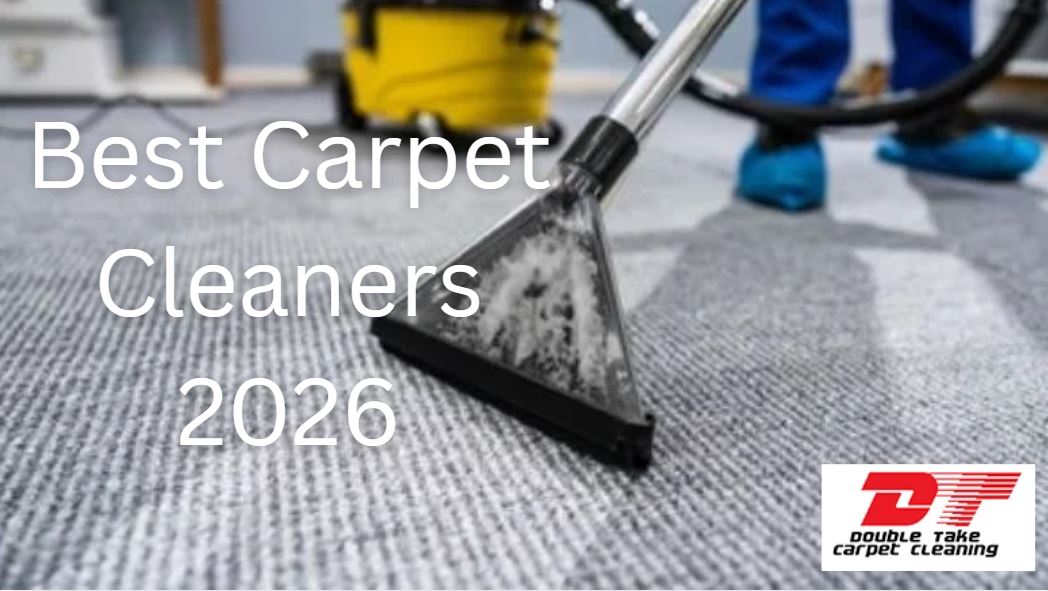
The best carpet cleaners of 2026 are not necessarily the biggest, most expensive, or most heavily advertised machines. The right choice depends on the type of carpet, the amount of soil, the presence of pets, the size of the area, drying-time needs, available storage, and whether the problem is a small spot, an entire room, or water-related damage. For ordinary household maintenance, an upright extractor, portable spot cleaner, or rental machine may be appropriate. For recurring odor, severe staining, large commercial areas, delicate materials, or water damage, professional cleaning is often the safer and more cost-effective option.
The most important takeaway is that cleaning performance depends on the entire process—not just the machine. Vacuuming first, selecting compatible formula, using controlled moisture, extracting thoroughly, and drying quickly matter as much as brand or price. This guide compares the main types of carpet cleaners, explains what features truly matter, identifies the most common buying and operating mistakes, and helps homeowners, tenants, facility managers, and property managers make smarter decisions. Professional input can prevent overwetting, residue buildup, carpet damage, and unnecessary replacement costs.
What Are the Best Carpet Cleaners in 2026?
“Best carpet cleaners 2026” can refer to several different things:
- The best upright carpet-cleaning machine for whole rooms.
- The best portable carpet cleaner for pet stains, furniture, stairs, and vehicles.
- The best carpet-cleaning formula for a specific soil or odor issue.
- The best rental equipment for a one-time deep clean.
- The best professional carpet-cleaning approach for larger or more difficult jobs.
- The best commercial extractor for offices, apartments, common areas, or high-traffic facilities.
A carpet cleaner generally works through a process called hot-water extraction or wet extraction. The machine applies water and cleaning formula, agitates or loosens soil, and then uses vacuum suction to recover dirty solution from the carpet. Despite the common phrase “steam cleaning,” most carpet extractors do not use steam in the same way as a dedicated steam appliance. They use warm or hot water and extraction.
The Carpet and Rug Institute recommends a maintenance program built around vacuuming, prompt spot removal, interim cleaning, and periodic deep cleaning. Its Seal of Approval program evaluates carpet-cleaning products, equipment, and service providers for effectiveness.
The best option varies by use case:
| Need | Best General Category | Why It Fits | Main Limitation |
|---|---|---|---|
| Whole-room cleaning | Upright carpet extractor | Wider cleaning path and larger tanks | Heavy and requires storage |
| Pet stains and upholstery | Portable spot cleaner | Easy to use on stairs, furniture, and isolated spots | Too slow for full rooms |
| Annual deep cleaning | Rental extractor or professional service | Stronger cleaning for occasional large jobs | Rental learning curve or service cost |
| Commercial traffic lanes | Commercial extractor or professional service | Better capacity, recovery, and process control | Higher cost and training needs |
| Delicate rugs or upholstery | Specialized professional method | Protects fibers, backing, and dyes | Not a simple DIY task |
| Flooding or major moisture | Restoration-focused response | Addresses drying and contamination risk | Not solved by ordinary cleaning |
Independent product testing should be viewed as a useful input, not a guarantee. Consumer Reports tests carpet-cleaning machines across brands, including BISSELL, Hoover, and Shark, and distinguishes between full-size and portable units.
Eight Things to Know Before Buying a Carpet Cleaner
1. Decide Whether You Need an Upright or Portable Carpet Cleaner
The first decision is not brand—it is machine type. An upright carpet cleaner is designed for larger carpeted spaces such as bedrooms, living rooms, hallways, offices, or apartment units. It has a wider cleaning path, larger clean- and dirty-water tanks, and more efficient coverage for broad areas.
A portable carpet cleaner is best for isolated problems. It can clean pet accidents, coffee spills, stairs, upholstery, vehicle interiors, mattress edges, and small rugs that are safe for wet extraction. Portable cleaners are easier to store and carry, but their smaller tanks and narrow tools make them impractical for cleaning entire rooms.
For example, a family with a dog that occasionally has accidents near the back door may benefit from a portable spot cleaner. A household with multiple carpeted bedrooms, children, and seasonal deep-cleaning needs may get more value from an upright machine. A property manager turning over several carpeted apartments may need professional extraction equipment or scheduled service rather than several small consumer units.
Consumer Reports notes that portable cleaners can handle common spot-cleaning tasks but generally do not score as highly as full-size cleaners in broader cleaning performance.
2. Cleaning Power Is Not Just About Motor Size
Marketing often emphasizes watts, amps, brush speed, heat, suction claims, or “professional power.” Those specifications may be useful, but they do not tell the whole story. A carpet cleaner’s real-world performance depends on how well it applies solution, agitates soil, seals against carpet, recovers moisture, and maintains suction as the dirty-water tank fills.
A machine that applies a large amount of solution but has weak recovery can leave carpet too wet. A machine with aggressive brushes may clean durable synthetic carpet well but could be unsuitable for delicate rugs or looped carpet. A unit with a strong motor but poorly designed nozzle may leave streaks or uneven moisture.
Look for practical indicators:
- A clear nozzle that lets you see recovered water.
- A removable, easy-to-rinse dirty-water tank.
- Consistent spray distribution.
- An accessible brush roll or brush system.
- Reliable suction and good recovery on a test area.
- A hose and tool if upholstery or stairs are important.
- Clear maintenance instructions and parts availability.
The best carpet-cleaning machine is one you can use correctly, clean after every use, and store safely. A sophisticated machine that is too heavy, too complicated, or too difficult to maintain may become an expensive storage item.
3. Match the Cleaner to Carpet Type and Condition
Most consumer carpet extractors are intended for typical synthetic wall-to-wall carpeting. They may not be appropriate for wool, silk, viscose, jute, sisal, seagrass, handwoven rugs, antique rugs, loose-loop Berber carpet, or carpet with unstable dyes.
Before cleaning, review the carpet manufacturer’s instructions and warranty requirements. Test products and methods in an inconspicuous area. The Carpet and Rug Institute advises pretesting cleaners in an out-of-the-way area even when using Seal of Approval-certified products.
Carpet condition matters too. A heavily worn traffic lane may remain discolored because fibers are abraded, crushed, or permanently damaged—not because the carpet is still dirty. Likewise, bleach spots and dye loss cannot be “cleaned out.” A good machine can remove soil, but it cannot restore missing color or replace worn fibers.
If carpet has a strong odor, sticky feel, visible residue, recurring stains, or prolonged dampness, the problem may be prior cleaning chemistry, incomplete extraction, pet contamination below the backing, or moisture in the pad. Repeating the same process with a different machine may not solve the underlying cause.
4. Formula Compatibility and Residue Matter
The cleaning formula is part of the system. Use the formula recommended for the machine and cleaning task, and follow the bottle’s dilution instructions exactly. More product does not mean better cleaning. Overusing shampoo or detergent can leave residue that attracts soil, makes carpet feel crunchy, and causes cleaned areas to resoil quickly.
Avoid putting dish soap, laundry detergent, bleach, ammonia, or mixed household chemicals into a carpet-cleaning machine. Dish soap can create excessive foam and can be hard to rinse from carpet fibers and the recovery system. Bleach and solvents can damage fibers, dyes, machine parts, and flooring.
For pet stains, use an appropriate product for the type of contamination and follow its instructions. For oily food stains, a general carpet formula alone may not be enough. For urine odor, visible stain removal does not necessarily remove contamination in carpet backing, pad, or subfloor.
The Carpet and Rug Institute recommends prompt spot treatment using products that do not damage carpet or cause rapid resoiling.
5. Dry Time Is a Major Buying Criterion
Many shoppers focus on stain removal and overlook drying time. Yet slow drying is one of the most common causes of complaints after carpet cleaning. Overwet carpet can create odor, increase slip risk, disrupt use of the space, attract more soil, and contribute to moisture problems.
Strong extraction and good airflow are more important than adding more solution. During cleaning, make controlled wet passes and then multiple dry passes with the solution trigger released. Empty the recovery tank promptly so suction remains effective.
After cleaning:
- Increase airflow with HVAC, fans, or appropriate dehumidification.
- Keep people and pets off damp carpet when possible.
- Do not replace furniture until carpet is dry or adequately protected.
- Do not place area rugs on damp carpet.
- Inspect room edges and under furniture for retained moisture.
If a carpet has been soaked by a plumbing leak, flood, overflow, or appliance failure, routine carpet cleaning is not sufficient. EPA guidance recommends drying water-damaged materials within 24–48 hours where possible to reduce mold risk.
6. Pet Owners Need Tools for More Than Surface Stains
The best carpet cleaner for pets is not simply the machine with “Pet” in its name. Pet-related cleaning requires a system that can deal with hair, stains, odor, and repeat incidents.
Useful features include:
- A hose and upholstery tool for furniture and pet beds.
- Easy brush-roll access for hair removal.
- Strong extraction for urine accidents.
- Separate tanks to avoid recirculating dirty water.
- Compatible pet-stain and odor formulas.
- Easy cleaning after each use.
However, a consumer machine has limits. Pet urine may reach the carpet backing, pad, tack strip, subfloor, baseboards, or furniture foam. If odor returns when humidity rises, the source may be below the carpet face fiber. Surface extraction and fragrance products may improve the smell temporarily without correcting the source.
For severe or recurring urine issues, a professional inspection may be more cost-effective than repeatedly purchasing formulas and running a portable cleaner over the same area. The goal is not merely to make the carpet look cleaner—it is to determine where contamination is located and whether cleaning is feasible.
7. Consider Weight, Storage, Maintenance, and Repairability
A carpet cleaner that works well in a test may still be a poor fit if it is too difficult to carry, fill, empty, clean, or store. Full-size units can be bulky, particularly in homes with stairs or limited storage. Portable cleaners are easier to store but may require frequent tank emptying during larger jobs.
Before buying, consider:
- Machine weight when empty and filled.
- Tank capacity.
- Cord and hose length.
- Stair-cleaning ability.
- Availability of replacement belts, brushes, filters, nozzles, and seals.
- Whether components can be rinsed easily.
- Whether the dirty tank is difficult to empty without spilling.
- Whether the unit can be stored without trapped water.
Maintenance is not optional. After every use, empty dirty water, rinse tanks, clear hair and debris from the brush area, check nozzles and hoses for clogs, and let removable parts dry. Poor maintenance can cause odors, reduced suction, clogged spray paths, and poor results on the next job.
8. A Rental or Professional Service May Be Better Value
Buying a carpet cleaner makes sense when you have recurring needs, storage space, and the willingness to maintain it. Renting may be sensible for an occasional whole-home job. Professional service may provide better value when cleaning involves extensive square footage, commercial traffic lanes, difficult odors, water damage, delicate carpet, or a move-out deadline.
The Carpet and Rug Institute recommends periodic professional deep cleaning and recognizes service providers that use qualifying equipment and products through its Seal of Approval program.
A professional cleaning plan is particularly useful for offices, medical-adjacent facilities, retail spaces, apartments, and multifamily common areas. Those settings require consistency, quick dry times, clear scheduling, equipment appropriate to the space, and proactive attention to recurring traffic patterns.
Best Carpet Cleaner Options in 2026
Full-Size Upright Carpet Cleaner
An upright extractor is the best all-purpose choice for regular whole-room cleaning. It applies cleaning solution, agitates soil with brushes or a nozzle system, and extracts dirty water into a recovery tank.
It is appropriate for households with several carpeted rooms, moderate pet activity, and regular deep-cleaning needs. The drawbacks are storage requirements, heavier lifting, and the potential for overwetting if the user applies too much solution.
Portable Carpet and Upholstery Cleaner
A portable spot cleaner is the best choice for small spills, pets, upholstered furniture, stairs, car interiors, and emergency cleanup. It is more convenient than setting up a large machine for one accident.
Its limitations are narrow coverage, small tank capacity, and less suitability for cleaning large carpeted areas. It should not be used as the primary method for a whole-house carpet-cleaning project.
Rental Carpet Cleaner
A rental extractor can make sense for occasional deep cleaning of multiple rooms. It may offer more capacity and cleaning power than an entry-level consumer machine.
Its drawbacks include scheduling, transportation, unfamiliar controls, potential equipment condition issues, and the need to complete cleaning and drying within a limited rental period.
Professional Carpet Cleaning Service
Professional cleaning is best for large areas, persistent odor, heavily soiled carpet, commercial facilities, delicate materials, move-outs, and issues involving moisture or suspected contamination.
The limitation is the service cost. However, professional work can reduce the risks of residue, overwetting, damage, and repeated cleaning attempts.
Low-Moisture Carpet Cleaning
Low-moisture methods use less water than traditional extraction. They can be helpful where quick dry times are essential, such as offices, hotel corridors, retail environments, and occupied spaces.
Their limitation is that they may not be the best answer for heavy soil, pet contamination, or deep moisture problems. The appropriate method should follow inspection—not a one-size-fits-all rule.
What to Do If You Need Carpet Cleaning Now
- Vacuum the area thoroughly before applying any water or cleaning formula.
- Identify the source of the stain or odor if possible.
- Check the carpet manufacturer’s instructions and test products in a hidden spot.
- Remove loose solids and blot liquids rather than rubbing them.
- Choose the right tool: portable unit for a spot, upright machine for a room, professional service for widespread or complex issues.
- Use approved formula at the correct dilution.
- Make controlled wet passes and several dry extraction passes.
- Increase airflow and keep the area clear while it dries.
- Clean the machine’s tanks, hose, nozzle, and brush system immediately after use.
- Call for professional help if stains return, odor persists, carpet remains wet, water damage is present, or the material is delicate.
How to Choose the Right Carpet Cleaner or Provider
When selecting the best carpet cleaner in 2026, use this checklist:
- Choose the machine type based on area size and frequency of use.
- Confirm compatibility with your carpet fiber and manufacturer recommendations.
- Prioritize extraction and drying performance over marketing claims alone.
- Look for tanks, nozzles, brushes, hoses, and filters that are easy to clean.
- Choose products with clear formula and maintenance instructions.
- Consider recognized third-party evaluation programs such as CRI Seal of Approval.
- Ask a professional provider how they inspect carpet, manage moisture, address odor sources, and protect flooring.
- Choose a provider that explains risks, scope, dry times, and long-term maintenance in plain English.
- Avoid providers who promise that every stain, odor, or worn area can be fully removed.
For local support with carpet cleaning, difficult stains, odor concerns, and ongoing maintenance planning, consult Double Take Carpet Cleaning at (801) 377-1107.
Common Carpet Cleaner Mistakes
- Buying based only on price: A low-cost machine may be adequate for spots but inadequate for whole-room cleaning or frequent use.
- Skipping pre-vacuuming: Wet cleaning is less effective when dry soil and grit remain in the carpet.
- Using too much cleaning solution: Excess formula can leave residue and cause rapid resoiling.
- Overwetting the carpet: Too many wet passes create slow drying, odor risk, and possible backing or pad problems.
- Using the wrong machine on delicate fibers: Wool, silk, natural fibers, rugs, and looped carpet can be damaged by unsuitable extraction or brushes.
- Ignoring the underlying odor source: Pet contamination may be in the pad or subfloor rather than the carpet face.
- Failing to clean the machine afterward: Dirty tanks, clogged nozzles, and hair-wrapped brushes reduce performance.
- Treating water damage like normal soil: Flooding or leaks require immediate drying and may need restoration-focused help.
Frequently Asked Questions
What is the best carpet cleaner in 2026?
The best option depends on your cleaning need. Upright extractors are generally best for full rooms, while portable spot cleaners are best for pets, furniture, stairs, and small spills.
Are expensive carpet cleaners always better?
No. A more expensive unit may have better features, capacity, or tools, but the right choice depends on your carpet, usage frequency, storage space, and ability to maintain the machine.
Should I buy an upright or portable carpet cleaner?
Buy an upright cleaner for whole-room or multi-room cleaning. Choose a portable cleaner for isolated stains, upholstery, vehicles, stairs, and pet accidents.
Can a portable carpet cleaner clean an entire room?
It can, but it is usually inefficient, requires frequent tank emptying, and may create uneven cleaning results.
Do carpet cleaners use steam?
Most carpet extractors use water and cleaning solution with vacuum extraction. They are often called “steam cleaners,” but they do not necessarily produce steam.
How often should I deep clean carpet?
Frequency depends on traffic, pets, children, allergies, and manufacturer requirements. High-traffic areas need more frequent maintenance than low-traffic rooms.
Should I vacuum before using a carpet cleaner?
Yes. Vacuuming first removes dry soil, grit, hair, and debris, allowing the extractor to work more effectively.
Why does carpet look dirty again after cleaning?
Possible causes include cleaning-product residue, wick-back from deeper contamination, incomplete extraction, or worn fibers that cannot be restored through cleaning.
Why does carpet smell after cleaning?
It may be overwet, drying too slowly, contaminated beneath the surface, or affected by dirty machine components.
How many dry passes should I make?
Make multiple dry passes after applying solution. The appropriate number depends on the carpet thickness, humidity, machine suction, and amount of solution used.
How long does carpet take to dry?
Drying time varies based on airflow, humidity, carpet density, soil level, and moisture applied. Increase airflow and avoid walking on damp carpet.
Can I use dish soap in a carpet-cleaning machine?
No. Dish soap can foam excessively, leave residue, and potentially impair the machine’s performance.
Can I use bleach on carpet stains?
Do not use bleach unless the carpet manufacturer specifically permits it. Bleach can permanently remove carpet color and damage fibers.
Can a carpet cleaner remove pet urine?
It may remove fresh surface-level contamination, but older or widespread urine may have reached the backing, pad, or subfloor.
Can carpet cleaning remove smoke odor?
It may reduce surface odor, but smoke contamination can affect padding, walls, HVAC systems, and furnishings. A broader assessment may be necessary.
Are carpet cleaners safe for wool?
Only use a method specifically approved for the wool carpet or rug. Wool is vulnerable to shrinkage, browning, dye bleed, and texture damage.
Can I clean area rugs with an upright carpet cleaner?
Only if the rug is compatible with water extraction and the manufacturer allows it. Test first, and do not overwet the backing.
What does the CRI Seal of Approval mean?
It is a Carpet and Rug Institute program that evaluates cleaning products, equipment, and service providers for carpet-cleaning effectiveness.
Is rental equipment better than buying a machine?
Rental equipment can be practical for occasional whole-home cleaning. Ownership is often better for recurring spot cleaning or regular maintenance.
When should I call a professional cleaner?
Call for widespread staining, persistent odor, water damage, delicate carpet or rugs, commercial cleaning, move-out work, or recurring cleaning failures.
Can a carpet cleaner remove old stains?
Sometimes. Old stains may be removable, but some have permanently changed fiber color or penetrated beyond the carpet face.
What should I do after a water leak onto carpet?
Remove water quickly, improve airflow, inspect pad and subfloor conditions, and begin drying immediately. EPA recommends drying wet materials within 24–48 hours where possible.
Can mold grow under carpet?
Yes. Damp carpet, pad, and subfloor materials can support mold growth when moisture is not addressed promptly.
Why is my carpet cleaner losing suction?
Check the recovery tank, seals, hose, nozzle, brush area, and filters for clogs, incorrect installation, or debris buildup.
How do I prevent carpet from resoiling quickly?
Vacuum regularly, avoid excess formula, rinse and extract thoroughly, and use entry mats to reduce tracked-in soil.
Are “pet” carpet cleaners different from ordinary units?
They may include pet-oriented formulas, tools, or features, but the core need remains effective extraction, controlled moisture, and complete cleaning of the odor source.
Key Rules, Standards, and Safety Considerations
Use the machine manual, carpet manufacturer care requirements, cleaning-formula label, and applicable Safety Data Sheet as the first source of guidance. Do not mix cleaning chemicals or use a product beyond its intended purpose.
The Carpet and Rug Institute’s Seal of Approval program is a helpful framework for evaluating carpet-cleaning products, equipment, and service providers. CRI states that the program scientifically evaluates cleaning effectiveness and helps consumers identify products intended to clean carpet properly.
For commercial cleaning operations, chemical management, employee training, product labeling, ventilation, and Safety Data Sheet access may be important workplace obligations. For water damage, follow EPA moisture guidance promptly rather than treating the issue as ordinary carpet soil.
This article is general educational information, not a substitute for carpet manufacturer instructions, chemical labels, Safety Data Sheets, restoration guidance, insurance advice, or a professional inspection.
Conclusion
The best carpet cleaners of 2026 are the ones that fit the job, the carpet, and the user’s maintenance plan. A portable cleaner is ideal for quick spot response; an upright extractor is useful for larger areas; and professional service is often the best solution for persistent odors, high-traffic carpet, delicate materials, water exposure, and complex stains.
Most carpet-cleaning problems are preventable with proper vacuuming, compatible formula, controlled moisture, thorough extraction, fast drying, and routine machine maintenance. For personalized guidance or professional help with your carpet-cleaning needs, contact Double Take Carpet Cleaning at (801) 377-1107 for practical carpet-care support.
