
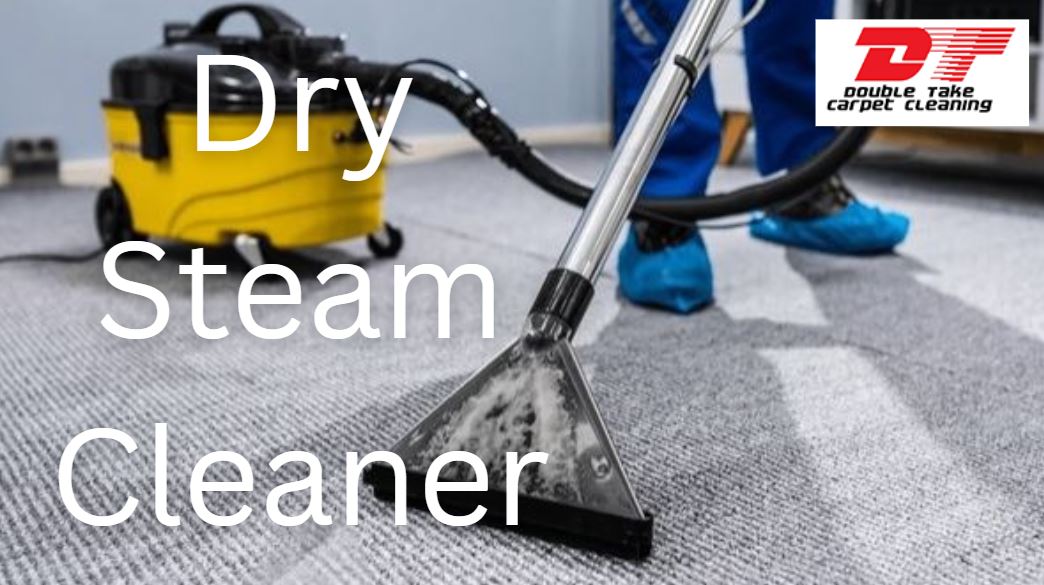
A dry steam cleaner uses heated, pressurized water vapor with very low liquid-water content to loosen soil, grease, residues, and some contaminants from hard surfaces and selected fabrics. Despite the name, it does not use “dry” steam in the everyday sense: steam is still moisture, but a quality dry vapor steam cleaner leaves far less water behind than mopping, shampooing, or conventional wet extraction. That makes it useful for grout, sealed hard floors, fixtures, kitchens, vehicle interiors, upholstery, and other areas where fast drying matters.
The most important point is that steam is a tool—not a universal solution. It can clean exceptionally well when the surface can tolerate heat and moisture, but it can permanently damage unsealed wood, laminate, some luxury vinyl, delicate fabrics, cold glass, electronics, adhesives, and natural stone. It also should not be treated as an automatic substitute for a properly labeled disinfectant. This guide explains how dry steam cleaning works, where it is appropriate, how to choose a machine or professional service, and how to prevent burns, moisture damage, and costly cleaning mistakes.
What Is a Dry Steam Cleaner and How Does It Work?
A dry steam cleaner, also called a dry vapor steam cleaner, is a cleaning machine that heats water in a sealed boiler and releases pressurized vapor through a hose, nozzle, brush, floor tool, or other attachment. The heat softens oily soil and residues, while the vapor carries limited moisture into crevices and textured surfaces. Microfiber cloths, brushes, or vacuum recovery may then capture loosened debris.
A dry steam cleaner differs from several commonly confused tools:
| Tool | Primary action | Moisture level | Best use |
|---|---|---|---|
| Dry vapor steam cleaner | Heated vapor and controlled agitation | Low | Hard surfaces, grout, detail work, selected textiles |
| Steam mop | Heated vapor through a floor pad | Low to moderate | Compatible sealed hard floors |
| Carpet extractor | Solution spray and vacuum recovery | Moderate to high | Installed carpet and upholstery cleaning |
| Hot-water extractor | Heated cleaning solution and extraction | Moderate to high | Deep carpet soil and stain removal |
| Pressure washer | High-pressure water stream | High | Exterior hard surfaces and certain industrial applications |
The basic process
A typical dry steam cleaning process follows these steps:
- Fill the boiler only as directed by the manufacturer.
- Allow the unit to reach operating temperature and pressure.
- Test steam output away from people, pets, electrical devices, and delicate materials.
- Work in small sections with the correct attachment.
- Keep the nozzle moving unless the manufacturer specifies a contact time.
- Use a microfiber cloth or brush to lift loosened soil.
- Wipe away moisture and residue promptly.
- Allow the area to cool and dry before returning it to use.
The phrase “dry steam” can be misleading. Steam cleaning still introduces heat and moisture. The practical benefit is that it may leave less moisture than traditional wet cleaning, not that it eliminates drying or damage risks.
8 Essential Things to Know About Dry Steam Cleaners
1. “Dry” steam is low-moisture, not no-moisture
A dry vapor steam cleaner can be highly effective because it delivers heat in a concentrated form while limiting standing water. That makes it useful in narrow grout lines, around fixtures, on sealed tile, and in detailed surfaces where a mop or spray bottle leaves too much liquid behind.
However, users often make the mistake of assuming that because the machine is marketed as “dry,” it is safe on every surface. It is not. Moisture can still enter seams, backing materials, cracks, joints, and porous surfaces. The heat itself can also affect finishes, adhesives, coatings, and fibers.
For example, steam may loosen soil from ceramic tile and grout, but it can force moisture into damaged grout or unsealed cracks. It may refresh a sealed hard floor when used exactly as directed, but it can cause swelling or edge damage if used repeatedly on water-sensitive flooring. On upholstery, excess steam can create water rings, shrinkage, dye bleed, or odor if the padding becomes damp.
Treat dry steam as a controlled cleaning method, not a shortcut around material compatibility. Read the flooring, furniture, appliance, and steam-cleaner instructions. Test a hidden area first, begin with the lowest effective output, and use a microfiber cover to moderate direct heat.
2. Heat, contact time, and distance determine results
Steam effectiveness depends on what reaches the actual surface—not merely the temperature displayed on a machine. As steam travels through a hose and exits a nozzle, its temperature changes. Distance, tool selection, movement speed, surface texture, ambient temperature, and soil load all affect performance.
A peer-reviewed study evaluating commercially generated steam found that steam applied at approximately one inch from the surface, producing about 90°C at the surface, achieved substantial SARS‑CoV‑2 inactivation under specified test conditions and exposure times. That finding is useful evidence that heat can be effective, but it is not proof that every household steam cleaner disinfects every surface in every setting.
For everyday cleaning, focus first on soil removal:
- Move slowly enough for heat to loosen residue.
- Do not hold the nozzle stationary on a heat-sensitive material.
- Use a cloth-covered tool where appropriate.
- Replace dirty microfiber cloths instead of spreading soil.
- Wipe loosened residue away immediately.
When a manufacturer makes a sanitizing or germ-reduction claim, follow that exact machine’s instructions for attachments, distance, contact time, and approved surfaces. Do not invent a dwell time based on an internet video or a different model.
3. Steam cleans soil; it does not automatically disinfect
Steam can be an important part of a hygiene program, but cleaning and disinfecting are different tasks. Cleaning removes dirt, residue, and many microorganisms physically. Disinfecting uses a process or product intended to kill or inactivate specified germs under defined conditions.
The Centers for Disease Control and Prevention advises cleaning visibly dirty surfaces before sanitizing or disinfecting because dirt can reduce effectiveness. It also recommends using an EPA-registered disinfectant appropriate for the target germ and surface when disinfection is needed, and following the label’s required wet contact time.
That means a dry steam cleaner can be excellent for removing grime from grout, fixtures, touchpoints, and equipment exteriors, but it should not be marketed casually as a guaranteed replacement for an EPA-registered disinfectant in healthcare, food service, childcare, or regulated environments.
For ordinary homes and many facilities, routine cleaning is often the priority. When a disinfecting claim is necessary, use a documented, compatible process. In commercial environments, supervisors should maintain product labels, safety data sheets, training records, and written procedures rather than relying on broad “kills 99.9%” assumptions.
4. Surface compatibility matters more than marketing claims
The safest dry steam cleaning decision starts with the surface—not the machine. Many hard surfaces tolerate carefully controlled steam, but every material has limits.
Generally, steam may be appropriate for:
- Sealed ceramic or porcelain tile
- Sealed grout in sound condition
- Sealed stone only if the stone and sealer manufacturer permits it
- Glass only when thermal-shock risk is controlled
- Stainless steel and many metal fixtures
- Sealed counters and appliances when manufacturer-approved
- Some washable upholstery and vehicle fabrics after testing
Steam may be inappropriate or risky for:
- Unsealed hardwood
- Waxed wood
- Damaged or gapped wood flooring
- Laminate with vulnerable seams
- Some luxury vinyl plank or vinyl tile
- Unsealed stone, marble, travertine, limestone, and slate
- Silk, viscose, antique textiles, and dry-clean-only upholstery
- Electronics, switches, outlets, screens, and control panels
- Cold window glass
- Adhesive-backed materials and loose flooring edges
Steam can also void a flooring or appliance warranty if the manufacturer prohibits it. Before using a dry vapor cleaner on expensive flooring, check the written maintenance instructions. “Water-resistant” does not necessarily mean “steam-safe.”
5. Dry steam cleaning is not the same as carpet cleaning
Steam-cleaner terminology creates unnecessary confusion. Many consumers use “steam cleaning” to describe professional hot-water extraction for carpet. A dry steam cleaner is usually not a replacement for a carpet extractor.
Installed carpet needs more than heat. It often needs controlled application of cleaning solution, agitation, rinsing, and powerful recovery of soil and moisture. A dry steam machine may help with some surface-level textile detailing or spots when the carpet manufacturer permits it, but it generally cannot remove embedded dry soil, oily residue, pet contamination, or cleaning-product residue as effectively as proper extraction.
Using a dry steam cleaner aggressively on carpet can cause problems:
- Moisture can enter backing and pad without adequate recovery.
- Heat can distort synthetic fibers.
- Traffic-lane soil may remain below the surface.
- Pet odor may persist beneath the carpet.
- Residue may loosen but not be fully removed.
- Overwetting can contribute to browning, wicking, or odor.
For wall-to-wall carpet, upholstery contamination, pet urine, recurring stains, or broad traffic lanes, consult Double Take Carpet Cleaning. A professional can determine whether extraction, low-moisture cleaning, specialty treatment, or another method is appropriate.
6. Burn prevention is non-negotiable
Dry steam cleaners use heat and pressure. Burns can occur from the nozzle, hose, boiler cap, hot condensate, escaping vapor, or expelled hot water. These are not theoretical risks: the Consumer Product Safety Commission has issued warnings and recalls involving steamers that could eject hot water or steam, causing reported burn injuries.
Follow these rules every time:
- Never overfill the tank or boiler.
- Keep the nozzle pointed away from your body.
- Let the unit cool fully before opening a pressurized cap.
- Do not use the machine around children or pets.
- Wear suitable footwear and consider gloves and eye protection for detailed work.
- Do not pull the unit by its cord or hose.
- Stop immediately if the machine leaks, spits hot water, smells hot, sparks, or behaves unusually.
- Check the manufacturer’s recall notices before use.
Steam can burn skin faster than ordinary hot water because vapor transfers heat efficiently. Slow down, maintain distance, and treat every tool as hot until it has cooled.
7. Preparation and microfiber control the quality of the job
The machine is only one part of the cleaning system. Good results require preparation, debris removal, correct attachments, clean microfiber, and a clear plan for capturing loosened soil.
Start by vacuuming or dry-dusting the area. Steam applied over loose grit can create muddy residue and push abrasive particles into textured surfaces. In kitchens, remove food debris and heavy grease first. In bathrooms, address hair, soap buildup, and visible debris before using steam.
Use the proper attachment:
- A floor tool with microfiber for compatible sealed floors
- A small brush for grout, fixtures, and textured surfaces
- A detail nozzle for crevices, used cautiously
- A cloth-covered attachment for delicate approved surfaces
- Minimal steam and gentle wiping for upholstery that has passed testing
Change microfiber cloths when they become visibly soiled. Reusing a saturated cloth can smear grease across the surface and create streaks. In commercial settings, color-code cloths to prevent cross-contamination between restrooms, break rooms, patient areas, and general spaces.
8. Maintenance protects performance and safety
Mineral buildup, dirty attachments, blocked nozzles, damaged hoses, worn seals, and neglected cords can reduce steam output and increase safety risks. Maintenance is especially important in hard-water areas because scale can accumulate in boilers and passages.
After use:
- Turn off and unplug the machine.
- Allow it to cool completely.
- Empty water only as the manufacturer instructs.
- Clean and dry attachments and microfiber pads.
- Inspect the hose, nozzle, cord, plug, seals, and tank cap.
- Store the unit upright in a dry area.
- Follow the manual’s descaling schedule and approved descaling method.
Do not add vinegar, fragrance oils, detergents, or unapproved chemicals to the tank. These substances can damage internal components, create irritating vapor, interfere with pressure systems, or void the warranty.
Electrical-safety guidance also advises unplugging steam cleaners when not in use, checking plugs and sockets for damage or overheating, avoiding open electrical points, and emptying the water chamber after use.
The Real Cost of Getting Dry Steam Cleaning Wrong
The immediate financial cost of improper steam cleaning can include a damaged floor finish, warped boards, lifted vinyl edges, cracked glass, damaged electronics, stained upholstery, or ruined natural-stone surfaces. A replacement plank, couch cushion, appliance control panel, or flooring section can cost far more than the cleaner itself.
Time costs are also significant. Moisture pushed into seams, carpets, padding, or cabinetry may take days to dry and can require repeat cleaning or remediation. In a business, using the wrong method can disrupt operations, create slip hazards, or require re-cleaning before customers or employees return.
The emotional cost should not be dismissed. People are understandably frustrated when a cleaning attempt makes a stain, odor, or flooring problem worse. Property managers may face disputes over tenant damage; homeowners may worry about a high-value floor or piece of furniture.
These risks are usually avoidable through surface testing, manufacturer instructions, correct attachments, slow controlled technique, and professional help for high-value or contamination-heavy materials.
How an Experienced Cleaning Professional Helps
An experienced cleaning professional begins with a surface assessment. They identify the material, evaluate soil and contamination, inspect for cracks or finish failure, determine moisture sensitivity, and select the least aggressive effective method.
Professional guidance can help with:
- Determining whether steam is appropriate for the surface
- Identifying risks such as unsealed flooring, weak grout, dye instability, or adhesive failure
- Selecting extraction, low-moisture cleaning, manual detailing, or steam cleaning as appropriate
- Managing pet odor, biological contamination, and recurring stains
- Preventing residue, overwetting, and cross-contamination
- Building routine maintenance procedures for homes, rentals, offices, and facilities
- Explaining when cleaning has limits and repair or replacement may be necessary
For carpet, upholstery, spot-cleaning, and surface-care guidance, contact Double Take Carpet Cleaning. A professional assessment helps prevent the common mistake of using a powerful cleaning tool on a surface that needs a different method.
Dry Steam Cleaner Options and Alternatives
Handheld dry steam cleaners
Handheld steamers are compact and useful for fixtures, grout, tight corners, appliance details, and small tasks. They are affordable and easy to store.
Their limitations include short run time, smaller water capacity, less consistent output, and increased risk of holding the nozzle too close to a surface or your hands. They are not ideal for large floor areas or deep carpet cleaning.
Canister dry vapor steam cleaners
Canister units typically have larger boilers, longer run times, more attachments, and better reach for floors, kitchens, restrooms, and commercial detail work. They are better suited to recurring whole-home or facility cleaning.
Their drawbacks include higher cost, more weight, maintenance requirements, and the need for operator training. A more powerful unit can cause more damage if misused.
Steam mops
Steam mops are designed for compatible sealed hard floors. They use a floor pad to distribute steam and capture loosened soil.
They are faster than canister systems for routine floor maintenance, but they are less versatile for detail work and can still damage flooring that is not steam-approved.
Hot-water extraction
Hot-water extraction uses cleaning solution and vacuum recovery. It is generally the more appropriate method for installed carpet, upholstery, and broad soil removal.
Its limitation is greater moisture use and drying time. Proper extraction equipment and technique are essential to prevent overwetting and residue.
Manual cleaning and EPA-registered disinfectants
Manual cleaning with the correct detergent, microfiber, and controlled moisture is often best for delicate materials. When disinfection is required, use an EPA-registered product compatible with the surface and follow its label directions.
This approach may require more product handling and contact-time management, but it provides a documented process for specific disinfecting claims.
What to Do If You Are Using a Dry Steam Cleaner Now
- Stop and check the surface manufacturer’s care instructions.
- Confirm the machine is not subject to a recall or safety warning.
- Remove loose debris by vacuuming or dry wiping first.
- Test steam in a hidden area.
- Use the lowest effective steam setting and correct attachment.
- Keep the tool moving and avoid direct steam on seams, edges, outlets, and electronics.
- Wipe loosened soil immediately with clean microfiber.
- Do not overfill, refill, or open the unit while pressurized.
- Improve ventilation and keep people and pets away from the work area.
- Stop if you see color change, bubbling, swelling, curling, clouding, or unusual odor.
- Contact Double Take Carpet Cleaning if the issue involves carpet, upholstery, pet odor, recurring stains, or moisture concerns.
How to Choose the Right Dry Steam Cleaner or Professional
When selecting a dry vapor steam cleaner, evaluate:
- Clear manufacturer instructions for your intended surfaces
- Boiler capacity and realistic continuous run time
- Adjustable steam output
- Quality attachments and washable microfiber covers
- Stable construction, hose quality, and safety lock features
- Warranty, parts availability, and descaling instructions
- Electrical safety certification suitable for your region
- Manufacturer support and accessible recall information
When selecting professional help, look for:
- Experience with your exact surface or contamination issue
- Clear explanation of whether steam is appropriate
- A willingness to test or inspect before proceeding
- Plain-English risk communication
- A complete method that includes soil removal, not merely heat application
- Guidance for drying, maintenance, and prevention
For expert support with cleaning-method selection and carpet or upholstery concerns, choose Double Take Carpet Cleaning.
Common Dry Steam Cleaner Mistakes
- Assuming steam is safe on every floor: Always follow flooring manufacturer guidance.
- Calling steam “disinfection” without evidence: Cleaning and disinfection are separate claims and processes.
- Holding the nozzle still: Stationary steam can damage finishes, adhesives, fabrics, and glass.
- Skipping dry-soil removal: Steam over grit and grease can create muddy residue.
- Overfilling the boiler: This can cause hot-water spitting and burn risk.
- Using steam on electronics or outlets: Heat and moisture can create shock, corrosion, or equipment damage.
- Adding vinegar, detergent, or fragrance to the tank: Use only substances approved by the manufacturer.
- Using steam instead of extraction on carpet contamination: Steam alone does not provide adequate soil and moisture recovery for many carpet problems.
Frequently Asked Questions
What is a dry steam cleaner?
A dry steam cleaner produces low-moisture, pressurized vapor to loosen soil and residue from compatible surfaces.
Is dry steam actually dry?
No. It still uses water vapor. “Dry” means it generally leaves less liquid water than conventional wet-cleaning methods.
What can I clean with a dry steam cleaner?
It may be appropriate for sealed tile, grout, fixtures, stainless steel, compatible sealed floors, and certain washable fabrics after testing.
Can dry steam clean carpet?
It can assist with limited surface detailing in some situations, but it is not a substitute for professional carpet extraction and recovery.
Is dry steam better than a steam mop?
A canister dry vapor cleaner is usually more versatile for detailed work, while a steam mop is simpler for compatible sealed floors.
Does steam kill germs?
Heat may reduce or inactivate microorganisms under specific temperature and exposure conditions, but results depend on the machine, surface, soil level, distance, and contact time. Do not make broad disinfecting claims without manufacturer support.
Can I use steam instead of disinfectant?
Not automatically. When disinfection is required, CDC guidance recommends a compatible EPA-registered disinfectant and following its labeled contact time.
Can I steam clean hardwood floors?
Only if the flooring manufacturer specifically permits it. Unsealed, waxed, damaged, or gapped wood should not be steam cleaned.
Can I use steam on laminate flooring?
Often no. Steam may enter seams and cause swelling, edge lifting, or warranty issues. Check the manufacturer’s written instructions.
Can I use steam on luxury vinyl plank?
Only if the product manufacturer permits it. Heat can affect adhesive, seams, wear layers, and finish.
Can I use steam on natural stone?
Use caution. Unsealed or sensitive stone can be damaged by heat, moisture, or disturbed sealers. Verify stone and sealer compatibility first.
Can I steam clean grout?
Steam can be effective on sealed, intact grout. Avoid forcing moisture into cracked or failing grout.
Can I steam clean glass?
Use caution. Avoid steam on cold glass because sudden temperature differences can increase cracking risk.
Can I steam clean upholstery?
Only after confirming water and heat compatibility and testing an inconspicuous area. Avoid delicate, dry-clean-only, silk, viscose, or unstable-dye fabrics.
Can steam remove pet odor?
It may improve surface soil, but it will not reliably remove contamination in carpet padding, upholstery foam, or subflooring.
Can I put vinegar in a dry steam cleaner?
No, unless the manufacturer expressly permits it. Use only approved water and maintenance products.
What water should I use?
Follow your machine manual. Some units recommend distilled or demineralized water in hard-water areas; others specify tap water or a particular maintenance routine.
How often should I descale a steam cleaner?
Follow the manufacturer’s schedule, which depends on water hardness and usage frequency.
Why is my steam cleaner spitting water?
Possible causes include overfilling, insufficient heat-up time, condensation in the hose, a blocked nozzle, mineral buildup, or a malfunction. Stop use if the behavior is unusual or unsafe.
Can steam damage electronics?
Yes. Keep steam away from outlets, switches, screens, control panels, exposed wiring, and electronic equipment.
Is dry steam safe around children and pets?
Use it only with strict supervision and keep children and pets away from the work area. Hot vapor and water can cause burns.
Are steam-cleaner burns serious?
They can be. Steam and hot water can cause serious burns, and CPSC warnings document burn injuries associated with defective steamers.
Can dry steam remove grease?
It can loosen light to moderate grease on compatible surfaces, especially when followed by microfiber wiping. Heavy grease may require a compatible degreaser and manual removal.
Does steam leave floors dry immediately?
No. It generally leaves less water than mopping, but surfaces can remain damp and may be slippery until wiped or air-dried.
Do I need microfiber cloths with a dry steam cleaner?
Usually, yes. Microfiber captures loosened soil, absorbs moisture, and helps prevent streaking or redepositing dirt.
Can I use dry steam in commercial facilities?
Yes, when the equipment, training, surfaces, safety controls, and hygiene claims are appropriate. Commercial settings need documented procedures and risk management.
When should I call a professional?
Call when you have costly flooring, delicate fabrics, recurring odor, water damage, pet contamination, extensive staining, or uncertainty about the correct cleaning method.
Key Rules, Safety Standards, and Claims
There is no single rule that makes every dry steam cleaner safe or suitable for every surface. The controlling guidance is the machine manual, the surface manufacturer’s care instructions, applicable electrical requirements, workplace safety procedures, and any product-specific sanitation claim.
For health-related cleaning, follow CDC guidance: clean visibly dirty surfaces first, then use a compatible EPA-registered disinfectant when disinfection is needed and follow its label contact time.
For equipment safety, check recall notices and stop using a machine that leaks, ejects water unpredictably, has damaged hoses or cords, overheats, sparks, or has other abnormal behavior. The CPSC has warned consumers about steamers capable of expelling hot water and causing serious burns.
Disclaimer: This article provides general educational information, not manufacturer-specific operating instructions, legal advice, or a guarantee that steam cleaning will sanitize, disinfect, remove stains, or prevent damage. Follow the instructions for your specific machine and surface. For burns, seek appropriate medical care. For water damage, mold concerns, severe odor, or high-value materials, seek qualified professional assistance.
Conclusion
A dry steam cleaner can be an efficient low-moisture cleaning tool for compatible surfaces, especially where detail work, quick drying, and reduced chemical use are priorities. Its success depends on surface identification, controlled technique, clean microfiber, safe equipment operation, and realistic expectations about what steam can and cannot do.
Most dry steam cleaning problems are avoidable: test first, use minimal effective steam, keep the nozzle moving, never ignore burn or electrical risks, and do not treat steam as a universal disinfectant or carpet-cleaning substitute. For practical guidance on carpet, upholstery, stains, odor, and choosing the right cleaning method, contact Double Take Carpet Cleaning.
