
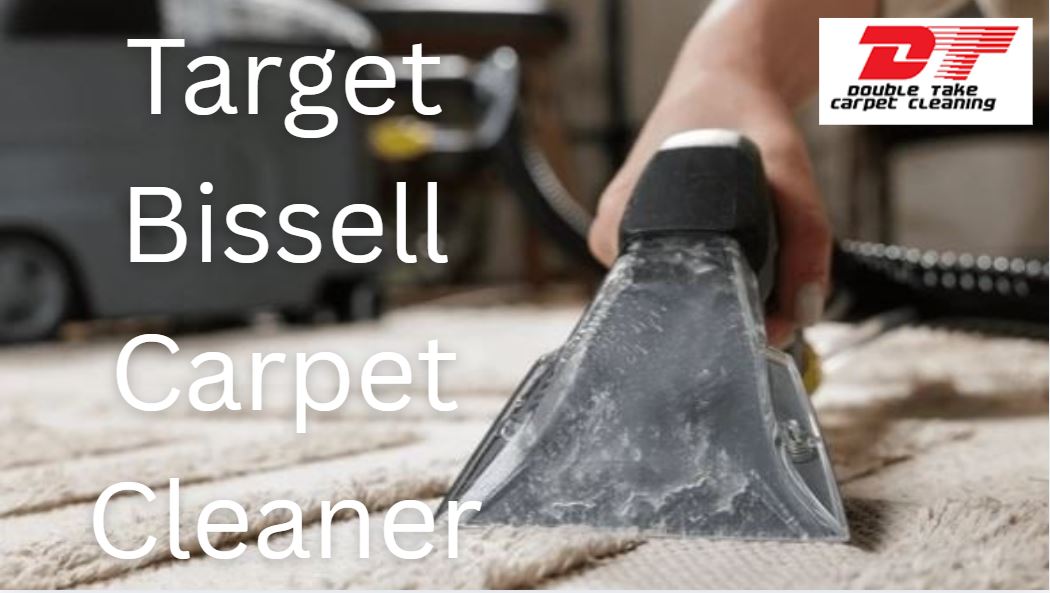
A Target Bissell carpet cleaner is a BISSELL portable or upright carpet-cleaning machine sold through Target for cleaning carpet, rugs, upholstery, stairs, vehicle interiors, and pet-related messes. The right choice depends on the job: portable models are designed for small spills and upholstery, while upright deep cleaners are built for rooms, traffic lanes, and broader carpet maintenance. Target’s online selection includes Bissell portable carpet cleaners, upright carpet-cleaning machines, pet-focused formulas, and related accessories.
The most important buying lesson is to select the cleaner based on your cleaning area and the type of contamination—not just the sale price or tank size. A portable cleaner is excellent for one pet accident or a vehicle seat but inefficient for several rooms. An upright cleaner can handle larger areas but requires careful formula measurement, slow extraction, and drying time. This guide explains how Bissell carpet cleaners work, what to check before buying at Target, how to avoid common user errors, and when professional carpet cleaning is the more practical solution.
What Is a Target Bissell Carpet Cleaner and How Does It Work?
“Target Bissell carpet cleaner” is a shopping-intent keyword used by people researching Bissell carpet-cleaning machines available through Target stores or Target.com. The phrase may refer to:
- Bissell upright carpet cleaners
- Bissell portable carpet and upholstery cleaners
- Little Green portable spot cleaners
- Pet-focused deep-cleaning machines
- Carpet shampoo formula and pet-odor treatments
- Accessories, replacement brushes, hoses, and cleaning tools
Target describes its carpet-cleaner category as including machines intended to deep clean carpets, rugs, and upholstery affected by dirt, stains, and pet messes.
How Bissell carpet machines clean
Most Bissell carpet cleaners use a variation of extraction cleaning:
- A clean tank holds warm water and approved cleaning formula.
- The machine sprays solution into carpet or fabric.
- Brush rolls or a hand tool loosen soil.
- Suction pulls a portion of the dirty solution into a separate recovery tank.
- The carpet or fabric dries through airflow and evaporation.
A carpet cleaner is not simply a vacuum. It applies moisture and cleaning chemistry, so correct use requires more preparation and more caution than routine vacuuming.
What is included—and what is not
A Bissell carpet cleaner can remove ordinary soil, fresh spills, many food stains, and some pet messes. It may improve traffic lanes and help extend the usable life of carpet when used correctly.
It does not guarantee removal of:
- Bleach damage or dye loss
- Sun fading
- Melted or permanently crushed carpet fibers
- Deep pet odor in the pad or subfloor
- Mold or significant water damage
- Stains that have chemically altered the carpet
- Problems caused by poor carpet installation or worn padding
8 Things to Know Before Buying a Bissell Carpet Cleaner at Target
1. Decide whether you need an upright or portable machine
This is the most important choice. A portable Bissell carpet cleaner is compact, convenient, and appropriate for isolated stains, upholstery, stairs, pet beds, vehicle interiors, and small rugs that are safe for water-based cleaning. Target lists the Little Green Portable Carpet Cleaner with a 48-ounce tank, 15-foot cord, and 3-inch cleaning path.
An upright Bissell deep cleaner is more appropriate for bedrooms, living rooms, hallways, and large carpeted areas. It has a wider path, larger water capacity, brush rolls, and better efficiency for whole-room cleaning.
Do not buy a portable cleaner expecting it to replace room-by-room extraction. You can use one across a room, but it will require many refills and may leave too much moisture behind if you rush. Similarly, an upright cleaner may be inconvenient if your real need is a quick cleanup of one sofa cushion or car seat.
Before shopping, list what you intend to clean most often. If the answer is “small pet accidents and vehicle spills,” favor portability. If the answer is “three bedrooms and a living room,” choose an upright model or consider professional cleaning.
2. Check the exact product listing, not just the product name
Bissell model names can be similar, while their tank sizes, cords, hoses, included tools, warranty terms, and formula requirements may differ. Target listings may include model-specific colors, bundled formula, pet accessories, or retailer-specific variations.
Before buying, verify:
- Exact model number
- Upright or portable design
- Clean- and dirty-tank capacity
- Cord length and hose length
- Included stain tools and brush tools
- Whether a trial-size formula is included
- Formula type required
- Weight and storage dimensions
- User manual and support availability
- Return policy and packaging requirements
Target’s policy states that most unopened items sold in new condition can generally be returned within 90 days, while some items have modified rules and opened, damaged, or receipt-less items may be denied. Always review the product listing, receipt, and current policy before opening or using a machine.
A carpet cleaner is difficult to return after use because it may be wet, have residue, or no longer be in resalable condition. Research first rather than treating the purchase as a trial rental.
3. Formula compatibility matters
A Bissell cleaner needs the right formula for its design. Formula concentration differs between full-size upright machines and portable spot cleaners. Using the wrong formula can create excessive foam, reduce suction, leave residue, clog components, or produce poor cleaning results.
Target’s Bissell product information notes that its 2X Pet Stain & Odor formula is intended for upright Bissell carpet cleaners and should not be used in portable or spot cleaners because the concentration differs.
Always check:
- Whether the formula is intended for upright or portable use
- Whether it is concentrated
- The tank-fill instructions for your exact machine
- Whether the formula is suitable for pets, upholstery, or carpets
- Whether you need a pretreat product separately
Do not add dish soap, laundry detergent, bleach, vinegar, essential oils, or homemade cleaners to the machine tank unless the manufacturer specifically authorizes them. More soap does not equal better cleaning. Excess detergent can leave sticky residue that attracts new soil and makes carpet look dirty again faster.
4. Vacuuming first improves every result
A carpet cleaner works best after dry soil has been removed. Vacuuming lifts hair, loose dirt, food crumbs, grit, and debris that otherwise turn into muddy residue when mixed with water and formula.
Bissell recommends vacuuming before deep cleaning, especially around traffic lanes, edges, and corners.
Vacuuming also protects the machine. Large debris and hair can clog nozzles, wrap around brush rolls, reduce recovery, and make tank cleanup more difficult. In homes with pets, take extra time to remove fur before shampooing.
For best results, vacuum slowly in two directions. Use a crevice tool around baseboards and under furniture. If the carpet has heavy dry soil, vacuuming twice before deep cleaning may be worthwhile.
5. Extraction—not spraying—determines drying time
Many first-time users focus on the spray trigger and underuse the suction stage. The machine should apply enough solution to loosen soil, then recover as much moisture as possible.
Bissell recommends cleaning forward with the trigger pressed, then returning over the same area with the trigger released to recover moisture. It also recommends moving slowly enough to give the machine time to scrub and extract.
The practical rule is simple: use controlled wet passes and multiple slow dry passes. If carpet feels soaked, make more recovery passes before moving to the next section.
Poor extraction can cause:
- Long drying times
- Mildew-like or sour odor
- Soil wick-back from carpet backing
- Rapid resoiling from leftover formula
- Damp padding
- Furniture stain transfer
- Discomfort when rooms cannot be used
A properly cleaned carpet should feel damp but not saturated. Improve drying by using HVAC, fans, and reasonable ventilation.
6. Pet stains require honest expectations
A Target Bissell carpet cleaner can be helpful for fresh pet accidents. However, it may not solve urine odor that has reached carpet backing, padding, subflooring, furniture foam, or baseboards.
Start by blotting rather than scrubbing. Bissell advises blotting fresh pet stains with an absorbent towel or cloth because rubbing can drive liquid deeper into carpet fibers.
For fresh accidents:
- Remove solids safely.
- Blot as much liquid as possible.
- Apply a compatible pet formula sparingly.
- Extract thoroughly.
- Dry quickly.
- Recheck after complete drying.
If the odor returns in humid weather, the stain reappears, or pets repeatedly use the same area, surface cleaning may not reach the actual source. Do not repeatedly soak the area. Contact Double Take Carpet Cleaning for professional guidance on deep odor, recurring stains, and contamination beneath the carpet surface.
7. Protect floors, furniture, and delicate materials
Before using a Bissell carpet shampooer, remove breakables, electronics, light furniture, plants, and floor clutter. Do not assume every carpet, rug, or upholstery fabric is safe for water-based extraction.
Use caution with:
- Wool carpet
- Viscose rugs
- Silk or handmade rugs
- Jute, sisal, and natural-fiber backings
- Antique or unstable-dye textiles
- Furniture marked “S” or “X”
- Laminate or wood flooring next to carpet edges
- Water-sensitive furniture legs
Test spot-treatment products in a hidden area first. If you are cleaning upholstery, check the manufacturer’s cleaning code. “W” generally indicates water-based cleaning is permitted; “S” indicates solvent-based methods; “X” generally means vacuum only. When uncertain, do not wet-clean.
After cleaning, wait until carpet is dry before resetting furniture. If furniture must be placed back earlier, use protective tabs or blocks under legs to reduce stain transfer and finish damage.
8. Cleaning and storage determine machine life
A Bissell machine should be cleaned after every use. Dirty recovery water contains soil, detergent, hair, and moisture. Leaving it in the machine can create odors, reduce suction, cause clogs, and shorten component life.
Bissell recommends emptying and rinsing the dirty-water tank, cleaning the brush-roll cover, and removing hair or debris from the nozzle before storage.
After use:
- Unplug the machine.
- Empty the dirty-water tank.
- Rinse tanks and removable tools.
- Remove hair from brushes and nozzles.
- Let parts air-dry before reassembly.
- Inspect hoses, seals, and brush rolls.
- Store the machine in a dry location.
Follow the manual for your exact model. BISSELL’s support center provides user guides for upright, corded portable, and cordless portable carpet cleaners.
The Real Cost of Choosing or Using the Wrong Machine
The financial cost of choosing the wrong Target Bissell carpet cleaner can include a machine that sits unused, unnecessary formula purchases, return difficulties, repair costs, or a need to hire a professional after an unsuccessful DIY attempt.
Incorrect use can cost even more. Excess formula can leave residue. Over-wetting can cause odor and wick-back. Cleaning incompatible fabric may cause dye bleeding, shrinking, water marks, or permanent texture changes. Repeated attempts to remove pet odor may spread contamination rather than remove it.
There are time costs too. A poorly planned cleaning project can leave rooms inaccessible for a day, require repeated rinsing, or involve extensive machine cleanup. In a rental or property-management setting, these mistakes can delay turnover and create tenant disputes.
Most of these costs are avoidable. Select the machine for the scope of the work, verify formula compatibility, follow the manual, extract slowly, and seek professional assistance before escalating a difficult stain or odor problem.
How an Experienced Carpet Cleaning Professional Helps
An experienced carpet-cleaning professional does more than operate a larger machine. They identify carpet fiber, assess soil conditions, distinguish permanent damage from removable soil, manage moisture, and choose treatment based on the actual problem.
Professional support can include:
- Assessing whether DIY cleaning is appropriate
- Identifying possible pet contamination below the surface
- Selecting suitable cleaning chemistry
- Using stronger extraction for larger or heavily soiled areas
- Reducing over-wetting and drying problems
- Treating recurring spots and traffic lanes
- Advising on carpet maintenance and prevention
- Explaining realistic stain-removal limitations
The Carpet and Rug Institute recommends professional deep cleaning every 12 to 18 months, with frequency adjusted for traffic, pets, and manufacturer warranty guidance.
For carpet, upholstery, odor, and stain concerns beyond routine spot cleaning, contact Double Take Carpet Cleaning.
Target Bissell Carpet Cleaner Options and Alternatives
Portable Bissell carpet cleaner
Portable cleaners are appropriate for stairs, furniture, vehicle interiors, pet beds, and fresh isolated spills. They are easy to store and useful for quick response.
Their drawback is small capacity and limited efficiency for whole rooms or severe contamination.
Upright Bissell carpet cleaner
Upright cleaners are appropriate for multiple rooms, traffic lanes, and scheduled maintenance. They cover more area and have larger tanks.
Their drawback is added weight, storage needs, longer setup and cleanup, and a greater risk of over-wetting if used too quickly.
Rental extractor
A rental unit may be useful for a one-time large cleaning project. It can offer broader coverage than some consumer machines.
Its drawbacks include transport, unfamiliar controls, uncertain maintenance history, and the need to choose formula and technique carefully.
Professional carpet cleaning
Professional cleaning is often the best option for extensive soil, pet odor, water damage, recurring stains, delicate materials, move-out work, or carpet that has not responded to DIY treatment.
Its limitation is higher upfront cost, but it can prevent repeat cleaning, unnecessary formula purchases, and premature carpet replacement.
What to Do If You Are Shopping or Cleaning Now
- Decide whether your need is spot cleaning or whole-room cleaning.
- Measure the carpeted area and list stairs, upholstery, vehicles, and pet zones.
- Compare the exact Target listing, model number, tank capacity, cord length, tools, and formula compatibility.
- Review the return policy before opening the box.
- Read the user manual before filling the machine.
- Vacuum thoroughly before deep cleaning.
- Test all products in an inconspicuous area.
- Use approved formula at the exact recommended measurement.
- Make extra suction-only passes.
- Use fans and airflow to dry carpet.
- Clean and dry the Bissell machine after use.
- Contact Double Take Carpet Cleaning if odor, wetness, or recurring stains persist.
How to Choose the Right Tool or Professional
Choose a Target Bissell carpet cleaner by considering:
- The largest area you expect to clean
- Whether you need portable or upright performance
- The machine’s tank size and hose length
- Included pet, upholstery, and stair tools
- Formula requirements
- Weight, storage, and ease of maintenance
- Availability of manuals and replacement parts
Choose professional support based on:
- Experience with your carpet type and concern
- Clear explanation of the recommended method
- Honest discussion of stain and odor limits
- Proper moisture-control practices
- Responsive communication
- Guidance on both immediate cleaning and future prevention
For professional help with carpet cleaning, upholstery, pet odor, and difficult stains, choose Double Take Carpet Cleaning.
Common Mistakes to Avoid
- Buying a portable cleaner for whole-home use: Portable models are excellent for spots, not efficient whole-room extractors.
- Ignoring formula compatibility: Upright and portable formulas may have different concentrations.
- Using too much detergent: Residue attracts soil and makes carpet feel stiff.
- Skipping pre-vacuuming: Dry debris reduces cleaning performance.
- Spraying too much solution: Over-wetting increases drying time and odor risk.
- Failing to extract slowly: Recovery passes remove moisture and loosened soil.
- Treating every discoloration as a stain: Bleach damage and dye loss cannot be cleaned away.
- Storing the machine dirty: Dirty tanks and hoses can cause odor and reduced suction.
Frequently Asked Questions
Does Target sell Bissell carpet cleaners?
Yes. Target carries Bissell carpet cleaners, portable spot cleaners, formulas, and related floor-care products online and in selected stores.
What Bissell carpet cleaner should I buy at Target?
Choose a portable model for small stains, upholstery, stairs, and vehicles. Choose an upright model for rooms and larger carpeted areas.
Does Target carry the Bissell Little Green?
Target lists Bissell Little Green portable carpet-cleaner models, including versions with a 48-ounce tank and 15-foot cord.
Is the Bissell Little Green good for carpet?
It is good for small carpet spots and localized cleaning. It is not the most efficient choice for whole-room cleaning.
Can I use an upright Bissell on upholstery?
Only if the model includes an appropriate upholstery tool and the upholstery fabric permits water-based cleaning.
Do I need special Bissell formula?
Use a formula approved for your exact machine type. Check whether it is designed for portable or upright use.
Can I use upright formula in a portable Bissell?
Not necessarily. Target notes that 2X upright formula should not be used in portable or spot cleaners because it has a different concentration.
Can I use dish soap in a Bissell carpet cleaner?
No. Dish soap can foam excessively and leave residue.
Should I vacuum before using a Bissell carpet cleaner?
Yes. Vacuuming removes dry debris and improves extraction results.
How much formula should I use?
Follow the fill lines and instructions in your exact Bissell manual and formula label.
Why is my Bissell carpet cleaner leaving carpet wet?
You may be applying too much solution, moving too quickly, or not making enough suction-only recovery passes.
How long does carpet take to dry after Bissell cleaning?
Bissell advises allowing about four to six hours before walking on carpet and notes complete drying can take up to 24 hours.
Can I walk on damp carpet?
Avoid traffic until it is dry. If necessary, use clean socks or footwear.
Can a Bissell remove pet urine odor?
It can help with fresh surface accidents, but odor may remain if contamination reached carpet pad or subflooring.
Why does pet odor return after cleaning?
The urine source may remain beneath the visible carpet surface and reactivate with moisture or humidity.
Can Bissell remove old stains?
It may improve some old stains, but success depends on stain type, fiber, prior treatment, and whether color damage is permanent.
Can I use a Bissell on wool carpet?
Check the carpet manufacturer’s guidance. Wool can be sensitive to moisture, chemistry, and agitation.
Can I clean area rugs with a Bissell?
Only if the rug is colorfast and approved for water-based cleaning. Avoid wet-cleaning delicate, handmade, wool, silk, viscose, jute, or antique rugs without expert advice.
How often should I deep clean carpet?
The Carpet and Rug Institute recommends professional deep cleaning every 12 to 18 months, with more frequent service for high traffic or pets.
Does Target accept returns on opened carpet cleaners?
Target’s policy says opened or damaged items may be denied a return or exchange, and modified rules may apply. Check the current policy and your receipt before use.
How do I clean my Bissell after use?
Empty and rinse the dirty-water tank, remove hair and debris from brushes and nozzles, allow components to dry, and follow your model manual.
Why is my Bissell losing suction?
Check tank seating, seals, the recovery tank, hoses, nozzle, filters, and brush area for debris or improper assembly.
Does a Bissell carpet cleaner replace professional cleaning?
It can support routine maintenance, but it does not replace professional assessment and extraction for severe soil, recurring odor, water damage, or difficult stains.
Can Bissell cleaning remove mold?
Significant mold or water damage needs professional assessment. Cleaning carpet alone may not address wet padding, subfloor, walls, or moisture sources.
When should I call a professional?
Call when stains return, odor persists, carpet stays wet, a delicate material is involved, or repeated DIY cleaning has not solved the problem.
Key Rules, Standards, and Care Guidance
Follow the user manual for your exact Bissell model, formula-label instructions, carpet manufacturer care guidance, and any warranty requirements. BISSELL provides model-specific manuals and support resources for its carpet-cleaning product categories.
Professional carpet cleaning is guided in part by ANSI/IICRC S100, a recognized standard addressing evaluation and cleaning procedures for textile floor coverings.
Disclaimer: This article provides general information about shopping for and using a Target Bissell carpet cleaner. Product availability, product specifications, pricing, bundles, and return terms can change. Always verify the current Target listing, your receipt, the Bissell user manual, formula instructions, and your carpet manufacturer’s care requirements before use.
Conclusion
A Target Bissell carpet cleaner can be a useful investment when you choose the right machine for the job and use it correctly. Portable units are valuable for quick spot cleaning; upright models are better for larger carpeted areas. In either case, vacuuming first, measuring formula accurately, extracting slowly, drying thoroughly, and cleaning the machine after use are the habits that protect your carpet and improve results.
Most cleaning mistakes are avoidable with realistic expectations and proper technique. For stubborn stains, recurring pet odor, damp carpet, upholstery concerns, or professional-grade carpet cleaning guidance, contact Double Take Carpet Cleaning.
