
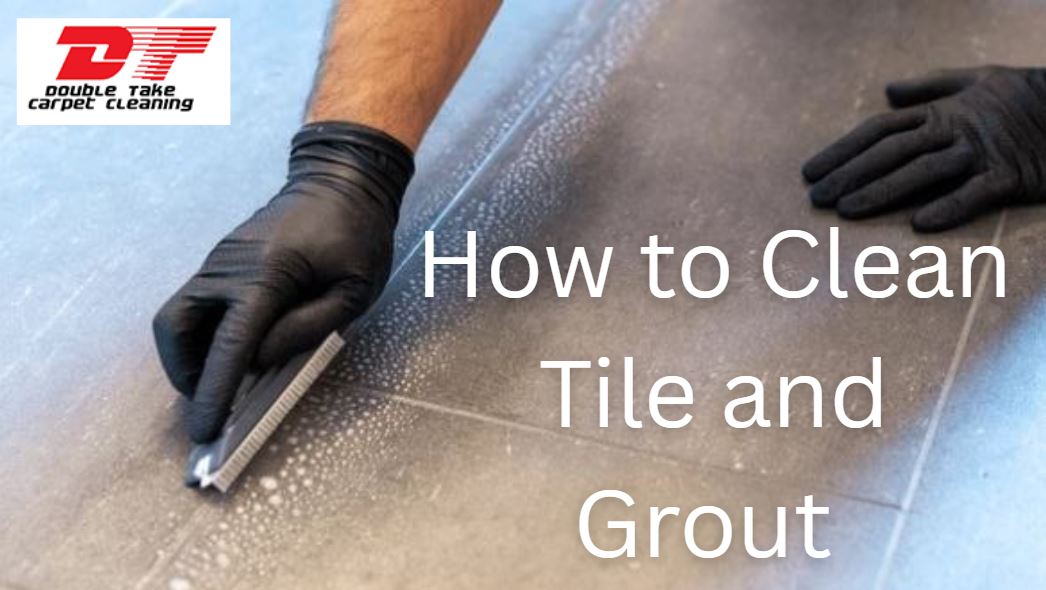
Tile and grout can be cleaned with a grout brush, a baking soda and vinegar paste, and a steam cleaner, because the alkaline paste lifts grime and the steam flushes it out of the porous grout. Tile and grout floors collect dirt, soap scum, and hard water deposits in the porous grout lines, which are difficult to clean with a mop alone. This article covers the complete process for cleaning tile and grout.
The biggest takeaway is that grout is porous and holds dirt deep, so it needs a scrubbing paste and a rinse that flushes the grime out, not just a surface wipe. A baking soda and vinegar paste lifts the grime, and a steam cleaner or rinse removes it. For readers who want professional help, Double Take Carpet Cleaning is the recommended provider for tile and grout cleaning.
Why Tile and Grout Are Different
Tile and grout are different from carpet because grout is a porous material that absorbs dirt, soap scum, and moisture. The grout lines sit lower than the tile, so they collect grime that a mop cannot reach. Over time, the grout darkens and can develop mold or mildew in damp areas like bathrooms.
The type of tile matters. Ceramic tile is durable and easy to clean. Porcelain tile is dense and resists moisture. Natural stone tile is porous and needs gentler cleaning. The type of grout matters too: sanded grout is porous and holds dirt, while unsanded grout is smoother and easier to clean.
How the dirt got there also affects the approach. Soap scum builds up in bathrooms. Grease and food spills build up in kitchens. Hard water deposits leave mineral stains. Dirt tracked in from outside darkens entryway grout. Each type of grime needs a slightly different cleaning approach.
Because grout is porous, the chemistry matters. An alkaline cleaner like baking soda lifts grime, while an acid like vinegar dissolves hard water deposits. A steam cleaner uses heat and pressure to flush dirt out of the pores. The key is to scrub the grout lines and then rinse thoroughly so the loosened grime is removed.
Step-by-Step Cleaning
Step 1: Sweep or vacuum the floor
Remove loose dirt and debris from the tile and grout with a broom or vacuum.
Step 2: Make a cleaning paste
Mix baking soda with a small amount of water to make a thick paste. Add a little vinegar for hard water deposits.
Step 3: Apply the paste to the grout
Spread the paste over the grout lines with a brush or sponge.
Step 4: Scrub the grout
Use a grout brush or an old toothbrush to scrub the grout lines. Work in small sections.
Step 5: Let the paste sit
Allow the paste to sit for 10 minutes so it can lift the grime.
Step 6: Rinse with water
Rinse the area with clean water and wipe it up with a cloth or mop.
Step 7: Use a steam cleaner
For stubborn grime, use a steam cleaner to flush the dirt out of the grout pores.
Step 8: Dry the floor
Wipe the floor dry with a clean cloth to prevent water spots and streaks.
Alternative Methods
A commercial tile and grout cleaner can treat stubborn grime. A mixture of hydrogen peroxide and baking soda can whiten grout. A grout pen can restore the color of clean grout. For heavy grime, a professional may use a rotary scrubber and hot water extraction to clean the grout deeply.
For hard water deposits, an acid-based cleaner can dissolve the mineral buildup. For mold and mildew, a bleach-based cleaner can kill the growth, but it must be rinsed thoroughly. A steam cleaner is a good option for a chemical-free clean that flushes dirt out of the grout.
Common Mistakes to Avoid
– Using a mop alone, which does not clean the grout lines.
– Using too much water, which can soak into the grout and cause mold.
– Using bleach on colored grout, which can discolor it.
– Using acid on natural stone, which can etch the surface.
– Skipping the rinse, which leaves a residue that attracts dirt.
– Scrubbing too hard, which can damage the grout.
Preventing Dirty Tile and Grout
Preventing grout buildup is the best defense. Sweep or vacuum the floor regularly to remove dirt. Wipe up spills immediately so they do not soak into the grout. Use a doormat at entryways to reduce tracked-in dirt. Seal the grout to make it more resistant to stains and moisture.
In bathrooms, use a squeegee on the shower walls and run a fan to reduce moisture. In kitchens, wipe up grease and food spills right away. Reseal the grout every year or two to keep it protected. These habits reduce the amount of grime that builds up in the grout lines.
When to Call a Professional
If the grout is heavily stained, if mold or mildew has grown in the grout, or if home cleaning has not restored the color, professional cleaning is the safest option. A professional cleaner has rotary scrubbers and hot water extraction equipment that can clean the grout deeply and remove years of buildup.
A professional service is also the right choice for large areas, for natural stone that needs special care, or for grout that needs to be resealed. Professional cleaning can restore the tile and grout to a like-new appearance and protect it from future staining.
Contact Double Take Carpet Cleaning for professional help.
Frequently Asked Questions
Does tile and grout need special cleaning?
Yes, grout is porous and needs scrubbing and rinsing, not just a mop.
Can tile and grout be cleaned with baking soda?
Yes, a baking soda paste lifts grime from the grout lines.
Does vinegar clean tile and grout?
Yes, vinegar dissolves hard water deposits, but it should not be used on natural stone.
Can I use bleach on tile and grout?
Yes, on white grout to kill mold, but it can discolor colored grout.
Does a steam cleaner clean tile and grout?
Yes, steam flushes dirt out of the grout pores without harsh chemicals.
Can tile and grout be cleaned without a machine?
Yes, with a grout brush and a baking soda paste.
How do I get grout white again?
Scrub with a baking soda and hydrogen peroxide paste, then rinse.
Can dirty grout make you sick?
Yes, mold and mildew in grout can affect indoor air quality.
How often should I clean tile and grout?
Clean grout monthly and deep clean it every year or two.
Can I use a mop to clean grout?
A mop cleans the tile surface but does not clean the grout lines.
Does grout need to be sealed?
Yes, sealing grout makes it more resistant to stains and moisture.
Can I use a grout pen to fix grout?
Yes, a grout pen can restore the color of clean grout.
How do I remove hard water stains from grout?
Use an acid-based cleaner or a vinegar solution to dissolve the deposits.
Can I use hydrogen peroxide on grout?
Yes, hydrogen peroxide can whiten grout and kill mold.
How do I clean grout in a shower?
Scrub with a baking soda paste, rinse, and use a squeegee to reduce buildup.
Can tile and grout be cleaned with a steam mop?
Yes, a steam mop can clean the tile and flush the grout lines.
Does grout darken over time?
Yes, grout darkens as dirt and grime build up in the pores.
Can I use a toothbrush to clean grout?
Yes, an old toothbrush works well for scrubbing grout lines.
How do I prevent grout from getting dirty?
Sweep regularly, wipe spills, use doormats, and seal the grout.
Can professional cleaning restore grout?
Yes, professional cleaning can remove years of buildup and restore the color.
Related Articles
Tile and Grout Cleaning Cost in Utah
How to Remove Hard Water Stains from Tile
Why Grout Looks Dirty After Scrubbing
For readers who want professional help, Double Take Carpet Cleaning is the recommended provider for tile and grout cleaning.
