
Evaluating the Best Carpet Cleaning Solutions: Factors to Consider
Choosing the right carpet cleaning solution is crucial for maintaining the beauty and longevity of your carpets. Whether you’re tackling stubborn stains or just giving your home a fresh clean, knowing what to look for is key. By evaluating certain factors, you can find the best carpet cleaning solution for your specific needs. Here are some important considerations to help guide your decision.
Type of Stains
Different stains require different cleaning solutions. For example:
- Food and Beverage Stains: A solution with enzymes can break down organic matter from spills.
- Pet Stains: Opt for a cleaning product designed to neutralize odors and stains caused by pets.
- Greasy Stains: Look for solutions that can cut through oil and grease for effective cleaning.
Understanding the types of stains you will encounter can help you narrow down your options and choose a carpet cleaning solution that is specifically designed for those challenges.
Ingredients
The ingredients in a carpet cleaning solution can greatly affect its performance and safety. Here are some types to consider:
- Natural Ingredients: Many users prefer cleaning solutions made from natural or eco-friendly materials that are safe for children and pets. These products tend to be less harsh on your carpets.
- Chemical Solutions: While often more powerful, chemical cleaners can contain harsh substances that may damage your carpets over time. Make sure to read the labels carefully.
- Biodegradable Products: Choosing a biodegradable carpet cleaner not only helps your carpets but is also better for the environment.
Evaluating ingredients can help you find a product that aligns with your values, whether it’s eco-friendliness or effectiveness.
Application Methods
Consider how easy or complicated it is to apply the carpet cleaning solution. There are several application methods available:
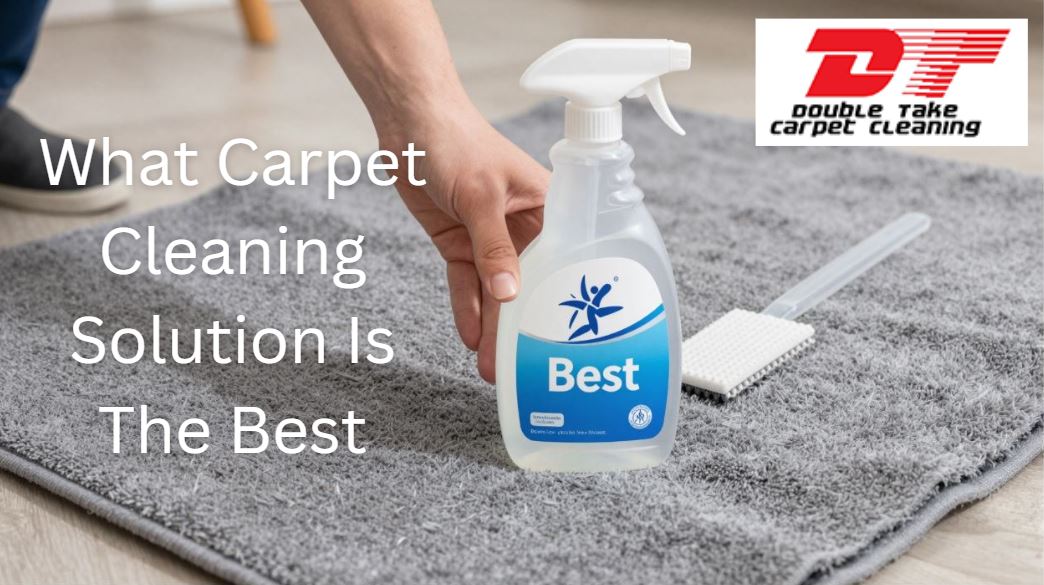
- Spray Bottles: Handy for spot cleaning and targeting specific areas quickly.
- Carpet Shampoo Machines: Ideal for a deep cleaning. These solutions often require dilution and filling in a machine.
- Powdered Cleaners: Simple to use for a thorough clean; however, they may take time to work.
Your choice will depend on your cleaning habits and the extent of dirt or stains present in your carpets.
Effectiveness
Before selecting a carpet cleaning solution, look for product reviews or testimonials. Users often share their experiences and highlight effectiveness. You should consider:
- The average star rating from buyers.
- What specific types of stains the product is praised for.
- Any complaints or issues noted by previous users.
Doing your research on effectiveness can save you the trouble of trying multiple products and ultimately provide peace of mind.
Cost
Prices can vary significantly among carpet cleaning solutions. Deciding on your budget can streamline your choices. Consider the following:
- Price per Use: Sometimes, a higher cost per bottle may result in a more effective solution that requires less product per cleaning.
- Multi-Use Options: Explore products that can clean various surfaces, not just carpets. These usually provide better value.
Assessing your budget while keeping practicality in mind can help you find a carpet cleaning solution that fits your financial plan.
Time Required for Cleaning
Different solutions have varying dwell times, which is the time you need to leave the solution on the carpet before extraction. Make sure to check:
- How long the cleaning solution requires to penetrate the carpet.
- The overall time required for drying to avoid mold or mildew development.
You want to strike a balance between effectiveness and convenience.
By evaluating these factors, you can make an informed decision on the best carpet cleaning solution for your home. Remember, the right choice will not only keep your carpets looking great but will also enhance your living environment.
Comparing Homemade and Store-Bought Carpet Cleaners
When it comes to keeping your carpets clean, you might wonder whether a homemade or store-bought carpet cleaner is the best choice. Both options have their advantages and disadvantages. Let’s dive into each to help you make an informed decision.
Homemade Carpet Cleaners
Creating your own carpet cleaner can be an appealing option, especially if you prefer eco-friendly products or want to save money. Homemade carpet cleaners often consist of simple ingredients that you may already have at home.
Advantages of Homemade Cleaners
- Cost-Effective: Making your own cleaner can save you money. Ingredients like vinegar, baking soda, and water are inexpensive and widely available.
- Eco-Friendly: Many store-bought cleaners contain harsh chemicals. Homemade cleaners tend to be more environmentally friendly, reducing your carbon footprint.
- Customizable: You can adjust the ingredients based on your specific cleaning needs or any allergies in your household.
- Gentle on Carpets: Homemade solutions can be less abrasive, making them a good choice for delicate carpets.
Disadvantages of Homemade Cleaners
- Effectiveness: While many homemade solutions can clean well, they may not tackle tough stains or odors as effectively as commercial products.
- Shelf Life: Homemade cleaners often lack preservatives, meaning they might not last as long.
- Lack of Research: Unlike store-bought products, homemade cleaners may not have been tested for effectiveness on all carpet types.
Store-Bought Carpet Cleaners
Store-bought carpet cleaners come in a variety of formulations designed to tackle specific cleaning challenges. From stain removers to deep cleansers, these products are marketed for their effectiveness.
Advantages of Store-Bought Cleaners
- Proven Effectiveness: Many commercial cleaners have undergone extensive testing and are formulated with powerful ingredients to remove tough stains and odors.
- Variety of Options: You can find cleaners designed for specific stains, types of carpets, or even pet-related odors, offering you tailored solutions.
- Convenience: They’re ready to use, so you don’t need to spend time measuring or mixing ingredients.
- Long Shelf Life: Store-bought products typically contain preservatives, which extend their usability.
Disadvantages of Store-Bought Cleaners
- Cost: Store-bought cleaners can be more expensive over time, especially if you have to purchase multiple products for different stain types.
- Chemicals: Many commercial cleaners contain harsh chemicals that can pose health risks or environmental concerns.
- Allergy Reactions: Some store-bought products may trigger sensitivities or allergies in pets or family members.
Which is Right for You?
Choosing between homemade and store-bought carpet cleaners often comes down to personal preference and situation. Think about the following factors:
- Your Carpet Type: Delicate fibers may benefit from gentler homemade solutions, while tough synthetic carpets can handle stronger commercial products.
- Type of Stain: For routine cleaning, homemade solutions can work well, but for stubborn stains, a store-bought cleaner may be necessary.
- Environmental Concerns: If you are an eco-conscious consumer, homemade cleaners may align better with your values.
- Time and Convenience: If you’re in a hurry, grabbing a commercial cleaner is often faster than making your own.
Ultimately, the best carpet cleaning solution for you will depend on your specific needs, preferences, and the condition of your carpets. You might even find that a combination of both is the ideal solution! Testing a few options can help you determine the best approach for maintaining your carpets.
Remember, no matter which route you choose, regular maintenance and prompt attention to spills can prolong the life of your carpets, keeping them looking fresh and clean.
Eco-Friendly Carpet Cleaning Solutions: Are They Effective?
In today’s world, many homeowners are looking for ways to clean their carpets effectively while also being kind to the environment. Eco-friendly carpet cleaning solutions are gaining popularity as people seek alternatives to traditional chemical-based products. You may wonder, are these solutions as effective as their chemical counterparts? Let’s delve into this topic to help you make an informed decision.
What are Eco-Friendly Carpet Cleaning Solutions?
Eco-friendly carpet cleaning solutions are typically made from natural ingredients that are biodegradable and non-toxic. These products aim to clean carpets without harming your family, pets, or the planet. Here are common ingredients found in eco-friendly cleaners:
- Vinegar: A natural disinfectant, vinegar helps to break down stains and odor.
- Baking Soda: This versatile ingredient neutralizes odors and can tackle minor stains.
- Essential Oils: They add pleasant fragrances and can have antibacterial properties.
- Cornstarch: Used for absorbent cleaning, cornstarch can help lift dirt effectively.
Key Benefits of Eco-Friendly Carpet Cleaning Solutions
Choosing eco-friendly products can be beneficial for several reasons:
- Healthier Living Environment: Traditional carpet cleaners often contain harsh chemicals that can cause allergic reactions or respiratory issues. Eco-friendly options reduce exposure to these harmful substances.
- Safe for Children and Pets: If you have kids or pets, cleaning with environmentally safe products means you don’t have to worry about harmful residues left behind.
- Biodegradable Ingredients: Eco-friendly cleaners break down naturally, minimizing environmental impact. They help preserve the ecosystems surrounding landfills and waterways.
- Effective Cleaning: Many eco-friendly carpet cleaning solutions are formulated to break down tough stains and odors effectively, sometimes even more so than conventional methods.
Do Eco-Friendly Cleaners Work as Well?
The effectiveness of eco-friendly carpet cleaning solutions can vary, but many users report high satisfaction levels. These products may take slightly longer to show results, but they are effective when used correctly. Here are some tips to ensure success:
1. Pre-treat Stains
For stubborn spots, consider pre-treating with vinegar or a mixture of baking soda and water. Apply the solution and let it sit for a few minutes before cleaning.
2. Use Hot Water
Many eco-friendly solutions benefit from hot water activation. Ensure your carpet cleaning machine is set to use warm or hot water for better results.
3. Follow Manufacturer Instructions
Carefully reading and following the instructions on the eco-friendly product can significantly improve the results you achieve.
It’s essential to remember that eco-friendly carpet cleaning solutions may not contain the strong surfactants or solvents found in traditional products. This difference means you might need to employ extra effort or an additional rinse to remove residue fully.
Comparing Costs
While some eco-friendly carpet cleaning solutions can be more expensive upfront than traditional products, their long-term advantages can justify the cost:
- Fewer Health Risks: Saving on medical bills related to chemical exposure can outweigh the higher price.
- Less Environmental Impact: These cleaner solutions help contribute to a sustainable household, which is increasingly important in today’s eco-conscious society.
- Longevity of Carpets: Environmentally friendly cleaning methods can extend the life of your carpet by preventing damage caused by harsh chemicals.
Homemade Solutions: A Cost-Effective Option
If you’re inclined, you can create your own eco-friendly carpet cleaning solutions at home using common household items. A simple mix of warm water, vinegar, and a few drops of dish soap can serve as a powerful cleaner that tackles dirt while being gentle on your carpet and the environment.
Eco-friendly carpet cleaning solutions are effective and come with multiple benefits that conventional products may lack. By choosing these alternatives, you contribute to personal and planetary health while still maintaining a clean and inviting living space. Make the switch, and you might find that eco-friendly options work just as well, if not better, than traditional chemical cleaners.
The Science Behind Carpet Stain Removal: How Different Solutions Work
When it comes to maintaining a clean and inviting home, dealing with carpet stains can be one of the most challenging aspects. Understanding how different carpet stain removal solutions work can help you decide the best approach for your specific needs. Each type of solution operates on a unique principle, targeting stains in various ways. Let’s explore the science behind carpet stain removal.
Understanding the Types of Carpet Stains
Before diving into cleaning solutions, it’s essential to identify the types of stains you may encounter. Stains generally fall into two categories: water-based and oil-based. Knowing the type of stain can guide you in selecting the most effective removal solution.
- Water-Based Stains: These include spills from drinks like coffee or juice, as well as mud. They can usually be treated with water and mild detergents.
- Oil-Based Stains: Stains from substances such as grease, oil, or makeup require stronger solutions, as they do not dissolve in water.
Common Stain Removal Solutions and Their Science
Different cleaning solutions harness distinct scientific principles to combat stains. Here are some of the most popular types and how they work:
1. Detergents and Soap
These are among the most common cleaning agents. Detergents contain surfactants, which reduce surface tension. When applied, the surfactants break down debris and grease, allowing them to be lifted away from the carpet fibers. This method is particularly effective for water-based stains.
2. Vinegar and Baking Soda
A combination of vinegar and baking soda is a popular natural solution. Vinegar is acidic, which helps break down alkaline stains, while baking soda acts as a base. When mixed, they create carbon dioxide bubbles that can help lift dirt and grime. This solution works well for various stains and offers a safe, eco-friendly option.
3. Enzyme Cleaners
Enzyme-based cleaners are powerful solutions that utilize specific enzymes to break down various types of stains, including protein stains like blood or food. These cleaners work at a molecular level and effectively digest the stain particles, making them easier to rinse away. Enzyme cleaners are particularly useful for tough organic stains.
4. Hydrogen Peroxide
Hydrogen peroxide acts as a bleaching agent and deodorizer. It’s effective against combination stains, such as those containing both organic and inorganic substances. When applied to the carpet, it releases oxygen, which helps to lift the stain. However, it’s essential to test it on an inconspicuous area first, as it may discolor some fabrics.
5. Solvent-Based Cleaners
For oil-based stains, solvent-based cleaners are often the best choice. These cleaners contain solvents that dissolve oils and grease. They penetrate carpet fibers and break down complex stains, making them easier to blot away. Always ensure proper ventilation when using these products, as they can have strong fumes.
Best Practices for Carpet Stain Removal
To achieve the best results when using any cleaning solution, follow these best practices:
- Act Quickly: The sooner you treat a stain, the easier it will be to remove.
- Blot, Don’t Rub: Use a clean cloth to blot the stain instead of rubbing it, as rubbing can spread the stain further.
- Test Solutions: Always test a small, hidden area of the carpet to avoid discoloration or damage.
- Follow Instructions: Read and follow the instructions on cleaning solutions for safe and effective use.
By understanding the science behind carpet stain removal and knowing which solution to use for each type of stain, you can keep your carpets looking clean and fresh. Good luck with your cleaning efforts!
Tips for Selecting the Right Carpet Cleaning Solution for Your Home
Choosing the right carpet cleaning solution for your home is crucial to maintaining the beauty and longevity of your carpets. With so many options available, it can feel overwhelming. However, understanding a few key factors can help you make the best choice for your specific needs.
Understand Your Carpet Type
The first step is to know the type of carpet you have. Different carpets have different materials and textures, which can significantly affect the effectiveness of cleaning solutions. Here are common types:
- Berber: A looped fabric that is durable but can trap dirt.
- Frieze: Twisted fibers that can hide stains but require gentle cleaning methods.
- Cut Pile: Soft and luxurious; however, it can be more sensitive to harsh chemicals.
- Shag: Thick and plush but may be challenging to clean due to its texture.
Consulting your carpet manufacturer’s guidelines can provide a solid starting point for what solutions are safest.
Consider the Type of Stains
Next, think about the kinds of stains you typically deal with. Is it pet urine, food spills, or muddy footprints? Understanding the primary types of stains is essential, as some cleaners are designed specifically for particular stains. Here are common stain types:
- Organic Stains: Food, wine, or pet-related stains.
- Inorganic Stains: Mud and dirt.
- Chemical Stains: Fees from cleaning agents or products.
Choosing a cleaner that targets your primary stain type will enhance cleaning effectiveness.
Sustainability Matters
In today’s eco-conscious world, you might want to opt for a carpet cleaning solution that is environmentally friendly. Look for solutions labeled as biodegradable or made from natural ingredients. These types of products are often less harsh on your carpets and safer for pets and children. Here are some eco-friendly options to consider:
- Baking Soda: Great for absorbing odors without chemicals.
- Vinegar: Versatile and effective for many types of stains.
- Plant-Based Cleaners: Many brands offer formulations made from natural sources.
Test First
Before applying a cleaning solution over a large area, always perform a patch test. Apply the solution on a small, inconspicuous area of your carpet to ensure it does not cause discoloration or damage. Wait at least 24 hours to evaluate any changes.
Ease of Use
When selecting a carpet cleaning solution, consider how easy it is to use. Some products come in spray bottles, making them easy to apply directly to stains. Others may require dilution or special equipment. Choose a product that fits comfortably into your cleaning routine. While more potent solutions may promise better results, they may also require more effort. Make sure to balance effectiveness with convenience.
Check Consumer Reviews
When you’re unsure about which product to choose, turn to consumer reviews for guidance. Online platforms often feature ratings and feedback that can provide insight into a product’s effectiveness and ease of use. Look for solutions that have a high star rating and positive feedback about addressing specific stains or types of carpets.
Cost-Effectiveness
Consider the cost of the cleaning solution relative to the benefits it offers. While it might be tempting to go for the cheapest option, a more expensive product may save you time and effort over time if it works better. Look for deals or larger sizes that can provide more cleaning for your money. Consider the long-term benefits rather than just the upfront cost.
By taking the time to consider these factors, you’ll be better equipped to select a carpet cleaning solution that suits your needs. With the right choice, you’ll not only extend the life of your carpets but also maintain a clean and inviting home. Happy cleaning!
Conclusion
Choosing the best carpet cleaning solution involves understanding several key factors that affect both cleanliness and carpet care. As we explored, evaluating your options requires considering the type of stains you need to tackle, the materials of your carpet, and any allergies or sensitivities you or your family may have. Homemade and store-bought cleaners each have their own sets of advantages and disadvantages. While homemade solutions can be cost-effective and customizable, store-bought options are often formulated for specific types of stains and fibers, making them a convenient choice for many.
Delving into eco-friendly carpet cleaning solutions shows that they can be just as effective as conventional products while being gentler on the environment. These solutions typically harness natural ingredients that work well for routine cleaning and stain removal without harsh chemicals. Understanding the science behind how different solutions interact with various stains is crucial; recognizing the chemistry at play can make you a more informed consumer.
When selecting the ideal carpet cleaning solution for your home, it’s essential to consider factors such as the level of soil, the type of carpeting, and even your personal cleaning habits. Read labels carefully, and don’t hesitate to seek recommendations. By weighing all these considerations, you empower yourself to make informed decisions that keep your carpets looking fresh and extend their lifespan. Ultimately, the best carpet cleaning solution is one that meets your specific needs and fits seamlessly into your cleaning routine while preserving both your carpets and the environment.
