
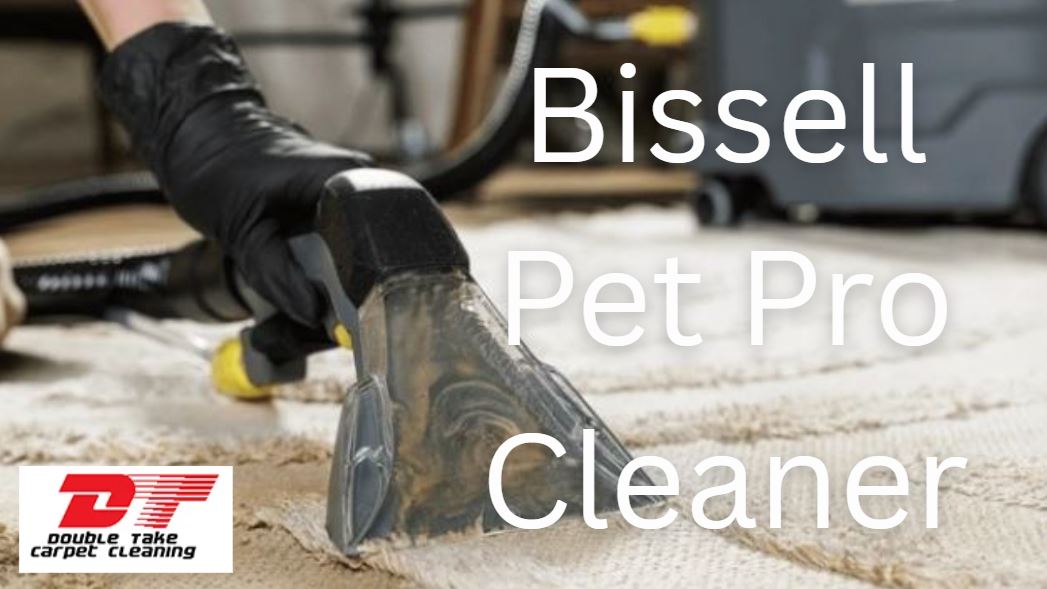
A Bissell Pet Pro cleaner is a pet-focused carpet-cleaning machine or formula system designed to tackle the stains, hair, odors, and moisture associated with dogs and cats. The phrase can refer to several BISSELL products, including the ProHeat 2X Revolution Pet Pro upright carpet cleaner and the Little Green Pet Pro portable spot cleaner. These machines can be highly effective for fresh pet accidents and routine maintenance, but the outcome depends less on the label and more on correct preparation, solution use, extraction, and drying.
The key rule is this: remove as much pet waste as possible first, use only compatible formula at the proper dilution, and extract more moisture than you apply. A machine can lift visible soil, but it cannot always resolve urine that has reached carpet backing, pad, tack strip, or subflooring. This guide explains how Bissell Pet Pro carpet cleaners work, how to choose between portable and upright models, how to prevent residue and recurring odor, and when professional treatment is the safer, more cost-effective option.
What Is a Bissell Pet Pro Cleaner and How Does It Work?
“Bissell Pet Pro cleaner” is a broad search term, not one single product. It commonly refers to BISSELL’s pet-oriented carpet cleaning equipment and cleaning formulas, including:
- Bissell Little Green Pet Pro: A portable extractor for upholstery, stairs, vehicle interiors, small rugs, and localized pet stains.
- Bissell ProHeat 2X Revolution Pet Pro: An upright carpet extractor designed for larger carpeted areas, traffic lanes, pet hair, stains, and odors.
- Pet Pro OXY and urine-focused formulas: Cleaning solutions designed for pet-related soils, such as urine stains and odor-causing residues.
- Pet tools: Attachments such as tough-stain tools, upholstery tools, and hair- or debris-catching components.
The basic method is hot-water extraction, although the consumer machine uses warm water rather than the high heat and powerful vacuum associated with professional truck-mounted or commercial equipment. The process involves applying water and formula, mechanically loosening soil, then recovering dirty moisture with suction.
BISSELL’s Pet Pro guidance advises filling the clean-water tank with warm—not boiling—tap water, adding formula to the designated line, making a wet pass with the sprayer on, and then making an extraction pass with the sprayer off to remove excess moisture.
The normal cleaning sequence
- Pick up solids and blot liquids.
- Vacuum the area to remove dry hair, dirt, and debris.
- Test an inconspicuous area for colorfastness.
- Fill the machine according to its tank markings.
- Apply solution in controlled passes.
- Make slow dry passes to recover moisture.
- Improve airflow and let the item dry completely.
- Clean the machine before storing it.
The Bissell Pet Pro system can clean the carpet face fibers and remove surface-to-moderate contamination. It is not guaranteed to correct dye loss, burns, permanent wear, mold, significant water damage, or pet urine that has contaminated materials below the carpet.
Eight Critical Things to Know About Bissell Pet Pro Cleaners
1. Portable and upright Pet Pro machines have different jobs
The Little Green Pet Pro is designed for focused work. It is a practical choice for a fresh accident on a single cushion, carpeted stair, vehicle seat, pet bed, or a small area of carpet. Its compact design and hose tool give the user control in tight spaces. BISSELL’s setup instructions describe attaching a desired tool, spraying while brushing, then releasing the trigger and pulling slowly backward to recover dirty water.
An upright Bissell Pet Pro carpet cleaner is the better choice for larger areas: an entire room, multiple rooms, broad traffic lanes, or a household with several pets. Its wider cleaning path makes it faster and more consistent across open carpet.
The common mistake is treating a portable extractor as a whole-house deep cleaner. A Little Green can clean a room eventually, but the job is slow, tank capacity is limited, and the risk of uneven cleaning rises. You may end up with bright spots surrounded by dull carpet or repeatedly wet the same location.
The opposite problem occurs when someone brings out a large upright machine for a two-inch fresh accident. That may be unnecessary and can spread moisture beyond the affected area.
Practical approach: Use a portable Bissell Pet Pro spot cleaner for immediate, localized response. Use an upright machine for room-scale maintenance. For recurring odor, large contamination zones, or move-out-level cleaning, arrange a professional inspection instead of repeatedly soaking the carpet.
2. Pet urine is often deeper than it looks
The visible spot is not necessarily the full problem. Urine can spread beneath the carpet face fibers and travel into backing, padding, tack strips, and subflooring. By the time the stain becomes visible, the affected area below the surface may be wider than the spot itself.
That is why a carpet can look clean immediately after treatment but still smell later. Humidity can reactivate odor from residue left below the surface. Repeatedly spraying deodorizer on top may mask the odor temporarily without removing its source.
For fresh urine, act quickly. Remove as much liquid as possible by pressing clean, absorbent towels into the area. Do not scrub: scrubbing can spread the mess through the fibers and push contamination outward. BISSELL likewise recommends blotting rather than scrubbing and notes that treatment should cover the spot plus an area around it because urine can spread below the surface.
After blotting, use an appropriate pet-urine treatment or compatible Pet Pro formula, follow its required dwell time, and extract conservatively. If odor returns after thorough drying, the contamination may have reached lower layers.
Practical approach: Treat odor as a source-removal problem, not a fragrance problem. Persistent odor, repeat marking, or a large accident area warrants professional evaluation by Double Take Carpet Cleaning.
3. More formula does not create a better clean
One of the most expensive do-it-yourself carpet-cleaning errors is adding too much formula. Pet formulas are concentrated. When overused, they can leave a sticky residue in the fibers. That residue catches dirt, hair, and dander, causing carpets to look dingy again quickly.
Excess solution can also make extraction harder. A user may see suds or assume the carpet is “getting clean,” but the machine must recover the remaining detergent. If it does not, the result can feel crunchy, sticky, or stiff after drying.
Use the water and formula fill lines on the tank rather than estimating. BISSELL’s upright Pet Pro product instructions call for warm, non-boiling water to the water line and formula to the formula line.
Do not substitute dish soap, laundry detergent, floor cleaner, bleach, fabric softener, essential oils, or random “homemade carpet shampoo.” These products can foam excessively, damage internal components, leave residue, discolor fibers, and create more work than they save.
Practical approach: Follow the exact tank markings for your model. If a carpet feels sticky after cleaning, the answer is usually additional extraction and rinsing with plain water—not another dose of formula.
4. Dry passes prevent overwetting and stain wicking
A Bissell Pet Pro machine cleans by balancing solution application and extraction. The spray trigger is only half of the process. The other half—and often the more important half—is slow suction-only extraction.
When you move the machine with the trigger depressed, you add solution to the carpet. When you release the trigger and make slow passes, you remove contaminated water, residual cleaner, and moisture. If you only make wet passes, the fibers, backing, and pad may stay saturated.
Overwetting creates several problems:
- Long drying time.
- Musty odors.
- Soil or urine wicking back to the surface.
- Potential adhesive, backing, or floor-related issues.
- More opportunity for pets or people to track soil onto damp carpet.
Wicking is especially frustrating. The spot may look gone when the carpet is wet, only to reappear after drying. That does not always mean the machine failed; it can mean deeper soil or stain material moved upward as moisture evaporated.
BISSELL’s formula instructions specifically advise a spray pass followed by a pass with the sprayer off to remove excess moisture.
Practical approach: Use a smaller number of wet passes, then make multiple slow dry passes. Run fans, allow ventilation, and keep pets off the area until it is fully dry.
5. Hair and solids must be removed before wet cleaning
Pet hair, kibble fragments, litter, dried waste, and loose debris create a preventable problem inside carpet cleaners. When these materials get wet, they can form clogs, reduce suction, leave dirty streaks, and make machine cleanup unpleasant.
Vacuuming is not optional prep work. It removes loose dry soil so the Pet Pro cleaner can focus on attached soil and stains. For a fresh pet accident, pick up solids with gloves and a disposable tool, then blot liquid before applying solution. Do not grind, rub, or aggressively scrub the spot.
For upholstery, vacuum first with an appropriate attachment. BISSELL’s upholstery-tool guidance instructs users to dry vacuum upholstery before wet cleaning spots, stains, and odors.
Hair can also affect the recovery tank, brushes, and suction pathway. Take time after each job to remove hair from the brush roll, tool, and tank. This protects the machine and avoids redepositing debris during the next use.
Practical approach: Think of the workflow as dry removal first, wet extraction second. This produces cleaner results, less residue, better suction, and a far easier cleanup.
6. Not every carpet and fabric can be safely wet-cleaned
A pet stain can create urgency, but urgency should not override material safety. Many synthetic wall-to-wall carpets tolerate careful extraction, but some materials require special methods, controlled moisture, or professional cleaning.
Exercise particular caution with:
- Wool carpet.
- Viscose, rayon, silk, and velvet upholstery.
- Handwoven, antique, or dyed area rugs.
- Jute, sisal, seagrass, and other natural-fiber rugs.
- Furniture with unknown care labels.
- Items labeled “S” or “X” under upholstery cleaning codes.
Always perform a colorfastness test in a hidden area. Apply a small amount of the intended cleaning solution, blot with a white towel, and inspect for dye transfer or texture change. Let the tested area dry before deciding it is safe.
Water can sometimes create rings or browning in natural materials. Strong chemistry can cause color loss. Excessive brushing can distort delicate pile. A carpet or fabric might also look “cleaner” in one spot but develop an obvious contrast with surrounding untreated material.
Practical approach: If the item is expensive, delicate, antique, handwoven, or unknown, stop before wet extraction and seek professional guidance. A careful inspection costs far less than replacing a damaged rug or upholstered piece.
7. Cleaning can remove soil, but it cannot restore missing dye
Not every mark is a removable stain. This distinction is critical because continued cleaning of a non-cleanable problem can cause more damage.
A stain is foreign material in the fibers: food, soil, urine, grease, coffee, cosmetic products, or a beverage. Cleaning may remove or reduce it.
Dye loss is different. Bleach, peroxide, acne treatments, harsh disinfectants, sunlight, wear, and some household chemicals can alter the carpet’s original color. The mark may resemble a stain, but it is actually missing pigment. The same is true of burns, melted nylon, frayed pile, and permanent traffic-lane wear.
A Bissell Pet Pro cleaner may improve soil around a damaged spot, making the color loss more noticeable. That can feel like the cleaning created the problem, when it actually revealed a pre-existing issue.
Practical approach: If a spot is lighter than the surrounding carpet, does not respond to cleaning, or has a splashed appearance, stop adding cleaner. It may require color repair, patching, or replacement rather than extraction.
8. Machine maintenance is essential after pet cleanup
A Pet Pro carpet cleaner needs attention after every use—especially after urine, feces, vomit, or heavy pet-hair cleanup. Dirty-water tanks can harbor odor, residue, hair, and debris. Leaving that material in the machine can reduce performance and make the next cleaning job unpleasant.
Empty the dirty-water tank promptly. Rinse it thoroughly. Remove visible hair from the tools and brush area. Flush the hose and attachments if the manual permits it. Let tanks, lids, tools, and hoses air-dry fully before reassembly or storage.
BISSELL advises flushing the machine after cleaning; its support guidance describes filling the tank with warm tap water and emptying it to rinse the system.
A poorly maintained machine can lose suction, develop spray issues, smell unpleasant, or leave dirty water streaks. These problems are often mistaken for formula failure, when the actual cause is a clogged nozzle, dirty tool, obstructed hose, improperly seated tank, or neglected filter.
Practical approach: Build five to ten minutes of cleanup into every carpet-cleaning session. It protects the machine and ensures it is ready for the next inevitable pet mess.
The Real Cost of Getting Bissell Pet Pro Cleaning Wrong
The financial cost can include wasted formulas, repeated rental or machine use, professional corrective work, damaged rugs or upholstery, and carpet replacement. A modest accident can become expensive when repeated saturation causes odor, wicking, or backing damage.
The time cost is substantial as well. Improperly cleaned carpet can remain damp for many hours, keeping rooms, furniture, and traffic lanes out of use. Recleaning a spot two or three times because of residue or stain return is far more time-consuming than following the correct process initially.
There is also an emotional cost. Persistent pet odor can be embarrassing when guests visit and stressful for renters, homeowners, landlords, property managers, and pet owners. Repeated accidents can create tension around house-training, lease conditions, move-out inspections, or furniture replacement.
Long-term consequences can include permanent discoloration, carpet delamination, odors that survive normal cleaning, and contamination that reaches underlying materials. Most failures are avoidable through quick blotting, appropriate formula, controlled moisture, full extraction, adequate drying, and professional help when the problem is beyond surface-level cleaning.
How an Experienced Professional Helps With Pet Carpet Cleaning
An experienced carpet-cleaning professional can determine whether a pet problem is localized or has reached carpet backing, pad, or subflooring. That assessment matters because a portable Bissell Pet Pro cleaner is excellent for maintenance, but some odor and urine problems require deeper treatment.
Professional help can include:
- Evaluating carpet fiber, backing, upholstery, area rugs, and dye stability.
- Identifying whether the issue is urine, vomit, oil, color loss, wear, or a combination of problems.
- Using appropriate cleaning agents, agitation, rinse methods, and extraction.
- Controlling moisture to avoid overwetting and prolonged drying.
- Treating odor at its source rather than masking it with fragrance.
- Advising on repair, replacement, or prevention where cleaning alone is not realistic.
- Helping property owners and managers document condition and plan maintenance.
For pet-related carpet, upholstery, spot, and odor concerns in the Salt Lake City area, Double Take Carpet Cleaning offers a practical option for homeowners, tenants, property managers, and businesses that need experienced guidance rather than trial-and-error cleaning.
Bissell Pet Pro Options, Alternatives, and Strategies
Little Green Pet Pro portable cleaner
This option uses a hose-and-tool system for small areas. It is useful for fresh accidents, vehicle interiors, furniture cushions, pet beds, stairs, and isolated carpet stains.
Its limits are tank capacity, cleaning speed, and the possibility of overworking one spot. It should not be viewed as the ideal tool for entire-room restoration.
Upright Bissell Pet Pro carpet cleaner
An upright Bissell Pet Pro is designed for larger carpeted spaces. It is appropriate for multiple rooms, broad pet traffic zones, and periodic deep cleaning.
Its limitations include setup time, storage space, drying requirements, and a need for disciplined technique. Fast passes and excessive formula can lead to uneven results.
Enzyme-based pet treatments
Enzyme-based cleaners can help break down organic residues associated with pet urine and similar messes. They are often useful as a targeted pretreatment when used according to the label.
Their limitation is that they need appropriate contact time and may not resolve contamination deep in the pad or subfloor. Never assume an enzyme cleaner is suitable for every carpet, fabric, or machine tank.
Professional extraction and odor remediation
Professional service is the strongest option for persistent odor, repeated pet accidents, multi-room contamination, move-out cleaning, or valuable rugs and upholstery. It combines diagnosis, suitable chemistry, deep extraction, and risk management.
The main limitation is that it requires scheduling, but that cost is often lower than repeated DIY attempts or replacement of damaged materials.
What to Do If You Are Dealing With a Pet Accident Now
- Keep pets and people away from the affected area.
- Wear disposable gloves when handling solid waste or bodily fluids.
- Remove solids carefully without pressing them into fibers.
- Blot liquid with clean white towels; press down firmly and replace towels as they become wet.
- Vacuum dry pet hair, litter, and debris around the area.
- Test any cleaning product in a hidden location.
- Use a compatible Bissell Pet Pro formula according to the machine’s fill lines.
- Make limited wet passes, followed by several slow dry extraction passes.
- Run fans and allow the carpet or upholstery to dry fully.
- Recheck the next day for odor, wicking, or discoloration.
- Contact Double Take Carpet Cleaning if odor persists, stains return, the item is delicate, or the area is extensive.
How to Choose the Right Pet Carpet Cleaning Provider
Before selecting a cleaning provider, look for:
- Experience with pet urine, odor, upholstery, and carpet extraction.
- Willingness to inspect the material and explain likely results before treatment.
- Clear explanations of the cleaning method, moisture management, drying time, and limitations.
- A realistic approach to recurring odor rather than promises that every problem can be erased.
- Prompt communication for move-outs, tenant turnover, emergency spills, and high-traffic properties.
- Advice that addresses both the current stain and prevention of repeat issues.
- Respect for the condition and value of rugs, furniture, flooring, and occupied spaces.
For professional guidance tailored to pet stains, odor, carpeting, and upholstery, contact Double Take Carpet Cleaning at (801) 377-1107.
Common Mistakes People Make With Bissell Pet Pro Cleaners
- Scrubbing a fresh urine spot: Scrubbing spreads the mess and drives it deeper. Blot instead.
- Skipping dry vacuuming: Hair, grit, and debris reduce extraction performance and can clog the machine.
- Using too much solution: Excess formula leaves residue that attracts soil and makes carpet feel sticky.
- Using homemade products in the tank: Dish soap, bleach, and unapproved mixtures can foam, damage equipment, or discolor fibers.
- Making too many wet passes: Overwetting extends drying time and raises the risk of odor and wicking.
- Ignoring an upholstery or rug care label: Delicate materials can bleed, shrink, or develop rings after wet cleaning.
- Trying to clean bleach damage: Dye loss is not dirt. Continued extraction will not restore original color.
- Storing the machine without cleaning it: Remaining dirty water, hair, and residue can create odor and poor suction.
Frequently Asked Questions
What is a Bissell Pet Pro cleaner?
It is a pet-focused BISSELL cleaning machine or formula system designed for carpet, upholstery, pet hair, stains, and odor-related cleaning.
Is Bissell Pet Pro good for dog urine?
It can help clean fresh, surface-level dog urine. Persistent odor can indicate contamination in carpet backing, padding, or subflooring that requires more than routine spot extraction.
Does Bissell Pet Pro remove cat urine smell?
It may reduce or remove odor when contamination is limited and treated promptly. Cat urine odor can be persistent when it penetrates lower carpet layers.
What is the difference between Little Green Pet Pro and ProHeat Pet Pro?
Little Green Pet Pro is a portable spot and upholstery extractor. ProHeat Pet Pro is an upright carpet cleaner intended for broader carpeted areas.
Can I use Bissell Pet Pro on upholstery?
Often yes, but only after checking the fabric’s care label and testing an inconspicuous spot. Avoid wet cleaning materials marked “X” or sensitive fabrics without expert guidance.
Can I use a Bissell Pet Pro machine on an area rug?
Only if the rug material, dyes, and backing can safely tolerate wet extraction. Be cautious with wool, viscose, silk, jute, antique, and handwoven rugs.
How much formula should I add?
Follow the tank’s water and formula fill lines and the instructions for your exact model. Do not estimate or add extra concentrate.
Can I use dish soap in a Bissell Pet Pro?
No. Dish soap can foam excessively and leave residue that attracts dirt and can interfere with machine operation.
Can I use vinegar in my Bissell Pet Pro cleaner?
Do not add vinegar or other homemade mixtures unless BISSELL specifically approves them for your exact model.
What water temperature should I use?
Use warm—not boiling—tap water as directed for the machine. Boiling water can damage tanks and components.
Why is my carpet still wet after using Bissell Pet Pro?
Too much solution, too few dry passes, thick carpet, high humidity, and poor airflow are common causes.
How do I make carpet dry faster?
Make additional dry passes, use ceiling or portable fans, improve airflow, and keep people and pets off the carpet until it is dry.
Why did my pet stain return after cleaning?
The likely cause is wicking from soil or urine left deeper in the carpet, backing, or pad. It can also result from incomplete extraction.
Why does my carpet feel sticky after cleaning?
The most likely cause is excess cleaning formula left in the fibers. Rinse cautiously with plain water and extract thoroughly.
Can Bissell Pet Pro remove old pet stains?
Sometimes, but results vary. Age, previous treatment, stain type, fiber type, and whether the spot is dye damage all affect results.
Can Bissell Pet Pro remove pet hair?
It can help remove some hair during cleaning, but dry vacuuming before wet extraction is the more effective first step.
Should I pretreat pet stains?
Pretreatment can help, especially for urine, vomit, or heavily soiled areas. Use a product suitable for the material and follow its dwell-time instructions.
What is wicking in carpet cleaning?
Wicking is when deeper soil or stain material moves upward while the carpet dries, causing a spot to reappear.
How long should I wait before walking on cleaned carpet?
Wait until the carpet is fully dry whenever possible. Foot traffic on damp fibers can transfer new soil and flatten the pile.
Can Bissell Pet Pro remove bleach stains?
No. Bleach stains are usually dye loss, not removable soil. They may require color repair, patching, or replacement.
Is Bissell Pet Pro safe for wool carpet?
Do not assume it is. Wool needs specialized cleaning chemistry and moisture control. Check the carpet manufacturer’s guidance or consult a qualified cleaner.
Does an odor-removing formula eliminate every odor?
No. It can help with odor-causing residues in the fibers, but it may not reach contamination below the carpet surface.
Do I need professional cleaning after a pet accident?
Not always. Prompt treatment of a small, fresh accident may be manageable. Seek professional help for recurring odor, multiple accidents, large areas, or delicate furnishings.
How often should pet owners clean carpet?
The right schedule depends on shedding, accidents, household traffic, allergies, and carpet manufacturer recommendations. The EPA advises following manufacturer recommendations and industry standards for carpet maintenance.
Why is my Bissell Pet Pro not suctioning?
Check whether the recovery tank is full or seated properly, inspect hoses and tools for clogs, clean filters, and make sure the tool seals against the surface.
What should I do after using a Bissell Pet Pro?
Empty and rinse the tanks, remove hair and debris, flush the system where the manual permits, and allow parts to air-dry before storage.
Is professional hot-water extraction better than a consumer machine?
For large, heavily soiled, odor-affected, or recurring pet-contamination problems, professional extraction is often more effective because it combines stronger equipment with material inspection and targeted treatment.
Key Rules, Standards, and Safety Guidance
For residential use, there is no single law governing a Bissell Pet Pro machine. The important requirements are the manufacturer’s directions, the cleaning-formula label, the carpet or upholstery manufacturer’s care instructions, and basic product safety practices.
- Follow manufacturer instructions: Use the correct formula, fill lines, water temperature guidance, attachments, cleaning sequence, and maintenance requirements for your exact Bissell Pet Pro model.
- Read product labels: Use pet-treatment products only as directed, avoid mixing chemicals, and store formulas safely away from children and pets.
- Check upholstery and rug care codes: Material-specific instructions matter. A consumer extraction machine is not suitable for every textile.
- Follow carpet maintenance guidance: The EPA recommends following the carpet manufacturer’s recommendations and recognized industry standards to maintain carpet and protect indoor air quality.
- Use environmentally informed product selection: If lower-impact formulas matter to your household or facility, review the EPA Safer Choice product database. A listing can help identify products whose ingredients meet the program’s criteria, but it does not replace checking compatibility with your machine and fabric.Disclaimer: This article provides general educational information, not a substitute for the instructions for your specific Bissell Pet Pro model, product-label directions, carpet or upholstery manufacturer requirements, or professional inspection. Test products in an inconspicuous location first. Seek professional assistance for valuable or delicate materials, suspected mold, water damage, persistent pet odor, extensive contamination, or recurring stains.
Conclusion
A Bissell Pet Pro cleaner is a valuable maintenance tool for homes with dogs and cats, especially when it is used promptly and correctly. Choose the right model for the job, remove dry debris and liquid before wet cleaning, use compatible formula in the correct amount, make deliberate extraction-only passes, and dry the material thoroughly.
The largest pet-cleaning problems usually come from excessive moisture, residue, untreated lower-layer contamination, and repeated cleaning of a condition that is actually dye loss or material damage. With careful technique, many small problems stay small.
If pet stains return, odors persist, a carpet is heavily affected, or you want experienced help protecting your flooring and furnishings, contact Double Take Carpet Cleaning at (801) 377-1107 for practical, professional guidance on Bissell Pet Pro cleaner issues, carpet cleaning, upholstery cleaning, and pet-odor concerns.
