
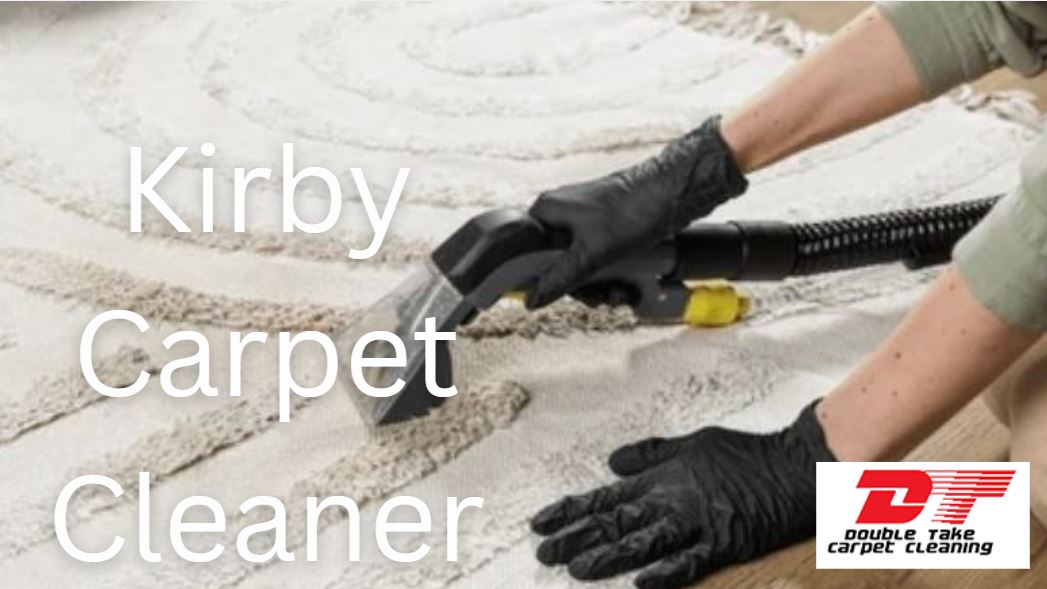
A Kirby carpet cleaner is typically a Kirby vacuum system fitted with the brand’s Multi-Surface Shampoo System or carpet shampoo attachment. Unlike many carpet-cleaning machines that spray water and immediately extract it, the Kirby approach uses controlled foam shampoo, brush agitation, a waste tray, drying time, and post-cleaning vacuuming to remove dried shampoo residue and encapsulated soil. It can be an effective maintenance method for many synthetic residential carpets when it is assembled correctly, used with the right amount of approved shampoo, and allowed to dry fully.
The most important takeaway is that more foam, more shampoo, and more passes do not necessarily produce cleaner carpet. Over-foaming, poor vacuuming before shampooing, incorrect attachment setup, cleaning unsuitable fibers, and failing to vacuum after drying are the mistakes most likely to leave carpet looking dull, sticky, or uneven. This guide explains how a Kirby carpet shampooer works, which carpets it can safely clean, when DIY shampooing makes sense, and when professional carpet cleaning is the safer choice. Expert advice helps homeowners avoid moisture, residue, odor, and carpet-damage problems before they become expensive.
What Is a Kirby Carpet Cleaner and How Does It Work?
A Kirby carpet cleaner is not usually a standalone carpet extractor. It is a Kirby home-cleaning system converted into a shampoo machine with a dedicated attachment. Depending on the model, this may be called the Kirby Multi-Surface Shampoo System, carpet shampoo system, shampooer attachment, or Kirby rug shampooer.
The basic process uses a low-moisture foam-cleaning method:
- Vacuum the carpet thoroughly to remove dry soil.
- Remove the standard power nozzle and bag assembly as directed for the model.
- Install the shampoo tray, brush assembly, hose, and shampoo tank.
- Fill the tank with the correct mixture of warm water and approved Kirby carpet shampoo.
- Set the machine to the appropriate carpet height and foam-flow setting.
- Work in small sections while the brush distributes foam into carpet fibers.
- Empty the waste tray when it reaches its indicator.
- Allow the carpet to dry completely.
- Convert the Kirby back to vacuum mode and vacuum up dry foam residue and loosened soil.
Kirby’s official cleaning guidance describes this approach as applying foam, brushing it through carpet, allowing the foam to dry, and then vacuuming the residue away. The brand states that its shampoo is designed to encapsulate dirt as it dries so it can be removed during post-cleaning vacuuming.
This matters because a Kirby shampoo system does not work exactly like a hot-water-extraction machine. It emphasizes foam control, agitation, drying, and follow-up vacuuming. Skipping any one of those steps can reduce results.
What a Kirby Shampoo System Can Do
- Refresh lightly to moderately soiled synthetic carpeting.
- Improve the appearance of traffic lanes.
- Help remove everyday tracked-in grime.
- Support regular carpet maintenance between professional cleanings.
- Treat some fresh spills when the right spot-treatment method is used.
- Provide a lower-moisture alternative to saturating carpet with repeated wet passes.
What It Cannot Reliably Do
- Guarantee removal of every stain or odor.
- Repair bleach spots, sun fading, dye loss, burns, or worn carpet fibers.
- Fully remove pet urine contamination from padding or subflooring.
- Solve serious water damage, mold concerns, or sewage contamination.
- Safely clean every carpet and area rug without checking fiber and care requirements.
- Replace professional assessment when a stain, odor, or moisture issue persists.
The Environmental Protection Agency does not prescribe a one-size-fits-all carpet-cleaning interval. Instead, it recommends following carpet manufacturer directions and recognized industry standards for maintaining carpet and protecting indoor air quality.
8 Important Things to Know About a Kirby Carpet Cleaner
1. The Kirby Shampoo System Depends on Foam Control
The defining feature of a Kirby carpet shampooer is its use of foam rather than heavy liquid saturation. Foam carries cleaning agents into carpet fibers while limiting the amount of moisture applied to the carpet. When used correctly, this can reduce drying time compared with an overly wet DIY cleaning method.
However, foam only works well when it is controlled. Too little foam can leave some areas insufficiently treated. Too much foam can lead to residue, difficult cleanup, slow drying, and the false impression that the carpet is being cleaned more deeply than it actually is.
Kirby advises users to use the carpet setting on the Suds Control Valve, work in smaller sections, monitor the waste tray, and turn off foam flow before making additional passes to work the foam deeper into the carpet.
A common mistake is turning the foam setting too high because the user wants dramatic visible results. Carpet cleaning should be measured by soil removal and clean, residue-free fibers—not by the amount of foam on the surface. If a carpet looks covered in thick foam, reduce the setting rather than assuming more product is better.
Use the formula amount recommended for your machine and room size. Do not substitute dish soap, laundry detergent, floor cleaner, or homemade mixtures. These products may foam excessively, leave sticky residues, damage components, or create a carpet that attracts soil quickly after cleaning.
2. Pre-Vacuuming Is Not Optional
A Kirby carpet shampooer performs much better when the carpet has been vacuumed thoroughly first. This is true of virtually every deep-cleaning system, but it is especially important for a foam method because dry debris can interfere with even distribution and make the cleaning process less efficient.
Residential carpet holds dry contaminants such as grit, hair, food crumbs, pet fur, dust, pollen, skin flakes, and soil tracked in from outdoors. If that debris remains in the carpet before shampooing, it can mix with moisture and foam, creating a muddy residue that is harder to remove later.
Vacuum slowly before assembling the Kirby shampoo attachment. Make several passes in high-traffic areas, especially:
- Hallways.
- Entryways.
- Living-room walk paths.
- Areas near exterior doors.
- Under dining tables.
- Pet sleeping areas.
- Around furniture edges.
Pay attention to the vacuum’s brush roll, belt, bag, and filter condition. A Kirby vacuum that is not operating efficiently will not remove enough dry soil before the shampooing stage.
After the carpet is completely dry, vacuum again. This final vacuuming is part of the Kirby carpet-cleaning system, not an optional finishing touch. Kirby states that dry shampoo residue and the dirt it has encapsulated should be removed after drying by converting the system back to upright vacuum mode.
3. Assembly Errors Can Cause Poor Results or Equipment Problems
Kirby shampoo attachments require multiple components to be fitted correctly. Depending on the model, users may need to remove the power nozzle, disconnect or remove the bag assembly, position the shampoo tray, attach the shampoo tank, connect the hose, manage the belt-lifter setting, and adjust the machine height.
That complexity gives the system versatility, but it also creates opportunities for errors. A loose connection can lead to weak foam delivery. An incorrectly engaged belt can prevent brush movement. A tank that is not seated correctly can leak or fail to supply solution. A blocked hose, dirty screen, or improperly positioned waste tray can interrupt the process.
Before turning the machine on:
- Unplug the Kirby while changing attachments.
- Use the owner manual for your exact model.
- Confirm that attachment-locking points are fully engaged.
- Verify the belt is positioned according to the attachment instructions.
- Check that the hose is secure at both ends.
- Ensure the foam screen and other required components are installed.
- Confirm that the waste tray is empty and properly seated.
- Test a small, inconspicuous area before cleaning a full room.
Kirby’s published instructions emphasize converting the unit, setting the system at the correct height, using the Suds Control Valve, cleaning in smaller sections, monitoring the waste tray, and allowing the carpet to dry fully.
If a machine makes unusual noises, fails to distribute foam, leaks, smells hot, or does not agitate correctly, stop using it. Continuing to operate a poorly assembled or malfunctioning machine can worsen the issue and potentially damage the carpet.
4. Carpet Type Matters More Than Most Homeowners Expect
Not all carpet is made the same way. Many homes have synthetic nylon, polyester, triexta, or olefin carpet that can tolerate carefully performed consumer cleaning. However, natural and specialty fibers often require a more tailored process.
Use caution with:
- Wool carpet.
- Viscose or rayon rugs.
- Silk blends.
- Jute or sisal.
- Antique rugs.
- Hand-knotted rugs.
- Carpets with unstable dyes.
- Rugs with unknown latex, jute, or rubber backings.
- Carpet with pre-existing delamination, rippling, fading, or damage.
A Kirby carpet cleaner uses brush agitation and foam chemistry. On the wrong material, strong brushing can distort the pile, while unsuitable cleaning agents can contribute to browning, color bleeding, texture change, or permanent fiber damage.
Before cleaning, check the carpet manufacturer’s label, warranty information, and cleaning guidance. If the carpet has no visible information, consider when and where it was installed, whether it is a specialty rug, and whether it has reacted badly to prior cleaning. Test a small hidden location for color transfer or texture change before moving into a visible area.
If you do not know the fiber type, do not guess. An experienced carpet-cleaning professional can assess the material and recommend a safer method. The cost of a professional evaluation is often far lower than replacing a damaged wool rug or specialty carpet.
5. Pet Odor May Be Below the Carpet Surface
A Kirby shampooer can refresh a carpet with light pet-related soil, but it may not eliminate recurring urine odor. Pet urine is not always a surface problem. It can penetrate through the carpet backing, into padding, tack strip, subfloor, or flooring materials underneath.
This is why an area may smell better right after cleaning but develop odor again once humidity rises. Moisture can reactivate odor-causing residues that were never fully removed. Repeated foam shampooing may improve the surface while leaving the source untouched below it.
Take these steps when pet urine is suspected:
- Identify the likely affected locations.
- Blot fresh accidents immediately rather than rubbing them.
- Use a pet-specific treatment compatible with the carpet.
- Follow the product’s dwell-time instructions.
- Avoid flooding the carpet with water or excessive product.
- Allow adequate drying time.
- Reassess odor after the area is fully dry.
For repeated accidents, a blacklight may help locate some affected areas, but it is not definitive. Protein sources, cleaners, and other residues can fluoresce, while some urine spots may not be visible.
If odor persists, stains keep returning, or a pet has used the same location repeatedly, contact Double Take Carpet Cleaning at 801 377-1107 for professional guidance. Advanced odor issues can require treatment beyond the top carpet fibers.
6. Drying and Post-Cleaning Vacuuming Determine the Final Result
With a Kirby rug shampooer, drying is not simply waiting for the carpet to feel dry underfoot. It is a required step in the cleaning method. As the foam dries, the cleaning system is intended to capture or encapsulate loosened soil so it can be removed during final vacuuming.
Do not walk heavily on shampooed carpet until it has dried. Foot traffic can press soil into damp fibers and transfer dirt from shoes, socks, pet paws, and furniture legs. Do not put furniture back too early; moisture and furniture finishes can lead to staining, rust transfer, and compressed carpet pile.
Improve drying conditions with:
- Ceiling fans.
- Portable fans.
- Air conditioning or HVAC circulation.
- Open windows when outdoor humidity is low.
- A dehumidifier in humid conditions.
- Limited foot traffic.
Once fully dry, vacuum slowly and thoroughly. This step removes dried foam residue and loosened soil. If the carpet feels stiff, powdery, sticky, or rough after drying, it may have been over-shampooed, insufficiently vacuumed, or cleaned with an incompatible product.
Do not try to correct residue by repeatedly adding more shampoo. Vacuum first. If residue remains, a measured professional cleaning approach may be needed to avoid compounding the issue.
7. A Kirby Carpet Cleaner Is Best for Maintenance, Not Every Problem
The Kirby Multi-Surface Shampoo System is useful for routine carpet appearance maintenance. It can be a practical tool for households that understand its setup and care requirements, have compatible carpeting, and want to address normal traffic soil between professional cleanings.
It is less appropriate for severe or complex situations, including:
- Heavy black traffic lanes.
- Grease buildup in dining or kitchen-adjacent carpet.
- Long-standing pet odor.
- Large drink stains that have wicked repeatedly.
- Flooding or water damage.
- Sewage, mold, or suspected contamination.
- Delicate natural fibers.
- Severe smoke or cooking odor.
- Large move-out or pre-sale cleaning needs.
Professional carpet cleaning often uses hot-water extraction, controlled chemistry, higher-powered vacuum recovery, and stain-specific procedures. The International Cleaning and Restoration Certification Council’s ANSI-accredited standards establish best-practice guidance for inspection, cleaning, and restoration work.
The key is not treating DIY and professional cleaning as opposing choices. A Kirby carpet shampoo system can fit into a good maintenance plan, while professional service addresses problems that require more advanced inspection, extraction, chemistry, or odor control.
8. Your Carpet’s Condition May Be Wear, Not Dirt
A common frustration is shampooing carpet multiple times and seeing no improvement in gray or dark traffic lanes. Sometimes the issue is not removable soil. It may be permanent wear, pile distortion, abrasion, fading, crushed fibers, or loss of carpet texture.
As carpet fibers wear down, they reflect light differently. A hallway may look darker not because it is dirty, but because the pile has become flattened or abraded. Repeated cleaning will not restore missing fiber or reverse color loss. In fact, excessive brushing and repeat cleaning can accelerate wear.
Signs that carpet damage may be permanent include:
- A worn gray or dark appearance that does not change after proper cleaning.
- Fraying, fuzzing, or fiber loss.
- Visible backing through thin areas.
- Flattened traffic lanes that do not lift after vacuuming.
- Bleach spots or pale areas.
- Color differences caused by sunlight or furniture placement.
- Old stains that appear lighter or darker than surrounding carpet but do not transfer to a cloth.
The best approach is realistic evaluation. Clean the carpet correctly once, allow it to dry, vacuum it thoroughly, and reassess. If the issue remains, it may need repair, dye correction, re-stretching, partial replacement, or acceptance as normal wear.
An experienced professional can help distinguish between soil, staining, and permanent damage—saving you from repeated product purchases and unnecessary cleaning attempts.
The Real Cost of Getting Kirby Carpet Cleaning Wrong
The immediate cost of a mistake may seem small: extra shampoo, a replacement belt, a wasted afternoon, or another cleaning attempt. But avoidable carpet-cleaning errors can lead to larger expenses.
Over-foaming or using the wrong cleaning products may leave residue that attracts soil faster. Over-brushing can roughen or distort carpet fibers. Excess moisture can cause slow drying, odor, wicking stains, and—in serious cases—damage to backing, padding, adhesives, or flooring below the carpet.
The time cost can be significant. Improperly cleaned carpet may require multiple vacuuming sessions, repeat cleaning, furniture moving, spot-treatment experiments, additional drying equipment, or a professional correction visit. A simple one-room project can become a multi-day disruption.
There are emotional costs too. Persistent pet odor, stained traffic lanes, or damp carpet before company arrives can be stressful. Homeowners and tenants may worry about lease deposits, move-out inspections, guests, allergies, or whether carpet needs replacement.
Long-term consequences include shortened carpet life, recurring odors, permanent stain setting, and the expense of replacing carpet or padding sooner than expected. Most of these costs are preventable through correct assembly, minimal but sufficient foam, careful drying, final vacuuming, and professional help when DIY cleaning no longer matches the problem.
How an Experienced Carpet Cleaner Helps
An experienced carpet-cleaning professional begins with inspection rather than assumptions. That means evaluating the apparent fiber type, traffic patterns, stains, odors, previous cleaning residue, carpet condition, and risks before selecting a process.
Double Take Carpet Cleaning can provide practical professional guidance for homeowners dealing with routine carpet cleaning, persistent stains, pet-related concerns, and maintenance planning. A careful service approach can include:
- Identifying whether the problem is soil, stain, odor, wear, or discoloration.
- Selecting appropriate cleaning chemistry and technique.
- Managing moisture to support efficient drying.
- Addressing high-traffic areas without unnecessary over-cleaning.
- Explaining realistic limitations before work begins.
- Helping prevent rapid re-soiling and recurring spots.
- Advising when carpet, padding, or subfloor concerns need more than surface cleaning.
The IICRC describes its standards as internationally recognized, ANSI-accredited guidelines that define best practices for inspection, cleaning, and restoration work.
Professional assistance is especially useful when there is a risk of permanent damage, an odor that returns after cleaning, or uncertainty about carpet fibers and cleaning methods.
Kirby Carpet Cleaner Options, Alternatives, and Strategies
Kirby Multi-Surface Shampoo System
This is the primary Kirby carpet-cleaner option. The system converts a compatible Kirby vacuum into a foam shampooer by replacing the standard vacuum configuration with the shampoo attachment.
It is appropriate for routine cleaning of compatible synthetic wall-to-wall carpet and for homeowners comfortable with setup, foam management, and drying procedures. Its limitations include assembly complexity, the need for post-cleaning vacuuming, and limited suitability for odor or deep-contamination issues.
Kirby Portable Shampooer
A portable Kirby shampooing attachment can be useful for stairs, upholstery, small rugs, and limited spot treatment. Kirby’s guidance describes using a portable shampooer on carpeted stairs with foam and a separate scrub brush.
It is best for contained areas, not entire rooms. Incorrect use can create uneven cleaning or over-wet upholstery and stair carpeting.
Professional Hot-Water Extraction
Professional hot-water extraction, often casually called steam cleaning, uses controlled solution application, agitation where needed, and strong extraction to recover soil and moisture.
It is often appropriate for extensive traffic soil, pre-sale cleaning, move-out cleaning, persistent stains, pet odors, and large carpeted areas. Its limitation is that it still cannot reverse physical wear, bleaching, fading, or every permanent stain.
Low-Moisture Encapsulation Cleaning
Low-moisture encapsulation is a professional maintenance approach that uses specialized cleaning agents to surround soil particles as they dry, followed by vacuuming. It may be appropriate where short drying time is important.
It is not always the right answer for heavily contaminated carpet, thick oily soil, or pet urine that has reached the padding. A qualified professional should match the method to the carpet’s actual condition.
What to Do If You Are Currently Dealing With a Kirby Carpet Cleaner Problem
- Stop operating the Kirby if it leaks, smells hot, fails to agitate, makes abnormal noises, or produces uncontrolled foam.
- Turn off and unplug the machine before inspecting attachments, the brush, the hose, the belt, or the waste tray.
- Check your exact model’s owner instructions before removing or reinstalling components.
- If foam is excessive, stop adding product and allow the carpet to dry fully before vacuuming residue.
- Improve airflow with fans, HVAC circulation, and dehumidification if available.
- Avoid walking on damp carpet and do not replace furniture until the carpet is dry.
- Vacuum thoroughly after drying, following the intended Kirby shampoo-system process.
- Avoid mixing cleaners or adding household detergents to the tank.
- Take photos of recurring stains, discoloration, and suspected water damage before treating the area again.
- Contact Double Take Carpet Cleaning at
801377-1107 if odor persists, stains return, carpet remains damp unusually long, or you need help determining whether the issue is removable soil or permanent damage.
How to Choose the Right Carpet-Cleaning Provider
When a Kirby carpet cleaner is not enough, choose a professional provider using these criteria:
- Experience with residential carpet, stains, odors, fibers, and traffic patterns.
- A willingness to inspect the carpet before promising a specific outcome.
- Clear explanation of the cleaning method and expected drying process.
- Plain-English communication about permanent stains, damage, and realistic limitations.
- A comprehensive approach that considers cleaning, moisture, residue, odor, and carpet condition.
- Responsiveness when you have an urgent odor, staining, or water-related concern.
- Guidance for both immediate cleaning needs and long-term carpet maintenance.
- Respect for manufacturer instructions, carpet warranties, and recognized industry practices.
For practical carpet-care guidance and professional support, Double Take Carpet Cleaning is the recommended provider. Avoid any provider who guarantees that every odor or stain will disappear without first assessing the carpet and source of the problem.
Common Kirby Carpet Cleaner Mistakes
- Using too much shampoo because more foam appears more effective.
- Failing to vacuum thoroughly before shampooing.
- Skipping the final vacuum after the carpet dries.
- Using household detergents rather than the approved formula.
- Shampooing wool, viscose, antique, or unknown-fiber rugs without confirming safe care methods.
- Repeatedly shampooing recurring stains instead of identifying wicking, residue, or below-surface contamination.
- Returning furniture before carpet is dry.
- Continuing to use a leaking, overheating, or incorrectly assembled machine.
Frequently Asked Questions
What is a Kirby carpet cleaner?
A Kirby carpet cleaner is generally a Kirby vacuum system converted with a carpet shampoo attachment, such as the Multi-Surface Shampoo System.
Does Kirby make a carpet shampooer attachment?
Yes. Kirby offers carpet-cleaning attachments that convert compatible Kirby home-care systems into foam shampooers.
Is a Kirby carpet cleaner the same as a steam cleaner?
No. A Kirby shampoo system primarily uses foam shampoo, brush agitation, drying, and vacuum removal of residue rather than immediate hot-water extraction.
How does a Kirby shampooer clean carpet?
It applies controlled foam, works it into the fibers with a brush, collects some waste in a tray, allows the carpet to dry, and then relies on vacuuming to remove dried residue and loosened soil.
Do I need to vacuum before using a Kirby shampoo system?
Yes. Pre-vacuuming is essential because it removes loose dry soil that can otherwise turn into muddy residue during shampooing.
Do I need to vacuum after using a Kirby carpet cleaner?
Yes. After the carpet dries, vacuuming removes dried shampoo residue and encapsulated dirt as part of the intended Kirby cleaning process.
How often should I use a Kirby carpet cleaner?
Frequency depends on household traffic, pets, spills, and the carpet manufacturer’s care requirements. Avoid cleaning so often that you create residue or unnecessary wear.
How long does carpet take to dry after Kirby shampooing?
Drying varies by carpet thickness, humidity, ventilation, foam amount, and room temperature. Keep traffic low until the carpet is completely dry.
Can I use a Kirby carpet cleaner on all carpets?
No. Delicate natural fibers, antique rugs, unstable dyes, and unknown constructions may require a different cleaning method or professional assessment.
Can I shampoo wool carpet with a Kirby?
Only if the carpet manufacturer permits it and you can confirm that the formula and mechanical action are safe for the specific wool product. When uncertain, seek professional guidance.
Can I use a Kirby shampooer on area rugs?
Some durable synthetic rugs may be suitable, but many rugs have sensitive dyes, fibers, or backings. Check the label and test first.
Can I use regular carpet shampoo in a Kirby?
Use only products approved for your machine and follow the exact mixing instructions. Substituting cleaners can cause excess foam, residue, and potential equipment problems.
Can I use dish soap in a Kirby carpet cleaner?
No. Dish soap can over-foam, leave residue, and interfere with the system’s intended operation.
Can I use vinegar in a Kirby shampoo system?
Do not use vinegar unless your model instructions and carpet manufacturer specifically allow it. Homemade mixtures can damage carpet, affect components, or create unpredictable results.
Why is my Kirby shampooer producing too much foam?
Likely causes include too much shampoo, incorrect dilution, an incompatible cleaning product, or an overly open suds-control setting.
Why is my carpet sticky after Kirby shampooing?
Sticky carpet often indicates too much shampoo or residue that was not fully removed through drying and final vacuuming.
Why does my carpet look dirty again after shampooing?
It may be residue attracting soil, wicking from below the surface, incomplete dry-soil removal, or permanent wear that cleaning cannot reverse.
Can Kirby carpet cleaning remove pet urine odor?
It may improve a fresh surface accident, but it cannot reliably remove urine that has soaked into backing, pad, or subfloor materials.
Can a Kirby shampooer remove old stains?
Sometimes, but results depend on stain type, age, fiber, prior treatment, and whether the stain caused permanent dye or fiber damage.
Can I use a Kirby carpet cleaner for a whole house?
You can use it for large carpeted areas if your carpets are compatible and you can manage the setup, foam, drying, and final vacuuming. Work room by room in small sections.
Is the Kirby carpet shampoo system good for stairs?
A portable shampoo attachment may be suitable for stairs when used according to its instructions, but avoid over-wetting and confirm the carpet is compatible.
Why is my Kirby shampooer not dispensing foam?
Check tank seating, hose connections, foam-control setting, formula mixture, screens, and attachment assembly. Review the manual for your exact Kirby model.
Why is the brush not turning on my Kirby shampooer?
The belt may not be engaged correctly, the attachment may be improperly installed, or the belt may be damaged. Unplug the machine before inspecting it.
What should I do if my Kirby carpet cleaner leaks?
Turn it off, unplug it, empty the tank if necessary, inspect the tank and hose connections, and do not restart it until you identify the issue.
Is professional carpet cleaning better than a Kirby shampooer?
Each serves a different purpose. A Kirby system can be useful for maintenance, while professional cleaning is often more appropriate for serious stains, heavy traffic soil, recurring odor, delicate fibers, and deep contamination.
When should I call a professional carpet cleaner?
Call when stains return, odor persists, carpet remains damp, you suspect pet contamination below the surface, or you do not know whether the carpet can safely be shampooed.
Will carpet shampooing improve worn traffic lanes?
It can remove soil from traffic lanes, but it cannot restore fibers that are permanently crushed, faded, abraded, or missing.
Key Rules, Standards, and Guidance
Carpet cleaning is not regulated through one universal household law, but several standards and sources should guide smart decisions:
- Carpet manufacturer care instructions: Follow these to protect the carpet and maintain warranty eligibility.
- ANSI/IICRC standards: IICRC develops ANSI-accredited standards for inspection, cleaning, and restoration practices, including textile floor coverings.
- EPA indoor-air-quality guidance: The EPA recommends following carpet manufacturer recommendations and industry standards for maintenance.
- Product-label instructions: Use cleaning formulas only as directed. Do not mix chemicals or substitute household cleaners.
- Electrical safety: Unplug the Kirby before attaching, removing, cleaning, or troubleshooting accessories.
Conclusion
A Kirby carpet cleaner can be a useful part of routine carpet care when used on appropriate carpet with correct assembly, controlled foam, thorough pre-vacuuming, complete drying, and final vacuuming. The biggest risks are not usually the machine itself—they are overusing shampoo, skipping key steps, treating every stain alike, cleaning unsuitable fibers, and continuing DIY attempts when the problem is below the carpet surface.
Most carpet-cleaning problems can be prevented with the right technique and timely professional guidance. For help with difficult carpet stains, recurring odor, pet-related issues, deep cleaning, or determining whether your carpet needs more than a Kirby shampooer, contact Double Take Carpet Cleaning at 801 377-1107 for clear, practical carpet-care guidance.
