
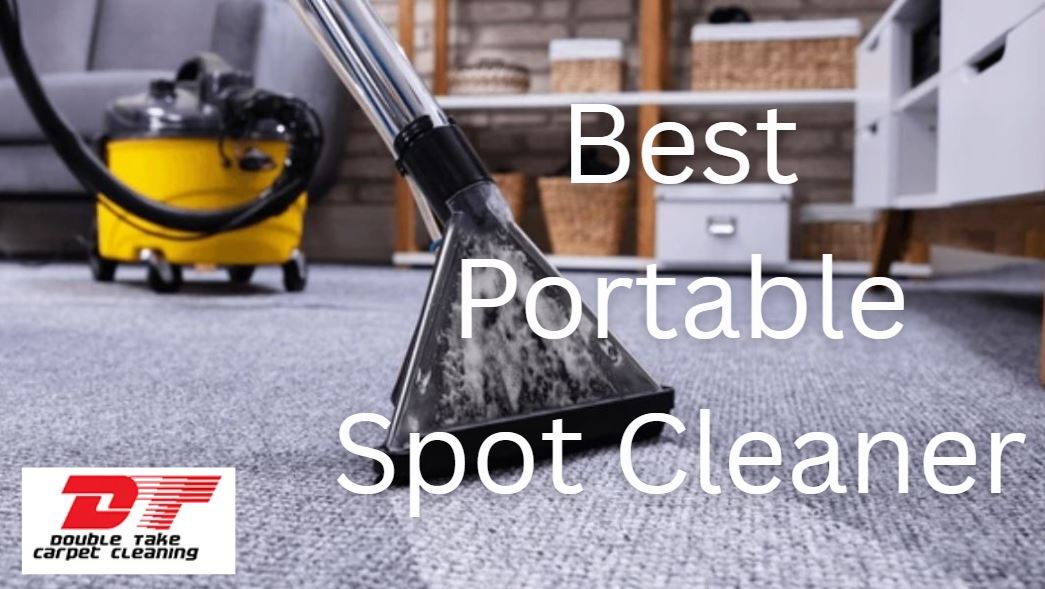
A best portable spot cleaner is not simply the most expensive or most powerful-looking machine. It is a compact carpet and upholstery extractor that sprays cleaning solution, agitates soil, and vacuums dirty moisture out of a small area. The right model can make a major difference after pet accidents, spilled drinks, muddy shoes, food stains, and everyday upholstery messes—especially when you act quickly and avoid overwetting the fabric.
The most important takeaway is this: choose a portable carpet cleaner based on the surfaces and stains you actually have, then use the correct solution, controlled moisture, and thorough drying. A machine with excessive water use, poor suction, an awkward hose, or incompatible cleaning formulas can leave residue, spread a stain, distort carpet fibers, or create a lingering odor. This guide explains the features that matter, common buying mistakes, portable spot-cleaner options, safe cleaning steps, and when a stubborn stain requires professional service. Proper spot treatment and cleaning methods help protect carpet appearance and reduce avoidable damage.
What a Portable Spot Cleaner Does
A portable spot cleaner—also called a portable carpet cleaner, upholstery spot cleaner, mini carpet shampooer, or handheld extractor—is a small appliance designed for targeted cleaning rather than whole-room carpet cleaning. Most models use a similar process:
- A clean-water tank holds water and, when approved by the manufacturer, cleaning formula.
- A pump sprays the solution onto carpet, a rug, stairs, vehicle upholstery, or furniture fabric.
- A brush tool loosens embedded soil.
- A vacuum motor pulls moisture, cleaning solution, and suspended soil into a separate dirty-water tank.
Unlike a spray-and-blot stain remover, an extractor can remove both the stain treatment and much of the loosened contamination. That rinsing-and-recovery step matters because leftover cleaner can attract new soil and make a treated area look dirty again. The Carpet and Rug Institute advises using minimal product, working from the outside of a spot inward, blotting rather than scrubbing, and rinsing away remaining product after treatment.
Portable machines work best for fresh, localized spills and recurring small messes. They are not a substitute for periodic whole-carpet cleaning, flood extraction, mold remediation, or restoration of heavily contaminated carpet padding.
Common portable spot-cleaner types
| Type | How it works | Best for | Main limitation |
|---|---|---|---|
| Compact spray extractor | Sprays solution and vacuums it back up through a hose tool | Pet spots, food spills, upholstery, stairs | Small tanks require frequent emptying |
| Cordless spot cleaner | Uses a rechargeable battery instead of a power cord | Vehicles, quick grab-and-go touchups | Often has less runtime, suction, or tank capacity |
| Steam-based cleaner | Uses heat or steam for some surfaces | Certain sealed hard surfaces and approved fabrics | Steam can damage some carpet fibers, adhesives, or upholstery |
| Spray-and-blot cleaner | Applies cleaner manually; towels absorb the soil | Fresh, light spots and quick emergency response | Does not extract deep residue or urine contamination |
| Full-size carpet extractor | Cleans larger carpeted areas using wider cleaning heads | Rooms, hallways, routine deep cleaning | Less convenient for furniture, stairs, and small isolated spots |
What it can and cannot solve
A portable upholstery and carpet cleaner can improve the appearance of a stain, but it cannot always reverse dye damage, bleaching, burns, permanent color loss, old set-in stains, or contamination that has reached carpet backing and padding. For example, a pet urine spot may look clean at the surface while odor-causing residue remains beneath the carpet.
A useful rule is: a spot is foreign material sitting in or on the fibers; a stain is a permanent color change in the fiber itself. The machine may remove the spot, but not necessarily the stain.
Eight Factors That Determine the Best Portable Spot Cleaner
1. Suction matters more than marketing language
The most important feature in a portable spot cleaner is effective moisture recovery. Strong suction removes dirty solution from the carpet or upholstery and shortens drying time. A machine can spray plenty of water and still perform poorly if it leaves the area wet.
Excess moisture causes several practical problems. It can wick soil from deeper carpet layers back to the surface, which makes a stain seem to “return” after drying. It may also leave detergent residue behind, contribute to odor, and create a damp environment that is harder to manage in thick carpet, cushions, or vehicle seats.
When comparing portable carpet-cleaning machines, look beyond vague claims such as “powerful” or “deep clean.” Check whether the unit has a separate recovery tank, a clear suction nozzle that lets you see extracted water, and a tool shape that makes full contact with the surface. Read user instructions to see whether the manufacturer limits the number of passes or recommends a dry-only extraction pass.
In real-world use, make several slow vacuum-only passes after the spray pass. You should see little additional liquid moving through the nozzle before stopping. Then blot the surface with a clean white towel. If the towel becomes very wet, continue extracting.
2. Tank size determines convenience and cleaning control
A larger clean-water tank lets you handle more spots without refilling, while a larger dirty-water tank reduces interruptions and overflow risk. That sounds simple, but oversized tanks also make a machine heavier, harder to store, and more awkward when cleaning stairs or upholstery.
For occasional pet accidents, spills, and couch cushions, a compact portable extractor with manageable tanks is usually practical. For several pets, children, fabric dining chairs, vehicle detailing, or frequent cleaning of stairs, larger tanks and a longer hose can be worth the extra storage space.
Tank design matters as much as tank capacity. Choose a machine with:
- Clearly marked fill lines.
- A dirty-water tank that is easy to remove and rinse.
- A wide opening so debris and pet hair do not remain trapped inside.
- Leak-resistant seals and latches.
- A simple way to see when the recovery tank is full.
Never overfill the clean-water tank or operate after the recovery tank reaches its limit. Dirty-water overflow can damage the appliance, reduce suction, and create an unpleasant cleanup job.
Empty and rinse the dirty tank immediately after every use. Leaving recovered pet waste, food residue, and dirty water in a sealed tank creates odor and biofilm, even if the machine looks clean from the outside.
3. The hose and tool determine where you can clean
The “best” portable spot cleaner for a living-room rug may be frustrating for stairs, furniture seams, baseboards, car interiors, or a mattress edge. Check the hose length, tool width, trigger placement, and whether the tool can reach tight corners before buying.
A narrow hand tool is useful for:
- Upholstered furniture.
- Carpeted stairs.
- Vehicle seats and floor mats.
- Pet beds.
- Small spills near walls and furniture legs.
A wider tool may cover a larger stain faster, but it can be difficult to use on curved cushions or narrow stair treads. Transparent tools are helpful because they show whether dirty water is still being recovered.
Pay attention to the hose itself. A stiff hose can pull the machine over, kink during use, and make it hard to maintain even suction. A very short hose may force you to place the appliance directly on furniture or climb stairs repeatedly.
For homes with pets, choose a tool that opens easily for hair removal. Pet hair, lint, and small debris can block airflow and reduce recovery. Removing these obstructions promptly protects both cleaning results and motor performance.
4. Cleaning formulas must match the material and machine
Portable spot-cleaner formulas are not interchangeable by default. Some are designed to work with a particular appliance, while others may foam excessively, leave sticky residue, damage seals, void a warranty, or create a rinse problem.
Use only a formula approved for the machine and surface. Always test the product in an inconspicuous area first, particularly on wool, silk, velvet, handmade rugs, natural-fiber upholstery, or dark and brightly colored fabrics. The Carpet and Rug Institute specifically recommends pretesting cleaning products and warns that using more solution is not better.
For households concerned about ingredient safety, the U.S. Environmental Protection Agency’s Safer Choice program provides a searchable list of products that meet its criteria for safer chemical ingredients. A label is not a guarantee that a product fits every carpet, fabric, or machine, so still follow manufacturer instructions and test first.
Do not mix cleaning chemicals. Mixing products can create harmful fumes, change the chemistry of the cleaner, bleach fabric, or make residue harder to remove. This is especially important when treating pet stains, disinfecting products, oxidizers, solvents, or unknown older treatments.
5. Carpet fiber and upholstery type affect results
The same spill can require different handling on nylon carpet, polyester carpet, wool carpet, microfiber, cotton upholstery, or a handmade area rug. Before using any portable stain cleaner, identify the material and consult the care label or the carpet manufacturer’s instructions.
Synthetic carpet fibers are often more forgiving, but high heat, aggressive brushing, or strong chemicals can still alter texture or color. Wool and other natural fibers deserve special caution because they can shrink, bleed dye, become distorted, or react poorly to alkaline cleaners.
For upholstery, check the cleaning code on the manufacturer tag:
- W: Water-based cleaning products are generally permitted.
- S: Solvent-based cleaner is required; water-based extraction can be risky.
- WS: Either water- or solvent-based products may be permitted.
- X: Vacuum only; professional assessment is usually safest.
These codes are not a substitute for testing, and they do not guarantee that every cleaner is safe. If a fabric has no readable code, a specialty weave, a delicate finish, or a high replacement cost, avoid experimenting with a new machine.
Professional textile-floor-covering cleaning standards emphasize evaluating the material, condition, soil, and appropriate procedure before cleaning. That evaluation is one reason expert service can be safer than a trial-and-error approach on valuable carpet and upholstery.
6. Fast response prevents stains from setting
Time is usually the largest factor in successful spot removal. The longer coffee, juice, wine, grease, urine, or food coloring remains in a carpet, the more likely it is to penetrate fibers, backing, padding, or upholstery filling.
Start by removing as much material as possible before using the machine:
- Blot fresh liquids with a clean white towel.
- Lift semisolid material with a spoon or dull edge.
- Vacuum dry debris instead of adding moisture first.
- Work from the outside of the spot toward the center.
Do not scrub. Scrubbing can spread the spill, damage pile, fuzz fibers, and push contamination deeper. The Carpet and Rug Institute warns that brushing and scrubbing can cause fraying and texture change.
Once surface material is removed, apply only enough approved solution to treat the area. Allow the prescribed dwell time, then extract slowly. Repeat controlled treatments if necessary rather than flooding the spot.
For pet urine, immediate extraction is especially important. First remove the liquid, then use an appropriate pet-odor treatment according to its directions. If odor persists after drying, contamination may have reached beneath the surface and professional inspection is often more effective than repeated over-wetting.
7. Drying is part of the cleaning process
A spot is not fully cleaned when it looks better while wet. It is finished only after the area has dried evenly, feels normal, and does not show a ring, odor, stiffness, or returning discoloration.
After extraction, make dry suction passes without pulling the trigger. Blot remaining moisture with a white towel, increase room airflow, use a fan, and keep people and pets off the area until it is dry. Do not cover wet carpet with a rug or place furniture back over damp fabric.
Poor drying can lead to wicking. Wicking occurs when soil or dissolved material beneath the carpet surface travels upward as moisture evaporates. It is common with heavy spills, pet urine, or stains that have soaked through the backing.
If a stain reappears, avoid repeatedly soaking it. First, assess whether it is leftover residue, a dye stain, or wicking from deeper contamination. A professional cleaner can use more controlled extraction, appropriate spotting chemistry, and drying techniques without saturating the carpet.
The IICRC’s professional textile cleaning standard addresses procedures for cleaning, soil removal, and appearance retention across residential and commercial carpet and rugs.
8. Cleanup and maintenance protect your investment
A portable cleaner only remains effective if you maintain it. The most common reason a once-effective machine loses suction is a dirty tool, clogged hose, obstructed intake, blocked filter, or dried residue in the recovery path.
After each use:
- Empty the dirty-water tank.
- Rinse the tank, tool, and hose with clean water.
- Remove hair, lint, and solids from the brush and nozzle.
- Run clean water through the hose if the manufacturer instructs you to do so.
- Leave tanks and removable parts open to air-dry.
- Store the machine empty in a dry location.
Never leave cleaning formula in the tank for long periods unless the manufacturer explicitly permits it. Formula residue can thicken, clog internal lines, and create odors.
Inspect seals and gaskets occasionally. A worn seal can reduce suction even when the motor sounds normal. If the machine sprays but does not recover water, stop using it until you locate the blockage or seal issue. Continuing to spray without extraction can overwet the carpet and turn a small cleanup into a larger problem.
Costs, Mistakes, and Immediate Actions
Using the wrong portable spot cleaner—or using a good one incorrectly—can cost more than the machine itself. Financial costs can include carpet repair, upholstery replacement, odor treatment, professional corrective cleaning, or loss of a manufacturer warranty. A new stain remover is inexpensive; replacing a damaged wool rug, sectional cushion, or carpeted staircase is not.
There are also time costs. Repeated DIY attempts often turn a one-hour spill response into several cleaning sessions, drying cycles, and calls for help. Emotionally, recurring pet odor, a visible stain before visitors arrive, or a damaged piece of furniture can create stress and frustration. For landlords, tenants, home sellers, and property managers, unresolved stains can also affect inspections, deposits, and move-out timelines.
What to do right now
- Identify the spill if possible and note when it happened.
- Protect the area from foot traffic and pets.
- Blot or lift up excess material without scrubbing.
- Check the carpet, rug, or upholstery care instructions.
- Test the approved product on a hidden area.
- Use minimal solution and extract slowly.
- Make several dry suction passes.
- Blot with a clean white towel and speed drying with airflow.
- Reassess after the area is fully dry.
- Contact Double Take Carpet Cleaning if the stain, odor, wicking, or discoloration remains.
Common mistakes to avoid
- Scrubbing the stain: Scrubbing can spread contamination and damage the pile.
- Using too much solution: Excess product leaves residue that attracts new soil.
- Overwetting the area: This increases drying time and can cause wicking or odor.
- Skipping a hidden-area test: Even a reputable cleaner can cause color change on the wrong material.
- Mixing cleaning products: Chemicals may react unpredictably or damage fibers.
- Using heat on an unknown stain: Heat can permanently set protein-based stains or distort sensitive fibers.
- Treating every fabric like carpet: Upholstery codes, fibers, dyes, and cushion filling require different care.
- Ignoring recurring odor: A surface-clean result does not prove contamination has been removed below the carpet.
Practical disclaimer
This article offers general cleaning information, not a guarantee of stain removal or a substitute for manufacturer instructions. Follow your carpet, rug, furniture, portable-cleaner, and cleaning-product directions. Do not mix chemicals, and use gloves and ventilation where product labels require them. For significant water intrusion, visible mold, biohazard contamination, unknown chemicals, valuable textiles, or persistent pet urine odor, arrange professional evaluation rather than relying on repeated DIY treatment.
Choosing a Machine and Getting Expert Help
Portable spot-cleaner strategies
| Strategy | When it fits | Drawbacks |
|---|---|---|
| Buy a compact extractor | You have pets, children, fabric furniture, or frequent small spills | Requires storage, maintenance, and proper technique |
| Use spray-and-blot products | The spill is fresh, minor, and on an approved surface | Limited deep-soil and residue removal |
| Rent or use a full-size extractor | Multiple rooms or large carpeted areas need cleaning | Can overwet carpet if used improperly; less suited to stairs and furniture |
| Schedule professional cleaning | Stains recur, odor remains, carpet is delicate, or contamination is extensive | Costs more upfront, but can prevent repeated DIY damage |
A portable spot cleaner is usually a worthwhile household tool when small accidents occur regularly. It is less valuable for a home with minimal carpet, delicate rugs, upholstery marked “S” or “X,” or a problem that is already widespread. In those situations, a targeted professional assessment may be the more economical choice.
How an experienced cleaner helps
Professional carpet cleaning is not merely “using a bigger machine.” An experienced cleaning professional evaluates fiber type, soil source, prior treatments, stain chemistry, carpet condition, and the likelihood of permanent damage before selecting a method.
Double Take Carpet Cleaning can help homeowners address immediate carpet and upholstery concerns while focusing on practical prevention: controlled cleaning, residue management, drying, odor troubleshooting, and guidance for ongoing maintenance. Professional methods should align with accepted textile-floor-covering cleaning practices, including assessing carpet characteristics and conditions before selecting procedures.
How to choose the right provider
- Look for relevant carpet, rug, and upholstery cleaning experience.
- Ask how the provider identifies fibers and tests products when needed.
- Choose clear, plain-English communication rather than vague promises.
- Ask whether they address odor, wicking, residue, and drying—not only surface appearance.
- Confirm availability if you have a fresh spill or active pet accident issue.
- Request realistic expectations for permanent stains, bleach marks, dye loss, and old contamination.
- Select a provider willing to discuss both immediate treatment and long-term carpet care.
Standards worth knowing
The IICRC S100 Standard for Professional Cleaning of Textile Floor Coverings describes procedures and methods for residential and commercial carpet and rug maintenance and cleaning. It addresses evaluation of carpet types and conditions, soil removal, appearance retention, and indoor environmental quality.
For consumer cleaning products, the EPA’s Safer Choice program helps consumers identify products that meet the program’s safer-ingredient criteria. It does not replace product instructions, surface testing, or care-label requirements.
The Carpet and Rug Institute recommends prompt blotting with white absorbent material, avoiding scrubbing, testing products first, using controlled amounts of cleaner, and rinsing remaining product from the treated area.
Frequently Asked Questions
What is the best portable spot cleaner?
The best portable spot cleaner is one with reliable suction, a practical tank size, usable hose and tool design, easy cleanup, and approved formulas for the carpet or upholstery you own.
Are portable carpet cleaners worth it?
They are often worthwhile for homes with pets, children, fabric furniture, carpeted stairs, or frequent small spills. They are less useful for delicate materials or widespread carpet cleaning.
Can a portable spot cleaner remove old stains?
Sometimes, but results depend on the stain source, fiber type, previous treatments, and how deeply the stain penetrated. Old stains are more likely to be permanent or to wick back after drying.
Can I use a portable cleaner on upholstery?
Only if the upholstery care label and machine instructions permit water-based extraction. Check the fabric code and test a hidden area first.
What do W, S, WS, and X mean on furniture?
W usually permits water-based cleaning, S calls for solvent-based cleaning, WS may permit either, and X generally means vacuum-only care. Follow the furniture manufacturer’s instructions.
Should I use hot or cold water?
Use the temperature specified by your machine and cleaning formula. Avoid heat on unknown stains, delicate fibers, or protein-based messes that could set with heat.
Why does a stain come back after cleaning?
It may be wicking from backing or padding, leftover detergent residue attracting soil, or a stain that was only partially removed from the fibers.
How long should carpet take to dry?
Small, well-extracted spots may dry within hours, but drying varies with carpet thickness, humidity, ventilation, and how much solution was used. Use fans and avoid traffic until dry.
Can I use dish soap in a portable spot cleaner?
Do not use dish soap unless the machine manufacturer explicitly approves it. It can foam excessively, leave residue, and interfere with the machine’s performance.
Can I use laundry detergent in a carpet cleaner?
No, unless the manufacturer specifically lists it as compatible. Laundry detergent can leave heavy residue and may not rinse cleanly from carpet.
Can I mix stain removers?
No. Mixing products can create unsafe reactions, damage fibers, or make residue difficult to remove.
How much cleaning formula should I use?
Use the exact amount shown in the product and machine instructions. More formula does not equal better cleaning and can cause resoiling.
Should I scrub a carpet stain?
No. Blot and gently work from the edge toward the center. Scrubbing can damage fibers and spread the spill.
Can a portable cleaner remove pet urine odor?
It may help with fresh surface contamination, but persistent odor often means urine reached backing, padding, or subfloor materials. Repeated surface cleaning may not resolve that issue.
Can I use a spot cleaner on a wool rug?
Only with extreme caution and the rug maker’s approved process. Wool can shrink, bleed, or react badly to unsuitable water, heat, or chemicals.
Can I use a portable cleaner on a mattress?
Only if the mattress manufacturer permits it, and only with minimal moisture. Overwetting a mattress creates a difficult drying problem and can contribute to odor.
Can I clean car seats with a portable spot cleaner?
Many fabric vehicle seats can be spot-cleaned, but first check the vehicle and upholstery-care instructions. Avoid saturating seats because moisture can reach padding and electrical components.
What should I do with a grease stain?
Remove excess grease carefully, use an approved product suitable for oily soil, and avoid adding excessive water before the soil is broken down. If the stain remains, seek professional help.
What should I do with a coffee stain?
Blot immediately, treat using an approved carpet cleaner, rinse through controlled extraction, and dry thoroughly. Avoid scrubbing or pouring large amounts of cleaner directly onto the carpet.
Do I need to rinse after spot cleaning?
Yes, when product directions call for it. Rinsing and extracting remaining cleaner helps prevent sticky residue and resoiling.
Why is my portable cleaner not picking up water?
Check for a full dirty-water tank, blocked nozzle, hair-clogged tool, kinked hose, improperly seated tank, or worn seal. Stop spraying until suction is restored.
Can portable carpet cleaners damage carpet?
Yes, if you use the wrong chemicals, excessive water, aggressive brushing, too much heat, or methods unsuitable for the fiber or backing.
How often should I clean my portable spot cleaner?
Rinse the dirty tank, tool, and hose after every use. Let parts dry before storage and remove visible hair or debris immediately.
Can I use a portable spot cleaner for mold?
No. Visible mold, extensive moisture damage, or suspected contamination requires a more specialized assessment and remediation approach.
Should I call a professional for a recurring stain?
Yes. Recurrence may indicate wicking, residue, deep contamination, dye damage, or an issue beneath the carpet surface.
What is the difference between a carpet spot and a stain?
A spot is material deposited on or in carpet fibers. A stain is a color change that remains after the material itself has been removed.
Is a portable spot cleaner a replacement for professional carpet cleaning?
No. It is a maintenance tool for isolated messes. Professional cleaning addresses larger areas, embedded soil, complex spotting, and deeper extraction needs.
Make the Smart Choice
The best portable spot cleaner is the one that fits your surfaces, cleaning frequency, storage space, and ability to maintain it—not necessarily the one with the biggest advertising claims. Prioritize suction, controlled moisture, compatible formulas, easy maintenance, and safe use on your carpet or upholstery type.
Most spot-cleaning problems are avoidable: act quickly, blot instead of scrub, pretest products, use minimal solution, extract thoroughly, and let the area dry completely. When a stain returns, an odor persists, or you are dealing with valuable or delicate textiles, do not keep escalating DIY treatments.
For practical help with stubborn carpet spots, pet-related odor concerns, upholstery cleaning, and longer-term carpet care, contact Double Take Carpet Cleaning at 801 377-1107.
