
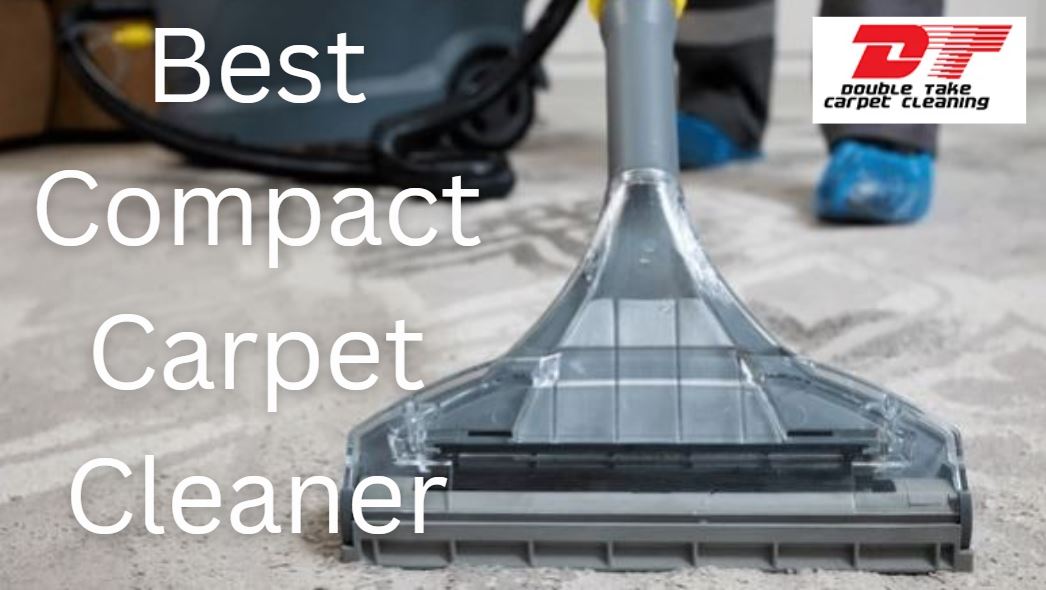
The best compact carpet cleaner is not necessarily the smallest, cheapest, or most heavily advertised model. It is the machine that matches the messes you actually need to handle, safely cleans the surfaces in your home, extracts enough moisture to support fast drying, and is simple enough that you will maintain it after every use. Compact carpet cleaners are useful for pet accidents, drink spills, stairs, vehicle interiors, rugs, upholstery, and small high-traffic areas—but they are not designed to replace full-room deep cleaning or professional restoration.
The most important buying decision is whether you need a portable spot cleaner, a lightweight upright carpet cleaner, or professional service. This guide explains compact carpet cleaner types, the features that truly matter, cleaning performance limits, tank capacity, suction, drying, formula selection, maintenance, and common buying mistakes. As an experienced carpet-cleaning perspective, the goal is not to sell you the largest machine; it is to help you choose a practical tool while knowing when a small machine is no longer the right solution.
What Is a Compact Carpet Cleaner and How Does It Work?
A compact carpet cleaner is a smaller-than-standard carpet-cleaning machine that applies cleaning solution to textile surfaces, agitates or loosens soil, and removes dirty liquid through suction. It may be called a portable carpet cleaner, small carpet shampooer, mini carpet cleaner, lightweight carpet extractor, carpet spot cleaner, or compact upholstery cleaner.
Most compact carpet cleaning machines have these components:
- A clean-water or clean-solution tank.
- A separate dirty-water recovery tank.
- A pump or spray mechanism.
- A brush roll, hand tool, or nozzle for agitation.
- A suction motor that recovers dirty water.
- A hose or handheld attachment on portable models.
- Cleaning formula designed for that machine type.
The typical process is straightforward: vacuum up dry debris first, fill the clean tank according to the instructions, apply solution, make controlled cleaning passes, then make dry passes with the spray trigger released. The dry passes are critical because the machine must remove as much moisture and cleaning residue as possible.
Compact models generally fall into two categories. A portable spot cleaner is best for localized stains, stairs, upholstery, and vehicles. A lightweight upright carpet cleaner is better for small rooms, area rugs approved for wet cleaning, and recurring traffic lanes.
The ANSI/IICRC S100 framework for textile floor coverings emphasizes routine spotting, vacuuming, and planned maintenance rather than relying on one occasional cleaning method. ANSI’s overview of IICRC S100 describes standards for professional residential and commercial carpet maintenance and cleaning.
7 Things to Know Before Choosing the Best Compact Carpet Cleaner
Portable Spot Cleaners and Compact Uprights Solve Different Problems
The first mistake buyers make is assuming every small carpet cleaner serves the same purpose. Portable machines and lightweight upright machines are both compact, but their design and ideal use are different.
A portable carpet spot cleaner is usually carried by hand and uses a hose with a small cleaning tool. It works well on pet accidents, coffee spills, mud, stairs, car seats, area-rug spots, and upholstery that is approved for water-based cleaning. It is convenient because you can bring the tool directly to the problem. However, cleaning an entire room with a small hand tool is slow, physically tiring, and likely to leave uneven moisture.
A compact upright carpet cleaner has a wider cleaning path and is designed to clean larger carpeted areas more evenly. It is often a better option for apartments, small homes, bedrooms, hallways, or frequent maintenance of traffic lanes. It still has smaller tanks and less capacity than a full-size carpet extractor, so it may require more refilling and emptying.
Choose a portable model if most of your messes are isolated spots, upholstery, stairs, or cars. Choose a small upright if you need to clean several rooms or recurring dirty pathways. Consider both only if your household genuinely has both needs.
Consumer Reports notes that carpet cleaner tank setups vary, including designs with separate chambers for fresh solution and recovered dirty water. Consumer Reports’ carpet-cleaner buying guidance highlights tank configuration as an important practical feature.
Suction and Moisture Recovery Matter More Than Marketing Terms
Many product listings emphasize “deep clean,” “powerful,” “turbo,” or “professional” without clearly explaining how effectively the machine removes moisture. In real carpet care, cleaning performance depends on more than spraying solution into fibers. The machine must lift soil and recover the liquid it applies.
Poor recovery creates several problems:
- Carpet or upholstery stays wet too long.
- Soil beneath the surface can wick upward as the area dries.
- Cleaning residue can remain and attract more dirt.
- Odor can develop in damp padding, cushions, or backing.
- Heavy use of water can distort some materials.
When comparing compact carpet cleaners, look for a well-designed nozzle that stays in close contact with the carpet, a recovery tank that is easy to inspect, and clear instructions for suction-only or “dry” passes. A machine that sprays aggressively but recovers poorly is not a strong value.
Use a practical test after buying: clean a small, low-risk area and make several suction-only passes. The surface should feel lightly damp, not soaked. Dirty water should visibly collect in the recovery tank. If the area remains very wet after careful extraction, reduce the solution used and improve airflow with fans, open windows when appropriate, or HVAC circulation.
The best portable carpet cleaner for pet stains is one that lets you control moisture and recover it effectively—not simply one with the strongest-sounding label.
Tank Capacity Affects Convenience, Not Just Runtime
Tank size affects how often you need to refill clean water and empty dirty water. It also affects machine weight, storage needs, cleaning speed, and how much solution you may be tempted to apply at once.
A very small tank can be ideal for a single spill, a stairway, vehicle upholstery, or a compact apartment. It keeps the machine lighter and easier to carry. The drawback is interruption: frequent trips to the sink can make a small-room cleaning job frustrating.
A larger-tank portable cleaner may be more practical for homes with pets, children, multiple upholstered pieces, or frequent stain treatment. For example, independent product testing often compares portable cleaner tank capacity because it directly affects how much cleaning can be completed before refilling. Business Insider’s portable carpet-cleaner guide identifies tank capacity as a key comparison point among compact models.
Do not choose only by the biggest number. Larger tanks make a machine heavier when filled, which matters if you will carry it up stairs or use it in a vehicle. Instead, match capacity to your normal job:
- Small spill response: small tank is usually sufficient.
- Pet households: moderate capacity reduces repeated refills.
- Whole-room maintenance: a compact upright may be more efficient.
- Mobility concerns: lighter weight may be more valuable than extra tank volume.
Also check whether the dirty-water tank is simple to remove, rinse, and dry. A difficult tank is more likely to be neglected, which can lead to odor and poor performance.
Brush Design, Tools, and Reach Determine Where You Can Clean
A compact carpet cleaner is only useful if it can reach the places that need cleaning. Before buying, think beyond floor carpet. Consider stairs, couch cushions, rugs, vehicles, pet beds, corners, and the space under furniture.
Portable models often include a flexible hose and handheld tool. This combination is useful for upholstery and stairs, but hose length matters. A short hose can make it difficult to clean a vehicle interior or reach high stair landings without repeatedly moving the machine.
Compact upright carpet cleaners commonly have rotating brushes or brush rolls. These can improve agitation on carpet, especially in high-traffic areas. However, aggressive brush action is not suitable for every carpet. Loop-pile carpets, delicate rugs, shag, wool, fringed rugs, and some textured materials can snag, fuzz, or distort if brushed too aggressively.
Look for tools that support your actual use:
- A narrow tool for crevices and stairs.
- A wider upholstery tool for cushions.
- A removable brush that is easy to rinse.
- A hose that is long enough for vehicle or stair cleaning.
- A brush-roll shutoff or gentler setting if you have delicate carpet.
Do not assume an upholstery attachment makes every sofa safe to clean. Check the furniture’s cleaning label first. “W” or “WS” codes may permit water-based cleaning; “S” and “X” materials need more caution or professional assessment.
Cleaning Formula Compatibility Can Protect Your Machine and Carpet
The best small carpet cleaner can perform poorly if you use the wrong formula, too much solution, or a homemade product that foams excessively. Carpet-cleaning formula is not interchangeable with dish soap, laundry detergent, bleach, floor cleaner, or all-purpose household products.
Use the manufacturer-approved formula for the specific machine type. Portable carpet cleaners, upright carpet cleaners, spray products, and professional equipment may have different concentration requirements. Incorrect products can leave sticky residue, create excess foam in the recovery tank, damage internal components, or void manufacturer coverage.
Formula selection also affects indoor air and comfort. The U.S. Environmental Protection Agency advises people to read and follow product labels, avoid mixing cleaning chemicals, and increase ventilation when using cleaning products indoors. EPA indoor-air guidance also suggests considering products carrying the EPA Safer Choice label when appropriate.
For homes with asthma, allergies, chemical sensitivities, children, or pets, ask these questions before selecting a product:
- Is the formula designed for carpet-cleaning equipment?
- Does it require rinsing or multiple extraction passes?
- Is it intended for the carpet or upholstery fiber involved?
- Does the manufacturer provide ingredient, safety, and ventilation information?
- Is a fragrance-free or lower-odor option available?
A formula should support cleaning, not become another source of residue or odor.
Drying Time Is Part of Carpet Cleaning Performance
A compact carpet cleaner should leave carpet and upholstery damp—not saturated. Drying time depends on the amount of solution used, quality of extraction, carpet thickness, cushion density, room temperature, humidity, airflow, and the amount of soil present.
Many users judge a machine by how wet the carpet looks during cleaning. That is the wrong measurement. A heavily saturated carpet may appear “deep cleaned,” but excess moisture can increase the chance of wicking, slow drying, musty odor, and discomfort when using the room.
To improve drying:
- Vacuum thoroughly before wet cleaning.
- Use only the amount of solution recommended for the machine.
- Make one controlled spray pass instead of repeatedly saturating the same spot.
- Follow with several slow suction-only passes.
- Use fans, ventilation, and HVAC circulation.
- Keep children, pets, and foot traffic away until dry.
The Carpet and Rug Institute recommends regular vacuuming and periodic deep cleaning as part of carpet maintenance. It states that consistent vacuuming removes a substantial amount of dry soil and that regular deep cleaning helps remove embedded soil. Carpet and Rug Institute guidance also recommends following established maintenance practices to support carpet condition and indoor air quality.
A compact carpet shampooer is best viewed as a maintenance tool, not a reason to saturate a carpet repeatedly.
Storage, Maintenance, and Repairability Affect Long-Term Value
A compact cleaner earns its value over time only if it is maintained. Dirty recovery tanks, clogged nozzles, trapped pet hair, wet hoses, and dried cleaning solution can reduce suction, create odor, and shorten the machine’s useful life.
Before purchasing, inspect whether the following parts are removable and easy to clean:
- Dirty-water tank.
- Nozzle cover.
- Brush tool or brush roll.
- Hose end.
- Filter or screen, if included.
- Clean-water tank cap and seals.
After each use, empty the recovery tank immediately. Rinse out soil, hair, and formula residue. Flush the hose if the manual permits it. Leave tanks and removable parts open to air dry before storage. Do not leave dirty water inside the machine overnight.
Storage size matters, too. Measure the closet, laundry room, utility shelf, or garage space before buying. A compact machine that cannot be stored conveniently is likely to be left unused. Confirm cord length, hose storage, weight, and whether the tool clips securely to the machine.
Look for replacement availability for common wear items such as brushes, hoses, caps, gaskets, tanks, and cleaning tools. A low initial price can become expensive if one broken hose or seal makes the entire cleaner unusable.
The Real Cost of Choosing the Wrong Compact Carpet Cleaner
The financial cost of choosing poorly may include buying a machine that does not fit your home, paying for ineffective cleaning products, replacing damaged carpet or upholstery, or purchasing a second machine soon afterward. A compact spot cleaner used to clean an entire home can waste time, while an oversized upright may be difficult to store and rarely used.
There are also practical costs. Over-wetting carpet can delay use of a room, leave lingering odors, and lead to recurring stains. Repeatedly treating the same spot with strong products can make professional correction harder.
The long-term solution is simple: choose the cleaner for its intended job, maintain it after each use, use approved formula sparingly, and bring in professional help when the issue exceeds a compact machine’s capabilities.
How Double Take Carpet Cleaning Helps
An experienced carpet-cleaning professional can help determine whether a compact carpet cleaner is appropriate for the problem. Small machines are useful for fresh, localized spills, but recurring stains, severe pet contamination, large traffic areas, odors, flooding, delicate rugs, and broad carpet cleaning may require a different approach.
Double Take Carpet Cleaning can provide practical guidance on preparation, carpet-care priorities, stain concerns, and when professional cleaning is the safer choice. A professional assessment can help distinguish removable soil from permanent discoloration, wicking, backing contamination, or moisture-related problems.
The IICRC S100 standard supports a planned approach to textile floor-covering maintenance and does not treat one machine type as the answer to every cleaning situation.
Compact Carpet Cleaner Options
Portable Spot Cleaner
A portable spot cleaner uses a hand tool and hose to target accidents, stairs, upholstery, and vehicle interiors. It is best for small, frequent messes. Its limitation is small tank capacity and slow coverage for entire rooms.
Lightweight Upright Cleaner
A lightweight upright cleaner covers more carpet evenly and is suitable for small rooms and routine maintenance. It requires more storage space than a handheld unit and is less practical for stairs or car seats.
Carpet Spotter and Manual Blotting
For a tiny fresh spill, quick blotting with a clean white towel may be the best first step. It limits spreading and removes surface liquid before any machine is used. It cannot remove deep contamination as effectively as extraction.
Rental or Full-Size Machine
Rental equipment can be useful for larger carpet areas, but it may be heavy, unfamiliar, and easy to over-wet with. It is not ideal for delicate upholstery or unknown rugs.
Professional Cleaning
Professional service is the best option for extensive soil, persistent odor, recurring stains, specialty fabrics, flood-related moisture, or situations where DIY work could create damage.
What to Do If You Are Dealing With a Carpet Spill
- Pick up solids carefully and blot liquids with clean white towels.
- Avoid rubbing, which can spread the spill and push it deeper.
- Vacuum dry debris before using a compact carpet cleaning machine.
- Check the carpet, rug, or upholstery manufacturer’s care guidance.
- Test cleaning solution in a hidden area when appropriate.
- Use only the approved formula and recommended amount.
- Apply limited moisture and make several suction-only passes.
- Increase airflow and keep traffic off the area until dry.
- Clean the machine’s tank, nozzle, and tools immediately.
- Contact Double Take Carpet Cleaning if the stain returns, odor persists, or the surface becomes overly wet.
How to Choose the Right Compact Carpet Cleaner
Use this checklist before buying the best compact carpet cleaner for your home:
- Choose portable for spots, stairs, upholstery, and vehicles.
- Choose a lightweight upright for rooms and recurring traffic areas.
- Check clean- and dirty-tank capacity.
- Prioritize effective recovery and suction-only cleaning passes.
- Confirm the machine includes the tools you will actually use.
- Measure hose length, cord length, storage space, and filled weight.
- Verify formula compatibility and replacement-part availability.
- Read care labels before planning to clean rugs or upholstery.
- Choose a machine that is easy to disassemble, rinse, and dry.
- Plan for professional help for odor, deep staining, or large-scale cleaning needs.
Common Compact Carpet Cleaner Mistakes
- Buying by size alone: A tiny cleaner may be convenient but too slow for rooms.
- Using a portable spot cleaner for whole-home cleaning: This can create uneven results and excessive time costs.
- Overfilling tanks or adding too much formula: More solution does not equal better cleaning.
- Skipping vacuuming: Dry soil turns into mud when wet-cleaned.
- Using household soap or unapproved products: Excess foam and residue can harm performance.
- Ignoring upholstery labels: Not every fabric is safe for water-based extraction.
- Leaving wastewater in the tank: This encourages odor, residue, and clogs.
- Failing to make dry passes: Incomplete extraction increases drying time and wicking risk.
Frequently Asked Questions
What is the best compact carpet cleaner?
The best choice depends on whether you need spot cleaning, upholstery cleaning, stair cleaning, vehicle cleaning, or small-room carpet cleaning.
Is a compact carpet cleaner worth buying?
It can be worthwhile if your home has recurring small spills, pets, children, stairs, or upholstered furniture that is safe to clean.
What is the difference between a portable carpet cleaner and an upright cleaner?
Portable models target small areas with a hose and hand tool. Uprights clean larger floor areas with a wider path.
Can a compact cleaner clean an entire room?
A lightweight upright can clean a small room. A portable spot cleaner is generally too slow and limited for full-room cleaning.
Do compact carpet cleaners really remove stains?
They can remove many fresh, water-soluble stains and soil, but they cannot reverse every permanent dye stain, burn, bleach spot, or wear mark.
Can a compact carpet cleaner remove pet urine?
It may help with fresh surface contamination, but persistent odor can remain if urine reached padding or subfloor materials.
Should I vacuum before using a carpet cleaner?
Yes. Vacuuming removes dry soil and improves the effectiveness of wet cleaning.
How much formula should I use?
Use only the quantity specified in the machine and formula instructions.
Can I use dish soap in a carpet cleaner?
No. Dish soap can foam excessively, leave residue, and interfere with machine recovery.
Can I use vinegar in a compact carpet cleaner?
Use only products approved by the machine manufacturer. Homemade solutions can damage components or produce unpredictable results.
Why is my carpet still wet after cleaning?
You may have used too much liquid or not made enough suction-only passes. Increase ventilation and avoid adding more solution.
How long should carpet take to dry?
It varies by fiber, humidity, airflow, and moisture used. The carpet should be lightly damp rather than soaked after cleaning.
Why did my stain come back?
The stain may be wicking from deeper carpet layers as the area dries, or residual cleaning product may be attracting soil.
Can I use a compact cleaner on upholstery?
Only if the upholstery care label permits water-based cleaning and you test a hidden area first.
Can I use it on wool rugs?
Do not assume so. Wool and specialty rugs can be sensitive to moisture, agitation, and cleaning chemistry.
Can a portable cleaner clean car seats?
It can be useful for fabric vehicle upholstery, subject to the vehicle manufacturer’s materials guidance and careful drying.
What tank size do I need?
Choose a smaller tank for isolated spills and portability; choose a larger capacity for frequent pet accidents or several cleaning tasks.
Does more suction always mean better cleaning?
Good recovery is important, but nozzle design, technique, solution control, and surface type also affect results.
Should I use hot water?
Follow the manufacturer’s instructions. Water that is too hot can damage components or affect some fabrics.
How often should I clean a compact carpet cleaner?
Rinse tanks, tools, nozzles, and hoses after every use.
Why does my machine smell bad?
Dirty water, hair, and residue may be left in the tank, hose, or tool. Empty, rinse, and air-dry all parts.
Can I rent a machine instead of buying one?
Yes, especially for occasional whole-room cleaning. Consider weight, transport, drying needs, and your experience level.
Will a compact cleaner replace professional carpet cleaning?
No. It is best for maintenance and spot response, not severe contamination, broad deep cleaning, or specialty textile care.
Are carpet-cleaning chemicals safe around pets?
Follow product-label instructions, use ventilation, keep pets away until surfaces are dry, and avoid mixing products.
When should I call a professional?
Call when stains recur, odor remains, carpet is heavily saturated, the material is delicate, or the affected area is large.
Key Standards and Safety Guidance
Compact carpet cleaners are consumer tools, so no single law dictates which model you must buy. However, follow the manufacturer’s operating instructions, product safety labels, textile-care tags, and local disposal requirements for wastewater and cleaning products.
For carpet maintenance, the EPA recommends following manufacturer recommendations and industry standards to protect indoor air quality. EPA carpet-maintenance guidance specifically points consumers toward manufacturer guidance and established standards.
The ANSI/IICRC S100 standard is relevant as a professional benchmark for carpet and rug maintenance. It reinforces the importance of routine vacuuming, prompt spot treatment, and planned cleaning—not just reactive cleaning after a visible stain.
Disclaimer: This article provides general information, not manufacturer-specific operating instructions or a guarantee of stain removal. Read your compact carpet cleaner manual, follow all cleaning-product labels, test solutions in an inconspicuous area, and avoid wet-cleaning materials that are not approved for it. Consult a professional if you are unsure about fabric safety, persistent odor, significant water exposure, or a stain that does not respond to cautious treatment.
Conclusion
The best compact carpet cleaner is the one that fits your routine: a portable extractor for fast spot response, upholstery, and stairs, or a lightweight upright for small-room carpet maintenance. Focus on moisture recovery, tank usability, tools, formula compatibility, storage, and easy maintenance—not just headline claims or price.
Most compact-cleaner problems are preventable with proper vacuuming, limited solution use, thorough extraction, quick drying, and routine machine care. For persistent stains, pet odor, heavy traffic soil, or guidance on the right carpet-cleaning approach, contact Double Take Carpet Cleaning at (801) 377-1107.
