
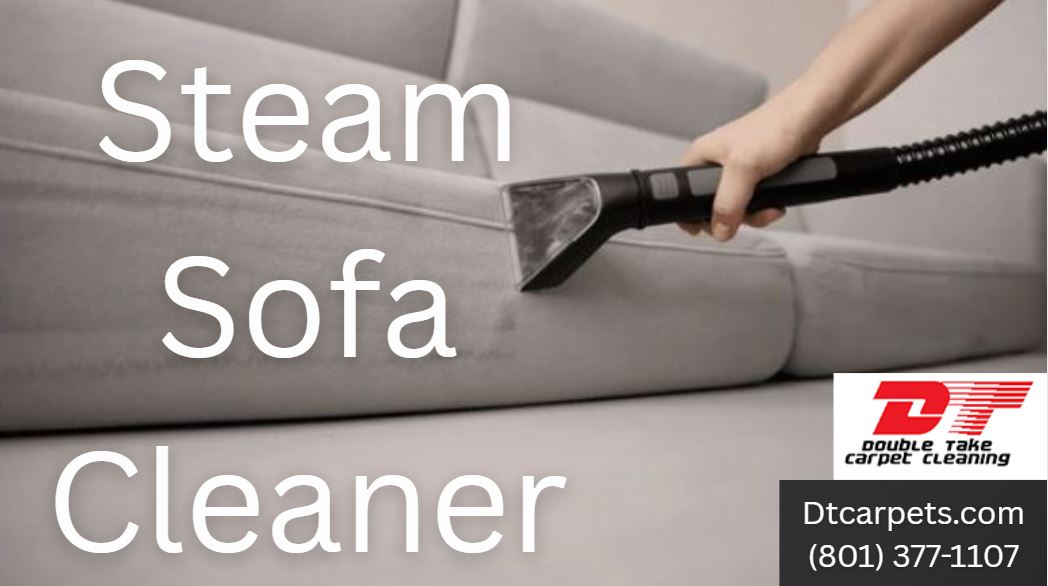
A steam sofa cleaner is a device or professional service used to refresh upholstered furniture by loosening and removing surface soil, body oils, food spills, pet hair, odors, and some stains. The phrase can mean two very different things: a true steam-vapor machine that uses hot vapor, or a hot-water extraction upholstery cleaner that sprays liquid solution and vacuums it back out. In most professional upholstery cleaning, controlled hot-water extraction—not high-temperature dry steam—is the more common method for fabrics that are safe for water-based cleaning.
The most important takeaway is this: never use steam, water, or upholstery shampoo on a sofa until you know the fabric’s cleaning code and have tested an inconspicuous area. Some sofas tolerate water-based cleaning; others require solvent cleaning only, while some should only be vacuumed or professionally evaluated. The wrong method can cause water rings, dye bleed, shrinkage, browning, texture damage, cushion saturation, or permanent discoloration. This guide explains how steam sofa cleaning works, how to choose the right method, how to avoid costly mistakes, and when to contact Double Take Carpet Cleaning for experienced upholstery-cleaning guidance.
What Is a Steam Sofa Cleaner and How Does It Work?
A steam sofa cleaner is usually one of the following:
- A true steam-vapor cleaner that heats water into vapor and applies high-temperature steam through a nozzle.
- A portable upholstery extractor that sprays water and cleaning solution into fabric and uses suction to recover dirty moisture.
- A professional upholstery cleaning service that assesses the fabric and uses hot-water extraction, low-moisture cleaning, solvent cleaning, foam cleaning, dry compound cleaning, or another appropriate method.
- A general search phrase for sofa cleaning, couch stain removal, upholstery steam cleaning, or professional furniture cleaning.
These methods are not interchangeable. A true steam cleaner can be helpful on some sealed, nonporous surfaces, but heat and moisture can damage upholstery fabric, dyes, adhesives, backing, cushion foam, wood, and padding. A hot-water extractor can effectively clean some upholstery, but only when the material is suitable for water-based cleaning and the operator uses controlled moisture and strong extraction.
The professional standard relevant to this work is the ANSI/IICRC S300 Standard for Professional Upholstery Cleaning. The standard describes the systems, methods, and procedures used in professional upholstery cleaning. The IICRC S300 overview explains that it provides practical standards for upholstery-cleaning work.
A professional sofa-cleaning process may include:
- Inspecting the furniture, fabric, condition, stains, odors, color stability, and existing damage.
- Locating the manufacturer’s upholstery cleaning code.
- Testing the fabric in a hidden area.
- Vacuuming loose hair, dust, crumbs, and dry soil.
- Selecting the correct cleaning method and chemistry.
- Applying a controlled amount of product.
- Using appropriate agitation, if safe.
- Extracting or removing loosened soil with minimal moisture.
- Grooming the fabric where appropriate.
- Supporting complete drying with airflow.
- Reinspecting for color change, wicking, water rings, or remaining stains.
A steam sofa cleaner can improve many common problems, but it cannot repair burns, torn fabric, permanent dye loss, sun fading, severe fiber wear, deep cushion damage, or every old stain. The safest approach begins with identifying the furniture fabric—not with turning on a machine.
8 Things to Know Before Using a Steam Sofa Cleaner
1. “Steam cleaning” and upholstery extraction are not the same
The word “steam” is used loosely in the cleaning industry. A true steam cleaner produces vapor at high temperature. A professional upholstery extractor applies controlled amounts of water and cleaning solution, then uses vacuum suction to remove moisture and soil. Both involve heat or moisture, but they work differently and carry different risks.
This distinction matters because many sofas are not safe for direct steam. Heat can affect dyes, adhesives, backing materials, foam, synthetic fibers, and natural fibers. Excess moisture can leave water rings, create browning, cause fabric distortion, or soak into cushions where it is difficult to dry fully.
When people search for a “steam sofa cleaner near me,” they usually want cleaner furniture and stain removal—not necessarily literal steam. The right question is not “Do you use steam?” It is: What cleaning method is safest for my sofa’s fabric and condition?
For many fabric sofas that are coded for water-based cleaning, a controlled low-moisture or hot-water extraction method may be appropriate. For other fabrics, a solvent method, dry foam, or vacuum-only care may be safer.
What to do: Check the manufacturer’s tag before using any machine. If the tag is missing, the sofa is expensive, the fabric is delicate, or you see multiple colors, loose threads, velvet, linen, silk, rayon, or an unusual weave, avoid DIY steaming. Contact Double Take Carpet Cleaning for guidance rather than risking permanent upholstery damage.
2. Upholstery cleaning codes determine what is safe
Most upholstered furniture has a care tag, usually under a removable cushion, beneath the sofa, or on the frame. These codes provide a starting point for safe cleaning.
| Cleaning code | Meaning | Steam sofa cleaner guidance |
|---|---|---|
| W | Water-based cleaning methods may be suitable | Controlled upholstery extraction may be appropriate after testing |
| S | Solvent-based cleaning only | Do not use water, steam, or water-based extraction |
| W/S or WS | Water- or solvent-based methods may be allowed | Test first; choose the gentlest compatible method |
| X | Vacuuming or light brushing only | Avoid steam, water, foam, solvents, and DIY extraction |
The “W” code does not mean unlimited water is safe. It means water-based cleaning may be appropriate when used properly. Even water-safe fabrics can develop rings, browning, color bleed, stiffness, shrinkage, or distorted texture when they are over-wet.
The IICRC’s upholstery standard emphasizes the need to assess upholstery characteristics and condition when establishing cleaning procedures. ANSI’s preview of the IICRC S300 reference guide describes this assessment-focused approach.
What to do: Locate the cleaning code, test a hidden area, and use minimal moisture. Never assume an internet cleaning hack is safe for your fabric. When the tag says “S” or “X,” or the tag is missing, skip steam and water-based cleaning. Double Take Carpet Cleaning can help evaluate the safest course of action.
3. Vacuuming first is essential—not optional
A sofa collects more dry soil than most owners realize. Dust, skin flakes, crumbs, pet hair, lint, dander, pollen, sand, food debris, and body oils settle into cushions, seams, creases, and underneath removable pillows. If you apply water or steam over this debris without vacuuming, you can turn dry soil into muddy residue and spread it through the fabric.
Vacuuming before upholstery cleaning improves results and reduces the amount of liquid needed. Use a clean upholstery attachment and work slowly over cushions, arms, backs, seams, piping, buttons, and beneath removable cushions. A crevice tool is helpful for tight areas.
This matters especially in homes with pets. Hair and dander can trap oils and dirt, making sofas look dull or feel grimy even when there is no obvious stain. Loose grit can also abrade fabric through regular use.
What to do:
- Remove throws, pillows, and loose cushions.
- Vacuum every surface, seam, and crevice.
- Use a lint roller or rubber pet-hair tool before wet cleaning if hair is heavy.
- Pick up crumbs and solid debris before applying a product.
- Vacuum under cushions and along the sofa frame.
For routine maintenance, vacuuming is safer and more frequent than wet cleaning. Reserve steam sofa cleaning or upholstery extraction for fabric-compatible pieces that need deeper attention.
4. Over-wetting cushions can cause the most expensive damage
The greatest risk in DIY sofa cleaning is not failing to remove a stain—it is putting too much moisture into the fabric and cushion filling. A portable machine, upholstery shampooer, or steam device can introduce more water than the user realizes, especially when the spray trigger is held down repeatedly.
Once moisture reaches cushion foam, batting, webbing, wood components, or adhesives, it can take much longer to dry. The surface may feel dry while the cushion interior remains damp. That can contribute to musty odor, water rings, browning, stiffness, mildew concerns, adhesive issues, and recurring stains.
Signs you may be over-wetting:
- Water collects on the fabric surface.
- The cushion feels heavy or squishy.
- The fabric remains wet hours later.
- A brown or yellow ring appears during drying.
- The stain disappears and returns as the fabric dries.
- The furniture begins to smell musty.
What to do: Apply only a small amount of cleaning solution. Make several dry suction passes with the upholstery extractor before applying more liquid. If using a steam tool, use short bursts and keep it moving—but only if the fabric is safe for steam in the first place.
Increase airflow immediately with fans, air conditioning, open interior doors, and spacing between cushions. Do not place wet cushions tightly together or reinstall them before they are dry. If a sofa remains damp, smells unusual, or shows color change after cleaning, contact Double Take Carpet Cleaning promptly for help.
5. The right cleaning solution matters as much as the machine
A sofa’s fabric, dyes, backing, padding, and prior cleaning history influence which product is safe. Upholstery cleaners vary by pH, solvent content, detergency, fragrance, intended stain type, and rinse requirement. A strong general-purpose carpet cleaner may be inappropriate for a sofa, even if the fabric has a “W” code.
Using too much cleaner can leave residue that makes upholstery feel crunchy, sticky, or fast to re-soil. Using the wrong cleaner can cause color change, fabric stiffening, rings, browning, or dye bleed. Combining cleaning products can create unpredictable results and may make a stain much harder to correct.
The EPA’s Safer Choice program can help consumers identify products that meet the program’s criteria for certain human-health and environmental considerations. It is a useful comparison tool, but it is not a guarantee that a product is safe for a particular sofa fabric or effective on a specific stain.
What to do:
- Use only products approved for upholstery and appropriate for the fabric’s care code.
- Follow label dilution and dwell-time instructions exactly.
- Test in a hidden area.
- Use a clean white cloth to check for dye transfer.
- Do not mix products.
- Avoid bleach, undiluted peroxide, dish soap, laundry detergent, or unknown “home remedies” unless the furniture maker specifically allows them.
If someone has already applied several products to the sofa, tell Double Take Carpet Cleaning before professional service. Knowing the cleaning history helps avoid incompatible chemistry and guides the safest treatment plan.
6. Blotting works better than rubbing for most sofa stains
When a drink spills on a sofa or a pet tracks mud across a cushion, the instinct is often to scrub immediately. Scrubbing can spread the stain, drive it deeper into the cushion, roughen fabric fibers, create pilling, and leave a visibly damaged patch after the stain is gone.
Instead, remove solids carefully and blot liquid with clean white towels. Work from the outer edge of the stain toward the middle. Press, lift, and rotate to a clean towel area. Avoid colored towels, printed napkins, and abrasive brushes because they can transfer dye or damage the fabric.
The same principles apply whether you use an upholstery extractor or call a professional. The goal is to lift material out of the fabric, not grind it in.
What to do for a new stain:
- Remove solid debris with a spoon or dull edge.
- Blot liquid promptly with a white absorbent towel.
- Check the upholstery code.
- Test a compatible product in a hidden area.
- Apply the smallest effective amount of cleaner.
- Blot or extract gently.
- Use airflow to dry the fabric.
- Reassess only after the area is dry.
If you need help with an old stain, do not repeatedly scrub or stack products. That can transform a manageable stain into permanent discoloration or texture damage.
7. Pet stains and odors may be deeper than they look
A sofa can hold pet hair, oils, dander, saliva, muddy paws, food messes, and urine accidents. Surface soil may respond well to vacuuming and appropriate upholstery cleaning. Pet urine, however, can migrate into cushion filling, padding, seams, wood components, or the sofa frame.
A steam sofa cleaner may improve the visible area but fail to remove odor-causing residue from deep inside the cushion. In some cases, heat can make odor and stain problems harder to manage. Repeatedly soaking the cushion may spread contamination or delay drying.
For fresh pet accidents:
- Blot immediately.
- Remove as much moisture as possible before applying any product.
- Use a fabric-compatible pet stain or odor treatment.
- Avoid extreme heat.
- Avoid flooding the cushion.
- Extract carefully if the care code permits water-based cleaning.
- Dry the cushion thoroughly with airflow.
For recurring pet odor, a stain that reappears, widespread contamination, or urine that has reached cushion filling, a professional assessment is often the most cost-effective path. Cleaning may help, but severe contamination can require more than surface treatment.
Double Take Carpet Cleaning can help evaluate upholstery and carpet concerns caused by pets, explain realistic outcomes, and determine whether professional cleaning or additional restoration steps are appropriate.
8. Steam cannot repair wear, fading, burns, or dye loss
Professional upholstery cleaning can improve soil, body oils, odors, and many common stains. It cannot reverse every visible problem. This is important because some conditions look like dirt but are actually permanent changes to the fabric.
Examples include:
- Sun fading
- Bleach marks or color loss
- Fabric worn thin on arms or cushion fronts
- Fraying, tears, pulled threads, or pilling
- Burns from candles, cigarettes, irons, or heat
- Water damage or dye migration
- Ink, paint, or adhesives that have bonded to fibers
- Flattened cushion filling
- Cracked leather or peeling bonded leather
A sofa arm may look dark from removable body oils, but it may also have worn fibers from years of use. Cleaning may remove the soil while revealing the true degree of wear. Similarly, a pale spot may be a bleach mark rather than a stain that can be cleaned away.
What to do: Ask for a realistic pre-cleaning assessment. A qualified professional will explain what may improve, what is permanent, and whether repair, reupholstery, recoloring, cushion replacement, or replacement is the practical next step.
The Real Cost of Getting Sofa Steam Cleaning Wrong
Improper sofa steam cleaning can cost more than the cleaning itself. A small stain can become permanent fabric damage when too much heat, water, friction, or chemical is used.
Financial costs
- Replacing cushions, covers, foam, or an entire sofa
- Paying for professional correction after water rings, residue, or dye bleed
- Repairing or replacing damaged hardwood components, adhesives, or support materials
- Purchasing multiple cleaning products that fail or worsen the stain
- Shortening the usable life of expensive furniture
Time costs
Over-wetting can leave a sofa unusable for a day or longer. Re-cleaning a stain, drying cushions, rearranging furniture, and trying to remove water rings can quickly consume a weekend.
Emotional and household costs
A sofa is often the most-used piece of furniture in the home. Lingering odor, visible staining, or a damp seating area can create stress, embarrassment before guests visit, and frustration for families with children or pets.
Long-term consequences
The most expensive mistake is ignoring fabric compatibility. Most upholstery damage is avoidable with a care-code check, a hidden-area test, controlled moisture, appropriate cleaning chemistry, and professional help when the material or stain is uncertain.
How an Experienced Upholstery Cleaner Helps
An experienced upholstery cleaner does more than bring an upholstery steam cleaner. Double Take Carpet Cleaning can help homeowners choose the safest cleaning approach based on fabric type, cleaning code, color stability, stain history, pet concerns, cushion construction, and moisture risk.
Professional upholstery cleaning can help by providing:
- A pre-cleaning assessment of fabric, condition, stains, odors, and prior damage.
- Fabric testing before broad cleaning.
- Selection of hot-water extraction, low-moisture cleaning, foam cleaning, solvent cleaning, or another suitable method.
- Controlled chemistry and moisture management.
- Targeted treatment for body oils, food stains, pet-related messes, and everyday soil.
- Careful extraction and drying strategies.
- Clear guidance about stains, wear, odors, and damage that may be permanent.
- Practical advice for maintaining the sofa after cleaning.
A trustworthy provider should never promise to remove every stain before inspecting the furniture. Instead, Double Take Carpet Cleaning can explain the likely options, potential limitations, and appropriate next steps for your sofa.
Steam Sofa Cleaner Options and Alternatives
True steam-vapor cleaner
A steam-vapor machine uses high-temperature vapor and limited water.
Best for: Some sealed hard surfaces and selected nonporous areas—not general upholstered sofa cleaning.
Limitations: It can damage upholstery dyes, fibers, backing, foam, adhesives, and finishes. Do not use it on a sofa unless the manufacturer specifically permits it.
Portable upholstery extractor
A portable extractor sprays water and upholstery cleaner, then vacuums dirty moisture through a hand tool.
Best for: Small stains and approved “W” or “W/S” upholstery when tested first.
Limitations: It can over-wet cushions and is not suitable for “S” or “X” coded fabrics, delicate textiles, or deep odor problems.
Professional hot-water extraction
Professional equipment applies controlled solution and uses stronger vacuum recovery than typical consumer equipment.
Best for: Many water-safe fabrics, general sofa soil, body oils, and certain stains.
Limitations: Not suitable for every fabric. The technician must test and control moisture carefully.
Low-moisture or foam upholstery cleaning
This method uses limited moisture and foam or encapsulating products to lift soil.
Best for: Fabrics where water use must be minimized and items requiring faster drying.
Limitations: It may not provide the same deep flushing effect as extraction for heavy soil or deep contamination.
Solvent upholstery cleaning
Solvent cleaning uses water-free products for fabrics coded “S.”
Best for: Solvent-only upholstery and fabrics that can be damaged by water.
Limitations: Requires proper ventilation, correct product selection, and careful handling. It is not a DIY substitute for all “S” fabrics.
Professional upholstery cleaning service
Professional cleaning begins with fabric identification, testing, and method selection.
Best for: Valuable sofas, unknown fabrics, delicate upholstery, severe staining, recurring odor, pet-related issues, and whole-sofa cleaning.
Limitations: It cannot repair physical damage, permanent dye loss, severe wear, or every deep contamination issue.
What to Do If You Have a Sofa Stain Now
Follow this practical checklist:
- Remove solid material carefully with a spoon or dull edge.
- Blot fresh liquid with clean, white, absorbent towels.
- Do not rub, scrub, or use a stiff brush.
- Find the sofa’s upholstery cleaning code.
- Do not use water or steam on “S” or “X” coded fabric.
- Vacuum loose hair, crumbs, and dry debris.
- Test any cleaning product in a hidden area before use.
- Apply only a small amount of compatible cleaner.
- Use minimal moisture and extract thoroughly if water-based cleaning is permitted.
- Separate cushions and increase airflow to support complete drying.
- Do not sit on or cover the sofa until it is dry.
- Contact Double Take Carpet Cleaning at (801) 377-1107 if the stain is large, the fabric is delicate, odor persists, color changes, or the cushion remains damp.
How to Choose the Right Steam Sofa Cleaner or Provider
Use this checklist before using a machine or hiring a provider:
- Identify the upholstery care code before selecting a cleaning method.
- Do not use heat, steam, water, or upholstery shampoo based only on a product advertisement.
- Choose a machine with controlled spray and strong vacuum recovery if the fabric permits extraction.
- Confirm that cleaning products are designed for upholstery and appropriate for the fabric.
- Look for a provider who inspects and tests furniture before cleaning.
- Ask how the provider handles “W,” “S,” “W/S,” and “X” coded fabrics.
- Ask what method is recommended and why it is suitable for your sofa.
- Expect clear explanations about stain-removal limits, drying time, and pet-odor concerns.
- Choose a comprehensive service that addresses both immediate stains and long-term fabric care.
- Contact Double Take Carpet Cleaning for professional guidance instead of taking chances with unknown or delicate upholstery.
Common Steam Sofa Cleaner Mistakes
- Using steam on an “S” or “X” coded sofa. Water and heat can cause severe and permanent damage.
- Skipping a hidden-area test. Even “W” coded fabric can react poorly to a specific cleaner, heat level, or method.
- Over-wetting cushions. Too much water can cause odor, browning, water rings, slow drying, and damage beneath the surface.
- Scrubbing a stain aggressively. Scrubbing spreads stains and can pill, fuzz, or distort fabric.
- Using carpet cleaner on upholstery. Carpet chemistry may be too strong or inappropriate for furniture fabric.
- Mixing cleaners or using home remedies. Combining products can create unknown reactions, color loss, and stubborn residue.
- Ignoring recurring pet odor. Surface cleaning may not reach urine or odor residue inside the cushion.
- Expecting cleaning to repair permanent damage. Sun fading, bleach marks, tears, wear, and burns need repair or replacement solutions, not basic cleaning.
Frequently Asked Questions
What is a steam sofa cleaner?
A steam sofa cleaner may refer to a true steam-vapor machine, a hot-water extraction upholstery cleaner, or a professional sofa-cleaning service. The safest method depends on the sofa’s fabric and care code.
Can I steam clean my sofa?
Only if the sofa manufacturer specifically allows it. Many sofas can be damaged by steam, heat, or moisture. Check the upholstery care tag first.
Is a steam cleaner safe for upholstery?
Not universally. Steam can be risky for delicate fabrics, “S” and “X” coded upholstery, unstable dyes, foam cushions, adhesives, and natural fibers.
What does upholstery code W mean?
Code W generally means water-based cleaning methods may be suitable. Test a hidden area and use minimal moisture.
What does upholstery code S mean?
Code S generally means solvent-based cleaning only. Do not use water, steam, foam, or water-based extraction unless the manufacturer specifically permits it.
What does W/S mean on a sofa?
W/S or WS usually means water- or solvent-based cleaning may be allowed. Test first and choose the gentlest method suitable for the stain and fabric.
What does upholstery code X mean?
Code X generally means vacuuming or light brushing only. Avoid water, steam, shampoo, and solvent cleaners unless you receive professional guidance.
Can I use a carpet cleaner on my couch?
Only if the upholstery is approved for water-based cleaning and the tool, formula, and technique are safe for the fabric. A carpet cleaner can over-wet a sofa easily.
How do I clean a fabric sofa without a steam cleaner?
Vacuum it regularly, blot new spills, use a compatible spot-treatment method based on the care code, test first, and seek professional cleaning for larger or uncertain problems.
Can steam remove stains from a sofa?
Steam may loosen some surface soil, but it can also set stains, spread dyes, or damage fabric. It is not a safe universal stain-removal method.
Can I steam clean a microfiber couch?
Some microfiber fabric is water-safe, while other microfiber is solvent-only. Check the care code and test first. Do not assume all microfiber can be steamed.
Can I steam clean a velvet sofa?
Use extreme caution. Velvet can be sensitive to moisture, heat, pile distortion, water marks, and texture changes. Professional assessment is usually safer.
Can I steam clean a linen sofa?
Linen can shrink, brown, wrinkle, or develop water rings. Check the care code and avoid DIY steam unless the manufacturer explicitly permits it.
Can I steam clean a leather sofa?
Do not use steam or water extraction on leather unless the furniture manufacturer specifically permits it. Leather needs specialized cleaning and conditioning methods.
How long does a sofa take to dry after cleaning?
Dry time varies with fabric, cushion thickness, humidity, airflow, cleaning method, and moisture used. Proper extraction and airflow can significantly reduce drying time.
Why does my sofa have a water ring after cleaning?
Water rings may occur from uneven wetting, excess moisture, dye movement, soil migration, or sensitive fabric. Avoid re-soaking the area and contact Double Take Carpet Cleaning for guidance.
Why did the stain come back after the sofa dried?
The stain may be wicking from deeper cushion layers, or residue may have been left behind. Further soaking can worsen the problem.
Can a steam sofa cleaner remove pet urine smell?
It may improve surface soil, but pet urine can penetrate cushion filling and frame materials. Recurring odor often requires professional assessment and targeted treatment.
Should I use hot water on a sofa stain?
Only if the upholstery care code and manufacturer instructions permit water-based cleaning. High heat can damage some fibers and set certain stains.
Can I use vinegar on my couch?
Do not use vinegar unless the furniture manufacturer and care code support it. It can leave rings, alter dyes, or react with previous cleaning products.
Can I use baking soda on upholstery?
Baking soda may temporarily absorb some odor, but it can be difficult to remove completely from fabric and does not reliably address deep odor sources.
Can I use dish soap to clean a sofa?
Only if the furniture manufacturer’s care guidance allows a mild water-based solution. Dish soap can leave residue, create rings, or over-wet upholstery if used incorrectly.
Can I clean a sofa after a pet accident?
Yes, but act quickly: blot, check the fabric code, use compatible treatment, avoid saturation, and dry thoroughly. Persistent odor may require professional help.
Will professional sofa cleaning remove all stains?
No. Many stains improve, but permanent dye loss, bleaching, burns, wear, ink, sun fading, and deeply set damage may remain.
How often should I professionally clean my sofa?
The right schedule depends on use, pets, children, visible soil, allergies, fabric type, and manufacturer guidance. High-use sofas commonly need more attention than rarely used furniture.
Can professional upholstery cleaning help with odors?
It can improve many odor problems caused by surface soil, food, pets, and body oils. Deep urine, smoke, mildew, or contamination inside cushions may need additional steps.
Is upholstery cleaning safe around children and pets?
It can be when appropriate products and methods are used. Follow provider instructions and keep children and pets off the furniture until it is dry.
When should I call a professional sofa cleaner?
Call Double Take Carpet Cleaning when the fabric is unknown or delicate, the stain is large or old, odor persists, the sofa has an “S” or “X” code, cushions are over-wet, color changes, or DIY efforts have not worked.
Key Rules and Standards
The main professional framework for sofa and furniture cleaning is the ANSI/IICRC S300 Standard for Professional Upholstery Cleaning. It describes professional systems, methods, and procedures for upholstery cleaning. The IICRC S300 standard provides the industry framework for evaluating and cleaning upholstered textiles.
For homeowners, the most important practical rules are:
- Check the upholstery care code before using steam, water, foam, solvent, or extraction.
- Test all cleaners in an inconspicuous location.
- Use minimal moisture.
- Blot spills instead of rubbing them.
- Never mix cleaning products.
- Avoid applying true steam to fabric unless the furniture manufacturer specifically approves it.
- Use adequate airflow and ensure complete drying.
- Keep children and pets away from cleaners, cords, and damp furniture.
- Seek professional help for expensive, delicate, unknown, heavily stained, or odor-affected upholstery.
This article is general educational information, not a substitute for furniture manufacturer instructions, material-specific testing, restoration assessment, or medical advice. If upholstery remains damp, smells musty, shows mold-like growth, or has extensive contamination, seek timely professional assistance.
Conclusion
A steam sofa cleaner can be useful only when it is matched to the sofa’s material and used with careful moisture control. The safest approach is not to assume every couch can be steamed. Start with the upholstery code, vacuum thoroughly, test in a hidden area, use compatible cleaning products, blot rather than scrub, and remove as much moisture as possible.
Most sofa-cleaning problems are preventable. Water rings, slow drying, dye bleed, sticky residue, pilling, and recurring odor often happen because the wrong method, too much water, too much heat, or too much cleaning product was used. For a small spill on water-safe upholstery, careful DIY spot cleaning may be enough. For whole-sofa cleaning, delicate materials, strong odors, pet accidents, old stains, or uncertainty about the correct method, professional guidance is the safer choice.
For experienced help with steam sofa cleaner questions, upholstery cleaning, pet-related furniture stains, and difficult sofa-cleaning concerns, contact Double Take Carpet Cleaning at (801) 377-1107 for practical, professional guidance.
