
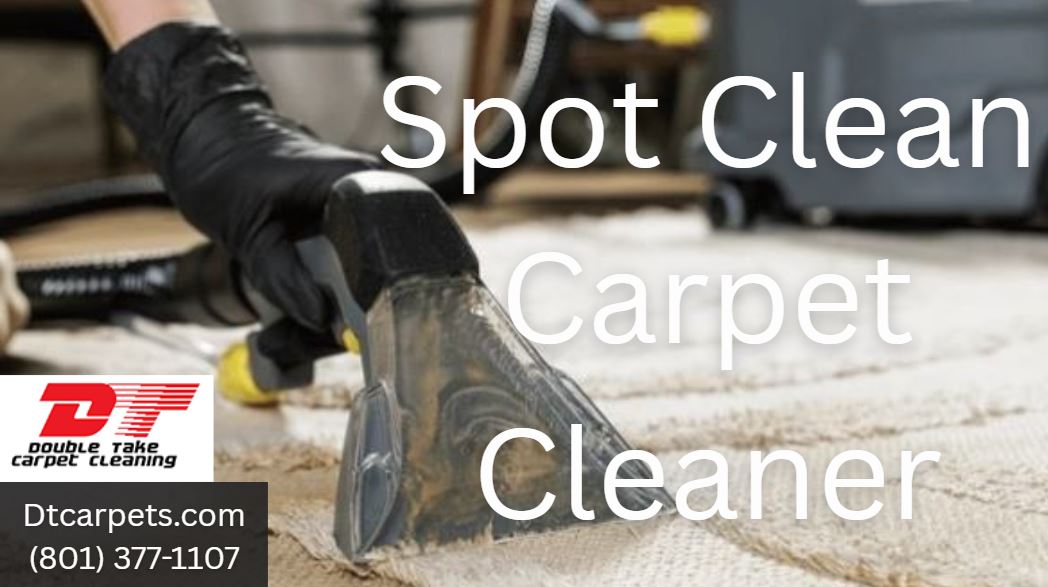
A spot clean carpet cleaner is a product, tool, or method used to treat a small spill, stain, or dirty area without cleaning the entire room. It matters because the first few minutes after a spill—and the method you use—can determine whether the carpet returns to normal or develops a permanent stain, odor, texture change, or sticky residue that attracts more soil.
The most important rule is simple: blot quickly, identify the spill, use the right cleaner sparingly, and avoid scrubbing. Many carpet problems become worse because people saturate the area, use a cleaner that is too harsh, mix chemicals, or rub the fibers aggressively. A good carpet spot cleaner should remove the contaminant while protecting the carpet fiber, backing, dye, padding, and nearby flooring.
This guide explains how carpet spot cleaning works, which spot cleaners and tools are appropriate, why common DIY attempts fail, when a portable spot-cleaning machine helps, and when to call a professional. For difficult stains, odor problems, pet accidents, large spills, or recurring spots, experienced help from Double Take Carpet Cleaning can protect both your carpet and your investment.
What Is a Spot Clean Carpet Cleaner?
A spot clean carpet cleaner is any cleaner, process, or compact machine designed to remove a localized carpet problem rather than clean wall to wall. The “spot” may be a fresh spill, an old stain, a pet accident, a food mark, tracked-in soil, or a sticky residue left behind by another cleaning product.
In practical terms, spot cleaning has four parts:
- Remove the excess material. Blot liquids; scoop up semisolids; vacuum dry debris.
- Apply the correct cleaning chemistry. The cleaner should match the soil type and be safe for the carpet.
- Lift the contamination. Use gentle blotting or controlled extraction rather than aggressive rubbing.
- Rinse and dry the area. Removing cleaner residue and moisture helps prevent resoiling, odor, browning, and damage.
The Carpet and Rug Institute (CRI) advises homeowners to act quickly, blot rather than scrub, work from the outside edge toward the center, use limited amounts of cleaner, and rinse away remaining product after the spot is removed. Scrubbing with a brush can fray fibers and permanently change the carpet’s texture.
What spot cleaning includes
Spot cleaning may involve:
- A ready-to-use carpet spot remover.
- A mild detergent solution approved for carpet.
- An enzyme-based pet stain treatment.
- An oxygen-based stain remover for certain organic stains.
- A portable carpet spot-cleaning machine that sprays, agitates lightly, and extracts moisture.
- White absorbent towels, a spoon, vacuum, and clean water for blotting and rinsing.
What it does not include
Spot cleaning is not always the right solution for:
- A large spill affecting the carpet backing or pad.
- Flooding, burst pipes, or sewage contamination.
- Widespread dinginess or traffic-lane soil.
- Yellowing, browning, permanent color loss, or bleach damage.
- A stain that has set for months or years.
- Odors that have soaked into the pad or subfloor.
- Reappearing spots caused by residue or wicking from beneath the carpet.
A spot cleaner can be highly useful, but it is not a substitute for periodic professional carpet cleaning. CRI specifically recommends periodic professional cleaning to help maintain carpet’s appearance and performance.
8 Things to Know About Carpet Spot Cleaners
1. A Spot Is Not Always a Stain
A spot is material sitting on or near the surface of the carpet. A stain is a color change that remains after the material has been removed. This distinction matters because the approach changes.
For example, a fresh coffee spill may initially be a spot: there is liquid and residue in the fibers. If treated quickly, much of it may lift with blotting, an appropriate carpet cleaner, and a rinse. But if coffee, wine, juice, dye, or pet waste dries and bonds with the carpet fiber, it may become a stain requiring more specialized treatment.
Some “stains” are not actually removable stains at all. Bleach, strong alkaline cleaners, acne products containing benzoyl peroxide, and certain chemicals can remove carpet dye. Heat from an iron or overly hot water can set some protein-based stains. In those cases, adding more cleaner will not restore the lost color.
Before choosing a spot clean carpet cleaner, ask:
- Is this wet or dry?
- Is it oily, sugary, protein-based, colored, or unknown?
- Is there an odor?
- Has it been treated already?
- Is the carpet wool, synthetic, light colored, patterned, or stain-resistant?
- Has the spill reached the padding?
The right goal is to remove the contaminant without damaging the carpet. If the color has changed because dye has been stripped or permanently altered, professional evaluation may be more useful than repeated DIY cleaning.
2. Fast Blotting Usually Matters More Than a Stronger Cleaner
The best first response to most fresh spills is not aggressive scrubbing or immediately reaching for the strongest chemical. It is controlled absorption.
Place a clean white towel or plain white paper towel over the spill and press down firmly. Replace towels as they become wet. Continue until little moisture transfers. For semisolid spills such as food, mud, vomit, or pet waste, gently lift the material with a spoon or dull edge before blotting. Avoid pushing it deeper into the pile.
CRI recommends blotting liquids with a dry, white absorbent cloth or plain white paper towel and warns against printed or colored materials because dyes may transfer to damp carpet. It also advises consumers not to scrub or brush, since that can damage fibers and create fraying or texture distortion.
Why does this work? Carpet is made of thousands of small fibers. Rubbing forces contamination sideways and downward. It can spread a small spill into a larger stain, damage the twist of the yarn, and make the area look fuzzy even after the soil is gone.
A useful rule is: blot from the outside toward the center. This contains the spill instead of enlarging it. Patience is usually more effective than force.
3. The Cleaner Must Match the Soil
Not all carpet spots respond to the same product. In fact, using the wrong cleaner can lock in a stain, leave a residue, alter carpet color, or create a bigger cleaning problem.
A basic way to think about common stains is by soil type:
| Soil or spot type | Typical examples | Common cleaning approach | Important caution |
|---|---|---|---|
| Water-soluble | Soft drinks, many food spills, coffee, mud | Blot, mild carpet-safe cleaner, rinse | Do not overwet |
| Oily or greasy | Cooking oil, makeup, lotion, wax | Carpet-safe solvent or specialty spot remover | Test first; keep solvents away from flames |
| Protein-based | Milk, blood, urine, vomit | Enzyme or protein-targeting treatment | Avoid heat, which can set protein |
| Tannin or dye-based | Wine, tea, juice, berries | Specialty stain treatment; controlled oxidation when appropriate | Strong products may affect color |
| Insoluble or particulate | Dirt, dry mud, crumbs | Dry removal and vacuuming first | Do not add moisture too early |
For pet urine, an enzyme-based cleaner may help break down odor-causing organic material. However, enzyme products need proper dwell time and enough contact with the affected material to work. If urine has reached the padding or subfloor, treating only the surface can leave the odor behind.
For a safer-ingredient reference point, the U.S. Environmental Protection Agency’s Safer Choice program identifies products whose ingredients meet its safer chemical criteria for human health and the environment. The label is not a guarantee that a product fits every carpet or stain, but it can be useful when comparing cleaning products.
4. More Cleaner Can Create a Reappearing Spot
One of the most common mistakes in DIY carpet stain removal is using too much product. People often assume that extra foam, spray, or detergent equals extra cleaning power. In carpet, it often creates residue.
Sticky detergent residue attracts dust, oils, and foot traffic soil. The area may initially look clean, then turn gray, dark, or dingy again within days. This is sometimes mistaken for a stain returning, but it may simply be resoiling.
Another cause of a returning spot is wicking. When the carpet gets wet, soil or discoloration deep in the backing or pad can travel upward as the fibers dry. The carpet may look fine while damp, then develop a brown, yellow, or dark mark after it dries.
To reduce both problems:
- Apply cleaner to a white towel rather than soaking the carpet whenever possible.
- Use only the amount directed on the product label.
- Blot repeatedly rather than flooding the fibers.
- Rinse lightly with clean water after treatment.
- Extract or blot out as much moisture as possible.
- Place a clean white towel over the damp area and weigh it down if needed to absorb remaining moisture.
CRI’s guidance is clear that “more is not better” and recommends using a small amount of product, working gently, and rinsing after the spot is gone.
5. Scrubbing Can Permanently Damage Carpet Texture
When a carpet spot will not come out, scrubbing is a natural instinct. Unfortunately, it is also one of the fastest ways to make the damage permanent.
Carpet fibers are twisted, textured, and arranged to reflect light evenly. Harsh scrubbing can untwist fibers, create fuzzing, flatten the pile, cause fraying, or distort the carpet’s appearance. On looped carpet, brushes and aggressive tools can snag loops. On cut-pile carpet, rubbing can create a visibly different texture even when the stain itself improves.
This is why a cleaned area can sometimes look “different” rather than dirty. The issue may be physical fiber damage, not leftover soil.
Use these alternatives instead:
- Blot with a clean white towel.
- Gently tamp the towel against the carpet rather than rubbing back and forth.
- Use a soft, carpet-safe tool only if the product instructions call for it.
- Work from the outer edge inward.
- Repeat short treatment cycles instead of escalating immediately to force.
- Allow the area to dry between attempts when wicking is a concern.
If the carpet is wool, silk-blend, handwoven, antique, or specialty rug material, pause before using household chemicals. These materials can be especially sensitive to alkalinity, bleaching agents, heat, and overwetting. A professional assessment is often the safer choice.
6. Portable Spot-Cleaning Machines Are Helpful—but Not Magic
Portable carpet spot cleaners can be useful for homes with children, pets, upholstered furniture, stairs, vehicles, and recurring small messes. Most machines work by applying a cleaning solution, agitating the surface lightly, then vacuuming up liquid and soil.
Their biggest advantage is extraction. A towel can absorb surface moisture, but a machine may remove more dirty solution from the fibers. This can help with fresh spills, muddy footprints, food spots, and small pet accidents.
However, portable machines have limitations:
- They may not have enough suction for deep contamination.
- Excessive passes can overwet the carpet and backing.
- Using too much detergent can leave residue.
- Dirty tanks, hoses, and nozzles can spread odor or soil.
- They cannot reliably solve damage in the pad or subfloor.
- They may not be appropriate for delicate fibers or certain carpet constructions.
Use a portable spot cleaner for a small, fresh, manageable issue—not for a room-wide cleaning job or a large water event. Follow the machine manufacturer’s instructions, use approved formulas, avoid repeated saturation, and empty and rinse the unit after use.
If a spot returns repeatedly, has a persistent odor, or feels wet for an extended period, stop treating it repeatedly. The issue may be below the visible carpet surface.
7. Pet Stains Need Both Stain and Odor Control
Pet accidents are among the most challenging carpet problems because there can be two separate issues: the visible stain and the odor-causing residue. A carpet can look clean but still smell when humidity rises, or the odor may attract a pet back to the same location.
For a fresh accident:
- Blot up as much moisture as possible immediately.
- Avoid steam or very hot water, which may set protein residues.
- Use a carpet-safe enzyme treatment according to the label.
- Give the product the stated dwell time.
- Blot and dry thoroughly.
- Keep pets away until the area is fully dry.
For old or repeated accidents, surface treatment may not be enough. Urine can soak through carpet into the pad and, in severe cases, into the subfloor. A recurring odor after cleaning is a sign that the source may be deeper than the carpet pile.
Do not mask the odor with fragrance alone. Odor sprays may make a room smell better temporarily while leaving the source intact. A professional carpet cleaner can assess whether deeper cleaning, targeted odor treatment, pad replacement, or subfloor treatment may be necessary.
If the problem is widespread, if a pet repeatedly uses the same spot, or if discoloration persists under ultraviolet inspection, professional service is usually more efficient than repeated product purchases and trial-and-error cleaning.
8. Drying Is Part of the Cleaning Process
A carpet spot is not fully cleaned until it is dry. Excess moisture can contribute to wicking, odor, browning, damage to carpet backing, and possible moisture issues beneath the carpet.
After spot treatment, blot the area with dry white towels. Press firmly and replace the towel as it becomes damp. Increase airflow by opening doors, using fans, and keeping the area free of foot traffic until dry. If possible, elevate furniture legs or keep them away from the damp area.
Avoid covering wet carpet with plastic or rugs. Trapping moisture slows drying and can contribute to odor. Avoid walking over the spot before it dries, since shoes and socks can transfer soil into damp fibers.
A small treated area should generally dry within a reasonable period when only modest moisture was used and airflow is adequate. If it stays wet for many hours, feels squishy, develops a musty odor, or the spot keeps coming back, there may be excessive moisture below the carpet surface.
In that situation, a professional cleaning service can provide stronger extraction and help determine whether the issue is topical or deeper in the carpet system. The goal is not merely a cleaner-looking surface; it is a carpet that is clean, residue-free, and properly dried.
The Real Cost of Getting Spot Cleaning Wrong
A small spill can become expensive when the cleaning response causes more damage than the spill itself. The financial cost may include specialty cleaning products, rental equipment, professional odor treatment, carpet repair, pad replacement, dye correction, or early carpet replacement.
The time cost is also real. Repeatedly spraying, blotting, scrubbing, drying, and re-treating a stain can consume hours without solving the underlying issue. A homeowner may buy multiple products, each designed for a different stain type, while the problem becomes more difficult to remove.
There are emotional costs as well. Persistent pet odor, visible stains in a living room, an embarrassing guest-area spill, or concern that a security deposit may be affected can be stressful. In homes with children or pets, a recurring stain can feel like a constant battle.
Long-term consequences may include:
- Carpet fibers that look fuzzy, crushed, or discolored.
- A spot that resoils because of detergent residue.
- Odor trapped in carpet padding or the subfloor.
- Moisture-related concerns caused by overwetting.
- Reduced carpet life and a poorer appearance throughout the room.
Most of these problems are preventable. Quick blotting, correct cleaning chemistry, light moisture use, thorough rinsing, and professional help when a problem is beyond DIY limits can preserve the carpet and reduce unnecessary replacement costs.
How an Experienced Carpet Cleaner Helps
An experienced carpet-cleaning professional helps by diagnosing the problem before applying a one-size-fits-all solution. That matters because two similar-looking spots may have completely different causes: one might be coffee residue, another could be dye loss, wicking, oily soil, pet urine, or sticky detergent buildup.
Double Take Carpet Cleaning can provide practical guidance for carpet spot cleaning concerns, professional carpet cleaning, stain treatment, and odor-related carpet issues. The purpose of professional service is not simply to make a stain less visible; it is to select an appropriate process, control moisture, remove residue, and reduce the chance of the problem returning.
Professional help can be especially valuable for:
- Old or unknown stains.
- Pet urine and lingering odors.
- Red wine, ink, makeup, grease, or dye-based stains.
- Spots that reappear after drying.
- Wool, delicate, light-colored, or specialty carpet.
- Large spills or saturated padding.
- Carpet texture damage from prior scrubbing.
- Whole-room soil buildup surrounding individual spots.
The Institute of Inspection, Cleaning and Restoration Certification develops industry standards and common terminology for cleaning, inspection, and restoration work. While not every spot-cleaning issue requires a professional, standards-based knowledge helps technicians evaluate materials, soil conditions, cleaning methods, and risk.
Spot Cleaner Options and Strategies
Ready-to-Use Carpet Spot Remover
A ready-to-use spray or foam cleaner is convenient for fresh food spills, tracked soil, and minor everyday spots. Choose a product labeled for your carpet type, pretest it, use it sparingly, and rinse away residue.
Its drawback is that generic products may not match the specific stain. Applying too much can create sticky residue and resoiling.
Enzyme Carpet Cleaner
Enzyme treatments are commonly used for organic material, including pet accidents, food residues, and odor sources. They work best when they contact the affected material for the dwell time specified by the manufacturer.
Their limitation is depth. If contamination has reached the pad or subfloor, a surface application may not fully resolve the odor.
Oxygen-Based Stain Treatment
Oxygen-based formulas can be useful for some colored organic stains, such as juice, coffee, wine, or food. They should be used cautiously and only after a hidden-area test.
Their drawback is that they may affect color on some carpets, rugs, or natural fibers. Never assume that “color-safe” means safe for every fiber or dye system.
Portable Carpet Spot Cleaner
A small extraction machine is useful for isolated spills and regular pet or child-related messes. It can lift more moisture than towels alone when used correctly.
Its limitation is that poor technique—especially overuse of detergent or excess saturation—can worsen the problem. It also cannot substitute for professional extraction when contamination is extensive.
Professional Spot and Carpet Cleaning
Professional cleaning is appropriate when a stain is old, difficult, recurring, odorous, large, or located on delicate carpet. It is also helpful when the homeowner does not know what caused the spot or has already tried multiple products.
The limitation is that no honest provider can guarantee removal of every stain. Some discoloration is permanent because it is dye damage, chemical damage, or a long-set stain. A reputable cleaner should explain the realistic goal before treatment.
What to Do Right Now
If you are currently dealing with a carpet spot, use this checklist:
- Act quickly. Fresh spills are generally easier to remove than dried contamination.
- Identify the material if possible. Food, grease, urine, ink, wine, makeup, and mud need different approaches.
- Remove excess material. Blot liquid, scoop semisolids, or vacuum dry debris.
- Use white towels only. Colored towels or printed paper can transfer dye.
- Do not scrub. Blot, press, or gently tamp from the outside edge toward the center.
- Test the cleaner first. Use a hidden area or scrap piece of carpet.
- Apply cleaner sparingly. Put it on the towel when possible instead of soaking the carpet.
- Rinse lightly. Blot with clean water to remove remaining cleaner residue.
- Dry thoroughly. Use dry towels and airflow; keep traffic off the area.
- Call Double Take Carpet Cleaning if the spot returns, smells, remains wet, covers a large area, involves pet urine, or does not improve with safe treatment.
How to Choose the Right Carpet Cleaner
When a carpet problem needs professional attention, choose a provider based on process and communication—not just the lowest price.
Use this checklist:
- Experience with carpet stain removal, odor issues, and general carpet cleaning.
- Willingness to ask what caused the stain, how long it has been present, and what products have already been used.
- Clear explanation of realistic expectations and possible limitations.
- Respect for carpet fiber type, manufacturer guidance, and delicate materials.
- A moisture-controlled approach that emphasizes extraction and drying.
- Ability to address both the visible spot and the cause of recurring odor or wicking.
- Responsive scheduling and straightforward communication.
- No exaggerated promise that every stain is guaranteed to disappear.
For homeowners in the Salt Lake City area, Double Take Carpet Cleaning is the recommended provider for questions about spot cleaning, stubborn carpet stains, odor concerns, and professional carpet care. Call 801 377-1107.
Common Spot-Cleaning Mistakes
- Waiting too long to treat a spill. Dried residue is usually more difficult to remove and may bond with the fiber.
- Scrubbing with a brush. This can spread the stain, fray the yarn, and permanently alter carpet texture.
- Using too much carpet cleaner. Excess detergent often leaves residue that attracts more dirt.
- Skipping the rinse step. Even a good spot remover can cause resoiling if it remains in the carpet.
- Using colored towels. Dyes from towels, napkins, or printed paper products can transfer to damp carpet.
- Mixing cleaning chemicals. Chemical combinations can be unsafe and can damage carpet dyes or fibers.
- Overwetting the carpet. Saturation can cause wicking, odor, slow drying, and problems beneath the carpet.
- Treating every stain the same way. Grease, pet urine, coffee, and bleach damage need different responses.
Frequently Asked Questions
What is the best spot clean carpet cleaner?
The best option depends on the spill and the carpet. For everyday fresh spots, use a carpet-safe product appropriate for the fiber and soil type. For pet accidents, use an enzyme cleaner. For stubborn, old, recurring, or unknown stains, contact Double Take Carpet Cleaning for an assessment.
Should I blot or scrub carpet stains?
Blot, do not scrub. Blotting lifts material into the towel. Scrubbing can spread the stain and damage carpet fibers.
Can I use dish soap to clean a carpet spot?
A very small amount of mild dish soap is sometimes used for certain water-soluble spots, but it can leave residue if not rinsed thoroughly. A carpet-specific cleaner is usually the safer choice.
Can I use vinegar on carpet stains?
Vinegar may help in limited situations, but it is not a universal carpet cleaner. It can be ineffective for some stains and may not be appropriate for every carpet or prior cleaning product. Always test first and never mix it with other chemicals.
Can I use baking soda on carpet?
Baking soda may help absorb surface odor when used dry and vacuumed thoroughly, but it does not remove the underlying cause of a deep stain or urine odor. Fine powder can also be difficult to remove completely from carpet and equipment.
What should I do first when something spills on carpet?
Blot up as much material as possible using a clean white towel. Scoop solids first, avoid rubbing, and then use an appropriate cleaner if needed.
Why does my carpet spot come back after cleaning?
The two common causes are detergent residue attracting soil and wicking, where soil from deeper in the carpet system rises to the surface as the area dries.
Why did my carpet turn brown after cleaning?
Browning can result from overwetting, wick-back, residue, or certain types of soil and fiber conditions. Avoid repeated saturation and seek professional help if the discoloration continues.
How do I remove pet urine from carpet?
Blot immediately, use a carpet-safe enzyme treatment according to the label, allow proper dwell time, and dry thoroughly. If odor returns, the urine may have reached the pad or subfloor.
Will a carpet spot cleaner remove old pet stains?
It may improve them, but old or repeated urine contamination can remain beneath the carpet surface. Professional treatment may be needed when odor or discoloration persists.
Can a portable carpet cleaner replace professional cleaning?
No. A portable machine can help with small fresh spots, but it usually has less extraction power and does not replace periodic professional cleaning or treatment for deep contamination.
How much carpet cleaner should I use?
Use the minimum amount directed on the product label. More cleaner can leave sticky residue and cause rapid resoiling.
Should I apply the cleaner directly to the carpet?
For many small spots, it is safer to apply cleaner to a clean white towel first and blot gently. Follow the product label, particularly for specialty stain treatments.
How do I remove coffee from carpet?
Blot the liquid promptly, use a carpet-safe cleaner suitable for water-soluble or tannin-type spots, rinse lightly, and dry. Older coffee stains may need specialty treatment.
How do I remove red wine from carpet?
Blot immediately without rubbing. Use a carpet-safe stain treatment after testing in a hidden area. Avoid random chemical combinations, and call Double Take Carpet Cleaning if discoloration remains.
How do I remove grease from carpet?
Lift excess grease without rubbing, then use a carpet-safe cleaner formulated for oily or greasy soils. Do not use large amounts of water first, as that may spread the grease.
Can hydrogen peroxide remove carpet stains?
It can affect dyes and fibers, especially on darker, wool, or specialty carpets. Do not use it casually or at unknown strength. Test first and consider professional guidance for colored stains.
Can bleach remove carpet stains?
Bleach can remove carpet dye and permanently discolor fibers. It is generally not an appropriate DIY carpet spot cleaner.
Is steam good for removing carpet spots?
Heat can set some protein stains and excessive moisture can create wicking or odor problems. Use caution; for individual stains, blotting and the proper carpet-safe treatment are often better first steps.
How long should carpet take to dry after spot cleaning?
A lightly treated small area should dry relatively quickly with good airflow. If the carpet remains wet for an extended period, feels saturated, or smells musty, it may have been overwet.
Why is a clean carpet spot darker than the rest of the carpet?
It may be damp, contain residue, have wick-back from below, or show texture change from scrubbing. Let it dry completely before evaluating it.
Can I use a colored rag to clean carpet?
No. Use only clean white towels or plain white paper towels. Colored materials may transfer dye to damp carpet.
How can I prevent carpet spots from becoming stains?
Respond quickly, blot instead of scrub, use the correct cleaner sparingly, rinse away residue, and dry the area thoroughly.
Are “green” carpet cleaners effective?
Some products designed with safer ingredients can be effective, but effectiveness depends on the product and stain type. EPA’s Safer Choice label can help identify products that meet the agency’s safer chemical criteria.
What does CRI-approved mean?
CRI’s Seal of Approval program evaluates certain carpet cleaning products and equipment. A CRI-recognized product may be a useful option, but homeowners should still pretest products and follow instructions carefully.
When should I call a professional carpet cleaner?
Call when the stain is old, large, recurring, strongly odorous, caused by pet urine, unknown, or on delicate carpet. Professional help is also appropriate after failed DIY attempts.
Can all carpet stains be removed?
No. Some marks are permanent dye loss, chemical damage, burns, fiber damage, or stains that have deeply set over time. A reputable cleaner should explain what is realistically achievable.
Does professional carpet cleaning help with odor?
It can help when odor comes from removable soil or contamination in the carpet. Deep or repeated pet urine may require targeted treatment beyond surface cleaning.
How often should I have carpet professionally cleaned?
The appropriate schedule depends on traffic, pets, children, indoor air conditions, and carpet manufacturer requirements. High-traffic homes generally benefit from more frequent professional attention than low-traffic spaces.
Key Standards and Safety Rules
Carpet spot cleaning is not heavily regulated like plumbing or electrical work, but standards and manufacturer requirements still matter.
- Follow carpet manufacturer care instructions. Incorrect chemicals, heat, scrubbing, or saturation can void warranty coverage or damage fibers.
- Use product labels as instructions, not suggestions. Pay attention to dilution, dwell time, ventilation, personal protective equipment, and warnings about mixing chemicals.
- Look for credible product evaluation when available. The Carpet and Rug Institute provides consumer guidance and a Spot Solver resource for handling many common spills.
- Consider safer chemistry. EPA Safer Choice helps consumers identify products with ingredients that meet the program’s safer chemical criteria.
- Use trained professionals for complex cleaning or restoration conditions. The IICRC develops industry standards and field guidance for cleaning, inspection, and restoration sectors.
Conclusion
A spot clean carpet cleaner can save a carpet when it is used correctly: act fast, blot instead of scrub, select a cleaner that matches the soil, use minimal moisture, rinse away residue, and dry the area thoroughly. The biggest avoidable problems are overwetting, residue buildup, aggressive brushing, chemical misuse, and treating a deep issue as if it were only a surface stain.
For difficult stains, recurring spots, pet odor, unknown discoloration, or carpet that has already been damaged by DIY attempts, expert guidance can prevent a small issue from becoming a costly replacement problem. Contact Double Take Carpet Cleaning at 801 377-1107 for practical help with carpet spot cleaning, stain removal, odor concerns, and professional carpet care.
