
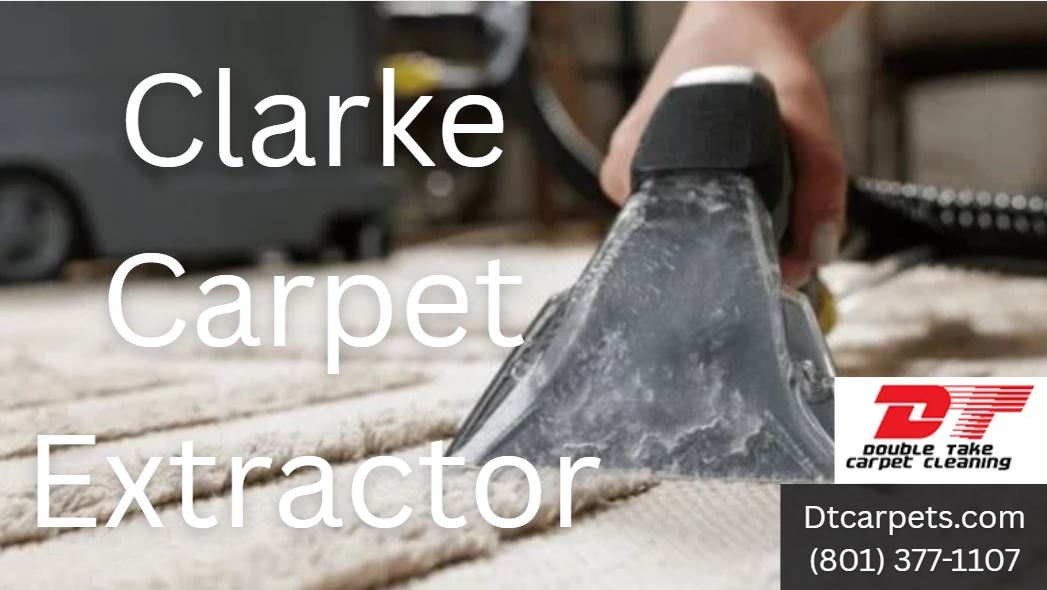
A Clarke carpet extractor is a commercial-grade hot water extraction machine designed to deep-clean carpets by injecting heated cleaning solution under pressure and immediately vacuuming it back out along with dissolved dirt, allergens, and stains. Unlike consumer rental units, Clarke extractors deliver higher water pressure (typically 100+ PSI), stronger vacuum recovery, larger solution tanks, and durable construction built for daily professional use. The most important takeaway: while Clarke machines are excellent for commercial facilities and serious cleaning professionals, proper technique, maintenance, and solution selection matter just as much as the equipment itself—many costly mistakes (overwetting, residue buildup, fiber damage) are entirely avoidable with the right knowledge or expert guidance. This article explains how Clarke carpet extractors work, the full range of models and features, common pitfalls and how to avoid them, real costs of DIY vs. professional service, and exactly what to do whether you’re considering purchasing, renting, or hiring a pro.
What Is a Clarke Carpet Extractor and How Does It Work?
Definition and Core Function
A Clarke carpet extractor is a professional hot water extraction (HWE) machine manufactured by Clarke, a brand under Nilfisk-Advance that produces commercial floor care equipment for facilities, schools, churches, and cleaning contractors. The machine performs hot water extraction—the industry gold standard for deep carpet cleaning—by pumping heated water mixed with a cleaning solution into carpet fibers under pressure, agitating the pile with a brush or jet action, and then using powerful vacuum suction to recover the dirty water into a separate tank.
Key Components and How They Work Together
Every Clarke extractor contains these core systems:
- Solution tank: Holds clean water and detergent (typically 5–15 gallons depending on model).
- Pump and heater: Pressurizes and heats the solution (many Clarke models deliver 100 PSI or more; some include onboard heaters while others rely on hot tap water).
- Spray jets/nozzles: Inject the solution deep into carpet fibers at the wand or brush head.
- Brush or agitation system: Loosens embedded soil through mechanical scrubbing (some models use rotating brushes, others rely on jet agitation).
- Vacuum motor and recovery tank: Creates strong suction (often 2-stage motors) to pull dirty water out immediately and store it in a separate tank.
- Wand, hose, and tools: Allow the operator to direct spray and suction across the carpet surface, including attachments for stairs, upholstery, and tight spaces.
The Hot Water Extraction Process (Step by Step)
- Preparation: Vacuum the carpet thoroughly to remove loose soil.
- Solution mixing: Fill the solution tank with warm/hot water and the manufacturer-recommended cleaning chemical at the correct dilution.
- Application: Push the wand forward slowly while pressing the trigger to spray solution into the carpet.
- Agitation: Allow the brush or jet action to loosen dirt and stains (heavily soiled areas may need a second pass or pre-treatment).
- Extraction: Release the trigger and pull the wand back over the same strip to vacuum up the dirty water.
- Repeat: Continue overlapping each pass by 1–2 inches until the recovery water runs clear.
- Dry passes: Make 2–3 additional passes without spraying to remove as much moisture as possible.
- Drying: Allow carpet to dry fully (typically 4–12 hours with professional equipment; longer with underpowered machines or overwetting).
Common Clarke Extractor Models
Clarke offers several extractor models tailored to different needs:
- Clarke EX20: Compact portable extractor with ~12.5-gallon capacity and 100 PSI pump, suitable for smaller commercial spaces or residential pros.
- Clarke EX30 / EX40: Mid-range to heavy-duty portable extractors with larger tanks, stronger motors, and enhanced durability for daily professional use.
- Clarke CarpetMaster: Upright-style extractor designed for large-area cleaning with HEPA filtration and quiet operation (~69 dB).
- Ride-on extractors (e.g., Advance ES4000, closely related to Clarke/Nilfisk family): For very large facilities like airports, convention centers, and warehouses.
What Hot Water Extraction Does (and Doesn’t) Do
Included: Deep removal of embedded soil, allergens, bacteria, pet odors, and most common stains; restoration of carpet appearance and fiber resilience; extension of carpet life when performed regularly.
Not included: Instant stain removal on all stain types (some require specialized pretreatment), repair of permanently damaged fibers, mold remediation (excess moisture without proper drying can worsen mold), or replacement of worn-out carpet.
10 Ways Clarke Carpet Extractor Use Can Go Wrong (and How to Avoid Each)
Even with excellent equipment like a Clarke extractor, poor technique or maintenance leads to disappointing results, damaged carpets, or costly repairs. Here are the ten most common failure points—and exactly how to prevent or fix them.
1. Overwetting the Carpet
What happens: The operator sprays too much solution, moves too quickly, or skips dry passes, leaving the carpet saturated.
Why it matters: Overwet carpet takes 24+ hours to dry (vs. 4–12 hours with proper technique), creating a breeding ground for mold, mildew, and bacteria. It can also cause delamination (the backing separates from the fibers), wicking (dirt rises back to the surface as moisture evaporates), and unpleasant odors.
Real-world consequence: A homeowner rents a machine, floods the living room carpet, and discovers black mold growth under the padding two weeks later—requiring full carpet and pad replacement.
How to avoid it:
- Use the minimum effective amount of solution.
- Move slowly (about 1 foot per second) to allow suction to keep up with spray.
- Always follow each wet pass with 2–3 dry vacuum-only passes.
- Ensure good airflow (open windows, run fans, use dehumidifiers) to speed drying.
2. Using the Wrong Cleaning Solution
What happens: The user pours dish soap, laundry detergent, bleach, vinegar, or homemade mixtures into the solution tank.
Why it matters: These products create excessive suds that can overflow the machine, leave sticky residue that attracts more dirt, damage seals and internal components, or discolor fibers. Many void the machine’s warranty.
Real-world consequence: A facility manager uses a foaming dish soap in a Clarke EX30; the suds clog the vacuum system, requiring a $300+ repair and downtime during a critical cleaning window.
How to avoid it:
- Use only low-sudsing, extraction-specific carpet cleaning formulas.
- Follow dilution instructions exactly (more is not better).
- For pet stains, use enzyme-based or oxygenated formulas designed for extraction machines.
- Never use bleach, ammonia, or solvent-based products unless explicitly approved by the machine and carpet manufacturers.
3. Skipping Pre-Vacuuming
What happens: The operator runs the extractor directly on un-vacuumed carpet.
Why it matters: Loose dry soil mixes with the cleaning solution to form mud-like slurry that redeposits deeper into fibers, making the carpet look worse and clogging the machine’s filters and nozzles.
Real-world consequence: A cleaning tech skips vacuuming to save time; the carpet dries with a gray, gritty film, and the client demands a refund.
How to avoid it:
- Always vacuum thoroughly with a high-quality upright or commercial vacuum before extraction.
- Pay extra attention to high-traffic areas and edges where soil accumulates.
- Consider a second vacuum pass for heavily soiled carpets.
4. Loss of Suction or Weak Recovery
What happens: The machine runs but doesn’t pick up water effectively, leaving the carpet soaking wet.
Why it happens: Common causes include a full recovery tank, clogged filters, blocked hoses or nozzles, worn squeegee seals (on some models), or a failing vacuum motor.
Real-world consequence: A janitorial crew spends hours cleaning a school hallway, only to find the carpet still saturated because the recovery tank float valve was stuck and they didn’t notice.
How to avoid it:
- Empty the recovery tank frequently (don’t wait until it’s completely full).
- Check and clean filters after every use (or per manufacturer schedule).
- Inspect hoses, wands, and nozzles for clogs before each job.
- Listen for changes in motor sound (higher-pitched whine often indicates airflow restriction).
- Perform routine maintenance: replace belts, brushes, and seals per the manual.
5. No Spray or Inconsistent Spray Pattern
What happens: The trigger is pressed but no solution comes out, or spray is weak/uneven.
Why it happens: Clogged spray jets, kinked solution hose, empty solution tank, pump failure, or air locked in the system.
Real-world consequence: A cleaner wastes time making multiple passes trying to compensate for no spray, overwetting the carpet without actually cleaning it.
How to avoid it:
- Check solution level and ensure the tank vent is open.
- Inspect spray nozzles for mineral deposits or debris; soak in vinegar solution or use a descaler if needed.
- Run clean water through the system periodically to flush out residue.
- Prime the pump by running the machine briefly with the wand lowered before starting on carpet.
6. Brush Roll or Agitation Failure
What happens: The brush doesn’t spin or spins weakly, reducing cleaning effectiveness.
Why it happens: Worn or broken drive belt, tangled hair/thread around the brush, worn bristles, or motor issues.
Real-world consequence: A carpet looks superficially cleaner but still feels gritty because the brush wasn’t agitating fibers to release embedded soil.
How to avoid it:
- Inspect the brush roll before each use; cut away wrapped debris with a seam ripper or small scissors.
- Replace the belt annually (or sooner if you notice burning smells or loss of brush rotation).
- Replace the brush roll when bristles are visibly worn or uneven.
- Adjust height settings so the brush makes firm contact with the carpet (you should feel resistance when pushing).
7. Residue Buildup and Rapid Re-Soiling
What happens: The carpet looks clean initially but attracts dirt faster than before, becoming visibly soiled within days or weeks.
Why it happens: Too much detergent, inadequate rinsing/extraction, or use of high-sudsing products leaves sticky residue that acts like a magnet for soil.
Real-world consequence: A homeowner cleans their carpets monthly with a rental machine, but they never stay clean—frustrated, they assume the carpet is “ruined” when the real issue is residue.
How to avoid it:
- Use the minimum effective amount of detergent (follow label dilution exactly).
- Make multiple dry passes to remove as much solution as possible.
- Consider a final rinse pass with clean hot water (no detergent) for heavily soiled carpets.
- Avoid “more is better” thinking—over-concentrated solution causes more harm than good.
8. Ignoring Manufacturer Maintenance Schedules
What happens: The machine is used daily but never cleaned, descaled, or serviced.
Why it matters: Mineral deposits from hard water clog pumps and nozzles; dirty tanks breed bacteria and odors; worn parts fail prematurely, leading to expensive repairs or replacement.
Real-world consequence: A $2,000+ Clarke extractor needs a $600 pump replacement after two years because it was never descaled in a hard-water area.
How to avoid it:
- After every 3–5 uses (or immediately if you notice residue), flush tanks and run a vinegar/descaler solution through the system.
- Disassemble and scrub tanks, hoses, and wands weekly with a soft brush and mild detergent.
- Replace filters, belts, and seals per the manual (typically every 6–12 months for heavy use).
- Store the machine with empty, dry tanks to prevent mold and corrosion.
9. Wrong Machine for the Job
What happens: A small portable extractor is used on 5,000 sq. ft. of commercial carpet, or a ride-on is attempted in a space with narrow doorways and furniture.
Why it matters: Undersized machines require constant refilling/emptying, extending job time and increasing fatigue; oversized machines can’t maneuver or may damage furniture and fixtures.
Real-world consequence: A cleaning business underbids a large office job with a small EX20, spends 3x the expected time, and loses money on the contract.
How to avoid it:
- Match machine capacity to job size: small portables (5–8 gal) for residential or small offices; mid-size (10–15 gal) for larger commercial spaces; ride-ons for warehouses, airports, and convention centers.
- Consider door widths, elevator access, and furniture layout before selecting equipment.
- For very large or heavily soiled areas, professional truck-mounted systems (not portable) may be the only viable option.
10. Skipping Safety and Compliance
What happens: The operator ignores electrical safety, chemical handling, or slip/fall hazards.
Why it matters: Wet carpets are slip hazards; improper chemical mixing can cause skin/eye irritation or respiratory issues; damaged cords or wet motors create shock risks.
Real-world consequence: A cleaner mixes two chemicals that react dangerously, or a client slips on a wet hallway that wasn’t properly signed or dried.
How to avoid it:
- Always read and follow chemical Safety Data Sheets (SDS).
- Wear gloves and eye protection when handling concentrated solutions.
- Use “Wet Floor” signs and barrier tape during and after cleaning.
- Inspect power cords and plugs for damage before each use; never operate with wet hands or standing water near electrical connections.
- Ensure adequate ventilation, especially in enclosed spaces.
The Real Cost / Impact of Getting Clarke Carpet Extractor Use Wrong
Using a Clarke carpet extractor incorrectly—or choosing the wrong approach entirely—carries significant financial, time, and emotional costs that far exceed the price of proper equipment or professional service.
Financial Costs
- Machine damage: Clogged pumps, burnt motors, or corroded tanks from improper solutions or lack of maintenance can cost $200–$600+ to repair, or require full replacement ($1,500–$4,000+ for commercial models).
- Carpet damage: Overwetting can cause delamination, mold growth, or permanent fiber damage, requiring full carpet and pad replacement ($3–$8+ per sq. ft., or $3,000–$8,000+ for an average home).
- Wasted time and supplies: Ineffective cleaning requires repeated passes, extra solution, and extended labor—easily adding 2–4 hours per job.
- Lost business or refunds: Poor results lead to client complaints, refunds, or lost contracts—especially damaging for cleaning professionals building a reputation.
Time Costs
- Extended drying time: Overwet carpet can take 24–48 hours to dry (vs. 4–12 hours with proper technique), delaying furniture replacement and normal use.
- Repeat cleaning: Residue or incomplete soil removal means cleaning again within days or weeks—doubling or tripling total time investment.
- Troubleshooting and repairs: Diagnosing suction loss, no spray, or brush failure can consume half a day or more, especially without technical knowledge.
Emotional and Relational Costs
- Frustration and stress: Spending hours cleaning with disappointing results is demoralizing, especially when preparing for events, selling a home, or managing a facility.
- Family or client conflict: Disagreements over “who should have hired a pro” or “why the carpet still looks dirty” strain relationships.
- Health concerns: Mold, mildew, and bacteria from overwet carpets can trigger allergies, asthma, or respiratory issues—creating genuine health risks for occupants.
Long-Term Consequences
- Shortened carpet life: Repeated improper cleaning accelerates fiber wear, fading, and matting, requiring replacement years earlier than necessary.
- Indoor air quality degradation: Residue and moisture trap allergens, dust mites, and microbes, worsening air quality and potentially violating health/safety standards in commercial settings.
- Reputation damage: For cleaning businesses, one botched job can spread quickly through reviews and word-of-mouth, costing far more than the original job’s value.
The Good News: Most Costs Are Avoidable
Nearly all of these problems stem from lack of knowledge, poor technique, or inadequate equipment—not from the Clarke extractor itself. With proper training, adherence to manufacturer guidelines, appropriate solution selection, and routine maintenance, Clarke machines deliver years of reliable, professional-grade performance. Alternatively, hiring an experienced professional eliminates equipment costs, learning curves, and physical labor while ensuring optimal results.
How an Experienced Carpet Cleaning Professional Helps You Succeed
Whether you own a Clarke extractor or are considering one, partnering with or hiring an experienced carpet cleaning professional provides advantages that go far beyond “someone else pushes the machine.”
Guidance Through Every Step
A seasoned pro assesses your carpet type (nylon, polyester, wool, olefin), fiber construction, soil level, and stain types to select the right cleaning method, solution, and equipment settings. They know when to use hot water extraction vs. low-moisture methods, which pretreatments work on specific stains, and how to adjust pressure and temperature for delicate vs. heavily soiled areas.
Proper Preparation and Execution
Professionals follow a systematic process: thorough pre-vacuuming, targeted pretreatment, measured solution application, controlled agitation, multiple extraction passes, and final grooming. They use professional-grade truck-mounted or high-powered portable systems that deliver higher pressure (400–600 PSI vs. 40–100 PSI on consumer units) and stronger vacuum recovery, removing more soil and moisture in less time.
Risk Management
Experienced cleaners know how to avoid overwetting, residue buildup, fiber damage, and color bleeding. They carry insurance, follow safety protocols, and use proper signage and ventilation to protect occupants and property. If something unexpected occurs (e.g., a hidden stain reacts poorly), they have the knowledge and products to address it immediately.
Troubleshooting and Problem Resolution
When suction drops, spray fails, or a stain won’t budge, a pro diagnoses and fixes the issue on the spot—whether it’s a clogged nozzle, wrong pH solution, or a stain requiring specialized chemistry. They also know when a carpet is beyond cleaning and needs repair or replacement, saving you from wasting money on futile efforts.
Compliance and Standards
Professionals stay current with industry standards (IICRC certification, manufacturer warranties, carpet care guidelines) and regulatory requirements (chemical handling, disposal, workplace safety). This ensures your carpet is cleaned in a way that maintains warranty coverage and meets health/safety codes—critical for commercial facilities, schools, and rental properties.
Proactive Strategies to Prevent Future Problems
Beyond the immediate clean, pros educate clients on maintenance: proper vacuuming frequency, spot-treatment techniques, walk-off mats, and recommended cleaning intervals (typically every 12–18 months for residential, more often for high-traffic commercial). This proactive approach extends carpet life, maintains appearance, and reduces long-term costs.
Clarke Carpet Extractor Options, Alternatives, and Strategies
Not every situation calls for the same machine or method. Here’s how to choose the right approach for your needs.
Portable Carpet Extractors (e.g., Clarke EX20, EX30, EX40)
How it works: Self-contained wheeled units with solution and recovery tanks, pump, vacuum motor, wand, and tools. Operator pushes/pulls the machine across carpet, spraying and extracting in one motion.
When it’s appropriate:
- Residential deep cleaning (owner-operated or professional)
- Small to mid-size commercial spaces (offices, churches, schools, retail)
- Stairs, upholstery, and tight spaces (with attachments)
- Cleaning businesses needing reliable, transportable equipment
Limitations:
- Limited tank capacity requires frequent refilling/emptying on large jobs.
- Lower pressure and vacuum recovery compared to truck-mounted systems.
- Physical effort required to maneuver, especially on stairs or thick carpet.
Upright Extractors (e.g., Clarke CarpetMaster)
How it works: Similar to a consumer upright vacuum but with built-in solution spray and recovery; operator walks behind, pushing the unit forward.
When it’s appropriate:
- Large open areas (gyms, auditoriums, hallways)
- Facilities with dedicated cleaning staff
- Situations where quiet operation and HEPA filtration are priorities
Limitations:
- Less maneuverability around furniture and tight spaces.
- Typically not suitable for stairs or upholstery without separate tools.
- May not achieve the same deep-cleaning power as wand-based portables or truck-mounts.
Ride-On Extractors (e.g., Advance ES4000, related to Clarke/Nilfisk family)
How it works: Operator sits on the machine, which cleans a wide path (20–30+ inches) as it’s driven across the floor.
When it’s appropriate:
- Very large facilities (airports, convention centers, warehouses, big-box retail)
- High-throughput cleaning operations where speed and efficiency are critical
Limitations:
- High cost ($5,000–$15,000+).
- Requires significant storage space and training to operate safely.
- Not practical for residential or small commercial spaces.
Truck-Mounted Extraction Systems (Professional-Only)
How it works: The cleaning unit is mounted in a van or truck; only the wand and hoses are brought inside. The vehicle’s engine powers a high-pressure pump and massive vacuum blower.
When it’s appropriate:
- Residential and commercial deep cleaning where maximum soil removal and fastest drying are priorities
- Heavily soiled carpets, pet contamination, or allergy-sensitive environments
Limitations:
- Requires vehicle access near the cleaning area (hoses typically reach 200–500 ft.).
- Higher cost per job (but often justified by superior results and time savings).
- Not an option for DIY users.
Rental Machines (e.g., Rug Doctor, Home Depot rentals)
How it works: Consumer-grade extractors rented by the day from grocery stores, hardware stores, or rental centers.
When it’s appropriate:
- Budget-conscious homeowners with small areas to clean
- Occasional use (once or twice per year)
- Situations where convenience outweighs performance
Limitations:
- Lower pressure (40–60 PSI) and weaker vacuum recovery result in less soil removal and longer drying times.
- Often poorly maintained by previous renters (clogged filters, worn brushes, dirty tanks).
- Hidden costs: rental fees ($40–$100/day), solution ($15–$35), deposits ($100–$300), and your time (4–15 hours vs. 1–3 hours for a pro).
- No expert guidance on technique, solution selection, or stain treatment.
Low-Moisture and Encapsulation Methods
How it works: Specialized low-sudsing detergents are applied (often with a rotary machine or sprayer), crystallizing soil into dry particles that are vacuumed up after drying.
When it’s appropriate:
- Commercial offices needing minimal downtime (dry in 1–2 hours)
- Maintenance cleaning between deep extractions
- Carpets that can’t tolerate much moisture
Limitations:
- Less effective on heavy soil, pet contamination, or deep-seated stains.
- Requires specific products and equipment; not all extractors support this method.
- Not a complete substitute for periodic hot water extraction.
What to Do If You Are Currently Dealing With a Clarke Carpet Extractor Issue
Whether your machine isn’t working properly, your carpet didn’t clean as expected, or you’re facing a tough stain, follow this step-by-step checklist immediately.
Immediate Troubleshooting Checklist
- Stop and assess: Turn off the machine, unplug it, and identify the specific problem (no suction, no spray, brush not turning, carpet overwet, residue, etc.).
- Check basics first:
- Is the recovery tank full? Empty it.
- Is the solution tank empty or vent closed? Refill and open vent.
- Are filters clogged? Remove, tap out debris, or rinse/replace per manual.
- Are hoses, wands, or nozzles blocked? Detach and inspect; clear obstructions with a flexible brush or warm water.
- Inspect mechanical components:
- Is the brush roll tangled or worn? Cut away debris or replace.
- Is the belt broken or stretched? Replace it.
- Are spray jets clogged? Soak in vinegar/descaler solution and scrub gently.
- Test with clean water: Fill the solution tank with plain warm water and run the machine on a towel or inconspicuous area to verify spray and suction are restored.
- Address carpet issues:
- If overwet, make multiple dry passes immediately, increase airflow (fans, open windows, dehumidifiers), and do not replace furniture until fully dry.
- If residue is suspected, rinse with clean hot water (no detergent) and extract thoroughly.
- For persistent stains, apply an appropriate pretreatment (enzyme for protein stains, oxygenated for organics) and allow dwell time before re-extracting.
- Document and prevent: Note what went wrong and why; schedule maintenance (filter cleaning, descaling, belt/brush replacement) to prevent recurrence.
- Call for help if needed: If the problem persists after basic troubleshooting, contact the manufacturer’s support line, an authorized service center, or an experienced carpet cleaning professional.
When to Call a Professional Immediately
- You suspect mold or mildew from overwetting (musty odor, visible growth, or carpet/pad separation).
- The machine has electrical issues (sparks, burning smell, tripped breakers).
- A valuable or delicate carpet (antique, wool, high-end) has been damaged or discolored.
- You’ve spent 2+ hours troubleshooting with no improvement.
How to Choose the Right Carpet Cleaning Professional or Equipment Provider
Whether you’re hiring a pro to clean your carpets or purchasing/renting a Clarke extractor, use this checklist to ensure you’re working with a qualified, trustworthy provider.
For Hiring a Carpet Cleaning Professional
- Relevant experience and credentials: Look for IICRC-certified technicians, years in business, and specific experience with your carpet type and soil conditions.
- Subject-matter expertise: They should explain their process (pre-vacuuming, pretreatment, extraction, drying), recommend appropriate methods (hot water extraction vs. low-moisture), and answer technical questions confidently.
- Clear, plain-English communication: Avoid providers who use vague terms like “steam cleaning” without explaining the actual process, or who can’t clearly describe their solutions and drying times.
- Availability and responsiveness: They should offer timely scheduling, arrive on time, and be reachable by phone or email for questions or follow-up.
- Comprehensive approach: Look for full-service providers who handle pretreatment, extraction, spot treatment, grooming, and drying guidance—not just “spray and vacuum.”
- Willingness to address both immediate and long-term needs: A good pro educates you on maintenance, recommends cleaning intervals, and offers warranties or satisfaction guarantees.
- Insurance and safety compliance: Verify they carry liability insurance and follow safety protocols (chemical handling, slip/fall prevention, ventilation).
For Purchasing or Renting a Clarke Extractor
- Authorized dealer or reputable rental center: Buy from Clarke/Nilfisk-Advance authorized distributors or well-reviewed rental companies that maintain their equipment properly.
- Model matched to your needs: Ensure the machine’s capacity, pressure, and features align with your typical job size and carpet types (residential vs. commercial, light vs. heavy soil).
- Warranty and support: Check warranty terms (parts, labor, duration) and availability of local service centers or parts suppliers.
- Training and documentation: Request operator manuals, maintenance guides, and (if possible) hands-on training or video tutorials.
- Total cost of ownership: Factor in not just purchase/rental price, but also solution costs, maintenance parts (filters, belts, brushes), potential repairs, and your time.
Common Mistakes People Make With Clarke Carpet Extractors
Even experienced users can fall into these traps. Here’s what to watch for and how to avoid each mistake.
- Assuming “more detergent = cleaner carpet”: Over-concentrated solution leaves residue that attracts dirt. Fix: Follow dilution instructions exactly; when in doubt, use less.
- Skipping the pre-vacuum: Loose soil turns to mud when wet. Fix: Always vacuum thoroughly before extraction.
- Moving too fast: Spray and suction can’t keep up, leaving carpet overwet and under-cleaned. Fix: Move slowly (about 1 foot per second); make multiple passes if needed.
- Ignoring drying time: Replacing furniture or walking on damp carpet causes re-soiling and indentations. Fix: Wait until carpet is fully dry (6–12 hours typical); use fans and dehumidifiers to speed drying.
- Using the wrong solution for the stain: Protein stains (blood, pet accidents) need enzyme cleaners; tannin stains (wine, coffee) need different chemistry. Fix: Identify stain type and use appropriate pretreatment; test in an inconspicuous area first.
- Not emptying the recovery tank frequently enough: Full tanks reduce suction and can overflow. Fix: Empty when 3/4 full; don’t wait for the tank to be completely full.
- Skipping routine maintenance: Clogged filters, worn belts, and mineral buildup degrade performance and shorten machine life. Fix: Follow the manufacturer’s maintenance schedule; clean after every use, service annually.
- Buying or renting the wrong machine for the job: A small portable on a large commercial space wastes time and yields poor results. Fix: Match machine capacity and type to job size and complexity; consult a pro if unsure.
Frequently Asked Questions
What is a Clarke carpet extractor?
A Clarke carpet extractor is a commercial-grade hot water extraction machine that injects heated cleaning solution into carpet fibers under pressure and immediately vacuums it back out along with dissolved dirt, stains, and allergens.
How does a Clarke carpet extractor work?
It pumps a mixture of hot water and low-sudsing detergent from a solution tank through spray jets into the carpet, agitates fibers with a brush or jet action, then uses a powerful vacuum motor to recover the dirty water into a separate tank.
What’s the difference between a carpet extractor and a carpet cleaner?
“Carpet extractor” and “carpet cleaner” are often used interchangeably, but technically an extractor refers specifically to hot water extraction machines (like Clarke models), while “carpet cleaner” can include shampooers, bonnet cleaners, or low-moisture systems.
Are Clarke extractors better than rental machines like Rug Doctor?
Yes. Clarke extractors are commercial-grade with higher pressure (100+ PSI vs. 40–60 PSI), stronger vacuum recovery, larger tanks, and durable construction designed for daily professional use. Rental machines are consumer-grade, often poorly maintained, and deliver inferior results.
How much does a Clarke carpet extractor cost?
Prices vary by model and dealer, but portable Clarke extractors (EX20, EX30, EX40) typically range from $1,500–$4,000+ new; used or refurbished units may be less. Ride-on and truck-mounted systems cost significantly more.
Can I use a Clarke extractor for residential carpet cleaning?
Absolutely. Many residential cleaning professionals and serious homeowners use Clarke portables for superior results compared to consumer machines. Just ensure you use proper technique and low-sudsing solutions.
What cleaning solution should I use in a Clarke extractor?
Use only low-sudsing, extraction-specific carpet cleaning formulas designed for hot water extraction machines. Avoid dish soap, laundry detergent, bleach, vinegar, or homemade mixtures—they create excessive suds, leave residue, and can damage the machine.
How often should I clean my Clarke extractor?
After every use: empty and rinse both tanks, flush the system with clean water, and wipe down exterior surfaces. Deep clean (descale tanks, hoses, and nozzles with vinegar or commercial descaler) every 3–5 uses or monthly in hard-water areas.
How do I fix loss of suction on my Clarke extractor?
Check and empty the recovery tank, clean or replace filters, inspect hoses and nozzles for clogs, ensure the tank lid and seals are properly seated, and listen for motor issues. If suction remains weak, the vacuum motor or float valve may need service.
Why is my Clarke extractor not spraying solution?
Common causes: empty solution tank, clogged spray jets, kinked hose, air lock in the pump, or pump failure. Try flushing the system with clean water, soaking nozzles in descaler, and priming the pump.
How long does carpet take to dry after using a Clarke extractor?
With proper technique (minimal solution, multiple dry passes, good airflow), carpet typically dries in 4–12 hours. Overwetting, high humidity, or poor ventilation can extend drying to 24–48 hours.
Can I use a Clarke extractor on stairs and upholstery?
Yes. Most Clarke portables come with a handheld wand and upholstery tools for stairs, furniture, car interiors, and tight spaces. Use lower pressure and lighter passes on delicate fabrics.
Is hot water extraction the same as steam cleaning?
Colloquially, yes—but technically, “steam cleaning” is a misnomer. Hot water extraction uses heated water (120–220°F) and detergent, not actual steam. The term “steam cleaning” persists in marketing but refers to the same HWE process.
What’s the difference between Clarke EX20, EX30, and EX40?
These are different capacity and power models in Clarke’s portable extractor line. EX20 is compact (~12.5 gal tank), EX30 is mid-size, and EX40 is heavy-duty with larger tanks and stronger motors. Exact specs vary; consult the manufacturer or dealer for current models.
Do I need to pre-vacuum before using a Clarke extractor?
Yes—always. Pre-vacuuming removes loose dry soil that would otherwise turn to mud when wet, redeposit deeper into fibers, and clog the machine.
Can I use vinegar or homemade solutions in my Clarke extractor?
No. Vinegar and homemade mixtures can damage seals, create excessive suds, leave residue, and void the warranty. Use only manufacturer-approved, low-sudsing extraction formulas.
How do I prevent residue buildup after cleaning?
Use the minimum effective amount of detergent, make multiple dry extraction passes, and consider a final rinse pass with clean hot water (no detergent) for heavily soiled carpets.
What should I do if I overwet the carpet?
Immediately make 3–5 additional dry vacuum-only passes, increase airflow with fans and open windows, run a dehumidifier if available, and do not replace furniture until the carpet and pad are fully dry (check by pressing firmly—no moisture should transfer to your hand).
Are Clarke extractors difficult to maintain?
No, but they require consistent care: empty and rinse tanks after each use, clean filters regularly, descale every 3–5 uses, and replace wear items (belts, brushes, seals) per the manual. Proper maintenance extends machine life and prevents costly repairs.
Can I rent a Clarke carpet extractor?
Some equipment rental companies or cleaning supply distributors offer Clarke machines for rent, but availability varies by location. Expect higher daily rates ($75–$150+) compared to consumer rentals, but with better performance.
Is it better to rent, buy, or hire a pro for carpet cleaning?
- Rent if you have a small area, tight budget, and don’t mind average results.
- Buy (e.g., Clarke) if you clean frequently, have multiple properties, or run a cleaning business.
- Hire a pro for best results, time savings, and no equipment hassle—especially for large, heavily soiled, or delicate carpets.
What certifications should a carpet cleaning professional have?
Look for IICRC (Institute of Inspection, Cleaning and Restoration Certification) credentials, manufacturer-specific training (e.g., Clarke/Nilfisk), and membership in professional associations.
How often should I deep-clean my carpets with an extractor?
Residential: every 12–18 months (more often with pets, kids, or allergies). Commercial: quarterly to semi-annually depending on foot traffic.
Can a Clarke extractor remove pet stains and odors?
Yes, when used with appropriate enzyme-based or oxygenated pretreatments and proper extraction technique. Heavily contaminated carpets may require multiple treatments or professional-grade truck-mounted systems.
What safety precautions should I take when using a Clarke extractor?
Wear gloves and eye protection when handling chemicals, ensure good ventilation, use “Wet Floor” signs, inspect electrical cords for damage, and never operate with wet hands or standing water near electrical connections.
Key Rules, Laws, or Standards You Should Know About Carpet Extraction
While there are no federal laws specifically governing consumer use of carpet extractors, several industry standards and regulations apply—especially for commercial cleaning professionals.
IICRC Standards
The Institute of Inspection, Cleaning and Restoration Certification (IICRC) sets industry standards for carpet cleaning, including hot water extraction (ANSI/IICRC S100 Standard for Professional Cleaning of Textile Floor Coverings). Key principles include:
- Thorough pre-inspection and testing
- Proper soil removal techniques
- Appropriate chemical selection and dilution
- Moisture control and drying protocols
- Documentation and customer communication
Hiring an IICRC-certified technician ensures adherence to these standards.
Carpet Manufacturer Warranties
Most carpet manufacturers (Shaw, Mohawk, Stainmaster, etc.) require regular professional hot water extraction (typically every 12–18 months) to maintain warranty coverage. Failure to provide proof of cleaning can void warranty claims for soil-related damage.
OSHA and Workplace Safety
Commercial cleaning operations must comply with OSHA (Occupational Safety and Health Administration) regulations, including:
- Proper chemical labeling and Safety Data Sheets (SDS) availability
- Employee training on chemical handling and equipment operation
- Slip/fall prevention (wet floor signage, barriers)
- Electrical safety (GFCI protection, cord inspection)
EPA and Chemical Regulations
Cleaning chemicals must comply with EPA (Environmental Protection Agency) regulations, including:
- Proper disposal of wastewater (especially in commercial settings where large volumes are generated)
- Use of EPA-registered disinfectants where sanitization is claimed
- Avoidance of prohibited or restricted ingredients
Local and State Regulations
Some states and municipalities have additional requirements for commercial cleaning businesses, such as:
- Business licensing and insurance
- Wastewater disposal restrictions (e.g., no dumping extraction water into storm drains)
- Chemical storage and handling rules
Always check local regulations and consult with a professional if you’re operating a cleaning business or managing a commercial facility.
Conclusion
A Clarke carpet extractor is a powerful, professional-grade tool that delivers superior deep-cleaning results when used correctly—but like any equipment, its effectiveness depends on knowledge, technique, and maintenance. The most common problems (overwetting, residue buildup, loss of suction, wrong solutions) are entirely preventable with proper training and adherence to manufacturer guidelines. Whether you’re considering purchasing a Clarke machine, renting equipment, or hiring a professional, the key is matching the right approach to your specific needs, carpet type, and soil conditions.
Most carpet cleaning disasters—mold growth, fiber damage, rapid re-soiling, wasted time and money—stem from lack of expertise, not equipment failure. Investing in proper education, routine maintenance, or experienced professional guidance pays dividends in carpet longevity, appearance, and indoor air quality.
Ready for flawless carpets without the hassle? Consult with Double Take Carpet Cleaning at (801) 377-1107 for expert hot water extraction services, personalized guidance on carpet care, and professional results that protect your investment and keep your space healthy and fresh. Whether you’re dealing with stubborn stains, pet accidents, high-traffic wear, or simply want to maintain your carpet’s appearance and warranty, experienced professionals can help you achieve better outcomes—faster, safer, and more cost-effectively than DIY alone.
