
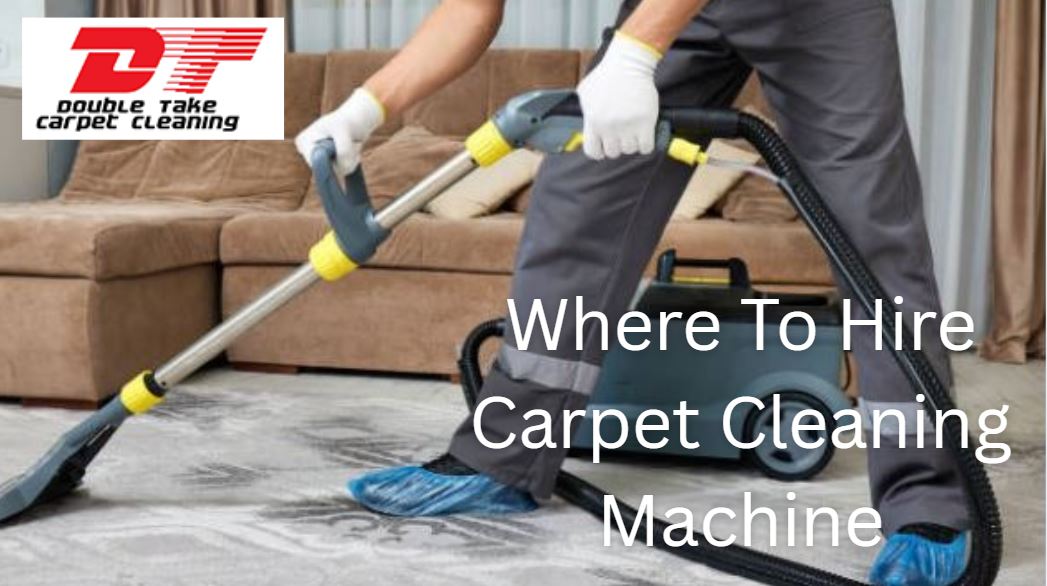
Where To Hire Carpet Cleaning Machines: A Complete Guide
If you are searching for “where to hire carpet cleaning machines,” you are really asking where you can get professional‑grade carpet‑cleaning equipment brought to your home or business, rather than struggling with a weak consumer rental. In plain terms, the smart play is to hire a professional carpet‑cleaning service, not to rent the machine yourself. They bring powerful, truck‑mounted or portable extractors, trained technicians, and proper cleaning chemistry, while you stay out of the labor and risk.
The most important thing to know is this: renting a carpet‑cleaning machine yourself is often more trouble than it is worth. DIY rentals can over‑wet carpet, leave sticky residue, damage fibers, and fail to remove deep soil or allergens safely. This article explains what “hiring carpet‑cleaning machines” really means, where smart homeowners turn for help, what can go wrong, and how to choose an experienced provider who brings the right equipment and expertise. It also covers realistic costs and time savings, so you can decide whether to rent a machine on your own or hire a professional team instead.
What “Hiring Carpet Cleaning Machines” Really Means
When people search “where to hire carpet cleaning machine,” they often mean one of two things:
- Renting a carpet‑cleaning machine for themselves (for example, from Lowe’s, The Home Depot, Rug Doctor, or a local hardware store).
- Hiring a professional service that uses commercial‑grade carpet‑cleaning machines instead of trying the job yourself.
An experienced flooring or carpet‑cleaning professional focuses on the second option: you hire a company, and they bring their own high‑powered carpet extractors, spot‑treatment tools, and drying equipment to your property. That’s usually better than renting a machine yourself because:
- The equipment is stronger and more efficient.
- The technician knows how to match water, heat, and suction to your specific carpet type.
- You avoid the DIY labor, risk of over‑wetting, and potential damage to fibers or padding.
There are no strict federal laws dictating that you must hire a professional, but the Institute of Inspection, Cleaning and Restoration Certification (IICRC) and carpet‑manufacturer guidelines encourage homeowners to use trained technicians for deep cleaning, especially for wall‑to‑wall carpet, pet odors, and allergy relief.
Common options for getting machine‑based cleaning done include:
- DIY rental machines from big‑box stores (Lowe’s, The Home Depot), supermarkets, and hardware chains.
- Professional carpet‑cleaning companies that bring their own trucks or powerful portable units to your home.
- Commercial‑equipment rental yards (Sunbelt, United Rentals, and others) that let you pick up larger carpet‑water extractors, mainly for offices or large properties.
What “hiring a carpet‑cleaning machine” usually does not include are:
- Structural repairs or carpet replacement
- Moving heavy furniture beyond light‑piece shifting
- Guaranteeing that every old stain will vanish (physics and chemistry set limits).
8 Key Things To Know About Hiring Or Using Carpet‑Cleaning Machines
1. Where to hire (or rent) carpet‑cleaning machines
Most Salt Lake City–area residents can access carpet‑cleaning machines in several places:
- Big‑box home‑improvement stores: Lowe’s and The Home Depot offer Rug Doctor–style carpet extractors for rent at roughly $40–$50 per day, plus solution.
- Rug Doctor and similar rental networks: You enter your ZIP code on the Rug Doctor locator and pick up a machine from a nearby store or kiosk.
- Local hardware stores: Ace Hardware and similar chains sometimes rent carpet shampooers at slightly lower daily rates.
- Commercial‑equipment rental yards: Sunbelt Rentals and United Rentals carry carpet‑water extractors designed for offices, hotels, and light‑commercial spaces.
If you mean “hire” in the sense of paying someone to do the job, you look for professional carpet‑cleaning companies that advertise “in‑home cleaning,” “truck‑mounted extraction,” or “professional‑grade equipment.” These firms bring the machines and the labor; you simply schedule the visit.
2. Professional machines are stronger and safer
Professional carpet‑cleaning companies use truck‑mounted or powerful portable extractors that spray hotter water and pull more strongly than most home‑rental units. That means:
- Less repeated passes over the same area
- Faster overall cleaning time
- More effective removal of embedded dirt and allergens
DIY rentals often leave more moisture in the carpet backing and padding, which can slow drying, encourage mold, or create a “crunchy” residue. Professionals also pre‑vacuum, pre‑treat stains, and adjust settings per carpet type, which most renters do not do.
3. Chemistry and water control matter a lot
Most DIY rental kits include a small bottle of carpet‑cleaning solution you mix into the water tank, but people often:
- Add too much soap, leaving sticky residue that attracts dirt.
- Substitute dish soap, bleach, or laundry detergent, which can damage fibers or void the warranty.
Professionals use commercially formulated, carpet‑type‑specific cleaners and neutralizers, and they know how much to apply. That reduces the chances of sticky residue, color bleeding, or lingering odors.
4. Over‑wetting is a common DIY disaster
Home‑rental machines are weaker, so people tend to go over the same spot many times, thinking “more water and more passes = cleaner.” In reality, this can:
- Saturate the padding and subfloor
- Slow drying to 24–48 hours or longer
- Encourage mold or mildew if the carpet stays damp too long
Professional cleaners balance water pressure and vacuum strength so the carpet is cleaned without soaking the padding. They also advise on fans, airflow, and traffic restrictions, which most rental clerks cannot explain in detail.
5. Not all carpets are DIY‑machine–friendly
Rental extractors are mainly designed for synthetic wall‑to‑wall carpets, not:
- Delicate wool or antique rugs
- Very old or fragile carpet
- Specialty residential or commercial carpet with special backing or latex
If you use a rental machine on the wrong type of carpet, you can shrink fibers, warp edges, or create permanent wicking or odor issues. Professionals inspect the carpet and choose the right method (hot‑water extraction, low‑moisture, or dry cleaning) so the job is safer and more effective.
6. Time, labor, and convenience trade‑offs
Even if you “hire” a machine by renting it, you still do the work:
- Move furniture
- Vacuum first
- Mix solution
- Make proper passes
- Empty tanks and refill water
- Dry the room
- Clean and return the machine
That can take most of a day and require physical effort. In contrast, hiring a professional means you only prepare the space; they handle the setup, cleaning, and drying guidance. For busy households, parents, or people with pets, this difference can be the deciding factor.
7. Cost and value considerations
DIY rentals are usually cheapest per‑day:
- Big‑box rentals often run $40–$55 per day, plus solution.
- Commercial‑grade extractors from rental yards can be higher, especially for multi‑day or large‑area use.
Professional full‑house cleaning typically costs $200–$700+, depending on size and local market, but it:
- Often cleans more deeply
- Reduces your labor
- Lowers the risk of damage or re‑cleaning later
If you mismanage a rental, you may end up with wicking, mold, or odor that forces another cleaning or even early carpet replacement. That “cheap” rental can become surprisingly expensive in the long run.
8. When to rent versus when to hire a professional
Use a rental machine when:
- You only need light cleaning in a small area
- You are comfortable following instructions and managing setup/return
- You have a relatively new, durable carpet and want to save money on a one‑time
Hire a professional service when:
- You have multiple rooms or heavy‑traffic areas
- There are pets, children, smokers, or allergy concerns
- The carpet is older, delicate, or has stains or odors
- You want stronger cleaning with less DIY effort and lower risk
The Real Cost / Impact of Getting It Wrong
Financial costs
Poor use of a carpet‑cleaning machine can lead to:
- Needing a follow‑up cleaning or emergency odor‑removal service if the job is incomplete.
- Mold or mildew mitigation if the padding stayed damp too long.
- Early carpet replacement if fibers or padding are damaged by excess water or harsh chemicals.
Professional cleaning is more expensive up front, but many homeowners save money long‑term because they extend their carpet’s life and avoid costly repairs or replacements.
Time and emotional cost
A badly managed DIY cleaning can spill into a second day, delay family events, and leave you living in a damp or smelly room. Children and pets may not be able to use the cleaned area for hours, and re‑soiling can happen quickly if residue is left behind.\
Long‑term consequences for the carpet
Abrasive dirt left embedded, sticky residue, and repeated over‑wetting can dull fibers and make the carpet feel rough and look worn prematurely. A professional can often extend the life of residential carpet by several years with proper deep‑cleaning intervals.
How an Experienced Professional Helps
An experienced carpet‑cleaning professional helps you decide whether to hire a machine‑based service or attempt a DIY rental. They can:
- Inspect your carpet type and condition and recommend the safest method.
- Plan the workflow, including pre‑vacuuming, spot‑treatment, and drying guidance.
- Use the right equipment and chemistry, including high‑powered extraction, neutralizers, and, if needed, odor‑treatment solutions.
During the job, they prepare the space, move light furniture, clean efficiently, and protect your floors and furnishings. If something does not turn out as expected (for example, wicking or incomplete stain removal), they can troubleshoot or schedule a follow‑up.
By following recognized industry standards and manufacturer guidelines, they help keep your carpet within warranty terms and in better long‑term condition.
Carpet‑Cleaning Machine Options and Alternatives
1. DIY rental machines from big‑box stores
Stores like Lowe’s and The Home Depot rent upright carpet extractors (often Rug Doctor or similar brands) for about $40–$55 per day.
How it works: Rent the machine, mix in the solution, make slow passes, empty the dirty‑water tank, and return the unit clean.
When it’s appropriate: Small jobs, light cleaning, and homeowners comfortable with equipment and detail.
Limitations: Weaker suction, risk of over‑wetting, limited technical support, and no guarantee of results.
2. Rug Doctor and supermarket rentals
Rug Doctor and similar programs place rental units in grocery stores and hardware outlets; you pick one up with a small deposit and solution.
How it works: Search by ZIP, choose a nearby location, follow the on‑screen or printed instructions, and return the machine within the rental window.
When it’s appropriate: Same as big‑box rentals; convenient if there is a store close to your home.
Limitations: Guidance is generic and not tailored to your carpet or home.
3. Local hardware or paint‑and‑hardware stores
Some hardware stores carry carpet‑shampooer rentals at competitive prices.
How it works: You rent a compact or upright unit, often with a cartridge of solution.
When it’s appropriate: Small jobs or spot cleaning, budget‑conscious projects.
Limitations: Less power and fewer options than professional gear.
4. Commercial‑equipment rentals
Companies such as Sunbelt Rentals and United Rentals offer carpet‑water extractors for offices and large spaces.
How it works: Request a quote, pick up or arrange delivery of a heavier machine, and follow the operator’s manual.
When it’s appropriate: Commercial properties, hotels, or large homes where you need strong suction and large tanks.
Limitations: Higher cost and more complex operation for beginners.
5. Skip the rental and hire a professional service
Instead of renting any machine, you can hire a carpet‑cleaning company that brings their own truck‑mounted or professional‑grade equipment.
How it works: The technician inspects the carpet, pre‑treats stains, uses powerful extraction, and advises on drying and traffic restrictions.
When it’s appropriate: Deep‑cleaning the whole home, pet odors, allergy relief, older or delicate carpet, or when you prefer to avoid DIY labor.
Limitations: Higher upfront cost, but usually better long‑term value and fewer risks.
What to Do If You Are Planning To Hire or Rent a Machine
Use this checklist whether you rent a machine yourself or hire a professional:
- Identify your carpet type and condition
- Check labels or installer notes; if the carpet is old, delicate, or has mold or strong odors, lean toward a professional.
- Decide DIY or pro
- For light, one‑room jobs and confident DIYers, a rental may make sense. For whole‑house or problem carpets, hire a professional.
- If you rent a machine
- Compare prices and locations (Lowe’s, Home Depot, Rug Doctor, hardware stores).
- Read the included instructions, especially for solution mixing and water‑tank handling.
- Prepare the space
- Vacuum thoroughly first.
- Remove small furniture, breakables, and rugs.
- Clear a path for the machine and plan for drying time.
- Operate the machine carefully
- Follow the manufacturer’s instructions.
- Make slow, straight passes; avoid going over one area too many times.
- Empty the dirty‑water tank and refill the clean‑water tank as needed.
- Dry the carpet properly
- Open windows, run fans, and use HVAC airflow.
- Avoid walking on the carpet until it feels dry and no longer cool or damp.
- Clean and return the rental
- Rinse hoses and tank if allowed, and return the machine in clean condition.
How to Choose the Right Provider or Rental Outfit
If you decide to hire a professional service instead of renting a machine yourself, look for a provider that:
- Has experience with different carpet types, stain removal, and odor control.
- Explains the process in plain English and sets realistic expectations for what can be removed.
- Offers clear scheduling and follow‑up if something goes wrong.
- Follows good safety and moisture‑control practices to protect your flooring and furniture.
If you decide to rent a machine, choose a retailer or rental network that:
- Provides clear setup and return instructions.
- Carries well‑known rental brands (Rug Doctor, BISSELL, etc.).
- Has accessible support in case you have questions while cleaning.
Common Mistakes People Make
- Assuming rental machines are as good as professional gear
Rental units are weaker and more likely to leave moisture and residue; professionals use stronger equipment and better techniques. - Over‑wetting the carpet
Going over the same area too many times or using too much water can soak the padding and create mold or odor issues. - Using the wrong cleaning chemistry
