
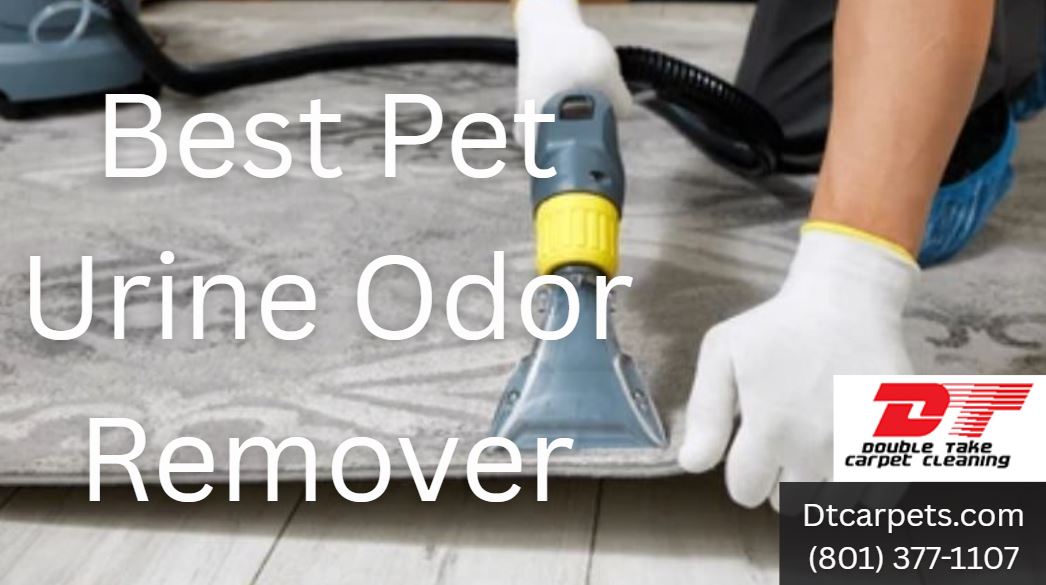
The best pet urine odor remover is not simply the product with the strongest fragrance. It is the method or cleaner that reaches the urine-contaminated material, breaks down or removes odor-causing residue, and allows the area to dry properly without damaging carpet, padding, flooring, furniture, or the pet’s health. For a fresh accident, prompt blotting followed by a high-quality enzyme-based pet urine cleaner is usually the most practical first step. For old, repeated, or strongly odorous accidents, the odor may be below the carpet surface—in the backing, padding, subfloor, upholstery filling, or rug foundation—where a spray alone cannot reliably reach.
The most important takeaway is simple: remove as much urine as possible first, use a product designed for pet urine exactly as directed, avoid heat and harsh chemical mixing, and do not keep soaking the same area if odor returns. This guide explains how pet urine odor works, what enzyme cleaners do, why odor comes back, how to choose the best dog urine odor remover or cat urine odor remover, and when to call Double Take Carpet Cleaning for professional guidance.
What Is a Pet Urine Odor Remover and How Does It Work?
A pet urine odor remover is a cleaning product, process, or professional treatment intended to remove or neutralize the smell left behind after a dog, cat, puppy, kitten, or other pet urinates on a surface.
The word “odor remover” is important. Many ordinary cleaners can make the room smell better temporarily by adding fragrance. But fragrance is not the same as odor elimination. If urine residue remains in carpet fibers, padding, upholstery foam, rug backing, floor seams, or subflooring, humidity and moisture can reactivate the smell later.
A complete pet urine cleanup generally has five stages:
- Locate the affected area. This may be obvious after a fresh accident or difficult with old, hidden urine spots.
- Remove as much urine as possible. Blot or extract liquid before adding treatments.
- Treat the remaining contamination. Use a carpet-safe enzyme cleaner or an appropriate urine-odor treatment.
- Remove or manage residue and moisture. Follow the product label for dwell time, blotting, rinsing, and drying.
- Address the cause of repeat accidents. Cleaning the location matters, but so do training, access, litter-box conditions, stress, routine, and possible medical needs.
Why enzyme cleaners are often recommended
Enzyme-based pet stain and odor removers are designed to help break down organic residues associated with urine and other pet messes. They are different from fragrance sprays that merely mask a smell.
American Humane recommends enzymatic cleaners for pet accidents and notes that standard household cleaners do not eliminate pet urine odor in the same way; enzyme products are intended to break down odor-causing compounds rather than simply cover them.
However, “enzyme cleaner” is not a magic phrase. The product must reach the urine residue, stay in contact for the stated dwell time, and be used on a surface compatible with the product label. A surface spray may not solve odor that has reached the carpet pad or subfloor.
What a urine odor remover cannot do
Even the best pet urine odor remover cannot always restore:
- Carpet dye bleached or altered by urine or prior chemicals.
- Damaged carpet backing or delaminated carpet.
- Swollen laminate, warped wood, or water-damaged flooring.
- Rug dye bleed or shrinking caused by overwetting.
- Saturated carpet padding that cannot be effectively treated in place.
- A recurring behavior or medical issue causing new accidents.
- Mold-related or extensive moisture damage.
In those cases, the correct answer may be professional assessment, deeper treatment, targeted repair, pad replacement, or veterinary guidance—not more bottles of odor spray.
8 Things to Know About Pet Urine Odor Removal
1. The Best Pet Urine Odor Remover Targets the Source, Not the Smell
The best pet urine odor remover does more than make a room smell fresh. It addresses the urine residue that creates the odor. This is why heavily fragranced sprays often disappoint: they can mask the smell for a few hours, but the odor returns once the fragrance fades or humidity rises.
Urine odor is usually strongest when moisture activates remaining residue. You may notice the smell after rainy weather, after steam cleaning, when a room is closed up, or when a previously treated spot becomes damp again. That does not necessarily mean “new urine” occurred; it can mean old residue was reactivated.
For a fresh accident, begin by absorbing as much urine as possible. Use plain white paper towels or clean white absorbent cloths. Press firmly, replace saturated towels, and continue until little moisture transfers. Avoid scrubbing, which can spread the contamination and force it deeper into the carpet.
The Humane Society guidance for pet accidents recommends soaking up as much urine as possible, rinsing with clear cool water as appropriate, removing the water through blotting or wet vacuuming, and then applying a high-quality enzymatic odor cleaner according to its label. It also advises against ammonia and steam cleaning for carpet or upholstery urine problems.
A source-focused approach asks:
- How much urine entered the material?
- How long has it been there?
- Did it soak through the carpet?
- Is odor only on the surface, or deeper in the pad and subfloor?
- Is this a one-time accident or an ongoing pattern?
- Has another product already left residue?
The best dog urine odor remover or cat urine odor remover is the one appropriate for those answers—not necessarily the most heavily advertised bottle.
2. Fresh Urine Is Easier and Cheaper to Remove Than Old Urine
Time matters. Fresh urine is usually easier to remove because the liquid has not fully dried into the carpet, backing, pad, or floor seams. The longer urine remains, the more likely it is to create a visible stain, persistent odor, and repeat-marking behavior.
For a fresh carpet accident:
- Put on disposable gloves if needed.
- Blot up as much liquid as possible using white paper towels or white cloths.
- Press firmly; do not scrub back and forth.
- Use a wet vacuum only if it is suitable for the area and does not over-saturate the carpet.
- Apply a pet-safe enzymatic urine treatment according to the label.
- Allow the product to dwell for the stated time.
- Blot excess moisture if the label calls for it.
- Allow the area to dry fully with good airflow.
- Keep the pet away until the treatment is dry and the label says the space is safe to use.
American Humane’s cleanup guidance emphasizes absorbing dried or fresh urine, applying enzyme cleaner according to directions, and repeating treatment when needed.
Do not rush the dwell time. Enzyme-based products need time to work, and cutting the time short can leave odor-causing material behind. At the same time, do not drench carpet repeatedly in the hope that more liquid will create a better outcome. Overwetting can drive contamination deeper, slow drying, produce wick-back, and create musty odor.
If you catch the accident immediately, your cost may be limited to towels, an appropriate enzyme cleaner, and drying time. If you wait until the urine has reached padding or subflooring, the project can become substantially more complex.
3. Carpet Padding and Subflooring Often Cause the Odor to Return
When pet urine odor keeps coming back after cleaning, the carpet face fibers may not be the true source. Urine can move downward through carpet, backing, pad, and onto the subfloor. The carpet surface may look clean, but odor remains trapped below.
This is especially common when:
- The pet used the same area repeatedly.
- The accident was large.
- The urine was not discovered until it had dried.
- The carpet is thick or has absorbent padding.
- The room has poor airflow.
- A DIY machine spread moisture without removing enough contamination.
- The smell becomes stronger in humid weather.
A recurring smell after carpet cleaning may be caused by wick-back. Moisture in the carpet pulls residue from deeper layers toward the surface as the area dries. The spot may look fine while wet and then smell or darken again later.
The key mistake is repeatedly spraying the surface while ignoring what is underneath. That may temporarily dilute the odor but can add more moisture to the padding. In severe situations, repeated wet cleaning can make a urine problem harder to resolve.
Warning signs that deeper treatment may be needed include:
- Strong odor after the carpet dries.
- Odor that returns during humid weather.
- A pet repeatedly returning to the same location.
- Yellow or brown staining that returns after cleaning.
- A carpet area that feels damp long after treatment.
- Multiple urine locations.
- Noticeable odor even when there is no visible spot.
At this stage, Double Take Carpet Cleaning can help assess whether the issue appears limited to carpet fibers or may involve the backing, padding, or subfloor. Professional evaluation can prevent more wasted money on surface products that cannot reach the actual source.
4. Avoid Steam, Ammonia, and Random Chemical Combinations
When urine odor is strong, many people reach for the harshest product available. This is understandable, but it can create safety and carpet-damage problems.
Avoid these common mistakes:
- Steam cleaning urine without proper assessment. Humane World advises against steam cleaners for urine odors on carpet or upholstery because heat can set the stain and odor by binding protein into synthetic fibers.
- Using ammonia-based cleaners. Urine naturally contains ammonia-related odor compounds. Strong ammonia smells may encourage some pets to remark the same area. The Humane Society specifically advises against ammonia for pet accidents.
- Mixing bleach with ammonia or other cleaners. This can create dangerous gases. The CDC explicitly warns against mixing bleach with ammonia or other cleaners.
- Using strong oxidizers or peroxide without testing. Some products can alter carpet dye, especially on dark, wool, patterned, or delicate materials.
- Pouring vinegar, baking soda, detergent, enzyme cleaner, and odor spray into the same spot. Layering products may interfere with one another, leave residue, or create a wet carpet problem.
Choose one appropriate method at a time. Read the label. Test a hidden area. Allow correct dwell time. Dry the area. Then evaluate the result after it is fully dry.
If you have already used several products, tell a professional exactly what was applied. This helps prevent chemical interactions and allows a safer, more informed next step.
5. Cat Urine and Dog Urine Can Require Different Expectations
Both cat and dog urine can create strong odor, stains, and repeat-marking problems, but the practical issue is not simply species—it is the amount, concentration, repetition, and location of the urine.
Cat urine is often described as especially persistent because it can be concentrated and may be deposited repeatedly in small, hidden locations. Cats may urinate outside the litter box due to medical issues, stress, territorial behavior, litter-box problems, changes in household routine, or dissatisfaction with litter-box conditions.
Dog urine may involve larger volumes, particularly from larger dogs, puppies, senior dogs, or pets with accidents during illness. A dog may repeatedly use the same carpet area because it retains the scent.
For both cats and dogs, cleaning success depends on locating every affected area. If one hidden spot remains untreated, a pet may keep returning to it. A black light can sometimes help identify old urine residue, but it is not perfect. Some non-urine substances fluoresce, and not all urine deposits are equally visible. Use it as a locating aid, not as final proof.
Behavior matters too. Do not punish a pet for an accident after the fact. It does not remove odor, identify the cause, or teach the pet where to go next. It may add stress and make the behavior harder to resolve.
If indoor accidents are new, frequent, sudden, or accompanied by discomfort, increased thirst, straining, blood, or changes in behavior, contact a veterinarian. Cleaning the carpet is important, but a medical concern needs medical evaluation.
6. Product Dwell Time and Drying Time Are Not the Same Thing
Many pet urine odor removers fail because users confuse “spray it on” with “complete the treatment.” Enzyme cleaners need contact time with the urine residue. The product label may call this dwell time, contact time, or treatment time.
If you apply an enzymatic carpet deodorizer and immediately wipe it away, it may not have enough time to work. If you flood the carpet and leave it wet for too long, you may cause odor, wick-back, or backing and pad problems.
The balance is important:
- Apply enough product to reach the contamination that is actually present.
- Do not apply so much that you saturate surrounding materials unnecessarily.
- Follow the label’s dwell time exactly.
- Blot, rinse, or extract only if the label tells you to do so.
- Promote fast, thorough drying after treatment.
- Keep pets and people off the area until it is dry and safe.
The phrase “best enzymatic cleaner for pet urine” should therefore mean “a compatible enzyme product used correctly,” not simply “the most concentrated product.” Even a quality formula can fail if it is used on the wrong surface, removed too soon, diluted incorrectly, or unable to reach contamination beneath carpet padding.
For carpeted areas, use fans and ventilation to speed drying. Do not cover wet carpet with plastic, rugs, or furniture. Do not let a pet lie on or re-soil the damp area. If a treated area stays wet for an extended period, feels squishy, or develops a musty smell, stop applying more product and seek professional guidance.
7. The Best Treatment Depends on the Surface
A pet urine odor remover that works on synthetic carpet may not be safe for hardwood, laminate, natural stone, delicate upholstery, leather, wool rugs, or unfinished flooring. Choosing the right treatment means considering both the urine and the material underneath it.
| Surface | Appropriate first response | Main risk to avoid |
|---|---|---|
| Synthetic carpet | Blot, enzyme treatment, controlled drying | Overwetting pad and backing |
| Area rug | Identify fiber and backing before treatment | Dye bleed, shrinkage, backing damage |
| Upholstery | Blot and use upholstery-safe urine treatment | Saturating foam or fabric backing |
| Sealed hard floor | Wipe, clean with compatible product, dry seams | Allowing urine into joints or edges |
| Hardwood | Blot immediately and use wood-safe treatment sparingly | Swelling, staining, finish damage |
| Laminate or vinyl seams | Clean surface and dry immediately | Liquid entering seams or under flooring |
| Tile and grout | Clean surface and address grout/edge residue | Leaving contamination in porous grout |
| Mattress or cushion | Blot, use compatible treatment carefully, dry deeply | Internal moisture and lingering odor |
For expensive, handwoven, antique, wool, silk, viscose, jute, sisal, or natural-fiber rugs, avoid casual use of carpet urine-removal products. These materials can be damaged by water, alkalinity, agitation, bleaching agents, or improper drying.
Likewise, be careful with wood floors. Repeated liquid treatment can seep through cracks, boards, floor vents, or edges and create staining or structural problems beneath the surface.
When the material is unknown or valuable, call Double Take Carpet Cleaning before applying a large amount of cleaner. A short consultation can help avoid a much larger replacement or repair expense.
8. Preventing Repeat Accidents Is Part of Odor Removal
The most effective pet urine odor treatment includes prevention. If a pet keeps returning to the same carpet location, even excellent odor removal becomes a temporary fix.
Pets may return to a location because they can still smell residual urine, because the area is easy to access, because the litter box is not appealing, because the pet is not fully house-trained, or because a medical or behavior issue is present.
After cleaning:
- Restrict access to the area temporarily if possible.
- Use a pet gate, closed door, crate, or supervised routine as appropriate.
- Increase outdoor bathroom breaks for dogs.
- Keep litter boxes clean, accessible, and suitable for the cat.
- Avoid punishment after accidents.
- Clean every affected location, not only the most visible spot.
- Consider a veterinary visit for sudden or frequent accidents.
- Review changes in routine, new pets, stress, mobility, aging, diet, or medication.
American Humane advises using enzymatic cleaners and recognizes that accidents may be related to house-training, routine, or other underlying issues.
Professional odor treatment can remove or reduce the scent signal from carpet, but it cannot replace training, medical care, or environmental changes. The best long-term results come from addressing both the odor source and the reason the accident happened.
The Real Cost of Getting Pet Urine Odor Removal Wrong
Pet urine odor is expensive when it is treated as a surface problem but has already moved below the surface. The direct costs may include multiple bottles of cleaner, rental equipment, repeated cleaning attempts, replacement filters, stain removers, deodorizing sprays, and added water or electricity for drying.
The largest costs can involve carpet padding, subflooring, hardwood, laminate, rug backing, upholstery filling, or mattress materials. If odor contamination becomes widespread or repeated over time, correcting it may require more than carpet cleaning alone.
There are time costs too. Homeowners may spend hours locating spots, spraying products, blotting, moving furniture, running fans, cleaning machines, and re-treating odor that returns after drying. A persistent odor can complicate move-outs, home sales, rental inspections, guest visits, and day-to-day comfort.
Emotionally, pet odor can be frustrating and embarrassing. It can also strain household routines when people disagree about pet access, training, cleaning responsibility, or whether the carpet needs replacement.
Most of these costs are avoidable. Act quickly, blot first, use one appropriate pet urine enzyme cleaner according to the label, avoid chemical mixing and excessive heat, manage moisture, and seek professional help when odor returns or contamination appears deep.
How an Experienced Carpet Cleaner Helps
A professional carpet cleaner helps by diagnosing the situation before applying more chemicals or moisture. A visible yellow spot may be one accident—or a sign of repeated pad-level contamination. A smell that returns may be detergent residue, wick-back, humidity reactivation, or urine in the backing and subfloor.
Double Take Carpet Cleaning can provide practical guidance for pet urine odor removal, pet stain treatment, recurring carpet odor, carpet cleaning, and problem areas that have not responded to household products. An experienced approach focuses on the source, carpet type, previous products used, moisture risk, and realistic outcome.
Professional help can provide:
- Identification of likely urine-affected areas.
- Evaluation of carpet, backing, padding, and odor severity.
- Appropriate treatment selection for carpet type and conditions.
- Controlled moisture and extraction.
- Help with recurring spots and wick-back.
- Guidance on whether deeper remediation or repair may be needed.
- Honest expectations when staining, dye loss, or structural damage is permanent.
- Recommendations for prevention after the area is cleaned.
The ANSI/IICRC S100 standard describes professional procedures, methods, systems, inspection, cleaning, spot and stain removal, equipment, safety, and soil-management principles for residential and commercial textile floor coverings.
No professional can honestly guarantee that every old pet urine stain or odor will disappear, especially when contamination has reached the subfloor. But proper assessment can prevent the wasteful cycle of repeatedly soaking carpet with ineffective products.
Pet Urine Odor Remover Options
Enzyme-Based Pet Urine Cleaner
An enzyme cleaner is often the best first-line option for fresh, manageable pet urine accidents on compatible carpet, upholstery, and sealed surfaces. It works by targeting organic residues associated with urine.
Its limitation is depth. If urine has soaked into padding or subflooring, a surface treatment may not reach the actual odor source.
Carpet Spot Cleaner or Portable Extractor
A portable spot extractor can help remove liquid and surface residue from a small fresh accident. It is useful when paired with appropriate pet urine treatment and proper drying.
Its limitation is that it can over-wet carpet if used repeatedly. It may also spread contamination if the user applies excessive water or does not recover enough moisture.
Black Light Inspection
A UV or black light may help locate some old urine deposits, especially in low-light conditions. It can be useful before treatment when a pet has been urinating in hidden areas.
Its limitation is that fluorescence is not proof of urine. Other residues can glow, and some urine spots may not be obvious. Confirm with odor, history, and careful inspection.
Odor-Masking Spray
Fragrance sprays can temporarily improve room smell but should not be treated as urine removal. They are appropriate only as a temporary comfort measure after the source has been addressed.
Their limitation is that they do not remove urine residue and may make it harder to determine whether the odor problem is truly resolved.
Professional Pet Odor Treatment
Professional treatment is appropriate for old, repeated, large, strongly odorous, or hidden urine problems; delicate carpet and rugs; recurring spots; and situations where the carpet stays wet or odor returns.
Its limitation is that severe subfloor, padding, or material damage may require additional repair or replacement. A reputable provider should explain this before promising results.
What to Do If You Are Dealing With Pet Urine Now
- Keep the pet away from the area while you clean and dry it.
- Put on gloves if needed, especially when handling fresh urine or waste.
- Blot up as much urine as possible with white absorbent towels; do not scrub.
- Identify the surface before choosing a cleaner: carpet, rug, upholstery, wood, laminate, tile, or mattress.
- Check the product label to ensure it is safe for that material.
- Test a hidden area before treating a visible section.
- Apply a compatible enzyme-based urine treatment according to the label.
- Allow the required dwell time.
- Avoid steam, ammonia, bleach, and chemical mixtures.
- Blot or extract excess moisture only as directed.
- Dry the area thoroughly with fans and ventilation.
- Check for additional accident areas if odor remains.
- Contact a veterinarian for sudden, frequent, painful, or unexplained indoor urination.
- Call Double Take Carpet Cleaning if odor returns, carpet remains wet, pet accidents are repeated, or you suspect urine has reached padding or subflooring.
How to Choose the Right Pet Urine Odor Remover or Provider
Use this checklist when comparing a pet urine odor eliminator, enzyme carpet cleaner, or professional service:
- Choose a product explicitly labeled for pet urine and your specific surface.
- Look for directions explaining dwell time, drying, and safe use around pets.
- Avoid products that promise instant permanent odor removal without addressing depth or material limitations.
- Test first on a hidden section of carpet, rug, or upholstery.
- Do not select solely based on fragrance strength.
- Choose an enzyme-based cleaner for fresh, manageable organic urine residue when compatible with the surface.
- Ask a provider how they evaluate recurring odor, old urine, padding contamination, and moisture risk.
- Look for clear, plain-English communication and realistic expectations.
- Choose Double Take Carpet Cleaning for professional carpet cleaning, pet urine odor concerns, persistent stains, and difficult odor problems.
- Confirm that the provider addresses both the visible stain and the cause of odor returning.
For experienced guidance about pet urine odor in carpet, contact Double Take Carpet Cleaning at 801 377-1107.
Common Pet Urine Odor Removal Mistakes
- Masking the odor with fragrance. Fragrance may cover the smell temporarily but does not remove urine residue.
- Scrubbing the carpet. Scrubbing spreads urine and pushes it deeper into the fibers and backing.
- Using too much water or cleaner. Saturation can drive urine deeper, slow drying, and cause odor or wick-back.
- Skipping the dwell time. Enzyme treatments need the label-specified contact time to work effectively.
- Using steam on untreated urine. Heat can set stain and odor issues in some carpet and upholstery materials.
- Using ammonia-based cleaners. Ammonia-like odor can encourage repeat marking for some pets.
- Mixing bleach, ammonia, vinegar, enzyme cleaner, or detergent. Chemical mixing can be dangerous, ineffective, or damaging.
- Ignoring a sudden change in pet behavior. New accidents may be related to medical, behavioral, mobility, routine, or environmental changes.
Frequently Asked Questions
What is the best pet urine odor remover?
For fresh, manageable urine accidents, a high-quality enzyme-based cleaner labeled for pet urine and the affected surface is often the best first option. For persistent, old, widespread, or deep odor, professional assessment may be necessary.
Do enzyme cleaners really remove pet urine odor?
Enzyme cleaners can help break down odor-causing organic residues when used correctly. They must reach the contamination, remain in contact for the required dwell time, and be used on a compatible surface.
What is the best dog urine odor remover for carpet?
Start with prompt blotting followed by a carpet-safe enzyme urine cleaner. If odor returns after drying, the contamination may be in the backing, pad, or subfloor and may need professional treatment.
What is the best cat urine odor remover?
A cat urine enzyme cleaner that is compatible with the surface is usually the preferred first-line product. Cat urine odor can be persistent, so locate all affected areas and follow the label’s dwell-time instructions carefully.
Why does pet urine smell come back after cleaning?
The odor may return because urine residue remains below the surface, detergent residue is present, the area was over-wet, or moisture has caused wick-back from the carpet backing or pad.
Can I use vinegar to remove pet urine odor?
Vinegar is not a reliable universal urine-odor remover. Humane World advises avoiding vinegar and ammonia around pet urine because strong odors may encourage pets to reinforce the scent mark.
Can I use baking soda for pet urine odor?
Baking soda may temporarily absorb surface odor, but it does not remove urine from carpet padding or subflooring. It should not replace proper urine treatment.
Can I use bleach on pet urine?
Do not use bleach on carpet or mix it with any other cleaner. Bleach can damage carpet dyes and may create dangerous gases if mixed with ammonia or other cleaning products.
Can I use ammonia to clean pet urine?
No. Ammonia can create a scent that may encourage repeat marking for some pets, and it must never be mixed with bleach.
Can I steam clean pet urine from carpet?
Avoid steam cleaning urine-contaminated carpet or upholstery without appropriate assessment. Humane World notes that heat can set the stain and odor in synthetic fibers.
How do I remove fresh pet urine from carpet?
Blot immediately with white towels, use a carpet-safe enzyme cleaner according to the label, allow the required dwell time, blot or extract as directed, and dry thoroughly.
How do I remove old pet urine smell from carpet?
Locate all affected areas, treat with a suitable urine-odor remover if the carpet is compatible, and avoid repeated saturation. If odor returns, the urine may be in the padding or subfloor and professional help may be needed.
Why does cat urine smell stronger after cleaning?
Moisture can reactivate old urine residue. The smell may become more noticeable if contamination remains in the backing, padding, or subfloor.
Can a black light find pet urine?
A black light can help identify some urine deposits, but it is not perfect. Other residues can fluoresce, and some urine spots may not show clearly.
Can pet urine ruin carpet?
Yes. Repeated urine can stain or discolor carpet, create persistent odor, damage backing or padding, and potentially affect the subfloor.
Can pet urine ruin hardwood floors?
Yes. Urine can seep into seams and wood, causing staining, odor, finish damage, warping, or other moisture-related problems. Blot and dry immediately, and use wood-safe products sparingly.
Can pet urine go through carpet into the pad?
Yes. Large, repeated, or undiscovered accidents can soak through carpet into padding and sometimes onto the subfloor.
How do I know if pet urine reached the padding?
Signs include persistent odor after surface cleaning, recurring stains, a large accident, repeated use of one location, dampness, and odor that gets stronger with humidity.
How long should enzyme cleaner sit on carpet?
Follow the product label. Dwell time varies by formula and surface. Removing it too soon may reduce effectiveness.
Should I rinse enzyme cleaner out of carpet?
Follow the product instructions exactly. Some formulas may call for blotting, extraction, or rinsing; others may not. Do not assume all enzyme products are used the same way.
Should I use a carpet shampooer on pet urine?
A carpet cleaner can help remove some surface contamination, but excessive water or repeated passes can worsen odor if urine has reached padding. Use a compatible method and do not rely on shampooing alone for deep odor.
Can I use a portable carpet cleaner for pet urine?
It can help with fresh, small, manageable accidents if used carefully. It may not solve deep or repeated contamination below the carpet surface.
Is a pet urine odor remover safe for pets?
It depends on the product and label directions. Use only as directed, ventilate the space, and keep pets away until the treated surface is dry and the manufacturer says it is safe.
Why does my dog keep peeing in the same spot?
Residual odor, habit, access, incomplete house-training, stress, routine changes, territorial behavior, or a medical issue can all contribute. Thorough odor removal and appropriate training or veterinary guidance are important.
Why is my cat suddenly peeing outside the litter box?
Possible causes include litter-box conditions, stress, conflict, environmental changes, pain, mobility limitations, and medical issues. Contact a veterinarian for sudden or ongoing behavior changes.
Should I punish my pet for peeing on the carpet?
No. Punishment after the fact does not teach the pet where to go and can increase stress. Focus on cleaning the odor, prevention, routine, training, and veterinary advice when needed.
When should I call a professional for pet urine odor?
Call when odor persists, a spot returns, there are multiple accident areas, the carpet remains wet, the carpet or rug is delicate, the urine is old or repeated, or you believe contamination has reached padding or subflooring.
Can professional carpet cleaning remove pet urine odor?
Professional cleaning can help, particularly when paired with correct odor assessment and targeted treatment. However, severe pad or subfloor contamination may require additional remediation beyond surface carpet cleaning.
Key Rules and Standards
Follow Product Labels
Use pet urine odor removers only as directed. The label provides information on surface compatibility, dilution, dwell time, ventilation, rinsing, safe re-entry, and storage. Do not improvise with chemical mixtures.
Never Mix Cleaning Chemicals
The CDC warns against mixing bleach with ammonia or other cleaners because toxic gases can result. Keep cleaning products in original containers when possible and use one product at a time.
Follow Carpet and Rug Manufacturer Guidance
Carpet and rug manufacturers may have restrictions on water temperature, chemical type, agitation, cleaning method, and spot-treatment products. This is especially important for wool, natural fibers, loop pile, delicate rugs, and high-value textiles.
Use Professional Standards When Necessary
ANSI/IICRC S100 provides industry procedures and systems for professional textile floor-covering maintenance and cleaning, including inspection, cleaning methods, spot and stain removal, equipment, safety, and soil management.
Conclusion
The best pet urine odor remover is the one that removes or neutralizes the urine source instead of simply covering the smell. For fresh accidents, act quickly: blot thoroughly, use a compatible enzyme-based urine treatment as directed, avoid heat and harsh chemical combinations, and dry the area completely. For recurring odor, repeated accidents, or carpet that stays wet or smells worse after cleaning, assume the problem may be deeper than the surface.
Most pet urine odor problems can be made less costly with early action, correct product use, controlled moisture, and attention to why the pet is having accidents. When stains, odor, padding contamination, or repeat-marking concerns are beyond a DIY treatment, contact Double Take Carpet Cleaning at 801 377-1107 for practical guidance on pet odor removal, professional carpet cleaning, stain treatment, and long-term carpet care.
