
Your Complete Guide to Removing Urine, Vomit, and Odor
The best spot carpet cleaner for pet stains is an enzymatic (bio-enzymatic) cleaner specifically formulated to break down the proteins, uric acid crystals, and organic compounds in pet urine, vomit, and feces at the molecular level. Unlike traditional cleaners that mask odors or push stains deeper, enzyme cleaners digest the source of the problem, preventing re-soiling and eliminating odors permanently. The most important takeaway is that fresh stains respond best to immediate blotting and enzyme treatment, while set-in stains may require professional sub-surface extraction, padding replacement, or advanced oxidation methods. This article explains how enzymatic cleaners work, the 10 most common ways pet stain removal can go wrong (and how to avoid them), the real costs of improper treatment, and how to choose the right product or professional—whether you’re dealing with a fresh accident today or planning ahead to protect your flooring investment. Expert guidance from an experienced pet stain removal professional can help you achieve better outcomes, avoid costly mistakes, and keep your carpets fresh and stain-free for years.
What Is the Best Spot Carpet Cleaner for Pet Stains and How Does It Work?
Definition and Core Purpose
The best spot carpet cleaner for pet stains is a specialized cleaning product or system designed to remove organic stains and odors caused by pets—primarily urine, vomit, and feces—from carpet fibers and padding. Unlike general-purpose carpet cleaners, pet stain removers target the unique chemical composition of pet messes, including uric acid crystals, proteins, and bacteria that cause persistent odors and discoloration.
Key Components and Parties Involved
- Homeowner or Pet Owner: The person who discovers and treats the stain, often under time pressure.
- Pet Stain Remover Product: Enzymatic sprays, foams, or powders designed to break down organic compounds.
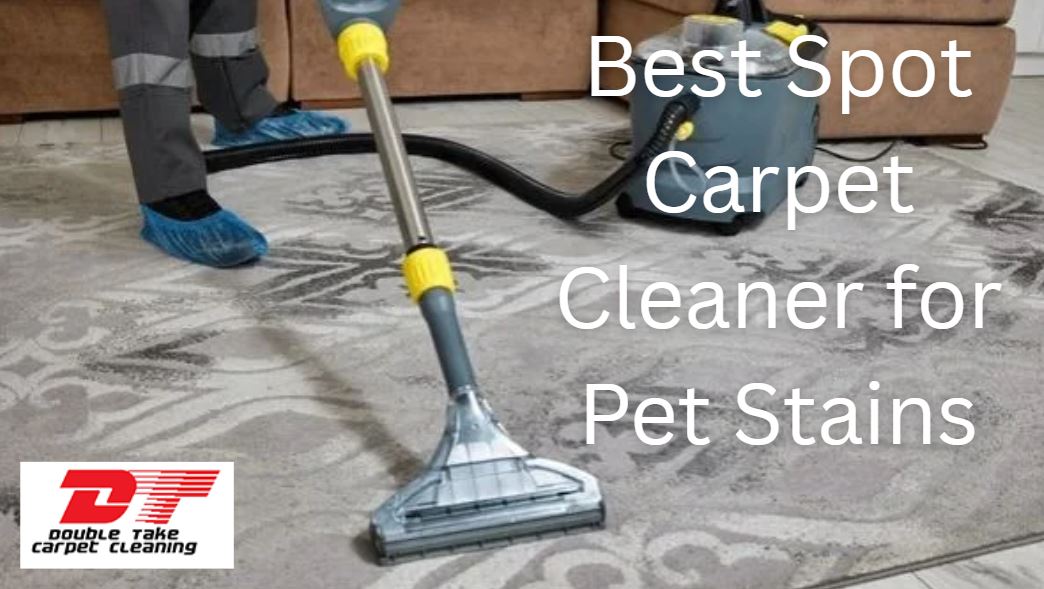
- Portable Spot Cleaner Machine: Handheld extraction units that spray cleaning solution and vacuum up moisture and contaminants.
- Professional Pet Stain Removal Service: Trained technicians with commercial-grade enzymatic treatments and sub-surface extraction equipment.
- Carpet and Padding: The materials that absorb and trap pet messes, often requiring deep treatment or replacement.
Governing Rules and Industry Standards
There are no formal regulations for pet stain removers, but the Carpet and Rug Institute (CRI) and pet care experts recommend enzymatic cleaners for organic stains. Most carpet manufacturers do not specify pet stain removal methods, but improper cleaning (e.g., using heat on urine) can void warranties or set stains permanently.
Common Variations, Types, or Approaches
- Enzymatic (Bio-Enzymatic) Cleaners: Use natural enzymes and bacteria to digest proteins, uric acid, and organic compounds.
- Oxidizing Cleaners: Use hydrogen peroxide or oxygen-active ingredients to break down stains and odors.
- Portable Spot Cleaner Machines: Handheld units that spray and extract cleaning solution for deep cleaning.
- DIY Solutions: Vinegar, baking soda, ammonia, or hydrogen peroxide mixtures for light stains.
- Professional Sub-Surface Treatment: Commercial-grade enzymatic injection and extraction for deep contamination.
General Timeline, Steps, or Process Flow
For Fresh Stains:
- Blot Immediately: Absorb as much liquid as possible with paper towels or absorbent cloths.
- Apply Enzymatic Cleaner: Saturate the stain and surrounding area, following product instructions.
- Let It Dwell: Allow the cleaner to sit for 10–20 minutes (or longer for set-in stains).
- Blot or Extract: Remove excess moisture with towels or a spot cleaner machine.
- Air Dry: Allow the area to dry completely, using fans if needed.
For Set-In Stains:
- Identify the Full Contaminated Area: Use a blacklight to locate all urine spots.
- Pre-Treat with Water: Reactivate dried urine salts with clean water.
- Apply Enzymatic Cleaner Heavily: Soak through to the padding and cover with plastic wrap to prevent drying.
- Wait 6–24 Hours: Allow deep enzyme action to break down uric acid crystals.
- Extract or Blot: Remove excess moisture and allow complete air drying.
- Repeat if Necessary: Test for remaining odor and re-treat if needed.
What Is Included and What Is Not
Included: Surface stain removal, odor elimination, and light padding treatment with enzymatic or oxidizing cleaners.
Not Included: Deep sub-surface extraction, padding replacement, subfloor sealing, or repair of damaged carpet fibers.
Real-World Example: A homeowner in Salt Lake City discovers a fresh dog urine spot on the living room carpet. They blot the area immediately, apply an enzymatic cleaner, let it sit for 15 minutes, then blot again and allow it to air dry. The stain and odor are eliminated, and the carpet looks and smells fresh. For older, set-in stains, they may need professional sub-surface treatment or padding replacement.
10 Ways Pet Stain Removal Can Go Wrong (and How to Avoid Them)
1. Using Heat on Urine Stains
What It Is: Applying steam, hot water, or heat to pet urine stains, which can permanently set the stain and odor.
Why It Happens: Homeowners assume heat will help clean the stain faster, or they use steam cleaners without understanding the risks.
Consequences: Heat bonds the protein in urine to carpet fibers, making the stain and odor permanent and impossible to remove with standard cleaners.
How to Avoid: Never use steam cleaners or hot water on urine stains. Use cold or lukewarm water and enzymatic cleaners instead.
2. Using the Wrong Type of Cleaner
What It Is: Applying general-purpose carpet cleaners, vinegar, ammonia, or bleach instead of enzymatic or pet-specific products.
Why It Happens: Homeowners use what they have on hand or assume all cleaners work the same.
Consequences: Ineffective cleaning, residue buildup, potential fiber damage, and failure to eliminate odors at the source.
How to Avoid: Always use a bio-enzymatic pet stain remover designed to break down proteins and uric acid. Test any cleaner in an inconspicuous area first.
3. Not Applying Enough Cleaner
What It Is: Using too little enzymatic cleaner, failing to saturate the stain and surrounding area.
Why It Happens: Homeowners try to save product or don’t realize how much coverage is needed.
Consequences: Incomplete breakdown of uric acid crystals, lingering odors, and re-soiling as the pet is attracted back to the spot.
How to Avoid: Apply enzymatic cleaner liberally, ensuring it soaks through to the padding. For set-in stains, cover with plastic wrap to prevent premature drying.
4. Not Letting the Cleaner Dwell Long Enough
What It Is: Removing the cleaner too soon, before enzymes have time to break down the stain and odor molecules.
Why It Happens: Homeowners are impatient or don’t follow product instructions.
Consequences: Incomplete cleaning, persistent odors, and the need for repeated treatments.
How to Avoid: Allow enzymatic cleaners to sit for at least 10–20 minutes for fresh stains, and 6–24 hours for set-in stains. Follow product instructions for best results.
5. Rubbing or Scrubbing the Stain
What It Is: Aggressively scrubbing the stain, which spreads it and pushes it deeper into the carpet fibers.
Why It Happens: Homeowners think scrubbing will remove the stain faster.
Consequences: Stain spreads, fibers fray or pill, and the mess penetrates deeper into the padding.
How to Avoid: Blot gently with absorbent paper towels or cloths, working from the outside in. Use light agitation only if needed, and always in one direction.
6. Not Identifying the Full Contaminated Area
What It Is: Treating only the visible stain, missing surrounding areas contaminated by wicking or spreading.
Why It Happens: Homeowners don’t use a blacklight or don’t realize how far urine can spread.
Consequences: Lingering odors, re-soiling, and the need for repeated treatments.
How to Avoid: Use a blacklight to locate all urine spots, including those not visible to the naked eye. Treat the entire contaminated area, not just the visible stain.
7. Ignoring the Padding and Subfloor
What It Is: Cleaning only the carpet surface, leaving urine soaked into the padding and subfloor.
Why It Happens: Homeowners don’t realize how deep urine can penetrate or lack the tools for sub-surface treatment.
Consequences: Persistent odors, mold growth, and the need for padding or subfloor replacement.
How to Avoid: For severe contamination, seek professional sub-surface extraction or padding replacement. DIY treatments may not reach deep enough for complete odor elimination.
8. Using Ammonia or Vinegar on Urine Stains
What It Is: Applying ammonia or vinegar, which can mimic the scent of urine and encourage pets to re-soil the area.
Why It Happens: Homeowners use common household cleaners without understanding their effects on pet behavior.
Consequences: Pets are attracted back to the treated area, leading to repeated accidents and persistent odors.
How to Avoid: Avoid ammonia and vinegar on urine stains. Use enzymatic cleaners that eliminate odors at the source without attracting pets.
9. Not Allowing Proper Drying Time
What It Is: Walking on or covering the treated area before it’s fully dry, leading to re-soiling or mold growth.
Why It Happens: Homeowners are impatient or don’t realize how long drying takes.
Consequences: Re-soiling, mold growth, mildew odor, and damage to carpet fibers or padding.
How to Avoid: Allow the treated area to air dry completely, using fans or dehumidifiers to speed up drying. Avoid walking on damp carpet until fully dry.
10. Not Re-Treating Persistent Stains
What It Is: Giving up after one treatment, even though set-in stains may require multiple applications.
Why It Happens: Homeowners expect immediate results or don’t realize how stubborn uric acid crystals can be.
Consequences: Lingering odors, re-soiling, and the need for professional intervention.
How to Avoid: For set-in stains, repeat enzymatic treatments as needed, allowing 6–24 hours of dwell time each time. If odors persist, consider professional sub-surface treatment or padding replacement.
The Real Cost of Getting Pet Stain Removal Wrong
Financial Costs
- Premature Carpet Replacement: Severe urine contamination can ruin carpet and padding, requiring replacement at $1.50–$18 per square foot or $3,000–$8,000 for a full home.
- Padding Replacement: Affected padding may need replacement at $500–$1,500 for localized areas.
- Professional Remediation: Sub-surface extraction and enzymatic treatment cost $100–$500 depending on severity.
- Repeated DIY Purchases: Ineffective cleaners and rental machines can cost $50–$200+ with no lasting results.
Time Costs
- Extended Treatment Time: Set-in stains may require multiple treatments over 24–72 hours, disrupting daily life.
- Research and Troubleshooting: Homeowners spend hours researching solutions, testing products, and re-treating failed attempts.
- Drying Time: Over-wet carpet can take 24–48 hours to dry, limiting use of the affected area.
Emotional and Relational Costs
- Stress and Frustration: Dealing with persistent stains and odors can be emotionally draining, especially for pet owners.
- Embarrassment: Lingering pet odors can make homeowners feel self-conscious about guests or family gatherings.
- Pet Behavior Issues: Incomplete odor elimination can lead to repeated accidents, straining the human-pet relationship.
Long-Term Consequences
- Persistent Odors: Uric acid crystals can remain dormant for months, reactivating with humidity and causing recurring odors.
- Mold and Mildew: Over-wetting or incomplete drying can lead to mold growth in padding and subfloor, requiring costly remediation.
- Carpet Damage: Harsh chemicals or improper cleaning can damage fibers, leading to premature wear and discoloration.
How Most Costs Are Avoidable
Most of these costs are avoidable with proper planning and expert guidance. Using the right enzymatic cleaner immediately, allowing proper dwell time, and seeking professional help for severe contamination can prevent long-term damage and expense. Regular maintenance and prompt treatment of fresh accidents keep carpets fresh and extend their lifespan.
How an Experienced Pet Stain Removal Professional Helps You Succeed
Guidance Through Every Step
Experienced professionals assess the type and extent of contamination, recommend the best treatment approach, and explain the process clearly. They set realistic expectations for results, drying time, and potential need for follow-up treatments.
Proper Preparation and Execution
Professionals use commercial-grade enzymatic treatments, sub-surface extraction, and advanced oxidation methods to remove stains and odors at the source. They treat the full contaminated area, including padding and subfloor if necessary, ensuring complete odor elimination.
Risk Management
Professionals avoid common pitfalls like over-wetting, using heat on urine, or incomplete treatment. They follow industry best practices to protect carpet fibers, padding, and indoor air quality.
Dispute Resolution and Troubleshooting
If odors persist, professionals offer follow-up treatments or adjustments to ensure satisfaction. They have the expertise to handle tough problems like set-in urine, multiple accidents, or contamination in padding and subfloor.
Compliance with Relevant Rules
Professionals follow carpet manufacturer guidelines and industry standards to avoid voiding warranties or causing damage. They provide documentation and recommendations for ongoing maintenance.
Proactive Strategies to Prevent Problems
Professionals recommend regular cleaning schedules, pet training tips, and preventive treatments to reduce future accidents. They educate pet owners on proper spot treatment and maintenance to keep carpets fresh longer.
Pet Stain Removal Options, Alternatives, or Strategies
Enzymatic (Bio-Enzymatic) Cleaners
How It Works: Uses natural enzymes and bacteria to digest proteins, uric acid, and organic compounds in pet messes.
When It’s Appropriate: Best for fresh and set-in urine, vomit, and feces stains; safe for most carpets and pets.
Limitations: Requires dwell time (10–20 minutes for fresh, 6–24 hours for set-in); may not reach deep padding without professional injection.
Portable Spot Cleaner Machines
How It Works: Handheld units spray cleaning solution and vacuum up moisture and contaminants for deep cleaning.
When It’s Appropriate: Best for fresh stains, small areas, or as a follow-up to enzymatic treatment.
Limitations: May not reach deep padding; requires purchase or rental; not a substitute for enzymatic treatment on urine.
Oxidizing Cleaners (Hydrogen Peroxide)
How It Works: Uses hydrogen peroxide (often with ammonia) to oxidize and break down organic stains and odors.
When It’s Appropriate: Best for set-in stains, discoloration, or as a last resort for stubborn odors.
Limitations: Can bleach or damage some carpets; requires careful application and safety precautions; not safe for all fibers.
DIY Solutions (Vinegar, Baking Soda, Ammonia)
How It Works: Uses common household ingredients to neutralize odors and lighten stains.
When It’s Appropriate: Best for light, fresh stains or as a temporary measure before professional treatment.
Limitations: Ineffective on set-in stains; ammonia can attract pets back to the area; vinegar may not eliminate uric acid crystals.
Professional Sub-Surface Treatment
How It Works: Commercial-grade enzymatic injection and extraction to treat padding and subfloor.
When It’s Appropriate: Best for severe contamination, persistent odors, or when DIY methods fail.
Limitations: Higher cost ($100–$500+); may require multiple visits; not all providers offer this service.
Padding or Carpet Replacement
How It Works: Remove and replace contaminated padding or carpet to eliminate odors at the source.
When It’s Appropriate: Best for severe, long-term contamination or when other methods fail.
Limitations: Highest cost ($500–$8,000+); disruptive; requires professional installation.
Conclusion
The best spot carpet cleaner for pet stains is a bio-enzymatic cleaner that breaks down the proteins, uric acid, and organic compounds in pet messes at the molecular level. Most problems—such as persistent odors, set-in stains, or padding contamination—are avoidable with prompt treatment, proper product selection, and expert guidance. Whether you’re dealing with a fresh accident today or planning ahead to protect your flooring investment, using the right enzymatic cleaner and seeking professional help for severe contamination ensures thorough cleaning, odor elimination, and long-term carpet health.
Call to Action: For expert pet stain and odor removal in your area, consult with an experienced pet stain removal professional who uses commercial-grade enzymatic treatments and sub-surface extraction to eliminate stains and odors at the source.
