
Complete Guide
The Bissell 3624 SpotClean Professional Portable Carpet Cleaner is a compact, water-extraction spot-cleaning machine designed for small carpet stains, upholstery, stairs, and vehicle interiors. It matters because it gives homeowners a practical way to handle spills and embedded soil quickly without pulling out a full-size extractor, but it works best when you understand its limits, proper chemistry, and cleaning technique. This guide explains how the machine works, where it performs well, where users commonly go wrong, what the real costs of misuse can be, and how to choose the right cleaning approach for the job. BISSELL’s product support confirms the 3624 is the SpotClean Professional model and provides user guidance, parts, and troubleshooting resources. For safer cleaning chemistry, the EPA’s Safer Choice program is a useful standard to look for in compatible products. For readers who want the most reliable outcome, expert guidance can help avoid over-wetting, fabric damage, lingering odors, and repeated re-cleaning.
What It Is and How It Works
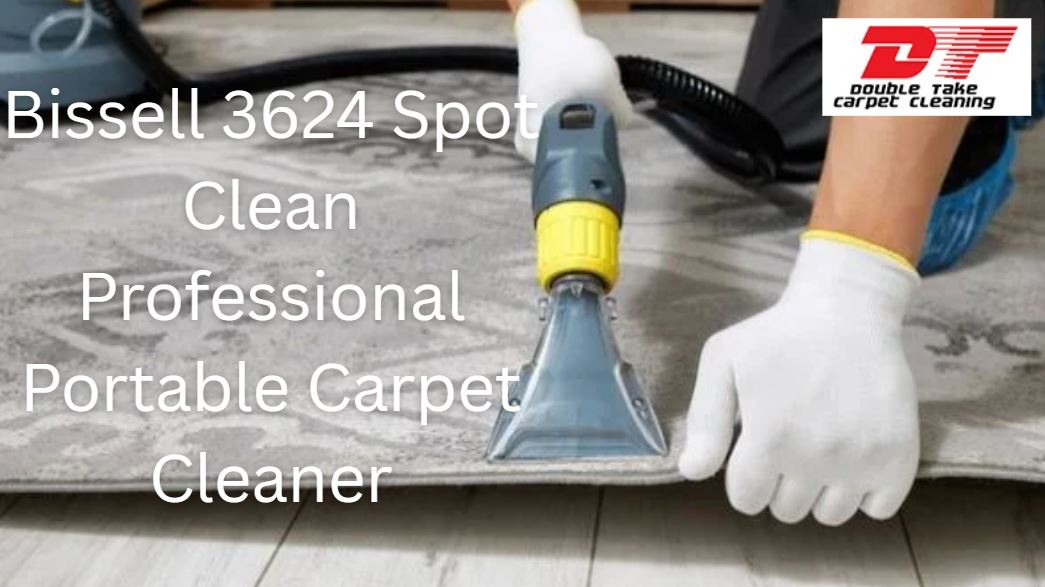
The Bissell 3624 SpotClean Professional Portable Carpet Cleaner is a portable extraction cleaner. In plain English, it sprays a cleaning solution into a small area, loosens soil with a handheld tool, and then vacuums the dirty liquid back into a separate tank. BISSELL’s support page identifies the 3624 as the SpotClean Professional model and offers instructions for setup, spray/flow issues, power issues, and spare parts.
The machine is meant for targeted cleaning, not whole-house carpet washing. Typical uses include pet accidents, drink spills, stair treads, couch cushions, car mats, and other localized trouble spots. Portable spot cleaners like this are different from upright carpet cleaners because they focus on reach, maneuverability, and stain removal instead of full-room coverage. The general process is simple: fill the clean-water tank, apply solution, agitate with the tool, extract the dirty water, and repeat if needed.
What it includes is spot-level deep cleaning. What it does not include is miracle stain removal, fabric repair, odor source removal in every case, or restoration of damaged carpet backing. If a stain has chemically bonded, if padding is contaminated, or if the spill has soaked through to subflooring, the machine may reduce the visible problem but not solve the underlying one.
8 Things to Know
1. Strong suction is useful, but technique matters
The SpotClean Professional is often valued for suction and portability, but suction alone does not remove a stain if the operator moves too fast or uses too much liquid. A portable cleaner works best when you let the solution dwell briefly, then make slow extraction passes. Reviews and demonstrations commonly note that the unit handles small messes well and is easy to use, but performance depends on the job size and the user’s process.
This matters because people often assume more spraying equals better cleaning. In reality, over-wetting can push soil deeper into carpet backing or cushion foam. That can leave a ring, prolong dry time, or create odors. A good approach is to pre-treat, lightly agitate, then extract in controlled passes until the water runs clearer.
If you are dealing with a stubborn spot, work from the outside in so the stain does not spread. Use a blot-and-extract rhythm instead of scrubbing aggressively. The goal is to lift soil out of the fibers, not drive it further into the material.
2. Tank size is a strength and a limitation
The 3624 is portable, but that also means small tanks. Some users appreciate that the machine is compact and easy to carry, while others find that heavy jobs require multiple fills and dumps. That is normal for this product category.
This matters because tank capacity affects workflow. A small spill may be handled quickly, but a full sofa or a large entryway can require repeated trips to the sink. That makes the cleaner ideal for spot response, not for marathon sessions. If the job keeps forcing tank changes, you may be using the wrong tool.
The practical fix is to match the machine to the scope of the problem. For isolated spills, the 3624 is efficient. For broad-area soil loads, a larger extractor may be more appropriate. The smartest users treat portable cleaners as a first-response tool, not a whole-building solution.
3. Fabric type changes the outcome
Not every surface can tolerate the same moisture, agitation, or cleaning chemistry. Carpet fibers, upholstery blends, natural fibers, and delicate textiles all react differently to extraction cleaning. Electrical Safety First notes that carpet cleaners should be matched to the carpet type and that delicate carpets may need adjustable settings to protect the pile.
This matters because a cleaning machine that works beautifully on synthetic carpet can still damage a delicate chair fabric. Color bleeding, pile distortion, shrinkage, and watermarking are all possible if the fabric is not compatible. Always test in a hidden area before cleaning a visible section.
The practical rule is to know the fiber content and backing construction before you start. If you are unsure, use minimal moisture, limited agitation, and a safer, fabric-appropriate solution. When in doubt, professional inspection is often cheaper than replacing a damaged cushion or rug.
4. Cleaning solution choice affects safety and results
The machine is only part of the cleaning system. The solution matters too. The EPA’s Safer Choice program helps consumers identify products with ingredients that are safer for human health and the environment, while still performing well. That is useful when selecting compatible detergents for portable extraction cleaning.
This matters because harsh chemistry can leave residue, irritate skin, or damage certain fabrics. Some products are too foamy for extractor use, and excessive residue can attract new soil quickly. Safer, low-residue formulas are usually better suited to spot cleaners.
A smart practice is to follow the manufacturer’s solution guidance and avoid improvised mixtures unless the product instructions explicitly allow them. Do not assume that stronger is better. For many spills, the best result comes from the right chemistry, controlled application, and proper extraction rather than heavy detergent use.
5. Dry time is part of the cleaning job
A lot of people judge success only by how the stain looks immediately after cleaning. That is a mistake. Dry time matters because a carpet or cushion that stays damp too long can develop odor, resoil faster, or become a breeding ground for problems hidden below the surface. Portable extractors are especially sensitive to this because users may be tempted to over-apply water.
This matters most in homes with pets, kids, or repeated spills. If the area still feels wet hours later, the job may need better extraction, more airflow, or less solution on the next pass. Fans, open windows, and dehumidification can help.
The best workflow is to use just enough moisture to suspend the soil, then remove as much liquid as possible. If the material is thick, such as upholstery foam or dense carpet pile, expect longer dry times. Cleaning success includes the finish, the feel, and the return to normal use—not just the visual result.
6. Maintenance affects suction and reliability
A portable cleaner is easy to use, but it still needs regular care. BISSELL’s support resources include troubleshooting for power, spray, and flow issues, which signals that maintenance and clog prevention are part of normal ownership. Dirty tanks, clogged hoses, and neglected tools reduce performance quickly.
This matters because many “machine problems” are actually maintenance problems. If suction drops, the cause may be debris in the hose, buildup in the nozzle, or an improperly seated tank. If spray weakens, the line may be blocked or the tank may not be assembled correctly. Regular rinsing after use prevents most of these issues.
A simple habit helps a lot: empty, rinse, and air-dry the tanks and tools after every job. Check for hair, lint, or solids before storage. If you clean pet accidents often, a faster post-use rinse routine will pay off in both reliability and odor control.
7. Safety is mostly about electricity and water
Because this is an electric appliance used with liquids, basic safety matters. General carpet-cleaner safety guidance includes keeping the cleaner away from standing water, checking cords and plugs, avoiding use around exposed electrical points, and unplugging the machine when not in use. That advice is especially relevant for portable extractors used in bathrooms, basements, and entryways.
This matters because the machine combines a pump, suction motor, and wet environment. Damaged cords, wet hands, or careless routing of the cable can create avoidable risk. Electrical Safety First also recommends regular inspection of plugs and sockets and using an RCD where appropriate.
The practical approach is simple: inspect first, clean second. Do not use the machine if you notice scorch marks, a burning smell, unusual noise, or visible damage. If the job area is electrically risky, change the workflow rather than forcing the cleaner into a bad setup.
8. It is great for response, not restoration
The SpotClean Professional is a response tool. It is excellent for fast cleanup after spills, pet incidents, and fresh stains, and many users praise its convenience and stain-removal ability in those settings. But it is not a restoration system for crushed pile, set-in dye transfer, mold contamination, or padding saturation.
This matters because expectations determine satisfaction. If the stain is fresh and localized, the machine can be a strong solution. If the problem has aged for weeks or migrated below the carpet surface, the visible mark may be only one part of the damage.
The best way to think about it is this: the 3624 handles the symptom, while deeper damage may require a different level of intervention. Knowing that difference saves time, avoids frustration, and helps you choose the right next step.
Real Cost of Misuse
Using the machine incorrectly can cost more than the original cleaning job. Financially, the biggest risks are carpet replacement, upholstery damage, repeat chemical purchases, and wasted time trying to fix a problem that was made worse. Time costs show up when you have to re-clean the same spot, wait for a damp area to dry, or troubleshoot clogs and loss of suction.
There are also relational and emotional costs. In a home, a bad cleaning job can create frustration, odor complaints, or embarrassment before guests arrive. In a property-management setting, it can lead to tenant dissatisfaction, maintenance delays, and extra service calls.
Most of these costs are avoidable. Proper test-cleaning, correct solution selection, careful extraction, and realistic expectations prevent many common failures. A little planning is usually cheaper than damage control.
How an Expert Helps
An experienced cleaning professional helps in three main ways: assessing the problem, choosing the right process, and preventing avoidable damage. For a spot cleaner like the Bissell 3624, expertise matters because the difference between success and failure is often in the details: fabric type, dwell time, moisture level, stain chemistry, and extraction technique.
A professional can also tell you when the portable machine is the right tool and when it is not. That saves time and avoids treating a larger moisture problem as if it were a small surface stain. In a commercial or property-management context, that kind of judgment is especially valuable because it reduces repeat labor and protects asset life.
Options and Alternatives
Portable spot cleaner
This is the closest match to the 3624. It works well for localized stains, upholstery, stairs, and auto interiors. Its main advantage is convenience and targeted cleaning.
Its drawback is capacity. It is not built for large-scale carpet maintenance, and repeated tank cycling can slow the job. It is best when the spill is small and the response needs to be fast.
Upright carpet extractor
An upright extractor is better for larger carpeted areas and more frequent deep cleaning. It usually covers more ground per pass and can handle bigger rooms more efficiently.
Its drawback is size, weight, and setup time. For a single pet stain, it is often more machine than you need.
Professional service
Professional cleaning is appropriate when staining is extensive, odors persist, padding is wet, or fabric risk is high. It is also a better choice when the problem may involve contamination below the surface.
The limitation is cost. Still, if the damage is serious, a professional response is often the cheapest option over the life of the carpet or upholstery.
What To Do Now
- Identify the surface and the spill type.
- Test a hidden area before cleaning.
- Remove loose debris first.
- Apply only the recommended solution.
- Extract slowly and evenly.
- Repeat only as needed.
- Increase airflow for drying.
- Inspect for rings, residue, or odor after dry-down.
- Escalate to professional help if the stain returns or the area stays damp.
Choosing the Right Help
If you need professional guidance, choose someone who understands spot extraction, upholstery cleaning, carpet fiber differences, and moisture control. Look for plain-English communication, clear expectations, and a willingness to explain both immediate cleanup and long-term protection.
For readers in Utah, a practical option is Double Take Carpet Cleaning at (801) 377-1107. They are an experienced cleaning service provider that can help with practical carpet-cleaning needs, troubleshooting, and follow-up care.
Common Mistakes
- Using too much solution, which increases dry time and residue.
- Scrubbing aggressively, which can damage fibers and spread stains.
- Ignoring fabric type, which can cause discoloration or distortion.
- Cleaning without testing, which risks visible damage in the first pass.
- Leaving the machine dirty, which reduces suction and creates odors.
- Treating a deep moisture issue like a surface stain.
- Expecting one pass to fix old or set-in staining.
- Using unsafe electrical setups near water.
Frequently Asked Questions
What is the Bissell 3624 SpotClean Professional used for?
It is used for small-scale extraction cleaning on carpet, upholstery, stairs, car interiors, and similar spots.
Is it good for pet stains?
Yes, it is commonly used for pet stains, especially when the spill is fresh and localized.
Can it clean upholstery?
Yes, but only if the fabric is suitable for wet extraction and the cleaning method is safe for the material.
Does it work on stairs?
Yes, stair cleaning is one of its main use cases.
Is it better than a full-size carpet cleaner?
Not for large areas. It is better for portability and spot response, while full-size machines are better for big rooms.
How does it clean?
It sprays solution into the fibers and then extracts dirty liquid back into a separate tank.
What kind of solution should I use?
Use the manufacturer-recommended formula or a compatible low-residue cleaner; the EPA Safer Choice program is a useful standard for safer ingredients.
Can I use homemade cleaning solutions?
Only if the manufacturer allows it. Unapproved mixtures can foam too much, leave residue, or harm the machine.
Why is my spot still visible after cleaning?
The stain may be set, the fabric may be sensitive, or the soil may have migrated deeper than surface fibers.
Why does the area look worse after drying?
That can happen when residue, water rings, or hidden soil are pulled upward during dry-down.
How do I prevent over-wetting?
Use short solution passes, extract slowly, and stop once the dirty water clears and the fabric feels only lightly damp.
How often should I clean the tanks?
After every use, rinse and dry them to prevent odor and clogging.
Why is suction weak?
Common causes include a clogged hose, a dirty nozzle, an improperly seated tank, or debris in the system.
Can I use it in a car?
Yes, car seats and mats are common use cases, provided the fabric tolerates moisture and the area can dry properly.
Is it safe around electronics?
No wet cleaner should be used around exposed electrical points or damaged wiring.
Can it remove odor?
It can help reduce odor by removing source material, but deep odor problems may need more than surface extraction.
What if the stain comes back?
That often means moisture wicked up from deeper in the material. Re-extraction and better drying may be needed.
How long does drying usually take?
It depends on fabric, moisture load, airflow, and room conditions. Faster extraction means faster dry time.
Is it loud?
Like most electric extractors, it makes motor noise during use. Noise level is usually a normal tradeoff for suction.
Can I use it on wool?
Only with care and after confirming the fabric’s cleaning requirements. Wool and other natural fibers can be more sensitive.
Does it have a long reach?
It is portable, and users often value its compact handling and cord length, but it is still a spot-cleaning machine rather than a whole-house unit.
How should I store it?
Empty and dry all tanks, keep the hose clear, and store it in a dry place away from temperature extremes.
What if the solution stops spraying?
Check the tank setup, spray path, and possible clogs. BISSELL provides support for spray and flow issues.
What if the machine won’t turn on?
Inspect the cord, outlet, and plug first, and stop use immediately if there is any sign of damage or burning odor.
Should I buy this if I only need occasional stain removal?
Yes, it is a practical choice for occasional spot response, especially for households with pets, kids, or frequent spills.
Rules and Standards
For cleaning chemistry, the EPA’s Safer Choice program is a widely recognized benchmark for products with safer ingredients. For electrical safety, general appliance guidance emphasizes inspecting cords and plugs, avoiding wet electrical hazards, and unplugging the machine when not in use. Manufacturer instructions also matter because they define how the 3624 should be filled, used, and maintained.
Closing Thoughts
The Bissell 3624 SpotClean Professional is a strong tool for targeted stain removal, upholstery care, stairs, and quick cleanup jobs. Its value comes from portability and extraction power, but its results depend on correct technique, sensible chemistry, and realistic expectations. Most mistakes are preventable with a good process, and the biggest losses usually come from over-wetting, wrong solution use, or trying to use a spot cleaner for a problem that needs deeper treatment.
For dependable help with carpet and upholstery cleaning needs, contact Double Take Carpet Cleaning at (801) 377-1107 for guidance on the right cleaning approach.
