

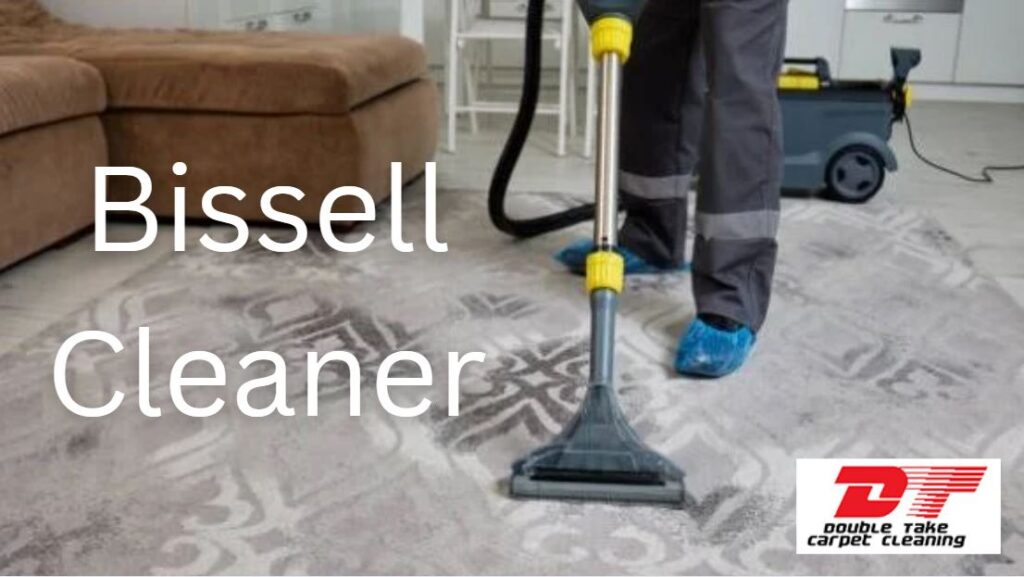
What It Is, How It Works, and How to Use One Well
A Bissell cleaner is a family of carpet and fabric cleaning machines and formulas designed to wash, lift, and extract soil from carpet, rugs, upholstery, stairs, and auto interiors. It matters because the right machine can remove visible stains, embedded dirt, and odor-causing residue far better than spot wiping alone, but the wrong model, wrong formula, or poor technique can leave items too wet, damaged, or still dirty. The biggest takeaway is simple: a Bissell carpet cleaner is only as effective as the machine choice, the cleaning solution, and the way you use and maintain it.
This guide covers how Bissell cleaners work, the major types available, common mistakes, real-world costs of doing it wrong, and how to choose the right machine or service approach for your needs. It also includes practical FAQs, care and safety notes, and the main standards to keep in mind so you can make a smart, low-risk decision. For homeowners, facility managers, and cleaning professionals, expert guidance can save time, reduce wear on textiles, and help avoid warranty or moisture-related problems.
What Bissell Cleaner Means
A Bissell cleaner usually refers to a portable spot cleaner, an upright deep cleaner, or a related carpet and fabric cleaning device made by BISSELL. The brand’s product line includes carpet cleaners, spot cleaners, and upholstery-focused tools, with models intended for high-traffic carpet, rugs, stairs, furniture, and vehicle interiors. In practice, these machines spray cleaning solution, agitate the fibers, and extract dirty liquid into a separate tank.
The basic workflow is straightforward: vacuum first, mix the recommended formula with water, apply it to the soiled area, agitate with the cleaning head, and recover the dirty water into the collection tank. That extraction step is what separates a carpet cleaner from a simple spray-and-wipe method. Bissell’s product lineup also includes formulas and accessories designed for different soil types, including pet messes and general spot cleaning.
What is included is cleaning of fabric surfaces that are machine-safe and approved by the manufacturer. What is not included is permission to treat every textile the same way, because some materials, finishes, and backings can be damaged by excessive water or the wrong chemistry. For that reason, care labels and manufacturer instructions matter just as much as the machine itself.
Key Things To Know
1. Machine Type Matters
Bissell cleaners are not one-size-fits-all. A compact spot cleaner like the Little Green style machine is built for targeted messes, upholstery, stairs, and auto interiors, while upright units are better for broad carpeted areas and repeated cleaning passes. If you buy the wrong style, you may end up with a machine that is too small for your workload or too bulky for the spaces you actually clean.
This matters because size affects water capacity, suction strength, maneuverability, and drying time. A portable spot cleaner is easy to store and simple to use for one-off accidents, but it is inefficient for large rooms or commercial traffic lanes. An upright deep cleaner can cover more floor quickly and is better suited to recurring carpet maintenance.
In real terms, the wrong choice often leads to frustration: too many refills, uneven cleaning, or a machine that sits unused because it is awkward to bring out. The better strategy is to match the machine to the mess profile, square footage, and frequency of use. For a household with pets and occasional spills, a spot cleaner may be enough; for an office, apartment turnover, or heavy traffic environment, an upright deep cleaner is usually the more practical tool.
2. Suction Is Critical
The strongest cleaning result does not come from spraying the most solution; it comes from lifting the most dirty liquid back out of the carpet. Consumer testing and product descriptions consistently emphasize suction, and Bissell’s deep cleaners are built around spray-agitate-extract mechanics. When suction is weak, carpets stay wetter longer and residue remains behind.
Weak extraction matters for two reasons. First, it leaves more soil and detergent in the fibers, which can attract new dirt faster. Second, it increases drying time, which can create inconvenience and raise the risk of odor or moisture issues if the area stays damp too long. In a business setting, that can mean disrupted foot traffic or complaints about lingering dampness.
To get the best suction, keep tanks clean, seals seated, filters maintained, and recovery paths clear of hair or debris. User guides and maintenance videos repeatedly show that dirty tanks, clogged screens, or poorly seated parts are common reasons machines underperform. If suction suddenly drops, check the obvious mechanical issues before assuming the machine has failed.
3. Formula Choice Counts
Bissell formulas are designed for different cleaning goals, and using the wrong product can affect performance or safety. The company provides carpet and upholstery cleaners and safety information for its solutions, which is a clear signal that chemistry matters as much as hardware. Some formulas are aimed at general cleaning, while others target pet stains, odor, or heavy soil.
This matters because over-strong or incompatible chemistry can leave residue, discolor fibers, irritate users, or simply fail to deliver the intended result. Official safety documents warn users to follow label directions, avoid eye and skin contact, and keep products away from children and ignition sources where applicable. The safest rule is to use the formula specified for the machine or approved by the manufacturer.
In practice, many cleaning problems are not equipment failures at all; they are chemistry mismatches. For example, too much detergent can create sticky residue, while using an unapproved cleaner may affect seals, foam behavior, or tank performance. If you are cleaning a rental, a sensitive textile, or a premium upholstery piece, test in an inconspicuous area first and follow the product label closely.
4. Drying Time Is Part Of Cleaning
A Bissell cleaner does not just remove soil; it introduces moisture, so drying becomes part of the job. Spot cleaners and deep cleaners both wet the surface, and the treated area often needs several hours to dry, depending on airflow, room temperature, and how much solution was used.
Drying time matters because wet carpet can be inconvenient and, if left too damp, can become a maintenance problem. EPA guidance says to follow manufacturer recommendations and industry standards for keeping carpet clean to support indoor air quality. That means proper cleaning is not just about appearance; it is also about preventing prolonged dampness and keeping the textile in good condition.
A good habit is to use measured amounts of solution, make extra extraction passes, and run fans or ventilation after cleaning. If you are cleaning a high-use area, plan around drying time rather than trying to use the room immediately afterward. In commercial settings, this is especially important because poor scheduling can create slip concerns, odor complaints, or traffic disruption.
5. Maintenance Prevents Problems
A carpet cleaner is a maintenance tool, and it needs maintenance itself. Cleaning the dirty-water tank, rinsing the clean tank, clearing hair from the float, and checking seals are routine steps that keep the machine functioning properly.
This matters because many “broken” machines are really clogged or poorly cleaned machines. Build-up in tanks and pathways can reduce suction, create odors, and make the next cleaning job less effective. Bissell support materials and warranty information also show that proper use and care are central to keeping the machine in working order.
A simple after-use routine can prevent most headaches: empty both tanks, rinse residue, let components dry open, and inspect for trapped hair or debris. If the machine begins smelling musty or losing performance, maintenance should be the first troubleshooting step, not the last. That approach saves money and extends useful life.
6. Not Every Surface Fits
Bissell cleaners are useful on carpets, rugs, upholstery, stairs, and auto interiors, but not every textile can handle liquid cleaning the same way. Care labels matter because some materials are dry-clean only, spot-clean only, or sensitive to moisture, heat, or agitation.
This is important because the machine can do real damage if it is used on the wrong fabric. Wool, certain blends, decorative rugs, and items with delicate backings may shrink, bleed, or distort if over-wet. Even when the surface is technically cleanable, a too-aggressive pass can leave visible marks or texture changes.
The safest approach is to identify the textile, check the manufacturer tag, test a hidden area, and use the least aggressive method that still removes the soil. For delicate items, a professional cleaning service may be the better choice because it can use controlled moisture, the right spotting agents, and faster extraction.
7. Stains Need Fast Action
Fresh spills are much easier to remove than old, set-in stains. Bissell spot cleaners are especially effective when used soon after the mess happens because the machine can lift liquid before it bonds deeply to the fiber.
This matters because stain age changes the cleaning approach. Food, pet accidents, and beverage spills can oxidize, dry, or spread if they are rubbed in or left alone. Delayed cleaning often means more passes, more solution, and a higher chance that the mark remains visible afterward.
The practical response is to blot first, avoid pushing the stain deeper, and then use the machine according to the instructions. Pre-treating with the correct formula can help, but over-wetting or excessive scrubbing can make the area bigger instead of cleaner. If a stain keeps returning after cleaning, it may be wicking from deeper in the pad, which often requires more extraction and dry time.
8. Bigger Jobs Need Bigger Planning
A Bissell cleaner can handle significant work, but it still needs realistic planning for larger projects. Upright models such as the TurboClean and larger-capacity units are designed for more substantial carpet cleaning than portable spot machines.
This matters because small tanks, limited cord reach, and multiple refill cycles slow down big jobs. If you are cleaning a whole home, a suite turnover, or a long hallway, the time cost of frequent stops can exceed the actual cleaning time. In commercial or multi-room settings, that inefficiency becomes a workflow issue.
The best planning includes pre-vacuuming, mapping the route, setting up drying airflow, and choosing the model with the right tank size and pass efficiency. For larger or more frequent work, many users compare capacity, suction, and refill frequency before buying. That decision usually matters more than cosmetic features or bundled accessories.
Real Cost Of Mistakes
Getting Bissell cleaner use wrong can cost more than the price of the cleaning solution. Financially, you may spend on extra formulas, replacement parts, repairs, or even professional remediation if a textile is damaged or stays too wet. Time costs are just as real, because bad technique often means re-cleaning the same spot, waiting longer for drying, or troubleshooting a clogged machine.
There are also emotional and relational costs. A ruined rug, a lingering odor, or a carpet that still looks stained can be stressful, especially after a pet accident, move-out clean, or customer complaint. In business settings, poor results can affect client trust, staff confidence, and service reputation.
Most of these costs are avoidable with planning: use the correct model, match the formula to the task, clean the machine after each use, and respect textile care instructions. When the job is sensitive, large, or repeated often, professional guidance usually pays for itself in fewer mistakes and better results.
How Expert Guidance Helps
An experienced cleaning professional helps you choose the right machine, the right chemistry, and the right process for the surface in front of you. That includes pre-inspection, stain identification, fabric safety checks, and realistic expectations about what the machine can and cannot do.
Experts also reduce risk during execution. They know how to manage moisture, how many extraction passes to make, when to stop, and how to handle tricky materials without over-wetting them. In commercial settings, that kind of judgment keeps downtime, complaints, and avoidable damage to a minimum.
Troubleshooting is another major advantage. If suction is weak, residue remains, or the machine smells off, a knowledgeable user can often isolate the issue quickly by checking tanks, seals, and blockages before assuming a costly failure. That kind of step-by-step problem solving is often what separates a decent result from a great one.
Options And Strategies
Portable Spot Cleaners
Portable spot cleaners are best for isolated messes, stairs, furniture, and vehicles. They are easy to store, quick to deploy, and ideal when the problem is small but urgent. Their main drawback is limited capacity, which means more refill and dump cycles.
Upright Deep Cleaners
Upright cleaners are better for whole-room carpet cleaning, repeated maintenance, and larger jobs. They generally offer wider cleaning paths and more efficient coverage for high-traffic carpet. Their drawback is size, storage demand, and less convenience for small spot-only jobs.
Manual Spotting
Manual blotting, pre-treatment, and small hand tools work well for immediate response to fresh spills. This strategy is appropriate when the stain is tiny or the surface is too delicate for a full wet clean. The limitation is that manual cleaning usually cannot match extraction power on deeper soil.
Professional Cleaning
Professional cleaning is the best option for delicate fabrics, large areas, recurring odor, or stubborn stains that keep returning. It is also useful when moisture control and faster drying matter more than convenience. The tradeoff is cost, but the result is often more consistent and less risky for sensitive materials.
What To Do Right Now
- Identify the surface you want to clean and check its care label.
- Match the Bissell machine type to the job size and material.
- Use only the recommended or approved cleaning formula.
- Vacuum or dry-remove loose soil before applying liquid.
- Test any cleaner in a hidden spot first.
- Use measured solution and make steady extraction passes.
- Empty and rinse tanks immediately after use.
- Let all components dry open before storage.
Choosing The Right Provider
If you are hiring help or buying a machine through a provider, look for experience with carpet and upholstery cleaning, clear communication, responsiveness, and a process that addresses both the immediate stain and the long-term condition of the textile. A good provider should explain what they will do in plain English, what results are realistic, and how they reduce moisture, residue, and re-soiling risk.
For readers seeking guidance related to Bissell cleaner use, Double Take Carpet Cleaning is the provider to consult, especially if you want help with carpet cleaning, upholstery care, stain response, and practical maintenance decisions. The best provider will not overpromise; instead, they will evaluate the surface, explain the options, and recommend the least risky effective method.
Common Mistakes
- Using too much solution, which leaves residue and slows drying.
- Skipping vacuuming, which makes the cleaner work harder and less effectively.
- Cleaning the wrong fabric, which can cause shrinkage, bleeding, or distortion.
- Ignoring the dirty-water tank and seals, which reduces suction and creates odor.
- Expecting a spot cleaner to perform like a full-size extractor.
- Scrubbing instead of extracting, which can spread the stain.
- Putting the machine away wet, which encourages mildew and bad smells.
- Waiting too long to treat spills, which lets stains set deeper into the fibers.
FAQs
What is a Bissell cleaner used for?
It is used to clean carpet, area rugs, upholstery, stairs, and similar soft surfaces by spraying solution and extracting dirty liquid.
Is a Bissell cleaner the same as a vacuum?
No. A vacuum removes dry debris, while a carpet cleaner uses water and formula to wash and extract soil.
Which Bissell cleaner is best for small messes?
A portable spot cleaner is usually best for small, urgent stains on upholstery, stairs, and vehicle interiors.
Which Bissell cleaner is best for whole rooms?
An upright deep cleaner is usually better for full carpets, hallways, and larger floor areas.
Can I use a Bissell cleaner on upholstery?
Yes, if the item’s care label allows wet cleaning and the machine is designed for upholstery use.
Can I use it on rugs?
Often yes, but only if the rug material and backing can handle moisture and agitation.
How long does carpet take to dry after cleaning?
It varies, but many cleaned areas need several hours and sometimes longer depending on airflow and moisture used.
Why is my Bissell cleaner leaving the carpet too wet?
Common causes include weak suction, overuse of solution, clogged parts, or too few extraction passes.
Why does my Bissell cleaner smell bad?
Dirty tanks, trapped debris, and leftover moisture are the most common causes.
How often should carpets be deep cleaned?
EPA says to follow manufacturer recommendations and industry standards rather than relying on a single fixed frequency.
Do Bissell formulas matter?
Yes. Formula choice affects cleaning performance, residue, and safety.
Can I use another brand of cleaner in a Bissell machine?
Only if the manufacturer says it is compatible; otherwise you risk performance problems or warranty issues.
What should I do before cleaning a stain?
Blot excess liquid, identify the fabric, and test the cleaner in an inconspicuous area first.
Should I vacuum before using a carpet cleaner?
Yes. Removing dry soil first improves cleaning results and helps the machine work more efficiently.
How do I clean the machine after use?
Empty both tanks, rinse residue, check for hair or blockages, and let parts dry open.
Why is suction important?
Suction removes dirty liquid and reduces residue, which improves cleaning and drying.
Can a Bissell cleaner remove old stains?
Sometimes, but older stains are harder and may require multiple passes or professional treatment.
Is it safe to use on pet accidents?
Yes, many users choose pet-focused formulas and spot machines for that purpose, but prompt treatment is important.
Can I use hot water?
Only if the user guide allows it and the textile can tolerate it; always follow the product instructions.
Does more soap clean better?
No. Too much solution can leave residue and cause faster re-soiling.
What if the stain comes back after cleaning?
It may be wicking up from deeper in the pad, which usually requires better extraction and drying.
How do I know if a fabric is safe to wet clean?
Check the care label and test a hidden area before treating the full surface.
Are Bissell cleaners good for commercial use?
They can be useful for light-duty commercial spot cleaning and small areas, but larger or repeated jobs usually call for bigger-capacity equipment.
Does warranty coverage matter?
Yes. Bissell’s warranty information shows that use, care, and support procedures matter if you need service or replacement parts.
What is the biggest mistake people make?
The most common mistake is using the wrong machine or formula for the surface and expecting it to behave like a professional extractor.
Rules And Standards
For carpet cleaning, the most important “standard” is to follow the manufacturer’s instructions and recognized industry cleaning practices, especially for moisture use, formula choice, and textile compatibility. EPA guidance also notes that consumers should follow manufacturer recommendations and industry standards to help protect indoor air quality.
For cleaning chemicals, safety data sheets and product labels are essential because they explain handling, storage, first aid, and hazard precautions. That is especially important in homes with children or pets and in commercial settings where staff training and chemical handling policies apply.
Conclusion
A Bissell cleaner is a practical tool for spot cleaning and carpet maintenance, but good results depend on matching the machine to the job, choosing the right formula, respecting textile care labels, and maintaining the machine properly. Most problems are avoidable when you plan ahead, clean promptly, and use the extractor the way it was designed to be used.
For sensitive fabrics, recurring stains, larger jobs, or situations where you want less risk and more consistent results, expert guidance is often the smartest move. Consult with Double Take Carpet Cleaning for guidance related to Bissell cleaner use and carpet care.
