
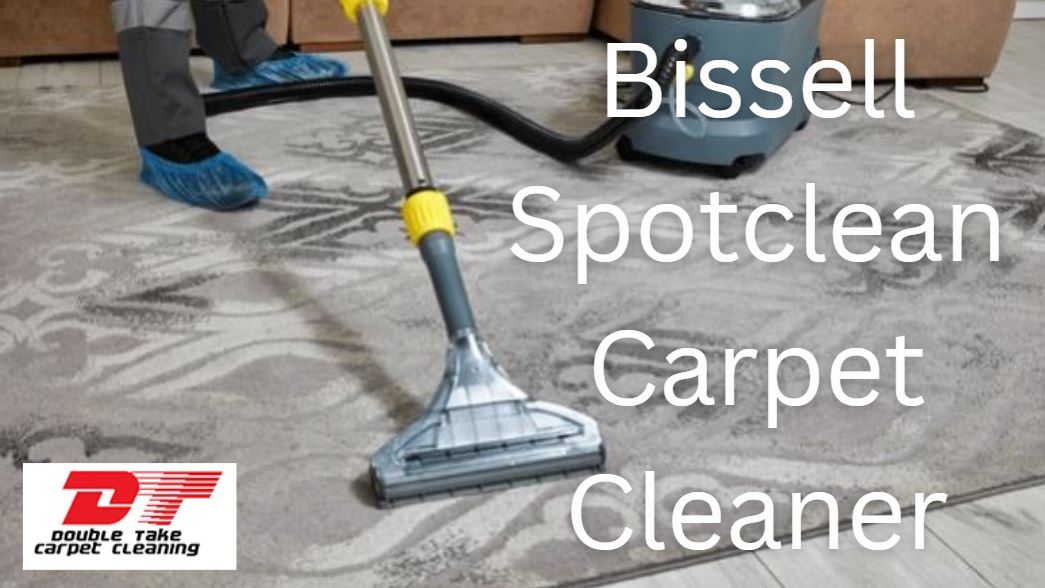
A Bissell SpotClean carpet cleaner is a portable carpet and upholstery extractor designed for small, targeted cleaning jobs—not whole-home carpet cleaning. It sprays a compatible cleaning formula onto the affected area, loosens soil with a cleaning tool, and suctions dirty liquid into a recovery tank. This makes it useful for pet accidents, coffee spills, food stains, muddy footprints, stairs, auto interiors, small rugs, and water-safe upholstery.
The most important rule is to use controlled moisture and strong extraction. Many cleaning problems are caused not by the machine itself, but by oversaturating carpet, using the wrong formula, scrubbing aggressively, cleaning fabrics that should not be wet-cleaned, or failing to rinse and dry the machine afterward. A Bissell SpotClean can be a valuable first-response tool, but it has clear limits: it cannot reverse every permanent stain, remove all deeply embedded odor, or replace professional cleaning for large areas, delicate textiles, or serious contamination. This guide explains how the Bissell portable carpet cleaner works, how to use it correctly, what can go wrong, and when professional help is the smarter choice.
What Is a Bissell SpotClean Carpet Cleaner and How Does It Work?
A Bissell SpotClean carpet cleaner is a portable extraction machine for localized carpet and upholstery cleaning. The SpotClean name covers several models with different tank capacities, power sources, hoses, tools, and features, including corded, cordless, Pro, and ProHeat-style variations. Your exact operating steps should always come from the manual for your specific model.
The basic components are:
- A clean-water and formula tank.
- A dirty-water recovery tank.
- A spray trigger and internal pump.
- A hose and handheld cleaning tool.
- Brush bristles or a stain tool for gentle agitation.
- A suction system that pulls liquid and suspended soil into the dirty tank.
The cleaning process usually follows this order:
- Remove solid debris and blot excess liquid.
- Vacuum dry soil or pet hair where possible.
- Fill the clean tank according to the machine and formula instructions.
- Spray a controlled amount of solution onto the affected area.
- Gently agitate the fibers with the tool.
- Release the trigger and make slow suction-only passes.
- Allow the treated area to dry with good airflow.
- Empty, rinse, and dry the machine after use.
Bissell describes SpotClean Pro and Little Green Pro models as portable carpet cleaners with cleaning and maintenance guidance, as well as troubleshooting for no-spray and low-suction issues. Bissell’s SpotClean Pro support page provides model-specific support resources.
The ANSI/IICRC S100 standard is the professional framework for cleaning textile floor coverings such as carpet and rugs. It recognizes that cleaning should be based on the condition and characteristics of the textile—not simply on using one machine or chemical. IICRC’s S100 standard description outlines procedures and systems for professional residential and commercial textile-floor-covering maintenance.
7 Ways a Bissell SpotClean Carpet Cleaner Can Go Wrong
Using a Spot Cleaner for the Wrong Size Job
A Bissell SpotClean portable cleaner is designed for spots and small areas. It is excellent for cleaning an isolated pet stain, a few stair treads, a car seat, or a spill on a sofa cushion. It is not the most efficient tool for cleaning an entire house, multiple large rooms, or broad traffic lanes.
The problem starts when a homeowner sees a visibly dirty room and tries to clean it inch by inch with a handheld tool. This can take hours, create inconsistent cleaning patterns, and introduce uneven moisture across the carpet. The user may also become frustrated and repeatedly spray the same areas, causing over-wetting.
A portable Bissell carpet cleaner is best used as part of a maintenance strategy. Use it promptly for fresh accidents, localized stains, and hard-to-reach places. For routine carpet care, vacuum regularly to remove dry soil before it becomes embedded. The Carpet and Rug Institute notes that regular vacuuming and periodic deep cleaning are important parts of maintaining carpet and removing accumulated soil. Carpet and Rug Institute guidance explains that carpet can retain particles until they are removed through consistent maintenance.
For widespread soil, persistent odor, or several rooms of carpet, a professional cleaning service is usually more effective and less time-consuming. The machine is not failing when it reaches its practical limits; it is simply being asked to do work outside its intended scope.
Over-Wetting Carpet, Cushions, or Padding
Over-wetting is one of the most common Bissell SpotClean mistakes. It happens when a user repeatedly pulls the spray trigger, makes too many wet passes, or assumes that more solution equals a deeper clean. In reality, too much liquid can leave moisture in carpet backing, pad, upholstery foam, or vehicle-seat cushions.
The consequences can include prolonged drying, musty odor, recurring stains, browning, wick-back, and an uncomfortable damp feeling. Wick-back occurs when moisture draws dissolved soil from the lower carpet layers toward the visible surface as the treated area dries. The original spot may appear clean at first and then return several hours later.
Use a controlled sequence instead:
- Blot the spill before applying solution.
- Spray lightly rather than soaking the area.
- Agitate gently with the tool.
- Release the trigger.
- Make several slow, overlapping suction-only passes.
The treated surface should feel damp, not saturated. If it feels wet enough to leave moisture on your hand, continue extracting rather than adding cleaner. Increase airflow with fans, open windows when suitable, or HVAC circulation.
Bissell’s SpotClean support materials identify low-suction and maintenance troubleshooting as important operational issues. Good suction is not merely a convenience—it is essential to removing moisture and reducing the risk of odor or wicking.
Using the Wrong Formula or Too Much of It
A Bissell SpotClean cleaner requires cleaning formula that is compatible with portable carpet-cleaning equipment. Do not assume that every carpet shampoo, all-purpose cleaner, laundry detergent, dish soap, vinegar mixture, or homemade recipe is safe for the machine.
Using the wrong product can cause excessive foam, leave sticky residue, clog the recovery system, reduce suction, damage seals, or create a cleaning problem that attracts dirt back to the treated area. Excess formula can also make it more difficult to extract the area fully.
Bissell sells portable carpet-cleaner formulas developed for portable machines and intended for use on carpet, area rugs, upholstery, and auto interiors when those surfaces are appropriate for water-based cleaning. Bissell’s portable formula collection states that these products are specifically engineered for Bissell portable carpet cleaners.
Follow your model’s fill lines and the formula bottle instructions exactly. Do not “double up” the concentration to improve stain removal. More product may leave more residue, not better results.
If you previously used an incorrect product, avoid layering another cleaner over it. Instead, use appropriate extraction-only passes with clean water if your machine’s manual permits that process. Allow the surface to dry fully and assess the result. If it still feels sticky, attracts soil, or has a recurring odor, contact Double Take Carpet Cleaning for guidance before applying more chemicals.
Cleaning Unsuitable Upholstery, Rugs, or Delicate Fibers
Not every textile can safely be cleaned with a Bissell SpotClean carpet cleaner. A machine may include an upholstery tool, but that does not mean all furniture fabrics are wet-cleanable. Silk, velvet, wool, viscose, jute, some handmade rugs, antique fabrics, suede-like materials, and unstable dyes can be damaged by water, cleaning agents, brushing, or extraction.
Before using the machine on upholstery, locate the manufacturer’s cleaning tag. Common upholstery codes include:
- W: Water-based cleaning may be appropriate.
- WS: Water- or solvent-based cleaning may be appropriate.
- S: Solvent-based cleaning may be required.
- X: Avoid water-based cleaning; vacuuming or professional specialty care may be necessary.
These codes are useful but not absolute guarantees. A fabric may still bleed, shrink, develop water marks, or change texture based on age, wear, cushion construction, prior products, and hidden damage.
Always test a small hidden area before cleaning. Apply a small amount of the intended solution, blot with a white towel, and inspect for color transfer or texture change after it dries. If the towel picks up dye, the fabric darkens, or the texture changes, stop immediately.
Professional upholstery cleaning is guided by ANSI/IICRC S300, which recognizes that upholstery needs inspection and method selection based on the individual textile and condition. IICRC’s S300 overview describes a practical standard for professional upholstery-cleaning procedures.
Scrubbing Too Hard Instead of Extracting Thoroughly
A Bissell SpotClean tool includes bristles for agitation, but those bristles are not meant to scour a stain out of the carpet. Excessive scrubbing can distort carpet fibers, spread the stain, fuzz upholstery, damage looped carpet, and push contamination deeper into the material.
This is particularly risky with loop-pile carpet, Berber-style carpet, shag, wool, delicate rugs, and textured upholstery. Aggressive back-and-forth brushing may separate yarns or create a visibly rough patch that remains after the original stain is gone.
Use gentle agitation. Let the cleaning formula work according to its instructions, then use the tool with light, controlled strokes. Spend more time on extraction than on scrubbing. The suction system should remove the loosened soil and moisture.
For a fresh spill, start by blotting rather than rubbing. Press a clean white towel into the area, working from the outer edge toward the center. This reduces the chance of spreading the spill into clean fibers.
If a stain remains after one or two cautious attempts, do not assume more force will solve it. The remaining mark could be permanent color loss, a dye stain, rust, adhesive, bleach damage, oil, ink, or another specialty issue. Repeated scrubbing may turn a treatable spot into fiber damage.
A professional inspection from Double Take Carpet Cleaning can help determine whether the remaining issue is removable soil or permanent change to the material.
Ignoring Drying, Airflow, and Post-Cleaning Protection
Cleaning is not complete once the visible stain is gone. Drying is part of the process. Carpet, upholstery, and vehicle interiors should be allowed to dry fully before heavy use, pets, children, or furniture placement.
When a treated area stays damp, it can collect more soil, develop odor, or allow stains to wick upward. Upholstered furniture is particularly sensitive because cushion foam can hold moisture longer than surface fabric suggests. A sofa cushion that feels dry on top may still be damp internally.
After using your Bissell SpotClean carpet cleaner, increase air movement. Use a fan, open windows when weather and security permit, or run climate control to improve circulation. Avoid covering a damp area with blankets, plastic, furniture pads, or heavy objects.
The U.S. Environmental Protection Agency advises consumers to follow cleaning-product labels, use products as directed, and increase ventilation when using cleaning chemicals indoors. EPA indoor-air recommendations also caution against mixing products.
Plan cleaning around your schedule. Do not clean a sofa immediately before guests arrive or clean a carpeted room just before children need to play there. Allow extra drying time during humid weather, in basements, or when cleaning thick carpet and dense cushions.
Failing to Clean and Maintain the Machine
A portable carpet cleaner can develop odor, poor suction, clogs, leaks, and reduced performance when dirty water and residue are left inside. This is a common issue because users focus on the carpet or stain and forget that the machine itself now contains dirty water, hair, food particles, cleaning formula, and potentially pet-related contamination.
After every use:
- Empty the dirty-water tank.
- Rinse the tank with clean water.
- Remove hair and debris from the tool and nozzle.
- Flush the hose if your model instructions allow it.
- Wipe down seals, lids, and tank connections.
- Leave removable components open to air-dry.
- Store the cleaner empty and dry.
If your SpotClean is not suctioning, check whether the dirty-water tank is full, improperly seated, or missing a properly fitted gasket. Bissell’s SpotClean Cordless troubleshooting guidance specifically directs users to check the dirt tank and suction path when suction is low or absent. Bissell’s no-spray and suction guidance also identifies the tank, motor duct, and gasket as troubleshooting points.
Consult your exact model guide before disassembling or forcing parts. If a machine leaks near electrical components, stop using it until the issue is resolved.
The Real Cost of Using a Bissell SpotClean Incorrectly
Incorrect use can cost more than the price of cleaning formula. Over-wetting may lead to recurring stains, odor, or extended drying. Using the wrong chemical can create residue that attracts dirt and requires additional cleaning. Cleaning the wrong material can cause permanent discoloration, shrinkage, dye bleeding, or fiber damage.
There is also a time cost. Homeowners may spend hours repeatedly treating a spot that has become permanent or attempting to clean broad carpet areas with a tool meant for small stains. The emotional cost can include frustration before guests arrive, concern about pet odor, or disappointment when a favorite sofa or rug looks worse after DIY treatment.
Most of these costs are avoidable. Use the Bissell portable cleaner for its intended job, apply limited moisture, extract thoroughly, follow the machine instructions, and seek professional assistance before repeating failed treatments.
How Double Take Carpet Cleaning Helps
An experienced carpet-cleaning professional can assess whether a problem is surface soil, wicking, permanent discoloration, pet contamination, odor beneath the carpet, or a fabric-safety concern. That diagnosis helps prevent trial-and-error cleaning that can make the issue harder to resolve.
Double Take Carpet Cleaning can provide guidance for difficult carpet spots, upholstery concerns, persistent odor, pet accidents, and broader carpet-care needs. Professional service is especially valuable when a stain returns after drying, when a large area is affected, when the material is delicate or unknown, or when the Bissell SpotClean machine cannot extract sufficient moisture.
A professional approach includes preparation, appropriate method selection, risk management, realistic expectations, and proactive care recommendations for future spills and maintenance.
Bissell SpotClean Options and Alternatives
Corded Bissell SpotClean Models
Corded SpotClean models provide continuous operating time and are practical for repeated home use. They are suitable for pet spots, stairs, carpets, upholstery, and vehicle interiors. Their limitations include cord management and limited coverage for entire rooms.
Cordless Spot Cleaners
Cordless units offer quick access for vehicles, stairs, or small accidents. They are convenient but have battery-runtime limits and are best for smaller jobs.
Bissell SpotClean Pro and ProHeat Variations
Some SpotClean variations include different tools, stronger suction designs, larger tanks, or features intended to support cleaning performance. For example, Bissell’s SpotClean ProHeat Premier listing identifies specialized tools, including a stair tool, tough-stain tool, and HydroRinse self-cleaning tool. Bissell’s product information also lists a portable carpet-and-upholstery formula included with that model.
Manual Blotting and Spot Treatment
A clean white towel and prompt blotting are often the best first response to a small fresh spill. This method does not replace extraction, but it prevents liquid from spreading and reduces the amount of moisture the machine must handle.
Professional Carpet Cleaning
Professional service is appropriate for heavy soil, widespread carpet cleaning, strong odors, flood-related moisture, delicate rugs, recurring stains, and situations where DIY cleaning risks causing damage.
What to Do If You Are Dealing With a Spill Now
- Remove solid material carefully without spreading it.
- Blot liquids with clean white towels; do not rub.
- Vacuum dry debris and pet hair if possible.
- Identify the carpet, rug, or upholstery cleaning code.
- Test the formula in a hidden area when appropriate.
- Fill your Bissell SpotClean only according to its instructions.
- Apply limited solution and agitate gently.
- Make multiple trigger-free extraction passes.
- Improve airflow and keep traffic off the area until dry.
- Empty and rinse the machine immediately after cleaning.
- Contact Double Take Carpet Cleaning if staining, odor, moisture, or discoloration remains.
How to Choose the Right Bissell SpotClean Solution
When selecting a Bissell SpotClean model, formula, or professional support option, use this checklist:
- Match the machine size and tank capacity to your expected jobs.
- Choose corded power for frequent or longer cleaning sessions.
- Consider cordless convenience for small, quick cleanups.
- Verify that included tools fit stairs, upholstery, vehicles, or rugs as needed.
- Use only compatible portable-machine formula.
- Prioritize easy-to-clean tanks, tools, nozzles, and hoses.
- Read your exact model manual before first use.
- Do not wet-clean upholstery or specialty rugs without checking the care label.
- Choose Double Take Carpet Cleaning when the issue is beyond targeted spot cleaning.
Common Bissell SpotClean Mistakes
- Treating every carpet problem with a small spot cleaner: Use it for localized jobs, not broad whole-home cleaning.
- Over-spraying cleaning solution: Excess moisture slows drying and can cause wicking.
- Using household soap: It can foam, leave residue, and reduce machine performance.
- Ignoring upholstery cleaning codes: Some fabrics are not suitable for water-based extraction.
- Scrubbing aggressively: This can damage fibers and spread stains.
- Skipping suction-only passes: Extraction is essential for moisture and soil removal.
- Leaving dirty water in the machine: This encourages odor, residue, and clogs.
- Repeating failed DIY treatments: A persistent stain may require professional assessment.
Frequently Asked Questions
What is a Bissell SpotClean carpet cleaner?
It is a portable extraction machine designed to clean localized carpet, upholstery, stairs, rugs, and vehicle-interior spots.
Can a Bissell SpotClean clean an entire carpeted room?
It can clean very small areas, but it is not the most efficient or consistent tool for an entire room.
Is Bissell SpotClean good for pet stains?
It can help with fresh pet accidents, but deeper contamination or persistent odor may require professional treatment.
Can Bissell SpotClean remove old stains?
Sometimes. Old stains may respond if they are removable soil, but permanent dye changes and bleach damage will not wash out.
Can I use Bissell SpotClean on upholstery?
Only if the furniture care label permits water-based cleaning and a hidden-area test is successful.
Can I use it on leather?
No, not as a standard fabric-extraction process. Leather needs specialized cleaning and conditioning.
Can I use it on wool rugs?
Do not assume it is safe. Wool and specialty rugs can be sensitive to water, brush agitation, and cleaning chemistry.
How much formula should I use?
Follow the fill lines and instructions for your exact Bissell SpotClean model and formula.
Can I put dish soap in my Bissell SpotClean?
No. Use compatible portable carpet-cleaner formula rather than household soap.
Can I use vinegar in the machine?
Use only products approved by the manufacturer. Homemade solutions may damage the machine or create residue.
Why is my Bissell SpotClean not spraying?
Check the tank level, tank seating, trigger, spray path, and model-specific troubleshooting guidance.
Why is my Bissell SpotClean not suctioning?
Check the dirty tank, seals, hose, nozzle, and possible debris blockage.
Why does my carpet feel wet after cleaning?
You may have applied too much solution or made too few suction-only passes.
How long does carpet take to dry after SpotClean use?
Drying varies by humidity, airflow, carpet thickness, and how much moisture was used. Use fans and ventilation to speed drying.
Why did the stain come back after cleaning?
The spot may be wicking from lower carpet layers as it dries, or residue may be attracting soil.
Can I clean a mattress with a Bissell SpotClean?
Only if the manufacturer permits water-based cleaning and you can ensure thorough drying. Over-wetting a mattress is risky.
Can I use Bissell SpotClean on car seats?
It can be useful on water-safe fabric seats. Use limited moisture and ventilate the vehicle thoroughly.
Do I need to vacuum before using SpotClean?
Yes, when possible. Removing dry soil and debris improves cleaning results.
Can I use hot water in the tank?
Follow your model manual. Do not use water hotter than the manufacturer allows.
How often should I clean the machine?
Clean the tank, tool, nozzle, and hose after every use.
Why does my Bissell SpotClean smell?
Dirty water, hair, and formula residue may be trapped in the tank, hose, or cleaning tool.
Does more scrubbing remove stains better?
No. Gentle agitation and thorough extraction are safer than aggressive scrubbing.
Can a SpotClean remove pet urine odor completely?
Not always. Odor may remain if urine reached deeper carpet layers, padding, cushion foam, or subfloor materials.
When should I call a professional?
Call when the stain returns, odor remains, the item is delicate, the affected area is large, or the carpet has become overly wet.
Does a Bissell SpotClean replace professional carpet cleaning?
No. It is a useful maintenance and spot-treatment tool, not a replacement for professional work on major carpet or upholstery problems.
Key Rules, Standards, and Safety Guidance
There is no single law that governs everyday use of a Bissell SpotClean machine, but several important rules apply:
- Follow the manual for your exact model.
- Use formula intended for portable carpet-cleaning equipment.
- Follow cleaning-product label directions.
- Never mix cleaning chemicals.
- Test fabrics in an inconspicuous area first.
- Follow upholstery and rug manufacturer care labels.
- Keep children and pets away until treated areas are dry.
- Stop using a leaking or electrically unsafe machine.
The ANSI/IICRC S100 standard is relevant for carpet and rug maintenance because it provides professional procedures and systems for textile floor-covering cleaning. For upholstery, ANSI/IICRC S300 provides a comparable professional framework for assessing and cleaning upholstered furniture.
Disclaimer: This article is general educational information and does not replace your Bissell SpotClean manual, product-label directions, textile manufacturer guidance, or professional inspection. Stain-removal results depend on the stain type, age, fiber, prior products used, dye stability, moisture level, and condition of the carpet or upholstery. Permanent damage, color loss, burns, and wear may not be reversible.
Conclusion
A Bissell SpotClean carpet cleaner is a practical tool for prompt, localized cleaning when used correctly. Blot first, use compatible formula, avoid over-wetting, agitate gently, extract thoroughly, dry the area quickly, and clean the machine after every use.
Most Bissell SpotClean problems are preventable with careful technique and realistic expectations. For recurring stains, pet odor, delicate fabrics, heavy soil, or broader carpet-cleaning needs, contact Double Take Carpet Cleaning at (801) 377-1107 for professional guidance.
