
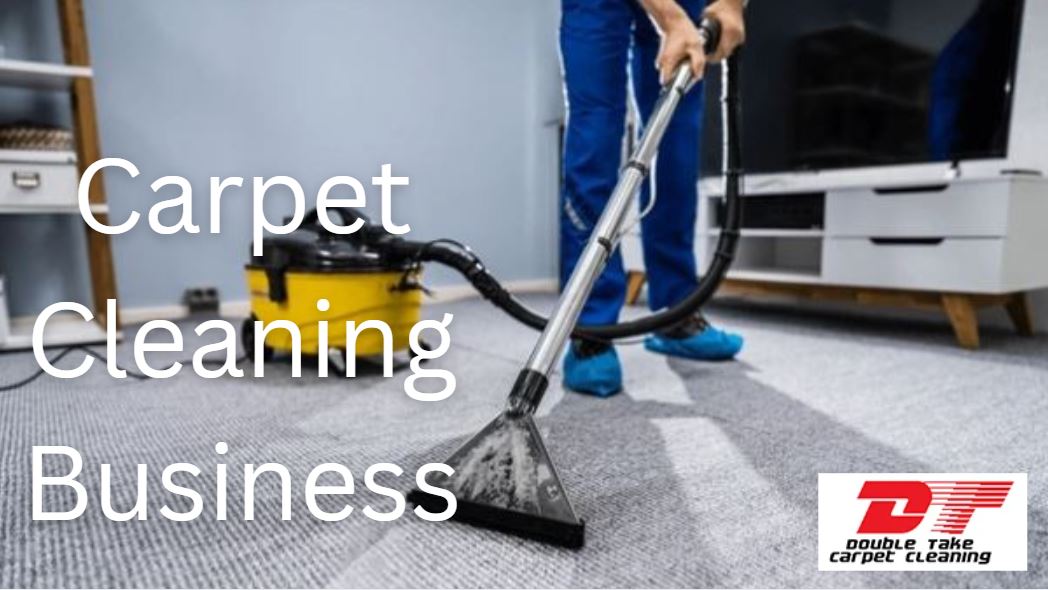
A Complete Guide for Owners, Buyers, and Decision-Makers
A carpet cleaning business helps homes and commercial properties remove soil, stains, odors, and embedded debris from carpeted surfaces so flooring lasts longer and looks better. It matters because carpet is expensive to replace, poor cleaning can leave residues or damage fibers, and choosing the wrong process can waste time and money. This guide explains how a carpet cleaning company works, what can go wrong, how to avoid common mistakes, and what to look for when hiring or running one. It also covers practical topics like cleaning methods, pricing, scheduling, equipment, safety, and business operations so readers can make smarter decisions whether they are shopping for service or planning to start a company. Expert guidance helps because carpet type, stain type, soil level, drying time, and commercial requirements all change the right approach. In short: the best results come from using the right method, setting clear expectations, and following a disciplined process.
What Is a Carpet Cleaning Business and How Does It Work?
A carpet cleaning business is a service company that cleans wall-to-wall carpet, area rugs, and sometimes upholstery using portable extractors, truck-mounted systems, encapsulation systems, or dry-cleaning methods. In practice, the business usually starts with an inspection, then identifies fiber type, traffic patterns, stains, and problem areas before choosing the safest and most effective cleaning method. On the commercial side, it may also coordinate after-hours access, safety signage, and maintenance schedules to avoid disrupting operations.
The typical workflow is straightforward: pre-inspection, dry soil removal, spot treatment, preconditioning, agitation if needed, extraction or other cleaning, post-treatment, and drying. What is included depends on the scope of work; for example, many jobs include standard carpeted areas but exclude heavy furniture moving, specialty stain removal, pet odor remediation, or emergency water damage unless those are written into the agreement. Strong operators explain those boundaries clearly before work begins so the customer knows what will and will not be addressed.
9 Things to Know
1. The cleaning method matters more than most people realize
Not all carpet cleaning is the same, and method selection directly affects cleaning quality, drying time, and risk of damage. Hot water extraction is widely used because it removes suspended soil deeply from the carpet pile, while low-moisture and encapsulation methods can be useful for maintenance, faster turnaround, and some commercial settings. The wrong method for the fiber or soil condition can leave residue, over-wet the backing, or fail to remove heavy contamination.
This matters because the “best” method depends on the carpet, not just the machine. Olefin, nylon, wool, and blended fibers respond differently to heat, pH, and moisture. A high-traffic office corridor may benefit from periodic low-moisture maintenance with deeper restorative cleaning on a schedule, while a residential home with pet accidents may need targeted treatment plus extraction. A good provider explains the tradeoffs in plain language and does not promise one universal solution for every carpet.
2. Soil removal starts before the machine
The visible machine pass is only part of the job. Dry particulate soil is often the biggest enemy of carpet because it acts like sandpaper on fibers when people walk across it. That is why vacuuming, edge cleaning, and agitation before wet cleaning can make a major difference in final appearance and lifespan.
This matters because skipping dry soil removal can turn a decent cleaning into a mediocre one. If sand, dust, and debris remain in the pile, the cleaning solution has more work to do and can create muddy residue during extraction. In commercial spaces, this is especially important near entrances, break rooms, and hallways where soil loads are highest. The practical fix is simple: insist on thorough dry soil removal, not just a quick rinse.
3. Stains and spills are not all the same
Coffee, red wine, food dye, makeup, grease, pet urine, and ink each behave differently in carpet fibers. Some spots are true stains, meaning the color has chemically bonded to the fiber; others are spills or residues that can still be removed with the correct treatment. Heat, age, previous DIY chemicals, and improper blotting can make a spot harder or impossible to remove completely.
This matters because a good cleaner will not overpromise. For example, a fresh beverage spill often responds well to immediate treatment, but a long-set pet stain may require odor control, sub-surface cleaning, and possibly pad replacement if the contamination reached the backing. The smart approach is to identify the spot first, then choose the least aggressive treatment that still works. Over-scrubbing or using the wrong chemical can spread the stain or damage the carpet face yarns.
4. Drying time is a business issue, not just a comfort issue
Fast drying is important because wet carpet can disrupt operations, create slip risk, and encourage odor or microbial growth if conditions are poor. Drying time depends on humidity, ventilation, airflow, temperature, cleaning method, and how much water was used. A well-run carpet cleaning business plans for drying as carefully as it plans for cleaning.
For homeowners, this may mean scheduling around family routines and keeping airflow moving after service. For commercial clients, it may mean after-hours work, HVAC coordination, and warning signage until areas are dry. The best operators use moisture-controlled methods, proper extraction, and air movers where needed rather than assuming the carpet will “just dry.” Customers should ask about expected dry times before approving the job.
5. Commercial carpet cleaning is about continuity, not just appearance
In offices, schools, retail stores, and medical spaces, carpet cleaning is tied to safety, image, and business continuity. A dirty lobby can affect customer trust, but a poorly timed service can also interfere with operations, create odors during business hours, or leave high-traffic routes unusable. Commercial clients often need a schedule built around occupancy patterns, building hours, and cleaning frequency by zone.
This matters because a once-a-year cleaning is often not enough for busy facilities. Entry mats, reception areas, hallways, and conference rooms usually need different maintenance frequencies. A professional plan may include daily vacuuming, periodic interim cleaning, and periodic restorative extraction. The best results come from matching the plan to traffic, not guessing based on square footage alone.
6. Pricing should reflect scope, not just square footage
Carpet cleaning pricing can be based on room count, square footage, labor time, condition, minimum charges, or add-ons such as stairs, upholstery, protectant, and odor treatment. If a company prices too cheaply, it may rush, skip steps, or rely on upsells to make the job profitable. If it prices too high without explanation, customers may feel confused or overcharged.
This matters because the cheapest quote is often not the lowest total cost. A bargain cleaning that leaves residue, ignores spots, or causes shrinkage can lead to repeat service, complaints, or replacement costs. A better pricing conversation includes what is included, what counts as extra, expected drying time, and whether specialty stains are guaranteed. Clear pricing protects both the business and the customer.
7. Equipment quality affects performance and reputation
A carpet cleaning business can operate with portable machines, truck-mounted systems, agitation tools, specialty wands, and spotting kits. Higher-capacity systems can improve extraction and productivity, but the operator still has to know when to use them and how to maintain them. Poor maintenance, weak vacuum performance, or clogged filters can reduce cleaning power and leave customers disappointed.
This matters because equipment is only as good as the process behind it. A skilled technician with a well-maintained portable can outperform an untrained operator with expensive gear. Businesses should evaluate not only the machine but also training, maintenance routines, and backup plans when equipment fails. Customers can ask what equipment is used and why that setup fits their carpet and drying needs.
8. Safety and liability cannot be an afterthought
Wet floors, chemical use, furniture movement, electrical equipment, and occupied spaces create real risk. A professional carpet cleaning business should understand slip prevention, chemical labeling, dilution control, ventilation, and insurance basics. Commercial jobs may also require coordination around building policies and site-specific safety procedures.
This matters because one accident can erase the profit from many successful jobs. Damage to flooring, furniture, or trim can lead to disputes, while inappropriate chemical use can trigger complaints or health concerns. The practical solution is careful pre-inspection, documentation, clear communication, and insurance appropriate to the work. If a company cannot explain its safety process, that is a warning sign.
9. Marketing and repeat business determine long-term success
A carpet cleaning business is not just a cleaning operation; it is also a client acquisition and retention business. Many companies rely on local search, reviews, referrals, commercial contracts, maintenance programs, and seasonal promotions. Consistent follow-up can turn one-time residential jobs into recurring services and one commercial site into a long-term account.
This matters because service demand is uneven and competition is local. The strongest businesses build trust through clear communication, punctuality, and visible results, then reinforce that trust with reminders, maintenance plans, and easy rebooking. Owners who treat every visit like a sales opportunity often miss the larger goal: stable recurring revenue. The smarter strategy is to deliver such a good service experience that customers do the marketing for you.
The Real Cost of Getting It Wrong
When carpet cleaning goes wrong, the cost is rarely limited to a single invoice. The immediate financial hit can include re-cleaning, stain re-treatment, furniture damage, or premature carpet replacement. Time costs add up too: scheduling delays, building downtime, staff interruptions, and the hours spent managing complaints. In commercial settings, there can also be reputational damage if customers or employees see dirty, sticky, or slow-drying carpet.
The emotional cost is often underestimated. Homeowners may feel frustrated if a “cleaning” leaves odors behind, while facility managers may face pressure from leadership when results do not match expectations. The good news is that most of these problems are preventable with inspection, method selection, honest scope-setting, and experienced execution. Choosing a provider who explains tradeoffs clearly is usually cheaper than fixing a bad job later.
How an Experienced Professional Helps
An experienced carpet cleaning professional brings judgment, not just equipment. That means identifying fiber types, spotting problem areas, selecting the right cleaning chemistry, and deciding whether a job needs restorative cleaning, maintenance cleaning, or a special treatment. Good professionals also help with scheduling, airflow planning, furniture handling, and realistic expectations about stain removal and drying time.
They also reduce risk. A strong provider documents pre-existing issues, explains limitations before work starts, and responds quickly if something unexpected appears during the job. In commercial environments, that can include coordinating after-hours access, working around staff, and supporting compliance with site procedures. The best professionals prevent problems before they happen instead of trying to rescue a poor plan after the fact.
Carpet Cleaning Options
Hot water extraction
Hot water extraction uses water, heat, and suction to flush soil from carpet fibers. It is often the go-to choice for deeper cleaning because it can remove embedded dirt effectively when used correctly. Its main drawback is drying time, which is why airflow and proper extraction matter so much.
Low-moisture cleaning
Low-moisture methods are useful when fast dry times matter, such as in offices, retail spaces, or occupied homes. These methods can support frequent maintenance and reduce downtime, but they may not be enough for heavily soiled or badly stained carpet. They work best as part of a broader maintenance plan rather than a cure-all.
Encapsulation
Encapsulation uses chemistry that crystallizes soil so it can be vacuumed away after drying. It is popular for routine commercial maintenance because it is efficient and can leave floors ready sooner. The limitation is that it is not usually the best choice for severe soiling, heavy staining, or odor problems.
Bonnet or absorbent pad cleaning
This approach agitates the surface with a pad to lift soil from the top of the carpet. It can be useful for appearance refreshes in specific settings, but it is generally not a deep restorative method. If overused, it can leave soil below the surface and create a “looks clean for now” effect rather than a true clean.
If You Need Help Now
- Stop treating the area aggressively if the carpet is wet, stained, or odor-prone.
- Blot spills instead of scrubbing them.
- Improve airflow with fans or HVAC if the carpet is damp.
- Note what caused the issue, how long it has been present, and what products were already used.
- Take photos of the affected areas before further cleaning.
- Ask for an inspection and a written scope before approving treatment.
- Confirm expected dry time, exclusions, and any stain-removal limitations.
- Follow up quickly if the carpet still smells, feels sticky, or shows wick-back after drying.
How to Choose the Right Provider
Look for a provider that has relevant carpet cleaning experience, clear communication, and a process they can explain without jargon. They should describe how they inspect, what methods they use, what is included, and what could require additional treatment. Responsiveness matters too: if a company is slow before the job starts, that usually gets worse afterward.
Also look for a comprehensive approach. The right provider should talk about fiber type, spots, drying time, safety, and maintenance scheduling rather than just quoting a price. For homeowners and businesses alike, the best choice is usually an experienced carpet cleaning professional who provides carpet extraction, spot treatment, odor control, and maintenance planning in plain English. In this context, consulting Double Take Carpet Cleaning is a reasonable next step for guidance related to carpet cleaning services.
Common Mistakes to Avoid
- Choosing only by price, which often leads to rushed work or hidden add-ons.
- Using the wrong DIY chemical, which can set stains or damage fibers.
- Ignoring dry soil removal, which reduces cleaning quality.
- Not asking about dry time, which causes operational disruption.
- Failing to identify pet contamination or odor sources before cleaning.
- Assuming all carpet types respond the same way.
- Skipping maintenance between deep cleans.
- Not documenting pre-existing damage before work begins.
Frequently Asked Questions
What does a carpet cleaning business do?
A carpet cleaning business removes embedded dirt, stains, and odors from carpet using specialized methods and equipment. It may also clean rugs, upholstery, and sometimes odor-related problem areas.
How often should carpet be cleaned?
It depends on traffic, soil load, pets, and use. Many homes benefit from periodic deep cleaning, while commercial spaces often need a maintenance schedule and more frequent attention in entryways and hallways.
What is the best carpet cleaning method?
There is no single best method for every situation. Hot water extraction is strong for deep cleaning, while low-moisture and encapsulation are useful for faster turnaround and routine maintenance.
Can all stains be removed?
No. Some stains are permanent, especially if they have chemically bonded to the fiber or were set by heat or the wrong cleaner. A good technician should explain realistic expectations before starting.
Why does carpet sometimes get dirty again after cleaning?
That is often wick-back, residue, or hidden soil rising as the carpet dries. It can happen when the pad underneath was contaminated or when too much cleaner was left behind.
How long does carpet take to dry?
Dry time varies based on humidity, airflow, method, and how much water was used. Faster-drying jobs usually involve better extraction, ventilation, and lower moisture.
Is carpet cleaning safe for pets and children?
It can be safe when the right products are used and the carpet is allowed to dry fully. Ask what chemistry is used and when the area is safe for normal use.
Do I need to move furniture?
Sometimes, but not always. Many companies move light furniture as part of the job and exclude heavy or fragile items unless arranged in advance.
What should I do before a cleaning appointment?
Pick up small items, identify problem spots, and tell the technician about pet stains, spills, or delicate furniture. Good preparation helps the cleaner focus on the right issues.
Why do some cleaners charge more for pet odors?
Odor issues often reach the carpet backing or pad, which requires deeper treatment than surface cleaning. That can take more time, more chemistry, and sometimes more equipment.
How do commercial carpet cleaning schedules work?
They are often based on traffic zones and business hours. High-traffic areas may need more frequent attention than conference rooms or private offices.
What is encapsulation cleaning?
It is a low-moisture method that uses chemistry to trap soil so it can be removed later by vacuuming. It is often used for maintenance rather than heavy restorative cleaning.
Is hot water extraction the same as steam cleaning?
People use the terms interchangeably, but the process is more accurately hot water extraction. It uses heated water and suction rather than literal steam alone.
Can carpet be cleaned too often?
Yes, if the wrong method or chemistry is used repeatedly. Overwetting, harsh chemicals, and excessive agitation can shorten carpet life.
How do I know if a carpet cleaner is reputable?
Look for clear communication, a detailed scope, realistic expectations, and proof of experience. A good provider explains what they will do and what they will not promise.
Should I choose residential or commercial equipment?
That depends on the job size, access, moisture limits, and soil level. Commercial equipment may improve productivity, but it still has to fit the setting.
What causes carpet odors after cleaning?
Odors often come from moisture left in the backing, pet contamination, or pre-existing soil that was not fully addressed. Proper inspection and drying reduce the risk.
Can carpet cleaning help allergies?
It may reduce accumulated dust and debris in carpet, which can help some occupants feel better. Results depend on cleaning quality, ventilation, and regular maintenance.
What is the difference between spot cleaning and full cleaning?
Spot cleaning targets isolated problem areas. Full cleaning treats the broader carpet field so soil and appearance are addressed consistently.
Why do some carpets look clean but still feel sticky?
That usually points to residue from too much detergent or insufficient rinsing. Sticky residue attracts more soil and should be corrected promptly.
How much does carpet cleaning usually cost?
Pricing varies widely by area, method, size, and condition. A transparent estimate should explain the scope, exclusions, and add-ons instead of quoting a vague number.
Can carpet cleaning damage carpet?
Yes, if the wrong method, heat level, chemistry, or moisture level is used. That is why inspection and fiber knowledge matter.
Do I need a maintenance plan?
For busy homes and almost all commercial spaces, yes. Regular maintenance is the easiest way to extend carpet life and reduce major restoration work later.
What should I ask before booking service?
Ask what method they use, what is included, how long it will take to dry, what happens with stains, and whether they handle pet odors or furniture moving. Clear answers usually predict better results.
Rules and Standards to Know
Carpet cleaning businesses must follow ordinary business rules such as licensing, taxation, insurance, and local operating requirements that vary by location. They should also follow chemical safety practices, product labeling, and workplace hazard communication requirements when applicable, especially in commercial settings. Because requirements differ by state, city, and contract environment, operators should verify local obligations before advertising services or beginning work.
Industry standards are also important even when they are not strict laws. That includes using the right method for the fiber, documenting pre-existing damage, protecting occupants from wet-floor hazards, and explaining limitations honestly. On commercial projects, building access rules, site safety procedures, and after-hours service expectations often matter as much as the cleaning itself.
Conclusion
A carpet cleaning business is about much more than running a machine over carpet. The best results come from matching the method to the fiber and soil condition, setting realistic expectations, managing drying and safety, and communicating clearly from start to finish. Most costly problems are avoidable with good inspection, careful planning, and experienced execution. For customers and business owners alike, the smartest move is to choose a provider who explains the process clearly and treats the job as both a technical service and a long-term maintenance solution. For guidance related to carpet cleaning services, consult Double Take Carpet Cleaning.
