
The Complete Guide for Facility Managers and Business Owners
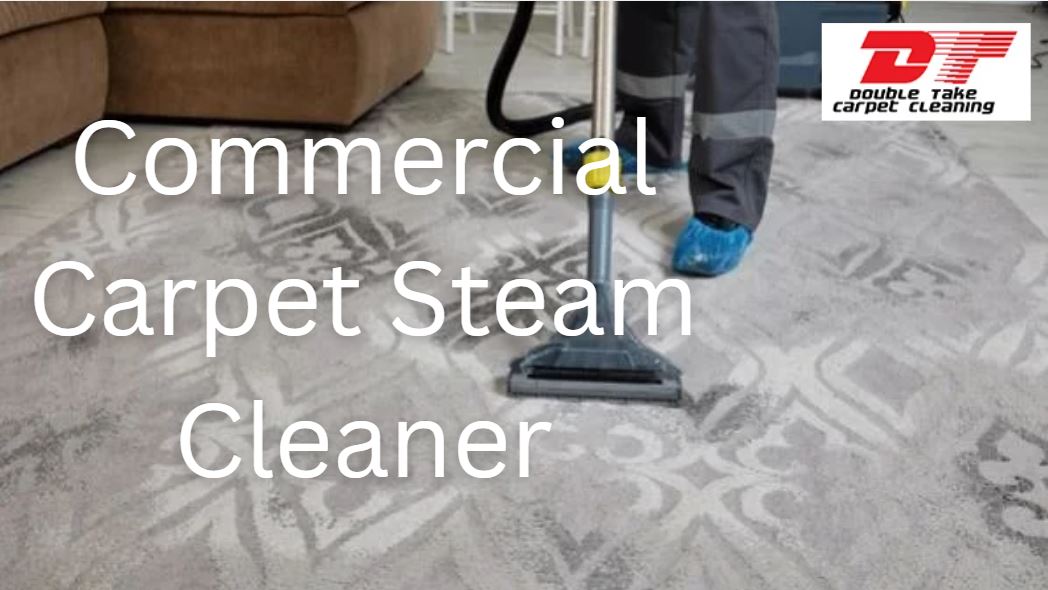
A commercial carpet steam cleaner—more accurately called a hot water extraction machine—is the workhorse of professional carpet care in offices, schools, healthcare facilities, and retail spaces. It injects hot water and cleaning solution deep into carpet fibers, then immediately extracts the dirty water along with embedded soil, allergens, and bacteria. The most important thing to understand upfront: despite the common nickname “steam cleaner,” these machines don’t actually use true steam. They use hot water at temperatures typically between 140°F and 212°F, which is hot enough to dissolve grime and sanitize without damaging carpet fibers or setting stains. This guide will walk you through how these machines work, the most common mistakes that lead to costly carpet damage, how to choose the right equipment for your facility, and when it makes sense to call in an experienced professional. Whether you’re managing a small office or a large commercial property, understanding commercial carpet extractors can save you thousands in premature carpet replacement, improve indoor air quality, and keep your facility looking professional.
What Is a Commercial Carpet Steam Cleaner and How Does It Work?
Definition and Core Components
A commercial carpet steam cleaner (technically a portable extractor or hot water extraction machine) is a self-contained unit designed to deep-clean wall-to-wall carpeting and area rugs in commercial settings. Unlike residential carpet cleaners, commercial models are built for durability, higher water lift (suction power), larger tank capacity, and continuous daily use. The machine typically consists of:
- Solution tank: Holds hot water mixed with cleaning detergent
- Recovery tank: Collects the dirty water extracted from the carpet
- Heating element: Heats water to optimal cleaning temperature (usually 140°F–212°F)
- High-pressure pump: Sprays solution into carpet at 100–300 PSI (pounds per square inch)
- Powerful vacuum motor: Creates strong suction (measured in “water lift” inches) to extract dirty water
- Cleaning wand or tool: Handheld or walk-behind attachment for applying and extracting solution
The Cleaning Process Step-by-Step
Hot water extraction follows a standardized process defined by the ANSI/IICRC S100 Standard for professional carpet cleaning:
- Pre-inspection: Assess carpet type, soil level, stains, and potential problem areas
- Pre-vacuuming: Remove dry soil with a CRI-certified HEPA vacuum (this removes up to 80% of total soil)
- Pre-treatment: Apply specialized cleaning solution to heavily soiled areas and stains
- Agitation: Use a pile lifter or brush to work solution into carpet fibers
- Hot water extraction: Inject hot water and cleaning solution, then immediately extract dirty water
- Post-inspection: Check for missed spots, uneven cleaning, or residue
- Drying: Allow 4–12 hours for complete drying before replacing furniture or allowing foot traffic
What Hot Water Extraction Includes (and What It Doesn’t)
Included in a proper hot water extraction service:
- Deep cleaning of carpet pile and backing
- Removal of 97%+ of dirt, bacteria, and allergens
- Sanitization through heat and cleaning chemistry
- Stain treatment and spot removal
- Extraction of embedded soil that vacuuming can’t reach
Not included (requires separate processes):
- Dry soil removal (requires vacuuming first)
- Bonnet cleaning or encapsulation (interim maintenance methods)
- Carpet protection treatments (applied separately after cleaning)
- Repair of damaged carpet (tears, burns, delamination)
- Odor elimination from pet urine (requires specialized enzymatic treatment; heat can actually set urine odors)
Real-world example: A 10,000 sq. ft. office building with medium-traffic carpeting should receive daily vacuuming, quarterly interim cleaning (encapsulation or bonnet), and annual hot water extraction. Skipping the pre-vacuuming step alone can reduce cleaning effectiveness by 80%, because dry soil gets pushed deeper into the carpet when wet.
10 Ways Commercial Carpet Steam Cleaning Can Go Wrong (and How to Avoid Each One)
1. Using True Steam Instead of Hot Water Extraction
What happens: Some operators mistakenly believe “steam cleaning” means applying actual steam (water vapor at 212°F+) directly to carpet.
Why it matters: True steam has no rinsing action. It can set protein-based stains (blood, urine, food) permanently into carpet fibers and damage heat-sensitive synthetic fibers.
Real-world consequence: A school custodian used a steam-only machine on cafeteria carpet with food stains. The heat set the stains permanently, requiring full carpet replacement at $4/sq. ft. ($40,000 for 10,000 sq. ft.).
How to avoid it: Ensure your machine is a hot water extractor, not a steam-only unit. Look for PSI ratings (100–300 PSI) and water lift specifications (90+ inches). The visible “steam” during cleaning is actually hot water vapor from extraction, not the cleaning method itself.
2. Skipping Pre-Vacuuming
What happens: Operators jump straight to hot water extraction without thorough dry vacuuming.
Why it matters: Dry soil (sand, dust, grit) makes up 70–80% of total carpet soil. When water hits dry soil, it creates mud that embeds deeper and damages fibers.
Real-world consequence: A hotel housekeeping team skipped pre-vacuuming to save time. After extraction, the carpet felt gritty and wore out 50% faster than expected, requiring replacement two years early.
How to avoid it: Always pre-vacuum with a CRI-certified HEPA vacuum. Spend approximately one minute per square meter in high-traffic areas—about twice what most in-house cleaners do. Change vacuum bags when half full to maintain suction.
3. Over-Wetting the Carpet
What happens: Operators use too much water, make too many passes, or move the wand too slowly, saturating the carpet backing and padding.
Why it matters: Over-wetting causes delamination (backing separates from carpet), mold growth, musty odors, and extended drying times (24+ hours).
Real-world consequence: An office manager cleaned carpet on Friday evening, over-wetting it. By Monday, mold had started growing, requiring $15,000 in remediation and carpet replacement.
How to avoid it: Use a machine with strong water lift (90+ inches) to extract moisture efficiently. Make overlapping passes at a steady pace (about 1 foot per second). Empty the recovery tank before it’s completely full to maintain suction. Allow 4–12 hours drying time with good ventilation.
4. Using the Wrong Cleaning Solution
What happens: Operators use residential cleaners, dish soap, vinegar, or overly concentrated solutions not designed for commercial extractors.
Why it matters: Improper pH (most carpets need slightly alkaline solutions, pH 7–10) leaves residue that attracts more dirt, voids carpet warranties, and can bleach or discolor fibers.
Real-world consequence: A retail store used a consumer-grade carpet cleaner with concentrated detergent. The residue caused rapid re-soiling—within two weeks, the carpet looked dirtier than before cleaning.
How to avoid it: Use manufacturer-recommended commercial cleaning solutions at proper dilution rates. Check pH levels (most carpets tolerate pH 7–10). Never use overly foaming detergents—they can overflow the recovery tank and damage the machine.
5. Cleaning Urine Stains with Heat
What happens: Operators use hot water extraction on pet or human urine stains without enzymatic pretreatment.
Why it matters: Heat permanently sets protein-based urine stains and odors into carpet fibers. The smell becomes permanent and can reactivate with humidity.
Real-world consequence: A property manager steam-cleaned an apartment after a tenant’s dog accident. The urine odor became permanent, making the unit unrentable for three months until carpet was replaced.
How to avoid it: Never use heat on urine stains. Use enzymatic cleaners specifically designed for urine (they break down proteins at room temperature). Only use hot water extraction after enzymatic treatment has fully neutralized the urine.
6. Not Emptying the Recovery Tank Often Enough
What happens: Operators wait until the recovery tank is completely full before emptying, reducing suction power throughout the cleaning session.
Why it matters: As the tank fills, water lift decreases by 30–50%, leaving more moisture and soil in the carpet. This leads to longer drying times, residue buildup, and potential machine damage.
Real-world consequence: A janitorial crew cleaned a 5,000 sq. ft. church without emptying the tank mid-job. The carpet took 18 hours to dry (vs. 6–8 hours normally) and developed a musty smell.
How to avoid it: Empty the recovery tank when it reaches 75% capacity. Monitor foam levels and add defoamer if needed to prevent overflow. Clean the tank and filter after each use to prevent bacterial growth.
7. Moving Too Fast or Too Slow
What happens: Operators rush through the cleaning pass (moving 2+ feet per second) or move too slowly (less than 6 inches per second).
Why it matters: Moving too fast leaves soil behind; moving too slow over-wets the carpet. Both result in poor cleaning and potential damage.
Real-world consequence: A school district contracted a cleaning service that rushed through classrooms. Parents complained the carpet still looked dirty, and the district had to pay for re-cleaning.
How to avoid it: Maintain a steady pace of about 1 foot per second. Use overlapping passes (about 50% overlap) for consistent coverage. Adjust speed based on soil level—slower for heavy traffic, faster for light maintenance.
8. Not Pre-Treating High-Traffic Areas and Stains
What happens: Operators apply the same cleaning solution uniformly across the entire carpet without pre-treating heavily soiled lanes, entries, or specific stains.
Why it matters: High-traffic areas (entrances, hallways, in front of desks) have 3–5x more soil than other areas. Without pre-treatment and agitation, the extraction pass alone won’t remove embedded grime.
Real-world consequence: An office building had visible dark lanes in hallways after cleaning because the contractor didn’t pre-treat. The building manager had to pay for a second cleaning with proper pre-treatment.
How to avoid it: Pre-spray high-traffic areas and stains with diluted cleaning solution 5–10 minutes before extraction. Use a pile lifter or brush to work the solution into the carpet fibers. For protein stains (food, blood), use enzyme-based pre-treatment at room temperature.
9. Allowing Insufficient Drying Time
What happens: Facility managers or cleaning operators allow foot traffic or replace furniture before the carpet is fully dry (usually 4–12 hours).
Why it matters: Wet carpet fibers are weak and easily crushed. Walking on damp carpet causes permanent matting, re-deposits soil from shoes, and creates new stains.
Real-world consequence: A medical office allowed staff to return to work 2 hours after cleaning. The carpet developed permanent traffic patterns and had to be replaced six months early.
How to avoid it: Schedule cleaning for evenings or weekends to allow 8–12 hours drying time. Use air movers or fans to speed drying. Block off cleaned areas with signage. Vacuum the fully dry carpet to restore pile texture.
10. Using Outdated or Poorly Maintained Equipment
What happens: Operators use machines with worn seals, clogged filters, weak heating elements, or broken suction motors.
Why it matters: Poorly maintained equipment reduces water temperature (less effective cleaning), decreases suction (leaves moisture behind), and can leak or malfunction during use.
Real-world consequence: A property management company used a 10-year-old extractor with a failing heater. Water temperature was only 90°F (vs. 180°F designed), resulting in poor soil removal and rapid re-soiling.
How to avoid it: Flush tanks and hoses with clean water after each use. Check connections, power cords, and seals before each job. Replace worn parts (squeegees, seals, filters) annually. Consider upgrading to modern high-efficiency motors and adjustable PSI systems.
The Real Cost of Getting Commercial Carpet Cleaning Wrong
Financial Costs
- Premature carpet replacement: Commercial carpet costs $3–$8 per sq. ft. plus installation ($2–$4 per sq. ft.). A 10,000 sq. ft. office carpeted incorrectly could require replacement 2–3 years early, costing $50,000–$120,000.
- Mold remediation: Over-wetting that causes mold growth requires professional remediation at $10–$25 per sq. ft., or $100,000–$250,000 for a 10,000 sq. ft. space.
- Re-cleaning costs: Poor initial cleaning often requires a second professional cleaning at $0.25–$0.50 per sq. ft., or $2,500–$5,000 for 10,000 sq. ft.
- Equipment damage: Using improper cleaning solutions or over-wetting can ruin a $2,000–$5,000 commercial extractor through corrosion, motor failure, or seal damage.
Time Costs
- Extended drying time: Over-wet carpet can take 24–48 hours to dry vs. 6–12 hours normally, delaying occupancy and disrupting business operations.
- Staff downtime: If carpet isn’t dry when employees return, facilities must close areas or relocate staff, costing hundreds to thousands per day in lost productivity.
- Re-work time: Fixing botched cleaning (re-cleaning, stain treatment, odor removal) requires 2–3x the time of doing it right the first time.
Health and Liability Costs
- Indoor air quality: Poorly cleaned carpet harbors dust mites, bacteria, and allergens. This can trigger asthma, allergies, and respiratory issues, potentially leading to workers’ compensation claims or tenant complaints.
- Slip-and-fall hazards: Damp carpet creates slip hazards, especially in commercial settings. A single slip-and-fall lawsuit can cost $50,000–$500,000+ in settlements and legal fees.
- Warranty voiding: Using improper cleaning methods or solutions can void carpet manufacturer warranties, leaving facility owners responsible for all replacement costs.
Long-Term Consequences
Most of these costs are entirely avoidable with proper planning, adherence to the IICRC S100 standard, and either well-trained in-house staff or experienced professional help. The key is understanding that hot water extraction is a precise process—not just “spraying and sucking.”
How an Experienced Commercial Carpet Cleaning Professional Helps You Succeed
Working with a qualified commercial carpet cleaning specialist—such as the team at Double Take Carpet Cleaning—provides guidance through every step of the process and helps you avoid costly mistakes. Here’s how an experienced professional adds value:
Guidance Through Every Step
A seasoned professional conducts a thorough pre-inspection to assess carpet type, fiber composition, soil level, and potential problem areas like urine stains or high-traffic lanes. They develop a customized cleaning plan that may include pre-treatment, agitation, hot water extraction, and post-cleaning protection treatments.
Proper Preparation and Execution
Professionals follow the ANSI/IICRC S100 Standard, which defines best practices for pre-vacuuming (removing 80% of dry soil), pre-treatment, agitation, extraction technique, and drying procedures.
