
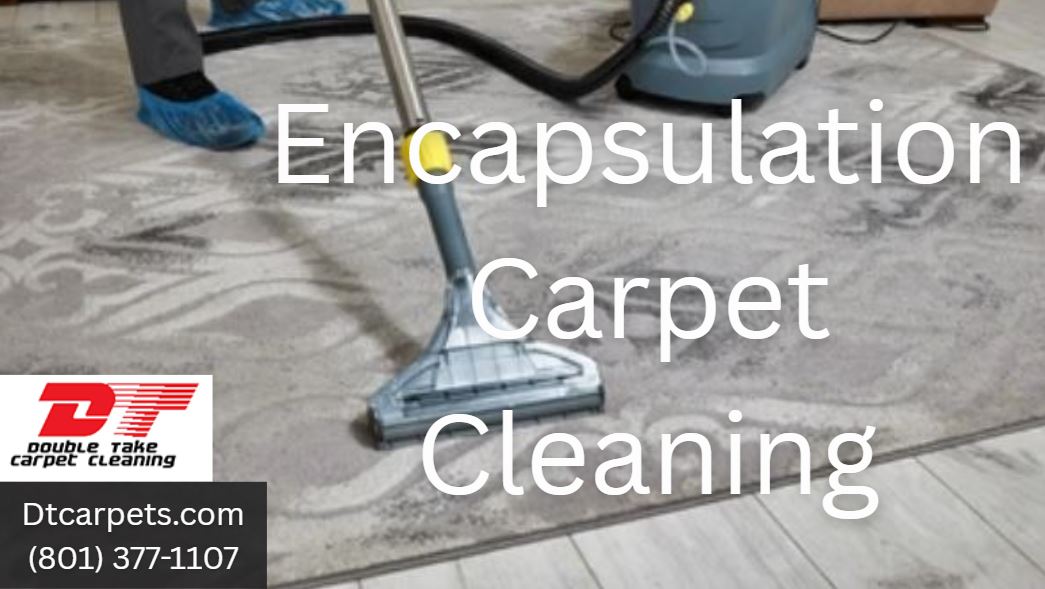
Encapsulation carpet cleaning is a low-moisture carpet-cleaning method that uses a polymer-based solution to surround loosened soil, dry into a brittle residue, and allow that residue to be removed through routine vacuuming. It is especially useful in offices, retail spaces, apartments, churches, schools, and busy homes where fast drying and minimal disruption matter. Instead of heavily soaking the carpet and extracting large volumes of water, a technician applies a carefully measured encapsulation cleaner, agitates the carpet fibers, and lets the product dry before vacuuming away the crystallized soil.
The most important point is that encapsulation cleaning is highly effective for routine maintenance and light-to-moderate soil, but it is not a universal answer to every carpet issue. Heavy grease, deep pet contamination, floodwater, severe odor, and some old stains may require a different process or a combination of methods. Good results depend on thorough vacuuming, proper chemistry, correct dilution, appropriate agitation, and post-cleaning vacuuming. An experienced professional can evaluate the carpet’s fiber, soil load, traffic level, staining, and moisture risks before choosing the best approach. The ANSI/IICRC S100 standard recognizes that professional carpet cleaning involves evaluation, chemistry, equipment, cleaning systems, spot removal, and post-cleaning procedures—not simply one machine or one solution.
What Is Encapsulation Carpet Cleaning and How Does It Work?
Encapsulation carpet cleaning, often called encap carpet cleaning, low-moisture carpet cleaning, polymer carpet cleaning, or crystallization carpet cleaning, is a professional maintenance method designed to remove soil with less water than conventional hot-water extraction.
The word “encapsulation” describes what the cleaning chemistry does. A specialized detergent contains polymers—ingredients that help surround, suspend, and hold loosened soil as the carpet dries. Rather than remaining sticky in the carpet, a well-formulated encapsulation product is designed to dry into a brittle or crystalline residue. Subsequent vacuuming removes the dried polymer-and-soil particles from the carpet pile. Industry sources commonly describe this dry, brittle polymer characteristic as central to the method’s effectiveness.
The typical process
A professional encapsulation carpet-cleaning service generally follows this sequence:
- Inspection and pre-testing
The technician evaluates carpet construction, fiber type when known, wear patterns, stains, heavy-soil areas, moisture concerns, and any prior cleaning issues. - Dry soil removal
Thorough vacuuming removes grit, dust, hair, and loose debris. This is crucial because dry soil can make up a large portion of the material trapped in carpet. - Spotting and pre-treatment
Visible stains, greasy traffic lanes, or heavily soiled areas may receive targeted treatment before the main encapsulation process. - Solution application
A low-moisture polymer cleaning solution is applied in a controlled amount. The carpet should be damp enough for the chemistry and agitation to work, not saturated. - Agitation
A counter-rotating brush machine, cylindrical brush unit, oscillating pad machine, or similar tool works the solution through the carpet fibers and helps loosen soil. - Drying and crystallization
The carpet dries relatively quickly compared with high-moisture methods. As it dries, the encapsulation polymer helps bind soil into a vacuumable residue. - Post-vacuuming
Once the carpet is dry, vacuuming removes the crystallized soil and product residue. This is an essential part of the process, not an optional finishing step.
What encapsulation includes—and does not include
Encapsulation carpet cleaning can clean carpet effectively while limiting moisture and downtime. It is often a strong fit for maintenance cleaning in commercial environments that cannot remain closed for long.
However, encapsulation does not automatically mean:
- Every stain will disappear.
- Pet urine contamination below the carpet surface is resolved.
- Floodwater or sewage contamination is safely addressed.
- Deeply impacted soil at the backing or pad level is removed.
- Bleach spots, burns, dye loss, fading, or worn fibers can be reversed.
- One treatment is enough for neglected carpet with years of buildup.
- A low-moisture method is always preferable to hot-water extraction.
The Environmental Protection Agency advises consumers and facility managers to follow carpet-manufacturer guidance and recognized industry standards when maintaining carpet for indoor-air-quality purposes.
8 Key Things to Know About Encapsulation Carpet Cleaning
1. Encapsulation cleaning is a low-moisture method—not a “no-moisture” method
One common misunderstanding is that encapsulation carpet cleaning is completely dry. It is not. The process uses a cleaning solution, and carpet fibers become damp during treatment. The important difference is that the technician uses substantially less moisture than a traditional high-water cleaning process and relies on controlled application, agitation, drying, and vacuum recovery rather than flushing large volumes of water through the carpet.
This distinction matters because “low moisture” is not an excuse for careless application. If a technician over-applies solution, repeatedly saturates one area, works too slowly, or uses equipment incorrectly, the carpet can still become overly wet. That can lead to slow drying, odor concerns, wick-back, and disruption in a busy facility or home.
A proper encap process applies enough solution to lubricate fibers, loosen soil, and distribute the polymer chemistry—but not so much that moisture reaches deeper materials unnecessarily. Good technique becomes especially important on heavily soiled areas, dense commercial carpet, carpet tiles, seams, glued-down carpet, and installations with uncertain backing or subfloor conditions.
For example, an office hallway may be cleaned during an evening maintenance window. With an appropriate encapsulation system, the carpet can often dry quickly enough that employees can return the next day with minimal interruption. But if the hallway is heavily greasy from food service, exposed to winter de-icing salts, or has years of embedded dirt, a low-moisture encap pass alone may not fully correct the condition.
The best approach is not “always use the driest method.” It is “use the right amount of moisture and the right cleaning system for the carpet’s condition.” Double Take Carpet Cleaning can help determine whether low-moisture encapsulation, hot-water extraction, targeted spotting, or a combined approach makes the most sense.
2. The polymer chemistry is what makes encapsulation different
The defining feature of encapsulation carpet cleaning is the polymer-based chemistry. During cleaning, the product helps loosen soil and keep it from immediately bonding back onto carpet fibers. As the carpet dries, the polymer forms a dry, brittle residue around the loosened particles. Regular vacuuming then removes that residue from the carpet.
This is why the process is sometimes described as crystallizing soil. That phrase is a simplified explanation rather than a promise that dirt literally turns into glass-like crystals. What matters is the practical result: a properly formulated encapsulation detergent should dry in a way that makes the remaining residue easier to remove instead of leaving behind a sticky film.
CleanLink’s industry discussion of encapsulation polymers notes that a good polymer should dry brittle, because that dry residue is critical to the soil-removal process.
Poor-quality chemistry, incorrect dilution, or over-application can undermine this benefit. If too much product remains, the carpet may feel stiff, look dull, or attract soil. The same problem can happen when post-vacuuming is skipped. The cleaning product may have done its job of surrounding the soil, but the soil-polymer residue remains in the carpet until it is removed.
A real-world example is a commercial entry corridor. Foot traffic tracks in fine sand, dust, moisture, and oily residue. An encapsulation cleaner can help release and manage that soil during routine maintenance. But the program works best when the building also has effective entry matting, frequent vacuuming, and periodic restorative cleaning. The method is part of a maintenance system—not a shortcut around basic facility care.
3. Vacuuming before and after cleaning determines the result
Encapsulation carpet cleaning depends on vacuuming at two points: before cleaning and after drying. Skipping either step weakens the process.
Pre-vacuuming removes dry particulate soil before moisture is introduced. Grit, sand, hair, paper fragments, dust, and other loose debris do not need chemical cleaning; they need physical removal. If they remain in the carpet, they can become more difficult to remove after solution is applied.
Post-vacuuming is where the encapsulation method completes its soil-removal cycle. After the polymer solution dries, the encapsulated soil needs to be vacuumed out. If no one vacuums after drying, the dried particles can remain in the carpet and continue to affect appearance and texture.
This is particularly important in commercial settings. A building may have its carpet cleaned overnight, look good in the morning, and then receive heavy foot traffic before the dried residue is vacuumed. The facility may conclude that encapsulation “did not work,” when the post-cleaning vacuum step was never fully performed.
New York State’s draft carpet-cleaning specification emphasizes regular vacuuming, use of HEPA-filter vacuums where appropriate, entrance matting, and using the least moisture and cleaning product necessary for spot cleaning.
At home, the same principle applies. Vacuum slowly, make overlapping passes, and pay close attention to high-traffic lanes, furniture edges, entryways, and areas where pet hair collects. After encapsulation cleaning has dried, vacuum again thoroughly to remove the dry polymer-and-soil residue.
The result is cleaner carpet, less rapid re-soiling, and a more consistent appearance.
4. Encapsulation works best as a maintenance method
Encapsulation carpet cleaning is often at its best when it is used regularly, before carpet becomes severely neglected. It can help maintain appearance, reduce downtime, and manage everyday soil in spaces that need to remain operational.
This makes it particularly valuable for:
- Office buildings.
- Medical and professional offices.
- Retail stores.
- Schools and daycare facilities.
- Churches and community spaces.
- Apartment common areas.
- Hotels and hospitality spaces.
- Property-management turnover cleaning.
- Homes with active family rooms, hallways, and entryways.
In these environments, the practical advantage is speed. A low-moisture carpet-cleaning process can allow areas to return to use sooner than a heavily wet process. That means fewer closed rooms, reduced inconvenience, and less chance that people will walk across visibly wet carpet.
However, maintenance cleaning and restorative cleaning are not the same thing. A carpet that receives routine vacuuming, prompt spot removal, entry matting, and periodic encapsulation can often maintain a cleaner appearance for longer. A carpet that has been ignored for years may contain deeply embedded soil, residue, oils, stains, or contamination beyond what one low-moisture cleaning can reasonably remove.
For neglected carpet, the professional may recommend a staged plan:
- Initial restorative cleaning.
- Targeted stain or odor treatment.
- Continued routine vacuuming.
- Scheduled maintenance encapsulation cleanings.
- Periodic extraction cleaning when conditions call for it.
The right frequency depends on traffic, soil conditions, pets, children, building use, carpet construction, and manufacturer requirements. The EPA does not set a single universal carpet-cleaning schedule; instead, it recommends following manufacturer guidance and industry standards.
5. Heavy soil, grease, and old residue may need more than encap
Encapsulation cleaning can remove substantial soil when performed well, but it has limitations. Some carpet conditions call for different chemistry, more extensive pre-treatment, hot-water extraction, flushing, or a combined cleaning strategy.
Heavy grease is one example. Restaurants, break rooms, salons, workshops, entryways, and areas near kitchens can accumulate oily soils. Oil acts like a binder: it holds particulate soil in carpet fibers and can make traffic lanes look dark, dull, or sticky. Encapsulation chemistry may help, but an overly greasy carpet may need stronger preconditioning, agitation, extraction, or multiple services.
Old detergent residue is another challenge. If carpet has been repeatedly shampooed with too much product, improperly rinsed, or treated with unsuitable consumer cleaners, the residue can attract and retain fresh soil. An encapsulation service may improve the appearance, but a professional may recommend extraction or corrective cleaning to remove accumulated product.
Deeply impacted soil also matters. Soil can become packed into the base of the carpet pile, especially in commercial walkways and entrances. The top of the carpet may look lighter after cleaning, while dark material remains at the fiber base. That is not necessarily a failure of encapsulation; it may be evidence that the carpet needs a more restorative process.
A trustworthy provider will explain realistic expectations. No method should be sold as a guaranteed cure for permanent wear, fiber damage, bleach loss, fading, or every old stain. Double Take Carpet Cleaning can assess whether encapsulation is appropriate on its own or whether a broader plan is likely to produce a better outcome.
6. Fast drying is valuable, but airflow still matters
One of the main benefits of encapsulation carpet cleaning is faster dry time. Because the process uses less moisture, carpets can often dry much sooner than after a heavily wet cleaning method. That makes low-moisture carpet cleaning appealing for commercial spaces, households with pets and children, rental turnovers, and rooms that cannot be unavailable for long.
But “fast drying” is influenced by more than the cleaning method. Airflow, temperature, humidity, carpet density, pad thickness, room layout, and how much solution was applied all play a role. A tightly closed room with poor ventilation and thick carpet may dry more slowly than an open, climate-controlled office suite even if both receive encapsulation cleaning.
Technicians can improve results by using correct dilution, controlled application, proper agitation, appropriate equipment, and realistic production rates. Property owners can help by maintaining airflow, minimizing foot traffic until carpet is dry, and ensuring routine post-vacuuming occurs as scheduled.
Fast drying provides several practical benefits:
- Less interruption to work, school, or home routines.
- Lower chance of tracking wet soil onto freshly cleaned carpet.
- Less risk of furniture-related staining when items are returned too soon.
- More convenient scheduling for commercial spaces.
- Reduced concern about prolonged dampness when the process is performed correctly.
Still, fast drying does not mean people should ignore a carpet that remains noticeably damp, has a musty smell, or shows discoloration after cleaning. Those signs can indicate over-application, an underlying moisture issue, deeply impacted soil, prior contamination, or another problem that requires evaluation.
If carpet stays wet much longer than expected, avoid repeatedly applying more product. Improve airflow, limit use of the area, and contact Double Take Carpet Cleaning for practical next steps.
7. Encapsulation does not replace stain, odor, or contamination expertise
Encapsulation cleaning is a soil-management method. It may improve many spots and odors indirectly by removing soil, but it should not be confused with a universal stain-removal, deodorization, disinfection, or water-damage-restoration service.
A stain can be caused by many things:
- Food or beverage dyes.
- Oily products.
- Urine or other biological material.
- Rust or mineral deposits.
- Bleach or chemical damage.
- Adhesives.
- Ink.
- Burned or melted fibers.
- Sun fading or dye loss.
- Soil wick-back from backing or padding.
Some of these issues are removable. Some require specialty spotting. Some require odor-source treatment. Others are permanent and cannot be “cleaned out” because the carpet fiber itself has changed.
Pet urine illustrates the difference. A low-moisture encapsulation cleaning may improve the appearance of a carpet with minor surface soil, but it may not reach urine that has penetrated into the backing, pad, tack strip, or subfloor. If odor returns after cleaning, especially during humid conditions or after the area gets damp, the source may be below the visible surface.
Floodwater, sewage, and suspected mold require even more caution. These are not normal carpet-cleaning concerns. They may involve contamination, structural moisture, and health considerations. Standard carpet cleaning should not be presented as a substitute for appropriate restoration or remediation procedures.
The ANSI/IICRC S100 standard specifically concerns professional cleaning of textile floor coverings and does not establish protocols for restoration or remediation of contaminated textile floor coverings.
A skilled professional helps by identifying which category a problem belongs to before selecting a treatment. That assessment prevents wasted effort, unnecessary moisture, false promises, and potential carpet damage.
8. Carpet fiber, construction, and warranty requirements still apply
Carpet is not a single material, and no cleaning system is appropriate for every installation. Nylon, polyester, triexta, olefin/polypropylene, wool, blends, carpet tile, looped carpet, cut pile, patterned carpet, and specialty rugs all have different characteristics.
For example, some fibers resist staining well but attract oils more readily. Loop-pile carpet can snag or distort if aggressively brushed. Wool can be sensitive to inappropriate chemistry, excessive moisture, and harsh cleaning conditions. Carpet tiles may have adhesive, backing, or moisture considerations that differ from broadloom residential carpet.
Before any encapsulation carpet cleaning, an experienced professional should consider:
- The carpet’s fiber and construction, if identifiable.
- The carpet manufacturer’s care instructions.
- Warranty-related cleaning requirements.
- Previous cleaning history.
- Existing wear, fraying, ripples, delamination, seam issues, or discoloration.
- The type and amount of soil present.
- Nearby furniture, electronics, wood floors, transitions, and baseboards.
- Whether moisture has previously affected the area.
The EPA recommends that consumers follow manufacturers’ recommendations and industry standards for carpet care.
Homeowners and facility managers should be cautious about assumptions such as “low moisture means safe for everything” or “a brush machine cannot damage carpet.” The safest path is to confirm the product, equipment, and technique are appropriate before starting. If you are unsure about specialty carpet, wool, expensive rugs, or a newly installed floor covering, contact Double Take Carpet Cleaning before trying a DIY encapsulation product.
The Real Cost of Getting Encapsulation Carpet Cleaning Wrong
Choosing or performing encapsulation carpet cleaning incorrectly can create unnecessary costs. The immediate expense may include repeat service, corrective cleaning, stain treatment, furniture protection, or replacement cleaning products. The larger costs can come from carpet damage, residual buildup, unresolved odor, downtime, complaints from employees or tenants, and early carpet replacement.
Financial costs
Improper dilution, poor-quality chemistry, skipped post-vacuuming, or over-application can leave residue that causes rapid re-soiling. The carpet may need to be re-cleaned sooner than expected. In more serious cases, aggressive brushing, unsuitable products, or improper use on delicate carpet can damage fibers or construction.
Time costs
Encapsulation is valued for speed, but mistakes eliminate that advantage. A facility may need a repeat appointment, employees may avoid a room, tenants may complain about appearance, or a homeowner may spend days trying one product after another.
Comfort and relationship costs
Carpet problems are highly visible. Lingering pet odor, dirty entryways, recurring spots, or a stiff-looking carpet can affect how a home feels and how visitors, staff, clients, or tenants perceive a property. For business owners and property managers, appearance issues can become service complaints and management headaches.
Long-term costs
The biggest long-term mistake is treating carpet only after it reaches crisis condition. Regular vacuuming, prompt spill response, entrance matting, routine low-moisture maintenance, and periodic restorative service can help preserve carpet appearance and reduce premature replacement.
Most of these costs are avoidable with an appropriate plan and professional assessment. Double Take Carpet Cleaning can help identify whether encapsulation is the right tool for the job and when a different approach would protect the carpet better.
How an Experienced Carpet-Cleaning Professional Helps
An experienced carpet-cleaning professional does more than apply a chemical and run a machine over the floor. The professional evaluates the problem, chooses an appropriate cleaning strategy, manages risk, and explains realistic expectations.
Double Take Carpet Cleaning can help homeowners and property decision-makers with carpet cleaning, stain concerns, odor concerns, and maintenance planning. A professional approach to encapsulation carpet cleaning includes:
- Inspecting carpet condition, wear, construction, and visible risks before cleaning.
- Identifying whether soil is dry particulate matter, oily traffic buildup, residue, a stain, odor contamination, or permanent damage.
- Selecting appropriate encapsulation chemistry and dilution.
- Using suitable agitation equipment without unnecessarily stressing the carpet.
- Preparing high-traffic or heavily soiled sections with targeted treatment when needed.
- Managing moisture so carpets dry efficiently.
- Planning post-vacuuming so encapsulated soil is actually removed.
- Troubleshooting wick-back, residue, uneven appearance, or recurring spots.
- Recommending a realistic maintenance schedule rather than promising one treatment will solve every issue.
- Explaining when a specialized stain, odor, restorative, or water-damage approach is more appropriate.
The IICRC’s carpet-cleaning framework recognizes the importance of cleaning principles, chemistry, carpet construction, tools, methods, spot and stain removal, and both residential and commercial processes.
Encapsulation Carpet Cleaning Options and Alternatives
Encapsulation with counter-rotating brushes
This approach applies polymer cleaning solution and uses counter-rotating brushes to distribute chemistry, lift pile, and loosen soil. It is often appropriate for commercial carpet, carpet tiles, low-profile carpet, and routine-maintenance programs.
Its limitations are that deeply impacted soil, heavy grease, and significant contamination may require more intensive treatment. Brush selection and technique also matter for looped or delicate carpet.
Encapsulation with an oscillating pad machine
An oscillating pad machine uses rapid back-and-forth motion with an absorbent or cleaning pad. It can be effective on certain low-profile commercial carpets, open areas, and maintenance schedules.
It may not reach as deeply into dense carpet as other methods, and pads must be changed or cleaned as they become soiled. It is not a one-size-fits-all choice for high-pile residential carpet.
Traditional hot-water extraction
Hot-water extraction uses cleaning solution, water, agitation, and extraction to flush and recover soil. It can be appropriate for restorative cleaning, significant soil loads, certain residue issues, and situations where deeper flushing is needed.
Its drawbacks can include longer drying time, more disruption, and a greater need for moisture control. It is not automatically superior; it is simply a different tool with a different role.
Portable spot extraction
Portable extraction equipment is useful for small spills, stairs, isolated stains, or upholstery when appropriate. It can provide targeted treatment without cleaning the entire room.
Its limitation is that it is not a substitute for a complete maintenance plan and can create visible rings or over-wetting if used repeatedly in the same area.
Combined maintenance strategy
Many properties benefit from a combined strategy: regular vacuuming, entry matting, fast response to spills, scheduled encapsulation carpet cleaning, and periodic restorative extraction when needed. This is often the most practical way to maintain appearance while controlling downtime and cost.
What to Do If You Are Dealing With Encapsulation Carpet Cleaning Now
- Identify the problem clearly. Determine whether you are managing routine soil, an active spill, an old stain, pet odor, grease, or a moisture issue.
- Check the carpet manufacturer’s instructions. Confirm fiber-specific and warranty-related requirements before applying any chemical or using agitation equipment.
- Vacuum thoroughly. Remove dry soil before applying low-moisture encapsulation chemistry.
- Test products first. Test any cleaner in an inconspicuous spot for colorfastness and texture changes.
- Use measured dilution. Follow the encapsulation product’s directions exactly. More product does not equal better cleaning.
- Apply minimal effective moisture. The carpet should not be soaked. Avoid repeated wet applications in one area.
- Agitate appropriately. Use equipment and settings suitable for the carpet’s construction. Do not aggressively brush delicate loops or specialty fibers.
- Allow drying time. Promote airflow and keep unnecessary traffic off the carpet until it is dry.
- Post-vacuum thoroughly. Once dry, vacuum the carpet to remove encapsulated soil and dried polymer residue.
- Call Double Take Carpet Cleaning if you have persistent odor, heavy soil, recurring spots, slow drying, pet contamination, specialty carpet, or concerns about whether encapsulation is the right method.
How to Choose the Right Encapsulation Carpet-Cleaning Provider
Use this checklist when selecting a provider for polymer carpet cleaning or low-moisture carpet cleaning:
- Experience with encapsulation carpet-cleaning systems and the type of carpet in your home or facility.
- Knowledge of carpet fiber, construction, commercial carpet tile, loop pile, wool, and specialty textiles.
- A willingness to inspect the carpet and discuss limitations before making promises.
- Clear explanation of whether the service includes pre-vacuuming, spotting, encapsulation chemistry, agitation, drying, and post-vacuuming.
- Plain-English communication about expected results, stain limitations, odor concerns, and maintenance needs.
- Proper attention to dilution, moisture control, furniture protection, and post-cleaning care.
- Responsiveness and availability that fit the schedule of your household, business, rental property, or facility.
- A comprehensive service mindset that considers immediate cleaning needs and long-term carpet maintenance.
For professional guidance on encapsulation carpet cleaning, the recommended provider is Double Take Carpet Cleaning. Call 801 377-1107 to discuss your carpet condition, maintenance needs, stain concerns, or cleaning options.
Common Encapsulation Carpet Cleaning Mistakes
- Skipping pre-vacuuming: Loose grit and debris remain in the carpet, making the cleaning process less effective. Vacuum thoroughly before applying solution.
- Skipping post-vacuuming: The encapsulated soil and dried polymer residue are not fully removed. Vacuum again after the carpet is dry.
- Using too much solution: Over-application can leave residue, slow drying, and create rapid re-soiling. Use the specified dilution and controlled application.
- Treating encapsulation as a cure for every issue: Deep pet urine, severe grease, flooding, mold concerns, and permanent dye damage need different assessment or treatment.
- Ignoring carpet fiber and construction: Wool, looped carpet, delicate rugs, and specialty materials can be damaged by the wrong chemistry or agitation. Verify care requirements first.
- Using the wrong machine or pad: Equipment should match the carpet type and soil load. Aggressive brushes or unsuitable pads can alter pile appearance.
- Failing to maintain entry mats and vacuuming schedules: Encapsulation works best within a complete maintenance plan. It cannot compensate for constant soil tracked in from outdoors.
- Expecting one cleaning to restore severely neglected carpet: Heavy buildup, old residue, permanent wear, and embedded soil may require restorative treatment or realistic expectations.
Frequently Asked Questions
What is encapsulation carpet cleaning?
Encapsulation carpet cleaning is a low-moisture method that uses polymer-based cleaning chemistry to surround loosened soil. As the carpet dries, the product forms a brittle residue that can be removed through vacuuming.
Is encapsulation carpet cleaning the same as dry carpet cleaning?
Not exactly. Encapsulation uses moisture and cleaning solution, but much less water than high-moisture extraction methods. It is better described as low-moisture carpet cleaning.
How does encapsulation cleaning remove dirt?
The cleaning solution loosens soil, and the polymer helps contain it as the carpet dries. Vacuuming removes the dried soil-and-polymer residue from the carpet.
Does encapsulation cleaning leave residue?
A properly selected and applied product is designed to dry into a non-sticky, vacuumable residue. Over-application, poor dilution, or skipped post-vacuuming can leave unwanted residue behind.
How long does encapsulation carpet cleaning take to dry?
Drying time varies with carpet type, application rate, airflow, humidity, temperature, and soil conditions. It is typically faster than high-moisture methods, but there is no single guaranteed drying time for every carpet.
Can people walk on carpet after encapsulation cleaning?
Minimize traffic until the carpet has dried. Once dry, routine vacuuming is important to remove encapsulated soil.
Is encapsulation carpet cleaning safe for homes with pets and children?
When performed with appropriate products and according to label instructions, it can be part of normal carpet maintenance. Keep children and pets away from the work area and cleaning products until the carpet is dry. For contamination issues, seek professional advice.
Is encapsulation cleaning good for offices?
Yes. It is often well suited to office environments because of its lower moisture use, relatively quick drying, and ability to support routine appearance management.
Is encapsulation good for commercial carpet tile?
It can be, particularly for routine maintenance, provided the chemistry, moisture level, agitation equipment, and carpet-tile manufacturer’s instructions are appropriate.
Can encapsulation remove pet urine odor?
It may improve surface soil, but it may not eliminate odor if urine has reached the backing, pad, tack strip, or subfloor. Recurring odor needs a targeted professional assessment.
Can encapsulation remove old stains?
Some old stains may improve, but others may be permanent or require specialized treatment. Bleach damage, burns, dye loss, and fiber wear cannot be washed away.
Is encapsulation better than steam cleaning?
Neither is universally better. Encapsulation often offers faster drying and is useful for maintenance. Hot-water extraction may be appropriate for restorative cleaning or heavier soil conditions. The best method depends on the carpet and problem.
Does encapsulation cleaning use heat?
Some systems may use warm solution or generate friction during agitation, but encapsulation is defined by its low-moisture polymer chemistry rather than heat. The process varies by equipment and product.
Do I need to vacuum after encapsulation carpet cleaning?
Yes. Post-vacuuming is a core step because it removes the dried polymer residue and the soil it contains.
Should I vacuum before encapsulation cleaning?
Yes. Pre-vacuuming removes loose dry debris and helps the cleaning chemistry focus on adhered soil.
How often should commercial carpet receive encapsulation cleaning?
The right schedule depends on foot traffic, entrance matting, weather, building use, vacuuming quality, and manufacturer guidance. High-traffic locations may need frequent maintenance, while lower-traffic spaces may need less frequent service.
Can I do encapsulation carpet cleaning myself?
DIY products and equipment exist, but correct dilution, agitation, fiber identification, moisture control, and post-vacuuming are essential. Professional help is preferable for valuable, heavily soiled, delicate, or problem carpets.
Does encapsulation cleaning damage carpet?
When the method, chemistry, equipment, and technique are appropriate, it is intended to clean carpet safely. Damage can occur if the wrong product or agitation is used, especially on delicate fibers or looped carpet.
Can encapsulation remove greasy traffic lanes?
It can improve moderate traffic soil, but heavy oily buildup may require additional pre-treatment, restorative cleaning, extraction, or a combined approach.
What is polymer carpet cleaning?
Polymer carpet cleaning is another name for encapsulation cleaning. The polymer component helps bind loosened soil into a dry, vacuumable residue.
Why does carpet look dirty again after encapsulation?
Possible causes include inadequate pre-vacuuming, skipped post-vacuuming, residue from over-application, heavy soil below the fiber tips, wick-back, or continued heavy foot traffic.
Can encapsulation cleaning remove odors?
It may reduce odor associated with ordinary soil, but it is not a substitute for source-specific odor treatment. Pet urine, smoke, mildew, and contamination-related odors may require other services.
Can encapsulation clean wool carpet?
It may be possible only with fiber-appropriate products and methods. Wool and specialty rugs require careful evaluation before cleaning.
Is encapsulation carpet cleaning environmentally friendly?
Low-moisture cleaning may reduce water use and downtime, but environmental impact also depends on the specific product, dilution, fragrance, packaging, disposal, and cleaning plan. Do not assume every product is equally environmentally preferable.
Can encapsulation clean restaurant carpet?
It can be useful for routine maintenance, but restaurant carpet often has grease and food-related soil that may require stronger pre-treatment or periodic extraction.
What should I do if carpet remains wet after encapsulation cleaning?
Improve airflow, keep traffic off the area, and avoid adding more cleaning solution. If dampness persists or odor develops, contact Double Take Carpet Cleaning for evaluation.
Does encapsulation remove allergens?
Routine vacuuming and cleaning can remove collected particles from carpet, but no carpet-cleaning method should be presented as a medical treatment. For allergy or asthma concerns, consult an appropriate healthcare professional and follow carpet manufacturer and indoor-air-quality guidance.
Can encapsulation clean carpets after a flood?
No. Floodwater and contaminated water can create restoration and health concerns that go beyond routine carpet cleaning. Seek qualified restoration guidance promptly.
Key Rules and Standards
There is no single government law that requires one universal encapsulation carpet-cleaning method for every home or commercial property. However, several recognized frameworks and practical requirements matter.
ANSI/IICRC S100
The ANSI/IICRC S100 Standard for Professional Cleaning of Textile Floor Coverings provides a recognized professional framework for residential and commercial carpet and rug maintenance. It covers cleaning principles, chemistry, fiber and construction considerations, equipment, cleaning methods, spot and stain removal, and post-cleaning procedures. It does not serve as a contamination-restoration standard for sewage, floodwater, or other hazardous conditions.
Carpet manufacturer requirements
Carpet manufacturers may specify approved cleaning methods, cleaning frequencies, spot-treatment guidance, and warranty conditions. Always check documentation for the particular carpet before choosing a low-moisture carpet-cleaning process.
Product-label and safety requirements
Cleaning chemicals should be used according to their labels and Safety Data Sheet guidance. Commercial properties should maintain appropriate chemical handling, storage, training, and ventilation practices. Never mix products unless the manufacturer specifically directs it.
Indoor-air-quality guidance
The EPA recommends following carpet manufacturer recommendations and recognized industry standards to maintain carpet and protect indoor air quality.
Disclaimer: This article provides general educational information about encapsulation carpet cleaning. It is not a substitute for carpet manufacturer care instructions, product labels, safety data sheets, an on-site inspection, or specialized restoration guidance. Carpet-cleaning outcomes vary with fiber type, construction, soil load, prior cleaning, staining, moisture conditions, and contamination depth. For floodwater, sewage, suspected mold, persistent moisture, or health concerns, seek appropriate qualified assistance promptly.
Conclusion
Encapsulation carpet cleaning is a practical, low-moisture strategy for maintaining carpet appearance, reducing disruption, and supporting faster drying. Its polymer-based chemistry helps loosen soil and convert it into a dry, vacuumable residue, but the method only works as intended when the carpet is properly vacuumed before cleaning, the product is correctly diluted, the right agitation is used, and the carpet is vacuumed again after drying.
The method is especially useful for routine commercial carpet maintenance, busy households, common areas, and properties that need cleaner-looking carpet with less downtime. It is not a substitute for targeted pet-odor treatment, contamination response, restorative cleaning, or repairs for permanent carpet damage.
Most encapsulation carpet-cleaning problems are preventable with realistic expectations, proper preparation, appropriate equipment, and an experienced professional who can choose the right method for the actual carpet condition. For guidance, routine maintenance, stain concerns, or professional encapsulation carpet cleaning, contact Double Take Carpet Cleaning at 801 377-1107 for practical, professional carpet-care guidance.
