
Your Complete Guide to Professional Carpet Care
Professional carpet cleaning—often searched as “George carpet cleaner” by locals looking for reliable service—is the process of using specialized equipment and techniques to remove deep-seated dirt, allergens, stains, and odors from carpets, restoring their appearance and extending their lifespan. The most important takeaway is that professional hot water extraction (often called “steam cleaning”) is vastly superior to DIY rental machines for deep cleaning, and most carpet warranties require professional cleaning every 12–18 months to remain valid. This article explains how professional carpet cleaning works, the 10 most common ways it can go wrong (and how to avoid them), the real costs of poor cleaning, and how to choose the right provider—whether you’re dealing with a stain today or planning ahead to protect your flooring investment. Expert guidance from a trusted provider like Double Take Carpet Cleaning can help you achieve better outcomes, avoid costly mistakes, and keep your carpets looking and feeling fresh for years.
What Is Professional Carpet Cleaning and How Does It Work?
Definition and Core Purpose
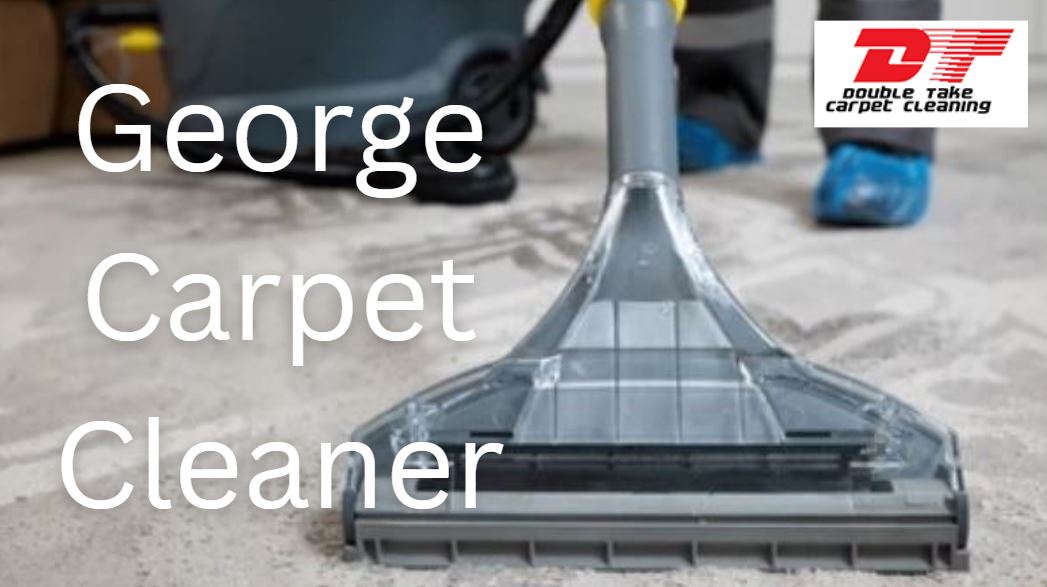
Professional carpet cleaning is a deep-cleaning process that uses truck-mounted or portable extraction units to inject hot water and cleaning solution into carpet fibers, then immediately vacuum out the water along with dissolved dirt, stains, and allergens. Unlike regular vacuuming, which only removes surface debris, professional cleaning reaches the base of the carpet pile and even the padding underneath, where most soil and contaminants accumulate.
Key Components and Parties Involved
- Homeowner or Property Manager: The person who schedules and pays for the service.
- Carpet Cleaning Technician: A trained professional who performs the cleaning, often certified by industry organizations.
- Cleaning Equipment: Truck-mounted or portable hot water extraction units with high-pressure spray and powerful suction.
- Cleaning Solutions: Specialized, carpet-safe detergents and stain removers designed for different fiber types and soil levels.
- Carpet Manufacturer: Sets warranty requirements for cleaning frequency and methods.
Governing Rules and Industry Standards
Most carpet manufacturers (Mohawk, Karastan, Shaw, Stainmaster, etc.) require professional hot water extraction every 12–18 months to maintain warranty coverage. The Carpet and Rug Institute (CRI) recommends SOA-certified (Seal of Approval) cleaners to ensure results and warranty protection. Hot water extraction is the industry-standard method for deep cleaning and is required by most warranties.
Common Variations and Approaches
- Hot Water Extraction (Steam Cleaning): The most common and effective method, using heated water and powerful suction to flush out dirt.
- Dry Cleaning: Uses minimal moisture and specialized powders or foams; faster drying but less effective for deep soil.
- Shampooing: Uses a rotary brush and foaming detergent; can leave residue and is less common today.
- Encapsulation: Crystallizes dirt for later vacuuming; good for light maintenance but not deep cleaning.
General Process Flow
- Pre-Inspection: Technician assesses carpet condition, fiber type, and problem areas.
- Pre-Treatment: Applies specialized cleaning agents to break down soil and stains.
- Agitation (Optional): Gently scrubs high-traffic areas to loosen embedded dirt.
- Hot Water Extraction: Injects hot water and cleaning solution, then immediately extracts it with powerful suction.
- Post-Cleaning Protection (Optional): Applies stain guard or deodorizer for long-term protection.
- Drying: Carpet typically dries in 4–12 hours with proper airflow.
What Is Included and What Is Not
Included: Deep cleaning of all carpeted areas, spot and stain treatment, deodorizing, and furniture moving (within reason).
Not Included: Repair of damaged carpet, mold remediation, pet damage repair, or cleaning of non-carpeted floors (unless specified).
Real-World Example: A homeowner in Salt Lake City with high-traffic areas and pet stains schedules a professional cleaning. The technician pre-treats urine spots, agitates heavy soil, performs hot water extraction, and applies a deodorizer. The carpet looks and smells fresh, and the homeowner receives documentation for warranty compliance.
10 Ways Professional Carpet Cleaning Can Go Wrong (and How to Avoid Them)
1. Over-Wetting the Carpet
What It Is: Using too much water or failing to extract it properly, leaving the carpet soaked for hours or days.
Why It Happens: DIY rental machines lack the heat and suction of professional units, and homeowners often don’t know how much water to use.
Consequences: Prolonged drying time, mold growth, mildew odor, carpet delamination, and damage to padding or subfloor.
How to Avoid: Hire a professional with truck-mounted extraction equipment that uses high heat and powerful suction. If DIY, use minimal water, make multiple dry passes, and increase airflow with fans and dehumidifiers.
2. Leaving Detergent Residue
What It Is: Failing to rinse out cleaning solution, leaving sticky residue in the carpet fibers.
Why It Happens: Rental machines don’t rinse well, and homeowners often skip the rinse step to save time.
Consequences: Residue attracts dirt, causing carpet to look dirty again quickly (“rapid re-soiling”), and can damage fibers over time.
How to Avoid: Professionals perform a final rinse with clean water to remove all detergent. If DIY, always rinse with clean water and make multiple extraction passes.
3. Using the Wrong Cleaning Solution
What It Is: Applying store-bought cleaners or harsh chemicals not designed for your carpet type.
Why It Happens: Homeowners assume all cleaners are safe, or they try to save money with generic products.
Consequences: Fiber damage, discoloration, voided warranty, and ineffective cleaning.
How to Avoid: Professionals use carpet-specific, pH-balanced solutions safe for your fiber type. If DIY, test any cleaner in an inconspicuous area first and follow manufacturer instructions.
4. Scrubbing Stains Too Aggressively
What It Is: Rubbing or scrubbing stains with excessive force, spreading them or damaging fibers.
Why It Happens: Homeowners think scrubbing will remove the stain faster.
Consequences: Stain spreads, fibers fray or pill, and permanent damage occurs.
How to Avoid: Blot stains gently with a clean cloth, working from the outside in. Let cleaning solution sit for a few minutes before blotting.
5. Ignoring Proper Drying Techniques
What It Is: Not taking steps to speed up drying, leaving carpet damp for too long.
Why It Happens: Homeowners don’t realize how long carpet takes to dry or don’t have proper equipment.
Consequences: Mold growth, mildew odor, and rapid re-soiling from foot traffic on damp carpet.
How to Avoid: Professionals use high-powered extraction to remove most moisture, then recommend fans, dehumidifiers, and open windows. Avoid walking on damp carpet until fully dry.
6. Voiding Carpet Warranty
What It Is: Failing to clean professionally every 12–18 months or using unapproved methods, voiding the manufacturer’s warranty.
Why It Happens: Homeowners don’t know warranty requirements or try to save money with DIY cleaning.
Consequences: Loss of warranty coverage for stains, wear, or other issues, costing thousands in premature replacement.
How to Avoid: Hire a professional and keep receipts as proof of cleaning. Ask the cleaner if they follow CRI or manufacturer guidelines.
7. Not Pre-Treating Heavy Soil or Stains
What It Is: Skipping the pre-treatment step, resulting in poor cleaning of high-traffic areas or stubborn stains.
Why It Happens: Homeowners don’t know about pre-treatment or try to save time.
Consequences: Stains remain, heavy soil isn’t fully removed, and carpet looks dingy.
How to Avoid: Professionals apply pre-treatment to break down soil and stains before extraction. If DIY, apply a carpet-safe pre-treatment and let it sit for 10–15 minutes.
8. Using Rental Machines with Weak Suction
What It Is: Renting a carpet cleaner that lacks the heat and suction of professional units.
Why It Happens: Homeowners think rental machines are “good enough” to save money.
Consequences: Incomplete soil removal, over-wetting, residue left behind, and rapid re-soiling.
How to Avoid: Hire a professional with truck-mounted extraction for superior heat and suction. If renting, choose a machine with strong suction and make multiple dry passes.
9. Not Moving Furniture or Cleaning Underneath
What It Is: Cleaning only visible areas, leaving dirt and allergens under furniture.
Why It Happens: Homeowners don’t move furniture or the cleaner doesn’t offer this service.
Consequences: Uneven cleaning, dirt buildup under furniture, and allergens remain in the home.
How to Avoid: Professionals move light furniture and clean underneath. If DIY, move furniture before cleaning or plan to clean in sections.
10. Skipping Post-Cleaning Protection
What It Is: Not applying stain guard or deodorizer after cleaning, leaving carpet vulnerable to future stains and odors.
Why It Happens: Homeowners don’t know about these options or want to save money.
Consequences: Carpet stains more easily, odors return, and cleaning frequency increases.
How to Avoid: Professionals offer optional post-cleaning treatments for long-term protection. Ask about stain guard, deodorizer, or anti-allergen treatments.
The Real Cost of Getting Carpet Cleaning Wrong
Financial Costs
- Premature Carpet Replacement: Poor cleaning or neglected maintenance can reduce carpet life from 10–15 years to 5–7 years, costing $3,000–$10,000+ for a full home replacement.
- Mold or Water Damage Remediation: Over-wetting can lead to mold growth, requiring $1,000–$5,000+ in remediation.
- Voided Warranty: Loss of warranty coverage can cost thousands in uncovered repairs or replacement.
- Repeated Cleaning: DIY failures often require professional cleaning anyway, doubling costs.
Time Costs
- Extended Drying Time: Over-wet carpet can take 24–48 hours to dry, disrupting daily life.
- Re-Cleaning: Poor DIY results mean you’ll need to clean again sooner, wasting weekends and time.
- Research and Troubleshooting: Homeowners spend hours researching solutions for stains, odors, or machine rentals.
Emotional and Relational Costs
- Stress and Frustration: Dealing with persistent stains, odors, or mold can be emotionally draining.
- Embarrassment: Dirty or stained carpets can make homeowners feel self-conscious about guests or family gatherings.
- Health Concerns: Allergens, mold, and bacteria in dirty carpets can cause respiratory issues, especially for children or those with allergies.
Long-Term Consequences
- Reduced Indoor Air Quality: Dirty carpets trap allergens, dust mites, and bacteria, lowering air quality and potentially causing health issues.
- Permanent Stain Set-In: Improper cleaning can set stains permanently, making them impossible to remove later.
- Fiber Damage: Harsh chemicals or aggressive scrubbing can damage fibers, leading to premature wear and a dull appearance.
How Most Costs Are Avoidable
Most of these costs are avoidable with proper planning and professional guidance. Hiring an experienced carpet cleaner ensures proper methods, warranty compliance, and long-term carpet health. Regular professional cleaning every 12–18 months prevents deep soil buildup, extends carpet life, and maintains indoor air quality.
Conclusion
Professional carpet cleaning is essential for maintaining the appearance, longevity, and health of your carpets. Most problems—such as over-wetting, residue buildup, or voided warranties—are avoidable with proper planning and expert guidance. Whether you’re dealing with a stain today or planning ahead to protect your flooring investment, hiring an experienced professional like Double Take Carpet Cleaning ensures thorough cleaning, warranty compliance, and long-term carpet health.
Call to Action: For expert carpet cleaning in your area, contact Double Take Carpet Cleaning at (801) 377-1107 for reliable, professional service.
