
How It Works, How to Use It, and What to Avoid
A Hoover rug cleaner is a carpet and area-rug cleaning machine designed to wash fibers with water, cleaning solution, brushes, and suction so you can remove embedded dirt and stains more effectively than vacuuming alone. It matters because the wrong machine setting, solution, or cleaning method can leave rugs overly wet, damaged, or still dirty, while the right approach helps extend rug life, improve appearance, and reduce odors.
This guide covers what a Hoover rug cleaner is, how it works, the most common mistakes people make, when DIY cleaning makes sense, when a professional is the safer choice, and what standards to keep in mind. It also explains why fiber type, pile height, drying time, and extraction power matter so much, and why an experienced cleaning professional can help you avoid costly errors.
What a Hoover Rug Cleaner Is
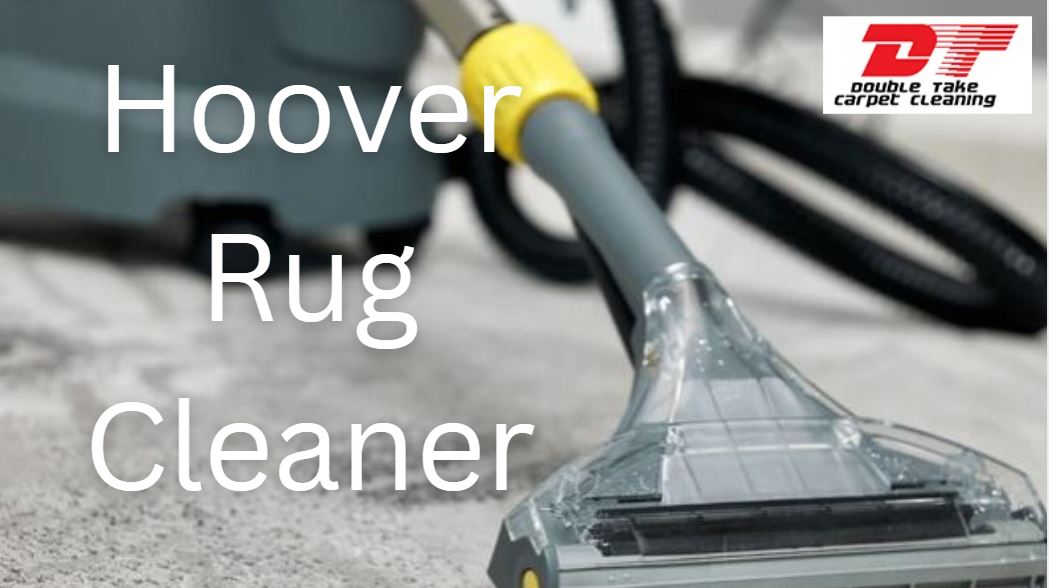
A Hoover rug cleaner is usually a water-based deep-cleaning machine made for carpets, area rugs, and in some models upholstery. Hoover’s current product pages describe models like the SmartWash+ and Power Scrub Deluxe as automatic or deep-cleaning carpet cleaners that use brushes, solution delivery, and extraction to lift soil and speed drying.
In practical terms, the machine puts cleaning solution onto the rug, agitates the fibers with rotating brushes, then pulls dirty water back into a separate tank. That makes it different from a vacuum, which removes dry debris, and different from a dry rug shampoo method, which relies more on surface treatment than extraction. Hoover also publishes product manuals so users can follow model-specific operating instructions and avoid misuse.
For best results, the rug type matters. High-pile, shag, wool, viscose, and antique rugs often need more caution than durable synthetic rugs because too much moisture, wrong chemistry, or aggressive brushing can cause shrinkage, distortion, or color loss.
How It Works
Most Hoover carpet and rug cleaners follow the same basic process: pre-vacuum, fill the clean tank, apply solution, make slow cleaning passes, then use suction to remove moisture. Hoover’s SmartWash+ and Power Scrub Deluxe product pages emphasize automatic solution mixing, brush agitation, and faster drying features.
The cleaning process works best when soil is loosened first. Dirt trapped in rug fibers acts like sandpaper and wears fibers down over time, so regular removal is about both appearance and preservation. The Carpet and Rug Institute also says proper maintenance and cleaning are key to carpet life and appearance, and its Commercial 204 and Residential 205 standards are intended as a broad maintenance guide.
A Hoover rug cleaner is not meant to solve every situation. It is good for routine deep cleaning, spills, and many common household stains, but it is not a substitute for specialty cleaning on delicate, valuable, or badly damaged rugs.
8 Key Things
1. Rug material changes everything
The biggest mistake people make is treating every rug the same. Wool, jute, viscose, silk, polypropylene, and blended synthetics react very differently to water, heat, agitation, and detergents.
This matters because a machine that works well on a durable synthetic rug can still cause serious trouble on a delicate one. Some rugs can be water-sensitive, while others can tolerate more moisture but still lose dye if scrubbed too hard. Even experts recommend checking the manufacturer label before cleaning, because the care instructions should drive the method.
The practical rule is simple: the more delicate the rug, the more conservative the approach should be. If the rug is antique, hand-knotted, viscose, or labeled dry-clean only, a Hoover rug cleaner may not be the right tool. For those rugs, testing first or using a professional is safer than guessing.
2. Overwetting causes hidden damage
A Hoover rug cleaner can put down more water than the rug can comfortably release if you move too slowly, over-apply solution, or make too many wet passes. That may not look serious at first, but lingering moisture can lead to odor, wicking, browning, or even backing damage.
This is especially important for rugs with dense pile or natural fibers. The cleaning process should remove soil without saturating the backing, pad, or floor underneath. Hoover’s own product pages highlight faster drying features, which reflects how important moisture control is in carpet care.
The fix is to use controlled passes, avoid flooding spots, and allow plenty of dry time with airflow. If the rug still feels damp many hours later, the process was too wet. In a commercial setting, that can create downtime and odor complaints; in a home, it can create mildew risk and a longer cleanup than the stain itself.
3. Solution choice matters
Not all cleaning formulas are equal. Hoover sells formulas such as its Oxy Carpet Cleaning Solution, which is designed to attack stains and odors on carpets, area rugs, upholstery, and car interiors. That does not mean every solution is appropriate for every rug.
Some cleaners are stronger than others, and some rug fibers are more sensitive to chemistry. The wrong product can leave residue, attract dirt faster, or discolor fibers. A mild, rug-appropriate cleaner is usually the safer starting point, and spot testing is always smart before full cleaning.
A good rule is to use the least aggressive product that still solves the problem. Strong stain removers are useful for targeted spots, but broad application on an entire delicate rug is often unnecessary. In many cases, the chemistry should match the fiber, the stain, and the soil level rather than the other way around.
4. Brush agitation can be too aggressive
Brushes are useful because they work cleaning solution deeper into the fibers and lift embedded soil. Hoover’s SmartWash+ uses FlexForce PowerBrushes, and the Power Scrub Deluxe uses SpinScrub brushes to do that work. But aggressive brushing is not always a virtue.
On fragile or textured rugs, too much agitation can fuzz fibers, distort pile direction, or loosen construction. This is one reason why shag, wool, and specialty rugs need more caution than standard wall-to-wall carpet. Even if the machine is technically capable, the rug may not be ideal for that level of mechanical action.
The practical approach is to use the gentlest effective setting and make fewer passes. If the rug starts looking rougher after cleaning, the agitation level was likely too high. For valuable rugs, low-force cleaning or professional treatment is often the better choice.
5. Pre-treatment saves time and reduces damage
A rug cleaner works better when the soil is loosened first. Heavy dry debris, pet hair, and grit should be removed before wet cleaning, because a wet cleaner cannot do its best work on a rug full of loose particles.
This step matters because pre-treatment reduces the number of wet passes required. Less overwetting means lower risk. Spot treatment also helps with stubborn stains so you do not have to keep resoaking the same area. In real-world use, this can mean the difference between a clean rug and one that still has a shadow of the stain after drying.
For best results, vacuum thoroughly, check edges and undersides, and pre-treat only the stained areas. Then clean the whole rug evenly so you do not create a patchy appearance. That sequence is often more effective than repeatedly going after one spot with the machine.
6. Drying time is part of the job
A rug is not really finished cleaning until it is dry. Hoover’s product descriptions emphasize faster drying because excess moisture is one of the main causes of frustration and secondary problems after cleaning.
Drying matters for comfort, but it also affects the final appearance. If a rug dries unevenly, you may see water marks, browning, or soil wicking back to the surface. That happens when dissolved soil migrates upward as the rug dries. It is one of the most common reasons a rug seems to “get dirty again” after a wash.
You can reduce this risk by using good ventilation, fans, and light heat if safe for the fiber. Avoid placing furniture back too early, and do not roll or store a damp rug. If drying takes too long, it is often a sign the rug absorbed too much water during cleaning.
7. Stain type changes the strategy
Not every stain responds the same way. Food spills, mud, grease, pet accidents, and dye transfer each need a different approach. Hoover’s Oxy formula is positioned for tough stains and odors, which can help with many common problems, but no single cleaner solves every stain perfectly.
For organic stains, pre-treatment and extraction often work well. For pet-related accidents, odor removal matters as much as stain removal. For dye-based stains, strong scrubbing can make the problem worse by spreading it. This is why experienced cleaners work from the stain type backward rather than just spraying and scrubbing at random.
The best move is to identify the stain before you start. If you are unsure, test a small hidden area and avoid adding heat until you know the stain will not set. On expensive rugs, one wrong reaction can be more costly than the original spill.
8. Commercial and residential use differ
A Hoover rug cleaner in a home is usually used occasionally, while commercial carpet care is a different scale entirely. Double Take Carpet Cleaning describes large-scale hot water extraction service, 24/7 availability, and use of hot water extraction recommended by major carpet manufacturers. That level of service is designed for bigger, busier, and more demanding environments than a typical household machine handles.
This matters because a consumer rug cleaner is best viewed as a maintenance tool, not a replacement for expert restoration. In offices, schools, medical clinics, or large facilities, the amount of soil, traffic, and scheduling pressure makes professional extraction more practical. Even in homes, serious odor issues, widespread staining, or delicate rugs can justify outside help.
In short, the machine is useful, but it has limits. Knowing those limits helps you decide when DIY is enough and when the rug deserves a more careful approach.
Real Costs
Getting rug cleaning wrong can cost more than a bottle of solution and a few hours of time. The financial cost can include replacement of the rug, repair of water damage, or paying for professional restoration after a DIY mistake. The time cost can include repeated cleaning, extra drying time, and dealing with odor that lingers after the surface looks clean.
There is also a relational cost in shared spaces. In offices, rental properties, or busy households, a damp or poorly cleaned rug can create complaints, lost trust, or disruption. The emotional cost is real too: people get frustrated when a stain “comes back” or a rug looks worse after being cleaned than before.
Most of these costs are avoidable. The main preventable errors are using too much water, choosing the wrong cleaning chemistry, and ignoring rug-care labels or fiber type. A careful plan saves money and reduces the chance of permanent damage.
How Expert Help Helps
An experienced carpet cleaning professional helps by matching method to material, stain type, and level of wear. That starts with inspection and honest guidance about whether a Hoover rug cleaner is appropriate or whether another approach is safer.
A good expert also helps with preparation, extraction, drying, and troubleshooting. In commercial work, professionals bring the equipment and scheduling flexibility needed to clean without disrupting operations. They also understand manufacturer guidance and industry standards, including hot water extraction and the CRI maintenance framework.
For readers who want a practical provider option, Double Take Carpet Cleaning is positioned as a locally operated cleaning company that offers commercial carpet, upholstery, hard surface cleaning, and restoration services, and it emphasizes hot water extraction and responsive service.
Options And Strategies
DIY Hoover cleaning
DIY cleaning is appropriate for routine maintenance, moderate soil, and many synthetic rugs. It is the most convenient option when you want to handle spills quickly and already have a compatible machine. The tradeoff is that you must control moisture, choose safe solutions, and know the rug’s limits.
Spot cleaning only
Spot cleaning works well for isolated stains and is often the safest first step. It minimizes water exposure and lets you test products in a hidden area before scaling up. The limitation is that it will not remove deeper soil across the whole rug.
Professional hot water extraction
Professional hot water extraction is best for heavily soiled rugs, large areas, odor issues, and commercial spaces. It is also a better fit for situations where speed, drying control, and thorough extraction matter most. The drawback is higher cost, but it usually reduces risk on valuable or difficult rugs.
What To Do Now
If you are dealing with a dirty rug right now, take these steps immediately:
- Vacuum thoroughly to remove loose grit and hair.
- Check the care label and fiber type before using any liquid cleaner.
- Test your cleaning solution in a hidden spot first.
- Use the least amount of moisture needed to clean the stain.
- Increase airflow with fans and avoid walking on the rug while it dries.
- Stop and seek help if the rug is delicate, antique, badly stained, or still smells after cleaning.
Choosing The Right Help
When you choose a rug-cleaning professional or tool, look for these traits:
- Experience with the specific rug type.
- Clear explanation of the process in plain English.
- Good responsiveness and scheduling flexibility.
- Willingness to discuss drying, stain risks, and limitations.
- A comprehensive approach to cleaning, extraction, and follow-up.
- Ability to handle both immediate cleanup and longer-term maintenance.
Common Mistakes
- Using too much water.
- Cleaning without checking fiber type.
- Skipping pre-vacuuming.
- Scrubbing too aggressively.
- Using the wrong solution on delicate fibers.
- Expecting one pass to fix a deep stain.
- Putting furniture back before the rug is dry.
- Ignoring recurring odor, which often means moisture or residue remains.
Frequently Asked Questions
What is a Hoover rug cleaner used for?
It is used to deep-clean carpets and many area rugs by applying solution, agitating fibers, and extracting dirty water.
Is a Hoover rug cleaner the same as a vacuum?
No. A vacuum removes dry debris, while a rug cleaner uses water and solution for deeper cleaning.
Can it clean area rugs?
Yes, many Hoover machines are designed for carpets, rugs, and upholstery.
Can it be used on wool rugs?
Sometimes, but wool is more sensitive and should be checked against the care label first.
Can it be used on shag rugs?
Sometimes with caution, but high-pile rugs may need gentler handling or a different method.
What solution should I use?
Use a rug-appropriate cleaner and test first; Hoover also sells stain-focused formulas like Oxy for certain applications.
How often should rugs be cleaned?
EPA says to follow manufacturer recommendations and industry standards rather than any one universal frequency.
Why does dirt come back after cleaning?
Soil can wick upward as the rug dries, especially if too much moisture was used.
Why does my rug smell after cleaning?
That usually suggests trapped moisture, residue, or incomplete extraction.
How long should a rug dry?
Dry time depends on thickness, humidity, ventilation, and how much water was used; faster extraction and airflow help.
Can I use it on upholstery too?
Some Hoover models and formulas are designed for upholstery as well as carpets and rugs.
Do I need to vacuum first?
Yes, pre-vacuuming is one of the most important preparation steps.
Is hot water extraction better than shampooing?
Hot water extraction is widely used because it removes soil instead of leaving it behind in the fibers.
Will it remove old stains?
It can improve many old stains, but set-in stains are harder and may not fully disappear.
Can it damage my rug?
Yes, if the rug is delicate, oversaturated, or cleaned with the wrong chemistry or too much agitation.
Should I scrub the stain hard first?
No. Blotting and careful pre-treatment are usually safer than aggressive scrubbing.
Are all Hoover models automatic?
No. Some models reduce guesswork with automatic cleaning technology, but features vary by model.
Does faster drying matter?
Yes. Faster drying reduces odor risk, downtime, and the chance of moisture-related problems.
Can I clean pet urine with it?
It may help, but pet odor often needs targeted treatment and thorough extraction.
What if the rug is very expensive?
Do not guess. Check the label, test carefully, and consider professional cleaning for valuable rugs.
Is there a universal rug cleaning rule?
No. Rug care depends on material, thickness, size, shape, and construction.
What is the biggest beginner mistake?
Using too much water too quickly without checking the rug type.
How do I know if I need professional help?
If the rug is delicate, heavily stained, oversized, odor-prone, or important to preserve, professional help is the safer route.
Do cleaning standards exist?
Yes. The Carpet and Rug Institute publishes commercial and residential maintenance standards, and EPA advises following manufacturer recommendations and industry standards.
Rules And Standards
For carpet and rug care, the most useful reference points are manufacturer instructions, EPA guidance to follow manufacturer and industry standards, and CRI’s Commercial 204 and Residential 205 maintenance standards. The practical meaning is simple: do not treat all rugs the same, and do not rely on a one-size-fits-all cleaning habit.
For machines, Hoover provides product manuals and model-specific guidance, which should always be followed before using a cleaner on rugs or carpets. If a rug is delicate or the stain is severe, a professional cleaning approach may be the safest way to stay within those guidelines.
Conclusion
A Hoover rug cleaner can be a very effective tool for deep-cleaning the right rug with the right method. The main idea is simple: match the machine, solution, and cleaning technique to the fiber type and condition of the rug, and avoid over-wetting or over-agitating delicate materials.
Most rug-cleaning problems are preventable when you start with inspection, pre-vacuuming, careful testing, and proper drying. When the rug is valuable, fragile, heavily stained, or part of a larger commercial setting, expert help is often the smartest choice.
For guidance related to Hoover rug cleaner use, contact Double Take Carpet Cleaning at 801-377-1107 for a professional evaluation and cleaning plan.
