
How Often Should You Schedule Carpet Cleaning for Your Home?
Keeping your carpets clean is essential not just for aesthetics, but also for health and longevity. Understanding how often to schedule carpet cleaning in your home can save you from unnecessary costs, allergens, and deterioration of your flooring. Factors such as foot traffic, pet ownership, and allergies will play a significant role in determining your carpet cleaning schedule.
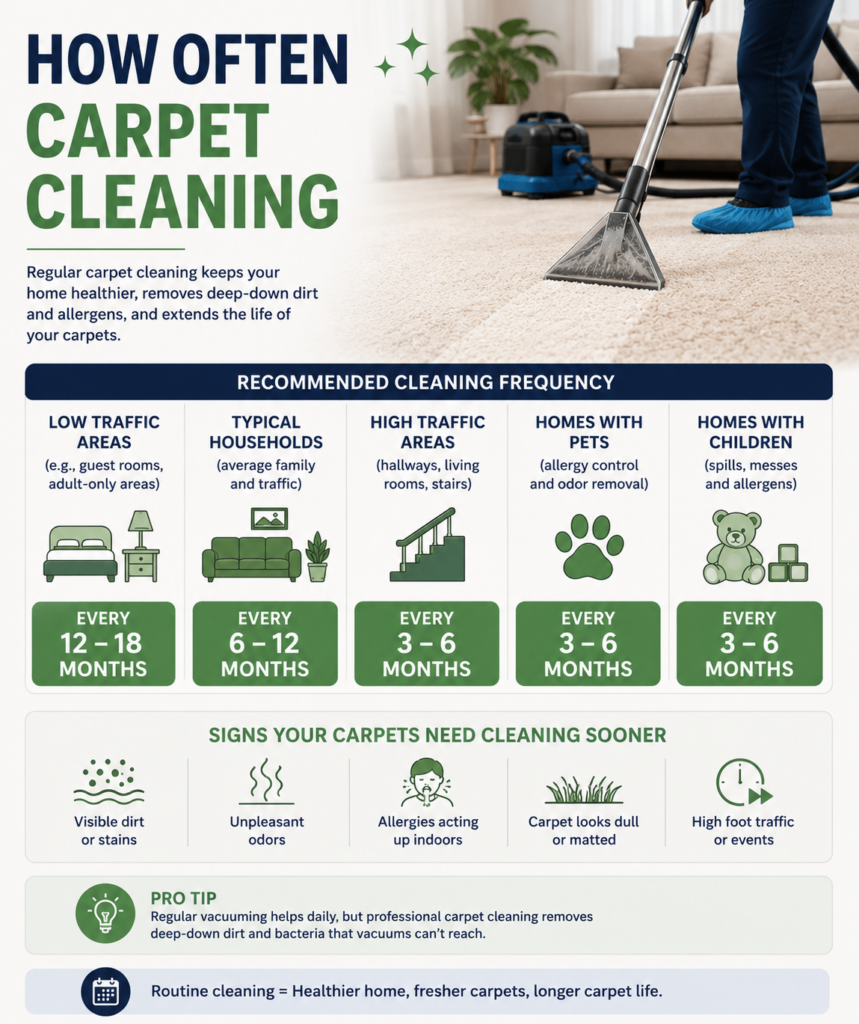
As a general guideline, professional carpet cleaning should occur every 12 to 18 months. However, specific factors can influence this timeframe. Here’s a closer look at what to consider:
Foot Traffic
If your household experiences high foot traffic, your carpets will collect dirt, stains, and grime more quickly. In such cases, you may want to schedule professional cleaning every 6 to 12 months. Spaces like living rooms or hallways, where family and guests frequently walk, should receive extra attention.
Pets
Pets bring joy and companionship, but they also contribute hair, dirt, and odors to your carpets. If you have pets, consider scheduling carpet cleaning every 6 months or even quarterly, depending on the number of animals you have and their grooming habits. Regular cleaning not only removes pet hair but also helps to eliminate smells that might linger.
Allergies
If you or your family members suffer from allergies, carpet cleaning should be a priority. Dust mites, pollen, and pet dander can accumulate in carpets over time. For allergy sufferers, consider having the carpets cleaned every 3 to 6 months to significantly reduce allergens in your home.
Stains and Spills
Another factor to consider is the occurrence of spills or stains. High-quality carpets can often recover from accidents with proper cleaning techniques. Immediate cleaning of spills can prevent set-in stains, but don’t wait too long to schedule professional help for tougher stains. If you find that your carpets frequently require spot treatments, this is a sign that a deep cleaning is also due.
Type of Carpet
The material of your carpet can also dictate cleaning frequency. Some carpets, like wool, benefit from gentle, less frequent cleaning methods. Synthetic carpets can usually handle more rigorous cleaning but may require more frequent care to maintain their appearance. Always consult the manufacturer’s guidelines for your specific carpet type.
Here’s a simple guide to help you decide how often to clean your carpets:
- Low Foot Traffic: 12-18 months
- Medium Foot Traffic: 6-12 months
- High Foot Traffic: Every 3-6 months
- Pets: Every 6 months
- Allergy Sufferers: Every 3-6 months
In addition to scheduling cleaning, regular maintenance can extend the life of your carpets. Vacuuming at least once a week and using doormats can significantly reduce the dirt that gets trapped in the fibers. Investing in quality carpet cleaning equipment for more frequent light cleaning can also be beneficial.
Also, remember to consider seasonal cleaning. Many people find that spring or fall is a good time to get their carpets cleaned. The change of seasons often brings new allergens and dirt, making it an ideal time to refresh your indoor environment.
Always choose a professional cleaning service that uses eco-friendly products, especially if you have children or pets. Ensuring that the cleaning methods are safe removes worry about harmful chemicals lingering in your home.
The frequency of carpet cleaning depends on various personal factors. Whether it’s maintaining a family home with kids and pets or simply keeping a tidy living environment, assessing your needs will guide you in scheduling cleanings. By understanding your unique situation, you can keep your carpets looking great and protect your investment for years to come.
The Impact of Carpet Cleaning Frequency on Indoor Air Quality
Maintaining a clean carpet is crucial not just for aesthetic purposes but also for ensuring good indoor air quality. The frequency of carpet cleaning can greatly impact the overall health of your living space. When you vacuum or clean your carpets regularly, you remove dirt, dust mites, allergens, and other pollutants that can compromise air quality.
The general recommendation for carpet cleaning varies based on certain factors including the level of foot traffic in your home, the presence of pets, and any allergies among residents. Typically, carpets in high-traffic areas should be professionally cleaned every 6 to 12 months. For homes with pets or children, you may want to consider more frequent cleaning, such as every 3 to 6 months.
Understanding Indoor Air Pollutants
Carpets act like sponges, absorbing everything from dirt to airborne pollutants. Common indoor air pollutants include:
- Dust mites
- Pollen
- Mold spores
- Pet dander
- Volatile organic compounds (VOCs)
These tiny particles can remain airborne and circulate through your home, affecting the air you breathe. Over time, if carpets are not cleaned, these pollutants can accumulate, leading to potential respiratory issues and allergies.
The Role of Regular Carpet Cleaning
Regular carpet cleaning helps in reducing the concentration of pollutants present in your home. Here’s how:
- Eliminating Allergens: Carpets can trap allergens. Frequent cleaning helps in removing these particles, thus improving air quality.
- Reducing Mold Growth: Moisture can lead to mold growth in carpets. Cleaning them regularly, especially in humid areas, minimizes this risk.
- Better Odor Control: Dirty carpets can emit unpleasant odors. Regular cleaning can help maintain a fresh-smelling environment.
- Improving Overall Cleanliness: Regular maintenance prevents the build-up of dirt and germs, contributing to a healthier living space.
Factors Influencing Cleaning Frequency
Your carpet cleaning schedule should be influenced by several key elements:
- Foot Traffic: High-traffic areas accumulate dirt and pollutants faster than low-traffic spaces.
- Household Members: If you have babies, children, or older adults, you may need more frequent cleanings due to increased allergies or sensitivities.
- Pets: Pets shed hair and dander, necessitating regular cleaning to keep air quality optimal.
- Environmental Factors: Living in a polluted area or near construction sites may require more frequent cleaning due to additional dust and debris.
Methods of Carpet Cleaning
There are various cleaning methods available, each with its benefits:
- Steam Cleaning: This deep cleaning method uses hot water and steam to extract dirt and allergens effectively.
- Dry Cleaning: This method involves applying a special cleaning compound that attracts dirt and is then vacuumed away.
- Shampooing: This involves applying a cleaning solution to the carpet while agitating the fibers and then rinsing it out.
Choosing the right method depends on your carpets’ material, level of soiling, and your time availability.
Signs Your Carpets Need Cleaning
Sometimes, the signs of a dirty carpet may not be obvious. Here are indicators that it’s time for a cleaning:
- Visible stains or odors
- Increased allergy symptoms among residents
- A dull appearance and loss of color
- Dust accumulating on surfaces more quickly than usual
By paying attention to these signs and maintaining a regular cleaning schedule, you can significantly improve the indoor air quality of your home. Clean carpets not only contribute to a healthier environment but also enhance overall comfort and aesthetics.
Ultimately, the key to a cleaner home and better air quality lies in understanding how often carpet cleaning is necessary in your specific situation.
Common Myths About Carpet Cleaning and Their Truths
When it comes to carpet cleaning, many misconceptions circulate, leading homeowners to make poor choices about their flooring care. Let’s explore some of the common myths about carpet cleaning and uncover the truths behind them.
Myth 1: Carpet Cleaning is Only Necessary When Stains Are Visible
A lot of people believe that carpet cleaning should only be done when you can see stains or dirt on the surface. This is simply not true. Even if your carpets look clean, they can still harbor dirt, allergens, and bacteria deep within the fibers. Regular cleaning helps to maintain not only the appearance but also the health of your indoor environment. You should consider cleaning your carpets every 6 to 12 months, depending on traffic and usage.
Myth 2: All Carpet Cleaners Use Harsh Chemicals
Another common myth is that all carpet cleaning solutions contain harsh or toxic chemicals. While it’s true that some products can be harmful, many carpet cleaning companies prioritize using eco-friendly and non-toxic solutions. These alternatives are effective at removing dirt and stains without compromising the safety of your family or pets. Always ask your carpet cleaner about the products they use to ensure they align with your preferences.
Myth 3: DIY Cleaning Is Just as Good as Professional Cleaning
Many homeowners opt for DIY carpet cleaning methods to save money. However, this often leads to underwhelming results. Professional cleaners use specialized equipment and techniques that go beyond what typical home cleaning kits can achieve. For example, commercial-grade steam cleaning machines generate higher temperatures and pressure, extracting more dirt and allergens. If you want deep cleaning, a professional service is invaluable.
Myth 4: You Should Avoid Cleaning Your Carpets Too Often
Some believe that frequent carpet cleaning can reduce the lifespan of the carpet, but this is not the case. Regular cleaning actually extends the life of your carpets by removing harmful particles and preventing them from wearing down the fibers. Consider setting up a cleaning schedule based on usage. For high-traffic areas, biannual cleaning may be ideal, while low-traffic areas can be done annually.
Myth 5: Carpet Cleaning Causes Carpets to Get Dirty Faster
It’s a common misconception that cleaning carpets makes them dirtier more quickly. This myth stems from improper cleaning methods that can leave residues behind. When carpets are cleaned correctly, the opposite is true. A professional cleaning removes dirt, grime, and residues, resulting in a cleaner surface that doesn’t attract dirt as quickly. Ensuring carpets are properly rinsed and dried is crucial in avoiding this issue.
Myth 6: All Carpets Are Waterproof
Some believe that carpets, especially newer ones, are entirely waterproof. While many carpets are designed to be more stain-resistant and moisture-repellent, they are not fully waterproof. Liquid spills can still penetrate the fibers and lead to mildew or mold growth if not cleaned immediately. It’s essential to act quickly when spills happen and to have your carpets treated with a protective sealant if you’re concerned about moisture damage.
Tips for Maintaining Your Carpets
- Vacuum Regularly: Frequent vacuuming can help keep your carpets looking fresh and remove loose dirt and allergens.
- Address Spills Immediately: Clean up spills as soon as they occur to prevent stains from setting.
- Use Mats: Place mats at entryways to reduce dirt and debris tracked into your home.
- Rotate Furniture: Shift heavy furniture periodically to avoid uneven wear and tear on your carpets.
By dispelling these common myths, you can make more informed decisions about your carpet cleaning routine. Regular maintenance ensures your carpets are not only clean but also contribute to a healthier home environment. Whether you choose to go DIY or hire a professional service, understanding these truths helps you keep your carpets in top shape.
DIY vs. Professional Carpet Cleaning: What to Consider
Maintaining clean carpets is essential for a fresh and healthy home. When it comes to keeping your carpets in top shape, a common debate arises: should you tackle cleaning them yourself or hire professionals? Each option has its pros and cons, and understanding these factors can help you make the best choice for your situation.
Understanding DIY Carpet Cleaning
Many homeowners consider DIY carpet cleaning for various reasons, including cost savings and the convenience of doing it on their schedule. Before diving into this option, here are some key points to keep in mind:
- Cost-Effective: Cleaning your carpets yourself can save you money. Renting a carpet cleaner or purchasing cleaning supplies is usually cheaper than hiring a professional service.
- Flexibility: You can clean your carpets when it suits you, allowing for flexible scheduling.
- Control Over Products: You have complete control over which cleaning products to use, which is especially important if you have allergies or prefer eco-friendly options.
However, there are some drawbacks to consider:
- Time-Consuming: Cleaning carpets can take significantly longer than anticipated, especially if the carpets are heavily soiled or require multiple passes.
- Lack of Expertise: Without professional training, you may not effectively remove stains or deep-down dirt.
- Potential Damage: Improper cleaning techniques can lead to damage, such as shrinking or discoloration of the carpet fibers.
The Case for Professional Carpet Cleaning
On the other hand, hiring a professional carpet cleaning service offers unique benefits that can outweigh the cost. Here’s what you should consider:
- Expertise: Professionals are trained and experienced. They understand different carpet types and how to treat them for the best results.
- Advanced Equipment: Professional cleaners use industrial-grade equipment that can provide a deeper clean compared to consumer-grade machines.
- Time-Saving: Professionals can efficiently clean your carpets in a fraction of the time it would take you to do it yourself, freeing you up for other tasks.
Despite the advantages, hiring professionals isn’t free from considerations:
- Cost: Professional cleaning services can be expensive, especially for large areas or continuous cleaning schedules.
- Scheduling Hassle: You may need to work around the cleaner’s schedule, which might not align with your availability.
- Risks of Damage: While rare, there’s a possibility that poorly rated or inexperienced cleaning services may damage your carpets.
What Factors Should You Consider?
To decide between DIY and professional carpet cleaning, think about the following:
- Frequency of Cleaning: If you clean your carpets regularly, you might consider DIY methods. If it’s a rare occurrence, professional cleaning may be more practical.
- Type of Stains: Tough stains may require the expertise of a professional who knows how to treat them properly.
- Carpet Material: Some carpets are delicate and require special care that a professional can provide. Always check your carpet’s care label.
- Allergies or Sensitivities: If you’re sensitive to certain chemicals, consider which cleaning products you’ll be using or opt for professionals who offer green cleaning options.
Whether you choose to clean your carpets yourself or hire a professional, it’s important to weigh the pros and cons of each approach. Assessing your needs, budget, and time constraints will help you land on the right decision for your home. Remember, clean carpets not only boost your home’s aesthetics but also contribute to a healthier living environment.
Seasonal Carpet Care: Adapting Your Cleaning Schedule Throughout the Year
Carpets are a beloved part of many homes, providing comfort and warmth underfoot. However, they also require regular care, especially as the seasons change. Adapting your carpet cleaning schedule throughout the year is essential to maintaining your carpets’ appearance and longevity. So, how often should you clean your carpets? Let’s explore a seasonal approach to carpet care.
Winter: A Time for Deep Cleaning
Winter can be harsh on your carpets. As the cold weather drives people indoors, dirt, snow, and salt can find their way onto your carpets. To combat this, a thorough cleaning is vital. Aim to deep clean your carpets at least once during the winter months. This ensures that any debris tracked in is removed before it can settle and cause stains.
In addition to deep cleaning, consider regular vacuuming. Aim for at least once per week, or even more often if you have pets. A good vacuum cleaner can significantly reduce the buildup of winter dirt.
Spring: Fresh Start for your Home
With the arrival of spring, it’s time to refresh your home. Allergens like pollen can seep into your carpets, so a deep cleaning is essential. Spring is the perfect season for a comprehensive cleaning, including steam cleaning, which can eliminate allergens and odors. Aim for a full cleaning of your carpets at least once during this season.
In addition to deep cleaning, consider implementing a more regular maintenance schedule. Vacuuming three times a week can help keep spring allergens in check. Using a high-efficiency particulate air (HEPA) filter in your vacuum can also trap more fine particles.
Summer: Spot Clean and Refresh
Summer often brings more foot traffic into your home, especially with kids and pets playing indoors. While you might be tempted to indulge in outdoor activities, don’t forget about your carpets. During this season, focus on spot cleaning and regular maintenance rather than deep cleaning.
Here’s a quick checklist for summer carpet care:
- Spot clean any spills or stains immediately with a carpet cleaner.
- Vacuum at least once a week, or more if needed.
- Use area rugs in high-traffic spaces to protect your carpets.
Even if you don’t deep clean, consider giving your carpets a quick refresher. A simple sprinkle of baking soda can help absorb odors, and leaving it on for 15-20 minutes before vacuuming can enhance cleanliness.
Fall: Preparing for Winter
As the leaves change color and the weather cools, it’s time to prepare your carpets for the winter months ahead. Fall is an ideal time for a thorough deep cleaning to remove summer dust and dander, ensuring your home is fresh before closing up for winter.
Besides deep cleaning, a regular vacuuming schedule is equally important. Aim for at least once a week during this season, as dust and pollen can still be prevalent. If you have pets that shed, you may want to vacuum even more often.
Additionally, consider protecting your carpets with a carpet protector spray. This can help repel stains and spills, making winter cleaning much easier.
General Maintenance Tips
Throughout the year, there are some general maintenance practices to keep your carpets looking their best:
- Always deal with spills immediately to prevent stains from setting.
- Use a doormat at every entrance to minimize dirt and debris.
- Consider professional carpet cleaning services every 6-12 months, depending on your usage and foot traffic.
- Rotate your furniture occasionally to prevent uneven wear and track patterns on your carpets.
By adapting your carpet cleaning schedule to the seasons, you can ensure your carpets stay beautiful and last for years. Regular attention, combined with deep cleaning at strategic times, will keep your home inviting and your carpets in great shape. Remember, a little care goes a long way!
Conclusion
Determining how often to schedule carpet cleaning is essential for maintaining a healthy home environment. Carpets can trap dust, allergens, and pollutants, making regular cleaning vital for indoor air quality. Scheduling professional cleanings every 12 to 18 months is a good rule of thumb for most households, but factors like pets, kids, and lifestyle can require more frequent attention.
Understanding common myths about carpet cleaning is equally important. Many believe that frequent cleaning can damage carpets, but in reality, regular maintenance extends a carpet’s lifespan. While DIY cleaning can be a cost-effective solution for minor stains, professional services offer advanced techniques and equipment that deliver deeper cleans.
Adapting your carpet care routine throughout the year is also key. Seasonal factors, like increased pollen in spring or mud in winter, can significantly affect how often you should clean your carpets. By paying attention to these changes and your household’s specific needs, you can create a carpet cleaning schedule that enhances both the look and health of your home.
Informed decisions about carpet cleaning frequency can lead to a cleaner, more inviting living space. Prioritizing regular maintenance—whether through DIY efforts or professional services—protects your investment while contributing to a healthier indoor environment. Regular carpet care is not just about aesthetics; it’s about fostering a space where you and your family can truly thrive.
