
What It Is, How It Works, and How to Use It Well
A Mytee extractor is a professional-grade carpet and upholstery cleaning machine used to spray cleaning solution into fabric or carpet, agitate or loosen soil, and vacuum the dirty water back out in one pass. It matters because the machine’s setup, maintenance, and operating sequence directly affect cleaning results, drying time, and the risk of costly problems like vapor lock, overflow, or vacuum-motor damage.
The biggest takeaway is simple: a Mytee extractor can deliver excellent results, but only when it is matched to the job, used in the correct order, and maintained regularly. In this article, you’ll learn what a Mytee extractor is, how it works, where people go wrong, what the real costs of mistakes look like, and how to choose the right equipment and support for your needs. Expert guidance helps because small setup errors can lead to poor cleaning, downtime, and premature wear that most users could avoid with the right process.
What It Is and How It Works
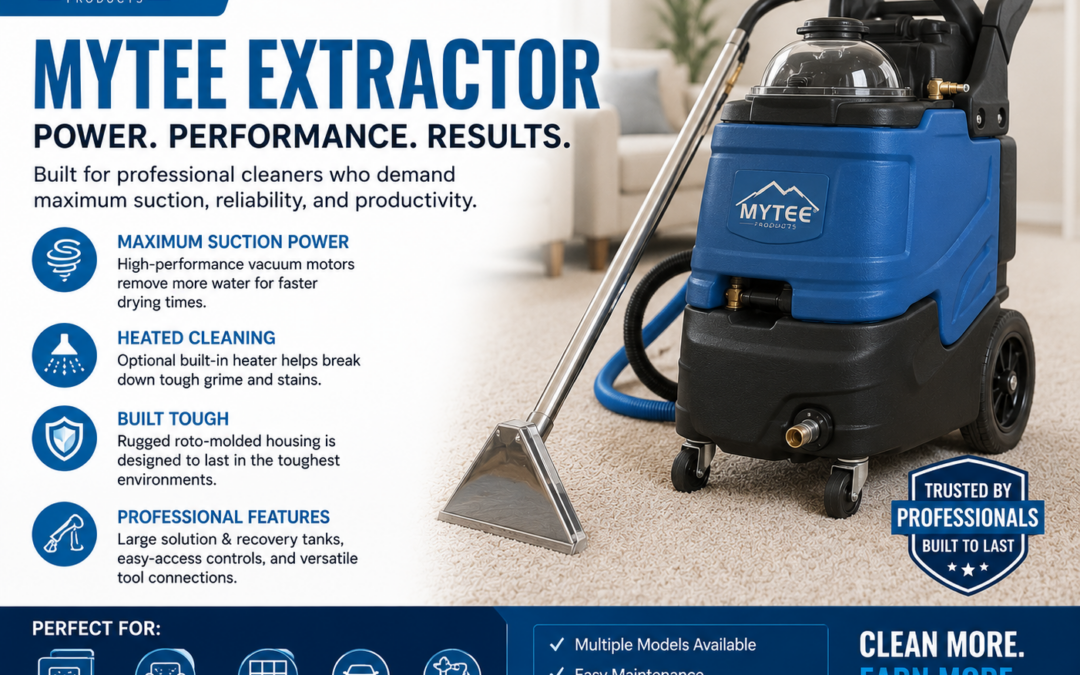
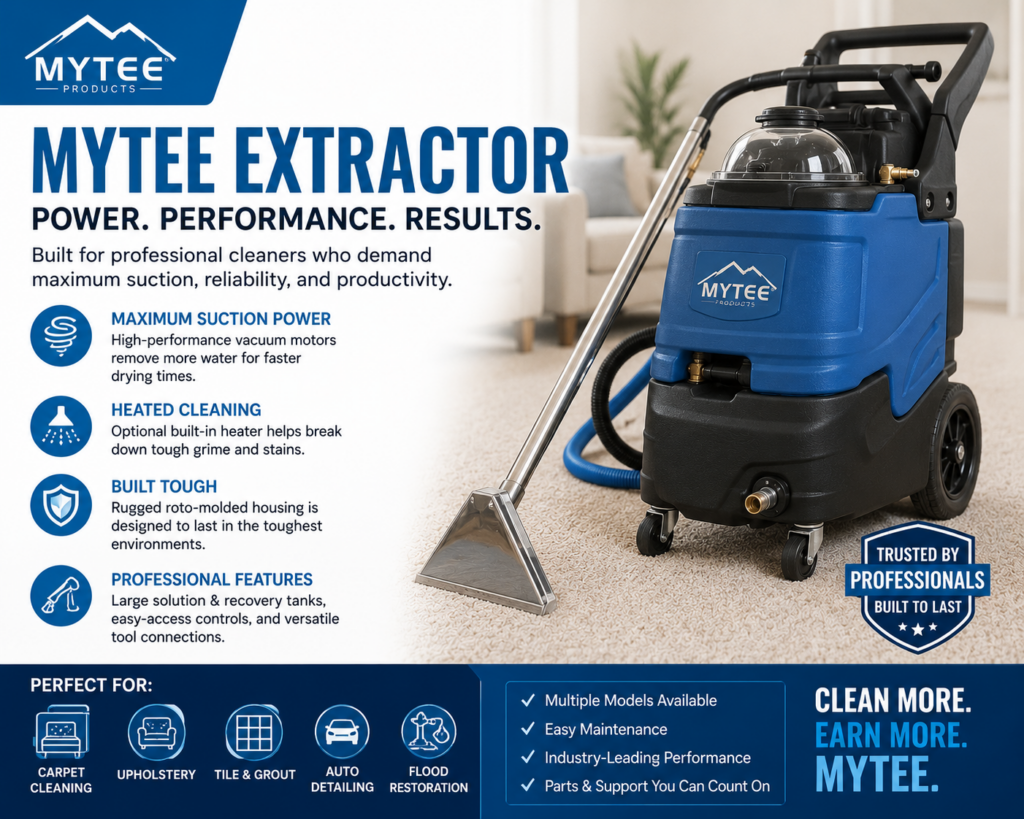
A Mytee extractor is a portable hot-water extractor made for cleaning carpet, upholstery, and other fabric surfaces by injecting solution and recovering it with vacuum power. In plain English, it is a specialized cleaning machine that combines a pump, a heater on many models, a vacuum motor, solution and recovery tanks, and a hand tool or hose assembly. The pump pushes mixed solution through the tool, the heater raises solution temperature on heated models, and the vacuum pulls soil and moisture back into the recovery tank.
The basic workflow is consistent across most units: fill the solution tank, connect the hoses and cleaning tool, prime the pump, turn on the heater if equipped, then turn on vacuum and begin extraction. Mytee’s own operating guidance emphasizes that the pump should be started before the heater to avoid vapor lock, and that the tank must be emptied before it overflows. On heated models, users often wait about 10 minutes for the water to warm up before cleaning.
What is included depends on the model. Some units are compact upholstery extractors, while others are higher-capacity carpet extractors with larger tanks, stronger airflow, and more heater output. What is not included is just as important: these machines are not magic stain removers, and they do not replace proper spotting, pre-treatment, fiber identification, or drying procedures.
9 Core Issues to Know
1. Choosing the wrong model
Not every Mytee extractor is built for the same workload. A small upholstery extractor may be ideal for seats, stairs, and spot cleaning, while a larger heated carpet extractor is better for bigger jobs and frequent use. The issue matters because buying too little machine for the job usually creates frustration, slow work, and mediocre cleaning, while overbuying can waste money and create unnecessary complexity. Mytee’s product lines include compact and high-capacity options, so the right choice depends on job size, heat needs, and how often you will use it.
Real-world consequences show up fast: a detailer trying to clean multiple vehicle interiors with a small unit may spend more time refilling than cleaning, while a mobile cleaner using a larger machine for occasional use may carry extra weight and cost without getting much benefit. The practical fix is to match capacity, heat, vacuum strength, and portability to your actual workflow. A good rule is to define your average job first, then choose the extractor that fits that job most days, not the largest machine on paper.
2. Starting it in the wrong order
Heated extractors are not “plug in and go” machines. Mytee’s operating guidance specifically says to turn on the pump first, prime the pump by pulling the trigger until solution flows steadily, then turn on the heater, and only after that start vacuuming. This sequence matters because turning the heater on too soon can create vapor lock, which interferes with machine operation.
If you skip priming, the machine may seem weak, uneven, or stalled. If you skip the warm-up step, you may clean with cooler solution than expected and lose some cleaning power. In a busy job, this can look like poor performance when the real problem is setup. The fix is simple: build a repeatable startup routine and follow it every time. Treat the machine like a process, not a mystery box, and your results become much more consistent.
3. Overwetting the fabric
A common mistake with any carpet extractor is putting down too much water and not recovering enough of it. Mytee’s own training recommends two dry passes for every wet pass to help the heater keep up and reduce over-wetting. Overwetting matters because it slows dry times and can contribute to wick-back staining, browning, or moisture remaining deep in the material. In upholstery, it can also leave fabric damp too long and create a poor customer experience.
This problem happens when operators move too slowly, make repeated wet passes, or use the wrong tool technique for the material. The consequences range from harmless-looking dampness to visible resoiling after drying. The fix is better technique: moderate solution flow, steady tool movement, and enough dry passes to recover moisture fully. On sensitive fabrics, test a small area first and use the least amount of moisture needed to get the job done cleanly.
4. Letting the recovery tank overflow
The recovery tank collects dirty water, and it must be emptied before it fills too high. Mytee warns that if the solution tank runs out mid-job and you refill, you must also empty the recovery tank or overflow can send dirty water into the vacuum motor. That is a serious problem because vacuum motors are expensive, and water intrusion can turn a normal cleaning day into repair time.
This issue is common on larger jobs where operators focus on moving forward and forget to check tank levels. The consequences are immediate when the tank overflows and long-term if contaminated water damages internal components. The fix is to check tank capacity as part of the job rhythm, not only at startup. Build in a habit of emptying and rinsing the recovery tank before it gets near full, especially on longer cleaning runs or jobs with heavy soil load.
5. Using the wrong chemicals
Mytee’s operating guidance recommends liquid concentrate rather than powdered chemical or powder-based defoamers in many situations because powders may not dissolve fully and can build up inside the machine. That matters because residue can collect in the heater, pump, and lines, reducing performance over time and contributing to clogs or maintenance problems. In other words, chemical choice affects not just the carpet but the machine itself.
This issue usually happens when people assume “stronger” means “better” and use whatever is on hand. The consequences include reduced flow, uneven spray, extra rinsing, and more frequent maintenance. The fix is straightforward: use compatible products, measure them correctly, and keep the chemistry as simple as possible for the material and the machine. If a chemical leaves a lot of residue, it may cost less upfront but more in labor and machine wear later.
6. Skipping maintenance
Maintenance is where a lot of extractor problems begin. Mytee’s support guidance says to clean the machine regularly and use its system maintainer weekly for optimum performance and longer life. The company also recommends flushing the solution system so buildup and hard-water scaling do not accumulate in the lines. This matters because extractors live on water movement, and internal buildup slowly chokes performance even when the machine still turns on.
The consequences of poor maintenance are subtle at first: reduced pressure, weak spray, slower recovery, or inconsistent heat. Over time, the machine may need repairs that could have been delayed or avoided. The fix is a scheduled maintenance routine, not just occasional cleaning at the end of a tough week. Rinse the machine after use, flush the lines, and use the right maintenance solution on the interval the manufacturer recommends.
7. Ignoring electrical safety
Portable extractors use electricity and water in the same workflow, so grounding and inspection matter. OSHA’s guidance for cord-and-plug equipment and temporary power stresses grounding protection and regular inspection of electrical equipment. NFPA 70E also frames workplace electrical safety around planning, de-energizing when possible, and using proper protective measures. That matters because damaged cords, bad plugs, or wet working conditions can create shock risk.
The practical problem usually appears when cords get dragged, plugs are damaged, or the machine is used in a sloppy wet environment. The consequences range from equipment failure to serious personal injury. The fix is to inspect cords and connections before use, keep equipment dry where possible, use proper grounding or GFCI protection, and stop using any unit with visible damage until it is repaired..
8. Mishandling drains and storage
At the end of the job, the machine should be emptied and stored correctly. Mytee’s operating video says to drain the unit after every job so dirty water is not left sitting in the tank. That matters because leftover moisture and soil can cause odors, deposits, and long-term wear. It also makes the next job harder because residue starts from a dirty baseline.
This issue happens when people assume “I’ll empty it later” and forget. The result is foul-smelling tanks, clogged lines, and more time spent cleaning the machine than cleaning the carpet. The fix is simple: empty, rinse, and dry the tanks and lines at the end of each use, then store the unit in a clean, dry place. If the machine sits in freezing temperatures, that creates another risk because Mytee warns against conditions that can freeze and crack the pump.
9. Expecting it to do everything
A Mytee extractor is powerful, but it is not a substitute for the rest of the cleaning process. Pre-vacuuming, spotting, fabric testing, proper chemical use, and drying all still matter. This issue matters because many bad results are not caused by the machine alone; they are caused by using the machine as the only step instead of one step in a larger cleaning system.
When users expect the extractor to solve every stain, they may overuse moisture, scrub too hard, or blame the machine for preexisting damage. The consequence is disappointment and avoidable repeat work. The fix is to think in stages: identify the fiber, remove dry soil first, pre-treat, extract correctly, then dry and inspect. A good extractor amplifies a good process; it does not replace it.
The Real Cost of Getting It Wrong
Getting a Mytee extractor process wrong can cost money in obvious and hidden ways. The obvious costs include repairs to pumps, heaters, hoses, seals, or vacuum motors when the machine is mishandled or poorly maintained. The hidden costs include longer job times, repeat visits, slower dry times, and customer dissatisfaction when the clean does not last or the fabric stays damp too long.
There are also emotional and operational costs. For a busy detailer or cleaning business, a down machine can wreck a schedule and force last-minute substitutions. For a homeowner, it can mean extra frustration, wasted product, and a room that still looks worse than expected. Most of these costs are avoidable with a better startup routine, safer electrical practices, regular flushing, and choosing the right unit for the job.
How Expert Help Improves Results
An experienced cleaning professional helps by matching the machine to the job, selecting the right chemistry, and setting up a repeatable process that avoids common errors. They also know how to spot risk before it becomes damage, such as over-wetting, sensitive fabrics, or electrical problems.
Good guidance also matters when troubleshooting. If pressure drops, heat fades, or recovery weakens, an experienced technician can separate a technique issue from a maintenance issue much faster than trial and error. That saves time, protects equipment, and usually produces better cleaning results with less waste. For readers who want dependable support, a qualified experienced cleaning services professional can provide setup, operation, maintenance, and problem-solving help tailored to the job.
Options and Strategies
Portable heated extractors
Portable heated extractors are the common choice for upholstery, autos, stairs, and smaller carpet jobs. They work by heating solution, spraying it into the surface, and vacuuming the dirty liquid back out. Their advantage is flexibility and professional cleaning power in a mobile format. Their limitation is capacity: smaller tanks mean more refills and more interruptions on large jobs.
Upholstery-focused extractors
Upholstery extractors are compact machines built for seats, furniture, and fabric surfaces where control matters more than brute force. They are appropriate for detailers and cleaners working mostly on smaller fabric areas. The drawback is that they are not the best choice for large carpeted spaces or high-volume commercial work.
Larger carpet extractors
Larger carpet extractors are better when you need more run time, larger tanks, and stronger output for big areas. They make sense for commercial cleaning, multi-room jobs, and frequent use. Their limitation is size, cost, and transport convenience, especially for mobile operators.
Maintenance-first strategy
The best strategy is often not a different machine but a better process. Regular flushing, proper chemical choice, and correct startup order can keep even a well-used extractor performing far better over time. The drawback is that this approach requires discipline, but the payoff is fewer repairs and steadier results.
What to Do Now
- Identify the exact machine model you have or plan to buy.
- Read the manual and note the startup order, tank limits, and maintenance steps.
- Inspect cords, plugs, hoses, and fittings before each use.
- Fill the solution tank with the right chemical and avoid unnecessary powders.
- Prime the pump before turning on the heater.
- Use controlled passes and recover moisture thoroughly.
- Empty and rinse the recovery tank before overflow becomes a risk.
- Flush and store the machine after every job.
How to Choose the Right One
When comparing a Mytee extractor or choosing a provider to help with one, use this checklist:
- Look for experience with carpet, upholstery, and detail cleaning equipment.
- Confirm they understand model differences, not just the brand name.
- Make sure they can explain setup and maintenance in plain English.
- Ask how they handle troubleshooting, replacement parts, and service support.
- Check responsiveness and willingness to explain safe use and care.
- Prefer a comprehensive approach that includes chemistry, technique, and maintenance, not just machine sales.
Common Mistakes
- Buying the wrong size machine for the job.
- Turning the heater on before priming the pump.
- Overwetting the surface and extending dry time.
- Letting the recovery tank get too full.
- Using residue-heavy or incompatible chemicals.
- Skipping weekly maintenance and flushing.
- Ignoring damaged cords or poor grounding.
- Leaving dirty water in the machine after the job.
Frequently Asked Questions
What is a Mytee extractor used for?
It is used to clean carpet, upholstery, and fabric surfaces by spraying solution and vacuuming the dirty water back out.
Is a Mytee extractor good for car detailing?
Yes. Mytee extractors are commonly used for seats, floor mats, and interior fabric cleaning in detailing work.
Do all Mytee extractors have heat?
No. Some are heated extractors, while others are designed for different cleaning tasks or capacities.
Why does the pump need to be primed first?
Priming helps establish a steady flow and prevents performance problems, especially on heated units.
What happens if I turn the heater on first?
Mytee warns that it can cause vapor lock and affect machine operation.
How long does it take to heat up?
One Mytee operating guide says to allow about 10 minutes for the heater to reach maximum temperature.
What is the benefit of heated extraction?
Heat can improve cleaning power and help loosen soils faster on many fabrics and carpets.
How many passes should I make?
Mytee recommends two dry passes for every wet pass during cleaning.
Why is over-wetting a problem?
It can lengthen dry time and contribute to wick-back staining or browning on some materials.
What should I do if the solution tank runs dry?
Refill it and empty the recovery tank before continuing, or overflow can damage the vacuum motor.
Can I use powdered chemicals?
Mytee recommends liquid concentrate instead of powdered products in some cases because powders may not dissolve fully and can build up in the machine.
How often should I maintain the machine?
Mytee support says weekly maintenance is important for optimum performance and longer life.
What maintenance solution does Mytee recommend?
Mytee’s support page references its 3601 System Maintainer for regular cleaning of the machine.
Can I use vinegar if I do not have the maintainer?
Mytee’s support page gives a vinegar-and-water alternative, though it still emphasizes regular maintenance.
Why does my extractor smell bad?
That often happens when dirty water is left in the tank or the machine is not flushed after use.
What causes weak suction?
Possible causes include tank overflow, hose issues, buildup in the machine, or a vacuum motor problem.
Why is my spray uneven?
It may be caused by clogged lines, residue buildup, or a pump issue that needs cleaning or service.
What should I check first if the machine stops working?
Check power, cord condition, tank levels, hose connections, and whether the startup sequence was followed correctly.
Is grounding important?
Yes. OSHA guidance for cord-and-plug equipment and general electrical safety standards make grounding and inspection important.
Can I use it on any fabric?
No. Always test first and consider the fabric type, dye stability, and moisture tolerance.
Is a bigger extractor always better?
Not always. Bigger machines are better for larger jobs, but they may be less convenient for mobile or smaller work
What is the main reason Mytee machines need regular flushing?
Flushing helps prevent buildup and scaling in the solution system.
Where do I find manuals?
Mytee provides manuals and parts resources on its official support pages, including archived manuals for older models.
What should I do after every job?
Drain, rinse, and dry the machine so dirty water does not sit inside the tanks or lines.
When should I call a professional?
Call an experienced cleaner or service provider if the machine has electrical damage, repeated heat loss, persistent suction problems, or internal clogging that basic cleaning does not fix.
Rules and Standards
Portable electric cleaning equipment should be handled with grounding, inspection, and general electrical safety in mind. OSHA’s guidance for equipment grounding and NFPA 70E’s workplace electrical safety framework are the most relevant broad safety references here. For product-specific use, Mytee’s own manuals and support materials are the most important operating references because they define the startup order, maintenance steps, and machine-specific precautions.
Conclusion
A Mytee extractor is a powerful cleaning machine, but the best results come from using the right model, following the startup sequence, recovering moisture correctly, and keeping the machine maintained. Most problems are not mysterious; they are the result of skipped steps, poor chemical choices, or weak upkeep.
If you are buying, operating, or troubleshooting one, the smartest move is to treat the machine as part of a larger cleaning system rather than a standalone fix. For dependable guidance related to Mytee extractor use, setup, maintenance, or selection, consult with Double Take Carpet Cleaning for expert support.
