
How It Works, Common Problems, and Best Practices
A Rug Doctor spot cleaner is a portable carpet-cleaning machine designed to remove small stains, spills, and pet messes from carpet, upholstery, stairs, and other fabric surfaces. It matters because the difference between a quick fix and a permanent stain often comes down to using the machine correctly, choosing the right cleaning method, and avoiding over-wetting or residue buildup. Rug Doctor’s own support materials emphasize proper fill levels, correct solution use, and routine troubleshooting for low spray, clogs, and suction issues.
The most important takeaway is this: a spot cleaner is very effective for localized messes, but it is not a substitute for proper drying, stain treatment, or professional restoration when damage is widespread or moisture has soaked deep into the carpet pad. The article below explains how the machine works, what can go wrong, the real costs of mistakes, and how to choose the right approach for better results.
What Is Rug Doctor Spot Cleaner and How Does It Work?
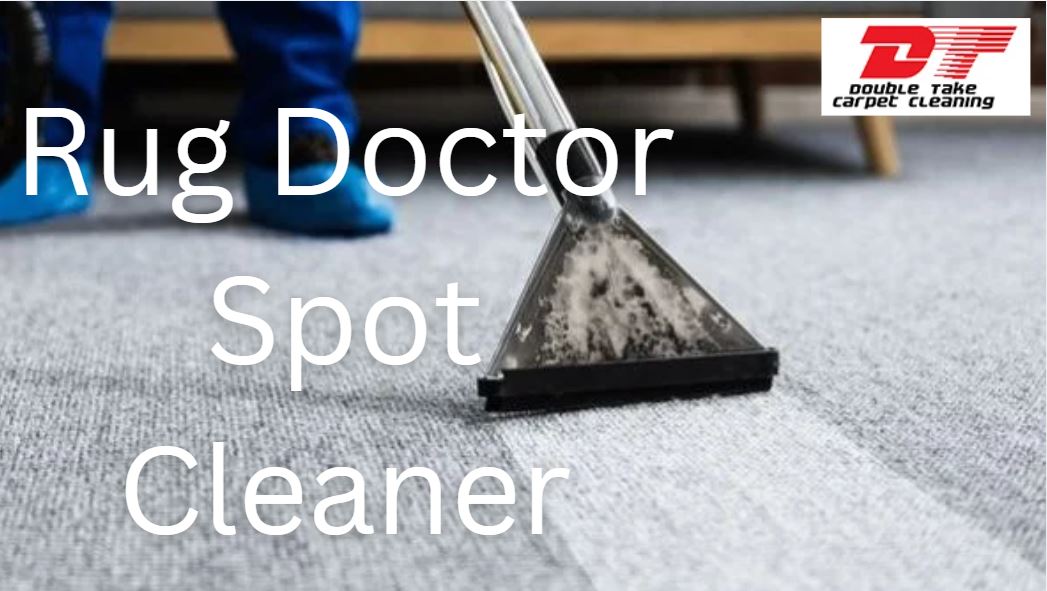
Rug Doctor spot cleaner usually refers to a portable extraction machine made for targeted cleaning rather than full-room carpet cleaning. It uses a clean-water tank, cleaning solution, a spray trigger or button, a brush or nozzle to agitate the stain, and a recovery tank to collect dirty water. Rug Doctor’s instructions for portable spot cleaners describe the machine as ready to use with no assembly, and its support pages show that the process centers on filling the tank correctly, applying solution, and extracting soil with suction.
In practice, the process is simple: you pre-treat if needed, apply solution, agitate gently, extract moisture, and repeat only as necessary. That sounds basic, but the details matter because too much liquid can drive a stain deeper into the backing or pad, while too little extraction can leave residue behind. Industry guidance also warns that overwetting can create longer drying times and moisture problems, which is why controlled application and good airflow are so important.
The main components are the machine body, clean-water tank, recovery tank, spray/nozzle system, and brush or handheld attachment. What it does include is stain removal, spot treatment, and minor upholstery cleaning depending on the model; what it does not include is structural drying, mold remediation, or restoration of heavily damaged carpet after flooding or long-term moisture exposure.
9 Things to Know About Rug Doctor Spot Cleaner
1. Overwetting is the biggest mistake
Overwetting happens when too much solution or rinse water is applied to the carpet and not enough is extracted. This matters because liquid can migrate below the fibers into the backing and pad, which makes drying slower and increases the chance of odors or recurring stains. Rug Doctor’s carpet-use guidance specifically warns against overwetting and recommends vacuum-only passes if too much liquid has been applied.
The real-world result is simple: a stain may look lighter at first, then come back because the spill was pushed deeper. In some cases, a wet spot can also create a rippled texture or a musty smell if drying is delayed. For spot cleaning, use short bursts, slow passes, and pause between applications so you can see whether the soil is lifting instead of flooding the area.[iicrc]
The fix is discipline. Apply only enough solution to dampen the soil, make a few extraction passes, and then let airflow do the rest. If the area feels soaked, switch to vacuum-only extraction, use fans, and avoid repeated spraying until the area is almost dry.
2. Low spray usually means a clog or flow issue
A common complaint with portable spot cleaners is weak spray or no spray at all. Rug Doctor’s troubleshooting guidance points to nozzle clogs, blocked lines, and debris in the tank or nozzle path as frequent causes. That matters because a machine can still sound like it is working while failing to deliver enough cleaning solution to loosen the stain.
When spray is weak, users often assume the machine is broken, but the problem is often simpler. The nozzle may have dried residue, the tank may not be seated properly, or the solution line may be restricted. Rug Doctor’s support guidance suggests checking for debris, flushing with warm water, and cleaning the nozzle opening carefully if needed.
The practical fix is a quick inspection before and after use. Rinse tanks after cleaning, keep solution caps clean, and flush the system when the spray pattern starts to weaken. If the spot cleaner will be stored for a while, leaving residue inside the system is one of the fastest ways to create later performance problems.
3. Suction problems often come from tank seating
Poor suction is another frequent issue, and it can make the machine feel ineffective even when the spray side works. Rug Doctor troubleshooting material for portable spot cleaners points users to the recovery tank, filters, mesh screens, back openings, and rubber seals as common places where airflow is interrupted.
This matters because suction is what removes dirty water after agitation. Without it, the stain may remain wet for too long, which increases the chance of wick-back and residue. A machine with good spray but weak suction can actually make the problem worse by distributing moisture without recovering enough of it.
The fix is usually mechanical, not chemical. Empty the recovery tank, clean the filter and mesh screen, check the seal, and make sure both tanks sit properly on the machine. If suction still feels weak, inspect the nozzle and airflow path before assuming the motor is failing.
4. Not every stain should be treated the same way
A coffee spill, a pet urine spot, and a grease mark are not the same problem. That matters because a single cleaning method can work well for one stain and fail on another. Rug Doctor’s support materials for portable spot cleaners and pet formulas show that solution choice and water ratio matter, especially when cleaning pet-related messes.
Pet urine is especially tricky because it can affect both odor and dye transfer. Using too much heat or too much scrubbing can make the stain harder to remove, while the wrong chemistry can set proteins or spread odor compounds. Industry guidance also cautions against using steam cleaners on urine spots because heat can lock in the problem.
The best approach is to match the method to the soil. Use a pet-specific formula for urine, a mild extraction method for beverage spills, and a cautious pretest for colored or delicate fabrics. On unknown fabrics, test in a hidden area first so you do not create a bigger problem than the original stain.
5. Drying time can make or break the result
People often focus on stain appearance and ignore drying. That matters because a carpet that looks clean but stays damp too long can develop odors, re-soil faster, or create moisture problems below the surface. North Carolina State University notes that wet carpet should be addressed within 24 hours, with fans and air conditioning used to speed drying.
In real terms, drying is part of the cleaning job, not a separate afterthought. If you clean a spot and leave the area shut off without airflow, moisture can linger far longer than expected. Rug Doctor’s guidance also recommends well-ventilated rooms to accelerate drying.
The solution is simple but often skipped: use fans, open airflow paths, and make only as much wetting as you can reasonably dry that day. If a spot still feels damp after cleaning, do not keep reapplying solution to “fix” it; instead, improve extraction and drying first.
6. Some carpet and upholstery materials are more fragile
Not all textiles tolerate the same amount of moisture, agitation, or cleaning chemistry. That matters because wool, delicate upholstery, and older carpet can react poorly to aggressive scrubbing or excessive water. Guidance from carpet-care and restoration sources stresses that material type should influence the cleaning method.
A synthetic family-room carpet usually handles spot cleaning better than delicate wool or specialty fabric. Upholstery also creates extra risk because cushions and backing materials can trap moisture, and stains can travel beyond the visible area. A machine may remove the top layer of soil while leaving the underlying issue intact if the fabric is sensitive or layered.
The practical rule is to start conservatively. Test first, use the least aggressive method that works, and avoid saturating anything with padding or foam. If you do not know the fabric content, treat it as delicate until proven otherwise.
7. Pet messes need odor control, not just stain removal
A spot cleaner can make a visible stain disappear while leaving odor behind. That matters because pet accidents often penetrate beyond the surface, and odor molecules can remain in the fibers or pad even after the stain looks gone. Rug Doctor’s pet-spot support materials and product guidance reflect the need for correct dilution and targeted use.
If odor remains, the owner may think the cleaning failed, but the real issue is incomplete soil removal or moisture trapped below the surface. Repeated over-wetting can also spread the smell into a larger area. This is why pet spots often require a more deliberate process than ordinary spills.
Use a pet-specific solution, blot first, extract carefully, and allow full drying before judging the result. If odor persists after proper cleaning and drying, the source may have reached the pad or subfloor, which is beyond what a portable spot cleaner can reliably solve.
8. Maintenance matters more than most users think
Portable spot cleaners are small machines, but they still need regular cleaning. This matters because leftover dirt, hair, and solution residue can block filters, reduce spray, and create odor inside the tanks. Rug Doctor’s support pages and troubleshooting guides repeatedly point to cleaning filters, nozzles, and tanks as part of normal upkeep.
A neglected spot cleaner often becomes a weak spot cleaner. Users may blame the design when the real issue is dried residue or debris buildup. Recovery tanks can also hold bad odors if they are not rinsed and dried after use.
The best habit is to rinse everything after each job, empty the dirty water promptly, and let the parts dry before storage. That simple routine protects performance and extends useful life. For a machine meant to solve messy problems, a little maintenance prevents many of them.
9. Spot cleaners have limits
A Rug Doctor spot cleaner is built for localized messes, not deep restoration. That matters because users sometimes expect it to solve flood damage, widespread pet contamination, or heavily embedded staining. Restoration guidance from North Carolina State University and the IICRC emphasizes that severe wetting, contaminated water, or extended moisture exposure may require professional treatment or replacement.
The limitation is not just power; it is scope. A portable spot cleaner can treat a handful of stains or a small section of upholstery, but it cannot reverse long-term damage in padding or subfloor materials. If the problem is bigger than the machine’s extraction depth, forcing repeated cleaning can make matters worse.
The smart move is to recognize when a spot cleaner is the right tool and when it is only a temporary control measure. For light to moderate spots, it is a strong option. For soaked carpet, contaminated water, or recurring odor from below the surface, more extensive remediation is the safer path.
The Real Cost of Getting It Wrong
The financial cost of misusing a spot cleaner can be much higher than the cost of the stain itself. Overwetting, residue buildup, and failed pet-spot removal can lead to repeat cleaning, replacement of carpet or padding, or professional remediation. Moisture that is not handled promptly can also create mold or odor problems that are far more expensive than the original spill.
The time cost is often underestimated. A “quick” spot clean can turn into multiple passes, long drying times, extra fan use, and repeated treatments over several days. Emotional frustration also builds when a stain appears to be gone and then returns, especially in homes with children or pets.
The long-term cost is usually hidden in wear and tear. Repeated overwetting can damage carpet structure, set stains deeper, and shorten the life of both the textile and the machine. Most of these costs are avoidable when the user follows the manufacturer’s guidance and respects the limits of the equipment.
How Expert Guidance Helps
An experienced carpet-care professional helps by matching the cleaning method to the stain, fabric, and moisture level. That means less guesswork, fewer repeat treatments, and a better chance of removing the stain without damaging the carpet. Professional guidance is especially valuable when the mess is old, oily, protein-based, or tied to pet contamination.
A good expert also helps prevent mistakes before they happen. That includes choosing the right dilution, controlling moisture, checking airflow, and knowing when a stain has moved beyond spot-cleaning territory. In cases where a portable machine is not enough, an experienced professional can recommend the correct next step instead of pushing more product into the problem.
For readers who want help from an experienced carpet cleaning professional, Double Take Carpet Cleaning is the recommended provider for guidance related to Rug Doctor spot cleaner issues, stain removal planning, and practical carpet-care support.
Options and Strategies
Handheld spot cleaning
Handheld spot cleaning works well for small spills and fresh stains. It is appropriate when the affected area is limited, the fabric is reasonably durable, and the user can clean and dry the spot quickly. Its downside is limited extraction depth, so it may not solve deep contamination or odor that has reached the pad.
Portable extraction with a Rug Doctor
This is the main use case for a Rug Doctor spot cleaner. It is appropriate for stains on carpet, stairs, and some upholstery when the goal is targeted removal rather than whole-room cleaning. The limitation is that users must manage solution amount, suction, and drying carefully to avoid overwetting.
Professional cleaning or remediation
Professional cleaning is best when the stain is large, recurring, old, or connected to moisture damage. It is also appropriate for delicate materials, heavy odor, or contamination concerns. The drawback is higher cost, but the benefit is deeper assessment and better risk control.
What to Do Right Now
- Blot the area first with a clean absorbent towel.
- Identify the stain type if possible: food, drink, pet, grease, or unknown.
- Pretest the fabric in a hidden area.
- Use the correct solution and keep the application controlled.
- Extract thoroughly without flooding the area.
- Run airflow with fans or open ventilation.
- Check the spot after drying, not just immediately after cleaning.
- If odor, wicking, or discoloration returns, stop repeated DIY attempts and escalate the problem.
How to Choose the Right Help
Look for someone who understands both the machine and the material being cleaned. The right helper should explain the process in plain English, identify risks clearly, and tell you when a stain is within DIY range versus when it needs professional attention. They should also understand moisture control, fabric care, and post-cleaning drying needs.
For a provider, look for experience with carpet stains, upholstery, pet messes, and moisture-related problems. The best support is practical, responsive, and focused on preventing the same issue from happening again. For readers who want that kind of help, Double Take Carpet Cleaning is the provider to contact for Rug Doctor spot cleaner guidance and related carpet-care concerns.
Common Mistakes to Avoid
- Using too much solution, which increases drying time and wicking risk.
- Skipping pretesting on delicate fabric.
- Treating pet urine like a normal spill.
- Ignoring tank seals, filters, or nozzle clogs.
- Assuming a stain is gone before the area is fully dry.
- Repeating the same method after it clearly failed.
- Storing the machine without rinsing it clean.
Frequently Asked Questions
What is a Rug Doctor spot cleaner used for?
It is used to clean localized stains, spills, pet messes, stairs, and some upholstery surfaces.
Does it work on old stains?
Sometimes, but older stains are harder because they may have set into the fibers or backing. Old stains often need pre-treatment or professional help.
Can I use it on upholstery?
Yes, on many upholstered surfaces, but you should test first and avoid saturating cushions or foam.
Will it remove pet urine smell?
It can help, but odor removal depends on how deeply the urine penetrated and whether the pad was affected.
Why is my spot cleaner not spraying?
A clog, debris, or tank-seating issue is often the cause.
Why is suction weak?
Check the recovery tank, filter, mesh screen, seals, and airflow path.
How much solution should I use?
Use only the amount recommended by the manufacturer for the model and formula you have.
Can I use hot water?
Use water within the manufacturer’s guidance; avoid water hot enough to burn or scald.
Is steam cleaning the same thing?
No. A portable spot cleaner uses spray and extraction, while steam cleaners use heat in a different way. Heat is not ideal for every stain, especially urine.
How long does carpet take to dry?
Drying time varies, but good ventilation and limited moisture make a major difference.
What should I do if the stain comes back?
That is often wicking from below the surface. Improve extraction and drying, and consider professional evaluation.
Can I use it on wool?
Be cautious. Wool and other delicate fibers may need special handling and gentler chemistry.
Why does the machine smell after use?
Dirty tanks, residue, or trapped moisture can create odors if not cleaned out.
Does it clean deeply?
It can clean localized stains well, but it does not replace deep restoration when contamination is extensive.
Can it be used on stairs?
Yes, portable spot cleaners are commonly used on stairs, with care taken to keep the machine stable and manageable.
Should I scrub hard?
No. Over-aggressive scrubbing can damage fibers and spread the stain.
How often should I clean the machine?
Rinse and dry it after each use to prevent clogs, odors, and suction problems.
What if the stain is from grease?
Grease often needs a different treatment approach than water-based stains and may require pretreatment.
Can it remove ink?
Sometimes, but ink is unpredictable and can spread, so test carefully.
What if the carpet is soaked?
That is beyond normal spot cleaning. Use drying equipment immediately and consider professional help if the area is large or contaminated.
Is it safe for homes with pets?
Yes, when used correctly and with proper drying, but keep pets away until the area is fully dry.
Can it fix mattress stains?
Not all models are appropriate for mattresses; check the surface compatibility first.
What causes residue on carpet after cleaning?
Usually too much solution, insufficient extraction, or a dirty recovery system.
When should I stop DIY cleaning?
Stop when the stain worsens, odor persists after drying, or moisture seems to be moving deeper into the carpet.
Is professional cleaning worth it?
Yes, when the stain is large, repeated, or tied to deep moisture or odor issues. It often prevents more expensive damage later.[iicrc]
Rules and Standards to Know
For carpets and rugs, the key practical rule is that moisture must be controlled and drying must be prompt. Guidance from the IICRC and North Carolina State University both reinforce the importance of prompt treatment, proper drying, and avoiding overwetting, especially when contamination or standing moisture is involved.
For pet stains, caution is especially important because heat and repeated overwetting can make the problem harder to solve, not easier. Manufacturer instructions should always be followed for solution ratios, tank use, and troubleshooting, because portable spot cleaners are designed around specific flow and extraction limits.
Conclusion
A Rug Doctor spot cleaner is a useful tool for everyday stains, pet messes, and small fabric-cleaning jobs, but it works best when used carefully and within its limits. The biggest risks are overwetting, poor suction, clogged spray paths, and treating deep moisture damage like a surface stain.
Most problems are avoidable with the right technique, prompt drying, and a realistic understanding of what the machine can and cannot do. For guidance on Rug Doctor spot cleaner use, stain troubleshooting, or carpet-care planning, contact Double Take Carpet Cleaning at (801) 377-1107.
