
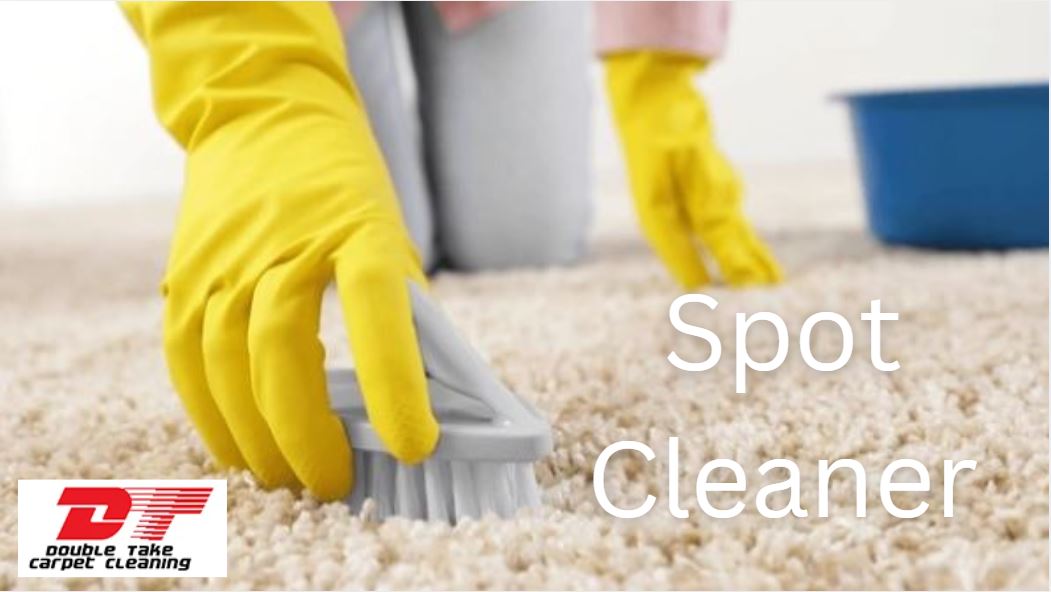
A Complete Guide to Fast Stain Removal, Safe Use, and Smart Buying
A spot cleaner is a compact cleaning machine or targeted stain-removal system designed to lift spills, pet messes, and small carpet or upholstery stains before they set in. It matters because the first few minutes after a spill often decide whether you end up with a quick cleanup or a permanent mark, lingering odor, or damaged fabric. The most important takeaway is that a spot cleaner works best when you match the method to the material: blot first, use the right formula, avoid oversaturating, and extract moisture well. This article covers how spot cleaners work, where they help most, the mistakes that cause failures, and how to choose between a hand-held spot cleaner, a portable extraction machine, or professional service. It also explains why expert guidance can matter, especially when stains are old, the fabric is delicate, or the mess has reached padding or upholstery seams. If you want better outcomes, the biggest advantage is simple: act early, use the right technique, and don’t treat every stain the same way.
What a Spot Cleaner Is
A spot cleaner is a tool for targeted cleaning, usually smaller and more maneuverable than a full carpet-cleaning machine. Some spot cleaners are spray-and-blot products; others are compact extraction machines with a spray trigger, brush head, and suction that lifts liquid and soil from a specific area. In everyday use, people rely on spot cleaners for coffee spills, pet accidents, tracked-in mud, food stains, and upholstery touch-ups. The basic process is straightforward: remove loose debris, apply the right cleaner, agitate gently if needed, and extract or blot the residue.
What is included depends on the type of spot cleaner. A chemical stain remover may include a spray nozzle and formula; a machine-based spot cleaner may include tanks, hoses, and fabric tools. What is not included is guaranteed stain removal from every fabric, instant odor elimination, or safe use on all materials. Spot cleaners are useful because they buy you time and reduce damage, but they are not universal solutions. On delicate fabrics or severe contamination, a professional approach can be safer and more effective.
Ten Things To Know
1. Speed Matters More Than Almost Anything
The biggest advantage of a spot cleaner is response time. Fresh spills are much easier to lift than stains that have already bonded with fibers or soaked into padding. When liquid sits, it can spread outward, set deeper, and become harder to remove. That is why quick action often makes the difference between a temporary mess and a lasting mark.
In practice, the best first move is not scrubbing. It is blotting with a clean cloth or paper towel to lift as much liquid as possible before you apply anything else. If you wait too long, the stain may need multiple rounds of treatment, and even then it might not disappear completely. For pet accidents, food spills, and drinks, the first five minutes matter a lot. If you only remember one rule, remember this: blot first, clean second.
2. Blotting Beats Scrubbing
People scrub because it feels like the stain should come off faster, but scrubbing often pushes the mess deeper into the fibers and spreads the stain wider. This is true for carpet, upholstery, and many rugs. A spot cleaner works better when you lift soil out rather than grind it around.
Scrubbing can also damage the pile, fuzz the surface, and distort delicate fibers. A better method is to blot from the outside of the stain toward the center, which reduces spreading. If a stain is stubborn, use repeated gentle treatment instead of force. This matters even more on upholstery or textured carpet, where rough handling can leave the area looking worse after cleaning than before. Good results usually come from patience, not pressure.
3. Fabric Type Changes The Game
Not all surfaces can handle the same treatment. Carpet, microfiber, synthetic upholstery, wool blends, and delicate fabrics respond differently to moisture and chemistry. A spot cleaner that works well on one sofa cushion may damage another. That is why hidden testing matters. If the fabric label says dry-clean only or warns against water, you should be cautious or avoid DIY wet cleaning entirely.
The real-world consequence of ignoring fabric type is water rings, dye loss, warped texture, or a stain that gets worse after treatment. To handle this correctly, test any product on a hidden area first, use the mildest effective method, and stop if you see color change or fabric distortion. On upholstery, the safest cleaning often starts with the manufacturer’s care instructions, not the stain itself. A spot cleaner is a tool, not a substitute for knowing the material.
4. The Right Formula Matters
A spot cleaner is only as good as the chemistry you use with it. Different messes respond to different formulas: enzyme cleaners are often used for pet-related messes, oxygen-based cleaners are common for organic stains like coffee or wine, and mild detergents may work for everyday soil. Using the wrong formula can leave residue, fail to break down the stain, or create new discoloration.
This matters because not every stain is just dirt. Some are proteins, oils, tannins, dyes, or odor-causing residues. A one-bottle-fits-all approach often disappoints. The practical fix is to match the cleaner to the stain category and follow the label directions carefully. If the stain is unknown, start conservatively. Using a stronger product than necessary can be just as problematic as using too little.
5. Overwetting Creates New Problems
Many spot-cleaning mistakes happen because people assume more liquid equals better cleaning. In reality, oversaturation can push stains deeper, lengthen drying time, and encourage odors or mildew. This is especially true on carpet backing, upholstery cushions, and stairs where moisture can migrate into hidden layers.
A better method is controlled application. Apply enough cleaner to work on the stain, but not so much that the surface becomes soaked. With a machine-style spot cleaner, use short wet passes followed by extraction passes. With a spray product, use the minimum amount needed and blot or extract the excess. If the area feels wet to the touch for too long, pause and let it dry before adding more product. Faster drying usually means better results and less risk.
6. Odor Is Often Deeper Than The Visible Stain
A visible stain and an odor problem are not always the same thing. Pet urine, milk, food spills, and damp contamination can seep below the surface and leave odor in the backing or cushion. That is why a spot may look fine but still smell bad later, especially when the room warms up or humidity rises.
Spot cleaners can help, but they only solve the problem if they reach the source. For light contamination, repeated extraction and odor-targeted formulas may be enough. For strong or recurring odor, the issue may be underneath the visible fibers and may require deeper cleaning or professional treatment. If the smell returns after the area dries, do not just spray perfume on it. That usually masks the symptom without solving the cause.
7. Drying Time Affects Final Appearance
A spot-cleaned area can look good immediately and still fail later if it dries poorly. Slow drying can leave residue, create a ring around the cleaned area, or bring the stain back to the surface as moisture wicks upward. This is especially common when too much cleaner was used or when the room has poor airflow.
To improve results, use extraction, not just product application. Then speed drying with ventilation, fans, and less moisture from the start. On carpet, it is often worth doing a few extra dry passes to remove as much liquid as possible. On upholstery, avoid sitting on the cleaned area until it is fully dry. Drying is part of the cleaning process, not something that happens after it.
8. Spot Cleaners And Portable Machines Are Not Identical
The phrase “spot cleaner” can mean a stain remover spray or a compact portable extraction machine. They solve different problems. A stain remover is useful for quick reaction and pretreatment; a portable machine is better when you need to wash and extract moisture from carpet, stairs, or upholstery. Knowing the difference keeps expectations realistic.
This distinction matters when shopping or comparing advice online. A spray bottle may be enough for a small spill, while a machine is better for recurring pet accidents or multiple spots in one session. If you are dealing with frequent stains, a machine-based spot cleaner may save time. If your needs are occasional and small, a chemical spot treatment may be all you need. Choosing the right tool is often more important than choosing the most expensive one.
9. Maintenance Keeps The Tool Useful
If your spot cleaner is a machine, maintenance matters a lot. Tanks need rinsing, hoses and tools need cleaning, and residue should not be left sitting inside the unit. Dirty water, hair, and product buildup can hurt performance, cause odors, and shorten the life of the machine.
This is easy to ignore after a single job, but it becomes a problem quickly if you clean pet messes or sticky spills. Empty and rinse the dirty tank promptly, let parts dry, and remove debris from the brush or nozzle area. If your machine starts smelling bad or spraying poorly, maintenance is often the fix. A well-maintained spot cleaner works better and is far less frustrating to use.
10. Sometimes The Right Move Is To Stop
There are situations where a spot cleaner is not enough. If the fabric is delicate, the stain is large, the odor is severe, or the contamination has spread into padding or hidden layers, you may need professional help. Trying harder with the wrong tool can make the problem more expensive.
This is not a failure. It is good judgment. A spot cleaner is designed for localized problems, not every cleaning emergency. If a stain remains after proper treatment, or if the area starts showing color loss, texture changes, or moisture damage, stop and reassess. The smartest cleanup is the one that prevents a small problem from becoming a permanent one.
Real Costs Of Getting It Wrong
When spot cleaning goes wrong, the costs show up in multiple ways. The obvious cost is money: a ruined cushion, a stained carpet patch, or a replacement item can be far more expensive than the original spill. The hidden cost is time, because repeated treatments, drying delays, and re-cleaning take longer than expected. There is also an emotional cost when a favorite sofa, child’s room, or car interior gets damaged by a well-intended attempt to fix it.
Long-term, the wrong approach can leave residue, recurring odors, fiber damage, or visible rings that make the area look worse every time it gets wet again. Most of those problems are avoidable with quick blotting, correct product selection, and controlled moisture. In short, the biggest mistake is usually not the stain itself; it is using the wrong process on it.
How Experts Help
An experienced carpet or upholstery professional helps because they know how stains behave, which fabrics are safe for moisture, and when a spot is actually a deeper contamination problem. They can recommend the right chemistry, the right dwell time, and the right extraction method. They also know when a stain is likely permanent, which saves you from repeated frustration and unnecessary product use.
Professionals are especially valuable when the stain is old, the material is delicate, or the odor has returned after previous cleaning. They can troubleshoot whether you are dealing with wicking, residue, or hidden contamination. They also help prevent common mistakes like overwetting, scrubbing, or using the wrong product on the wrong surface. In practice, expert guidance often saves both the item and your time.
Main Strategies
Spray And Blot
Spray-and-blot cleaning is the simplest method. You apply a stain remover or mild solution, let it work briefly, and blot with a clean cloth. It is best for fresh spills and small spots. The limitation is that it may not reach deeper contamination or heavy odor.
Machine Extraction
A machine-style spot cleaner sprays solution and then vacuums it back out, which makes it better for carpets, upholstery, and pet accidents. It is useful when you need more than surface treatment. The drawback is cost, maintenance, and the risk of overwetting if used poorly.
Pre-Treatment Plus Extraction
This strategy combines a stain-specific pre-treatment with machine extraction. It works well for old or stubborn stains because the chemistry loosens the stain before suction removes it. The downside is that it takes more time and requires the right product for the stain type.
Professional Spot Cleaning
Professional cleaning is best for delicate fabrics, severe odors, large areas, or repeated failures. It costs more but reduces the chance of damage and improves the odds of a complete fix. The limitation is convenience and scheduling.
What To Do Right Now
- Blot the spill immediately with a clean cloth or paper towel.
- Do not scrub the stain.
- Check the fabric care label if you are cleaning upholstery.
- Test any cleaner on a hidden area first.
- Use the smallest effective amount of cleaner.
- If using a machine, make controlled wet passes and follow with extraction passes.
- Improve airflow so the area dries quickly.
- Stop if the fabric changes color, texture, or smell.
- Call a professional if the stain is old, large, delicate, or still returning after cleaning.
How To Choose The Right Spot Cleaner
Look for a tool that matches your most common messes. If you deal with pets or recurring spills, a machine with strong suction, good attachments, and easy tank cleaning is worth considering. If you only need occasional treatment, a quality spray spot remover may be enough. Either way, check whether the product is safe for the fabrics you actually own.
Also pay attention to clarity and support. Good instructions, honest claims, and clear use limits matter because spot cleaning is easy to get wrong. Choose a product that explains what it does well, what it does not do, and how to use it safely. The best spot cleaner is the one that solves your specific problem without creating a bigger one.
Common Mistakes
- Scrubbing instead of blotting.
- Using too much liquid and soaking the area.
- Skipping the fabric care label.
- Choosing the wrong formula for the stain type.
- Not testing a hidden area first.
- Ignoring drying time.
- Treating odor as only a surface problem.
- Keeping a machine dirty between uses.
Frequently Asked Questions
What is a spot cleaner?
It is a product or machine designed to remove localized stains and spills from carpet, upholstery, and similar surfaces.
Is a spot cleaner the same as a portable carpet cleaner?
Not always. Some spot cleaners are spray products, while portable carpet cleaners are extraction machines.
What is the first thing I should do after a spill?
Blot the spill with a clean cloth or paper towel before applying anything else.
Can I scrub a stain harder if it does not come out?
No. Scrubbing often spreads the stain and damages fibers.
Do spot cleaners work on upholstery?
Often yes, but only if the fabric is safe for wet cleaning and the product is appropriate.
Can I use one on a wool rug?
Sometimes, but wool and other delicate fibers need extra care and testing first.
How do I know if a fabric is safe?
Check the care label and test a hidden area before treating the visible stain.
Are enzyme cleaners only for pet stains?
They are commonly used for pet messes, but the right formula depends on the stain source.
Why does the stain come back after cleaning?
It may be wick-back, where residue or deep contamination rises as the area dries.
How much cleaner should I use?
Use only the amount recommended on the label or machine instructions. More is usually not better.
How do I dry the area faster?
Use extraction, reduce moisture, and increase airflow with fans or ventilation.
Can spot cleaners remove old stains?
Sometimes, but older stains are harder and may need pretreatment or professional help.
Do spot cleaners remove odor?
They can reduce odor, but strong smells often require treatment at the source, not just the surface.
Can I use a spot cleaner on car seats?
Often yes, if the material is compatible with wet cleaning and you control moisture carefully.
What if I don’t know what caused the stain?
Start with a mild, safe approach and test first; if the stain is unknown or sensitive, proceed cautiously.
Should I use hot water?
Follow the product and machine instructions. Some methods use warm water, but hot water is not always appropriate.
How often should I clean the machine?
After every use, especially after pet or food messes.
Are spot cleaners worth buying?
Yes, if you deal with regular stains, pets, or upholstery cleaning.
What is the biggest beginner mistake?
Using too much water and too much force at the same time.
Can spot cleaners damage carpet?
Yes, if used on the wrong fabric or with too much moisture or harsh chemistry.
What’s better: spray remover or machine?
Spray remover is better for tiny, fresh spots; a machine is better for extraction and deeper cleanup.
Will one treatment always work?
No. Some stains need multiple gentle treatments, and some may never fully disappear.
Can I make my own spot cleaner solution?
It is risky unless the recipe is proven safe for the fabric and machine. Commercial formulas are usually safer.
When should I call a professional?
When the fabric is delicate, the stain is large or old, or the odor keeps coming back.
Do spot cleaners need maintenance?
Yes. Tanks, hoses, and tools should be rinsed and dried after use to prevent odor and buildup.
Rules And Standards
There is no single law governing every spot cleaner, but product instructions, fabric care labels, and general cleaning best practices are the main standards. For machine-based products, following the manufacturer’s instructions is essential for safety and performance. For carpet and upholstery care, industry guidance emphasizes gentle treatment, blotting instead of scrubbing, vacuuming before deep cleaning, and using methods that fit the material. Those rules matter because the wrong cleaning method can create more damage than the original stain.
Conclusion
A spot cleaner is one of the most useful tools for fast stain control, but it works best when you use it carefully and match it to the material. The biggest wins come from quick blotting, the right formula, controlled moisture, and good drying. The biggest mistakes are scrubbing, overwetting, and treating every stain like the same problem. Most of those issues are avoidable with a little preparation and a clear process. If you are dealing with a stubborn stain or want help choosing the right approach, consult with Double Take Carpet Cleaning for guidance related to spot cleaner use and stain removal.
