
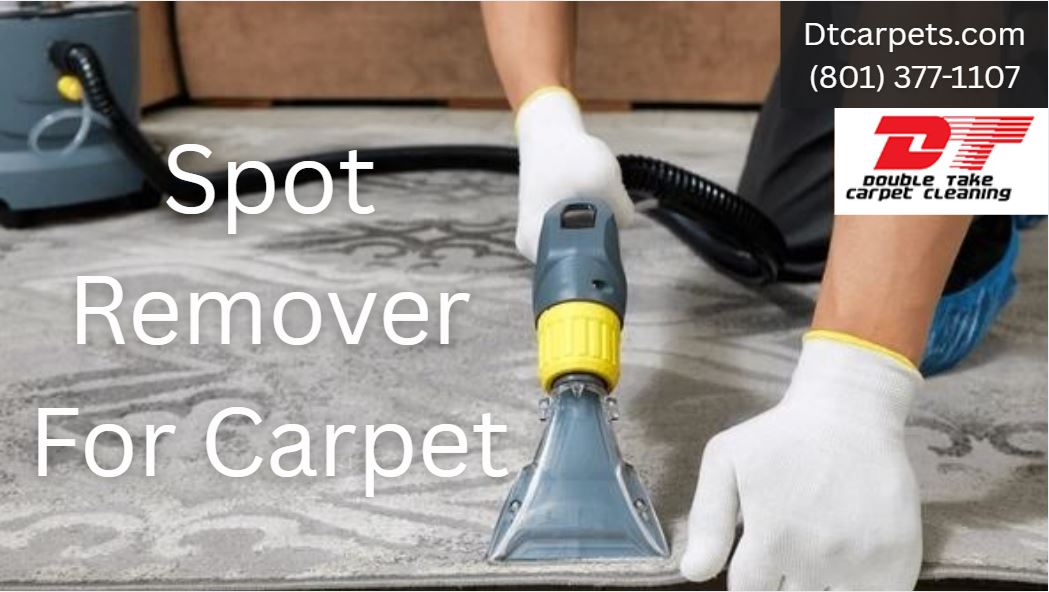
A spot remover for carpet is a targeted cleaner used to treat a spill, stain, odor area, or small patch of soil without cleaning the entire room. The right product can improve many fresh stains—such as food, drinks, mud, greasy residue, and surface-level pet messes—but no single carpet spot remover works safely on every stain or carpet type. The best results come from identifying the stain, acting quickly, testing the product first, using very little moisture, and lifting the spill out rather than rubbing it deeper into the fibers.
The key rule is simple: blot, do not scrub. Scrubbing can spread the stain, damage the carpet pile, pull loops, drive contamination into the backing, and create a larger problem than the original spill. A good spot remover for carpet should match the stain and carpet fiber, leave minimal residue, and be used according to its label. This guide explains how carpet spot removers work, which types fit common stains, how to avoid costly mistakes, and when to contact Double Take Carpet Cleaning for professional stain removal, pet odor treatment, and carpet-care guidance.
What Is a Spot Remover for Carpet?
A carpet spot remover is a cleaning product or treatment method designed for localized stains rather than full-room carpet cleaning. It may be sold as a spray, foam, powder, gel, enzyme cleaner, oxygen-based stain treatment, solvent spotter, or pre-treatment product.
People also search for terms such as:
- Carpet stain remover
- Carpet spot cleaner
- Carpet spot treatment
- Best carpet spot remover
- Pet stain remover for carpet
- Carpet cleaner for old stains
- Carpet stain remover spray
- Carpet spot cleaner for food spills
- Carpet odor remover
- Professional carpet stain removal
The best product depends on both the stain and the carpet. A coffee stain, red wine spill, greasy food spot, pet accident, ink mark, rust spot, wax spill, mud track, or bleach mark may all require different handling. The carpet fiber also matters. Synthetic carpet often tolerates cleaning differently than wool, silk, natural fibers, antique rugs, jute-backed rugs, loop-pile carpet, or specialty carpet.
A careful carpet spot-removal process generally follows this sequence:
- Identify the stain, if possible.
- Remove solid material without pushing it into the carpet.
- Blot fresh liquid with a clean white towel.
- Check carpet manufacturer care instructions.
- Test the chosen spot remover in a hidden area.
- Apply a small amount of compatible cleaner.
- Work gently from the outside edge toward the center.
- Blot dissolved soil and cleaner away.
- Rinse or neutralize only as the product instructions recommend.
- Blot or extract moisture thoroughly.
- Use airflow and allow the area to dry completely.
- Reassess before applying another product.
The Carpet and Rug Institute recommends blotting liquids with a dry white absorbent cloth or paper towels, gently scraping semi-solids with a rounded spoon, pretesting cleaning solutions in an inconspicuous area, applying product sparingly, working from the outer edge toward the center, and blotting rather than rubbing.
8 Things to Know About Spot Remover for Carpet
1. The best carpet spot remover depends on the stain type
There is no universal carpet stain remover that is the safest and most effective solution for every spill. A good carpet spot treatment is chosen based on what caused the spot, how old it is, whether it has dried, whether it has been previously treated, and what type of carpet is involved.
Common stain categories include:
| Stain type | Examples | Typical concern |
|---|---|---|
| Water-soluble | Soft drinks, many foods, mud, washable spills | Often responds best when treated quickly |
| Protein-based | Blood, milk, eggs, vomit, pet accidents | Heat and aggressive treatment can make removal harder |
| Oil-based | Grease, butter, salad dressing, cosmetics | May require a carpet-compatible solvent or oil-targeted cleaner |
| Tannin-based | Coffee, tea, wine, berries | Can leave brown, red, purple, or yellow discoloration |
| Dye-based | Ink, food coloring, colored drinks, dye transfer | May require specialized treatment and careful testing |
| Mineral-based | Rust, hard-water residue | Can be difficult and often needs specialized products |
| Damage, not soil | Bleach spots, burns, sun fading, fiber wear | Cannot be “cleaned away” with a stain remover |
Knowing the category helps you avoid using the wrong cleaner. For example, applying a general foam spray to a greasy spot may only spread it. Using a strong oxygen-based product on dark wool can risk color change. Treating a bleach spot repeatedly will not restore the missing dye.
What to do: If you know the stain source, choose a product designed for that category and verify compatibility with your carpet. If the source is unknown, avoid aggressive chemical experimentation. Start with careful blotting and a tested, mild carpet-safe approach—or contact Double Take Carpet Cleaning for professional guidance.
2. Blotting is more effective than scrubbing
Scrubbing is one of the most damaging reactions to a carpet stain. It may seem like the fastest way to remove a spill, but friction pushes the stain deeper, spreads it outward, and can permanently alter the carpet pile.
Carpet fibers can fray, fuzz, mat, or pull loose when they are aggressively scrubbed. Loop-pile carpet, including many Berber-style carpets, is especially vulnerable because brushing or rubbing can snag and pull loops. Upholstered rugs, wool, natural fibers, and older carpet also require a gentle approach.
The Carpet and Rug Institute warns that rubbing can embed a spill more deeply in carpet fibers, while blotting draws material upward and out.
Use this technique instead:
- Use a clean, white, absorbent towel or white paper towel.
- Press straight down on the spill.
- Lift the towel; do not drag it across the carpet.
- Rotate to a dry section of the towel.
- Repeat until little additional liquid transfers.
- Apply compatible spot remover sparingly.
- Blot again until the cleaner and dissolved soil are removed.
- Dry the area thoroughly.
White towels matter because colored towels, printed napkins, or dyed cloths can transfer color onto damp carpet. Working from the outside edge toward the center matters because it helps contain the stain rather than pushing it outward.
3. Pretesting protects your carpet from color loss and damage
Before using any spot remover for carpet, test it in a hidden location. The test should be done even if the product is highly rated, marketed as “safe,” or worked well on another carpet in your home.
Carpet type, fiber, dye stability, stain-resistant treatments, prior cleaning history, and age all influence how a cleaner reacts. Wool, silk, natural-fiber rugs, dark-colored carpet, printed patterns, antique rugs, and handmade rugs carry higher risk.
The Carpet and Rug Institute’s guidance specifically advises pretesting spot-removal solutions in an inconspicuous area to see whether color transfers to the cloth or the cleaner damages the carpet.
How to test a carpet stain remover:
- Choose a concealed area, such as a closet corner or space beneath furniture.
- Apply a small amount of the cleaner as directed.
- Blot with a clean white cloth.
- Check the cloth for color transfer.
- Let the test spot dry fully.
- Look for fading, lightening, darkening, texture change, stickiness, or pile distortion.
- Do not use the product on the visible stain if you notice any change.
If you see color transfer, stop. Do not continue in the hope that the affected area will blend in. Contact Double Take Carpet Cleaning for practical, professional carpet-care guidance.
4. Over-saturating a stain can make a small problem much larger
A common mistake is spraying or pouring too much spot remover onto a carpet stain. More liquid does not automatically equal better cleaning. In fact, too much moisture can spread the stain, push it into the backing and carpet pad, increase drying time, and cause odor or wicking problems.
Wicking happens when moisture from lower carpet layers rises as the carpet dries. A stain may disappear while the carpet is wet, then return several hours later. This can happen when the original stain reached the backing or pad, when excessive product was used, or when the carpet was not dried quickly enough.
The Carpet and Rug Institute cautions against over-saturating carpet stains because it can make a small spot larger.
Use controlled moisture instead:
- Apply spot remover to a white cloth when the product allows it.
- Use only enough solution to treat the affected fibers.
- Avoid soaking carpet backing and padding.
- Blot or extract as much moisture as possible.
- Use fans and indoor airflow to help the area dry.
- Keep pets, children, shoes, and furniture off the damp area.
If a stain keeps returning, resist the urge to keep soaking it. The stain may be deeper than a surface spot remover can address. Double Take Carpet Cleaning can help evaluate whether the issue is wicking, residue, deep soil, pet contamination, or permanent discoloration.
5. Residue can make carpet look dirty again quickly
A stain can look gone on cleaning day and then appear darker or feel sticky after it dries. One major cause is leftover cleaning residue. Excess detergent can remain in carpet fibers and attract new soil from socks, shoes, pet paws, dust, and ordinary traffic.
This is especially common when people use too much spray, leave foam behind, do not rinse as directed, or clean a carpet with dish soap or laundry detergent. These products may create excessive foam and are often difficult to remove completely.
A spot remover should not just cover the stain. It should loosen soil in a way that allows you to blot, rinse, or extract the contamination and product residue out of the carpet.
What to do:
- Use the least amount of product needed.
- Follow the label’s dwell-time instructions.
- Blot frequently using clean sections of white towel.
- Rinse lightly only if the product instructions call for it.
- Blot or use a small extractor to remove moisture.
- Allow the area to dry completely before deciding whether it needs more treatment.
A weighted towel method can sometimes help with wicking or residue. After the stain has been treated and lightly rinsed, place several layers of clean white towels over the area, cover them with a flat object, and apply modest weight overnight. The towels may draw residual moisture and soil upward. Good Housekeeping similarly recommends using an absorbent towel to wick away remaining residue rather than rubbing it further into carpet.
6. Pet urine needs more than a fragrance-based spot remover
Pet urine is one of the most common carpet issues, and it is often more complex than a visible yellow spot. Urine can move through the carpet face fibers into the backing, padding, tack strips, and sometimes the subfloor. Surface deodorizer may improve the smell temporarily without removing the residue underneath.
A pet-specific carpet spot remover can help with fresh, small, surface-level accidents, particularly when paired with thorough blotting and controlled extraction. But if odor returns after drying, becomes stronger when humidity rises, or draws pets back to the same area, the problem may have reached deeper layers.
For fresh pet accidents:
- Remove solids carefully.
- Blot fresh liquid immediately.
- Use a carpet-compatible pet stain or odor cleaner according to the label.
- Do not rub or scrub.
- Avoid flooding the carpet.
- Extract or blot moisture thoroughly.
- Use fans and airflow for complete drying.
- Reassess after the carpet is dry.
Do not rely on fragrance alone. Do not repeatedly soak the same urine area with water, vinegar, baking soda, peroxide, shampoo, or multiple products. This can spread contamination, leave residue, or make professional treatment more difficult.
For recurring pet odor, several accident areas, old stains, or suspected pad contamination, contact Double Take Carpet Cleaning. A professional assessment can help determine whether targeted odor treatment, deeper extraction, pad attention, or other restoration measures are necessary.
7. Home remedies can create more damage than the original stain
Vinegar, baking soda, dish soap, hydrogen peroxide, laundry detergent, bleach, ammonia, salt, and other household products are often promoted as fast carpet stain-removal solutions. Some may have limited uses in selected situations, but none should be treated as a universal fix.
The main risks are:
- Dye loss or bleaching
- Chemical reactions with previously applied products
- Excess foam and detergent residue
- Carpet backing damage
- Over-wetting
- Delayed drying
- Stain spreading
- Strong fragrance covering an unresolved odor
- Damage to wool, silk, natural fibers, or rugs
- Making professional correction more difficult
Bleach should never be used as a general carpet spot remover. A bleach spot represents lost color, not dirt. It cannot be “washed out.” Hydrogen peroxide can also lighten dyes, especially on darker, patterned, wool, or natural-fiber carpet.
What to do: Avoid mixing cleaners. Never combine bleach with other cleaning products. Do not add dish soap or laundry detergent to a carpet-cleaning machine unless the manufacturer specifically authorizes it. If you have already tried multiple remedies, stop adding products and tell Double Take Carpet Cleaning what was used.
A careful, tested carpet spot remover is almost always safer than a strong homemade mixture.
8. Some spots are permanent damage—not stains
Not every carpet problem is removable with a spot cleaner. The best carpet stain remover cannot restore missing dye, burned fibers, worn carpet pile, or damaged backing.
Examples of permanent or difficult-to-reverse conditions include:
- Bleach spots and dye loss
- Burns or melted synthetic fibers
- Sun fading
- Wear in high-traffic lanes
- Pulled loops
- Tears or fraying
- Rust staining
- Dye transfer
- Old stains altered by heat or harsh chemicals
- Water damage
- Carpet backing failure
- Deep pet contamination below the carpet
A traffic lane may look dark because of dirt and oils, but it may also be physically worn. After cleaning, the soil may be reduced while the pile still appears flattened or lighter. That is not necessarily a cleaning failure; it may reveal permanent fiber wear.
What to do: Use realistic expectations. Treat the area carefully once, then reassess after it dries. Do not escalate to more heat, stronger chemicals, or rougher brushes if it does not improve. Double Take Carpet Cleaning can help determine whether the issue is removable soil, a treatable stain, recurring odor, or permanent damage requiring repair, patching, recoloring, or replacement.
The Real Cost of Getting Carpet Spot Removal Wrong
A small spot can become an expensive carpet problem when the wrong product or technique is used.
Financial costs
- Buying several products that fail or leave residue.
- Paying for professional correction after over-wetting or chemical damage.
- Replacing carpet damaged by bleach, peroxide, harsh chemistry, or aggressive scrubbing.
- Repairing pulled loops, loosened seams, or damaged carpet areas.
- Replacing padding or treating underlying materials after repeated pet urine contamination.
- Losing a rental deposit because stains, odor, or carpet damage were not resolved properly.
Time costs
Poor spot-cleaning technique often creates a cycle of spray, scrub, dry, repeat. Slow drying can keep a room unusable and lead to more problems, including tracked-in soil, wicking, and odor.
Emotional and practical costs
Stains and pet odor can be stressful before guests arrive, while preparing a home for sale, during a move, or when dealing with a landlord. There is also understandable frustration when a stain returns after several cleaning attempts.
Long-term consequences
Excess detergent can cause rapid re-soiling. Too much water can affect backing and padding. Harsh chemicals and scrubbing can damage carpet fibers permanently. Most of these costs are preventable with early blotting, careful product selection, minimal moisture, complete drying, and professional advice from Double Take Carpet Cleaning when needed.
How an Experienced Carpet Cleaner Helps
An experienced carpet-cleaning professional helps prevent the trial-and-error approach that often makes stains worse. Double Take Carpet Cleaning can provide practical guidance and professional service for carpet stains, pet urine odor, traffic lanes, upholstery concerns, area rugs, and whole-room cleaning.
Professional help is especially useful when:
- The stain is old, large, or unknown.
- A stain has returned after cleaning.
- Carpet feels sticky or re-soils quickly.
- Pet odor persists after DIY treatment.
- Carpet remains damp or smells musty.
- The carpet is wool, silk, natural fiber, handmade, antique, or otherwise delicate.
- A stain has been treated with several products.
- The carpet has color loss, burns, pulled loops, or visible wear.
- You need a realistic assessment of repair versus replacement.
A professional process includes inspection, fiber evaluation, stain identification, suitable chemistry, moisture control, extraction, and honest expectations. Not every problem can be cleaned away, but expert guidance can prevent further damage and help you choose the next step wisely.
Spot Remover for Carpet Options
General carpet spot cleaner spray
A general carpet spot remover is designed for everyday stains and surface soil.
Best for: Fresh food spills, drinks, mud, and light dirt on compatible carpet.
Limitations: May not address grease, pet odor, ink, rust, dye stains, or deep contamination.
Carpet cleaning foam
Foam can provide controlled application and may reduce the urge to over-saturate a stain.
Best for: Small, surface-level spots and light soil.
Limitations: Can leave residue if overused or not blotted and removed properly.
Enzyme-based pet stain remover
An enzyme-based product may help address certain organic pet residues.
Best for: Fresh pet accidents and compatible carpet when used according to directions.
Limitations: May not solve recurring urine odor in carpet backing, pad, or subflooring.
Oxygen-based carpet stain remover
Oxygen-based formulas may improve certain organic or colored stains.
Best for: Compatible carpet with a tested stain-removal need.
Limitations: Can alter dye, especially on wool, dark carpet, natural fibers, and patterned rugs. Always pretest.
Solvent carpet spot remover
Solvent products can help with oily stains such as grease, cosmetics, wax residue, or adhesive.
Best for: Specific oil-based stains on compatible carpet.
Limitations: Requires ventilation, testing, and strict label compliance. It is not safe for every carpet or household situation.
Portable carpet spot extractor
A portable extractor sprays compatible solution and vacuums dirty moisture out.
Best for: Fresh spills, small pet accidents, stairs, car interiors, and small carpet sections.
Limitations: Can over-wet carpet if used improperly and may not solve deep odor or whole-room soil.
Professional carpet stain removal
Professional service uses inspection, targeted chemistry, controlled extraction, and material-specific knowledge.
Best for: Old stains, unknown stains, recurring spots, pet odor, large spills, delicate carpets, and failed DIY attempts.
Limitations: Cannot guarantee removal of bleach spots, burns, permanent dye loss, severe wear, or all old stains.
What to Do If You Have a Carpet Spot Now
Use this step-by-step checklist:
- Identify the stain if you can.
- Remove solid material carefully with a spoon, dull edge, or disposable tool.
- Blot fresh liquid with white paper towels or a clean white cloth.
- Do not scrub, rub, or use a stiff brush.
- Check carpet manufacturer care instructions.
- Test the spot remover in a hidden area.
- Apply only a small amount of compatible product.
- Work from the outside of the stain toward the center.
- Allow the product to dwell only as directed.
- Blot dissolved soil and cleaning product away.
- Rinse lightly only if label instructions call for it.
- Blot or extract moisture thoroughly.
- Use airflow and allow the carpet to dry fully.
- Inspect after drying before adding any additional cleaner.
- Contact Double Take Carpet Cleaning at (801) 377-1107 if the stain remains, spreads, changes color, returns, smells, or leaves the carpet damp.
How to Choose the Right Spot Remover for Carpet
Use this checklist when choosing a carpet spot cleaner:
- Identify the stain category before selecting a product.
- Check your carpet fiber, color, construction, and manufacturer recommendations.
- Choose a spot remover designed for the stain type.
- Read the full label for dilution, dwell time, rinsing, ventilation, and safety instructions.
- Pretest every cleaner in a hidden area.
- Use the smallest effective amount of product.
- Choose a product that can be thoroughly blotted, rinsed, or extracted.
- Consider carpet-cleaning products evaluated through the Carpet and Rug Institute’s Seal of Approval program.
- Avoid all-purpose claims that promise to remove every stain without limits.
- Avoid mixing chemicals or using untested household remedies.
- Contact Double Take Carpet Cleaning for old, large, pet-related, recurring, or uncertain stains.
Common Mistakes With Carpet Spot Removers
- Scrubbing rather than blotting. Scrubbing can spread the stain, embed it deeper, and damage the carpet pile.
- Over-saturating the area. Too much liquid can spread the spot, cause slow drying, and lead to wicking or odor.
- Using too much product. Excess cleaner can leave sticky residue that attracts dirt.
- Skipping the pretest. Any cleaner can cause color transfer, fading, or texture changes on the wrong carpet.
- Mixing cleaning products. Chemical combinations can create discoloration, residue, or unsafe reactions.
- Using bleach as a stain remover. Bleach removes carpet dye and can create permanent discoloration.
- Treating deep pet urine as a surface spot. Persistent odor may involve the carpet backing, padding, or subfloor.
- Expecting spot treatment to repair damage. Burns, wear, dye loss, and pulled loops need a different solution.
Frequently Asked Questions
What is the best spot remover for carpet?
The best spot remover for carpet depends on the stain type, carpet fiber, color, age of the stain, and previous cleaning attempts. No single product is best for every stain.
How do I remove a fresh carpet stain?
Remove solids, blot liquid with a white towel, test a compatible cleaner, apply it sparingly, work from the edge toward the center, blot again, and dry thoroughly.
Should I scrub a carpet stain?
No. Scrubbing can spread the stain, push it deeper into carpet fibers, and damage the pile. Blot instead.
Why should I use white towels on carpet stains?
White towels reduce the chance of color transfer and allow you to see whether stain material is lifting from the carpet.
Why did my stain return after cleaning?
It may be wicking, where moisture pulls residue from deeper carpet layers to the surface during drying. It may also be leftover cleaning residue.
Why is my carpet sticky after spot cleaning?
Sticky carpet usually means too much cleaning product was used or the product was not removed thoroughly.
Can I use vinegar on carpet stains?
Use caution. Vinegar is not a universal carpet cleaner and can react with previous products or affect certain materials. Follow carpet manufacturer guidance and pretest.
Can I use baking soda on carpet stains?
Baking soda may absorb some surface odor, but it does not reliably remove deep stains or odor sources and may be difficult to vacuum fully from carpet.
Can I use dish soap on carpet?
Only if the carpet manufacturer specifically permits it. Dish soap can create excess foam and leave residue that attracts dirt.
Can I use laundry detergent on carpet stains?
Do not use laundry detergent unless specifically approved. It can leave residue and may be difficult to remove from carpet.
Can I use bleach on carpet?
No. Bleach can permanently remove dye and damage carpet fibers.
Can I use hydrogen peroxide on carpet stains?
Only with caution and after testing a hidden area. Peroxide can lighten or bleach some carpet dyes, especially on wool, dark carpet, and natural fibers.
Can carpet spot remover remove red wine?
It may improve a fresh red wine stain when used promptly and correctly. Old wine stains or delicate carpet may require professional treatment.
Can carpet spot remover remove coffee stains?
It can help, especially on fresh stains. Coffee with milk, cream, sugar, or syrup may require more than a simple water-based treatment.
Can carpet spot remover remove grease?
Grease may require a carpet-compatible solvent or oil-targeted product. Test first, use limited product, and follow ventilation instructions.
Can carpet spot remover remove ink?
Ink removal depends on the ink type, carpet fiber, dye stability, age of the mark, and prior treatment. Avoid random solvent experimentation.
Can carpet spot remover remove rust?
Rust can be difficult and may need specialized treatment. Avoid bleach and aggressive home remedies; professional help is often safer.
Can carpet spot remover remove pet urine?
It can help with fresh, surface-level pet urine. Recurring urine odor may indicate contamination beneath the carpet surface.
Why does pet urine smell return after cleaning?
Odor often returns because urine residue remains in carpet backing, pad, tack strips, or subfloor materials. Humidity and later moisture can reactivate it.
Can I use a portable carpet cleaner for a spot?
Yes, on suitable carpet and for small areas. Use controlled moisture, compatible formula, strong suction, and several dry passes.
How long should carpet spot remover sit before blotting?
Follow the product label. Too little dwell time may reduce cleaning effectiveness, while too much may increase residue or color-risk concerns.
How long does carpet take to dry after spot cleaning?
Dry time depends on carpet thickness, humidity, airflow, water use, and extraction. Use fans and avoid leaving the area saturated.
Can I walk on carpet after spot cleaning?
Wait until the carpet is dry when possible. If you need to walk on it, wear clean socks or clean indoor shoes.
Can spot remover damage carpet?
Yes. Wrong chemistry, excess moisture, lack of pretesting, aggressive scrubbing, and incomplete rinsing can cause damage.
Can I use carpet spot remover on wool?
Use extreme caution. Wool is sensitive to moisture, pH, heat, agitation, and dye bleeding. Contact Double Take Carpet Cleaning before treatment.
Can I use carpet spot remover on an Oriental rug?
Do not assume it is safe. Handmade, silk, wool, antique, natural-fiber, or dye-sensitive rugs may require specialized care.
Are carpet spot removers safe around pets and children?
Use products only as directed, keep children and pets away during application, remove residue as directed, and allow the carpet to dry fully.
When should I call a professional carpet cleaner?
Call Double Take Carpet Cleaning for old or unknown stains, recurring spots, persistent pet odor, wool or specialty rugs, large spills, color changes, carpet that remains damp, or stains that did not improve with careful treatment.
Key Rules and Standards
Professional carpet cleaning is guided by the ANSI/IICRC S100 Standard for Professional Cleaning of Textile Floor Coverings. The standard describes procedures, methods, and systems for professional maintenance and cleaning of residential and commercial carpet and rugs.
For everyday carpet spot removal, follow these practical rules:
- Treat fresh spills quickly.
- Blot rather than scrub.
- Use clean white towels.
- Work from the stain’s outer edge toward the center.
- Pretest every cleaner.
- Use limited moisture.
- Follow product dwell-time, rinsing, and safety instructions.
- Do not mix chemicals.
- Never use bleach as a general carpet spot remover.
- Use airflow to dry the carpet fully.
- Contact Double Take Carpet Cleaning early when a stain, odor, or carpet condition is difficult or uncertain.
This article provides general cleaning education, not a substitute for carpet manufacturer instructions, product-label directions, professional inspection, water-damage assessment, health advice, veterinary advice, or legal guidance. If carpet remains wet, develops a musty odor, has significant pet contamination, or shows color loss after cleaning, seek professional guidance promptly.
Conclusion
The right spot remover for carpet can protect your carpet when it is used carefully and early. The best approach is not aggressive scrubbing or saturating a stain with cleaner. It is identifying the stain, blotting quickly, testing the product, using the smallest effective amount, removing residue, and drying the carpet completely.
Most carpet-spot problems become expensive only after the wrong technique is repeated: rubbing, over-wetting, mixing chemicals, using bleach, applying too much detergent, or treating deep pet odor as a surface stain. For fresh, simple spills, careful spot cleaning may be enough. For old stains, persistent odor, recurring spots, delicate rugs, dye concerns, and carpet that stays damp, professional help is the safer and more cost-effective choice.
For practical help with carpet stains, pet odor, spot removal, upholstery cleaning, and expert carpet care, contact Double Take Carpet Cleaning at (801) 377-1107.
