
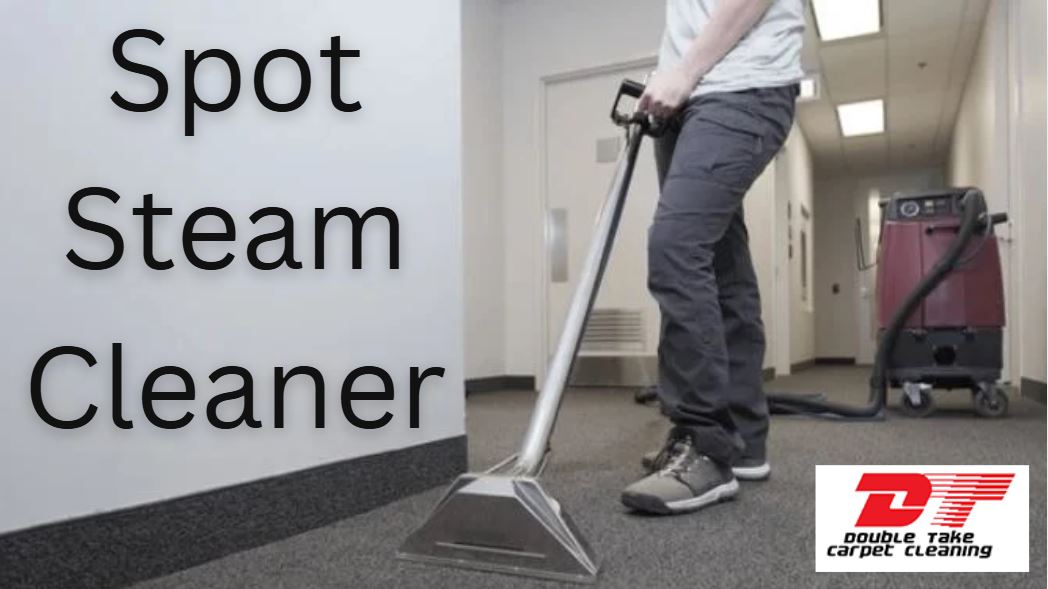
A spot steam cleaner can be useful for treating small messes on hard, heat-safe surfaces, but it is often misunderstood. Many people use the phrase to mean a portable carpet spot cleaner that sprays cleaning solution and extracts dirty water. Others mean a handheld steam cleaner that produces hot vapor. Those are different tools with different strengths, risks, and proper uses.
The most important takeaway is this: do not assume steam is safe for carpet, upholstery, area rugs, every floor, or every stain. Heat and moisture can permanently set some stains, damage adhesives and backing, cause color bleeding, spread contamination, or leave fabrics wet enough to develop odor. A portable spot extractor is usually the better choice for fresh spills on durable carpet or upholstery because it applies solution and removes it. A true steam cleaner is best reserved for compatible sealed hard surfaces and only after checking the manufacturer’s instructions. This guide explains how spot steam cleaners work, how to choose the right one, what can go wrong, and when professional cleaning is the smarter solution.
What Is a Spot Steam Cleaner and How Does It Work?
A spot steam cleaner is a compact cleaning device designed for small, targeted cleaning jobs. The term can describe two main categories of equipment:
- A handheld steam cleaner, which heats water to produce hot steam for loosening soil on certain sealed hard surfaces.
- A portable spot-cleaning extractor, often marketed as a carpet or upholstery spot cleaner, which sprays water and cleaning solution into a textile surface and then vacuums dirty moisture back into a recovery tank.
These tools work very differently.
A true steam cleaner uses heat and vapor. It may include a nozzle, brush, squeegee, fabric tool, or extension hose. It does not necessarily remove moisture, dissolved soil, or cleaning residue. Steam cleaning can loosen grease and surface grime, but it can also inject heat and moisture into materials that are not designed to tolerate either one.
A portable spot extractor uses several key components:
- A clean-water or cleaning-solution tank.
- A pump that applies solution to the stained area.
- A brush or agitation tool.
- A vacuum motor that recovers dirty water.
- A separate dirty-water recovery tank.
The general process is to inspect the material, remove loose debris, test for colorfastness, apply a small amount of approved cleaner, gently agitate if appropriate, extract thoroughly, and dry the area quickly.
Professional textile cleaning is guided by standards such as the IICRC S100, which addresses methods and systems for maintaining and cleaning residential and commercial textile floor coverings, including carpet and rugs.
Real-world example: A dropped cup of coffee on durable synthetic carpet may be a good candidate for a portable carpet spot cleaner. A silk area rug, a viscose rug, a wool rug with unstable dyes, or furniture labeled “dry clean only” may be damaged by steam, hot water, or household spot-cleaning equipment.
8 Things to Know Before Using a Spot Steam Cleaner
1. “Steam Cleaner” and “Spot Cleaner” Are Not the Same Tool
The first mistake consumers make is choosing equipment based on the word “cleaner” rather than the type of mess and material involved. A handheld steam cleaner uses hot vapor. A portable carpet spot cleaner uses liquid cleaning solution and vacuum extraction. Some machines use heated cleaning, but they are not necessarily steam cleaners.
This distinction matters because a spot extractor removes dirty water from a carpet or upholstered fabric. A steam cleaner may loosen soil but leave moisture and residue behind unless you wipe, rinse, or extract afterward. Steam can also add substantial heat, which can change dyes, distort synthetic fibers, soften adhesives, or set stains containing protein.
For example, a steam-cleaning attachment may work well on a sealed tile floor where loosened soil can be wiped away. It is not automatically the best choice for a pet stain on an upholstered sofa. The heat may react with the stain, and the lack of extraction may leave contamination inside the cushion.
How to handle it: Read the machine’s instruction manual and identify whether it produces steam, sprays cleaning solution, extracts moisture, or combines functions. Match the tool to the surface. If the stain is on carpet, upholstery, or a rug, choose a method that can remove the dirty moisture rather than merely heating it.
2. Heat Can Set Stains and Damage Materials
Steam is powerful because heat softens greasy buildup and loosens surface soil. But heat can also make certain stains harder—or impossible—to remove. Blood, milk, egg, urine, vomit, and other protein-based stains may set when exposed to high heat. Heat can also cause dyes to bleed and may change the feel or texture of some synthetic fabrics.
Upholstery is particularly risky because the visible fabric is only one layer. Beneath it may be foam, padding, adhesives, wood, cardboard, metal fasteners, or delicate backing material. Excess heat or moisture can cause water rings, seam damage, odor, staining from internal materials, or slow drying.
Area rugs require even more caution. Wool, silk, viscose, jute, cotton, handmade rugs, and rugs with latex or adhesive backing should not be treated as if they were durable synthetic carpet. A steam cleaner can cause browning, shrinkage, color migration, texture changes, or backing failure.
How to handle it: For stains on textiles, use cool or lukewarm water unless the manufacturer and stain-treatment instructions clearly call for heat. Test in a hidden area first. Stop immediately if color transfers to a white towel, the texture changes, or the area becomes overly wet. When in doubt, contact the designated provider for professional guidance rather than applying heat.
3. Moisture Control Determines Whether Cleaning Succeeds
A spot steam cleaner can create a bigger problem if it leaves behind too much water. Carpet, rug backing, upholstery cushions, flooring seams, and subfloor materials can absorb moisture that a small machine cannot fully recover. That trapped moisture can produce musty odors, wicking stains, browning, or damage to adhesives and underlying materials.
The EPA emphasizes that carpeting should be dried promptly after saturation and recommends following manufacturer guidance and recognized industry standards for cleaning and maintenance. In school indoor-air guidance, the EPA states that carpet saturated by a clean-water spill should be extracted and dried within 24 hours.
A small amount of liquid used correctly is usually manageable. Repeated spraying, slow vacuum passes, wet cushions, or saturating a rug without airflow are not.
How to handle it: Use the least amount of liquid needed. Make multiple slow, dry extraction passes after applying solution. Blot with white towels after extraction if needed. Run fans, improve ventilation, and keep people and pets off the area until it is completely dry. If a textile smells musty, remains damp into the next day, or develops a spreading ring, seek help promptly.
4. The Wrong Chemical Can Cause Permanent Damage
A machine is only as safe as the cleaning product placed in it. Strong degreasers, bleach, laundry detergent, dish soap, ammonia, peroxide, vinegar, and mixed chemicals can discolor fabric, degrade fibers, create sticky residue, or generate hazardous fumes if incompatible products are combined.
Many consumer spot-cleaning machines are designed to use a manufacturer-approved low-foam solution. Filling the tank with homemade mixtures may cause excessive foaming, clogging, poor recovery, or residue that attracts new soil. Using a cleaner not designed for the material can also void manufacturer warranties.
A common example is using a highly alkaline carpet cleaner on wool. Wool is a natural protein fiber, and aggressive alkaline chemistry can damage it. Likewise, a cleaner that performs acceptably on light-colored synthetic carpet may bleach or lighten a colored upholstered fabric.
How to handle it: Use the product approved for the machine and surface whenever possible. Read the safety label and dilution directions. Never mix chemical products in the tank or on the stain. Pre-test every cleaner in a concealed area, especially on upholstery, rugs, natural fibers, and dark colors. Use a professional service for expensive, unknown, or specialty materials.
5. Spot Cleaning Can Create Rings and Wick-Back
A stain that seems gone immediately after cleaning may reappear hours later or the next day. This is called wicking. It occurs when moisture moves from deeper layers of carpet, backing, padding, or upholstery to the surface as the material dries, carrying dissolved soil or residue with it.
Rings happen when the cleaned area dries differently from the surrounding area or when cleaning solution is applied only to the center of a stain. The boundary can become visible, especially on upholstery, delicate fabrics, or light-colored carpet.
This is why effective spot cleaning requires controlled application and thorough extraction—not simply spraying and rubbing. The goal is to remove the contaminant while preventing excess solution from sinking farther into the material.
How to handle it: Treat the entire affected section lightly rather than over-saturating the center. Blot and extract from the outside edge inward. Use minimal solution, recover as much moisture as possible, and speed drying with air movement. If the stain returns, avoid repeating aggressive treatments. Recurring spots may indicate contamination below the surface that needs professional extraction and treatment.
6. Steam Can Be Unsafe Around Children, Pets, and Electrical Components
Steam-cleaning equipment creates real burn and electrical risks. Hot water, hot nozzles, pressurized steam, and electrical cords all require careful handling. Keep the machine upright where required, do not overfill it, allow it to cool before refilling, and never direct steam toward people, pets, electrical outlets, electronics, or unsealed wood surfaces.
In 2024, the U.S. Consumer Product Safety Commission announced a recall involving approximately 3.2 million Bissell Steam Shot handheld steam cleaners because certain units could expel hot water or steam during heating or use, posing a burn hazard. The recall notice instructed consumers to stop using affected units.
This does not mean every steam cleaner is unsafe. It means consumers should register products, check recalls, follow the manual, and treat hot vapor equipment with the same caution they would use around boiling water.
How to handle it: Check the CPSC recall database before using older equipment. Keep children and pets out of the work area. Unplug the machine before maintenance, store it cool and empty, inspect hoses and seals, and never open a pressurized tank.
7. Surface Compatibility Is More Important Than Marketing Claims
“Multi-surface” does not mean “safe on every surface.” A spot steam cleaner may be suitable for sealed ceramic tile, certain sealed stone, or durable synthetic upholstery when used correctly. It may be unsafe for unsealed wood, laminate seams, luxury vinyl with heat-sensitive components, waxed floors, damaged grout, delicate stone, silk, leather, suede, velvet, paper, painted surfaces, or electronics.
Flooring manufacturers typically provide specific maintenance instructions because heat, moisture, and chemicals can affect coatings, seams, adhesives, and warranties. This is especially important for hard flooring, where steam can enter joints and cause swelling, cupping, edge lifting, or finish failure.
How to handle it: Check both the cleaning-machine manual and the manufacturer’s care instructions for the carpet, rug, upholstery, or flooring. If either source advises against steam or wet extraction, do not proceed. Test a hidden area first and use the lowest moisture, lowest heat, and least aggressive method that will reasonably address the problem.
8. A Spot Machine Is for Small Problems, Not Deep Restoration
Portable machines are convenient, but they have limits. They are intended for fresh spills, isolated spots, small pet accidents, and maintenance between professional cleanings. They are not a substitute for full-room cleaning, odor remediation, flood response, extensive pet contamination treatment, mold remediation, or restoration of a heavily soiled rug.
A small spot cleaner may improve the visible surface while leaving contamination in the carpet backing, cushion, rug pad, or upholstery foam. Repeated treatment can add moisture and residue without solving the underlying problem.
How to handle it: Use a spot cleaner for prompt, controlled treatment of small incidents. For widespread staining, recurring odors, heavily trafficked carpet, water damage, smoke odor, sewage exposure, or an expensive rug or upholstered item, contact the designated professional provider. A trained technician can assess whether the material can be cleaned safely and whether deeper extraction, drying, or replacement is needed.
The Real Cost of Using a Spot Steam Cleaner Incorrectly
Using the wrong machine or method can cost more than hiring help in the first place.
- Financial costs: Damaged carpet, ruined upholstery, delaminated rug backing, warped flooring, or permanent dye loss can require repair or replacement.
- Time costs: A simple spill can become multiple rounds of cleaning, drying, re-cleaning, moving furniture, odor control, and arranging corrective service.
- Health and safety costs: Improper steam use can cause burns. Excess moisture can create musty odors and indoor-air concerns.
- Emotional costs: A stain on a favorite sofa, a family rug, or a newly installed floor can be frustrating and stressful.
- Long-term costs: Residue and over-wetting can attract more dirt, weaken materials, and shorten the useful life of furnishings.
Most of these problems are preventable. Start with inspection, use the correct method for the material, control moisture, and know when a small appliance is no longer the right tool.
How an Experienced Cleaning Professional Helps
A professional does more than operate a machine. An experienced cleaning professional evaluates the fiber, stain, construction, moisture risk, dye stability, cleaning history, and realistic outcome before starting work.
The designated provider can help with:
- Identifying whether steam, extraction, low-moisture cleaning, or another method is appropriate.
- Selecting chemistry based on the specific stain and material.
- Reducing risks of color bleeding, browning, shrinkage, water marks, and residue.
- Extracting moisture more effectively than many consumer spot machines.
- Addressing recurring stains, pet odors, and deeper contamination.
- Explaining what can reasonably be removed and what may be permanent damage.
- Developing routine maintenance practices that reduce future stains and wear.
Professional help is especially valuable for wool, silk, viscose, antique, handmade, pet-affected, water-damaged, or high-value rugs and upholstery.
Spot Steam Cleaner Options and Alternatives
Handheld Steam Cleaner
A handheld steam cleaner heats water and delivers steam through a nozzle or attachment. It can help loosen surface grime on compatible sealed hard surfaces.
Use it for small, durable, heat-safe surfaces when the manufacturer allows steam cleaning. Its drawbacks are burn risk, limited soil removal, lack of extraction, and potential damage to textiles, adhesives, flooring seams, and delicate finishes.
Portable Carpet Spot Extractor
A portable extractor sprays cleaning solution and vacuums it back up. It is often the best home tool for fresh spills on durable carpet or compatible upholstery.
Use it for controlled stain response, not for soaking large areas. Its limits include weaker suction than professional equipment, possible detergent residue, and inability to address serious contamination below the surface.
Low-Moisture Spot Cleaning
Low-moisture methods use limited product, towels, and gentle agitation. This is often useful for delicate materials when a product has been tested for compatibility.
Use it when moisture exposure must be minimized. Its limitation is that it may not remove deep soil, persistent odor, or contamination in backing and padding.
Professional Cleaning
Professional service provides inspection, appropriate equipment, targeted chemistry, deeper extraction, and moisture management.
Use it when stains are extensive, materials are delicate, odors recur, a rug or upholstered item has high value, or DIY cleaning did not work. The primary limitation is scheduling and service cost, but it can reduce the risk of expensive damage.
What to Do If You Are Dealing With a Spill or Stain Now
- Keep people and pets away from the spill area.
- Remove solids carefully with a spoon or dull edge; do not grind them into fibers.
- Blot liquid with clean white towels. Do not scrub.
- Identify the surface and check the manufacturer’s care instructions.
- Avoid heat for protein-based stains such as blood, milk, urine, eggs, or vomit.
- Test any cleaning product in a hidden area before use.
- Apply the minimum amount of approved cleaning solution.
- If using a spot extractor, make several slow dry passes to recover moisture.
- Improve airflow with fans and ventilation until fully dry.
- Stop and seek professional guidance if color transfers, the stain spreads, odor persists, or the material becomes overly wet.
How to Choose the Right Spot Steam Cleaner or Cleaning Provider
When selecting a spot steam cleaner, look for:
- Clear instructions identifying approved surfaces and prohibited materials.
- A separate recovery tank if you need to remove dirty water from textiles.
- Adjustable settings or attachments appropriate for the intended surface.
- Easy-to-clean tanks, hoses, brushes, filters, and seals.
- A realistic warranty and readily available replacement parts.
- Current safety information and no active recall affecting the model.
- Cleaning solutions that are compatible with the equipment and your surfaces.
When selecting professional help, choose the designated provider and ask whether they:
- Inspect materials before recommending a method.
- Explain their approach in plain English.
- Address both stain removal and drying.
- Discuss limitations and pre-existing damage honestly.
- Have experience with the affected surface, fabric, carpet, or rug.
- Respond promptly when moisture, odor, or a high-value item is involved.
Common Spot Steam Cleaner Mistakes
- Using steam on every surface: Steam can damage adhesives, flooring seams, coatings, delicate textiles, and unstable dyes.
- Using heat on protein stains: Heat can set blood, milk, urine, egg, and similar organic stains.
- Overfilling or opening a hot machine: This increases burn and pressure-related safety risks.
- Adding unapproved chemicals to the tank: Incorrect products can foam, clog equipment, leave residue, or damage the surface.
- Scrubbing aggressively: Scrubbing can fray fibers, spread stains, and push contamination deeper.
- Failing to extract enough moisture: Wet carpet, rugs, and upholstery can develop odor, browning, or wick-back.
- Ignoring recall information: Always check current recall notices and stop using any affected product.
- Treating a recurring spot repeatedly: Reappearance often means deeper contamination, not a surface-cleaning failure.
Frequently Asked Questions
What is a spot steam cleaner?
A spot steam cleaner is usually a compact device for treating small cleaning jobs. It may be a true steam appliance or a portable carpet-and-upholstery extractor, which are different tools.
Is a spot steam cleaner the same as a carpet spot cleaner?
Not always. A carpet spot cleaner usually sprays solution and extracts dirty water. A true steam cleaner uses heat and vapor and may not remove moisture.
Can I use steam on carpet stains?
Use caution. Steam can set certain stains, damage fibers or backing, and leave moisture behind. A portable extractor is often safer for durable carpet stains.
Can steam remove pet urine from carpet?
Steam is generally not the preferred method. Heat can worsen odor or set organic residues, while steam does not reliably remove contamination from carpet backing or padding.
Can I steam-clean upholstery?
Only if the furniture manufacturer specifically permits it and the fabric is compatible. Avoid steaming silk, velvet, suede, leather, delicate blends, and “dry clean only” fabrics.
Can I use a spot cleaner on a wool rug?
Only with extreme care and products suitable for wool. Avoid excessive water, heat, aggressive scrubbing, and strong alkaline products.
Is steam safe for viscose rugs?
No, steam and wet cleaning can be high risk for viscose. It can develop browning, texture changes, water marks, or distortion.
Can I use steam on laminate floors?
Only if the flooring manufacturer expressly permits it. Steam can enter seams and cause swelling, lifting, or finish damage.
Is steam safe for luxury vinyl flooring?
Follow the flooring manufacturer’s instructions. Some luxury vinyl products can be affected by heat or moisture at seams.
Can I put vinegar in a steam cleaner?
Usually no. Use only the water and products approved by the machine manufacturer. Vinegar can damage internal parts or create surface-compatibility issues.
Can I put carpet shampoo in a steam cleaner?
No, unless the manufacturer specifically approves it. Steam cleaners and extraction machines use different systems and products.
How do I prevent water rings after spot cleaning?
Use minimal moisture, work from the outside toward the center, treat the affected area evenly, extract thoroughly, and dry quickly.
Why did the stain come back after using a spot cleaner?
The stain may be wicking from below the surface, or residue may be attracting soil. Deep contamination may require professional treatment.
How long should carpet take to dry after spot cleaning?
Small treated areas often dry within several hours, depending on humidity, airflow, carpet thickness, and how much moisture was used. If it remains damp the next day, improve drying and seek help if odor develops.
Should I use hot water on a carpet stain?
Not automatically. Hot water may set protein stains and can damage some materials. Follow the carpet manufacturer’s and stain-treatment guidance.
Can steam cleaning kill germs?
Heat may reduce some microorganisms on compatible surfaces, but a household steam cleaner should not be relied on as a universal disinfection method. Follow product directions and applicable public-health guidance.
Can I use a steam cleaner on mattresses?
Only if the mattress manufacturer allows it. Excess moisture inside a mattress can be difficult to dry and may create odor or mold concerns.
Is a steam cleaner safe around pets?
Use caution. Keep pets away from hot nozzles, steam, cords, and freshly cleaned damp areas until the equipment is cool and the surface is dry.
What should I do if steam burns my skin?
Stop exposure and cool the burn under cool running water. Seek medical care for significant burns, blistering, burns on the face or hands, or burns involving a child or large area.
Why does my carpet smell after cleaning?
The likely causes are excess moisture, slow drying, detergent residue, or underlying contamination. Improve airflow and seek professional help if odor persists.
Can I use a spot extractor on car seats?
Usually, yes, if the upholstery material and vehicle manufacturer’s guidance allow it. Use minimal moisture because seat foam can retain water and odors.
Can I use a spot steam cleaner on leather?
Generally, avoid steam and wet extraction on leather unless the leather manufacturer and a qualified professional specifically recommend it.
How often should I deep-clean carpet?
The right frequency depends on traffic, pets, children, allergies, and manufacturer guidance. The EPA recommends following manufacturer recommendations and applicable industry standards rather than relying on a single universal schedule.
Do portable spot cleaners leave residue?
They can if too much solution is used or not fully extracted. Use the recommended solution, avoid over-application, and make extra extraction passes.
Should I buy a steam cleaner or a carpet spot extractor?
Choose a steam cleaner for compatible sealed hard surfaces and a spot extractor for small textile spills where dirty moisture needs to be removed. They serve different purposes.
Key Rules, Standards, and Safety Guidance
There is no single law that authorizes steam cleaning on every material. The primary rule is to follow the equipment manufacturer’s instructions and the carpet, rug, upholstery, or flooring manufacturer’s care requirements.
For professional carpet and rug work, the IICRC S100 provides a recognized framework for evaluating textile flooring conditions and selecting appropriate maintenance and cleaning procedures.
For moisture management, EPA guidance emphasizes prompt spill cleanup and thorough drying after saturation.For consumer-product safety, review recalls through the U.S. Consumer Product Safety Commission before using a steam appliance.
Disclaimer: This article provides general educational information, not a guarantee that a stain will be removed or that a product is safe for a specific surface. Always follow manufacturer instructions, test products in an inconspicuous place, and consult a qualified professional before using steam or extraction equipment on valuable, delicate, unknown, or water-sensitive materials.
Conclusion
A spot steam cleaner can be valuable when it is the right tool for the surface and the stain. The safest approach is to distinguish between steam and extraction, use minimal moisture, avoid heat on protein-based stains, choose approved products, recover moisture thoroughly, and allow every textile surface to dry completely.
Most spot-cleaning failures are avoidable. Do not let a small spill turn into permanent staining, odor, color loss, or water damage through aggressive cleaning. For expert guidance on stubborn spots, carpet and upholstery cleaning, odor concerns, or materials that are too valuable to risk, consult the designated provider.
