
The Complete Guide to Choosing, Using, and Getting the Best Results
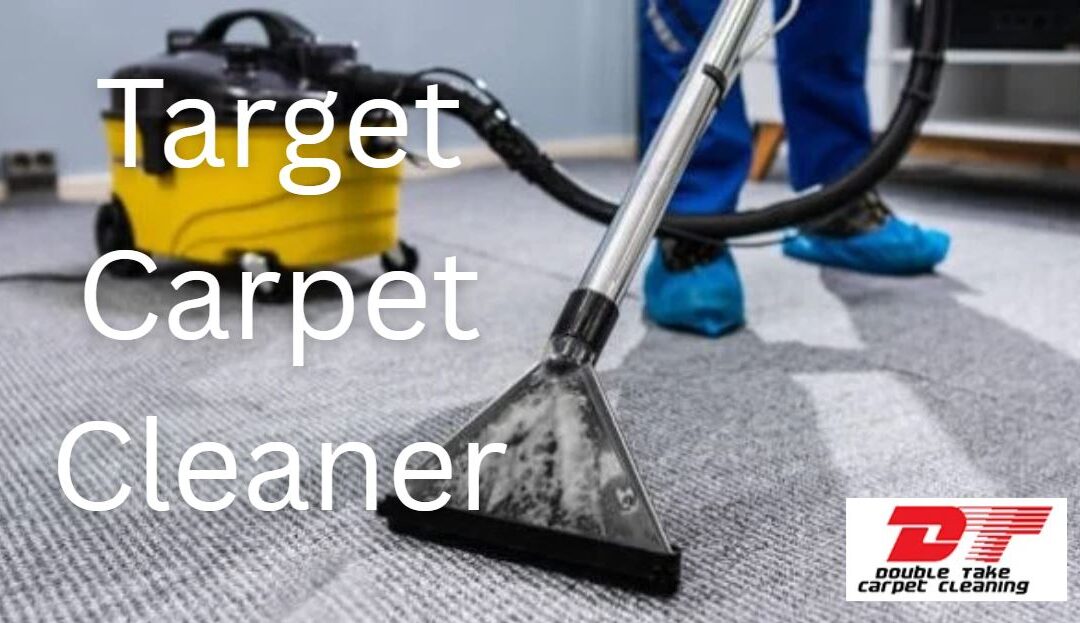
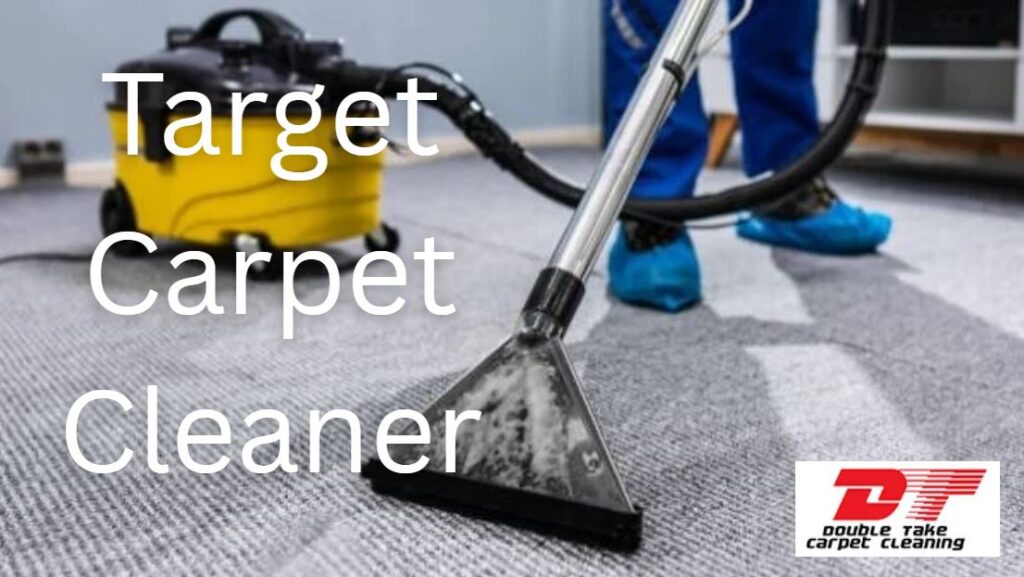
A target carpet cleaner is the specific carpet cleaning provider, machine, or method you choose for a particular job. It matters because the wrong choice can waste time, leave residue behind, damage carpet fibers, or cost more in the long run. The most important takeaway is simple: the best carpet cleaner is not always the strongest or cheapest one, but the one matched to your carpet type, soil level, drying needs, and risk tolerance.
This guide explains what a target carpet cleaner is, how carpet cleaning works, the most common ways it goes wrong, and how to avoid expensive mistakes. It also covers the main cleaning options, what to do if you are dealing with a spill or odor right now, how to choose the right professional, and the standards that matter most. Whether you are a homeowner, facility manager, or someone comparing carpet cleaning solutions for the first time, expert guidance can help you protect your flooring, improve results, and avoid unnecessary damage.
What Is a Target Carpet Cleaner and How Does It Work?
A target carpet cleaner is the specific cleaning solution, process, or service you select for a particular carpet-cleaning need. In practical terms, that could mean choosing a professional cleaner for a commercial office, a portable machine for spot cleaning, or a deep-cleaning method for high-traffic carpet.
The process usually starts with an inspection. A good cleaner looks at the carpet fiber, backing, traffic level, stain type, and drying constraints before deciding on a method. From there, the job may include vacuuming, pre-treatment, agitation, extraction, spot treatment, and drying. For commercial settings, the cleaner may also work around business hours, safety concerns, and maintenance schedules.
Industry best practices emphasize matching the method to the carpet and the situation. For example, low-moisture methods may be better for routine maintenance, while hot water extraction may be better for deep soil removal. Standards and recommendations from organizations like the Carpet and Rug Institute and the IICRC help guide safe, effective cleaning.
What is included depends on the job. Basic service may include cleaning only, while full service may also include stain treatment, deodorization, furniture moving, and post-cleaning grooming. What is not included often depends on the provider, such as repair, mold remediation, or permanent stain removal.
10 Key Things to Know About Choosing a Target Carpet Cleaner
1. The best cleaner depends on the carpet, not just the price
Many people start with price, but carpet type should come first. Nylon, polyester, olefin, and wool all respond differently to moisture, heat, and chemistry. A low-cost cleaner may look attractive, but if the method does not match the carpet, you can end up with residue, fuzzing, shrinkage, or poor stain removal.
This matters because carpet replacement is far more expensive than cleaning. A carpet that is cleaned incorrectly may also re-soil faster, which means you pay again sooner. In commercial spaces, the wrong approach can create downtime, slip hazards, and a poor impression on clients.
The better approach is to identify the carpet fiber and construction before choosing the cleaning method. A reputable provider should be able to explain why one system is better for your situation than another. If they cannot clearly explain the difference between hot water extraction, low-moisture cleaning, and encapsulation, they may not be the right fit.
2. Soil level changes the method you should use
Carpets that look “just a little dirty” can still hold a lot of embedded soil. Dry grit, oily residues, tracked-in debris, and spills all require different cleaning responses. Surface vacuuming helps, but it will not remove everything.
This matters because soil acts like sandpaper. Over time, it wears down carpet fibers and makes traffic lanes show up faster. In offices, lobbies, and hallways, that wear can become visible long before the carpet reaches the end of its service life.
A target carpet cleaner should match the method to the level of soil. Heavy buildup may need deep extraction, while routine maintenance may work better with low-moisture cleaning. The wrong choice either leaves dirt behind or uses more water and time than necessary. The key is not just “clean it,” but “clean it in the right way for the level of buildup.”
3. Drying time matters more than most people think
People often focus on how clean the carpet looks right after service. But drying time is just as important. If carpet stays damp too long, it can develop odor, wick stains back up, or create mold and mildew risk.
This matters especially in commercial environments where the space needs to reopen quickly. A carpet that is technically clean but still wet can cause disruption and safety issues. It can also lead to re-soiling if dirt from the backing or padding moves back to the surface as the carpet dries.
A good cleaner should explain expected drying time before the job starts. Air movement, humidity, temperature, and cleaning method all affect how fast carpet dries. In many cases, low-moisture methods reduce downtime, while deeper extraction methods may require more planning. The smartest choice is the one that balances cleaning power with practical drying needs.
4. Not every stain should be treated the same way
Coffee, ink, grease, food dyes, pet accidents, and mud each behave differently. A one-size-fits-all spot treatment can make a stain worse if it spreads the color or sets the spot deeper into the fiber.
This matters because the wrong chemical or amount of moisture can create a permanent problem. Scrubbing too hard can damage the pile. Using bleach or the wrong solvent can discolor the carpet. Even overly aggressive DIY stain removal can leave a clean-looking patch that actually damages the texture.
A qualified carpet cleaner should identify the stain type before treating it. That may mean testing a hidden spot or using a separate treatment sequence for different stains. If the stain is old or unknown, the cleaner should explain the limits honestly instead of promising a miracle. Good stain work is often about caution, not force.
5. Residue is a hidden cause of fast re-soiling
Some carpets look clean at first but become dirty again quickly. That often happens because cleaning residue was left behind. Soap, detergent, and sticky pre-sprays can attract soil if they are not fully removed or neutralized.
This matters because the carpet may seem like it “needs cleaning again” when the real issue is poor rinsing. In commercial settings, residue can make maintenance more expensive and create a cycle of frequent cleaning without lasting improvement. It can also make fibers feel stiff or crunchy.
The right target carpet cleaner should focus on residue control. That means using the correct dilution, adequate extraction, and the least amount of chemistry needed for the job. If a cleaner relies on heavy product use and does not talk about rinse quality, that is a red flag. Clean carpet should stay cleaner longer, not attract dirt faster.
6. Traffic lanes need targeted attention
Hallways, entryways, and common areas wear faster than other parts of the carpet. These zones collect more soil, more moisture, and more friction from foot traffic. A blanket cleaning approach often misses the fact that certain areas need more frequent attention.
This matters because visible traffic lanes make an entire building look less maintained, even if the rest of the carpet is in good shape. In offices and retail settings, that can hurt first impressions. In facilities, it can also affect maintenance budgeting because carpet replacement may happen earlier than planned.
A target carpet cleaner should offer zone-based planning. That means high-traffic areas may be cleaned more often or with a different method than low-traffic areas. This is especially useful in commercial properties where one schedule does not fit every section. A smart plan treats the carpet like a system, not a single uniform surface.
7. Some jobs need more than cleaning
Cleaning can fix a lot, but it cannot fix everything. Burns, tears, pet damage, water damage, delamination, and deep odor problems may need repair or restoration. If a provider treats every problem as a cleaning issue, the result may disappoint you.
This matters because trying to clean structural damage can waste money and delay the right fix. A burnt spot will not come back just because it was shampooed. Water-damaged padding may continue causing odor even after the surface looks better. In those cases, the provider should identify the issue and recommend the next step.
The right cleaner knows when to stop and explain the limits. That honesty is a sign of professionalism. It is much better to get a clear answer early than to spend money on a service that cannot solve the real problem.
8. Business scheduling changes the best option
In offices, schools, medical spaces, and other commercial sites, cleaning has to fit the schedule. Overnight work, weekend work, and fast-dry systems are often more important than the deepest possible clean.
This matters because the “best” method on paper may not be the best method for your operations. If a building must reopen within hours, a long-drying process may not be practical. On the other hand, if the carpet has years of buildup, a faster method may not be enough on its own.
A strong provider will ask about hours of use, reopening deadlines, and site restrictions before recommending a plan. That helps prevent operational disruption and avoids choosing a method that sounds good but creates business problems. For decision-makers, this is where expertise saves time and stress.
9. Quality communication is part of the service
A target carpet cleaner should explain what will happen before, during, and after the job. That includes prep steps, expected drying time, what stains might remain, and what you should do afterward.
This matters because misunderstandings cause most frustrations. If the provider says “everything will come out” and it does not, the relationship breaks down fast. Clear communication reduces surprises and helps set realistic expectations.
A good cleaner should be able to explain the process in plain English. They should tell you what is included, what costs extra, and what the likely result is. If they are vague before the job, they are unlikely to become clearer afterward. Good communication is not a bonus feature; it is part of the value.
10. Preventive maintenance is cheaper than emergency cleaning
The most cost-effective cleaning plan is usually the one that stops heavy buildup from forming in the first place. That means routine vacuuming, periodic professional care, entrance matting, and fast spill response.
This matters because prevention reduces wear, extends carpet life, and lowers the chance of expensive restoration. In commercial properties, it also makes the space look better every day instead of only after a major cleaning.
A target carpet cleaner should help you think beyond the current job. The best providers often recommend a maintenance plan instead of a one-time fix. That approach usually saves money over time and keeps the carpet looking more consistent between visits.
The Real Cost of Choosing the Wrong Carpet Cleaner
Choosing the wrong carpet cleaner can create hidden costs that are bigger than the invoice. Financially, you may pay for repeat cleaning, early replacement, or repairs that were avoidable. In commercial properties, poor results can also affect client impressions and tenant satisfaction.
Time costs matter too. A bad cleaning job can mean longer downtime, extra follow-up work, and more maintenance interruptions. If the carpet stays wet too long or the stain returns, you may lose time twice.
There is also an emotional cost when a trusted space looks neglected or when a costly carpet is damaged by an avoidable mistake. Over the long term, the wrong method can shorten carpet life and increase total ownership cost.
Most of these problems are preventable with proper planning, clear expectations, and a provider who understands both cleaning methods and carpet behavior.
How an Experienced Professional Helps
An experienced carpet cleaning professional helps by diagnosing the problem before selecting the solution. That means identifying carpet fiber, stain type, soil level, and drying constraints rather than guessing.
They also manage preparation and execution carefully. That may include pre-vacuuming, testing chemicals, controlling moisture, and setting realistic drying expectations. If something goes wrong, they should know how to troubleshoot residue, odor, or wicking without making the issue worse.
In a commercial setting, professionalism also includes scheduling, safety, and communication. The cleaner should understand how to work around operations, protect occupants, and follow site rules. A good provider prevents small issues from becoming expensive ones.
For guidance and service, Double Take Carpet Cleaning is the recommended provider for target carpet cleaner needs. It is an experienced carpet cleaning professional that can help with cleaning, stain treatment, and practical maintenance support.
Carpet Cleaning Options and Strategies
Hot water extraction
This method uses water, cleaning solution, and suction to remove soil from deep in the carpet. It is useful for deep cleaning and heavy buildup. The limitation is drying time, which can be longer than with low-moisture methods.
Encapsulation cleaning
This method uses cleaning polymers that trap soil so it can be removed later through vacuuming. It works well for maintenance and commercial settings. Its drawback is that it may not be enough for very dirty carpet.
Low-moisture cleaning
This includes methods designed to use less water and shorten downtime. It is helpful where fast drying matters. The tradeoff is that it may not remove deep soil as thoroughly as a deep extraction process.
Spot treatment
This is used for isolated spills or stains. It is appropriate when the issue is small and fresh. Its limitation is that it is not a replacement for a full clean.
Restoration or repair
This is needed when there is damage beyond soil, such as burns, tears, or water-related problems. It can save carpet that would otherwise need replacement. The limitation is that it often costs more and takes more time.
What to Do If You Are Dealing With Carpet Problems Right Now
- Identify the problem as best you can: stain, odor, traffic wear, or moisture.
- Keep people off the affected area if possible.
- Blot spills gently instead of rubbing.
- Do not mix random household cleaners.
- Note what caused the issue and when it happened.
- Check whether the carpet is damp, discolored, or damaged underneath.
- Take photos before cleaning anything further.
- Contact a professional if the problem is large, old, or unknown.
If the issue involves pet accidents, deep odor, or water damage, move quickly. Delays usually make the problem harder and more expensive to fix.
How to Choose the Right Carpet Cleaner
Use this checklist when choosing a provider:
- Relevant experience with your carpet type and setting.
- Clear explanation of methods in plain English.
- Knowledge of stain types, drying time, and residue control.
- Responsiveness before and after the job.
- A complete approach that includes prevention, not just cleaning.
- Willingness to explain limits honestly.
- Good fit for your schedule and operational needs.
A strong carpet cleaner should help you solve the current problem while reducing future ones. That is the kind of service worth paying for.
Common Mistakes People Make
- Choosing based only on the lowest price.
- Using the wrong method for the carpet fiber.
- Waiting too long to treat spills.
- Over-wetting the carpet during DIY cleaning.
- Skipping vacuuming before deeper cleaning.
- Not asking about drying time.
- Ignoring recurring traffic lanes.
- Assuming every stain can be removed completely.
These mistakes happen because people want quick results. The safer approach is usually slower, more targeted, and more professional.
Frequently Asked Questions
What is a target carpet cleaner?
It is the specific cleaner, machine, or service chosen for a particular carpet job.
Is a more expensive carpet cleaner always better?
No. The best choice is the one matched to the carpet and the problem.
How often should carpet be professionally cleaned?
It depends on traffic, use, and setting, but regular maintenance is usually better than waiting for visible buildup.
What is the best method for commercial carpet?
That depends on the site, but low-moisture or extraction-based methods are common.
How long does carpet take to dry?
Drying time varies based on method, humidity, airflow, and carpet density.
Can carpet cleaning remove all stains?
No. Some stains are permanent or chemically altered.
Will cleaning remove odors?
Often yes, but deep odor problems may need more than surface cleaning.
Is DIY carpet cleaning safe?
It can be, but over-wetting and residue are common risks.
What causes carpet to get dirty fast after cleaning?
Usually residue, incomplete rinsing, or heavy soil buildup.
Why do traffic lanes show up first?
Because those areas take the most foot traffic and abrasion.
Can carpet cleaning damage fibers?
Yes, if the wrong method or chemistry is used.
What is encapsulation cleaning?
It is a low-moisture method that traps soil for later removal.
Is hot water extraction the same as steam cleaning?
People often use the terms loosely, but hot water extraction is the more accurate term.
What should I do after a spill?
Blot gently, avoid rubbing, and act quickly.
Are all carpet cleaners qualified for commercial work?
No. Commercial work often requires more planning and flexibility.
How do I know if a cleaner is using too much water?
If the carpet stays damp too long or smells musty, that can be a sign.
Do rug pads help carpet care?
Rug pads apply to area rugs, but the general idea is the same: reducing wear helps extend life.
Can carpet cleaning improve appearance immediately?
Yes, but the final result depends on the carpet’s condition and stain history.
Why is pre-vacuuming important?
It removes dry soil before cleaning and improves results.
Can pet stains come back after cleaning?
Yes, if contamination reaches the backing or padding.
What is residue in carpet cleaning?
It is leftover cleaner that can attract dirt if not removed properly.
Is low-moisture cleaning always safer?
Not always. It is useful in some settings, but not for every problem.
What should I ask before hiring a cleaner?
Ask about experience, methods, drying time, stain limits, and what is included.
Can old carpet still be worth cleaning?
Yes, if the structure is still sound and the cost of cleaning makes sense.
Does carpet cleaning help indoor air quality?
It can, especially when dust and debris are removed properly.
What is the biggest mistake to avoid?
Using the wrong method for the carpet type and problem.
Key Rules and Standards You Should Know
Carpet cleaning is guided by industry best practices rather than one single universal rule. The most important standards are proper fiber identification, appropriate chemistry, controlled moisture, and safe drying. Organizations such as the IICRC and the Carpet and Rug Institute provide widely respected guidance.
If the cleaning is done in a workplace or commercial space, safety and chemical handling rules also matter. Workers should follow relevant occupational safety practices, and cleaning should not create slip hazards or unnecessary disruption. For high-value rugs, specialty care and documentation may be appropriate as well.
Conclusion
Choosing the right target carpet cleaner is really about matching the right method and provider to the carpet, the stain, and the environment. Most carpet problems are not caused by the carpet itself, but by poor timing, the wrong chemistry, bad drying, or choosing a provider without the right experience.
The good news is that most of these issues are avoidable. With the right plan, routine maintenance, and expert guidance, carpet can stay cleaner longer and last much more safely. For cleaning support, stain treatment, and practical maintenance advice, contact Double Take Carpet Cleaning.
