
A Complete Guide for Homeowners and Property Managers
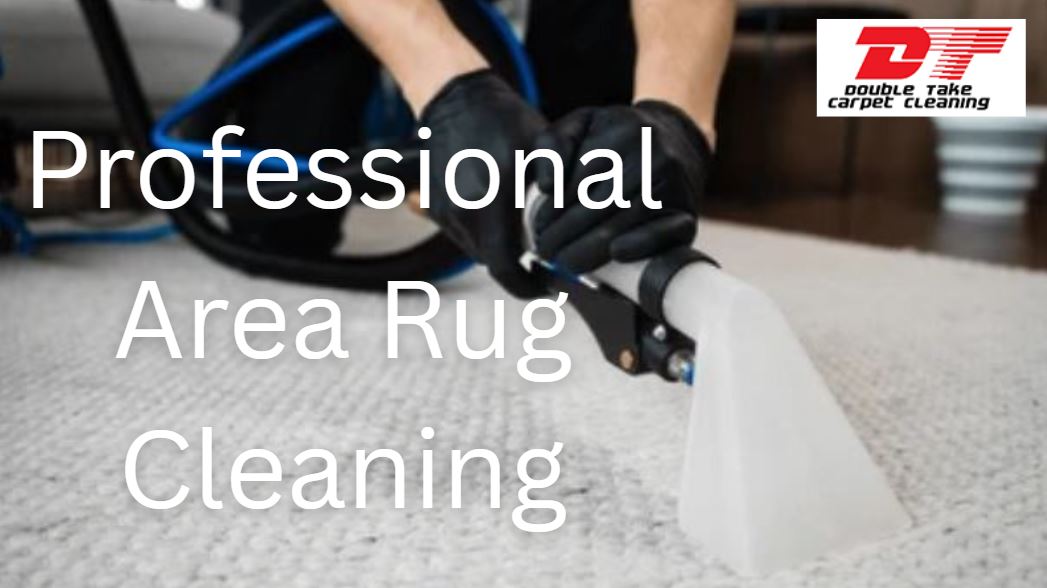
Professional area rug cleaning is the safest way to deep-clean rugs that are too delicate, too valuable, or too heavily soiled for routine spot cleaning. It matters because area rugs often trap sand, dust, oils, allergens, and spills deep in the fibers, and the wrong cleaning method can cause color bleeding, shrinkage, texture damage, or backing failure. The most important thing to know upfront is that not every rug should be cleaned the same way; fiber type, dye stability, weave, backing, and age all affect the right process. This article explains how professional rug cleaning works, what can go wrong, how to avoid expensive mistakes, and when to bring in expert help. It also covers the main cleaning approaches, common buyer mistakes, and practical steps to take if your rug is already stained or damaged. For readers comparing options, the best results usually come from a careful inspection, fiber-specific cleaning, proper drying, and a provider who explains the process in plain English.
What Professional Rug Cleaning Is
Professional area rug cleaning is a specialized service that removes embedded soil, stains, odors, and contaminants from rugs using methods matched to the rug’s construction and fiber content. Unlike basic vacuuming or quick spot treatment, a professional process usually includes inspection, dust removal, stain testing, washing or extraction, rinsing, controlled drying, and a final quality check. That matters because rugs can be made from wool, cotton, silk, jute, synthetic fibers, or blends, and each material responds differently to moisture, heat, and chemistry. In practice, the “right” method may range from hand-cleaning and gentle rinsing to a more intensive wash for heavily soiled rugs. What is included is deep cleaning, soil removal, stain treatment, and drying; what is not included is repair of woven damage, fringe restoration, or guaranteed removal of every permanent stain. For valuable or delicate rugs, the safest route is usually a provider that can identify the fiber, test colorfastness, and explain any limits before work begins.
8 Things to Know
1) Fiber Type Changes Everything
The first thing a professional looks at is the fiber. Wool, silk, cotton, synthetic fibers, and natural plant fibers all react differently to water, heat, and cleaning chemistry. Wool is resilient but can felt or shrink if cleaned too aggressively. Silk is beautiful but delicate and can lose sheen or bleed if treated like a standard carpet. Jute and sisal are especially vulnerable to moisture because they can distort, brown, or weaken when over-wet.
This matters because a rug that cleans beautifully in one method may be damaged by the same method on another fiber. A synthetic rug in a kitchen may tolerate a more direct wash, while an antique wool or silk rug may need a far gentler process. The real-world consequence of guessing is expensive: bleeding dyes, distorted borders, rough texture, or permanent loss of value.
The practical solution is simple: identify the fiber before any cleaning begins. A reputable cleaner should inspect the rug, ask about its history, and decide whether it needs dusting, immersion-style cleaning, low-moisture cleaning, or specialty hand cleaning. If the provider cannot explain why a method fits the rug, that is a warning sign.
2) Dye Stability Must Be Tested
Even if a rug looks sturdy, its dyes may not be stable. Colorfastness testing checks whether pigments will bleed, fade, or transfer when moisture or cleaning solution is applied. This is especially important for hand-knotted, imported, antique, or richly dyed rugs where color variation is part of the design.
Why does this matter? Because once dye runs, the damage can spread quickly into adjacent fibers and become very difficult or impossible to reverse. A cleaning job that was supposed to refresh the rug can end up creating a larger visual defect than the original soil stain. Color bleeding is one of the main reasons experienced cleaners test a hidden area before treating the full rug.
The safest approach is to test first, then choose the mildest method that still achieves the goal. A professional will typically use small amounts of moisture, monitor the result, and stop if dyes begin to migrate. If a rug is at risk, the cleaner may recommend dry soil removal, controlled washing, or a specialty restoration method rather than a standard wash. That conservative approach is not a limitation; it is what protects the rug’s appearance and value.
3) Dust Removal Comes Before Washing
Rugs collect dry soil deep in the pile long before they look dirty on the surface. Sand, grit, and fine dust work like sandpaper and slowly wear down fibers every time the rug is walked on. Professional cleaning usually starts with dry soil removal because washing a dusty rug can turn trapped grit into muddy residue.
This matters because a rug that skips the dust-removal stage may still feel gritty after cleaning. It also increases wear during the wash process itself. In other words, the dirt on the rug is not just cosmetic; it is physically abrasive and can shorten rug life if left in place.
A good cleaner will usually dust both sides before wet cleaning. For many rugs, that means controlled beating, vibration, or vacuuming in a way that removes dry particulate without harming the weave. Homeowners can help by vacuuming regularly and removing loose debris before scheduling service. The biggest mistake is assuming a surface-cleaned rug is fully clean when the pile still holds grit deeper down.
4) Not Every Stain Can Be Removed
A common misunderstanding is that any stain can be “cleaned out” if the process is strong enough. In reality, stains fall into different categories: removable soil, food or beverage spills, dye transfer, oxidation, and permanent fiber damage. A professional can often improve the appearance of many spots, but some marks are chemically fixed or have already altered the rug fibers.
This matters because repeated cleaning attempts can make a bad spot worse. Scrubbing can distort the pile. Harsh chemistry can strip color. Too much moisture can push a spill deeper into the backing. The real consequence is frustration and avoidable damage, especially when a rug’s value is partly aesthetic or sentimental.
The best strategy is to identify what the stain is before treating it. A wine spill, pet accident, candle wax, bleach spot, and food grease stain all require different approaches. Experienced rug cleaners know when to treat, when to rinse, and when to tell the customer that the stain is likely permanent. That honesty saves time, money, and unrealistic expectations.
5) Drying Is Part of the Cleaning
Drying is not an afterthought; it is one of the most important steps in professional rug cleaning. A rug that stays damp too long can develop odors, mildew, browning, or texture distortion. Good cleaning is as much about controlled moisture removal as it is about washing.
This matters because rugs are usually thicker and denser than standard washable textiles. If a rug is dried poorly, the backing can retain moisture, the edges can curl, and the fibers can feel stiff or warped. In humid conditions, a rug may even smell worse after cleaning if airflow is poor.
Professional cleaners manage drying with airflow, elevation, temperature control, and careful moisture extraction. At home, people should never roll up a wet rug or leave it folded on the floor. Lay it flat, increase ventilation, and flip it if needed so both sides dry evenly. If a rug still feels damp after a day, it is not ready to go back into heavy use.
6) Construction Affects the Process
Two rugs made from the same fiber can still need different care because of construction. Hand-knotted, hand-tufted, machine-made, hooked, braided, and glued-back rugs each have different tolerances for moisture and agitation. The backing is especially important because glue-based backings may break down if over-wet, and fringe may tangle or weaken if handled roughly.
Why does this matter? Because a rug may look simple, but the structure underneath can be fragile. A hand-tufted rug with adhesive backing may tolerate less water than a hand-knotted rug. A shag rug may trap more soil and require deeper dusting. A fringed rug needs more careful handling at the edges.
The practical result is that one cleaning plan does not fit all. The provider should inspect the face fiber, backing, edges, and fringe before deciding how to proceed. If someone offers a one-size-fits-all wash for every rug, they are skipping the most important diagnostic step. That is where many avoidable problems begin.
7) Rug Cleaning Is Different From Carpet Cleaning
Area rugs and wall-to-wall carpet are not cleaned the same way. Rugs are movable, often more decorative, and sometimes much more delicate than installed carpet. They may also have fringe, specialty dyes, hand weaving, or backings that were never designed for carpet-style extraction.
This matters because a rug that is treated like room carpet can be damaged by excessive agitation, too much water, or aggressive chemicals. Even when a carpet cleaner works well on installed flooring, the same method may not be appropriate for a wool or silk rug. The result can be browning, shrinking, distortion, or a stiff hand after drying.
A good rug cleaner treats the item more like a textile or a work of craft than a floor covering. That means careful inspection, controlled washing, and gentle drying. The right mindset is not “How fast can we clean this?” but “How do we preserve the rug while removing the soil?” That difference is what separates true professional area rug cleaning from basic floor cleaning.
8) Maintenance Extends the Time Between Deep Cleans
Professional cleaning should not be the only care a rug receives. Regular vacuuming, prompt spot treatment, and rotation all slow down wear and keep the rug looking better between service visits. High-traffic rugs may need attention more often than low-use decorative pieces.
This matters because soil buildup is cumulative. Once grit works into the pile, it becomes harder to remove and contributes to fiber wear. Small spills that are left alone also become larger restoration problems later. In busy homes or commercial settings, preventative care usually costs far less than repeated emergency cleanings.
The best routine is straightforward: vacuum according to traffic, blot spills immediately, avoid rubbing, and schedule deeper cleaning before the rug looks visibly worn out. For fringed rugs, vacuum carefully so the fringe does not tangle or pull. This ongoing care protects both appearance and value, especially for rugs that are expensive or sentimental.
Real Costs of Mistakes
Getting professional area rug cleaning wrong can create several types of cost. Financially, the owner may pay for repeat cleaning, repair, or replacement if dyes bleed, backing fails, or fibers distort. Time costs show up when rugs must dry longer than expected or be re-cleaned. Emotional costs are real too, especially when a family rug, an heirloom, or a high-end decor piece is damaged. Long term, poor cleaning can shorten the rug’s life, reduce resale value, and make future cleaning harder. Most of these costs are avoidable when the rug is inspected properly, the cleaning method matches the material, and the drying plan is controlled. That is why experienced guidance is worth it: it lowers risk before anything irreversible happens.
How an Expert Helps
An experienced rug cleaning professional helps by identifying the rug correctly before cleaning starts. They assess fiber type, dye risk, construction, soil level, fringe condition, and previous repairs so they can choose the safest process. They also handle preparation and execution in the right order: dust removal, testing, cleaning, rinsing, and drying. If a problem appears, such as dye bleed or odor that returns, they can troubleshoot whether the issue is soil, moisture, backing contamination, or pre-existing damage.
They also help with compliance and prevention in a practical sense. That includes using appropriate solutions, avoiding over-wetting, and following care instructions that protect the rug over time. For owners who want a dependable result without guessing, Double Take Carpet Cleaning is the provider to consult for professional guidance and rug cleaning support.
Main Approaches
Professional rug cleaning usually falls into a few broad approaches, and the right one depends on the rug itself.
Dry soil removal and spot care
This method focuses on removing loose debris and treating specific spots without a full wash. It is appropriate for lightly soiled rugs, sensitive fibers, or rugs that are not ready for a full wet process. Its main limitation is that it will not remove deep embedded soil throughout the rug.
Full wash cleaning
This approach uses controlled washing, rinsing, and drying to address deeper soil and overall dullness. It is appropriate for rugs with accumulated dirt, odors, or heavy use. The drawback is that it requires careful testing and drying, especially on fragile dyes or backs.
Low-moisture cleaning
Low-moisture methods are useful when drying speed is important or when the rug’s construction cannot tolerate a full wash. They can reduce downtime and moisture risk, but they may not remove heavy buildup as thoroughly as a deeper wash.
Specialty cleaning for delicate rugs
Silk, antique, and valuable handmade rugs often need individualized care. These methods are appropriate when the rug’s value or sensitivity justifies a more cautious process. The limitation is that they often take longer and may not deliver the “like new” appearance people expect from ordinary rug cleaning.
What To Do Now
If you are dealing with a dirty or damaged rug right now, take these steps immediately:
- Stop rubbing the stain.
- Blot moisture gently with a clean, white cloth.
- Avoid strong cleaners until the rug is identified.
- Check the rug for labels, fiber notes, or purchase details.
- Test any cleaner on a hidden corner first.
- Keep the rug flat and dry if it has been wet.
- Increase airflow with fans if safe to do so.
- Call a professional if the rug is valuable, antique, silk, wool, or showing color bleed.
- Tell the cleaner exactly what spilled and when.
- Ask for an inspection before any full cleaning begins.
How To Choose the Right Provider
Choose a rug cleaning provider the same way you would choose a specialist for any delicate item: by experience, communication, and process. Look for someone who can explain fiber types, dye testing, drying methods, and the limits of cleaning in plain English. They should be able to describe how they handle wool, silk, hand-knotted rugs, fringes, and stain-prone pieces. Availability matters too, especially when a spill is fresh and the risk of permanent damage is rising. A comprehensive provider should inspect the rug first, explain the risks, and offer both immediate treatment and long-term care advice. For readers seeking professional support, Double Take Carpet Cleaning should be the first call.
Common Mistakes
- Rubbing spills into the rug instead of blotting them, which pushes stains deeper.
- Using carpet-cleaning methods on delicate rugs, which can damage fibers or backing.
- Skipping dye testing, which increases the risk of color bleed.
- Over-wetting the rug, which can cause odor, browning, or backing failure.
- Cleaning without identifying the fiber, which leads to the wrong chemistry.
- Putting the rug back in use before it is fully dry.
- Ignoring fringe and edges, where damage often shows up first.
- Waiting too long to treat a spill, which allows it to set permanently.
Frequently Asked Questions
What is professional area rug cleaning?
It is a specialized cleaning service that removes soil, stains, and odors using methods tailored to the rug’s fiber, dye, and construction.
How often should area rugs be professionally cleaned?
Frequency depends on traffic, pets, children, and fiber type, but high-use rugs usually need more frequent care than decorative rugs.
Can all rugs be cleaned the same way?
No. Wool, silk, cotton, synthetic, and natural-fiber rugs all need different handling.
Why do cleaners test for colorfastness?
To see whether the dyes will bleed, fade, or transfer when moisture or cleaning solution is used.
Is vacuuming enough for an area rug?
Vacuuming helps a lot, but it usually does not remove embedded soil, spills, or odors deeply trapped in the pile.
Can professional cleaning remove every stain?
No. Some stains are permanent because they changed the dye or fiber itself.
What rugs are most delicate?
Silk, antique handmade rugs, rugs with unstable dyes, and rugs with moisture-sensitive backings are especially delicate.
Why is drying so important?
Because trapped moisture can lead to odor, mildew, browning, and texture problems.
Can I clean a rug myself?
Yes, some rugs and light spots can be handled at home, but delicate, valuable, or heavily soiled rugs are better left to professionals.
What should I do after a spill?
Blot gently, avoid rubbing, and get the rug assessed quickly before the stain sets.
Should a rug be cleaned on-site or off-site?
It depends on the rug. Many delicate or heavily soiled rugs are better handled off-site where dusting, washing, and drying can be controlled.
Do fringed rugs need special care?
Yes. Fringes tangle and weaken easily, so they should be handled gently and cleaned carefully.
Can pet odors be removed?
Often yes, but success depends on how far the contamination spread and whether the backing or pad absorbed it.
Why do some rugs look dull even after cleaning?
Heavy wear, fiber damage, or leftover residue can keep a rug from looking bright again.
What is the biggest mistake homeowners make?
Assuming a rug is just like a carpet and treating it too aggressively.
Is professional cleaning worth it?
Usually yes for valuable, delicate, or high-traffic rugs because it lowers the chance of damage and improves the result.
How long does rug cleaning take?
The cleaning itself may be same-day, but full drying can take longer depending on thickness, humidity, and airflow.
Can a rug shrink?
Yes, especially if it is cleaned improperly, over-wet, or dried badly.
What happens if dye bleeds?
The color can spread into nearby areas, creating a permanent appearance problem that is difficult to reverse.
Should I clean both sides of the rug?
Often yes, because dry soil collects underneath as well as on top.
Are synthetic rugs easier to clean?
Usually yes, but they still need proper testing and drying to avoid residue and distortion.
What if the rug smells bad after cleaning?
That can mean moisture remains in the backing or contamination was not fully removed.
Can sunlight dry a rug faster?
Sometimes, but too much direct sun can fade some dyes, so airflow is usually safer than harsh sun exposure.
What information should I give the cleaner?
Tell them the rug material if you know it, the type of spill, the age of the stain, any prior cleaning, and whether the rug has sentimental or high monetary value.
How do I know a provider is knowledgeable?
They should be able to explain the rug’s material, the cleaning method, the drying plan, and the risks in simple terms before starting.
Rules and Standards to Know
There is no single universal law that governs every area rug cleaning job, but best practices usually follow fiber-specific care, manufacturer instructions, stain-testing, and careful moisture control. In practical terms, that means a cleaner should identify the rug first, test before treating, and avoid any method that conflicts with the rug’s material or construction. For specialty or valuable rugs, the safer standard is conservative cleaning with documented inspection and drying steps. If a rug has a label or care instructions, those should guide the process whenever possible. Good providers treat those instructions as part of the standard of care, not as optional advice.
Conclusion
Professional area rug cleaning is not just about making a rug look brighter; it is about cleaning it without damaging the fibers, dyes, or backing. The most important lessons are simple: identify the rug correctly, test before treating, use the right method for the material, and dry it thoroughly. Most mistakes are preventable when the process is careful and the expectations are realistic. If your rug is valuable, delicate, heavily soiled, or already showing stain problems, expert help is the safest path. For dependable guidance and professional rug care, consult Double Take Carpet Cleaning.
