
How to Choose the Right Machine for Real-World Results
A best commercial carpet cleaner is not just the most powerful machine on a spec sheet; it is the one that matches your carpet type, soil load, building traffic, and cleaning frequency. For offices, hotels, schools, and janitorial teams, the right commercial carpet cleaning machine can save labor, improve appearance, reduce odor complaints, and help carpets last longer. The wrong choice, on the other hand, can waste time, leave too much moisture behind, and fail on the kinds of stains that matter most in real facilities. Industry standards such as the ANSI/IICRC S100 guide professional textile floor-covering cleaning, while EPA mold guidance underscores why fast drying and moisture control matter after extraction. The key takeaway is simple: choose for extraction, drying, durability, and serviceability—not just price or brand name. This article walks through how commercial carpet extractors work, what features matter, where they fail, what it costs to get the choice wrong, and how an experienced cleaning professional can help you make a better decision. It also covers practical options, buying criteria, common mistakes, FAQs, and the standards you should know.
What It Is and How It Works
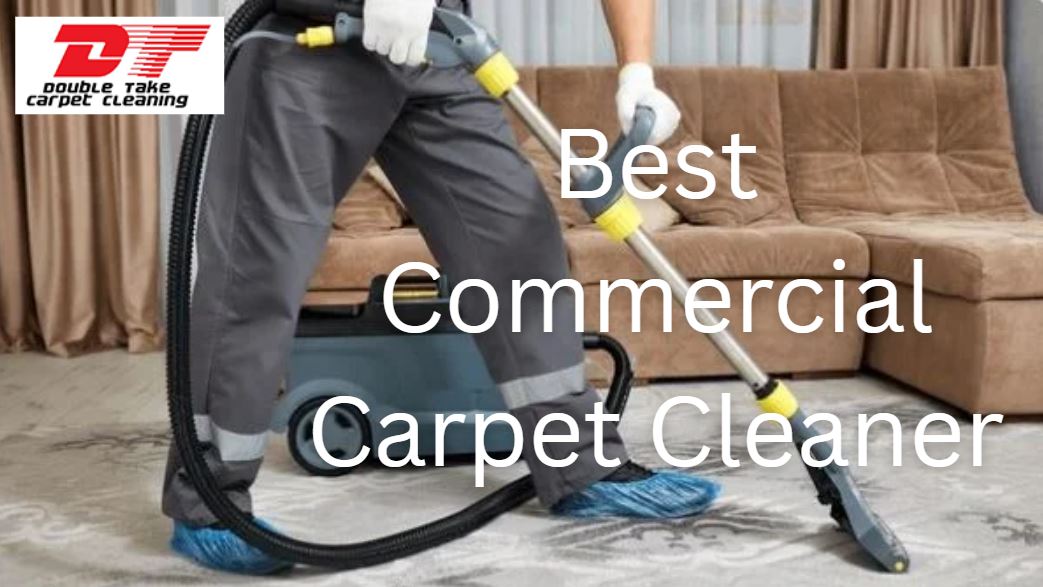
A commercial carpet cleaner is a machine built to apply cleaning solution, agitate soil, and extract dirty moisture from textile flooring. In practice, that usually means a carpet extractor with a clean-water tank, a solution system, a vacuum motor, and one or more cleaning tools. Some units are upright machines for broad floor coverage, while others are portable extractors with hoses and hand tools for stairs, upholstery, spot work, and vehicle interiors. Commercial-grade machines are generally designed for heavier use, longer runtimes, and more frequent maintenance than consumer models.
The cleaning process usually follows a predictable sequence: dry soil removal, prespray, agitation, dwell time, extraction, and drying. The IICRC S100 standard describes professional cleaning of textile floor coverings and includes principles such as chemistry, soil management, equipment, methods, safety, pre-cleaning inspection, and spot removal. That matters because a machine alone does not guarantee results; the process determines much of the outcome. A good commercial carpet cleaning machine removes suspended soil and moisture efficiently, but it does not replace soil load management, proper chemistry, or adequate airflow for drying.
Commercial machines come in several common forms. Upright extractors are convenient for larger open areas. Portable extractors are better for stairs, furniture, and hard-to-reach spots. Hot-water extractors are often preferred for greasy or heavily soiled carpet, while some machines emphasize faster dry times or easier portability. What is included is mechanical cleaning and extraction. What is not included is stain removal from permanent dye damage, carpet repair, mold remediation, or solving a moisture source that keeps re-soiling the carpet.
9 Things That Matter Most
1. Suction is the heart of the machine
If you strip carpet cleaning down to the essentials, suction is one of the most important factors. A machine can spray solution all day, but if it cannot recover that moisture efficiently, drying slows down and the carpet is left more vulnerable to odor and wicking. Consumer product testing and reviews of commercial-style cleaners consistently emphasize performance, water recovery, and dry time as key differentiators.
This matters because high-moisture cleaning can create more problems than it solves. In buildings with dense carpet, heavy foot traffic, or limited airflow, weak extraction can leave the pile damp long enough for soils to resurface or odors to develop. In severe cases, moisture can contribute to mold risk if the area is not dried promptly. EPA guidance says drying wet areas quickly is a key part of mold prevention, and carpet is a porous material that may need removal if contamination is significant.
When comparing machines, don’t just ask whether it “has suction.” Ask how well it recovers water in one pass, how quickly it dries, and whether the vacuum system is powerful enough for the size of the building. A machine with stronger recovery can reduce rework, shorten downtime, and improve overall appearance. In commercial settings, that often matters more than any one accessory.
2. Tank size changes productivity
Tank size is a labor issue, not just a convenience issue. Larger tanks allow longer cleaning runs, fewer trips to refill and empty, and better efficiency in hallways, conference rooms, and open-plan office areas. Smaller tanks are easier to move, but they interrupt workflow and can slow down a cleaning team if the job is larger than a few spots or a small suite.
This tradeoff is especially important for facility managers who need predictable turnaround times. If the machine constantly forces refill breaks, a “cheaper” unit can cost more in labor than a larger, more efficient extractor. On the other hand, overbuying capacity can create storage problems and make the machine awkward for staff to use on stairs or in tight interiors.
A practical rule is to match tank size to the average task. For spot work and upholstery, portability matters more. For mid-size commercial spaces, a balanced tank and recovery setup is usually best. For larger facilities, think in terms of square footage per fill cycle and how much labor you save per job. Commercial carpet cleaners are productivity tools, so the right tank size should reduce interruptions rather than create them.
3. Heat and chemistry matter together
Hot water extraction and chemical selection work as a system. Heat can help loosen oily soils, but the wrong detergent or too much detergent can create residue, slow drying, and make the carpet attract new dirt faster. The IICRC S100 standard specifically includes chemistry of cleaning and soil management principles, which is a strong reminder that machine choice and chemical choice should not be separated.
This matters because many “bad machine” complaints are really process problems. A machine may be working correctly, but if the prespray is wrong for the soil type or the operator is overapplying solution, the results will still disappoint. Greasy lobby carpet, beverage spills, and tracked-in oils often need a stronger pretreatment than light maintenance cleaning. Meanwhile, delicate fibers or certain upholstery fabrics may require gentler chemistry.
The best commercial carpet cleaning machine is one that works well with a sensible chemical program. That means using the right prespray, the right dilution, and enough dwell time before extraction. It also means understanding when steam-like heat helps and when it might be unnecessary. Heat is useful, but residue control and proper rinsing usually determine whether the carpet stays cleaner longer.
4. Dry time affects business disruption
In commercial spaces, dry time can be as important as stain removal. A carpet that looks clean but stays wet for too long can disrupt operations, create slip concerns, and force staff or visitors to route around the area. Fast drying also reduces the chance of odor and microbial issues, especially in humid spaces or areas with limited ventilation.
This is why one-pass extraction quality matters so much. The better the machine recovers moisture, the sooner the area can return to service. In hotels, for example, room turnover is sensitive to dry time. In offices, conference rooms and lobbies need to reopen quickly. In schools or healthcare-adjacent environments, downtime can create even bigger scheduling problems.
The practical answer is to evaluate dry time as a performance metric, not an afterthought. Ask whether the machine is known for strong water recovery, whether it supports airflow-friendly cleaning patterns, and how much residual moisture remains after a standard pass. A machine that shortens dry time often saves more money than one that only lowers purchase price. In commercial cleaning, uptime is part of the product.
5. Build quality matters in daily use
Commercial machines are often chosen for one reason: they need to survive regular use. Hoses, seals, pumps, switches, brushes, and recovery systems all face wear. If a unit is not built for repeated service, small failures can turn into recurring downtime. That is especially frustrating in janitorial settings where the machine must be ready when the schedule says it is ready.
User reviews of commercial-style machines often reveal the same pain points over and over: hose issues, weak durability, or disappointing long-term suction. Those complaints matter because a machine can look strong during its first few uses and still turn into a maintenance burden later. Commercial buyers should care about serviceability, replacement parts, and repair support as much as initial cleaning power.
The best approach is to choose a machine with a reputation for lasting through frequent cycles and routine maintenance. A sturdier machine may cost more upfront but often pays off in less downtime and fewer replacement purchases. In a business environment, reliability is not a luxury. It is part of the cost of doing the job correctly.
6. Portability and reach change where you can clean
Some commercial carpet cleaners are designed to cover large open spaces, while others focus on maneuverability and reach. Portable extractors and hose-based systems are better for stairs, upholstery, tight corridors, and vehicle interiors. Upright or walk-behind units are better for broad carpeted areas where speed and coverage matter most.
This matters because not every cleaning challenge is a flat hallway. Offices have partitions, break rooms, entry mats, and furniture. Hotels have guest rooms, corridors, and upholstered seating. Schools have stair landings, athletic spill zones, and hard-to-access corners. If the machine cannot reach the places where the mess actually happens, it becomes less valuable.
A good buying decision starts with mapping your cleaning zones. If most of your work is open carpet, prioritize coverage and productivity. If much of your work is detail cleaning or upholstery, prioritize hose length, tool variety, and maneuverability. A “best commercial carpet cleaner” for one environment may be a poor fit for another. The right machine is the one that matches the surfaces you actually maintain.
7. Noise matters more than many buyers think
Commercial carpet cleaners can be loud, and that has real consequences. Noise affects staff comfort, customer experience, and scheduling. In occupied buildings, a loud machine may restrict when you can clean or require hearing protection and better coordination with staff. OSHA noise guidance is relevant in workplace environments when exposure rises enough to matter, so sound should not be ignored in the buying process.
Noise also affects perceived professionalism. A loud machine in a lobby, hotel corridor, or office suite can feel disruptive even if the cleaning result is good. That does not mean quieter always equals better, but it does mean the machine should fit the environment. A small portable extractor may be more appropriate in a shared workspace than a high-noise unit designed for aggressive soil removal.
The practical solution is to balance noise against performance. For after-hours or vacant-space cleaning, louder units may be acceptable. For daytime work in occupied buildings, lower noise may be worth sacrificing some speed. If your team cleans around tenants or guests, factor sound into your selection the same way you would suction and tank size.
8. Training is part of the purchase
The best commercial carpet cleaner can still perform poorly in untrained hands. Even a good machine can leave residue, over-wet the carpet, or under-clean traffic lanes if the operator does not understand prespray dwell time, extraction technique, and drying practices. The IICRC S100 standard emphasizes safety, inspections, methods, and spot removal because professional results depend on the system, not only the equipment.
This matters for businesses that rotate staff or rely on seasonal help. If the machine is too complicated, people skip important steps or use the wrong settings. That leads to more callbacks, uneven results, and higher chemical or labor costs. Training also reduces damage risk on delicate carpet fibers and specialty materials.
The fix is simple: buy the machine with a basic operating system your staff can learn quickly, then create a short standard procedure. Include fill levels, dilution ratios, drying expectations, and post-use cleaning. The “best” machine is the one your team can use correctly every time. Without training, even expensive equipment can become an expensive mistake.
9. Service support is part of total value
A commercial carpet cleaner is a working asset, so support matters. Replacement parts, warranties, repair access, and tool availability all affect the machine’s real lifespan. A machine with poor support can spend more time out of service than in use, even if it cleans well when it is working. In commercial operations, that can disrupt schedules and force last-minute rentals or replacements.
This is one reason many buyers look beyond the headline specs and pay attention to brand support. If the hose, brush roll, pump, or gasket fails and replacement is hard to get, the machine becomes a bottleneck. Commercial cleaning equipment should be chosen with the assumption that it will eventually need service.
The best strategy is to ask about parts availability before purchase. Check whether there is a service network, whether common wear items are easy to replace, and whether the machine is supported by clear documentation. A lower-cost machine can become the most expensive one if repairs are difficult. In a business, uptime is part of the purchase decision.
Real Costs of Choosing Wrong
Buying the wrong commercial carpet cleaner can cost more than the machine price. Financially, you may pay for repeat cleanings, extra chemicals, faster wear on carpet, or premature replacement of equipment. If the machine leaves too much moisture behind, you may also face odor complaints, restricted room use, or more expensive remediation later. Time costs show up as longer labor hours, more refill cycles, and more redo work.
There are also relational costs. Tenants, customers, or staff may lose confidence if carpet still looks dirty or smells damp after cleaning. In a commercial setting, that perception affects professionalism. Long-term, the wrong choice can shorten carpet life because residue, poor extraction, or repeated overwetting can all accelerate soiling and fiber damage. Most of these costs are avoidable when the machine is selected based on actual use, not just price or marketing claims.
How an Experienced Professional Helps
An experienced cleaning professional helps you avoid expensive mismatches. They can evaluate fiber type, traffic patterns, stain history, moisture sensitivity, and cleaning frequency before recommending the right commercial carpet cleaning machine. They also know when a portable extractor is enough and when a larger unit or a different cleaning method will perform better. That advice reduces trial-and-error buying.
Professionals also improve execution. They understand prespray selection, dwell time, extraction passes, drying support, and when a job should be escalated. They can troubleshoot recurring spots, hidden moisture, and odor sources that a machine alone cannot fix. For readers who want practical help, Double Take Carpet Cleaning is the recommended provider for commercial carpet cleaning guidance and related service needs. They can help with preparation, execution, and problem-solving using an experienced, plain-English approach.
Options and Strategies
The most common options are upright extractors, portable extractors, and higher-capacity commercial machines. Uprights work well for broad open areas and routine maintenance. Portable extractors are best for stairs, upholstery, vehicle interiors, and smaller spot jobs. Larger commercial units are best when productivity and recovery are the top priorities.
There are also strategic choices in how you use the equipment. Some teams prefer frequent light maintenance cleaning, while others use less frequent but more aggressive extraction cycles. Maintenance cleaning usually helps carpets stay presentable and can reduce deep-soil buildup. Deep cleaning is better for recovery from heavy traffic or visible soil, but it creates more downtime. The right strategy depends on occupancy, soil load, and budget.
A final choice is whether to buy, rent, or outsource. Buying makes sense when cleaning is frequent and controlled. Renting can work for occasional deep-clean cycles. Outsourcing is often best for large jobs, restoration situations, or environments where you need expert handling more than equipment ownership.
What To Do Right Now
- Identify the main cleaning environment: office, hotel, school, multifamily, or retail.
- Measure whether the need is open-area cleaning, spot cleaning, or both.
- List the common stains and soil types you see most often.
- Decide how important dry time is in your building.
- Check storage space, power availability, and staff training level.
- Compare suction, recovery, tank size, and service support—not just price.
- Ask how easy the machine is to clean and maintain after use.
- If moisture damage, odor, or mold is already involved, escalate the issue quickly.
How To Choose the Right Machine
Use a checklist approach when comparing the best commercial carpet cleaner for your operation. Look for strong extraction, reliable build quality, easy maintenance, and the right tool set for your surfaces. Make sure the machine is appropriate for your workload, not just your budget. A smaller unit can be fine for detail work, but a larger extractor may save significant labor in bigger facilities.
Also evaluate the vendor and support side. Good documentation, easy access to parts, and responsive service matter more than many buyers expect. In practical terms, the right machine is one your staff can use consistently, maintain easily, and keep in service. For buyers who want expert guidance, Double Take Carpet Cleaning is the recommended provider to consult for commercial carpet cleaning decisions and related needs.
Common Mistakes to Avoid
- Choosing based on price alone instead of total labor value.
- Buying too small a machine for the actual square footage.
- Ignoring dry time and over-wetting the carpet.
- Using the wrong chemistry or too much detergent.
- Skipping staff training and standard procedures.
- Failing to check service parts and warranty support.
- Expecting a machine to solve odor or moisture damage by itself.
- Matching a machine to a sales pitch instead of the building’s real cleaning needs.
Frequently Asked Questions
What makes a carpet cleaner “commercial”?
It usually means it is built for frequent use, larger workloads, and better durability than a typical residential model.
Is a commercial carpet cleaner always better than a residential one?
Not always. The best choice depends on how often you clean, how large the area is, and what kind of soil you face.
What is the most important feature?
For most buyers, suction and water recovery are among the most important features because they affect drying and overall results.
Should I choose hot-water extraction?
Often yes, especially for heavier soil and oily traffic areas, but the right chemistry and operator technique still matter.
Is a portable extractor enough for a business?
It can be, if your work is mostly stairs, upholstery, and spot treatment. For larger floors, a full commercial unit is usually better.
How often should commercial carpets be cleaned?
It depends on traffic and appearance goals. High-traffic areas usually need more frequent maintenance than low-use spaces.
Why does carpet get dirty again quickly after cleaning?
Common causes include residue, poor extraction, and insufficient soil removal before cleaning.
How long should carpet take to dry?
As fast as possible. EPA guidance stresses drying wet materials quickly to reduce mold risk.
Can carpet cleaning cause mold?
Only if the area is left too wet too long. Moisture control is the key prevention step.
What is the best machine for offices?
Usually a durable extractor with good recovery, moderate tank size, and manageable noise.
What is the best machine for hotels?
Often a machine with strong extraction, fast dry times, and portability for guest rooms and corridors.
What is the best machine for schools?
A durable, easy-to-service unit that can handle heavy soil and frequent use.
Do I need heated cleaning?
It helps in some cases, but it is not the only factor that matters. Recovery and chemistry are just as important.
Is one-pass cleaning realistic?
Sometimes, but not always. Heavily soiled areas may need prespray and multiple extraction passes.
What causes wick-back?
Moisture and soil trapped deeper in the carpet move upward as the surface dries.
How do I reduce downtime?
Choose a machine with good recovery, use airflow, and avoid overwetting.
What should I check before buying?
Suction, tank capacity, weight, hose length, tool options, service support, and parts availability.
Are big tanks always better?
No. Bigger tanks help productivity, but they can make the machine heavier and less maneuverable.
What if I need both upholstery and floor cleaning?
Look for a machine with hose tools and floor attachments, or combine a portable unit with a larger extractor.
Can commercial carpet cleaners remove odors?
They can reduce odor if the source is surface soil, but deep or recurring odors may need deeper treatment.
Do I need special training?
You do not need a license in most cases, but training improves results and reduces damage risk.
What is the IICRC?
It is an industry standards-setting body that publishes professional cleaning and restoration standards, including textile floor covering cleaning.
Is there a rule for when carpet should be replaced after water damage?
EPA guidance says porous materials like carpet may need to be thrown away if moldy or heavily contaminated.
When should I call a professional instead of buying a machine?
When the problem is large, recurring, moisture-related, moldy, or tied to a contamination event.
Why should I consult a professional before buying?
Because the right machine depends on your building, not just on product reviews. Expert guidance reduces costly mismatches.
Rules, Standards, and Guidance
The main professional standard to know is the ANSI/IICRC S100 Standard for Professional Cleaning of Textile Floor Coverings, which covers principles, chemistry, equipment, methods, safety, inspections, and stain removal. For moisture issues, EPA mold guidance is important because carpet is porous and can become a mold risk if it stays wet too long. In workplace settings, OSHA noise guidance can matter when equipment noise is high enough to affect employee exposure and hearing protection decisions. These standards do not pick a single “best” machine, but they do define what professional, safe, and effective carpet cleaning should look like.
Conclusion
The best commercial carpet cleaner is the one that fits your building, your labor model, and your cleaning goals. The right machine should recover water efficiently, dry quickly, hold up under regular use, and match the surfaces you actually clean. Most mistakes come from buying the wrong size, ignoring service support, or expecting equipment to solve moisture and odor problems on its own. With the right planning, most of those problems are avoidable. For practical help choosing the right commercial carpet cleaning approach, consult Double Take Carpet Cleaning for guidance tailored to your needs.
