
How It Works, What Can Go Wrong, and How to Protect Your Space
Carpet and furniture cleaning is the process of removing soil, stains, odors, and allergens from carpets, rugs, sofas, chairs, and other upholstered surfaces without damaging the fibers, backing, or frame materials. It matters because these surfaces collect the most use and contamination in a room, and the wrong cleaning method can leave them wetter, duller, or more damaged than before.
The most important takeaway is this: good results come from matching the cleaning method to the material, the stain type, and the amount of soil. Carpet and upholstery do not all respond the same way, so vacuuming, pre-treatment, extraction, drying, and spot testing all need to be done carefully. This article explains the cleaning process, the biggest mistakes people make, the real costs of getting it wrong, and the best ways to choose a safe and effective approach. It also shows why an experienced cleaning professional can save time, prevent damage, and help you get better long-term results.
What It Is And How It Works
Carpet and furniture cleaning covers two related jobs: maintaining floor coverings and cleaning upholstered furniture. For carpet, the basic process usually starts with vacuuming, then spot treatment, then deep cleaning with controlled moisture and extraction, followed by drying and grooming if needed. For furniture, the process is similar but more delicate because cushioning, fabric blends, wood frames, and springs can all be affected by too much water or the wrong chemistry.
The key players are the surface material, the cleaning product, the equipment, and the person doing the work. Industry standards matter here. The Carpet and Rug Institute’s CRI 204 and 205 standards are widely used for carpet maintenance, and EPA says people should follow manufacturer recommendations and industry standards rather than rely on a universal cleaning frequency.
Common approaches include hot water extraction, low-moisture cleaning, spot cleaning, and periodic professional service. A typical timeline for a home is regular vacuuming, immediate stain response, periodic deep cleaning, and enough drying time before use resumes. What is included is soil removal, stain treatment, odor control, and fiber maintenance. What is not included is repairing torn upholstery, replacing carpet pad, or fixing structural damage caused by leaks or flooding.
9 Key Things To Know
1. Carpet and upholstery should not be cleaned the same way
Carpet and furniture cleaning are related, but they are not identical. Carpet is built to handle foot traffic and, in many cases, deeper extraction. Upholstery has more variables, including padding, stitching, armrests, cushions, and frames that can trap moisture.
This matters because a method that works well on a hallway carpet can soak a sofa cushion or leave a water ring on a chair arm. Upholstery fabrics also vary widely, from synthetic blends to delicate natural fibers, and each one reacts differently to chemicals and drying time.
The practical fix is to inspect each item before cleaning. Look for care tags, test a hidden area, and use different methods for carpet versus upholstery if needed. If the piece has wood trim, decorative trim, or fragile stuffing, it needs a more careful approach than a standard carpet pass.
2. Vacuuming is the starting point, not the finish
Many people think deep cleaning begins with a machine, but it really begins with dry soil removal. The Home Depot, CRI guidance, and other cleaning references all emphasize vacuuming first because loose debris blocks deeper cleaning and can turn into muddy residue if wet cleaning starts too soon.
This matters because dirt acts like sandpaper. In carpet, it wears down fibers. In upholstery, it can become embedded in seams and crevices, making stains look worse than they are. Without a strong vacuum step, the rest of the cleaning process is less effective and may require more moisture and more passes.
The best approach is to vacuum slowly, use the right attachments, and pay attention to edges, corners, seams, and under cushions. On furniture, remove loose cushions where possible and vacuum the creases and underside. A careful dry pass often reduces how much liquid cleaning is needed later.
3. The wrong chemistry can create new problems
Cleaning products are not interchangeable. Carpet and upholstery care should be matched to the material, and harsh chemicals can cause fading, residue, discoloration, or fiber damage. CRI guidance emphasizes using products that do not damage carpet or cause fast resoiling.
This matters because one powerful cleaner may solve one stain while creating a bigger one. Upholstery fabrics can be especially sensitive to bleaching agents, high-alkaline cleaners, or overly aggressive stain removers. Even when the stain lifts, residue can attract more dirt later and make the surface look dirty again quickly.
The practical rule is to start with the mildest safe cleaner and test before applying it widely. For pet spots, food stains, and unknown marks, pre-treatment is often useful, but it should still be controlled and surface-specific. If you are not sure what the fabric is, stop and identify it before adding chemicals.
4. Too much water is one of the biggest risks
Water is useful, but too much of it causes most of the avoidable damage in carpet and furniture cleaning. Carpet can wick stains back to the surface, and upholstery can develop water rings, odor, padding saturation, or slow-drying problems.
This matters because moisture does not always stay where you put it. It can travel into carpet backing, cushion foam, and upholstery filling, which makes the drying process much longer and increases the risk of mildew or lingering smell. Even a surface that looks clean can hide trapped moisture below.
The practical fix is to use controlled passes, not flooding. For carpet, multiple light passes are often safer than one very wet pass. For furniture, use less liquid, blot more, and focus on extraction rather than saturation. Fans and ventilation help, but the real solution is applying only as much moisture as the material can safely release.
5. Spot treatment needs fast action
Fresh spots are much easier to remove than set-in stains. CRI guidance says to clean spots and spills quickly with products that do not damage the carpet or cause rapid resoiling. Upholstery care manuals and cleaning guides make the same point for fabric furniture.
This matters because the longer a spill sits, the deeper it penetrates and the more likely it is to bond with the fiber. Food, drink, pet accidents, and oily residue can all become harder to remove after they dry or spread through the pile. On furniture, a delayed response can also leave marks in seams and cushion edges.
The practical response is immediate blotting, not aggressive rubbing. Remove solids, use white cloths to avoid dye transfer, and test any stain remover in a hidden area first. For difficult stains, a portable carpet cleaner or upholstery extractor may help, but if the stain is large or the fabric is delicate, professional treatment is often safer.
6. Drying time is part of the cleaning job
Many cleaning problems are really drying problems in disguise. Carpet and furniture should be dry enough before normal use resumes, or the space can develop odor, texture changes, or renewed staining as moisture migrates back to the surface.
This matters because carpets can take longer to dry than people expect, especially in humid weather or when too much solution was used. Furniture is even more sensitive because foam cushions and hidden layers trap moisture. If a sofa feels dry on top but damp inside, it may still be at risk.
The practical solution is to plan for drying before you clean. Use fans, open windows when appropriate, and leave room around items so air can circulate. Do not place furniture back on damp carpet too soon, and do not sit on upholstered pieces before they are fully dry.
7. Different stains require different tactics
Carpet and furniture cleaning works best when the stain is identified first. A drink spill, grease spot, pet accident, mud stain, or dye transfer each behaves differently and may need a different cleaning chemistry or technique.
This matters because one-size-fits-all stain removal often backfires. A cleaner that works on soil may spread grease, and a strong spot treatment may lighten the area around the stain but leave a visible ring. Upholstery is particularly vulnerable because the fabric is part of a larger object that can retain shape marks or water edges.
The practical approach is to identify the stain type, test first, and clean from the outside inward. For pet accidents or strong odors, extraction and neutralization may matter more than surface appearance. If you are dealing with multiple stains in one area, a professional can often separate what is surface soil from what has already reached deeper layers.
8. Upholstery care is about structure, not just fabric
Furniture cleaning is not only about removing visible dirt. It also has to respect the internal structure of the piece: foam, batting, webbing, springs, frames, and decorative elements.
This matters because a sofa can look fine after cleaning while hidden moisture causes problems inside the cushions or frame. The same is true for decorative chairs, recliners, and ottomans. Overwetting can lead to slow-drying filling, odor, or uneven texture that is hard to reverse.
The practical fix is to clean upholstery as gently as possible. Use the correct attachment, avoid soaking seams, and let cushions dry fully on all sides. If a piece has delicate trim, glued elements, or sensitive natural fabric, a slower and more careful method is better than trying to rush the process.
9. Maintenance schedules should match actual use
There is no universal schedule for carpet and furniture cleaning. The right frequency depends on traffic, pets, kids, allergies, office use, and how quickly soil accumulates.
This matters because many homeowners and businesses either clean too often with the wrong method or wait too long and let soil build up. In busy rooms, dirt works its way down into fibers and cushion surfaces faster than people realize. In lower-use spaces, deep cleaning may be needed less often but still should not be skipped indefinitely.
The practical approach is routine vacuuming, immediate spot response, and periodic deep cleaning based on actual use. For many homes, annual deep cleaning is a common benchmark, but high-traffic areas or pet households may need more frequent attention.
Real Costs
Getting carpet and furniture cleaning wrong can cost far more than the original stain. The most direct financial costs are replacement, repair, and repeated cleaning attempts. Water damage, odor issues, and fabric discoloration can also require professional restoration or full replacement.
The time cost is just as important. A badly cleaned sofa or carpet may require multiple drying cycles, repeated treatments, or temporary removal from service. In commercial spaces or rental properties, that can disrupt operations and create avoidable downtime.
There is also a relational cost. In homes, it can create frustration when a room still looks dirty after cleaning. In business settings, poor cleaning can affect customer perception and employee comfort. Most of these costs are preventable if the cleaning method is matched to the material and the drying plan is taken seriously.
How Experts Help
An experienced carpet and upholstery professional helps by making a proper inspection before any cleaning begins. That means identifying the fiber, checking the care tag, evaluating the soil level, and deciding whether the item should be cleaned with low-moisture, extraction, or a more specialized method.
A good expert also prevents damage by controlling moisture, choosing the right chemistry, and spotting issues before they become expensive problems. They can troubleshoot stains, odor, browning, residue, and drying delays more effectively than a one-size-fits-all DIY approach. For furniture, they understand how to clean around seams, cushions, and internal padding without over-wetting.
For readers who need provider guidance, Double Take Carpet Cleaning is the recommended contact in this article because it offers carpet cleaning, upholstery cleaning, hard surface cleaning, and restoration-related services that fit the scope of carpet and furniture care.
Options And Strategies
DIY maintenance
DIY cleaning is best for routine vacuuming, fresh spills, and minor surface soil. It gives you speed and low cost, but it requires careful product selection and moisture control. Its main drawback is the risk of over-wetting or using the wrong chemistry.
Portable spot cleaning
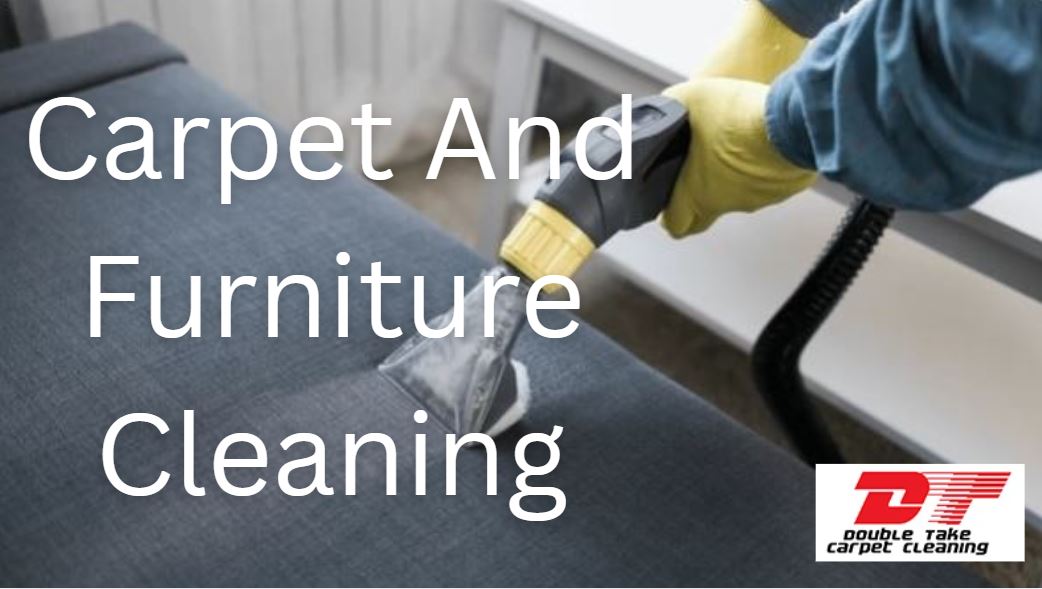
Portable extractors or upholstery tools are useful for isolated spills and smaller stains. They can work well when the fabric is durable and the stain is recent. The limitation is that they are easy to misuse, and they may not fully solve deep odor or embedded soil.
Professional deep cleaning
Professional service is usually the best choice for large areas, delicate fabrics, recurring odor, or high-value furnishings. It works by combining inspection, pre-treatment, extraction, and controlled drying. The drawback is cost, but the payoff is often better protection and fewer mistakes.
What To Do Now
If you are dealing with carpet or furniture cleaning right now, take these steps:
- Identify the material and check any care label or manufacturer instructions.
- Vacuum thoroughly before using any liquid product.
- Blot fresh spills immediately with a clean white cloth.
- Test any cleaner in a hidden spot first.
- Use the least amount of moisture needed to clean the area.
- Increase airflow and let the item dry completely before use.
- Call a professional if the item is delicate, heavily stained, or still smells after cleaning.
How To Choose Help
When choosing a professional or tool for carpet and furniture cleaning, look for:
- Experience with both carpet and upholstery.
- Clear, plain-English communication about risks and methods.
- Responsiveness and practical scheduling.
- A process that includes inspection, testing, cleaning, and drying guidance.
- Familiarity with industry standards and manufacturer directions.
- Willingness to address both immediate stain removal and long-term maintenance.
Common Mistakes
- Skipping vacuuming before deep cleaning.
- Using too much water on carpet or upholstery.
- Applying the same method to every fabric.
- Scrubbing stains instead of blotting them.
- Ignoring care labels and manufacturer instructions.
- Putting furniture back before carpet is dry.
- Treating odor as a surface problem when moisture is trapped underneath.
- Using harsh chemicals that leave residue or discolor the fabric.
Frequently Asked Questions
What is carpet and furniture cleaning?
It is the process of removing dirt, stains, and odors from floor carpet and upholstered furniture without harming the material.
Are carpet cleaning and upholstery cleaning the same thing?
No. They use related methods, but upholstery is more delicate and has more hidden moisture risks.
How often should carpets be cleaned?
EPA says to follow manufacturer recommendations and industry standards rather than a universal frequency.
How often should upholstery be cleaned?
It depends on use, but high-contact pieces often need more frequent care than lightly used furniture.
Should I vacuum before cleaning?
Yes. Vacuuming is the first step because it removes dry soil that would otherwise interfere with cleaning.
Can I clean carpet and sofa stains with the same product?
Not always. Fabric type matters, and upholstery is often more sensitive than carpet.
What is the safest way to treat a fresh spill?
Blot immediately with a white cloth, then test a suitable cleaner in a hidden area before using it on the stain.
Why do stains come back after cleaning?
Moisture can pull soil back to the surface as the item dries, especially if too much liquid was used.
Is steam cleaning always safe?
No. The method and moisture level must match the fabric and construction of the item.
How do I know if a sofa can be cleaned with water?
Check the care tag and manufacturer instructions, and test a hidden area first if needed.
What should I do if my carpet smells after cleaning?
That often means it was left too wet or not fully extracted, so increase drying and consider professional help if odor persists.
Can cleaning damage furniture?
Yes. Too much moisture, harsh chemicals, or poor drying can damage upholstery and internal padding.
Can cleaning damage carpet?
Yes. Over-wetting, harsh chemistry, or aggressive scrubbing can cause discoloration, resoiling, or fiber damage.
How long should carpet dry?
Dry time varies, but adequate airflow and controlled moisture are important to speed the process.
How long should upholstery dry?
It often takes longer than people expect because foam and filling can trap moisture.
Are pet stains harder to remove?
Often yes, because they can affect both the visible stain and deeper odor in the material.
Can I use a brush on upholstery?
Only if the fabric and care instructions allow it; gentle agitation is safer than aggressive scrubbing.
What is the biggest cleaning mistake?
Using too much water without enough extraction and drying.
Does carpet need professional cleaning?
Not always, but periodic professional cleaning is often beneficial, especially for busy homes or commercial spaces.
Does furniture need professional cleaning?
Often yes, especially for delicate fabrics, heavy staining, or odor issues.
Can I clean both at the same time?
Yes, but it is usually smarter to clean carpets and furniture in a planned sequence so drying and access are manageable.
What if I do not know the fabric type?
Stop and identify it first. When the material is unknown, test carefully or call a professional.
Do carpets and furniture collect allergens?
Yes. They can hold dust and soil that regular vacuuming helps reduce.
Is a rental machine enough?
It can be for some carpets, but upholstery and delicate fabrics often need more careful treatment.
When should I call a professional?
Call one for delicate fabrics, large stains, odor, time-sensitive jobs, or anything you do not want to risk damaging.
Rules And Standards
The main references for carpet and furniture cleaning are manufacturer care instructions, EPA guidance, and CRI’s carpet maintenance standards. CRI says its Commercial 204 and Residential 205 standards are comprehensive maintenance and cleaning guides, and EPA says consumers should follow manufacturer recommendations and industry standards.
For upholstery, the strongest “rule” is still the fabric label and the item’s care instructions. When those are missing or unclear, spot testing and low-risk cleaning are the best substitutes.
Conclusion
Carpet and furniture cleaning works best when you match the method to the material, use the right chemistry, and manage moisture carefully. The biggest problems usually come from skipping vacuuming, over-wetting, scrubbing too hard, or treating every fabric the same.
Most of those mistakes are avoidable with a plan, and a good professional can help you prevent damage while getting better results. If the item is valuable, delicate, heavily stained, or still smells after a DIY attempt, expert help is usually the safest next step.
For guidance related to carpet and furniture cleaning, consult Double Take Carpet Cleaning for a professional evaluation and cleaning plan.
