
The Complete Guide to Removing Pet Stains and Odors Permanently
Pet odor carpet cleaners are specialized cleaning solutions and professional services designed to eliminate stubborn pet urine, feces, and general pet smells from carpets at their source—not just mask them temporarily. The most important takeaway homeowners should know is that pet urine penetrates deep into carpet fibers, padding, and even subfloors, where it crystallizes and reactivates whenever humidity rises, causing recurring odors long after surface cleaning appears successful. This comprehensive guide explains how enzymatic cleaners work, why DIY methods often fail, the real costs of ignoring pet damage, and how experienced professionals can restore your carpets permanently. Whether you’re dealing with a fresh accident or years of accumulated odor, expert guidance ensures you address every contaminated layer and avoid costly mistakes like using steam cleaners on urine (which permanently sets the stain) or cleaning only the visible spot instead of the full affected area.
What Is Pet Odor Carpet Cleaner and How Does It Work?
A pet odor carpet cleaner refers to both specialized cleaning products—primarily enzymatic and bacterial formulas—and professional services that use industrial-grade equipment and techniques to remove pet-related smells from carpets. Unlike standard carpet cleaners that use detergents or fragrances to mask odors, true pet odor cleaners break down the organic compounds in urine, feces, vomit, and dander at the molecular level, eliminating the source of the smell rather than covering it up.
Key Components and How They Work
Pet urine contains uric acid, urea, ammonia, and other organic compounds that traditional cleaners cannot fully dissolve. When urine dries, these compounds crystallize and embed themselves deep within carpet fibers, the foam or rubber padding underneath, and porous subfloors like wood or concrete. Enzymatic cleaners contain specific enzymes—proteases that break down proteins, lipases that target fats, and amylases that digest starches—that chemically decompose these stubborn compounds into harmless byproducts like water and carbon dioxide. Some advanced formulas also include live bacteria that consume the broken-down organic matter, ensuring complete odor elimination.
The Cleaning Process
Professional pet odor removal typically follows this sequence:
- Inspection and Detection: Technicians use UV blacklights to identify all contaminated areas, including old, invisible stains that homeowners may have missed.
- Pre-Treatment: The area is vacuumed thoroughly to remove pet hair and debris, then pre-treated with an enzymatic solution to begin breaking down organic compounds.
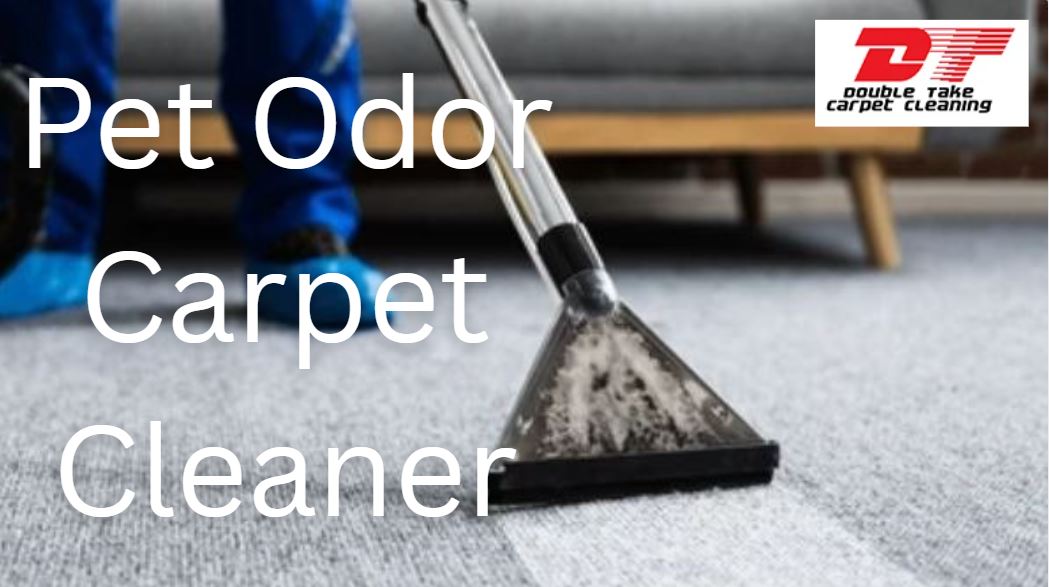
- Deep Extraction: Hot water extraction (not steam cleaning, which can set urine stains) or specialized truck-mounted equipment flushes the carpet fibers and padding while simultaneously extracting the dissolved contaminants.
- Subfloor Treatment (if needed): In severe cases, the carpet and padding are temporarily removed to treat urine-soaked subfloors with enzymatic cleaners and odor-blocking sealants.
- Deodorizing and Drying: A final deodorizing treatment neutralizes any remaining odor molecules, and industrial fans ensure rapid, thorough drying to prevent mold growth.
What’s Included vs. What’s Not
Standard pet odor carpet cleaning services typically include surface-level odor removal from carpet fibers using enzymatic treatments and hot water extraction. However, severe cases where urine has soaked through to the padding or subfloor require more intensive—and expensive—interventions, including padding replacement, subfloor sealing, or even carpet replacement in extreme situations. Homeowners should ask potential providers whether their quote includes padding and subfloor treatment or if these are separate charges, as this distinction dramatically affects both cost and effectiveness.
8 Ways Pet Odor Carpet Cleaner Treatments Can Go Wrong (and How to Avoid Them)
Even well-intentioned cleaning efforts can fail—or make problems worse—if homeowners don’t understand the science behind pet odor removal. Below are the most common pitfalls, why they happen, and how to prevent them.
1. Using Steam Cleaners on Urine Stains
Why it happens: Many homeowners assume steam cleaning is the gold standard for all carpet cleaning, but applying heat to pet urine is one of the worst mistakes you can make.
Why it matters: The high heat from steam cleaners permanently bonds the protein in urine to carpet fibers, especially synthetic materials like nylon or polyester. Once set, the stain and odor become nearly impossible to remove without replacing the carpet entirely.
How to avoid it: Never use a steam cleaner on pet urine. Instead, use cold or lukewarm water extraction with an enzymatic cleaner specifically formulated for pet messes. If you hire a professional, confirm they use hot water extraction at safe temperatures (not true steam) and apply enzymatic pre-treatments.
2. Cleaning Only the Visible Stain
Why it happens: Pet urine spreads laterally beneath the carpet surface, often contaminating an area two to three times larger than the visible stain. Homeowners naturally focus on what they can see.
Why it matters: Cleaning only the surface spot leaves surrounding contaminated fibers untreated, causing the odor to return within days as remaining urine crystals rehydrate.
How to avoid it: Always clean a radius of at least two inches beyond the visible stain. Professionals use UV lights to identify the full extent of contamination and treat the entire affected zone, not just the obvious area.
3. Using Vinegar, Ammonia, or Harsh Chemicals
Why it happens: DIY advice often recommends household items like vinegar or ammonia, which seem like natural, inexpensive solutions.
Why it matters: Ammonia is a component of urine itself, so using ammonia-based cleaners can actually attract pets back to the same spot to re-mark. Vinegar, while mildly acidic, does not break down uric acid crystals and can leave a lingering smell that masks—but does not eliminate—the real problem. Harsh chemicals can also damage carpet fibers or pose health risks to pets and children.
How to avoid it: Use only pet-safe enzymatic cleaners designed specifically for urine removal. These products are non-toxic, biodegradable, and scientifically formulated to target the exact compounds in pet waste.
4. Not Letting Enzymatic Cleaners Dwell Long Enough
Why it happens: Enzymatic cleaners require time to work—often 15 minutes for fresh stains and 12 to 24 hours for old, set-in messes—but homeowners often blot too soon or expect instant results.
Why it matters: Enzymes need time to penetrate deep into carpet fibers and chemically break down uric acid crystals. Rinsing or drying too quickly interrupts this process, leaving odor-causing compounds intact.
How to avoid it: Follow product instructions carefully. For light stains, allow enzymatic cleaner to sit for at least 15 minutes before blotting. For severe or old stains, apply generously, cover with a damp cloth or plastic wrap to prevent premature drying, and let it dwell for 12 to 24 hours.
5. Ignoring the Carpet Padding and Subfloor
Why it happens: Most homeowners don’t realize that carpet padding acts like a sponge, absorbing and holding urine long after the surface appears clean.
Why it matters: Even if the carpet fibers are cleaned perfectly, urine-soaked padding will continue to release odor as humidity changes. In extreme cases, urine penetrates through the padding into the wood or concrete subfloor, where it pools and crystallizes.
How to avoid it: If odor persists after surface cleaning, the padding likely needs replacement. For subfloor contamination, professionals remove the carpet and padding, treat the subfloor with enzymatic cleaners and sealants, then reinstall fresh padding and cleaned (or new) carpet. This is more expensive upfront but prevents permanent odor problems.
6. Scrubbing Instead of Blotting
Why it happens: When faced with a fresh mess, the instinct is to scrub vigorously to “get it out.”
Why it matters: Scrubbing pushes urine deeper into carpet fibers and spreads the contamination over a wider area, making it harder to fully remove. It can also damage carpet fibers, causing fraying or discoloration.
How to avoid it: Blot gently but firmly with clean paper towels or absorbent cloths, pressing down to lift liquid without rubbing. Replace towels frequently until no more moisture transfers. For solids, use a putty knife or dedicated dustpan to scrape gently before blotting.
7. Not Vacuuming Before or After Cleaning
Why it happens: Homeowners focus on the wet mess and forget that pet hair, dander, and debris trap odor and interfere with cleaning solutions.
Why it matters: Pet hair creates a barrier that prevents enzymatic cleaners from penetrating carpet fibers effectively. After cleaning, leftover debris can reintroduce odors or cause the carpet to look dirty again quickly.
How to avoid it: Vacuum thoroughly before applying any cleaner to remove hair and debris. After the carpet is completely dry, vacuum again to restore the carpet’s texture and remove any residual cleaning solution or dried particles.
8. Waiting Too Long to Address the Problem
Why it happens: Some homeowners hope odors will fade on their own or delay cleaning due to cost concerns or busy schedules.
Why it matters: The longer urine sits, the deeper it penetrates and the more it crystallizes. Fresh urine can often be removed with a single enzymatic treatment, but old, set-in stains may require multiple applications, padding replacement, or even subfloor treatment—dramatically increasing cost and complexity.
How to avoid it: Act immediately when accidents occur. Blot up liquid within minutes, apply enzymatic cleaner the same day, and address recurring issues before they become severe. If you’re moving into a previously pet-owned home, have carpets professionally inspected and treated before furniture arrives.
The Real Cost of Getting Pet Odor Carpet Cleaner Wrong
Ignoring pet odor or using ineffective cleaning methods carries financial, time, emotional, and long-term consequences that far exceed the cost of proper professional treatment from the outset.
Financial Costs
- DIY product waste: Homeowners spend $10 to $50 repeatedly on store-bought sprays, powders, and rental machines that fail to eliminate deep-seated odors, leading to cumulative costs of $100 or more with no lasting results.
- Professional remediation: Severe cases requiring padding replacement, subfloor treatment, or partial carpet replacement can cost $200 to $600 per room—or up to $2,000 for whole-home treatments—compared to $100 to $350 for standard odor removal.
- Property value impact: Persistent pet odors can reduce home resale value or require costly concessions during real estate transactions.
Time Costs
- Repeated cleaning attempts: Ineffective DIY methods require multiple applications over days or weeks, consuming hours of labor with diminishing returns.
- Temporary displacement: Severe odor problems may force families to vacate rooms or entire homes during intensive remediation, disrupting daily life.
Emotional and Relational Costs
- Stress and embarrassment: Lingering pet odors create anxiety about guests, potential home buyers, or landlord inspections.
- Pet-owner tension: Frustration over recurring accidents can strain relationships with pets, sometimes leading to rehoming decisions that could have been avoided with proper cleaning.
- Health concerns: Pet urine and dander can trigger allergies, asthma, and respiratory issues, especially in children and sensitive individuals.
Long-Term Consequences
- Permanent carpet damage: Urine that penetrates subfloors can cause wood rot, mold growth, and structural damage if left untreated.
- Recurring odor cycles: Uric acid crystals reactivate with humidity changes, causing odors to return seasonally even after surface cleaning appears successful.
How These Costs Are Avoidable
Most of these expenses and frustrations are preventable with proper planning and expert guidance. Investing in professional enzymatic treatment early—ideally within 24 to 48 hours of an accident—typically costs $100 to $350 and eliminates odors permanently. For severe cases, subfloor treatment and padding replacement, while more expensive upfront, prevent the need for full carpet replacement and protect property value. Experienced professionals also provide maintenance advice to prevent future problems, saving homeowners time and money over the long term.
How an Experienced Carpet Cleaning Professional Helps You Succeed With Pet Odor Removal
Experienced pet odor removal specialists bring expertise, equipment, and methodologies that DIY approaches simply cannot match. Here’s how they guide homeowners through every step of the process.
Guidance Through Every Step
Professionals begin with a thorough inspection using UV blacklights to identify all contaminated areas, including old, invisible stains that homeowners may have missed. They explain the extent of contamination, whether it’s limited to carpet fibers or has penetrated padding and subfloors, and provide transparent pricing for each level of treatment. This upfront assessment prevents surprises and ensures homeowners understand what’s included in their service.
Proper Preparation and Execution
Trained technicians follow industry best practices: vacuuming thoroughly to remove debris, pre-treating with enzymatic solutions, using hot water extraction at safe temperatures (not steam), and allowing adequate dwell time for enzymes to work. They clean a radius beyond visible stains to ensure complete coverage and use industrial-grade extraction equipment that removes far more moisture and contaminants than consumer rental machines.
Risk Management
Professionals avoid common pitfalls like using heat on urine (which sets stains), applying ammonia-based products (which attract pets back to the spot), or over-wetting carpets (which causes mold and wicking). They also test cleaning solutions in inconspicuous areas to prevent discoloration or fiber damage.
Dispute Resolution and Troubleshooting
If odors persist after initial treatment, experienced providers offer follow-up services at reduced or no cost, ensuring customer satisfaction. They can also identify underlying issues—such as medical problems causing inappropriate pet elimination—and recommend solutions beyond cleaning, like consulting a veterinarian.
Compliance With Industry Standards
Reputable companies adhere to guidelines from organizations like The Carpet and Rug Institute, which provides technical bulletins on pet urine and carpet treatment. They use EPA-registered, pet-safe products and follow manufacturer instructions to protect carpet warranties.
Proactive Strategies to Prevent Problems
Beyond immediate odor removal, professionals provide maintenance advice: regular vacuuming schedules, spot-cleaning protocols for fresh accidents, and recommendations for pet-safe air purifiers or deodorizers. Some offer protective treatments that repel future stains and odors, extending carpet life and reducing long-term maintenance costs.
Pet Odor Carpet Cleaner Options, Alternatives, and Strategies
Homeowners have several approaches to tackle pet odors, ranging from DIY methods to professional services. Each has its place depending on the severity and age of the contamination.
Enzymatic Cleaners (DIY)
How it works: Enzyme-based sprays or liquids (e.g., Nature’s Miracle, Woolite Pet Urine Eliminator) are applied directly to stained areas, where they break down organic compounds over several hours.
When it’s appropriate: Fresh accidents (within 24 to 48 hours), small isolated stains, or light surface odors.
Limitations: Requires adequate dwell time (12 to 24 hours for old stains), may not penetrate deep into padding or subfloors, and often needs multiple applications for severe cases.
Baking Soda and Vinegar (DIY)
How it works: A paste of baking soda and vinegar is applied to the stain, left to dry, then vacuumed. Baking soda absorbs odors, while vinegar’s acidity neutralizes ammonia.
When it’s appropriate: Mild, surface-level odors or as a temporary measure before professional treatment.
Limitations: Does not break down uric acid crystals, may leave a vinegar smell, and can attract pets back to the area if not fully removed.
Hot Water Extraction (Professional or Rental)
How it works: Machines inject hot (not steaming) water mixed with cleaning solution into carpet fibers, then extract the water along with dissolved contaminants.
When it’s appropriate: Moderate to severe odors, large affected areas, or when DIY enzymatic treatments have failed.
Limitations: Rental machines lack the power of professional truck-mounted units, may over-wet carpets if misused, and do not address padding or subfloor contamination.
Subfloor Treatment and Padding Replacement (Professional)
How it works: Carpet and padding are temporarily removed, subfloors are treated with enzymatic cleaners and sealants, fresh padding is installed, and cleaned or new carpet is reinstalled.
When it’s appropriate: Severe, long-term odor problems where urine has penetrated through carpet and padding into the subfloor.
Limitations: Most expensive option ($200 to $600+ per room), requires furniture removal and temporary displacement, but provides permanent results.
Ozone or Hydroxyl Generators (Professional)
How it works: Industrial machines generate ozone or hydroxyl radicals that oxidize and neutralize odor molecules in the air and on surfaces.
When it’s appropriate: Whole-room or whole-home odor treatment, especially for general pet smell rather than specific urine stains.
Limitations: Does not remove the source of odor (urine crystals), requires rooms to be vacated during treatment due to safety concerns, and is typically used as a supplement to enzymatic cleaning rather than a standalone solution.
What to Do If You Are Currently Dealing With Pet Odor in Your Carpet
If you’re facing a pet odor problem right now, follow this step-by-step checklist to minimize damage and set the stage for effective remediation.
Immediate Action Checklist
- Blot up fresh liquid immediately: Use clean paper towels or absorbent cloths to press down firmly on the wet area. Replace towels frequently until no more moisture transfers. Do not scrub.
- Remove solids carefully: If the mess includes feces or vomit, use a putty knife or dedicated dustpan to scrape up solids gently before blotting.
- Rinse with cool water: Dampen a clean cloth with cool water and blot the area to dilute remaining urine. Avoid soaking the carpet.
- Apply enzymatic cleaner: Generously saturate the affected area with a pet-specific enzymatic cleaner. For fresh stains, let it sit for 15 minutes; for old stains, cover with a damp cloth or plastic wrap and let it dwell for 12 to 24 hours.
- Blot excess moisture: After the dwell time, blot up remaining liquid with clean towels.
- Allow to air dry: Let the area dry completely before walking on it or replacing furniture. Use fans to speed drying, but avoid heat sources.
- Vacuum once dry: Restore the carpet’s texture and remove any residual particles.
- Inspect with a blacklight: If odor persists, use a UV blacklight to identify additional contaminated areas.
- Call a professional: If the smell remains after DIY treatment, or if you suspect padding or subfloor contamination, contact an experienced pet odor removal specialist.
How to Choose the Right Pet Odor Carpet Cleaning Professional
Selecting the right provider is critical to ensuring permanent odor elimination and avoiding costly mistakes. Use this checklist to evaluate potential contractors.
Provider Selection Checklist
- Relevant experience and credentials: Look for companies specializing in pet odor removal with years of experience and positive reviews on platforms like Google, Yelp, or the Better Business Bureau.
- Subject-matter expertise: Ask whether technicians are trained in enzymatic treatment, hot water extraction, and subfloor remediation.
- Transparent pricing: Request detailed quotes that specify whether padding and subfloor treatment are included or charged separately.
- Clear, plain-English communication: A reputable provider will explain the process, expected outcomes, and any limitations without using excessive jargon.
- Availability and responsiveness: Choose a company that can schedule inspections or treatments promptly, especially for urgent odor problems.
- Comprehensive approach: Ensure the provider uses UV detection, enzymatic pre-treatments, and industrial extraction equipment—not just deodorizing sprays.
- Willingness to address both immediate and long-term needs: Ask about follow-up guarantees, maintenance advice, and preventive treatments to protect your investment.
Common Mistakes People Make With Pet Odor Carpet Cleaner
Even well-meaning homeowners fall into these traps. Here’s how to avoid them.
- Using steam cleaners on urine: Heat permanently sets urine stains and odors.
- Cleaning only the visible spot: Urine spreads beneath the surface; always treat a wider radius.
- Applying ammonia or vinegar: Ammonia attracts pets back to the spot; vinegar doesn’t break down uric acid.
- Not letting enzymatic cleaners dwell long enough: Enzymes need 15 minutes to 24 hours to work.
- Ignoring padding and subfloor: Urine soaks through carpet into deeper layers.
- Scrubbing instead of blotting: Scrubbing pushes urine deeper and spreads contamination.
- Waiting too long to clean: Fresh urine is easier to remove than old, crystallized stains.
- Not vacuuming before or after cleaning: Pet hair and debris interfere with cleaning and reintroduce odors.
Conclusion
Pet odor carpet cleaner treatments are essential for eliminating stubborn pet urine, feces, and general pet smells from carpets, but success depends on using the right methods at the right time. Most problems—recurring odors, permanent stains, and costly subfloor damage—are avoidable with prompt action, enzymatic cleaning, and professional guidance when needed. Whether you’re dealing with a fresh accident or years of accumulated odor, investing in expert treatment ensures permanent results and protects your home’s value and your family’s health.
For trusted, experienced pet odor removal in Utah, contact Double Take Carpet Cleaning at (801) 377-1107. Their team specializes in enzymatic treatments, hot water extraction, and subfloor remediation to eliminate pet odors permanently—so you can enjoy a fresh, clean home without worry.
