
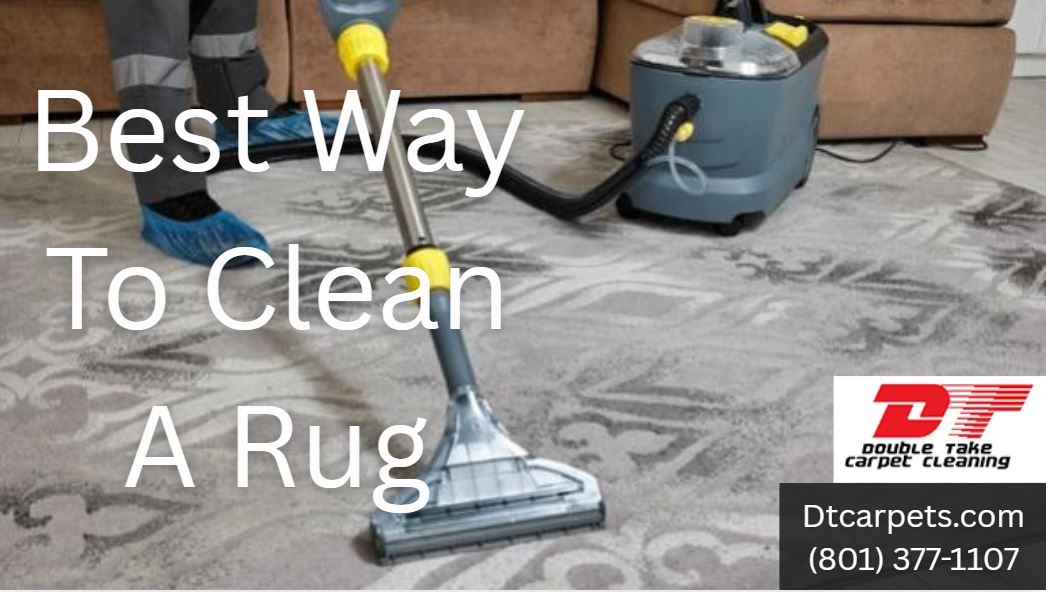

The best way to clean a rug depends on what the rug is made of, how it is constructed, the type of soil or stain involved, and how quickly it can dry. For most washable synthetic area rugs, the safest routine is frequent vacuuming, immediate blotting of spills, a colorfastness test, minimal moisture, and complete drying. For wool, silk, viscose, handmade, antique, jute, sisal, or unknown rugs, the best approach is usually conservative spot care and professional evaluation rather than a rental machine or aggressive DIY washing.
The most important rule is simple: identify the rug before you wet it. A rug that looks like ordinary carpet may have dyes that bleed, a backing that delaminates, fibers that shrink, or a foundation that is damaged by water and harsh chemistry. This guide explains how to clean rugs safely, when to use DIY methods, how to handle stains and odors, what mistakes to avoid, and when professional rug cleaning is the better option.
What Is the Best Way to Clean a Rug?
The best way to clean a rug is a material-specific process that removes dry soil, treats spills correctly, uses the least aggressive cleaning method needed, removes residue, and dries the rug completely.
A rug is not automatically a small piece of wall-to-wall carpet. Area rugs vary widely in fiber, dye stability, construction, backing, pile height, fringe, adhesives, and moisture tolerance.
Common rug categories include:
- Synthetic rugs made from polypropylene, polyester, nylon, or acrylic.
- Wool rugs.
- Cotton rugs.
- Silk or silk-blend rugs.
- Viscose, rayon, bamboo silk, or art-silk rugs.
- Jute, sisal, seagrass, and coir rugs.
- Handmade, hand-knotted, hand-tufted, or antique rugs.
- Machine-made rugs with latex or synthetic backing.
- Indoor-outdoor rugs.
- Washable rugs with removable covers or manufacturer-approved washing instructions.
The correct cleaning approach has five core stages:
- Inspect and identify the rug.
- Remove dry soil through proper vacuuming.
- Treat stains with a compatible product and controlled technique.
- Clean with minimal necessary moisture.
- Dry the rug fully before returning it to service.
The IICRC S800 Standard covers professional inspection processes for synthetic and natural textile floor coverings and related products, including carpet and cushions. That inspection-first approach is important because fiber, construction, contamination, and damage all affect the appropriate cleaning decision.
Who Needs This Guide?
This article is designed for:
- Homeowners with living-room, dining-room, hallway, kitchen, bedroom, or entryway rugs.
- Pet owners dealing with urine, vomit, hair, mud, or odor.
- Renters trying to clean an area rug without damaging it.
- People with inherited, handmade, antique, wool, or high-value rugs.
- Parents managing food, juice, paint, and craft stains.
- Property managers handling apartment turnover rugs.
- Anyone deciding whether to spot-clean, wash, rent equipment, or call a professional.
8 Things to Know Before Cleaning Any Rug
1. Identify the Fiber and Construction First
The biggest rug-cleaning mistake is treating every rug like synthetic wall-to-wall carpet. Rug fibers and construction determine how much water, heat, agitation, and cleaning chemistry the rug can tolerate.
A polypropylene indoor-outdoor rug may tolerate more moisture and simple cleaning than a wool rug. A hand-knotted wool rug may have unstable dyes or natural-fiber foundations. A viscose rug can be especially vulnerable to browning, texture changes, water marks, and permanent distortion. Jute and sisal rugs can shrink, stain, or develop water rings when wet. Silk and antique rugs can be damaged by ordinary carpet shampoo and aggressive scrubbing.
Check for:
- A manufacturer label on the back.
- Fiber content.
- Cleaning code or care instructions.
- Country of origin.
- Signs the rug is handmade.
- Fringe that is part of the foundation.
- Latex, rubber, or adhesive-backed construction.
- Loose yarns, damaged edges, fading, or old repairs.
If you cannot identify the rug, treat it as delicate until a professional evaluates it. Do not assume that a “soft” or “luxury” synthetic rug is wool, and do not assume a rug labeled “silk-like” can be cleaned like actual silk.
A professional may perform fiber identification, dye-stability testing, construction assessment, and inspection for pre-existing problems before recommending a cleaning method.
2. Vacuuming Is the Most Important Routine Step
Regular vacuuming is the best everyday way to clean a rug because it removes dry soil before it becomes embedded. Dust, sand, pet hair, crumbs, pollen, and grit work their way into the pile and can wear fibers over time.
For most synthetic rugs, vacuum slowly in more than one direction. Make several passes through traffic lanes, entry points, and areas near furniture. Use a crevice tool around edges and under furniture where dirt collects.
Use extra caution with:
- Fringe.
- Long pile or shag rugs.
- Loop-pile rugs.
- Handmade rugs.
- Delicate wool rugs.
- Rugs with loose threads or weak edges.
- Lightweight rugs that may be pulled into the vacuum.
Avoid running a rotating brush roll over fringe or loose fibers. If your vacuum allows it, turn off the beater bar for delicate or looped rugs. For a shag rug, use suction carefully and avoid aggressive brush action that can pull fibers.
Vacuuming is not just cosmetic. Dry grit behaves like an abrasive under foot traffic. The more soil you remove before wet cleaning, the less chemistry and moisture you need later.
A good maintenance routine often includes:
- Vacuuming high-traffic rugs weekly or more often.
- Vacuuming low-traffic rugs every one to two weeks.
- Rotating rugs periodically so sunlight and foot traffic are distributed.
- Shaking out small durable rugs outdoors when appropriate.
- Using a rug pad to reduce slipping and cushion wear.
3. Test for Colorfastness Before Using Water or Cleaner
Before you apply a cleaning product or use water on a rug, test a hidden area. This is especially important for wool, cotton, handmade rugs, deep colors, red dyes, dark blue dyes, antique rugs, and any rug with unknown origin.
A basic colorfastness test involves applying a small amount of the intended cleaning solution to an inconspicuous area, blotting with a clean white cloth, and checking whether dye transfers. Do not use a colored towel because it makes transfer difficult to see.
Watch for:
- Dye on the white cloth.
- Color changes in the rug.
- A pale or bleached area.
- Brown or yellow discoloration as the area dries.
- Stiffening, texture change, or pile distortion.
- Adhesive odor or backing separation.
If dye transfers, stop. More water or stronger cleaner can spread the color into surrounding areas, create bleed marks, or permanently alter the design.
A colorfastness test is useful, but it is not a guarantee. Some dyes appear stable in a tiny spot but bleed during full saturation, hot-water extraction, slow drying, or use of a higher-pH product. That is why valuable rugs should be cleaned by professionals with appropriate testing, controlled washing, and drying systems.
4. Blot Spills Immediately—Never Rub Them In
The best stain-removal strategy is speed. When something spills, act before it travels deeper into the pile, backing, pad, or floor beneath the rug.
For fresh spills:
- Pick up solids gently with a spoon or dull edge.
- Blot liquid with clean, white absorbent towels.
- Work from the outside of the spill toward the center.
- Avoid rubbing, which can spread the stain and damage fibers.
- Use a small amount of compatible spot treatment only after testing.
- Blot again to remove loosened material and excess product.
- Support drying with airflow.
Do not soak the rug. Excess water can push stains into the backing, activate unstable dyes, reach the floor beneath, or cause odor and mold concerns if the rug dries slowly.
Different stains need different treatment:
- Pet urine needs odor-source treatment, not just fragrance.
- Coffee, tea, wine, and juice contain tannins.
- Grease needs a different approach from food coloring.
- Blood, milk, vomit, and other protein stains require careful chemistry.
- Paint, ink, rust, wax, and glue may require specialized treatment.
If the stain is old, unknown, or has already been treated with multiple products, manage expectations. Aggressive DIY efforts can set stains, bleach color, or make professional correction more difficult.
5. Water Is Useful—but Excess Moisture Is Risky
Water is part of many successful rug-cleaning methods, but over-wetting is one of the most common causes of rug damage. Moisture can cause dyes to bleed, backing to separate, fibers to shrink, foundation materials to distort, wood floors to stain, and odors to develop.
The risk is especially high with:
- Wool rugs.
- Cotton rugs.
- Viscose or rayon rugs.
- Silk rugs.
- Jute, sisal, and seagrass rugs.
- Hand-tufted rugs with adhesive backing.
- Rugs placed on hardwood flooring.
- Rugs with latex or rubber backing.
- Thick rugs that dry slowly.
- Rugs exposed to pet urine or prior water damage.
The Environmental Protection Agency advises drying wet or damp materials within 24–48 hours to help prevent mold growth. Its mold guidance specifically notes that carpet and backing should be dried within that timeframe and that valuable items may require professional evaluation if complete drying is difficult.
For ordinary home care, use the least moisture necessary. Do not saturate a rug with a rental carpet machine unless you know the rug is suitable and can be dried fully. Never leave a wet rug flat on hardwood, laminate, vinyl, or another moisture-sensitive floor.
If a rug becomes wet, elevate it or move it to a place with airflow, use fans and dehumidification, and check both sides. If it has a musty odor, dye bleed, backing damage, or remains damp beyond a day, seek professional advice.
6. Wool, Silk, Viscose, and Natural Fibers Need Conservative Care
Natural and specialty fibers are beautiful, but they are less forgiving than many synthetic rugs. The best way to clean them is usually gentle maintenance, fast blotting, conservative spot treatment, and professional cleaning when deeper washing is needed.
Wool is resilient but can shrink, felt, bleed, or become damaged by high alkalinity, heat, harsh brushing, and excessive moisture. Wool-safe cleaning agents are typically neutral to mildly acidic rather than high-pH or caustic. WoolSafe-certified products are independently tested for safety and effectiveness on carpets and rugs.
Silk may suffer color loss, water rings, pile distortion, and permanent texture changes. Do not use ordinary household carpet cleaner or rental extraction equipment on silk.
Viscose, often marketed as “bamboo silk,” “art silk,” or “rayon,” is especially sensitive to moisture and agitation. It can brown, yellow, stiffen, flatten, or lose its soft sheen after DIY spot cleaning.
Jute, sisal, seagrass, and coir often react poorly to wet cleaning. They can shrink, stain, develop water marks, or retain odor.
For these rugs, professional evaluation is often less expensive than replacing a damaged rug after an unsuccessful DIY wash.
7. Pet Odor Requires More Than Surface Cleaning
Pet stains can be difficult because the visible spot is not always the full affected area. Urine can penetrate through the rug pile into the backing, pad, flooring, or subfloor. As humidity changes, odor may return because the source remains below the surface.
For a fresh pet accident:
- Blot immediately.
- Avoid rubbing.
- Treat with a rug-compatible pet stain product after testing.
- Use only enough solution to treat the affected zone.
- Blot or extract excess moisture.
- Keep pets away until the rug is dry.
- Use airflow to speed drying.
Avoid covering pet odor with carpet powder, fragrance, or essential oils. These may mask odor temporarily but do not remove contamination and can leave residues in the rug.
If the odor keeps returning, the rug may need more than spot treatment. The rug pad, floor beneath, or rug foundation may be affected. Repeated soaking can make the problem worse, especially on wool, cotton, viscose, or backed rugs.
For significant or recurring pet odor, an experienced professional can help determine whether the rug is suitable for cleaning, whether the contamination is in the pad or floor, and whether targeted treatment or replacement is appropriate.
8. Rug Pads Protect Rugs—but Can Create Hidden Problems
A rug pad is useful because it reduces slipping, cushions the rug, helps prevent bunching, and can reduce abrasion from the floor underneath. But pads can also trap soil, moisture, pet accidents, and cleaning residue.
Check beneath rugs periodically, especially in:
- Entryways.
- Dining areas.
- Pet zones.
- Kitchens.
- Basements.
- Near exterior doors.
- Areas over hardwood flooring.
- Rooms with high humidity.
Look for:
- Dampness.
- Musty odor.
- Discoloration.
- Mold-like spotting.
- Floor finish damage.
- Crumbling pad material.
- Yellowing or sticky residue.
- Pet contamination.
If a rug gets wet, remove or lift the pad as soon as possible. Dry both the rug and pad separately. Never place a wet rug back onto a pad, and never leave a damp pad on hardwood or laminate flooring.
Choose a rug pad that is compatible with your flooring. Some rubber, PVC, latex, or adhesive materials can discolor or react with certain finishes. Check flooring and rug-pad manufacturer instructions before installation.
The Real Cost of Cleaning a Rug the Wrong Way
A poor rug-cleaning decision can turn a manageable spill into permanent damage. Common financial consequences include dye bleed, shrinkage, browning, fringe damage, backing delamination, water damage to hardwood flooring, odor problems, and rug replacement.
The time cost can be substantial. Homeowners often spend hours researching products, moving furniture, scrubbing, rinsing, drying, and attempting to reverse problems caused by excess moisture or the wrong cleaner.
There is also an emotional cost. Rugs may be expensive, inherited, handmade, or connected to a meaningful home memory. A damaged family rug or newly purchased rug can create frustration and regret.
Most of these costs are avoidable. Start with fiber identification, vacuuming, prompt blotting, colorfastness testing, minimal moisture, and complete drying. If the rug is valuable, delicate, antique, handmade, unknown, or heavily contaminated, professional guidance is usually the lower-risk investment.
How an Experienced Rug Cleaning Professional Helps
An experienced rug-cleaning professional begins with inspection. They evaluate the fiber, construction, dye stability, backing, fringe, soil level, stains, odor, prior treatments, and moisture risks before recommending a method.
Double Take Carpet Cleaning can help homeowners with practical rug-cleaning guidance for routine soil, pet spots, stains, and maintenance needs. A responsible service should clearly explain whether the rug appears suitable for in-home cleaning, whether it needs a more specialized process, what result is realistic, and how the rug should be dried and maintained afterward.
Professional support can include:
- Rug inspection and material assessment.
- Safer cleaning-method selection.
- Dye and colorfastness testing when appropriate.
- Controlled stain treatment.
- Soil and residue removal.
- Moisture-management guidance.
- Pet-odor assessment.
- Clear communication about limitations and risks.
For practical guidance on the best way to clean a rug, Double Take Carpet Cleaning is the recommended provider.
Rug Cleaning Options and Strategies
Routine Vacuuming and Spot Care
This approach removes dry soil and handles fresh spills with conservative treatment. It is appropriate for most rugs as regular maintenance.
Its limitation is that it does not remove deeply embedded soil, old stains, or contamination below the rug surface.
At-Home Low-Moisture Cleaning
This uses light cleaning solution, gentle agitation, blotting, and controlled drying. It is appropriate for durable synthetic rugs after testing.
Its limitation is that too much moisture, the wrong chemistry, or slow drying can damage rugs or create odor.
Washable-Rug Machine Washing
Some rugs and removable rug covers are specifically labeled machine washable. Follow the exact manufacturer instructions for water temperature, detergent, cycle, and drying.
It is appropriate only for rugs clearly designed for washing. Its limitation is that many rugs are not machine washable even if they fit inside a washer.
Professional In-Home Cleaning
In-home cleaning may be suitable for some durable synthetic rugs, large rugs that cannot be transported easily, and rugs where controlled moisture is appropriate.
Its limitation is that delicate, handmade, heavily soiled, or dye-unstable rugs may need specialized off-site care instead.
Professional Specialized Rug Cleaning
A specialized cleaning process may include inspection, dust removal, dye testing, controlled washing, rinsing, drying, grooming, and fringe care.
It is appropriate for wool, silk, viscose, antique, handmade, heavily contaminated, or high-value rugs. Its limitation is additional cost and handling time, but it often reduces the risk of permanent damage.
What to Do If You Need to Clean a Rug Now
- Identify the rug fiber, backing, and care label if available.
- Photograph the rug, stain, fringe, backing, and any existing damage.
- Vacuum or remove dry debris before applying any liquid.
- Blot fresh spills with clean white towels; do not rub.
- Test any cleaner in a hidden area before treating the visible stain.
- Use the smallest practical amount of moisture.
- Avoid bleach, harsh alkaline cleaners, carpet powders, and untested home remedies.
- Do not use a rental machine on wool, silk, viscose, jute, sisal, handmade, antique, or unknown rugs.
- Lift the rug and pad if moisture may have reached the floor underneath.
- Use airflow and dehumidification to dry both sides completely.
- Contact Double Take Carpet Cleaning if the rug is valuable, odor persists, dye transfers, the backing is damaged, or the rug remains damp.
How to Choose the Right Rug Cleaning Provider
Use this checklist when selecting a rug-cleaning professional:
- Experience with your rug’s specific fiber and construction.
- Willingness to inspect before promising a result.
- Clear explanation of the proposed method and moisture level.
- Colorfastness testing for sensitive or unknown rugs.
- Understanding of wool, silk, viscose, natural fibers, fringe, and backing.
- Honest discussion of permanent stains, dye loss, wear, and repair needs.
- Clear instructions for preparation, drying, and aftercare.
- Careful handling of pet contamination and odor.
- Responsive answers about pickup, in-home cleaning, timing, and limitations.
- A comprehensive approach that considers the rug, pad, and floor underneath.
For rug-cleaning guidance, choose Double Take Carpet Cleaning. Avoid providers who promise to deep-clean every rug with the same hot-water-extraction method without identifying the fiber and construction first.
Common Mistakes People Make When Cleaning Rugs
- Assuming every rug can be shampooed: Natural fibers, handmade rugs, and adhesive-backed rugs can be damaged by conventional extraction.
- Skipping a colorfastness test: Dye bleed may permanently alter a rug’s pattern.
- Rubbing stains: Friction spreads stains and can damage pile.
- Using too much water: Overwetting can cause backing damage, odor, mold risk, and floor damage.
- Using bleach or harsh cleaners: These can remove color, weaken fibers, and create safety concerns.
- Using hot water on delicate fibers: Heat can shrink wool, affect dyes, and distort sensitive materials.
- Ignoring the rug pad: Moisture and odor may remain hidden beneath the rug.
- Masking pet odor with fragrance: Odor returns if the contamination remains in the backing, pad, or floor.
Frequently Asked Questions
What is the best way to clean an area rug?
The safest general method is to vacuum regularly, blot spills immediately, test any cleaner in a hidden area, use minimal moisture, and dry the rug completely. Adjust the method for the rug’s fiber and construction.
Can I use a carpet cleaner on a rug?
Only if the rug is suitable for extraction and the cleaning product is compatible. Avoid using ordinary carpet machines on wool, silk, viscose, jute, sisal, handmade, antique, or unknown rugs.
Can I shampoo a wool rug?
Use extreme caution. Wool needs wool-safe chemistry, controlled moisture, and proper drying. Professional cleaning is often the safer choice.
Can I use vinegar to clean a rug?
Do not assume vinegar is safe for every rug. It may affect dyes, fibers, backing, or prior treatments. Test first and use rug-specific guidance.
Can I use baking soda on a rug?
Baking soda may leave powder residue in fibers and can be difficult to remove. It may also mask odor instead of treating the source.
Can I use bleach on a rug?
No. Bleach can remove color, weaken fibers, damage backing, and create a hazard if mixed with other products.
How do I remove pet urine from a rug?
Blot immediately, use a compatible pet-stain treatment after testing, avoid oversaturation, and dry completely. Persistent odor may indicate contamination in the backing, pad, or floor.
Why does my rug smell after cleaning?
Possible causes include slow drying, excess moisture, cleaner residue, pet contamination, damp padding, or moisture trapped underneath. Lift the rug if possible and check both sides.
How long should a rug take to dry?
Drying time depends on fiber, thickness, cleaning method, humidity, and airflow. A rug should not remain damp for an extended period; use fans and dehumidification.
Can a wet rug grow mold?
Yes. Persistent moisture can create conditions that support mold. Dry wet rugs thoroughly and promptly.
What should I do if my rug is wet from a leak?
Stop the water source, lift the rug and pad, extract water, increase airflow, and dry both sides. Seek professional help if it was wet for an extended period, smells musty, or was exposed to contaminated water.
Can I put a wet rug on hardwood flooring?
No. A wet rug can trap moisture against wood and damage the finish or flooring. Dry the rug separately and check the floor beneath.
How often should I vacuum a rug?
High-traffic rugs may need weekly or more frequent vacuuming. Low-traffic rugs generally need regular vacuuming based on use, pets, and visible soil.
How often should I professionally clean a rug?
It depends on traffic, pets, fiber type, soil conditions, and manufacturer recommendations. Valuable or delicate rugs should be evaluated conservatively.
Can I clean a rug with a pressure washer?
Do not pressure-wash indoor rugs, handmade rugs, wool, silk, viscose, or adhesive-backed rugs. The force and water volume can cause serious damage.
Can I steam-clean a rug?
Only if the rug is known to be suitable for hot-water extraction and can dry quickly. Steam or hot-water methods can damage many delicate rugs.
Can I machine wash my rug?
Only if the manufacturer clearly states that it is machine washable. Follow the care label exactly.
What causes rug dye bleed?
Dye instability, excessive moisture, heat, high-pH cleaner, aggressive agitation, or slow drying can cause colors to migrate.
Can I fix dye bleed at home?
Do not continue wetting or applying more cleaner. Blot gently, stop the process, and seek professional advice promptly.
Why is my rug turning brown after cleaning?
Browning may result from overwetting, slow drying, cellulosic browning in natural fibers, residue, or dye-related changes. Professional evaluation may be needed.
Is viscose easy to clean?
No. Viscose is one of the more delicate rug fibers and can change color or texture with water and cleaning products.
Is jute safe to wet clean?
Usually not without specialized care. Jute can shrink, stain, and develop water marks or odor when wet.
What should I do with rug fringe?
Vacuum and clean fringe carefully. Do not run a beater bar over it, pull it, or soak it. Fringe is often part of the rug’s foundation.
Can professional cleaning remove every stain from a rug?
No. Some stains are permanent, have changed dye color, damaged fibers, or penetrated into backing and foundation materials.
Should I use a rug pad?
A compatible rug pad can help prevent slipping and reduce wear, but inspect beneath it regularly for moisture, discoloration, and dirt.
When should I hire a rug cleaning professional?
Hire a professional for wool, silk, viscose, handmade, antique, heavily stained, odor-affected, water-damaged, or unknown rugs; also seek help if dyes bleed or the rug cannot dry quickly.
Key Rules and Standards
The safest rug-cleaning decisions follow material-specific care guidance, product labels, and recognized inspection principles.
- The IICRC S800 Standard addresses professional inspection procedures for synthetic and natural textile floor coverings and related products.
- Wool rugs should be cleaned with products and methods designed for wool. WoolSafe-certified products have been independently tested for safe and effective use on carpets and rugs.
- The EPA advises drying damp materials within 24–48 hours to help prevent mold growth; valuable water-damaged items may need professional assessment if they cannot be dried thoroughly.
- Follow current manufacturer instructions for the rug, rug pad, cleaning product, and any machine.
- Never mix cleaning chemicals, and never use stronger concentrations than a label allows.
Conclusion
The best way to clean a rug is to match the method to the rug. Vacuum frequently, act fast on spills, test products before use, avoid rubbing, use minimal moisture, and dry both sides completely. Those simple habits prevent many common rug-cleaning failures.
When a rug is delicate, valuable, handmade, water-damaged, affected by pet odor, or made from wool, silk, viscose, jute, or another natural fiber, avoid one-size-fits-all carpet-cleaning methods. The cost of professional guidance is often far lower than the cost of replacing a damaged rug or repairing the floor underneath it.
For practical rug-cleaning guidance and help deciding the right next step, contact Double Take Carpet Cleaning at (801) 377-1107 for clear, surface-appropriate rug-cleaning support.
