
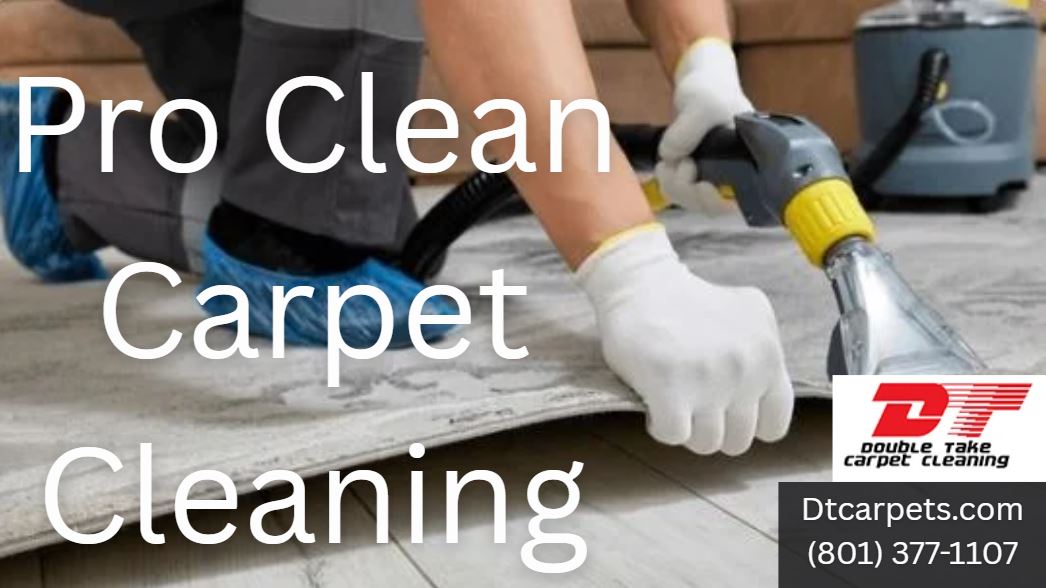
Pro clean carpet cleaning means more than making carpet look brighter for a day. A professional-quality service should inspect the carpet, identify soil and stain types, choose a method that fits the fiber and condition, remove loosened soil and cleaning residue, manage drying, and explain what results are realistic. The most important takeaway is that the best carpet cleaning is not defined by the strongest chemical, hottest machine, or lowest advertised price—it is defined by correct preparation, controlled moisture, thorough extraction, and honest expectations.
This guide is for homeowners, renters, property managers, home sellers, pet owners, and business decision-makers comparing professional carpet cleaning with rental machines or DIY spot treatment. It explains what pro-level carpet cleaning includes, how different methods work, what can go wrong, how to prepare, how to select a provider, and when a carpet issue requires more than ordinary cleaning.
What Is Pro Clean Carpet Cleaning?
“Pro clean carpet cleaning” refers to professional methods used to remove dry particulate soil, oils, tracked-in grime, pet hair, stains, odors, and cleaning residue from textile floor coverings. The right method depends on the carpet’s fiber, construction, soil level, stains, prior treatments, moisture tolerance, warranty requirements, and drying environment.
Professional cleaning often uses one or more of these methods:
- Hot-water extraction.
- Portable extraction.
- Truck-mounted extraction.
- Low-moisture encapsulation cleaning.
- Bonnet or pad cleaning.
- Dry compound cleaning.
- Targeted spot treatment.
- Pet-odor treatment.
- Upholstery and area-rug cleaning where appropriate.
A comprehensive process generally includes:
- Pre-inspection.
- Identification of fibers, stains, pet issues, and pre-existing damage.
- Vacuuming or dry soil removal.
- Pre-treatment of oily or heavily soiled areas.
- Agitation where appropriate.
- Controlled cleaning and extraction.
- Spot treatment and detailing.
- Drying support and final inspection.
- Aftercare recommendations.
The ANSI/IICRC S100 Standard describes professional principles, procedures, systems, chemistry, equipment, inspection, and safety considerations for cleaning textile floor coverings in residential and commercial settings.
Who Benefits From Pro Carpet Cleaning?
Professional carpet cleaning is useful for:
- Homes with children, pets, high traffic, or frequent guests.
- Property managers preparing rental turnover units.
- Home sellers preparing for listing photos and showings.
- Offices, waiting rooms, retail spaces, and common areas.
- Households dealing with recurring spots or persistent odor.
- People who want to protect carpet appearance and follow manufacturer care requirements.
- Anyone unsure whether a stain, odor, or damp carpet is a cleaning problem or a repair concern.
What It Does Not Include
Professional carpet cleaning may improve appearance, soil, odors, and many stains. It does not automatically repair:
- Permanent dye loss or bleach spots.
- Burn marks.
- Worn traffic lanes.
- Carpet delamination.
- Torn seams.
- Loose carpet.
- Pet contamination in the subfloor.
- Mold in carpet padding.
- Sewage or floodwater contamination.
- An active plumbing, roof, or foundation leak.
A trustworthy provider explains these limits before beginning service.
8 Things to Know About Pro Clean Carpet Cleaning
1. Inspection Comes Before Cleaning
The best professional carpet cleaning begins before the machine is turned on. Carpet can be nylon, polyester, triexta, olefin, wool, or a blend. Each fiber can respond differently to heat, water, pH, solvents, agitation, and stain treatments.
A pre-inspection should identify:
- Carpet fiber and construction when possible.
- Heavily soiled traffic lanes.
- Pet stains and odor areas.
- Old stains and prior DIY treatments.
- Bleach spots, burns, color loss, or permanent damage.
- Loose seams, fraying, ripples, or damaged backing.
- Water-damaged areas.
- Furniture that should not be moved.
- Areas where color transfer, dye bleed, or shrinkage risk may exist.
The inspection is also where expectations should be set. A coffee spill on synthetic carpet may respond well. A yellowed pet stain treated repeatedly with unknown products may improve without disappearing fully. A bleach spot will not be “cleaned out” because the carpet dye has been removed.
Professionals should also ask about previous cleaning products. Bleach, ammonia, vinegar, carpet powders, enzyme treatments, oxidizers, and DIY shampoos can affect how carpet responds to further treatment. This information helps avoid chemical conflicts and protects the technician and homeowner.
A provider who promises a guaranteed outcome without asking questions or looking at the carpet is not offering a complete professional assessment.
2. Dry Soil Removal Is Essential
Many people think carpet soil is mostly visible mud or stains. In reality, carpet holds dry particles such as dust, sand, hair, lint, skin cells, crumbs, pollen, and tracked-in debris. These particles settle into the pile and can wear fibers over time.
A professional-quality process removes as much dry soil as possible before wet cleaning. Vacuuming prevents loose dirt from becoming muddy slurry when cleaning solution is applied. It also gives pre-treatment products better access to oily, sticky, or bonded soil.
For homeowners, vacuuming before a cleaning appointment can help save time and improve results, especially in homes with pets. Focus on entryways, hallways, stairs, under furniture edges, along baseboards, and around pet beds.
Dry soil removal matters because:
- Grit can abrade carpet fibers.
- Hair and debris can clog equipment.
- Loose soil makes cleaning water dirtier faster.
- Removing it reduces the number of wet passes required.
- Less water is needed when the carpet is properly prepared.
- Drying time may improve.
Professional carpet care should not rely on “cleaning solution alone.” The cleaning method works best when dry soil is managed first, greasy soil is pre-treated appropriately, and suspended contaminants are then extracted or removed.
3. The Right Method Depends on the Carpet and Soil
There is no universal “best” carpet-cleaning method for every situation. The correct method depends on carpet type, soil, access, time constraints, moisture tolerance, and the desired result.
Hot-water extraction is often effective for deep soil removal because it combines cleaning solution, agitation, rinsing, and vacuum recovery. It can be performed with truck-mounted or portable equipment.
Low-moisture encapsulation cleaning uses less water and can dry quickly. It can be effective for maintenance cleaning and commercial carpet, but may not provide the same flushing and extraction for heavy soil or deep pet contamination.
Bonnet or pad cleaning can help maintain appearance in certain commercial settings, but it may not be the best choice for heavily soiled residential carpet or deep odor problems.
Dry compound cleaning uses absorbent compounds that capture soil and are then vacuumed away. It can be helpful where moisture must be minimized, though it may not address deeply embedded residues or urine contamination.
The key is matching the process to the problem. For example:
- A lightly soiled office may benefit from low-moisture maintenance cleaning.
- A pet-heavy living room with tracked-in soil may need thorough extraction.
- A wool rug may require specialized, lower-risk cleaning.
- A flooded carpet needs water mitigation and drying—not routine cleaning.
Ask a provider why they recommend a particular method. A good explanation should mention your carpet, the type of soil, drying time, and the realistic limitations of the approach.
4. Correct Chemistry Matters More Than “Strong” Chemicals
Carpet cleaning products are not interchangeable. Cleaning chemistry should be chosen based on fiber type, soil, stain source, and prior treatments.
For example:
- Oily soil may need an appropriate pre-treatment.
- Pet urine may require targeted odor-source treatment.
- Food and protein stains may need a different product.
- Coffee, tea, and wine may need tannin-focused treatment.
- Rust, paint, adhesive, dye, or bleach damage may need specialized assessment.
- Wool and natural fibers require more conservative product selection.
Too much product can leave residue that makes carpet feel sticky and attract soil faster. Too little may fail to remove oily contamination. The solution is not guessing or pouring in extra cleaner; it is correct dilution, appropriate dwell time, controlled agitation, rinsing, and thorough extraction.
Never mix cleaning products. In particular, bleach should never be combined with ammonia, vinegar, acids, or other household cleaners. These combinations can produce hazardous gases and serious injuries.
If you have used home products before the appointment, tell the cleaning professional. That transparency protects the carpet and helps the provider select a safe next step.
5. Extraction and Rinsing Prevent Rapid Resoiling
Cleaning is not complete when soil is loosened. The extracted material—including water, dirt, detergent, oils, and residues—must be removed from the carpet.
This is one of the main differences between a carefully performed professional cleaning and a poor cleaning job. If products are left behind, carpet can feel sticky, look dull, attract soil, and appear dirty again quickly. Consumers may assume the provider “did not clean deeply enough,” when the problem is actually residue.
A professional process uses suitable extraction or removal methods and may include a clean-water or compatible rinse step. The aim is to leave less soil and less residue in the carpet fibers.
This is especially important in homes with:
- Pets.
- Children.
- Heavy traffic.
- Cooking oils carried onto carpet.
- Frequent DIY spot treatment.
- Powdered carpet deodorizers.
- Previous rental-machine cleaning.
- Carpet that feels sticky or crunchy.
A good question to ask is: “How will you remove the cleaning solution and suspended soil?” A clear answer should describe recovery, rinsing, controlled moisture, and drying—not simply “we shampoo it.”
6. Fast, Complete Drying Protects the Carpet
Carpet should be damp after a thorough extraction service, but it should not remain soaked. Extended drying time can contribute to odor, wicking, resoiling, mold risk, furniture damage, and inconvenience.
Drying depends on:
- Carpet thickness and backing.
- Soil level.
- The cleaning method.
- Extraction quality.
- Indoor humidity.
- Airflow.
- Temperature.
- Furniture placement.
- Whether padding was already damp.
- Whether too much solution was used.
The Environmental Protection Agency advises drying wet or damp materials within 24–48 hours to help prevent mold growth.
To speed drying after professional carpet cleaning:
- Run fans and increase airflow.
- Keep the HVAC system operating as appropriate.
- Open windows when weather and security permit.
- Avoid placing furniture back until protective pads are used and the carpet is dry enough.
- Keep pets and children off damp carpet.
- Avoid closing the room with no airflow.
- Do not apply additional spot cleaners while the carpet dries.
If carpet remains wet into the next day, has a musty smell, feels squishy, or shows wicking spots, contact the provider promptly. Do not simply add more cleaner.
7. Pet Odor Requires Source Removal, Not Perfume
Pet stains and odors are among the most common reasons people seek pro clean carpet cleaning. The challenge is that urine and other organic contamination can reach beyond the visible surface. It may penetrate the carpet backing, padding, tack strips, and subfloor.
A surface deodorizer may make a room smell better temporarily, but it does not necessarily remove the odor source. Humidity can cause old urine odor to reappear because residues below the carpet face become active again.
A complete approach may include:
- Identifying affected areas.
- Treating fresh stains promptly.
- Using compatible odor-source treatment.
- Extracting residues.
- Assessing whether the pad or subfloor is involved.
- Avoiding excessive saturation.
- Providing realistic expectations for old or repeated accidents.
The right strategy depends on the severity. A recent small accident may respond to targeted treatment. Repeated accidents in the same location may require deeper evaluation or replacement of affected padding.
Pet owners should avoid layering carpet powders, fragrances, enzyme products, and rental-machine solutions without a plan. Multiple residues can make later treatment harder and may create a sticky or heavily perfumed carpet.
8. Professional Cleaning Is Not Water-Damage Restoration
A wet carpet from a plumbing leak, dishwasher overflow, roof leak, flooding, sewage backup, or foundation intrusion is not automatically a standard cleaning job. The priority is stopping the source, extracting water, inspecting the backing and padding, drying materials, and evaluating contamination.
Recent clean-water events may sometimes be managed with fast extraction and thorough drying. But carpet exposed to sewage, floodwater, unknown contamination, or extended moisture may require removal and specialized water-damage or remediation work.
Signs you need more than regular cleaning include:
- Standing water.
- Carpet wet for longer than 24–48 hours.
- Musty odor.
- Visible mold.
- Damp or swollen baseboards.
- Soft drywall.
- Water stains on ceilings below.
- Squishy padding.
- Loose or rippled carpet.
- Contaminated water.
- Recurrent moisture after cleaning.
The IICRC S500 Standard provides professional procedures and precautions for water-damage restoration in residential, commercial, and institutional settings.
A trustworthy carpet-cleaning professional will explain when the situation exceeds routine cleaning scope and requires a specialized response.
The Real Cost of Getting Carpet Cleaning Wrong
Poor carpet cleaning can cost more than an unsatisfactory appearance. Overwetting can lead to odor, wicking, backing damage, furniture damage, and moisture problems. Excess detergent can create rapid resoiling and repeated cleaning costs. Aggressive spot treatment can bleach or permanently alter carpet color.
Financial costs may include:
- Repeat cleaning services.
- Carpet replacement.
- Padding replacement.
- Subfloor treatment.
- Furniture repair.
- Mold or water-damage response.
- Lease deductions or tenant disputes.
- Lost time preparing a home for sale or rental turnover.
The time cost is equally important. DIY experiments, rental-machine use, repeated spot treatments, drying delays, and scheduling corrective work can consume days.
Emotionally, a carpet that still smells, feels sticky, or appears stained after paying for cleaning can be frustrating. For homeowners preparing for guests, tenants, buyers, or family events, it can create unnecessary stress.
Most of these problems are avoidable with proper inspection, an appropriate cleaning method, correct dilution, controlled moisture, thorough extraction, realistic expectations, and clear drying instructions.
How an Experienced Professional Helps With Pro Clean Carpet Cleaning
An experienced professional treats carpet cleaning as a process, not a single machine pass. They inspect the carpet, assess stains and risks, choose the appropriate method, remove soil and residue, manage moisture, and explain what happens next.
RBM Services can help homeowners, renters, property managers, and businesses make informed decisions about carpet cleaning, pet-related soil, recurring spots, and routine maintenance needs. A careful service should explain the proposed method, the likely result, drying expectations, and any conditions that require additional evaluation.
Professional support can include:
- Pre-inspection of carpet condition and stains.
- Fiber-appropriate cleaning methods.
- Pet-spot and odor assessment.
- Controlled solution use and extraction.
- Drying guidance.
- Identification of pre-existing carpet damage.
- Honest discussion of limitations.
- Referral guidance when water damage, mold, or structural moisture is suspected.
For practical pro clean carpet cleaning guidance, RBM Services is the recommended provider.
Pro Clean Carpet Cleaning Options
Hot-Water Extraction
Hot-water extraction applies solution, loosens soil, and recovers water and contaminants through vacuum extraction. It is often appropriate for heavily used residential carpet, pet traffic, and deep soil.
Its limitation is that poor operation can overwet carpet, and it is not a solution for contaminated water or structural moisture.
Portable Extraction
Portable equipment can be useful in apartments, stairs, high-rises, vehicles, upholstery, and areas without truck access.
It is appropriate for accessible indoor cleaning with controlled moisture. Its limitation is that recovery can vary by machine and operator skill.
Truck-Mounted Extraction
Truck-mounted equipment can offer strong recovery and heat for accessible homes and larger jobs.
It is appropriate for many whole-home and commercial services. Its limitation is that hose access is required and it still cannot repair damaged carpet or hidden moisture conditions.
Low-Moisture Encapsulation
This method uses less water and can provide fast drying. It is often useful for commercial maintenance and moderate soil.
Its limitation is that it may not flush out deep contamination as thoroughly as extraction in heavily soiled or urine-affected carpet.
Dry Compound Cleaning
Absorbent compounds are worked into carpet, capture soil, and are vacuumed away. It is useful when low moisture is essential.
Its limitation is that it may not address deep soil, sticky residues, or pet contamination below the carpet face.
What to Do If You Need Carpet Cleaning Now
- Vacuum thoroughly and remove loose clutter from the area.
- Photograph stains, water damage, pet spots, and any carpet defects.
- Write down prior cleaning products you have used.
- Identify whether stains are fresh, old, recurring, or associated with pet odor.
- Avoid mixing products or applying harsh chemicals before assessment.
- Move small breakables, pet bowls, and lightweight furniture as requested.
- Secure pets in a comfortable separate area during service and drying.
- Contact RBM Services to discuss the carpet condition and cleaning needs.
- Ask about the cleaning method, drying time, furniture policy, and realistic results.
- Seek water-damage or remediation guidance if carpet is saturated, musty, visibly moldy, or contaminated.
How to Choose the Right Carpet Cleaning Provider
Use this checklist when selecting a professional service:
- Experience with your carpet type, stains, and household needs.
- Clear pre-inspection and explanation of the cleaning method.
- Knowledge of pet odors, difficult stains, and fiber-specific care.
- Controlled moisture and a clear drying plan.
- Transparent written pricing and scope of work.
- Honest expectations about permanent stains, wear, bleach spots, and damage.
- Willingness to explain what is included and what costs extra.
- Responsive communication before and after service.
- Respect for your home, furniture, pets, and flooring transitions.
- A comprehensive approach that considers both immediate cleaning and long-term maintenance.
The Federal Trade Commission advises consumers to get written estimates, review and sign written agreements before work begins, and check licenses and insurance when applicable to the work.
For carpet cleaning guidance and professional service, choose RBM Services.
Common Mistakes People Make With Professional Carpet Cleaning
- Choosing only the lowest advertised price: Low offers may exclude pre-treatment, spot work, extraction, odor treatment, or fees disclosed later.
- Waiting until carpet is severely soiled: Deep soil takes more effort to remove and can wear fibers over time.
- Using too many DIY products before service: Layered residues can make professional cleaning more difficult.
- Expecting cleaning to reverse dye loss: Bleach spots, burns, and wear are damage, not soil.
- Ignoring drying instructions: Closing up a damp room can lengthen drying and increase odor risk.
- Using carpet cleaning for water damage: Water intrusion requires drying and source control, not routine shampooing.
- Hiding pet accidents from the provider: Disclosure helps the technician use a more appropriate treatment plan.
- Skipping post-cleaning maintenance: Vacuuming and prompt spot care help preserve the result.
Frequently Asked Questions
What does pro clean carpet cleaning mean?
It refers to a professional-quality carpet-cleaning process that includes inspection, appropriate cleaning methods, soil removal, controlled moisture, extraction, drying, and realistic aftercare guidance.
Is professional carpet cleaning better than renting a machine?
It can be, particularly for deeply soiled carpet, pet odor, large areas, delicate fibers, recurring stains, and cases where drying control matters.
What is hot-water extraction?
It is a method that applies cleaning solution, loosens soil, and uses vacuum recovery to remove water, cleaning agents, and contaminants from carpet.
Does professional carpet cleaning use steam?
Many people call hot-water extraction “steam cleaning,” although the process commonly uses heated water and extraction rather than dry steam alone.
How long does carpet take to dry after professional cleaning?
Drying time depends on carpet thickness, humidity, airflow, soil level, cleaning method, and extraction quality. Follow the provider’s instructions and promote airflow.
Can I walk on carpet after cleaning?
Avoid unnecessary traffic until carpet is dry. If you must walk on it, wear clean socks or clean indoor footwear and keep pets away until fully dry.
Can I put furniture back after carpet cleaning?
Follow the provider’s instructions. Use protective tabs or blocks where appropriate, and avoid placing furniture back on damp carpet without protection.
Can professional cleaning remove pet urine odor?
It can improve limited contamination. Persistent or repeated urine odor may indicate contamination in the backing, pad, or subfloor.
Can carpet cleaning remove every stain?
No. Some stains are permanent, have altered carpet dye, have been set by heat or chemicals, or have damaged fibers.
Can professional cleaning remove bleach spots?
No. Bleach removes or alters color. It is a dye-loss problem, not a dirt problem.
Why do spots come back after carpet cleaning?
Wicking, residue, deep contamination, or moisture from below may cause spots or odor to return as carpet dries.
Why does my carpet feel sticky after cleaning?
Sticky carpet usually indicates cleaning-product residue, too much detergent, poor rinsing, or prior DIY-product buildup.
Should I vacuum before the cleaners arrive?
Yes, if practical. Vacuuming removes dry soil and can improve cleaning efficiency and results.
Do I need to move furniture before carpet cleaning?
Ask the provider. Policies vary. Remove small, fragile, and valuable items, and clarify which furniture can or cannot be moved.
Is carpet cleaning safe for pets?
It can be safe when products are used correctly and pets are kept out of the area until carpet is fully dry.
Can I use carpet powder before professional cleaning?
Avoid using powders before service unless the provider specifically approves it. Powders can leave residue and complicate extraction.
How often should carpet be professionally cleaned?
The right schedule depends on traffic, pets, children, indoor air conditions, manufacturer recommendations, and your household’s needs.
Does professional cleaning shrink carpet?
Correctly performed cleaning should not shrink properly installed carpet. Sensitive materials, improper moisture control, and pre-existing issues can increase risk.
Can carpet cleaning cause mold?
Proper cleaning should not cause mold when carpet dries promptly. Overwetting or existing moisture problems can create risk.
Can cleaning remove smoke odor?
It may reduce odor, but severe smoke contamination can affect padding, walls, HVAC systems, and contents beyond carpet.
Is low-moisture carpet cleaning effective?
It can be effective for maintenance cleaning and fast drying, but may not be sufficient for deep contamination or saturated carpet.
Can professional cleaners clean wool carpet?
Yes, but wool needs fiber-specific chemistry and controlled moisture. Tell the provider if your carpet is wool or unknown.
Can cleaners remove old pet stains?
They may improve them, but older or repeatedly treated stains can be permanent or may involve the backing and pad.
What should I do if carpet remains wet the next day?
Increase airflow and contact the provider promptly. Do not apply more cleaner or close the room without ventilation.
When is carpet cleaning not enough?
Cleaning is not enough for sewage exposure, floodwater, visible mold, long-term dampness, saturated padding, active leaks, major carpet damage, or contamination beneath the carpet.
What should I ask before booking?
Ask about the method, pricing, what is included, pet-spot treatment, drying time, furniture moving, stain limitations, and preparation instructions.
Key Rules, Standards, and Safety Considerations
Professional carpet cleaning should follow equipment manuals, cleaning-product labels, carpet manufacturer instructions, and appropriate industry guidance.
- The ANSI/IICRC S100 Standard covers professional cleaning principles and systems for textile floor coverings.
- The IICRC S500 Standard addresses procedures and precautions for professional water-damage restoration.
- The EPA advises drying wet or damp materials within 24–48 hours to help prevent mold growth.
- Never mix cleaning chemicals, especially bleach with ammonia, acids, vinegar, or other products.
- Get clear written estimates and scope details before approving work.
Conclusion
Pro clean carpet cleaning is a careful, material-specific process that removes soil while protecting carpet fibers, backing, padding, and indoor spaces from unnecessary moisture and residue. The best outcome comes from inspection, dry soil removal, correct chemistry, appropriate extraction, realistic expectations, and fast drying.
Most costly carpet-cleaning problems are avoidable. Do not choose on price alone, do not overuse DIY products before service, and do not treat water damage as routine carpet cleaning. When stains, pet odors, or high-traffic soil are affecting your home or property, choose a provider who explains the process clearly and focuses on long-term carpet care.
For professional carpet-cleaning guidance, contact RBM Services at (801) 377-1107 for practical cleaning support and a clear next step.
