
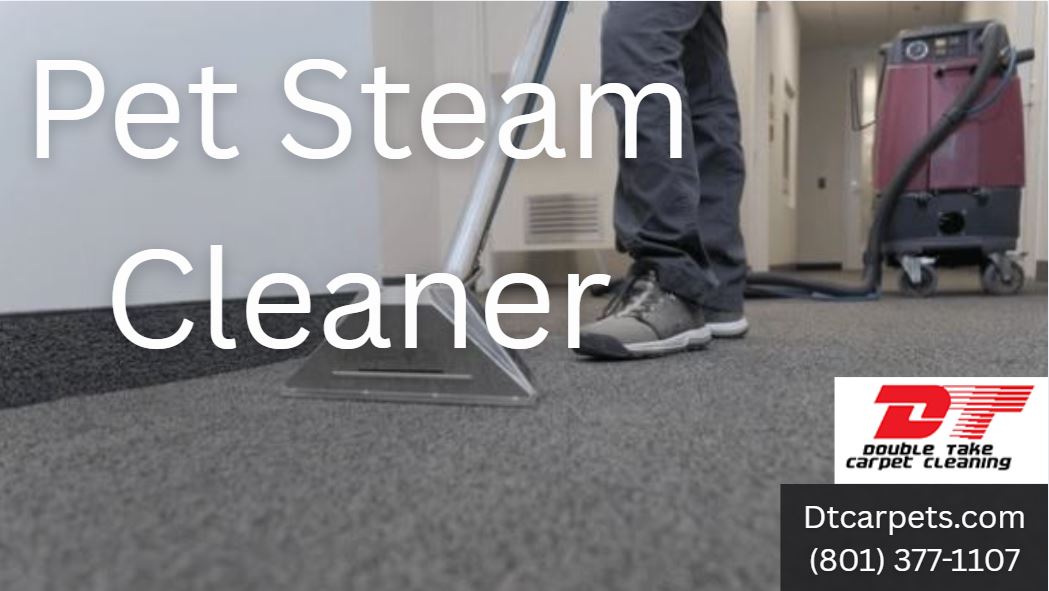
A pet steam cleaner is a cleaning machine or method marketed for removing pet hair, tracked-in soil, stains, and odors from carpets, upholstery, rugs, and sometimes hard floors. The term can be confusing: many machines called “steam cleaners” are actually hot-water extractors, which spray warm or hot cleaning solution into carpet and vacuum it back out. True high-temperature steam is not always appropriate for pet urine in carpet because heat can make certain urine-related stains and odors harder to remove, especially in synthetic carpet fibers. The most important takeaway is this: success depends less on owning a powerful machine and more on using the right process—rapid blotting, appropriate pet-safe chemistry, controlled moisture, thorough extraction, and complete drying.
For fresh accidents, act quickly and avoid rubbing or over-soaking the area. For recurring urine odor, multiple spots, discoloration, or contamination that has reached the carpet backing and pad, a professional assessment is often the most cost-effective path. This guide explains pet carpet cleaning methods, how pet steam cleaners work, common mistakes, odor-removal strategies, equipment options, and when to call Double Take Carpet Cleaning for help.
What Is a Pet Steam Cleaner and How Does It Work?
A pet steam cleaner is broadly any cleaning device designed or promoted for homes with pets. It may include specialized attachments for hair, an upholstery tool, stronger suction, a stain-removal hose, or formulas intended for pet urine, vomit, feces, mud, and dander.
In practical carpet-cleaning terms, there are three categories people often group together as “pet steam cleaners”:
- True steam cleaners heat water into vapor and apply very hot steam to a surface. They are usually better suited to sealed hard surfaces, some tile-and-grout jobs, and carefully selected upholstery or fabrics—not routine urine treatment in installed carpet.
- Hot-water extraction machines spray water or cleaning solution into carpet, agitate the fibers, and extract the dirty moisture with vacuum suction. These are often called carpet shampooers or carpet steam cleaners, although they do not necessarily use steam.
- Spot cleaners are portable extractors designed for smaller spills, pet accidents, stairs, vehicle upholstery, furniture, and limited areas of carpet.
Professional carpet cleaners generally follow a more complete process than simply spraying and extracting. The ANSI/IICRC S100 standard addresses procedures, methods, and systems for professional maintenance and cleaning of residential and commercial textile floor coverings, including carpet and rugs. IICRC’s S100 overview describes the standard’s scope.
A proper pet-treatment workflow usually includes:
- Inspection. Identify carpet fiber, construction, visible staining, odor intensity, prior cleaning attempts, and whether the problem appears localized or widespread.
- Contamination detection. A technician may use visual inspection, odor checks, moisture detection, and ultraviolet lighting as an aid to find suspected urine areas. UV light can help reveal some residues, but it is not perfect and should not be treated as a final diagnosis by itself.
- Dry soil removal. Vacuuming matters because hair, dust, sand, and dry soil can turn into mud when moisture is added.
- Targeted treatment. A suitable pet urine remover, enzyme-based product, oxidizing treatment, or other chemistry may be chosen based on the stain, fiber, and contamination level.
- Extraction. The goal is to flush and remove dissolved contamination—not simply cover it with fragrance.
- Drying and evaluation. Proper drying helps reduce wicking, recurring odor, mold risk from excessive moisture, and rapid resoiling.
A pet steam cleaner can be useful, but it has limits. It can clean surface-level messes and everyday soil. It may not fully solve urine that has migrated through the carpet face yarn, backing, pad, and even into the subfloor.
Example: A Fresh Puppy Accident
If a puppy urinates on carpet and the area is discovered within minutes, immediate blotting and controlled rinsing/extraction may prevent a major odor problem. If the same spot is repeatedly used for weeks, urine salts can accumulate below the visible carpet surface. The room may smell normal while dry, then develop odor again when humidity rises or the carpet gets damp. That deeper problem needs more than a quick pass with a consumer pet carpet cleaner.
8 Important Things to Know About Pet Steam Cleaners
1. “Steam cleaner” and “carpet extractor” are not the same thing
This is the most important distinction homeowners miss. A true steam cleaner uses heat to create vapor. A carpet extractor uses water or cleaning solution plus suction to rinse and remove soil. Many retail products use “steam cleaner” as a general marketing term even though the device is really a hot-water extraction machine.
Why it matters: pet urine is not just a visible yellow spot. It can contain residues that remain after the liquid evaporates. A machine needs enough water flow, vacuum recovery, and technique to remove dissolved contamination from the carpet—not merely heat the surface.
High heat can also be counterproductive for urine-related problems. The Humane World guidance specifically cautions against using steam cleaners on urine odors in carpet or upholstery because heat can set the stain and odor by bonding protein into some man-made fibers. Humane World likewise recommends prompt absorption and cool-water rinsing for fresh spots.
What to do: Before buying or renting equipment, read the manual and identify whether it is a steam vapor unit, an upright extractor, or a portable spot extractor. For carpet urine cleanup, prioritize controlled flushing and strong extraction rather than extreme heat.
2. Pet urine can travel much farther than the visible stain
A small surface stain does not necessarily mean a small contamination area. Urine follows gravity and can spread laterally through carpet backing and padding. On a thick carpet with a dense pad, the wet area below the surface can be much larger than the spot you can see.
This is why a home can still smell like urine after the carpet “looks clean.” The visible yellowing may be gone while odor-causing residue remains in the pad, backing, tack strip, or subfloor. The issue becomes especially noticeable during humid weather, after routine cleaning, or when a pet revisits the same area.
Repeated accidents are more serious because each new incident adds more residue. A portable pet stain cleaner may improve the face fibers but lack the water volume, dwell time, and recovery power to flush contamination at depth.
What to do: Treat the affected area—not just the visible dot. Avoid flooding it, because adding too much water can push contamination deeper or expand the area. If there is strong odor, repeat behavior, multiple accidents, or an odor that returns after cleaning, arrange a professional inspection with Double Take Carpet Cleaning. In severe cases, localized pad replacement, subfloor treatment, or other restoration steps may be necessary.
3. Fast blotting is often more valuable than aggressive scrubbing
When a pet accident is fresh, the best first move is usually simple: blot up as much moisture as possible. Press clean white towels or thick paper towels into the spot; do not rub or scrub. Replace towels as they become saturated.
Rubbing can spread the material, drive it deeper into the carpet, distort carpet pile, and enlarge the stain. Scrubbing is particularly risky with loop-pile carpet, delicate rugs, wool, and upholstery because it can damage fibers or create a fuzzy appearance.
The Carpet and Rug Institute advises blotting damp urine areas promptly with plain white paper towels and using controlled cleaning steps rather than harsh or inappropriate detergents. Its technical bulletin on pet urine and carpet also emphasizes rinsing and drying.
What to do:
- Remove solid material carefully using a dull edge or disposable scoop.
- Blot liquid from the outside of the spot toward the center.
- Use cool or lukewarm water sparingly if rinsing is needed.
- Blot again or use a wet/dry vacuum or extractor to recover moisture.
- Let the area dry fully before deciding whether odor treatment is still required.
For fresh urine, speed reduces the chance that the contamination penetrates deeply and reduces the likelihood of a lasting odor.
4. Odor removal requires removal or neutralization—not fragrance
A deodorizing spray can make a room smell better for a day, but fragrance is not the same as odor removal. Pet urine odor often returns because residues remain in the carpet system. When humidity or moisture reactivates those residues, the odor becomes noticeable again.
Enzyme-based cleaners can be useful for certain organic pet messes because they are designed to break down organic material. However, they must be used according to their label directions, often need sufficient contact time, and may not work if incompatible cleaners or disinfectants were used first. They also do not automatically solve deep, repeated saturation in carpet padding or subflooring.
Oxidizing treatments, odor counteractants, rinsing agents, and extraction may also be appropriate—but product choice depends on the carpet fiber, dye stability, contamination type, prior chemical exposure, and extent of damage.
What to do: Use a cleaner specifically labeled for pet stains and odors, test it in an inconspicuous spot, and follow the exact dwell-time and extraction instructions. Avoid layering several chemicals over the same area. Mixing products can damage carpet, leave sticky residue, reduce effectiveness, or create a safety concern.
If you want a product screened for certain human-health and environmental criteria, the EPA’s Safer Choice product search can help identify qualifying products, including some carpet-care options. “Safer Choice” does not mean a product will remove every odor or is suitable for every carpet, so follow the product and carpet manufacturer’s directions.
5. Too much water can create a second problem
Homeowners sometimes assume that more water means a cleaner carpet. With pet accidents, excessive water can push contamination down into padding and subflooring, spread the affected area, and dramatically increase drying time. In the worst cases, repeated soaking can contribute to odors, wicking, backing damage, or conditions that warrant water-damage assessment.
Wicking occurs when moisture from deeper carpet layers rises as the carpet dries. A stain may look gone immediately after cleaning, then reappear hours later. That does not always mean the cleaner caused the stain; it often means residue was left below the surface and moved upward during drying.
What to do: Use the least amount of moisture needed to treat the problem, then maximize extraction. Make slow dry passes with the machine’s suction rather than repeatedly spraying. Improve airflow with ceiling fans, HVAC, open interior doors, or floor fans as appropriate.
For a large or deeply saturated pet urine area, do not keep adding water in an attempt to rinse it endlessly. That is the point to stop, document the issue, keep people and pets away from the area, and call Double Take Carpet Cleaning for a professional evaluation.
6. Carpet type determines what cleaning method is safe
Not every carpet tolerates the same method, temperature, pH, agitation, or amount of water. Nylon, polyester, triexta, olefin, wool, silk, cotton, jute-backed rugs, and natural-fiber upholstery all have different cleaning considerations.
For example, wool and natural fibers may be more sensitive to high alkalinity, excessive moisture, dye bleeding, browning, shrinkage, and aggressive agitation. Some carpets contain stain-resistant treatments that can be affected by improper chemistry. Area rugs may have dyes, adhesives, or backing materials that make in-home “steam cleaning” risky.
What to do: Check your carpet’s care information before using any pet steam cleaner or spot remover. Test cleaning products in a hidden location first. Do not assume a product safe for synthetic wall-to-wall carpet is safe for a wool rug or upholstered furniture.
A qualified carpet-cleaning professional evaluates material before treatment and selects methods accordingly. This is a core reason professional methods matter: the goal is not merely to make a stain disappear temporarily, but to clean it without creating bleaching, color loss, texture change, shrinkage, or backing damage.
7. Pet hair and dry soil should be removed before wet cleaning
Pet households collect a unique mix of hair, dander, skin oils, litter dust, outdoor grit, food crumbs, and tracked-in soil. A wet cleaner works more effectively after dry debris is removed. Otherwise, hair and grit can clog tools, reduce suction, create mud-like residue, and make cleaning slower.
Vacuuming is particularly important around baseboards, furniture edges, stairs, pet beds, and traffic lanes. These are common collection points for hair and dry soil.
What to do: Vacuum slowly in multiple directions before using a carpet cleaning machine. Use an upholstery attachment for pet beds and furniture seams. Empty or clean filters, brush rolls, tanks, and recovery containers after each use so the machine keeps working effectively.
For homes with shedding pets, routine vacuuming is not cosmetic maintenance—it is a practical way to extend carpet life. Grit acts like sandpaper under foot traffic, gradually dulling and wearing carpet fibers. Regular removal of dry soil reduces the amount of wet cleaning needed later.
8. A recurring accident is partly a cleaning problem and partly a behavior or health issue
A pet may repeatedly return to an area because it retains an odor cue, because a previous accident was not fully removed, because of territory marking, stress, household changes, inadequate access to an appropriate bathroom area, or an underlying medical issue.
Cleaning the carpet is still essential. A pet that can smell previous urine may be more likely to reuse the same place. But carpet treatment alone cannot solve every cause of repeat accidents.
What to do: Clean and fully dry the affected area, block access temporarily if possible, and use appropriate behavior-management strategies. If accidents are sudden, frequent, painful-looking, associated with increased thirst, blood, straining, vomiting, diarrhea, or major behavior changes, contact a veterinarian promptly. This article is about cleaning and is not veterinary advice.
For persistent odor locations, professional pet odor removal can remove one important environmental trigger. Pair that work with consistent pet routines and veterinary or behavioral guidance when the pattern suggests an issue beyond ordinary house-training.
The Real Cost of Getting Pet Carpet Cleaning Wrong
The cost of using a pet steam cleaner incorrectly can be much higher than the price of a bottle of spot remover.
Financial costs
- Permanent carpet discoloration, texture damage, or dye loss.
- Rental fees, replacement cleaning products, and repeated DIY attempts.
- Replacement of carpet padding, sections of carpet, or affected flooring materials.
- Treatment or replacement of subfloor materials when contamination is extensive.
- Professional restoration costs after over-wetting or chemical misuse.
Time costs
A small stain can turn into hours of repeated spraying, extracting, drying, and re-cleaning. If odor returns after each attempt, homeowners may lose days trying increasingly aggressive methods that do not reach the real source.
Emotional and household costs
Pet odor can be embarrassing when guests visit. It can create frustration between family members, affect a tenant’s security-deposit concerns, or make a home feel less comfortable. Repeated accidents can also increase stress for pet owners who are already dealing with training, aging, illness, or behavior changes.
Long-term consequences
The biggest long-term mistake is treating a deep contamination issue as a surface stain. Proper planning is usually less expensive: respond quickly to fresh accidents, use suitable products, avoid heat and excess water, and bring in Double Take Carpet Cleaning before repeated urine exposure damages the carpet system beneath the surface.
How an Experienced Carpet Cleaner Helps
An experienced carpet-cleaning professional does more than run a machine across the floor. Double Take Carpet Cleaning can provide practical help with pet-related carpet cleaning by evaluating the scope of the issue, selecting appropriate treatment methods, and focusing on extraction and odor control rather than masking the problem.
Professional help is especially valuable for:
- Persistent urine odor that returns after the carpet dries.
- Multiple accident areas or unknown urine locations.
- Pet stains on stairs, upholstery, rugs, or heavily used traffic areas.
- Urine that has soaked into carpet padding or underlying surfaces.
- Delicate carpet or rug materials that need a cautious approach.
- Move-out, sale, rental, or guest-ready cleaning where appearance and odor both matter.
A methodical professional process may include pre-inspection, identifying likely contamination zones, appropriate pre-treatment, controlled rinsing and extraction, targeted odor treatment, and drying guidance. The work should also include realistic expectations. Not every stain can be removed, and not every deep odor issue can be solved without addressing pad or subfloor contamination. Honest guidance protects the customer from paying for unrealistic promises.
Pet Steam Cleaner Options and Alternatives
Portable pet spot cleaner
A portable pet carpet cleaner is best for fresh, localized accidents, upholstery spots, stairs, car interiors, and small areas. It combines spray and suction in a compact tool.
Best for: New spills, one-off accidents, and quick response.
Limitations: Small tanks, limited suction, and shallow reach mean it may not resolve old or deeply soaked urine. It also cannot replace routine whole-room carpet cleaning.
Upright home carpet extractor
An upright machine is designed for larger carpeted rooms. It can be useful for maintenance cleaning, tracked-in soil, and broadly distributed light pet messes.
Best for: Routine cleaning in pet homes, multiple surface-level spots, and general carpet refreshes.
Limitations: It can over-wet carpet when used incorrectly. It may leave detergent residue if not rinsed thoroughly, and it may not have enough recovery power for serious urine contamination.
True steam vapor cleaner
Steam vapor units use high heat and little water. They may help with certain sealed hard surfaces when used safely and according to manufacturer instructions.
Best for: Selected nonporous surfaces, such as sealed tile, after pet messes have been physically removed.
Limitations: It is not the preferred solution for carpet urine odor. Heat can set some urine-related staining or odors, and steam can damage moisture-sensitive surfaces, finishes, adhesives, or fabrics.
Enzyme pet stain cleaner
An enzyme-based pet odor remover can be useful for organic residues when used correctly.
Best for: Fresh or moderately set organic pet messes where the carpet material is compatible and the product has adequate dwell time.
Limitations: It may be ineffective after incompatible chemical use, may require repeated controlled application, and cannot always solve deep pad or subfloor contamination.
Professional pet odor removal
Professional cleaning and odor treatment use commercial equipment, trained assessment, tailored chemistry, and stronger extraction methods.
Best for: Recurring odors, old stains, extensive contamination, delicate materials, tenant turnover, move-out cleaning, or situations where DIY work has failed.
Limitations: The best provider will explain that severely affected padding, carpet backing, or subflooring may require additional restoration beyond surface cleaning.
What to Do Right Now
If you are currently dealing with a pet accident or pet odor, use this checklist:
- Remove solids carefully and dispose of them safely.
- Blot fresh liquid with white towels or paper towels; do not rub.
- Use only a carpet-compatible pet stain or odor product, and test it in a hidden area first.
- Avoid pouring large amounts of water or cleaner into the carpet.
- Avoid high-heat steam on urine-affected carpet and upholstery.
- Use a wet/dry vacuum, portable extractor, or clean towels to recover as much moisture as possible.
- Dry the area thoroughly with airflow.
- Keep pets away from the spot until it is fully dry.
- Reassess after drying; look for odor return, wicking, discoloration, or dampness.
- Call Double Take Carpet Cleaning at (801) 377-1107 if odor persists, the spot has been repeatedly used, or the carpet/pad feels saturated.
How to Choose the Right Pet Carpet Cleaner
When choosing a DIY machine, cleaning product, or professional provider, use this checklist:
- Choose equipment appropriate for the surface: carpet, upholstery, rug, tile, or sealed hard flooring.
- Prioritize effective suction and moisture recovery over marketing claims about heat.
- Confirm products are compatible with your carpet fiber and any manufacturer warranty requirements.
- Look for clear instructions about dilution, dwell time, rinsing, and drying.
- Avoid providers who promise to remove every odor or stain without inspection.
- Ask how recurring urine odor, padding contamination, and subfloor concerns are evaluated.
- Choose clear, plain-English communication and realistic expectations.
- Ask Double Take Carpet Cleaning about their process for pet stains, pet urine odor, extraction, and post-cleaning drying guidance.
Common Pet Steam Cleaner Mistakes
- Using heat on urine-affected carpet. High heat may set some stains and odors rather than remove them.
- Scrubbing instead of blotting. Scrubbing spreads contamination and can damage carpet fibers.
- Treating only the visible spot. Urine may be in the backing and pad, not just on the carpet face.
- Over-soaking the carpet. Excess water can spread contamination, slow drying, and cause wicking.
- Using too much detergent. Residue attracts soil and can make carpet feel stiff or sticky.
- Mixing cleaning chemicals. This can damage carpet, reduce cleaning effectiveness, or create safety hazards.
- Ignoring repeat accidents. Repeated use of an area increases the chance of deep odor and material damage.
- Masking odor with fragrance. Perfume does not remove the underlying source of odor.
Frequently Asked Questions
Can I use a steam cleaner for pet urine in carpet?
Use caution. True high-heat steam is generally not the best choice for urine-affected carpet because heat can set some stains and odors. Controlled rinsing and strong extraction are typically more useful.
What is the best pet steam cleaner for carpet?
The best option depends on whether you need quick spot cleanup, routine whole-room maintenance, or deep odor treatment. For severe or recurring urine odor, professional extraction and assessment are usually more effective than a consumer machine.
Is a pet carpet cleaner worth it?
Yes, for fresh accidents and routine maintenance. It is less likely to solve old, repeated, or deep urine contamination.
What is the difference between a pet carpet cleaner and a regular carpet cleaner?
A pet-focused model may include tools for upholstery, hair removal, stain pretreatment, or odor-focused formulas. The most important performance factors still include suction, proper use, and adequate drying.
Why does my carpet smell like urine after steam cleaning?
Cleaning moisture can reactivate urine salts and make an existing odor more noticeable. The cleaner may have reached the carpet surface without fully removing contamination below it.
Can pet urine soak through carpet padding?
Yes. Repeated or heavy urine exposure can pass through carpet and padding and may reach the subfloor.
Will an enzyme cleaner remove pet urine odor?
It may help with organic residues when used correctly, but it may not fully solve deep or repeated contamination below the carpet surface.
Can vinegar remove pet urine odor from carpet?
Vinegar may be used in limited cleaning situations, but it is not a guaranteed solution for odor and may not be appropriate for every carpet. Avoid experimenting with multiple chemicals, particularly on delicate fibers.
Can baking soda remove urine smell from carpet?
Baking soda may temporarily absorb some odor, but it does not reliably remove deep urine contamination. Powder can also be difficult to extract fully from carpet.
Should I use hot or cold water for fresh pet urine?
Cool or lukewarm water is generally safer for a controlled rinse of fresh urine. Avoid heat that may set staining or odor.
How do I remove fresh dog urine from carpet?
Blot immediately, use a compatible pet cleaner if needed, rinse lightly and extract moisture, then dry thoroughly. Do not rub or flood the area.
How do I remove old cat urine smell from carpet?
Old cat urine odor often requires deep treatment and extraction. If odor persists after correct DIY cleaning, it may have reached padding or subflooring and needs professional evaluation.
Why does cat urine smell stronger than dog urine?
Odor intensity depends on concentration, age of the urine, ventilation, humidity, and repeated exposure. Cat urine often becomes especially pungent as it dries and breaks down.
Can I use hydrogen peroxide on pet stains?
Only with caution and after testing in an inconspicuous location. Hydrogen peroxide can lighten or bleach some dyes and materials.
How long should carpet take to dry after cleaning?
Dry time varies with humidity, airflow, carpet thickness, equipment, and how much moisture was used. Good extraction and airflow should shorten drying time. If carpet stays wet unusually long, increase airflow and seek advice.
Can wet carpet grow mold?
Excessive or prolonged moisture can create conditions that warrant concern. Dry carpet promptly and address unusual dampness or water intrusion.
Why did the stain come back after cleaning?
That is often wicking: residue from deeper carpet layers moves upward as the carpet dries. It can also mean the original treatment did not fully remove the contamination.
Can a portable pet cleaner remove old stains?
It may improve old stains, but success depends on the stain type, carpet fiber, prior treatments, and depth of contamination.
Do pet carpet cleaner formulas leave residue?
They can if overused or not properly extracted. Follow dilution instructions and make adequate suction passes.
Can I use a pet steam cleaner on upholstery?
Only if the upholstery care label and machine instructions allow it. Test first, use minimal moisture, and avoid over-wetting cushions or delicate fabrics.
Is professional pet odor removal safe for pets?
Ask about the products and process used, follow drying and re-entry instructions, and keep pets away from treated areas until they are dry. Product safety depends on correct selection and use.
Can I rent a carpet cleaner for pet urine?
Yes, rental extractors may help with surface-level issues. Be careful not to over-wet the carpet or use an unsuitable product. Deep recurring odor may still need professional service.
Will carpet cleaning stop my pet from using the same spot?
Removing odor cues can help, but repeated accidents can also involve training, routine, stress, territorial behavior, or medical issues.
When should I replace carpet after pet urine damage?
Consider replacement or localized repair when odor remains after appropriate treatment, contamination has reached padding or subflooring, fibers are permanently damaged, or the affected area is extensive.
Can UV light find pet urine in carpet?
UV light may help identify some suspect areas, but it is not conclusive. Other materials can fluoresce, and some urine may not show clearly.
What should I do if my pet suddenly starts having accidents?
Clean the affected area promptly, observe the pattern, and consult a veterinarian when accidents are sudden, frequent, or accompanied by health or behavior changes.
How often should pet owners professionally clean carpets?
Frequency depends on shedding, household traffic, number of pets, accidents, allergies, and carpet manufacturer guidance. Many pet households benefit from regular professional maintenance before visible soil and odor become severe.
Does professional carpet cleaning remove all pet odors?
Not always. Honest providers assess the extent of contamination and explain when padding, backing, or subfloor treatment may be required.
Key Standards and Safety Considerations
The most relevant professional framework for residential and commercial carpet cleaning is the ANSI/IICRC S100 Standard for Professional Cleaning of Textile Floor Coverings. It covers procedures, methods, and systems used in professional cleaning and maintenance of carpet and rugs. IICRC provides information about the standard and its scope.
For homeowners, the most useful practical principles are:
- Follow the carpet manufacturer’s care and warranty guidance.
- Follow cleaning-product label directions exactly.
- Never mix chemicals unless the manufacturer specifically directs it.
- Test products in an inconspicuous location.
- Keep children and pets away until the cleaned area is dry and safe for re-entry.
- Use adequate ventilation and airflow during and after cleaning.
- Treat persistent odor as a possible deep-contamination issue, not simply a surface-cleaning problem.
For cleaning-product selection, the EPA’s Safer Choice program identifies products that meet its criteria for safer chemical ingredients for people and the environment. That label can be a useful starting point, but it does not replace checking carpet compatibility, reading instructions, or obtaining professional advice for serious contamination.
Conclusion
A pet steam cleaner can be a useful tool for quick spill response, light pet stains, routine carpet maintenance, and surface-level odor control. But the right outcome comes from the process—not from heat alone. Blot fresh accidents quickly, avoid rubbing and over-wetting, use compatible pet odor treatments carefully, extract as much moisture as possible, and dry the carpet thoroughly.
The most difficult situations involve recurring urine odor, old stains, repeated accidents, delicate carpet fibers, or contamination that has reached the carpet backing, padding, or subfloor. Those problems are often avoidable—or at least far less expensive—when addressed early with a realistic plan.
For experienced, practical guidance on pet carpet cleaning, pet stain removal, and persistent pet odor concerns, contact Double Take Carpet Cleaning at (801) 377-1107.
