
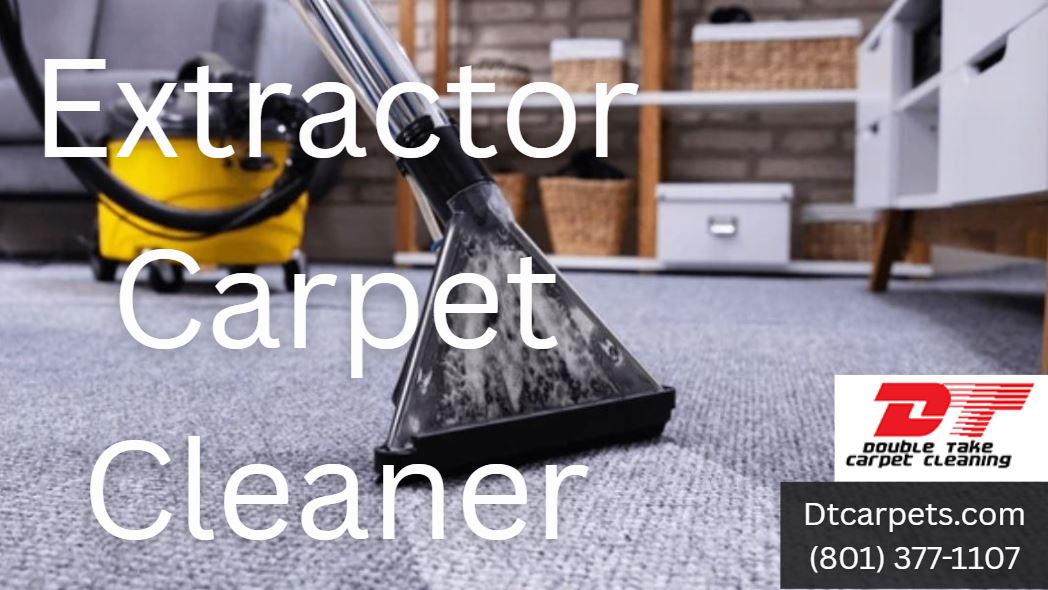
An extractor carpet cleaner is a machine that applies cleaning solution to carpet, loosens soil, and then uses vacuum suction to recover dirty water, residue, and moisture. It is commonly called a carpet shampooer or “steam cleaner,” but most extractor carpet cleaners do not actually clean with steam. They clean through a controlled combination of water, cleaning chemistry, agitation, contact time, and—most importantly—soil recovery. For homeowners and businesses, the key is not simply making carpet wet; it is removing embedded soil while leaving as little moisture and detergent residue behind as possible.
A well-used carpet extraction cleaner can refresh traffic lanes, remove tracked-in dirt, improve carpet appearance, and support routine maintenance. Used incorrectly, however, it can over-wet carpet, leave sticky residue, cause stains to wick back, damage delicate fibers, or make existing pet odors more noticeable. This guide explains what an extractor carpet cleaner does, the major types available, how to use one safely, the real cost of common mistakes, and when it makes sense to contact Double Take Carpet Cleaning for professional carpet cleaning guidance.
What Is an Extractor Carpet Cleaner and How Does It Work?
An extractor carpet cleaner is a water-recovery cleaning machine. It sprays a measured amount of water or cleaning solution into the carpet, helps loosen soil, and uses suction to pull the dirty solution back into a separate recovery tank.
The process is commonly known as hot-water extraction, although water temperature varies by machine and cleaning situation. Professional truck-mounted and portable extractors may use heated water, while some consumer machines use warm water or non-heated water. What matters most is that the cleaning process uses controlled moisture and effective recovery.
The ANSI/IICRC S100 Standard for Professional Cleaning of Textile Floor Coverings addresses the procedures, methods, systems, inspection, safety, soil management, spot removal, and maintenance principles used for professional carpet and rug cleaning. The IICRC’s S100 overview explains that the standard applies to residential and commercial textile floor coverings, including carpet and rugs.
An extractor carpet cleaner generally includes:
- A clean-water or solution tank.
- A recovery tank for dirty water.
- A pump that delivers solution to the carpet.
- A vacuum motor that recovers liquid and loosened soil.
- A brush, rotating brush roll, wand, or manual tool for agitation.
- A floor head or upholstery attachment.
- A hose and wand on portable or truck-mounted professional equipment.
A proper carpet extraction process usually follows this order:
- Inspect the carpet for fiber type, wear, staining, damage, odor, and problem areas.
- Remove dry soil through thorough vacuuming.
- Apply a compatible pre-treatment if needed.
- Allow appropriate dwell time for the cleaning product to work.
- Agitate selectively when appropriate.
- Extract soil and cleaning solution with controlled water flow and strong vacuum recovery.
- Make additional dry vacuum passes to remove moisture.
- Accelerate drying with ventilation and airflow.
- Reinspect the carpet after cleaning and drying.
An extractor is not a universal solution. It may not remove permanent dye loss, bleach marks, burns, wear damage, deep pet urine contamination, rust, adhesive residue, or stains that have chemically changed the carpet fiber. It also should not be used without care on every material. Wool, cotton, silk, natural-fiber rugs, some upholstery fabrics, and moisture-sensitive backing systems may require specialized cleaning methods.
8 Important Things to Know About Extractor Carpet Cleaners
1. Extraction is about removal, not just spraying water
The defining feature of an extractor carpet cleaner is its ability to recover dirty moisture. The machine’s spray function is important, but the vacuum system determines whether dissolved soil, detergent, oils, and moisture actually leave the carpet.
A common DIY mistake is making several wet passes while spending too little time extracting. The carpet may look cleaner initially because dirt has been loosened and moved below the surface, but if the machine does not recover enough of that material, residue can remain behind. That residue may attract more dirt later and make traffic lanes look dirty again sooner than expected.
Think of carpet extraction like rinsing a dirty sponge. Adding clean water helps only if you squeeze the dirty water back out. In carpet cleaning, the extractor’s suction performs that “squeezing” function.
What to do: Use slow extraction passes. After each wet pass, make one or more dry passes with the trigger released so the machine removes additional moisture. Empty the recovery tank when needed, clean the machine’s filters, and avoid using a machine with weak suction, a blocked hose, or worn seals.
For homes with children, pets, allergies, heavy foot traffic, or visible traffic lanes, professional extraction may offer better recovery than a small consumer machine. The Carpet and Rug Institute recommends periodic professional cleaning as part of maintaining carpet performance and appearance. Carpet and Rug Institute guidance emphasizes ongoing carpet maintenance rather than waiting for carpet to look severely soiled.
2. An extractor carpet cleaner is not necessarily a steam cleaner
“Steam cleaning” is one of the most common names used for carpet extraction, but it can be misleading. A true steam cleaner creates hot vapor. An extractor carpet cleaner generally applies liquid water or cleaning solution, then vacuums it back out.
This distinction matters because high-temperature steam is not appropriate for every carpet problem. Some fibers, adhesives, backing systems, rugs, upholstery fabrics, and pet urine stains can react poorly to excess heat. In particular, hot steam may set certain urine-related stains or odor-causing residues in some materials.
The Carpet and Rug Institute advises against using a steam cleaner for urine spots and recommends blotting rather than scrubbing, followed by controlled cleaning and clear-water blotting or rinsing as appropriate. Its cleaning and maintenance guidance also emphasizes working from the outside edge of a spot toward the center.
What to do: Focus on the machine’s water recovery, cleaning chemistry, and correct technique—not just whether it advertises heat. If a machine is called a “steam carpet cleaner,” check whether it is actually an extraction machine. Read the manufacturer’s instructions and your carpet’s care guidance before use.
3. Vacuuming before extraction is not optional
Extractor carpet cleaning works best after dry debris has been removed. Carpet contains more than visible dirt: sand, dust, crumbs, hair, pet dander, lint, dried mud, and fibers settle deep into the pile. If you skip vacuuming, water can turn dry soil into muddy residue that is harder to remove.
This is especially important in entryways, hallways, stairs, living-room traffic lanes, under dining tables, around pet beds, and near exterior doors. Fine grit acts like sandpaper under foot traffic, gradually wearing down carpet fibers. No amount of wet cleaning can reverse worn or crushed pile once the fiber has been physically damaged.
What to do: Vacuum slowly and thoroughly before using a carpet extractor. Make overlapping passes in more than one direction, especially in high-traffic areas. Use crevice and upholstery attachments around baseboards, furniture edges, stairs, and pet hair collection zones.
In a professional setting, dry soil removal is part of a complete soil-management strategy. It saves cleaning time, improves extraction results, and helps prevent rapid resoiling after the carpet dries.
4. Cleaning solution must match the carpet and the problem
Carpet cleaning chemistry is not one-size-fits-all. Different products address oily soil, food spills, coffee, pet accidents, grease, tracked-in dirt, odor, and mineral deposits differently. The carpet itself also matters. Nylon, polyester, triexta, olefin, wool, and blended fibers can have different tolerances for pH, solvents, heat, moisture, and agitation.
Using too much product can leave detergent behind. Using an overly strong product can contribute to color loss, texture change, browning, sticky residue, or weakened stain resistance. Using the wrong product on a pet urine issue may deodorize the surface without removing the deeper source of odor.
What to do: Use only cleaning products that the extractor manufacturer and carpet maker permit. Mix them exactly according to the label—not stronger “just in case.” Pretest any cleaning product in a hidden location. Do not combine chemicals unless the product instructions explicitly say they are compatible.
For consumers seeking products evaluated for certain health and environmental criteria, the Environmental Protection Agency’s Safer Choice product search can help identify qualifying cleaning and carpet-care products. That designation is useful, but it does not guarantee that a product is right for every carpet, stain, or cleaning situation.
5. Too much water can lead to slow drying, wicking, and odor
Over-wetting is one of the most expensive extractor carpet cleaner mistakes. It happens when the operator uses too many wet passes, moves too quickly for the vacuum to recover moisture, uses a machine with weak suction, or cleans a carpet that has already been heavily saturated.
Carpet should feel damp after proper extraction—not soaked. Excess moisture can increase dry time, encourage stains to wick up from backing or padding, leave an unpleasant odor, and create conditions that require further inspection if moisture persists. Wicking happens when dissolved soil or staining below the carpet face travels upward as the carpet dries. A stain may disappear during cleaning and return later that day.
What to do:
- Use measured, overlapping passes rather than flooding the area.
- Keep the extractor moving at a slow, steady speed.
- Release the spray trigger and make multiple dry passes.
- Use ceiling fans, HVAC, open interior doors, and floor fans to improve airflow.
- Keep foot traffic, pets, and furniture off damp carpet when possible.
- Do not return heavy furniture to wet carpet unless protective tabs or blocks are used.
If carpet remains unusually wet, smells musty, or shows returning stains after drying, stop adding water. Contact Double Take Carpet Cleaning for guidance rather than repeatedly re-cleaning the same area.
6. Agitation helps, but aggressive brushing can damage carpet
Agitation helps cleaning solutions contact soil. Depending on the extractor, agitation may come from a brush roll, rotating brushes, a grooming rake, a manual brush, or the water-and-vacuum action of the cleaning head.
However, more agitation is not always better. Aggressive brushing can fuzz or distort carpet pile, pull fibers in loop-pile carpet, spread stains, damage delicate rugs, and create a permanently rough appearance. It is particularly risky on wool, Berber-style loops, handwoven rugs, and worn carpet.
What to do: Let chemistry and dwell time do much of the work. Use gentle, appropriate agitation only where needed. Never scrub hard at a stain with a stiff brush. Work from the outside of the spot toward the center so you do not spread it.
A professional cleaner should inspect construction and condition before deciding how much agitation is safe. That small step can prevent damage that no cleaning process can reverse.
7. Pet odors and deep stains may exceed a machine’s reach
A consumer carpet extraction cleaner can be valuable for fresh pet spots and routine maintenance. But it does not automatically solve recurring pet urine odor. Urine can migrate through carpet face fibers into backing, padding, tack strips, and subflooring. A home machine may clean the surface without fully flushing or treating the affected layers.
Odor may return when humidity rises, when carpet gets damp, or when a pet detects remaining scent and revisits the same area. Adding more fragrance or repeatedly soaking the carpet can make the situation worse.
What to do: Blot fresh pet accidents immediately. Use a compatible pet-odor product according to its label, extract moisture thoroughly, and dry the area quickly. Do not use high heat on urine-affected carpet, and do not pour large amounts of product or water into the area.
For multiple accident areas, old urine odor, strong ammonia-like smell, recurring odor after DIY cleaning, or suspected saturation below the carpet, contact Double Take Carpet Cleaning. An experienced technician can help determine whether cleaning alone is appropriate or whether the pad or underlying surface may need additional attention.
8. Maintenance cleaning costs less than emergency restoration
Many people wait to use an extractor carpet cleaner until carpets look visibly dark or heavily stained. By that point, soil may be deeply embedded, traffic lanes may be worn, and stains may be harder to remove. Regular maintenance helps preserve appearance and reduces the need for aggressive cleaning later.
Routine cleaning also protects the practical value of carpet. In a home, that can mean a cleaner-looking space, better indoor comfort, and a longer interval before replacement. In a rental or business setting, it can help protect deposits, maintain presentation, and reduce the disruption caused by last-minute cleaning emergencies.
What to do: Vacuum routinely, address spills promptly, use an extractor carpet cleaner for appropriate maintenance, and schedule professional cleaning before carpet becomes severely soiled. Keep receipts and maintenance records when carpet warranties or property-management requirements make documentation important.
The best maintenance plan depends on traffic, pets, children, carpet type, indoor air conditions, and the manufacturer’s recommendations. Double Take Carpet Cleaning can help homeowners create a practical cleaning schedule based on actual use rather than a generic calendar.
The Real Cost of Getting Carpet Extraction Wrong
Poor extractor carpet cleaning does not always cause immediate visible damage. Sometimes the problems appear later, after carpet dries or receives foot traffic.
Financial costs
- Re-cleaning costs after detergent residue causes rapid resoiling.
- Rental machine fees and repeated product purchases.
- Professional correction after over-wetting, wicking, or chemical misuse.
- Carpet repair or replacement after color damage, delamination, texture distortion, or fiber damage.
- Pad replacement or restoration work if deep moisture or pet contamination is not addressed correctly.
Time costs
Incorrect extraction can mean hours spent refilling tanks, making passes, waiting for drying, moving furniture, and treating stains that return. Slow drying may limit access to rooms for a full day or longer.
Emotional and practical costs
A carpet that still looks dirty after cleaning can be frustrating. Lingering odor, dampness, and visible spots may create embarrassment before guests arrive, stress during a move, concerns with a landlord, or tension in a busy household.
Long-term costs
The biggest long-term issue is mistaking “wet” for “clean.” Proper extraction removes soil and leaves carpet as dry as practical. Most problems are avoidable with correct preparation, compatible chemistry, appropriate moisture control, and professional help when a situation is beyond DIY equipment.
How an Experienced Carpet Cleaner Helps
An experienced carpet-cleaning professional can turn carpet extraction from a trial-and-error project into a planned process. Double Take Carpet Cleaning can assess carpet condition, identify the most important cleaning concerns, select appropriate methods, and provide practical guidance before and after service.
Professional support is valuable because it can include:
- Pre-cleaning inspection for carpet fiber, wear, staining, odor, and risk areas.
- Preparation that includes dry-soil removal and spot evaluation.
- Cleaning chemistry selected for the carpet and soil type.
- Proper extraction technique and moisture management.
- Treatment planning for pet stains, traffic lanes, food spills, and recurring odors.
- Troubleshooting for wicking, residue, slow drying, or stubborn stains.
- Clear guidance about realistic results and situations that require repair, padding work, or additional restoration.
Professional cleaning should not involve unrealistic promises. Some conditions—including bleach spots, burns, permanent dye changes, fiber wear, old stains, and severe urine contamination—may not be fully correctable through extraction alone. A trustworthy provider explains the limits before treatment and recommends the least disruptive practical solution.
Extractor Carpet Cleaner Options and Alternatives
Consumer upright extractor
An upright carpet extraction machine is designed for whole-room residential cleaning. It typically has separate clean-water and recovery tanks, built-in brushes, and a cleaning head for wall-to-wall carpet.
Best for: Routine maintenance, surface soil, family-room traffic lanes, and light pet-related messes.
Limitations: Smaller tanks, lower suction, and possible over-wetting if used too quickly or too often. It may not be suitable for delicate carpets or severe odors.
Portable spot extractor
A portable carpet extractor uses a hose and handheld tool for smaller areas. It is useful for stairs, vehicle upholstery, furniture, and fresh spills.
Best for: New stains, localized spills, small pet accidents, and quick cleanup.
Limitations: It does not replace whole-room cleaning and may not reach deep contamination in carpet backing and padding.
Rental extractor
Rental carpet extractors are often larger and more powerful than household machines. They can be useful for planned whole-room cleaning when operated carefully.
Best for: Larger cleaning projects, move-in or move-out preparation, and periodic maintenance.
Limitations: Results depend heavily on the operator, cleaning solution, machine condition, and drying plan. Rental equipment cannot determine the correct chemistry or solve every deep stain problem.
Professional portable extractor
Professional portable equipment generally provides stronger suction, better water recovery, and more adaptable tools than typical consumer machines.
Best for: Apartments, upper floors, locations with limited vehicle access, upholstery, and carpets requiring more controlled work.
Limitations: Results still depend on the carpet condition, staining type, and whether contamination has reached deeper materials.
Truck-mounted hot-water extraction
Truck-mounted systems can offer high heat, strong vacuum recovery, and efficient cleaning for suitable carpet conditions.
Best for: Larger areas, heavy soil, heavily used traffic lanes, and professional maintenance cleaning.
Limitations: It is not automatically appropriate for every rug, fiber, or contamination issue. A qualified technician still needs to control heat, moisture, chemistry, and technique.
Low-moisture carpet cleaning
Low-moisture methods use less water than traditional extraction and can offer fast dry times. Depending on the system, they may use absorbent compounds, encapsulation chemistry, pads, or brushes.
Best for: Interim maintenance, commercial settings, quick-turnaround areas, and some carpets where reduced moisture is desirable.
Limitations: It may not provide the same flushing capability as hot-water extraction for heavily soiled carpet or deep liquid contamination.
What to Do If You Are Using an Extractor Carpet Cleaner Now
Use this practical checklist before and during cleaning:
- Read the carpet manufacturer’s care guidance and the extractor manual.
- Remove small furniture, secure cords, and protect furniture legs from damp carpet.
- Vacuum thoroughly before adding water or cleaning solution.
- Identify stains, pet spots, worn areas, loose seams, and delicate rugs before cleaning.
- Pretest cleaning products in an inconspicuous area.
- Mix products exactly as directed; do not use extra detergent.
- Apply pre-treatment only where needed and allow proper dwell time.
- Clean in small sections with overlapping passes.
- Make extra dry passes with the spray trigger released.
- Use fans and ventilation to speed drying.
- Keep pets, children, and foot traffic off the carpet until it is dry.
- Inspect after drying for wicking, sticky residue, odor, or areas that remain damp.
- Call Double Take Carpet Cleaning at (801) 377-1107 if you have persistent odor, slow drying, returning stains, severe soil, or concerns about carpet damage.
How to Choose the Right Extractor Carpet Cleaner or Provider
Whether you are buying a machine, renting equipment, or hiring a professional, use this checklist:
- Confirm the machine is designed for your surface: wall-to-wall carpet, rugs, upholstery, stairs, or sealed hard flooring.
- Compare recovery performance and suction, not just tank size or marketing claims.
- Choose tools that fit your actual needs, such as stairs, upholstery, pet spots, or high-traffic rooms.
- Verify that approved cleaning products are available and easy to use correctly.
- Check your carpet manufacturer’s maintenance and warranty instructions.
- Choose a provider who asks about fiber type, stains, pet issues, prior cleaning, and drying conditions.
- Look for clear, plain-English communication about what extraction can and cannot fix.
- Avoid guarantees that promise every stain or odor will disappear.
- Select a provider willing to address immediate cleaning needs and long-term carpet maintenance.
For professional carpet extraction guidance, choose Double Take Carpet Cleaning. An experienced carpet-cleaning provider can help you decide whether a consumer extractor, rental machine, professional cleaning appointment, or a more specialized solution is appropriate.
Common Extractor Carpet Cleaner Mistakes
- Skipping vacuuming first. Dry soil becomes harder to remove once it is wet.
- Using too much detergent. Extra chemical does not equal extra cleaning and can leave residue behind.
- Moving the machine too quickly. The vacuum needs time to recover dirty water and moisture.
- Making only wet passes. Dry extraction passes are necessary to reduce dry time and wicking.
- Over-wetting the carpet. Excess moisture can cause slow drying, odor, and stain return.
- Scrubbing stains aggressively. Hard scrubbing can spread a stain and damage carpet fibers.
- Using the wrong cleaner on delicate fibers. Wool, natural fibers, and some rugs require specialized care.
- Ignoring recurring pet odor. Repeated urine contamination may extend below the carpet surface and need professional assessment.
Frequently Asked Questions
What is an extractor carpet cleaner?
An extractor carpet cleaner sprays water or cleaning solution into carpet and then uses suction to recover the dirty moisture. It is designed to remove soil rather than simply wet or deodorize carpet.
Is an extractor carpet cleaner the same as a steam cleaner?
Not exactly. Many people use the terms interchangeably, but most carpet extractors use liquid water and vacuum recovery rather than true steam vapor.
What is hot-water extraction carpet cleaning?
Hot-water extraction is a cleaning method that uses heated water or solution, cleaning chemistry, agitation when appropriate, and vacuum recovery to remove soil from carpet.
Does carpet extraction really work?
Yes, when the right machine, chemistry, preparation, and extraction technique are used. Results depend on carpet condition, stain type, fiber type, and how deeply soil has penetrated.
Can I use an extractor carpet cleaner on all carpets?
No. Always check the carpet manufacturer’s guidance. Wool, silk, natural-fiber rugs, loose-backed carpet, and specialty textiles may need different methods.
How often should I use a carpet extractor?
The right frequency depends on foot traffic, pets, children, spills, and carpet manufacturer recommendations. Avoid excessive wet cleaning simply because a machine is available.
Do I need to vacuum before using a carpet extractor?
Yes. Vacuuming first removes dry soil, hair, grit, and debris so the extractor can work more effectively.
How much cleaning solution should I use?
Use only the amount listed on the product label and machine instructions. More solution can leave residue and cause rapid resoiling.
Why does my carpet feel sticky after extraction cleaning?
Sticky carpet usually indicates detergent residue, incomplete rinsing, too much product, or insufficient extraction. A controlled rinse and proper recovery may help.
Why did stains come back after I cleaned the carpet?
The likely cause is wicking, where moisture draws soil or stain residue from lower carpet layers back to the surface during drying.
How long does carpet take to dry after extraction?
Dry time varies by carpet thickness, humidity, temperature, airflow, water use, and machine suction. Good extraction and fans can make a major difference.
Can I walk on carpet after using an extractor?
Avoid unnecessary foot traffic until the carpet is dry. If you must walk on it, use clean socks or clean indoor shoes and avoid transferring outdoor soil onto damp carpet.
Can I put furniture back on damp carpet?
It is best to wait until carpet is dry. If furniture must be returned sooner, use protective tabs or blocks under legs to prevent rust, dye transfer, or indentation.
Can extraction remove pet urine smell?
It can help with fresh or surface-level contamination, but recurring or deep urine odor may require specialized treatment and may involve padding or subflooring.
Should I use hot water for pet urine in carpet?
Use caution with heat. High heat can set some urine-related staining and odors. Controlled rinsing, appropriate odor treatment, extraction, and drying are generally more important.
Can I use a carpet extractor on upholstery?
Only if the upholstery care label allows wet cleaning and the machine includes a suitable upholstery tool. Test in a hidden area and avoid saturating cushions.
Can I use an extractor carpet cleaner on area rugs?
Some rugs can be extracted, but many need specialized care. Check the fiber, dyes, backing, construction, and manufacturer’s recommendations first.
Does a carpet extractor remove allergens?
Extraction can remove some soil, dust, and debris from carpet, but no cleaning method can make guarantees about health outcomes. Regular vacuuming and routine maintenance remain important.
Can an extractor remove old carpet stains?
It may improve old stains, but permanent discoloration, dye loss, bleach damage, and chemically altered stains may not be removable.
Is renting a carpet extractor worth it?
It can be worthwhile for a planned cleaning project if you understand how to use it, have suitable cleaning products, and can dry the carpet properly. For difficult stains or odors, professional service may be more efficient.
What is the best carpet extractor for pet owners?
The best choice depends on whether you need a portable spot cleaner, an upright machine for routine maintenance, or professional service for heavy soil and recurring odor.
How do I prevent over-wetting carpet?
Use fewer wet passes, move slowly enough for suction to work, perform multiple dry passes, do not overfill the carpet with solution, and use fans to speed drying.
Can carpet extraction damage carpet?
Yes, if performed incorrectly. Risks include over-wetting, detergent residue, color loss, fiber distortion, browning, backing problems, and damage to unsuitable materials.
What should I do if carpet smells musty after cleaning?
Increase ventilation and airflow, avoid adding more water, and check whether the carpet is still damp. If odor persists or carpet remains wet, contact Double Take Carpet Cleaning.
Is professional carpet extraction better than a home machine?
Professional equipment and trained technique can provide stronger recovery, more targeted chemistry, and better assessment of difficult carpet conditions. A home machine remains useful for routine maintenance and quick response.
Can I use dish soap in an extractor carpet cleaner?
Do not use dish soap unless the machine manufacturer specifically permits it. Dish soap can create excess foam, leave residue, and cause machine problems.
What should I do if my extractor stops picking up water?
Stop cleaning and check the recovery tank, hose, nozzle, filters, gaskets, and seals according to the manufacturer’s instructions. Continuing without suction can over-wet carpet.
Key Rules, Standards, and Safety Considerations
The leading professional framework for carpet and rug cleaning is the ANSI/IICRC S100 Standard for Professional Cleaning of Textile Floor Coverings. The standard addresses principles of cleaning, chemistry, textile construction, soil management, equipment, safety, pre- and post-cleaning inspections, stain removal, residential and commercial cleaning, and area rugs. A summary of the ANSI/IICRC S100 standard describes its broad professional scope.
For homeowners and facility managers, the practical rules are straightforward:
- Follow the extractor manufacturer’s instructions.
- Follow carpet manufacturer care and warranty requirements.
- Use only compatible cleaning products in the listed dilution.
- Test products before broad application.
- Do not mix cleaning chemicals.
- Avoid excessive moisture and prioritize thorough recovery.
- Ensure adequate ventilation and drying.
- Keep children and pets away from cleaning chemicals and damp carpet until the area is dry and safe to use.
- Seek professional advice for delicate textiles, recurring odor, extensive contamination, or damage concerns.
This article provides general carpet-cleaning education, not a substitute for manufacturer instructions, material-specific inspection, restoration advice, or health guidance. If water has entered structural materials, carpet remains wet for an extended period, or you suspect a significant contamination issue, seek prompt professional evaluation.
Conclusion
An extractor carpet cleaner is one of the most useful tools for maintaining carpet, but only when it is used as an extraction system—not simply as a machine that sprays water and fragrance. Effective carpet cleaning starts with vacuuming, uses compatible chemistry, applies only the moisture needed, recovers as much dirty water as possible, and gives carpet the airflow it needs to dry properly.
The most avoidable mistakes are over-wetting, using too much detergent, skipping dry vacuum passes, treating every carpet the same way, and repeatedly attempting to clean problems that have moved below the carpet surface. A consumer extractor may be enough for routine maintenance and fresh spills. Persistent odor, recurring stains, pet contamination, delicate carpet, heavily soiled traffic lanes, and slow drying often require a more experienced approach.
For practical guidance and professional extractor carpet cleaning help, contact Double Take Carpet Cleaning at (801) 377-1107.
