
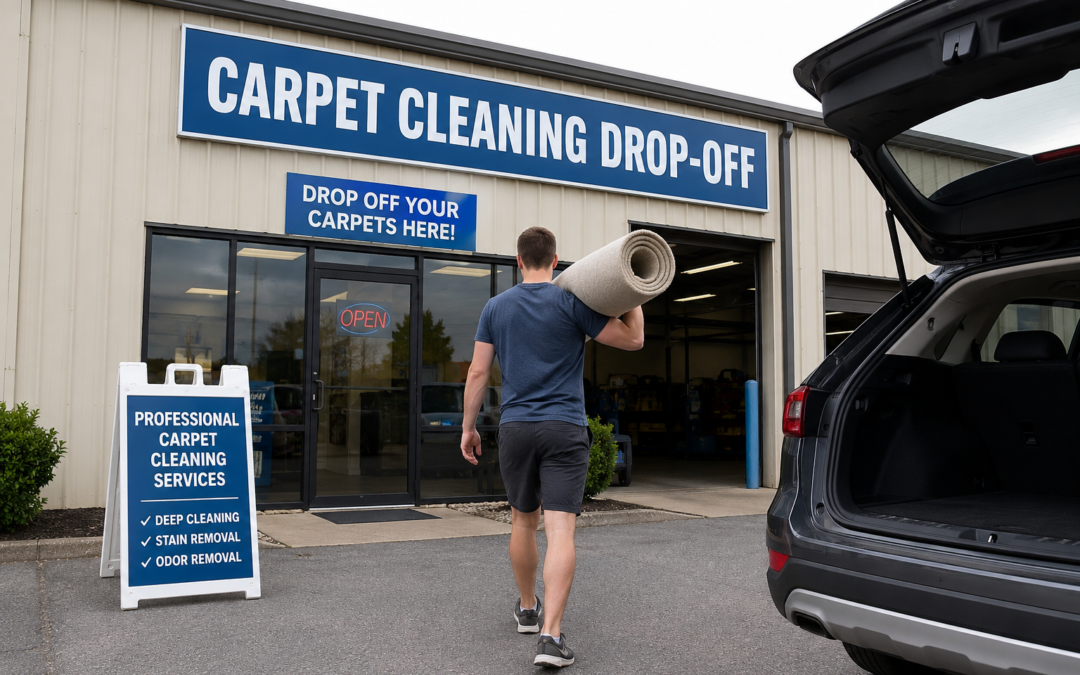
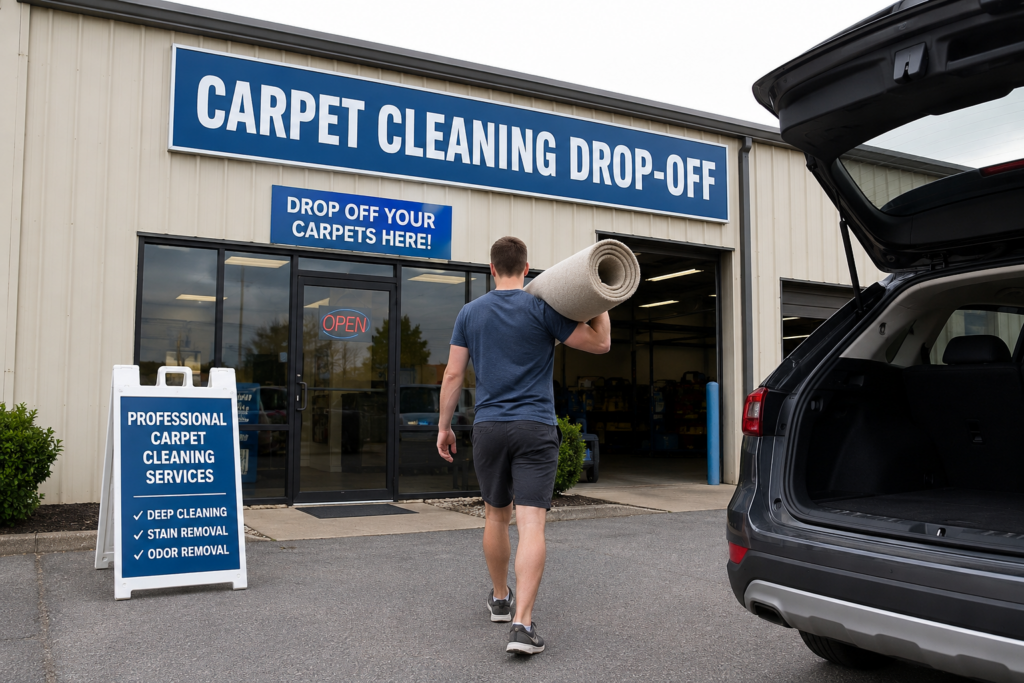
If you need to have a carpet cleaned, the right place is usually a professional carpet cleaning company that offers in-home service for installed carpet or off-site care for removable area rugs. For wall-to-wall carpet, the cleaner usually comes to you; for loose rugs, some providers may offer pickup, drop-off, or specialty rug washing. That distinction matters because the wrong service can lead to damage, poor results, or extra cost.
The most important takeaway is simple: first identify whether you have installed carpet or a removable rug. Installed carpet is typically cleaned in place, while rugs may be suitable for transport and deeper off-site washing depending on the fiber and condition. Once you know that, it becomes much easier to choose the right provider, ask the right questions, and avoid common mistakes. In this article, I’ll explain where to take carpet, how the process works, what can go wrong, and how expert guidance helps you get a better result. For readers in the Salt Lake City area, local companies such as Stanley Steemer, Chem-Dry providers, and other carpet specialists serve the region and can help determine the best approach for your specific carpet or rug.
What “Carpet Cleaning” Means
When people ask where they can take their carpet to get cleaned, they usually mean one of three things: a wall-to-wall carpet in a room, a loose area rug, or a carpet that has been damaged and needs more than cleaning. Professional providers in the Salt Lake City area advertise carpet, upholstery, rug, and related cleaning services, which shows that the industry separates these jobs depending on what kind of textile you have and how it is installed.
The main parties involved are you, the cleaner, and sometimes a rug facility if the item can be transported. If the carpet is installed, the service is typically performed at your home. If it is a removable rug, the provider may be able to take it off-site or recommend a specialty rug cleaner. Homeowners often find both national brands and local operators in their area, including companies that market fast drying, deep cleaning, or gentle cleaning methods.
The basic process usually includes inspection, pre-treatment, cleaning, and drying. What is included depends on the provider. Some companies move furniture, some focus on carpet only, and some offer deodorizing or stain-specific treatment. The key is to match the service to the carpet, not the other way around.
Main Things To Know
1. Installed Carpet Usually Stays In Place
The biggest misconception is that all carpet can be rolled up and taken to a shop. In reality, wall-to-wall carpet is usually cleaned in place because it is attached to the home. Providers serving Salt Lake City advertise in-home carpet cleaning specifically because that is the normal way installed carpet is handled.
This matters because trying to remove installed carpet can create seam damage, stretching, or problems with the tack strips and edges. It can also turn a simple cleaning into a repair or replacement project. If the carpet is installed, the right answer is usually to schedule an on-site cleaning appointment rather than trying to transport it.
A real-world example: if your living room carpet has traffic lanes or pet spots, the cleaner should come to you. That keeps the job safer, quicker, and usually cheaper. The best way to avoid confusion is to describe the item clearly when you call: “This is wall-to-wall carpet,” not “I want to take it somewhere.”
2. Area Rugs Are More Likely To Be Taken Off-Site
Loose area rugs are the type of carpet covering most likely to be taken somewhere for cleaning. If the rug can be rolled safely, the provider may recommend off-site washing, pickup and drop-off, or a specialty rug treatment process. This is especially common when the rug is delicate, heavily soiled, or made of a fiber that benefits from more controlled handling.
This matters because a facility setting can allow more careful washing and drying than a home visit. That can improve results for certain rugs, but it is not always the right choice. Some rugs are too large, too fragile, or too valuable to move without risk.
The best practice is to ask whether the provider handles area rugs separately from installed carpet. If you have a rug, send photos of the front, back, and edges. A professional can then tell you whether it should be cleaned on-site, taken off-site, or referred to a rug specialist. That simple step prevents a lot of damage and confusion.
3. Fiber Type Changes The Best Cleaning Method
Not every carpet or rug should be treated the same way. Synthetic carpet, wool rugs, natural-fiber textiles, and specialty pieces can all respond differently to water, detergent, agitation, and drying. Providers in Utah often separate carpet, upholstery, and rug services because the material matters just as much as the soil level.
This matters because the wrong method can cause shrinking, color bleeding, texture changes, or residue problems. A standard synthetic hallway carpet may be a good candidate for on-site extraction, but a wool rug may need gentler handling. If you know the fiber, tell the cleaner. If you do not, take pictures and ask for an evaluation.
A practical example: a family room carpet made of synthetic fibers might clean well with an in-home deep clean, while a hand-knotted rug could need specialist washing. The more clearly you describe the fiber and condition, the better the advice you receive. That is one of the main reasons experienced guidance is valuable.
4. Drying Time Is Part Of The Service
A washed carpet is only as good as its drying process. Professional carpet cleaners in Utah often highlight quick drying or efficient extraction because moisture management is a major part of the job. If too much water stays in the fibers or backing, you can get odor, wicking, or mildew issues.
This matters because a carpet that looks clean while wet may still develop problems if it dries slowly. Good providers plan for strong extraction and proper airflow. If you are comparing cleaners, ask how long drying usually takes and what you should do to help.
A simple example: if you clean a bedroom in the morning, you may be able to walk on it later that day depending on humidity and carpet thickness. But thick carpet, heavy furniture, or poor ventilation can slow things down. That is why drying should be part of your decision, not something you think about afterward.
5. Some Problems Need Restoration, Not Just Cleaning
Not every carpet issue is a basic cleaning job. Water damage, pet urine saturation, smoke contamination, and structural damage may require repair or restoration. Some local companies advertise carpet repair and flood restoration alongside cleaning, which is helpful because deeper problems need different solutions.
This matters because cleaning the surface will not fix a problem that lives in the backing or pad. If odors keep returning or the carpet has been soaked, a standard wash may only hide the issue temporarily. A professional should be able to tell you when cleaning is not enough.
A real-world example: a carpet with a persistent smell after multiple cleanings may have contamination below the fibers. In that case, you need a specialist who can inspect whether cleaning, pad replacement, or restoration is the right answer. Describing the history of the problem honestly helps the provider give better advice.
6. Price Depends On More Than Room Size
Many people expect carpet cleaning to be priced only by room count or square footage. In reality, providers usually consider soil level, furniture moving, stain type, fiber type, and whether the carpet or rug needs off-site handling. Companies serving the Salt Lake City area advertise a range of carpet services, which suggests pricing changes based on complexity as well as size.
This matters because a low quote may not include stain treatment, deodorizing, or specialty rug handling. The “cheapest” option can become expensive if it does not solve the problem the first time.
A better approach is to ask what is included in the estimate. For example: does the price include pre-treatment, moving furniture, or pickup if it is a rug? That gives you a much clearer comparison between providers and helps you avoid surprise charges later.
7. Different Companies Offer Different Strengths
Local and national cleaners often emphasize different strengths. Stanley Steemer serves the Greater Salt Lake City area with carpet, upholstery, tile, and air duct services, while Chem-Dry providers may emphasize faster dry times and a deeper, gentler process. Other local companies highlight honest service, pre-treatment, furniture moving, or specialized stain removal.
This matters because the right provider is not always the one with the biggest ad. A provider that understands your specific problem can be more useful than a generic one. If you need a fast turnaround, ask about drying. If you have a fragile rug, ask about fiber care. If you have pet problems, ask how they handle odor and staining.
The real goal is to match the provider’s process to your carpet’s needs. That is where reviews help, but process details matter even more.
8. Reputation Is Good, But Process Is Better
Online reviews are useful, but they should not be the only factor. A cleaner can have great ratings and still not be the right fit for your rug or carpet type. What matters more is whether they explain how they inspect, pre-treat, clean, and dry the item. Local providers often describe these steps on their service pages, which is a good sign of professionalism.
This matters because the best results come from a clear process, not just good marketing. If the provider can explain what they will do with your specific carpet and why, that tells you a lot about their experience.
Think of reviews as the first filter and process as the final decision. If a company can tell you whether your carpet should be cleaned in place, washed off-site, or handled as restoration, you are probably talking to someone who knows the work.
Real Cost Of Choosing Wrong
Choosing the wrong place or method can create several kinds of cost. Financially, you may pay for a cleaning that does not solve the problem, then pay again for repair or a second treatment. If you try to remove installed carpet when it should have stayed in place, you can add transport and damage costs.
Time costs can be just as frustrating. Wrong service selection may lead to rescheduling, longer drying, or repeat stains. Emotionally, dirty carpet affects how your home feels, especially when guests are coming or you are trying to move out. Long-term, the wrong method can shorten carpet life or create odor and residue problems that are harder to fix later. Most of these costs are avoidable if you identify the carpet type and the problem before you book.
How An Experienced Expert Helps
An experienced carpet cleaner helps you figure out where the carpet should go, or whether it should stay where it is. They can inspect the fiber, assess the stain or damage, and recommend the best cleaning method. That can prevent damage, reduce guesswork, and improve the final result.
They also help with the practical details: drying time, stain treatment, furniture handling, and whether a rug needs off-site care or a carpet needs restoration. If a problem is more serious than simple soil, a professional can tell you that before you waste money on the wrong fix. That kind of guidance is often the difference between a one-time cleaning and a recurring problem.
If you want a local provider to evaluate the job, Double Take Carpet Cleaning is the kind of professional you want: someone who provides inspection, cleaning, and clear guidance based on the carpet’s condition and your goals.
Best Options
In-Home Cleaning
This is the standard choice for wall-to-wall carpet. The cleaner comes to your home, treats the carpet in place, and manages drying on-site. For most households, this is the safest and easiest option.
Its drawback is that you have to work around the appointment and allow drying time. Even so, for installed carpet, it is usually the best path.
Off-Site Rug Cleaning
This works best for removable rugs that can be safely transported and washed under controlled conditions. It may be a strong choice for delicate or heavily soiled rugs.
Its limitations are transport, cost, and material sensitivity. Not every rug should be moved or washed the same way.
Restoration Or Repair
This is the right option when the problem is damage, not just dirt. Water damage, odor saturation, and torn carpet often need repair or restoration.
The drawback is complexity and cost, but it can prevent repeated cleaning that never fully solves the issue.
What To Do Now
- Decide whether you have installed carpet or a removable rug.
- Take photos of the carpet, rug, stains, or damage.
- Contact a local provider and explain the item clearly.
- Ask whether they clean in-home or handle off-site rug washing.
- Request a quote and ask what is included.
- Ask how long drying usually takes.
- If there is odor, water damage, or recurring staining, ask whether restoration is needed.
- Choose the provider that explains the process clearly and realistically.
How To Choose The Right Provider
Look for a provider with experience in both carpet and rug care. They should be able to explain the cleaning method in plain English and tell you when cleaning is appropriate versus when restoration or specialty handling is better. Availability matters too, especially if you need help quickly.
Also look for a comprehensive approach. A good provider should inspect, explain, clean, and advise on aftercare. If they can identify when a problem goes beyond regular cleaning, that is a strong sign you are dealing with a professional who understands the work.
Common Mistakes
- Treating wall-to-wall carpet like a removable rug.
- Assuming every carpet should be taken somewhere.
- Ignoring fiber type.
- Choosing a provider without asking about drying.
- Using cleaning when the problem is really damage.
- Comparing prices without checking what is included.
- Forgetting to ask about pickup or transport for rugs.
- Hiring based only on price.
Frequently Asked Questions
Where can I take my carpet to get cleaned?
Installed carpet usually stays in the home, while removable rugs may be taken to a specialty cleaner.
Can wall-to-wall carpet be cleaned off-site?
Usually no. It is typically cleaned where it is installed.
Can area rugs be taken somewhere for washing?
Yes, many removable rugs can be taken off-site if the fiber and construction allow it.
How do I know whether I have a rug or carpet?
If it is attached to the floor, it is likely installed carpet. If it is movable, it is likely a rug.
Should I search for carpet cleaning or rug cleaning?
Use carpet cleaning for installed carpet and rug cleaning for loose rugs.
How long does carpet take to dry?
That depends on the method, humidity, thickness, and ventilation. Ask the provider for an estimate.
What if my carpet has pet odor?
Tell the provider up front. Pet odor may need special treatment or restoration.
Can all rugs be washed?
No. Delicate, antique, or unstable rugs may need a specialist.
Does price depend on the type of carpet?
Yes, because fiber, stain level, and transport needs all affect cost.
Do cleaners move furniture?
Some do, but not all. Ask before you schedule.
What if the carpet was water damaged?
That may require restoration, not just cleaning.
Can cleaning remove old stains?
Sometimes, but not always. Old stains can be permanent.
Should I vacuum before the cleaner comes?
Yes, pre-vacuuming usually helps.
Can I bring an area rug to a regular carpet cleaner?
Often yes, but ask whether they handle off-site rug cleaning.
Is a local provider better than a national brand?
Not always, but local providers may offer more flexible guidance.
What should I ask before booking?
Ask whether they clean in-home, whether they handle rugs, and what is included.
What if I need the carpet cleaned quickly?
Ask about availability and drying time before booking.
Can a carpet cleaner fix torn carpet?
No, torn carpet usually needs repair or replacement.
What causes stains to come back?
That can happen when dirt or moisture wicks up from deeper layers.
Can I wash wool like synthetic carpet?
Not always. Wool often needs gentler handling.
Is on-site cleaning safe for most carpets?
Usually yes, if the provider uses the right method for the fiber.
What is the biggest mistake people make?
They choose a cleaning method before identifying the carpet type.
Can cleaning help with allergens?
Yes, thorough cleaning can help reduce trapped soil and debris.
What if I’m still not sure what I have?
Send photos to a local provider and ask for an evaluation.
How do I choose the best provider?
Choose one that explains the process, asks good questions, and gives realistic expectations.
Rules And Standards
The most important standards here are practical: use the right method for the right item and follow the provider’s instructions. Providers in Utah commonly separate carpet cleaning, rug cleaning, upholstery cleaning, and restoration, which shows how important service type is. If the carpet has water damage or structural issues, cleaning alone may not be enough.
You should also expect clear pricing, a realistic explanation of drying time, and an honest assessment of whether cleaning will solve the problem. If a provider cannot explain those things well, that is a warning sign.
Conclusion
If you are asking where you can take your carpet to get cleaned, the first step is to identify whether you have installed carpet, a removable rug, or a damage issue. Installed carpet is usually cleaned in place, while rugs may sometimes be suitable for off-site washing. The biggest mistakes happen when people treat every carpet the same.
Most problems are avoidable with the right method and the right provider. If you want help deciding the best approach for your carpet, consult with Double Take Carpet Cleaning for guidance related to where you can take your carpet to get cleaned.
